



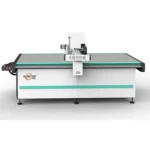
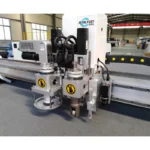


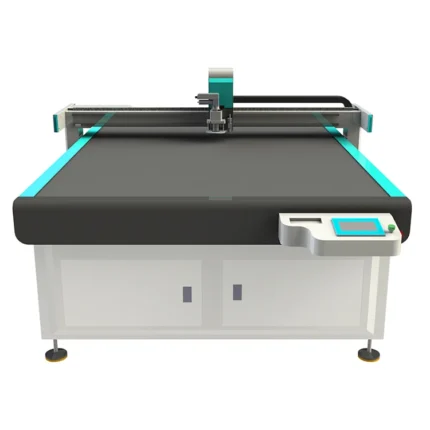
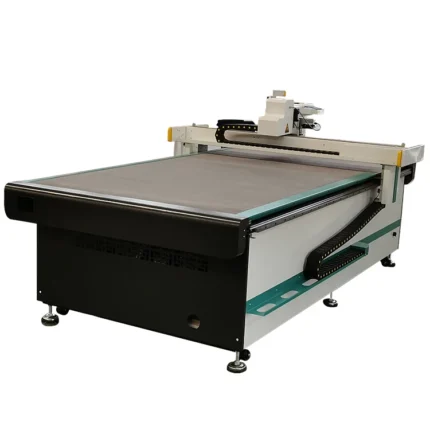
Oscillating Knife Carton Cutting Machine for Corrugated Board – OEM Available
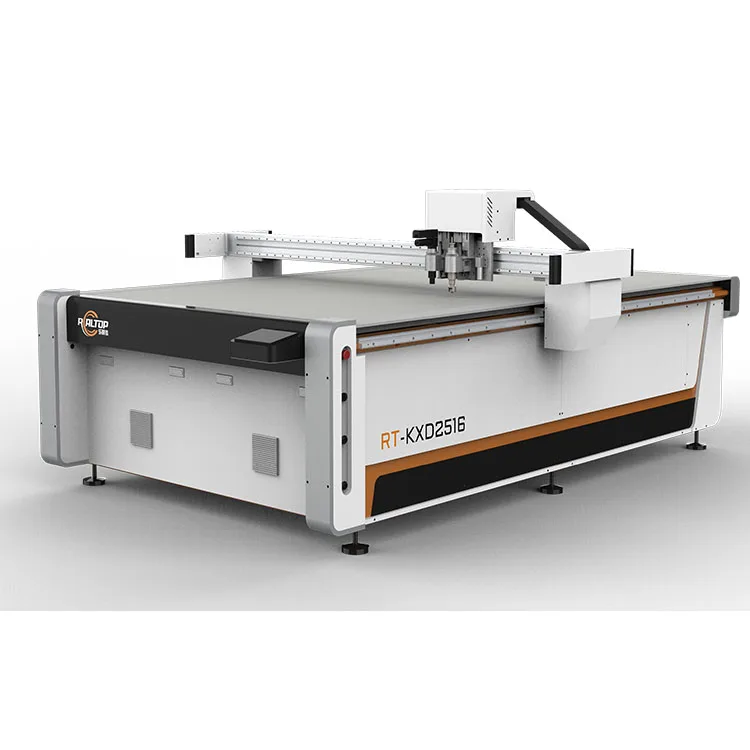
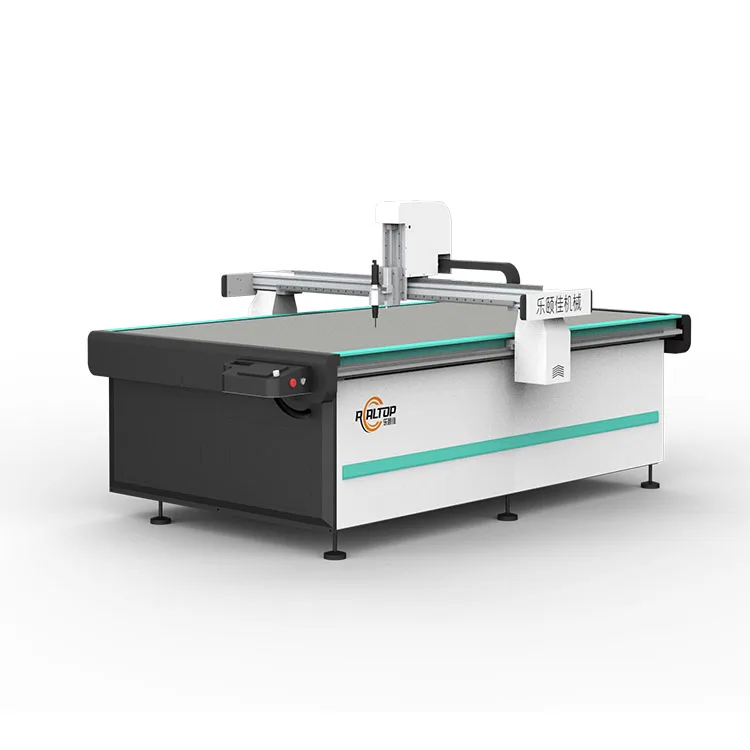
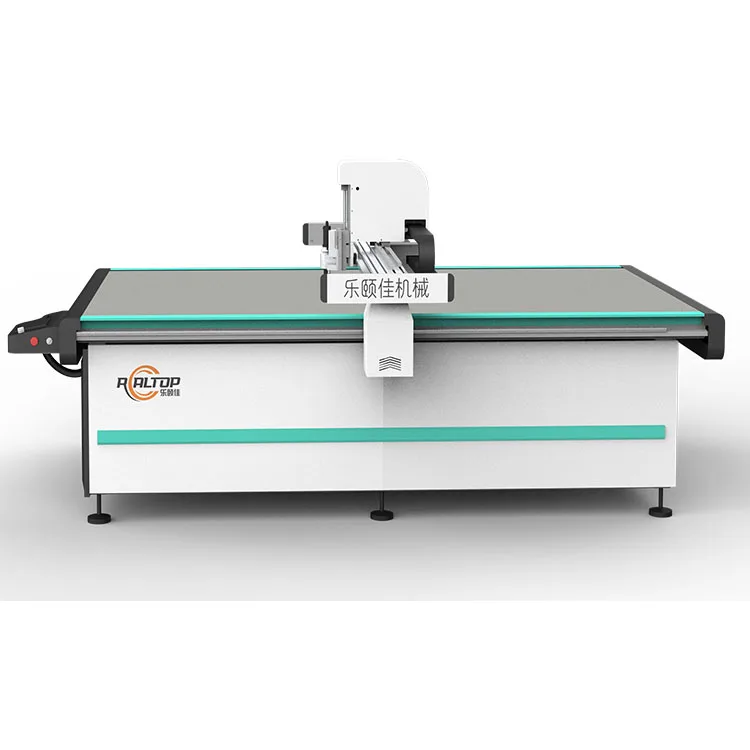
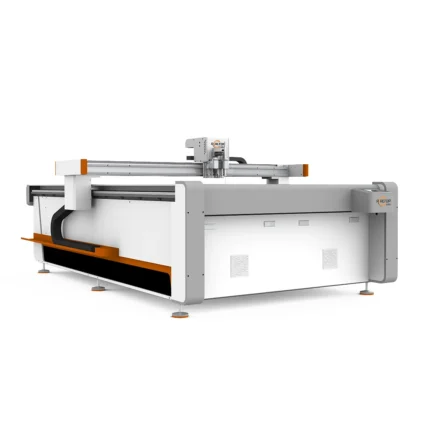
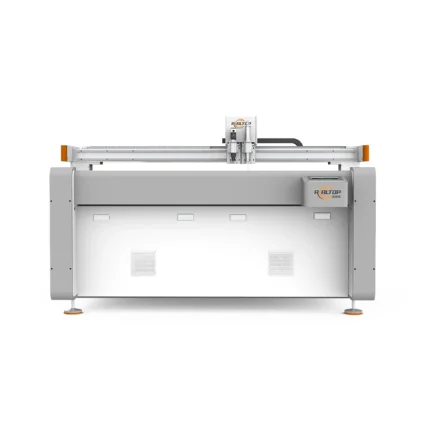
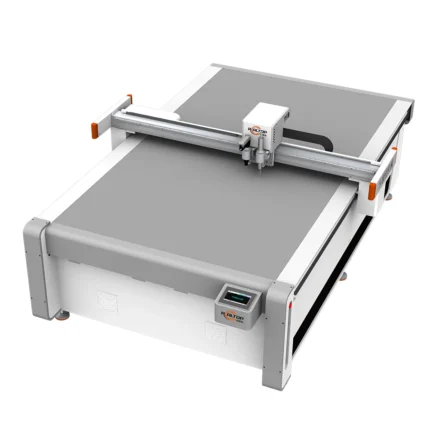
RT–R2513 / RT-D2516 / RT-S2516 CNC Oscillating Knife Carton Cutting Machine — 2500×1300mm or 1600×2500mm working area, ≤18mm cutting thickness, <0.05mm repeatability.
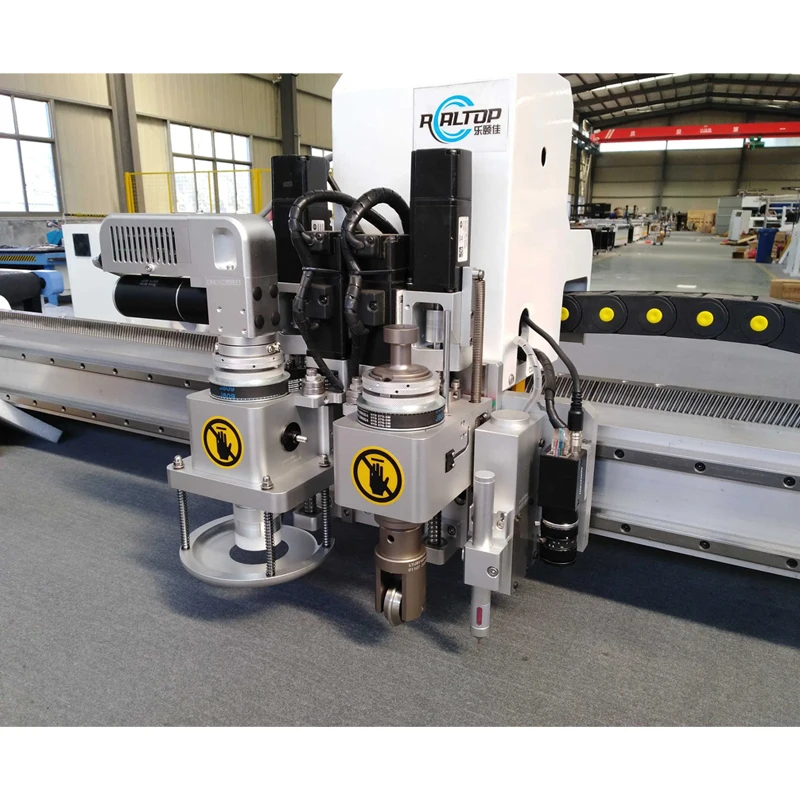
- Multi-tool head: oscillating knife, creasing tool, kiss-cut and round punch in one cycle
- Aluminum honeycomb vacuum platform with zoned adsorption for corrugated board holding
- Accepts DXF, OLT, PDF, AI files; 380V servo-driven system with infrared safety sensors
Delivers a clean alternative to CO2 laser on packaging stock — no burnt edges, no fume extraction needed. Sample cutting on your corrugated material, voltage matched to your market, and software compatibility confirmed before order.
Clean Process Alternative — Oscillating knife cutting eliminates the burnt edges and fume extraction burden associated with CO2 laser processing on corrugated and cardboard packaging stock.
Technical Specifications
| Parameter | Value |
|---|---|
| Product Type | CNC Oscillating Knife Carton Cutting Machine |
| Model | RT–R2513 / RT-D2516 / RT-S2516 |
| Working Area | 2500×1300mm (RT–R2513); 1600×2500mm (RT-D2516 / RT-S2516) |
| Machine Size | 3550×1910×1400mm (RT–R2513); 3450×2300×1250mm (RT-D2516 / RT-S2516) |
| Cutting Tools | Oscillating knife, Creasing tool, Kiss-Cut Knife Tool, Round punch |
| Cutting Thickness | ≤18mm (basis to be confirmed on specific board grade) |
| Fixing Method | Vacuum system with 7.5 kW vacuum pump |
| Table Structure | Aluminum alloy honeycomb vacuum adsorption platform |
| Rated Power | 9 kW |
| Voltage | 380V (configurable for destination market) |
| Servo Motor | Delta servo motor |
| Transmission | Imported straight-line square guide, Rack transmission |
| Repeated Accuracy | <0.05mm |
| Safety Device | Infrared sensors |
| Profile Format | DXF, OLT, PDF, AI |
| Transmission Method | Ethernet port |
| Software | Professional carton nesting software, language customization |
| Frame | Welded thick square seamless steel structure with high temperature treatment |
| Other Configuration | Germany imported conveyor belt, auto feeding, Taiwan Hiwin rail |
| Blade | 10 pieces of oscillating blades included |
| Warranty | 1 year (excludes felt and knife blades) |
| Delivery Time | <30 working days |
Application Suitability
| Application | Material or Output |
|---|---|
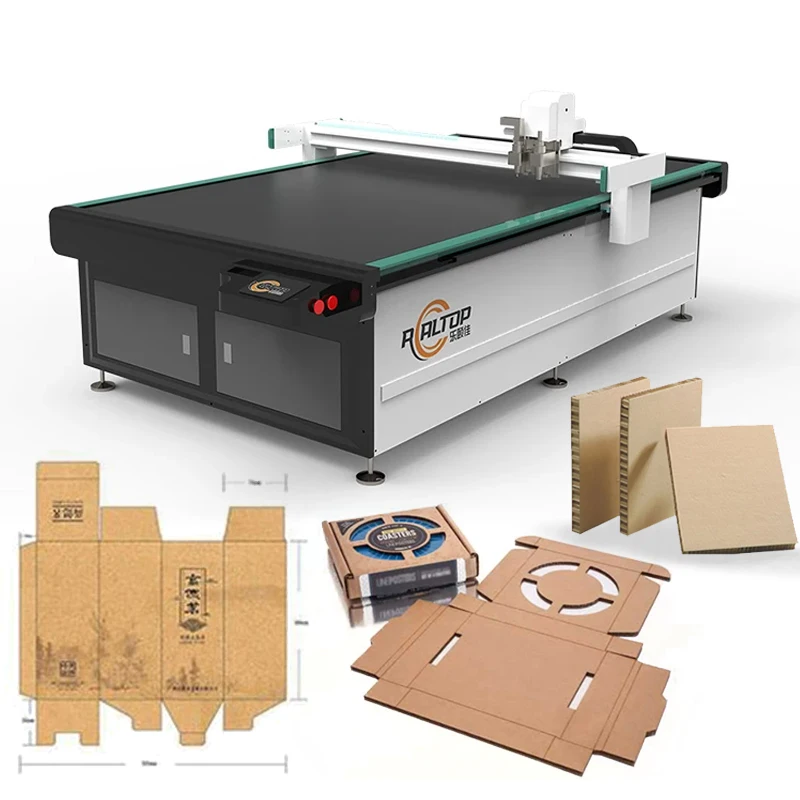
| Packaging carton sample making | Corrugated board, gray board, white card stock |
| Corrugated box short-run production | Single, double, and triple-wall corrugated up to 18mm |
| Sticker and label contour cutting | Vinyl, PP paper, self-adhesive label stock |
| Paperboard display and POP fabrication | Honeycomb paperboard, foam board, cardboard |
| Gasket and pattern cutting | Leather, non-woven fabric, composite sheets |
Why Laser Power Ratings Mislead Packaging Buyers on Corrugated Board
An oscillating knife cutting machine for packaging removes the guesswork of peak-versus-continuous laser power claims on thick corrugated substrates.
I spent years on the assembly floor before moving into laser equipment sales. When a Middle East buyer sent us a CO2 laser unit specified for acrylic sample cutting, we ran the factory test on standard acrylic sheet. The machine shipped, and the buyer loaded a flame-retardant composite board that absorbed the beam differently — the rated power could not penetrate, and the entire parameter set was scrapped and rebuilt on site, costing a full week of production downtime [NEED_CITE: material absorption variance in CO2 laser cutting on composite substrates]. Corrugated packaging stock behaves similarly: flute profiles and recycled fiber density vary batch to batch, and a laser quoted at peak wattage often underperforms on actual board thickness. The Oscillating Knife Cutting Machine for Packaging sidesteps this entirely because the blade physically shears through the material, making cutting depth a function of knife stroke and tool pressure rather than optical power that fluctuates with material composition.
Process Comparison: Oscillating Knife Versus CO2 Laser on Packaging Substrates
CO2 laser cutting seals edges on synthetics, which is valuable for acrylic and textile work. On corrugated cardboard and paperboard, that same thermal process leaves a charred edge that can compromise print registration on finished cartons and generates particulate requiring extraction ductwork and filtration. The oscillating knife cutting machine for packaging produces a clean mechanical cut with no thermal distortion and no fume extraction requirement, which matters in workshops that share floor space with printing and finishing lines.
Crease-and-Cut in One Work Cycle
The tool head carries an oscillating knife, creasing wheel, kiss-cut blade, and round punch simultaneously. A corrugated carton blank requiring both score lines for folding and through-cuts for tabs completes all operations in a single pass without tool changeovers. This eliminates the misalignment that accumulates when a sheet moves between a dedicated creaser and a separate cutting table [NEED_CITE: registration drift in multi-pass die-free sample making]. For short-run packaging and prototype cartons, single-cycle processing holds the <0.05mm repeated accuracy across the full bed.
Reading the Spec Sheet Against Real Board Grades
The ≤18mm cutting thickness is stated for general cardboard stock. In practice, a double-wall BC-flute corrugated board at 7mm crushes differently under the oscillating knife than a solid gray board at the same nominal thickness, because the air columns in flute structure compress before the blade penetrates the liner. The 9 kW rated power drives the vacuum pump and servo system rather than a laser source, so energy consumption stays constant regardless of board density — unlike laser machines where thicker board demands proportionally higher tube wattage. The aluminum honeycomb vacuum platform with a 7.5 kW pump holds large corrugated sheets flat, but small die-cut shapes near the sheet edge require zoned vacuum activation to prevent lift during the knife pass. The Delta servo motors paired with Taiwan Hiwin rails maintain positional accuracy at traverse speeds that suit short-run production volumes without the vibration that lighter frames transmit into the cutting head.
The Hidden Cost of Specifying by Working Area Alone
Buyers often select a flatbed cutter on table size without confirming that the tool head matches their material stack. An oscillating knife that handles 3mm card stock cleanly may stall or rag the edge on 12mm honeycomb paperboard if the stroke length and oscillation frequency are not rated for that depth. When the vacuum zoning does not match the smallest part in the nesting layout, lightweight labels and stickers lift off the table mid-cut, producing scrap and forcing the operator to re-nest the entire job [NEED_CITE: vacuum hold-down failure on small-format label cutting]. These issues surface only after the machine is running on the buyer’s actual stock, which is why a sample cutting report on the buyer’s own material is non-negotiable before commitment.
Why Source This Machine Here
In-house design covers both knife and laser cutting technologies, so the cutting method is matched to the material rather than forced into one process. Tool head and table configuration is specified per the buyer’s material stack and daily volume, not quoted from a fixed catalog page. The professional carton nesting software accepts DXF, OLT, PDF, and AI files, with file format compatibility confirmed before the order is placed. Voltage, control language, and plug type are customized to the destination market — the 380V source configuration is adapted to local supply before the electrical schematic is finalized. Sample cutting on the buyer’s own corrugated or cardboard stock runs before the machine ships, so cutting parameters arrive at the factory already proven on the actual material.
Documentation & Verification
- Machine specification sheet listing included tool heads against your material stack
- Electrical schematic confirming voltage, frequency, and plug type for destination market
- Sample cutting report on your corrugated or cardboard stock before dispatch
- Software licence and file format compatibility note for DXF, OLT, PDF, AI workflows
- Factory test record showing repeated accuracy measurement on your sheet size
- Spare parts list with oscillating blade and felt specification for reorder
Installation, Commissioning & Support
- Floor space requirement based on machine footprint up to 3550×1910mm plus operator clearance on all sides
- Dedicated 380V circuit with rated 9 kW capacity and correct phase rotation confirmed before energizing
- Machine ships assembled on frame; vacuum pump and conveyor belt connected on site
- First-run parameter setting on your specific board grade and flute profile during commissioning
- Operator training covers tool change procedure for oscillating knife, creasing wheel, and punch
- Ten oscillating blades included; felt and blade reorder specification provided at handover
What to Include in Your Inquiry
Send the exact corrugated flute profile or cardboard grade you run most frequently, along with sheet size and the thickest material in your production mix. Specify your local voltage and frequency, preferred control language, and whether your design team works in DXF, AI, or another format. If you are replacing an existing laser or die-cutting process, describe the current workflow so the tool head configuration can be matched to your output.
Frequently Asked Questions
Q: When should I choose an oscillating knife over a CO2 laser for corrugated packaging?
A: Oscillating knife suits corrugated board, cardboard, and paper-based packaging where clean edges without burn marks are required. CO2 laser is better for acrylic, wood, and synthetic textiles that benefit from edge sealing. If your packaging stock includes coated or flame-retardant layers, knife cutting avoids the absorption variability that affects laser penetration depth.
Q: Can the voltage be changed from the listed 380V for my local supply?
A: Yes. The electrical system is configured to match the destination market before shipment. Confirm your local voltage, frequency, and plug type during the inquiry stage so the schematic and components are specified correctly. The factory test runs on the target voltage before the machine is packed.
Q: Will my existing packaging design files open in the nesting software?
A: The software accepts DXF, OLT, PDF, and AI file formats. Compatibility with your specific file version and any custom layer naming is confirmed before the order is placed, so your design workflow continues without format conversion steps.
Q: How is cutting thickness verified for my specific board grade?
A: The stated ≤18mm applies to general cardboard stock. Your actual corrugated flute profile or board density may cut differently. A sample cutting test on your own material runs before commitment, producing a report that documents achievable thickness, edge quality, and cycle parameters on your stock.
Q: What is the typical delivery lead time after order confirmation?
A: Standard lead time is under 30 working days from specification and voltage confirmation. The factory test on your material is completed before shipment. Complex configurations with custom tool head combinations or non-standard voltage may extend this timeline, confirmed at the quotation stage.


Related products
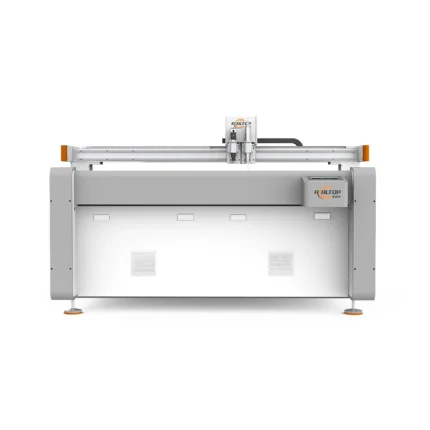
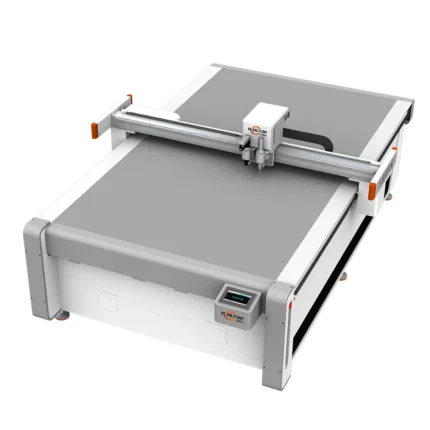
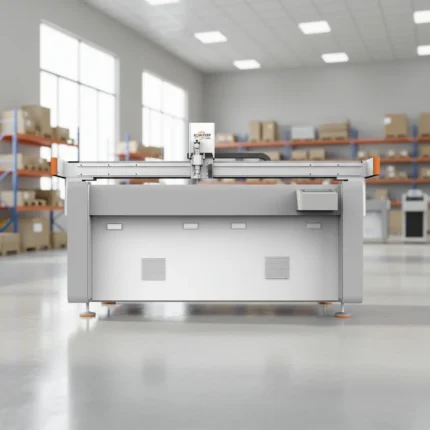
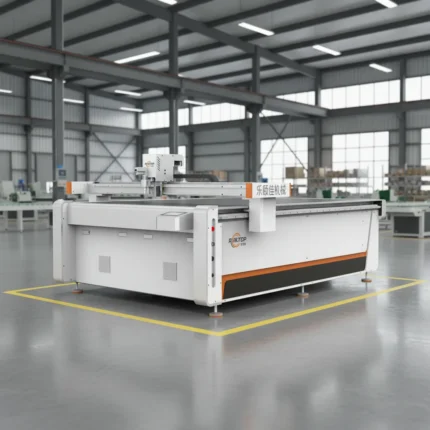
Automatic Die-less Cardboard Vibrating Knife Cutter 2026
Product Introduction
Automatic Die-less Cardboard Vibrating Knife Cutter 2026, a precision cutting solution for cardboard materials, featuring advanced die-less technology for efficient and flexible cutting operations. Ideal for various cardboard processing needs in manufacturing and packaging industries.Key Specifications
| Model | 2026 |
| Type | Automatic Die-less Cutter |
| Cutting Tool | Vibrating Knife |
| Material | Cardboard |
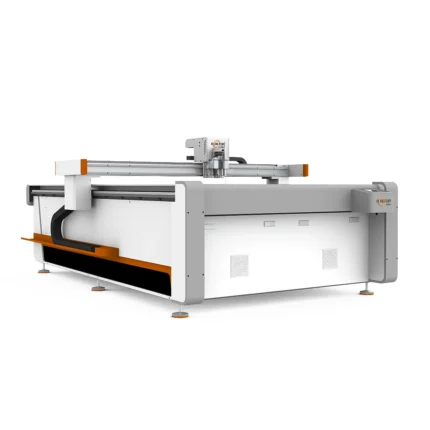
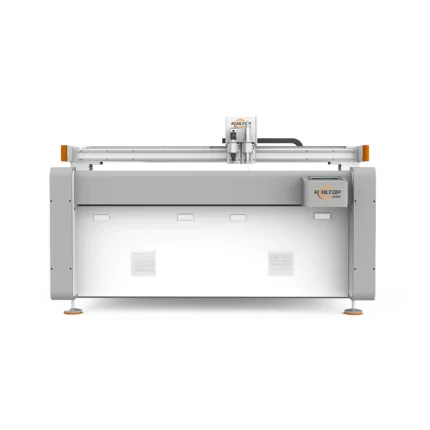
CNC Flatbed Cutter 2026 Digital Corrugated Box Making Machine
Product Introduction
High-precision CNC flatbed cutter designed for efficient cardboard box production. Ideal for 2026 digital corrugated box manufacturing, offering precise cutting and reliable performance for professional packaging solutions.
Key Specifications
| Type | CNC Flatbed Cutter |
| Application | Cardboard Box Production |
| Technology | 2026 Digital System |
| Material | Corrugated Board |
CNC Oscillating Knife Cutting Machine 2026 for Corrugated Cardboard & Honeycomb
Product Introduction
2026 CNC Oscillating Knife Cutting Machine, ideal for corrugated cardboard and honeycomb materials, offering precise and efficient cutting solutions for your production needs.Specifications
| Model | 2026 |
| Type | CNC Oscillating Knife Cutting Machine |
| Applicable Materials | Corrugated Cardboard, Honeycomb |
| Cutting Method | Oscillating Knife |
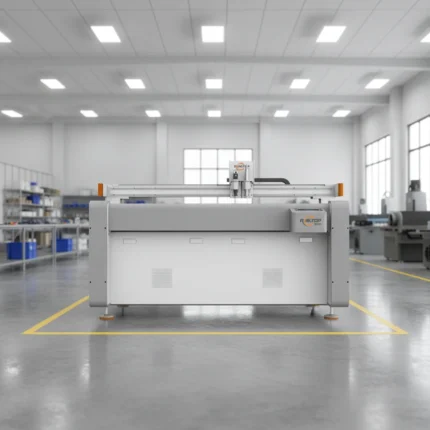
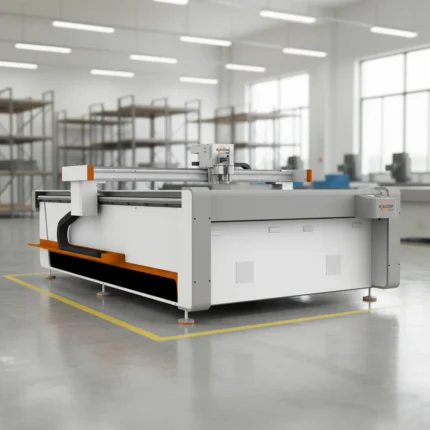
Digital Box Cutter 2026 Oscillating Knife Cardboard Cutter
Product Parameters
| Model | Digital Box Cutter 2026 |
| Cutting Type | Oscillating Knife |
| Material | Corrugated Cardboard |
Introduction
Professional oscillating knife cutting machine for corrugated cardboard. Ideal for precise, efficient cutting in packaging production. Reliable performance from China's leading welding & cutting equipment manufacturer.

商品评价
There are no reviews yet.