






Oscillating Knife CNC Cutter for Packaging – Model Selection
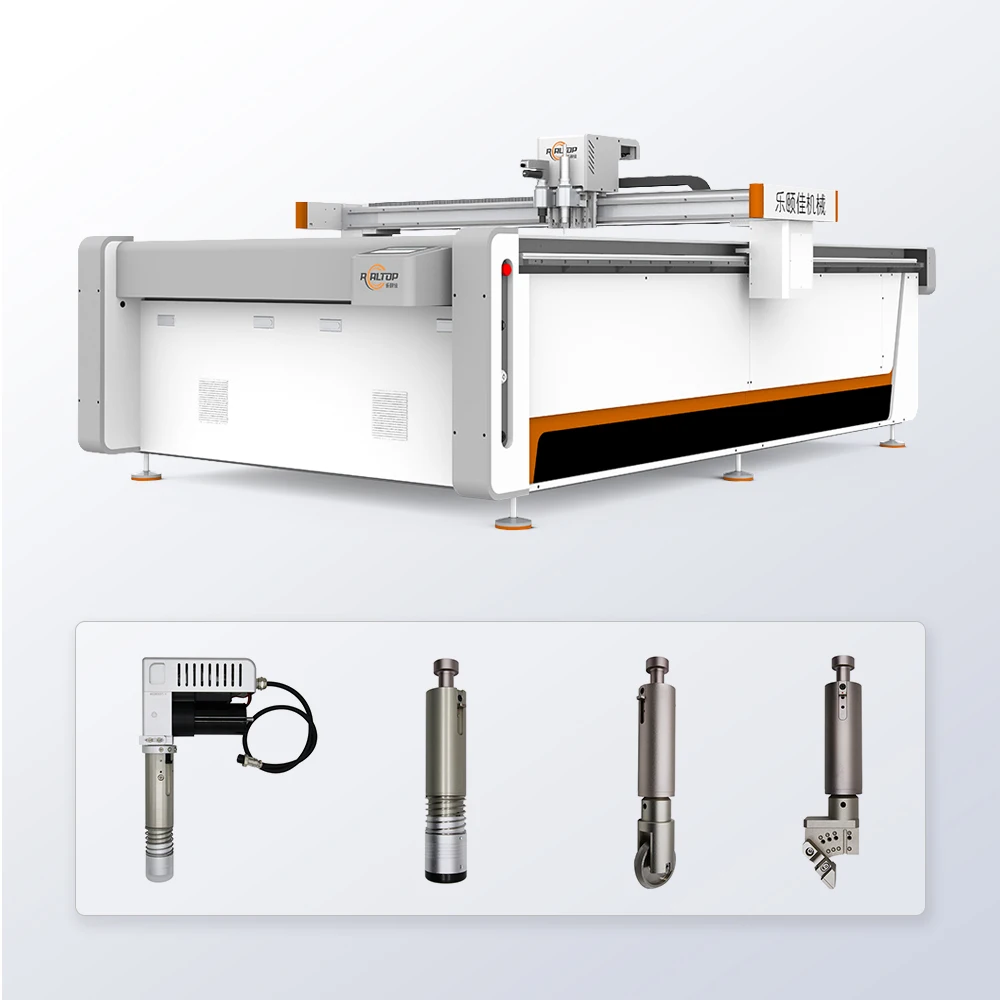
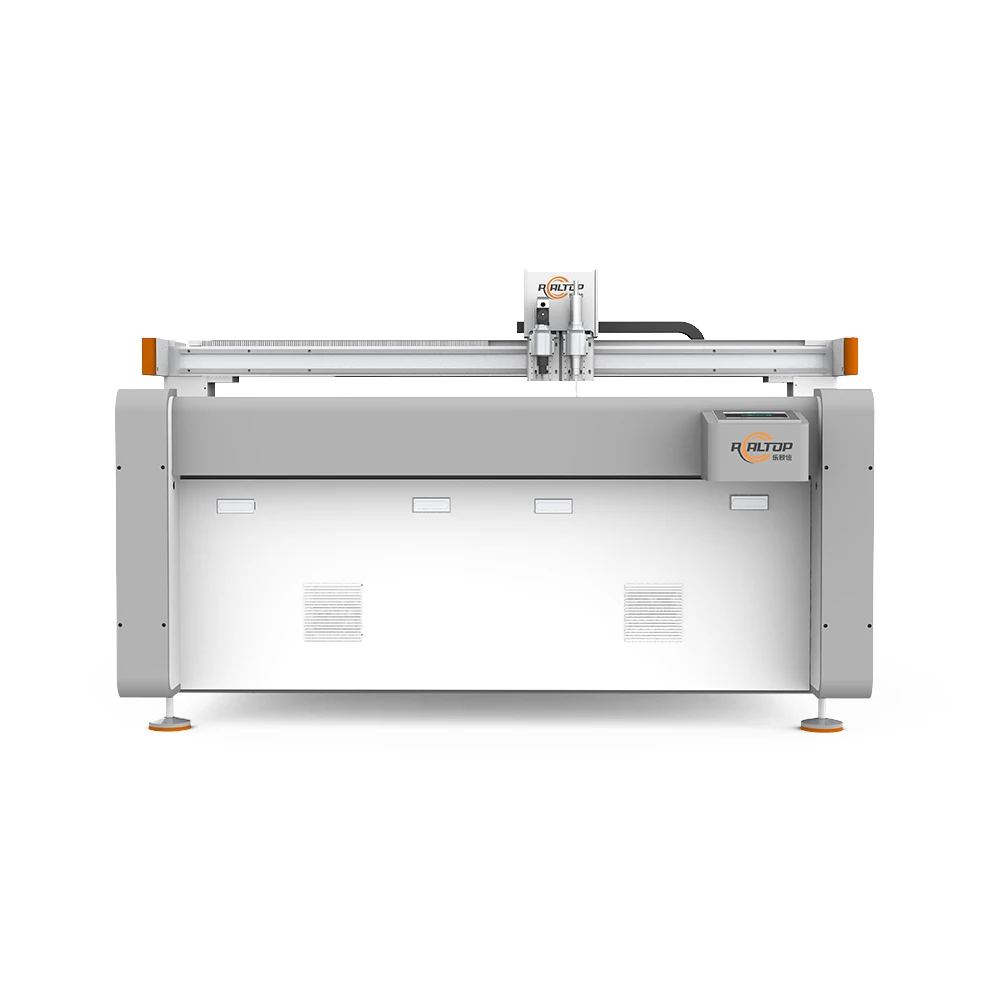
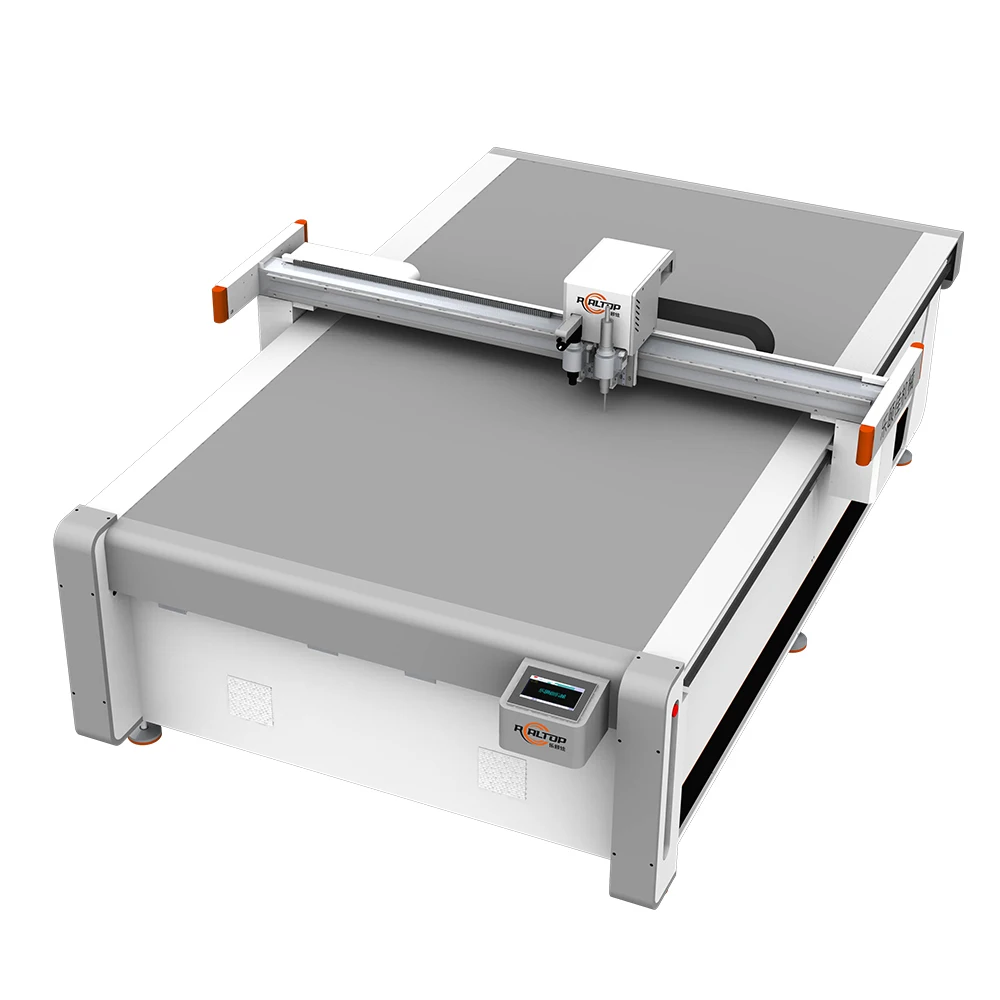
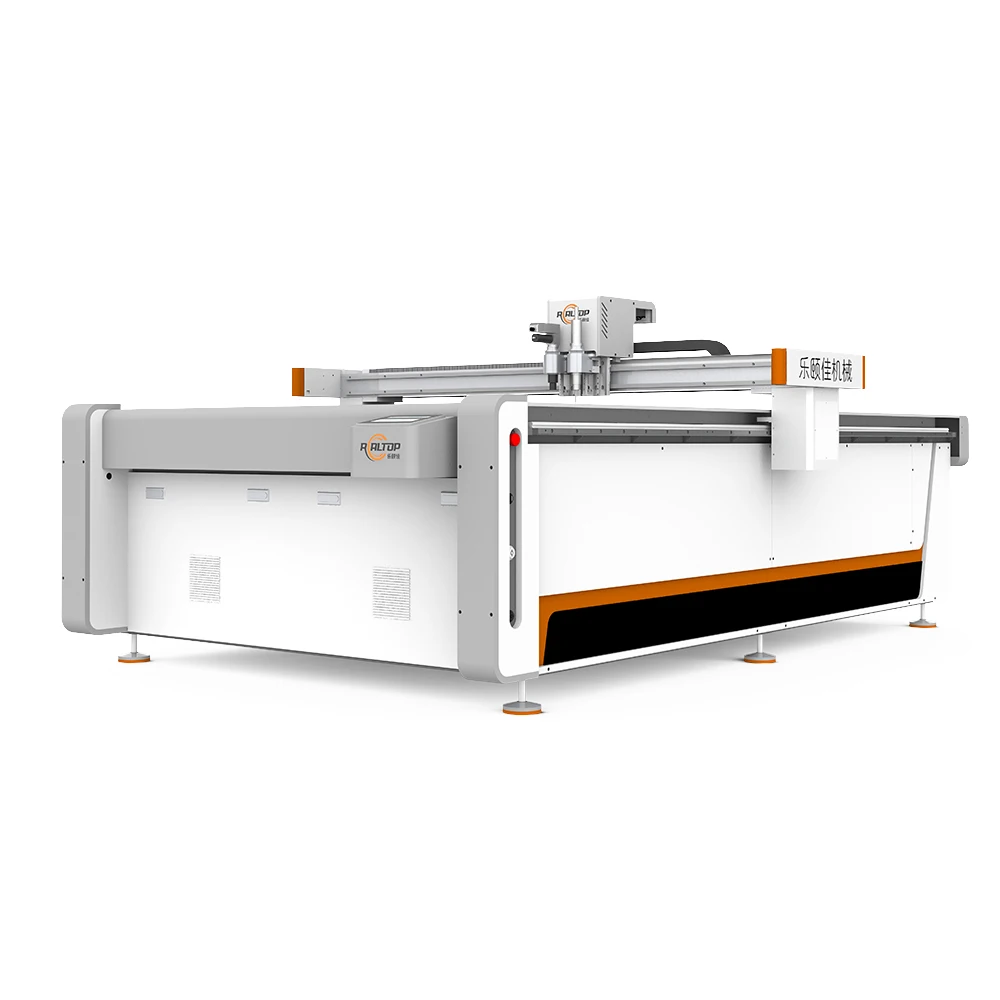
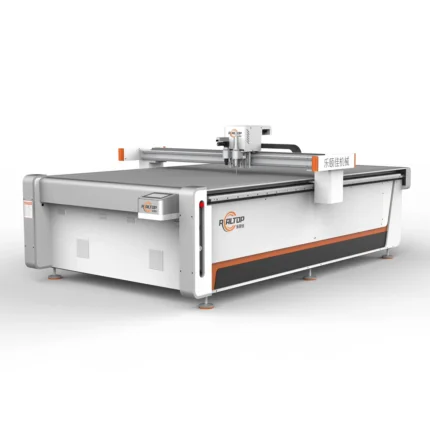
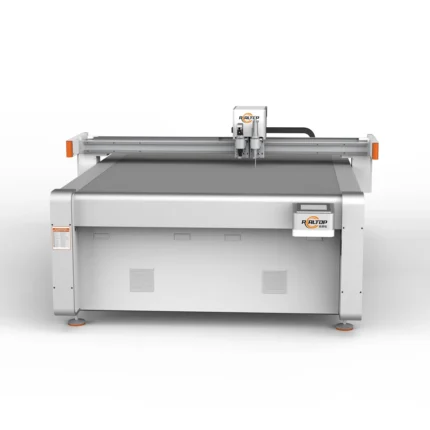
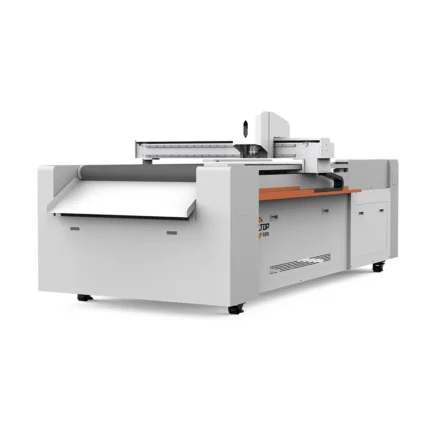
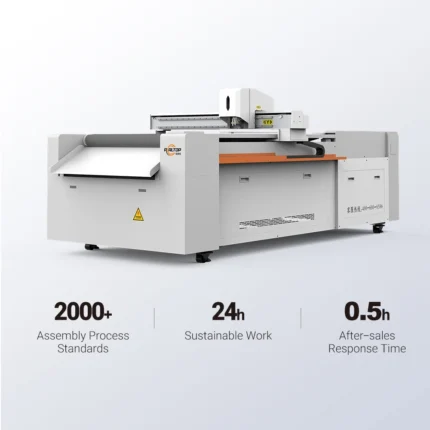
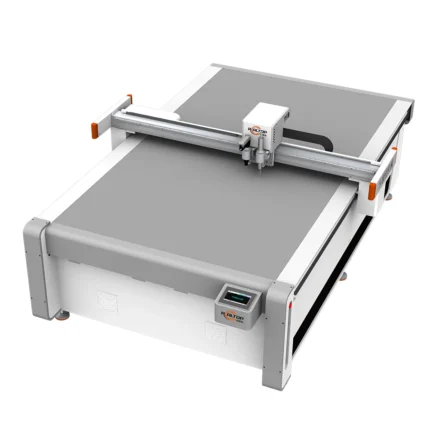
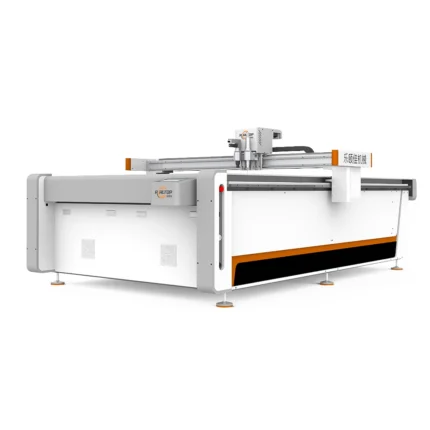
1625 CNC Oscillating Knife Cutting Machine, 1600×2500mm, 9KW Vacuum, PLC Control — purpose-built for packaging sample making and carton prototyping across corrugated, greyboard and foam substrates.
Multi-tool configuration pairs oscillating knife with creasing wheel and V-groove tooling, enabling cutting and folding-line work in a single setup without thermal edge effects. Aluminum bellows vacuum table holds lightweight stock flat at production speed.
- Cutting speed 0-1500 mm/s with ±0.1mm accuracy
- Accepts PLT, DXF, AI and PDF file formats
- Servo options: Panasonic, Delta or Dorna
Sample cutting on your own material is completed before order commitment, so tool head and table zoning are verified against your actual stock.
Cold Cutting Precision — in-house design covering both knife and laser methods allows configuration by material behavior rather than forcing one process across all substrates.
Technical Specifications
| Parameter | Value |
|---|---|
| Model | 1625 |
| Product Type | CNC Oscillating Knife Cutting Machine |
| Working Area | 1600×2500 mm |
| Tool Head Options | Oscillating knife, Driven rotary knife, Creasing wheel, Kiss cutting tool, Pneumatic knife, Milling tool, V groove knife |
| Cutting Speed | 0–1500 mm/s |
| Cutting Thickness | ≤ 40 mm (basis not stated in source — confirm block format / material / thickness) |
| Cutting Accuracy | ±0.1 mm |
| Vacuum Pump | 9 kW |
| Vacuum Table | Aluminum bellows vacuum table |
| Control System | PLC control panel (rated or peak not specified in source) |
| Servo Drive Options | Panasonic, Delta, Dorna |
| Voltage Options | 110V, 220V, 380V (frequency not specified in source) |
| Profile Format Support | PLT, DXF, AI, PDF |
| Software Language Options | English, Russian, Italian, Chinese (custom languages available) |
| Safety Devices | Infrared sensor device, emergency stop device |
| Machine Size | 3300×2100×1350 mm |
| Assembly State | Fully assembled with factory test record |
| Certification | CE declaration where applicable |
Application Suitability
| Application | Material or Output |
|---|---|
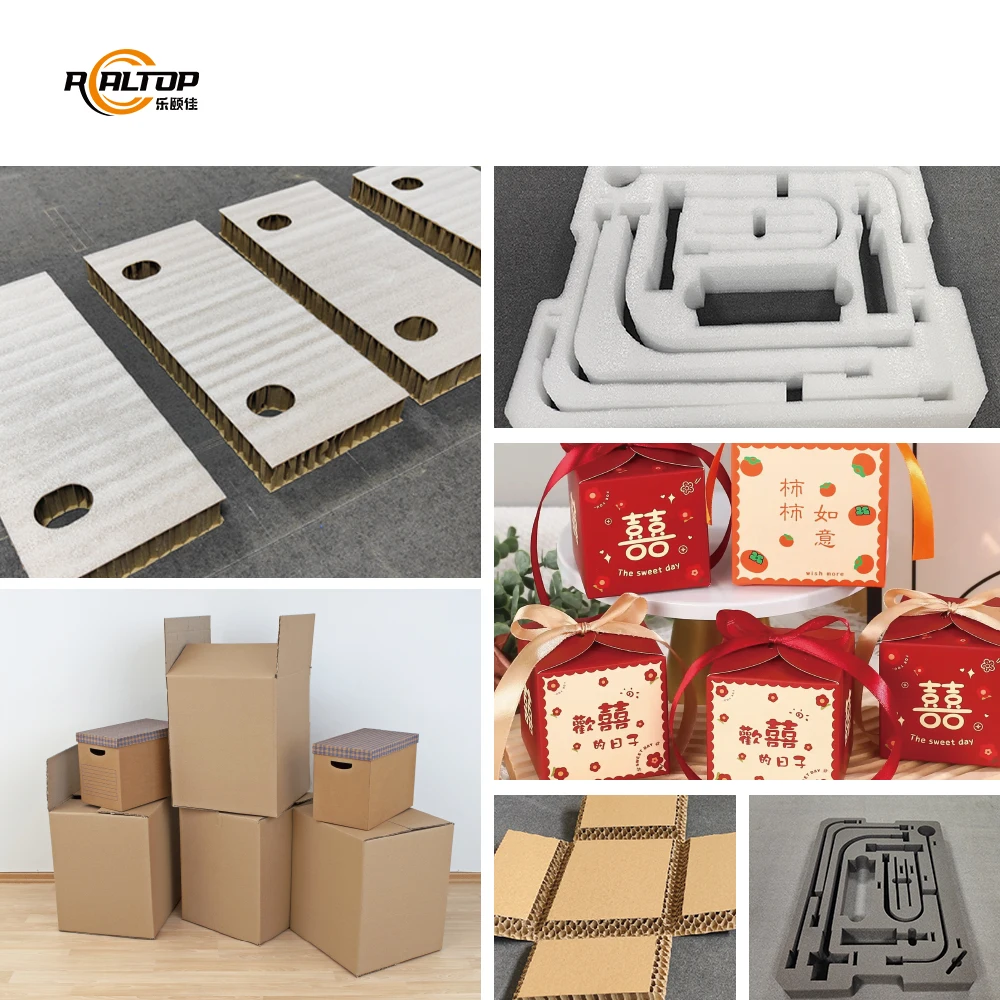
| Packaging sample making and carton prototyping | Corrugated cardboard (E-flute, B-flute, BC-flute), greyboard, cardstock, art paper, specialty paper |
| Foam and gasket fabrication | EVA foam, EPE foam, PU foam, rubber mats up to stated thickness limit |
| Signage and display production | PVC, PET thin plastic sheets, adhesive-backed materials |
| Textile and leather cutting | Velvet, fleece fabric, non-woven fabric, leather, synthetic leather |
| Composite material processing | Composite panels, layered materials requiring cold cutting without thermal edge effects |
Why Cutting Method Must Come Before Working Area
Choosing the process first prevents the most expensive mistake in packaging equipment procurement.
I once configured an oscillating knife unit for a Middle East buyer based on his corrugated board samples, calculating table size and knife speed against those samples. What arrived at his facility was high-density greyboard, a completely different beast. The knife head could not hold up under continuous operation, and throughput dropped sharply against the original projection. That mismatch was not a machine defect — it was a specification gap. Buyers who lead with working area dimensions often discover too late that the chosen method cannot handle their actual material density or thickness [NEED_CITE: common specification errors in CNC cutting procurement]. A CNC oscillating knife cutting machine for packaging must be validated against the buyer’s real production stock, not catalog samples.
Thermal Versus Mechanical Cutting on Packaging Substrates
Packaging materials respond very differently to heat-based and cold cutting processes. CO2 lasers seal synthetic edges cleanly but scorch corrugated flutes and leave carbon deposits on greyboard that contaminate print surfaces. An oscillating knife produces no thermal effect, preserving the structural integrity of flute walls and keeping art paper faces free of burn marks. The 1625 platform runs purely as a mechanical cutting system, which is the correct choice when the substrate must remain unaltered at the cut edge.
Multi-Tool Configuration for Complete Sample Workflows
Carton prototyping rarely involves cutting alone. Crease lines, perforations, and V-groove channels define how a sample folds and assembles. This CNC oscillating knife cutting machine for packaging supports up to seven tool head options on a single table — oscillating knife for through-cuts, creasing wheel for fold lines, kiss cutting tool for adhesive layers, and V-groove knife for rigid board hinges. Switching tools mid-job eliminates the need to move a sheet between stations, keeping registration tight across operations and reducing handling time between cutting and creasing passes [NEED_CITE: tool head selection by material type in digital cutting].
Reading the Specification Sheet Against Your Production Reality
Working area of 1600×2500 mm accommodates standard full-sheet packaging formats, but area alone does not determine suitability. Cutting speed of 0–1500 mm/s is the maximum traverse rate; actual throughput depends on contour complexity, material density, and the number of tool changes per sheet. The 9 kW vacuum pump paired with an aluminum bellows table provides full-surface adsorption, which matters when cutting lightweight art paper or thin plastic films that lift under knife drag. Servo drive selection across Panasonic, Delta, and Dorna affects positioning repeatability, and the ±0.1 mm accuracy figure holds when the servo loop and mechanical drive are matched correctly at the factory. PLC control with support for PLT, DXF, AI, and PDF formats means existing design files transfer without intermediate conversion steps. Voltage options spanning 110V, 220V, and 380V require confirmation of local frequency before the electrical cabinet is wired [NEED_CITE: voltage and frequency standards by export market].
What Happens When the Tool Head Does Not Match the Stock
Specifying the wrong tool head for a given material produces visible defects immediately. A drag knife on dense greyboard tears the face paper instead of shearing it, leaving ragged edges that reject at the folding stage. An oscillating knife set to incorrect frequency on thin film causes chatter marks along the cut path. Pneumatic knife tools handle thicker foam blocks but crush thin corrugated flutes if downward pressure is not calibrated to the board grade. These failures appear as quality rejections, not machine alarms, making them harder to trace back to the configuration decision. Every tool head in the available range — from creasing wheel to milling tool — targets a specific material density and thickness band, and the correct selection depends on testing with the buyer’s actual production stock before the configuration is locked [NEED_CITE: cutting quality defects linked to tool head mismatch].
Why Procurement Through This Manufacturer Differs
In-house design and production across both knife and laser platforms means the cutting method is selected based on material behavior, not pushed from a single-technology catalog. Tool head and vacuum table configuration is specified per material type and daily production volume rather than offered as a standard package. Software compatibility for PLT, DXF, AI, and PDF is confirmed before the order is placed, eliminating file format surprises at commissioning. Voltage, plug type, and control language are verified against the buyer’s facility requirements before shipment. Sample cutting on the buyer’s own material is completed and documented before commitment, providing a production reference rather than a generic demonstration.
Documentation & Verification
- Machine specification sheet listing every configured tool head and table zone
- Electrical schematic with voltage and frequency confirmation for your local supply
- Tool head and table configuration list matched to your material thickness and type
- Sample cutting report on your packaging board or foam stock before order confirmation
- Software licence and file format compatibility note for PLT, DXF, AI, PDF workflows
- Factory test record documenting accuracy and cut quality prior to dispatch
Installation, Commissioning & Support
- 3300×2100×1350 mm machine footprint requires level concrete floor with clearance for material loading on all sides
- 9 kW vacuum pump demands a dedicated circuit; confirm local voltage matches the configured 110V, 220V, or 380V supply
- Fully assembled arrival means no on-site frame welding — power connection and vacuum hose routing are the primary setup tasks
- PLC control panel parameters preset at factory; first-run calibration verifies servo tuning against your sheet weight
- Operator training covers tool head changeover sequence and vacuum zone assignment for small-part cutting
- Spare parts list covers oscillating knife blades, creasing wheel inserts, and vacuum table seals
What to Provide With Your Inquiry
Send the specific material types, sheet dimensions, and thickness range your packaging operation runs daily. Include your local voltage and frequency standard along with the preferred control language for the PLC interface. If you have existing design files in PLT, DXF, AI, or PDF format, share a representative sample so software compatibility can be verified before quotation.
Frequently Asked Questions
Q: How do I decide between knife cutting and laser cutting for my packaging material?
A: Corrugated cardboard, greyboard, and art paper cut cleanly with an oscillating knife and show no thermal edge damage. Laser cutting suits acrylic, wood veneer, and synthetic textiles where edge sealing is desired. When your primary stock is paper-based packaging material, cold cutting preserves flute structure and surface print quality without carbon residue.
Q: What voltage and frequency details should I confirm before ordering?
A: The 1625 platform supports 110V, 220V, and 380V configurations. Beyond voltage, confirm whether your facility runs 50 Hz or 60 Hz, as this affects servo drive tuning and vacuum pump motor rating. Providing this information before the electrical cabinet is wired avoids costly rewiring after arrival.
Q: How is the correct tool head selected for my material?
A: Each tool head — oscillating knife, creasing wheel, kiss cutting tool, V-groove knife, and others — targets a specific material density and thickness band. We run sample cuts on your actual packaging stock to determine which tool head produces the required edge quality and crease definition before finalizing the machine configuration.
Q: Will my existing design files work with the control software?
A: The system accepts PLT, DXF, AI, and PDF profile formats. Before the order is confirmed, we verify that your specific file versions import correctly and that nesting workflows integrate with your current design process, eliminating format conversion delays during production startup.
Q: Can I see cutting results on my own material before committing?
A: Yes. We produce a sample cutting report using your supplied packaging board, foam, or composite stock. This report documents cut edge quality, crease depth, and dimensional accuracy on your actual material, giving you a factual basis for the purchasing decision rather than a generic demonstration.


Related products
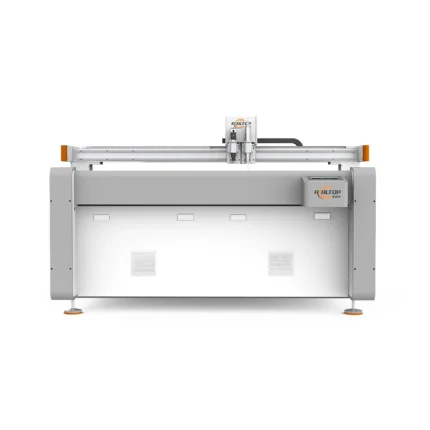
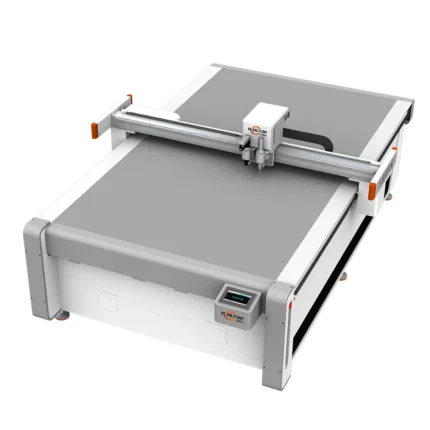
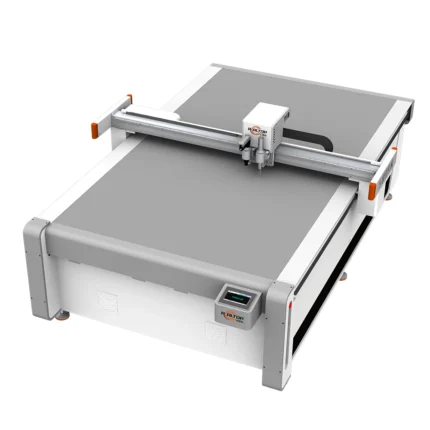
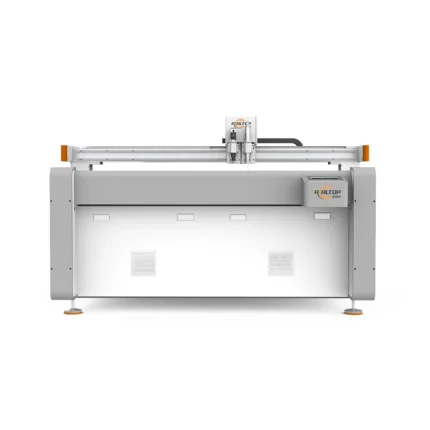
Automatic CNC Cutter Plotter 2026 Flat Bed Cardboard Cutter
Product Introduction
Automatic CNC Cutter Plotter 2026 is a flat bed cardboard cutting machine designed for precise and efficient cutting tasks. Ideal for various cardboard processing needs, it combines advanced CNC technology to deliver accurate results, suitable for manufacturing and packaging applications.Product Parameters
| Type | Automatic CNC Cutter Plotter |
| Model | 2026 |
| Design | Flat Bed |
| Application | Cardboard Cutting |
Automatic Digital Cardstock Cutter 2026 CNC Cutter
Product Introduction
Automatic Digital Cardstock Cutter 2026 is a CNC cutting machine ideal for white cardboard and kraft paper. It offers precise and efficient cutting performance, suitable for various paper processing needs in manufacturing and craft applications.Key Specifications
| Type | CNC Digital Cutting Machine |
| Material Compatibility | White Cardboard, Kraft Paper |
| Operation | Automatic |
| Application | Paper Cutting & Processing |


Realtop 2026 CNC Oscillating V-Cut Machine
Product Introduction
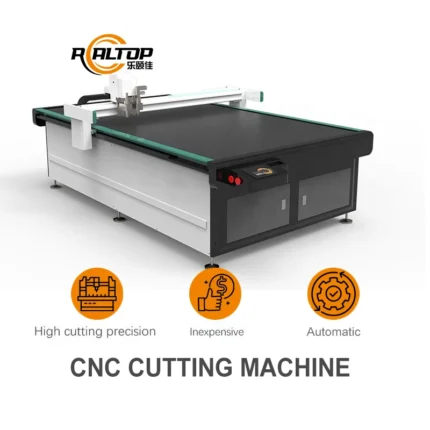
Realtop CNC Oscillating V-Cut Machine 2026 is a precision equipment designed for efficient V-cutting operations, ideal for various material processing needs with advanced CNC technology.
Key Specifications
| Model | Realtop CNC Oscillating V-Cut Machine 2026 |
| Type | CNC Oscillating V-Cut Machine |
| Application | Precision V-cutting operations |
| Feature | Advanced CNC technology |

商品评价
There are no reviews yet.