



Oscillating Knife Cutting Machine 1625 with CCD Camera – Factory Direct
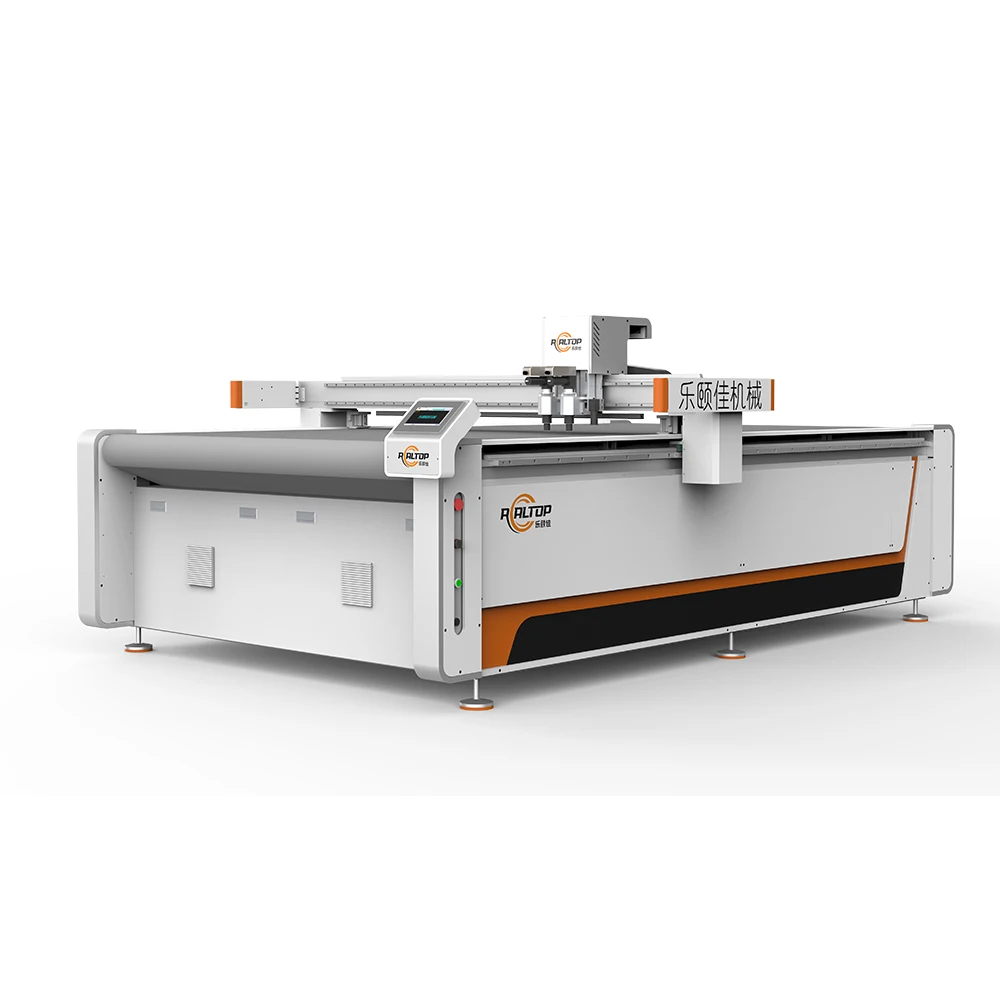
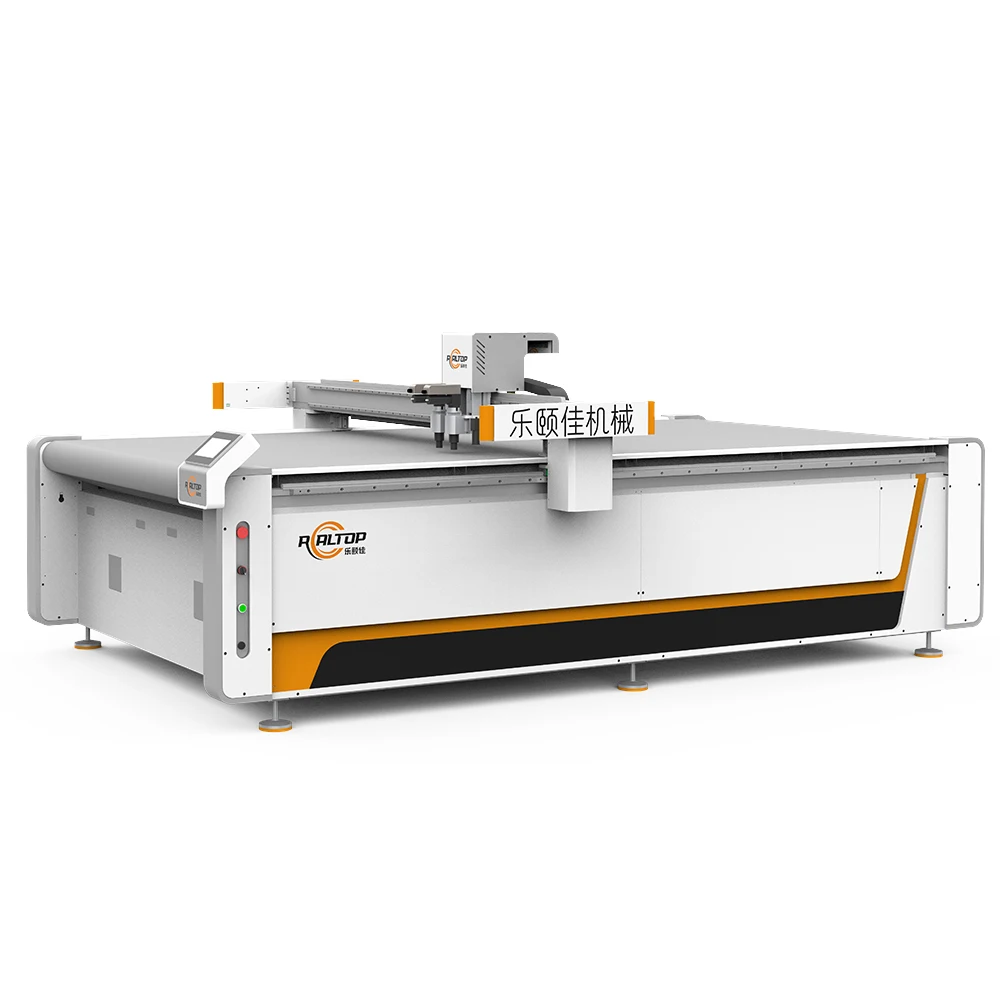
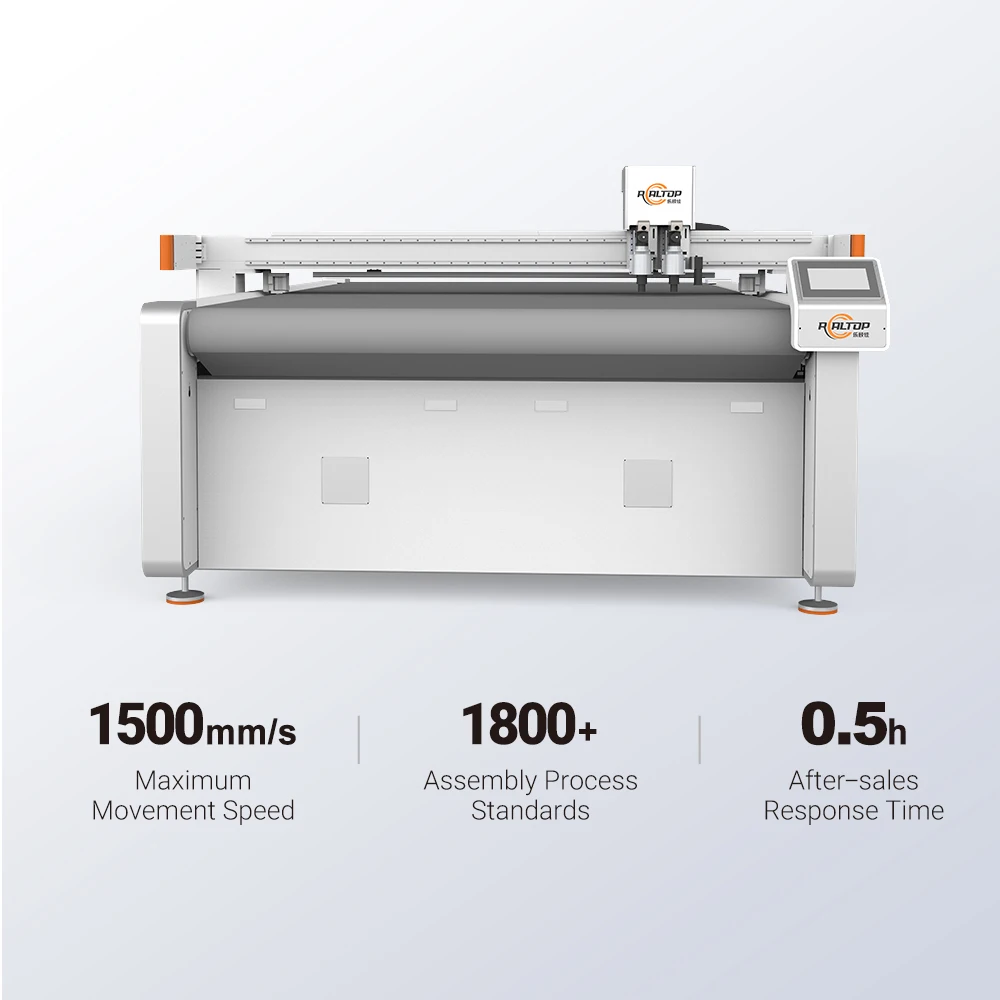
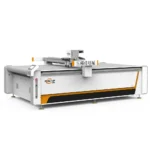
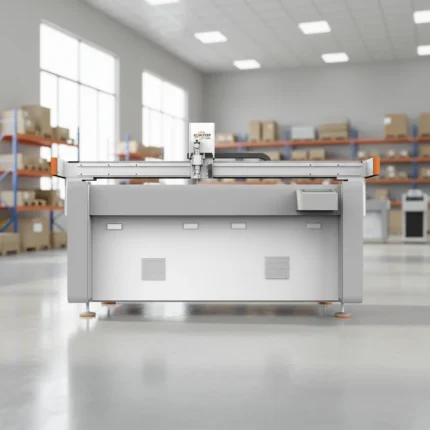
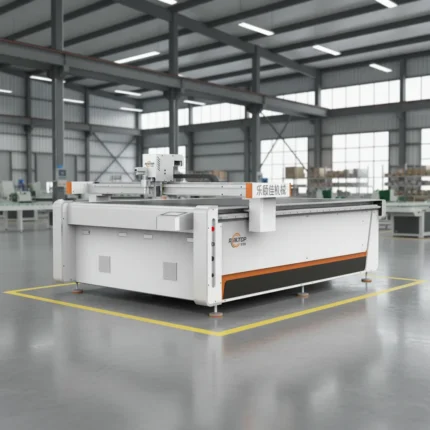
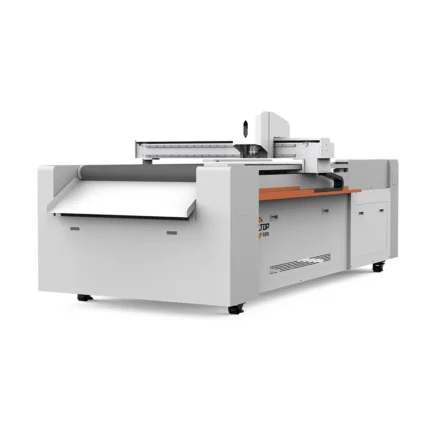
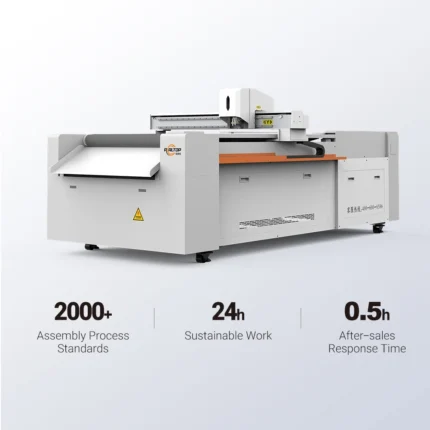
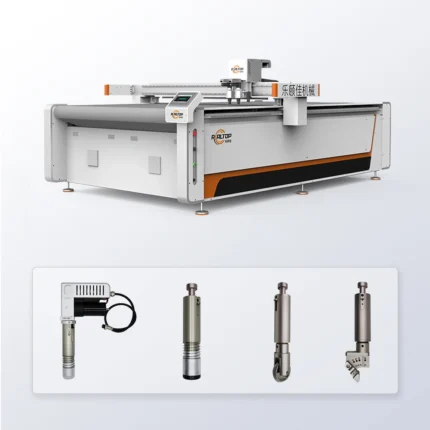
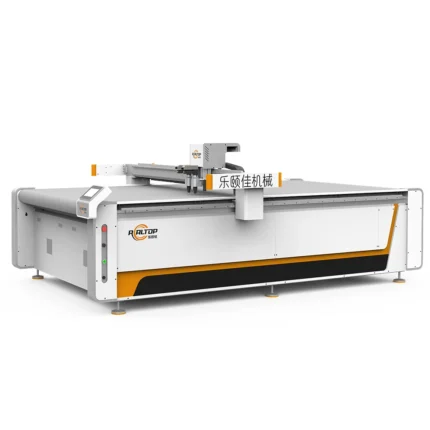
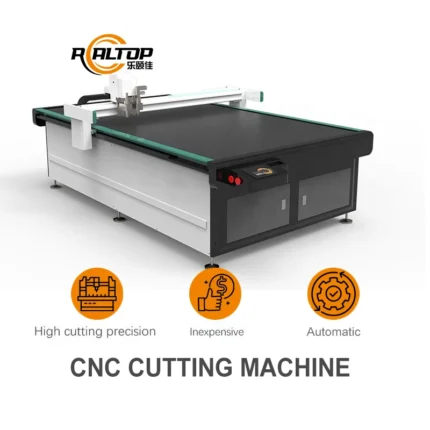
1625 CNC Oscillating Knife Cutting Machine, 1600×2500mm, CCD Camera — engineered for corrugated, foam and composite packaging with tool heads matched to your exact material.
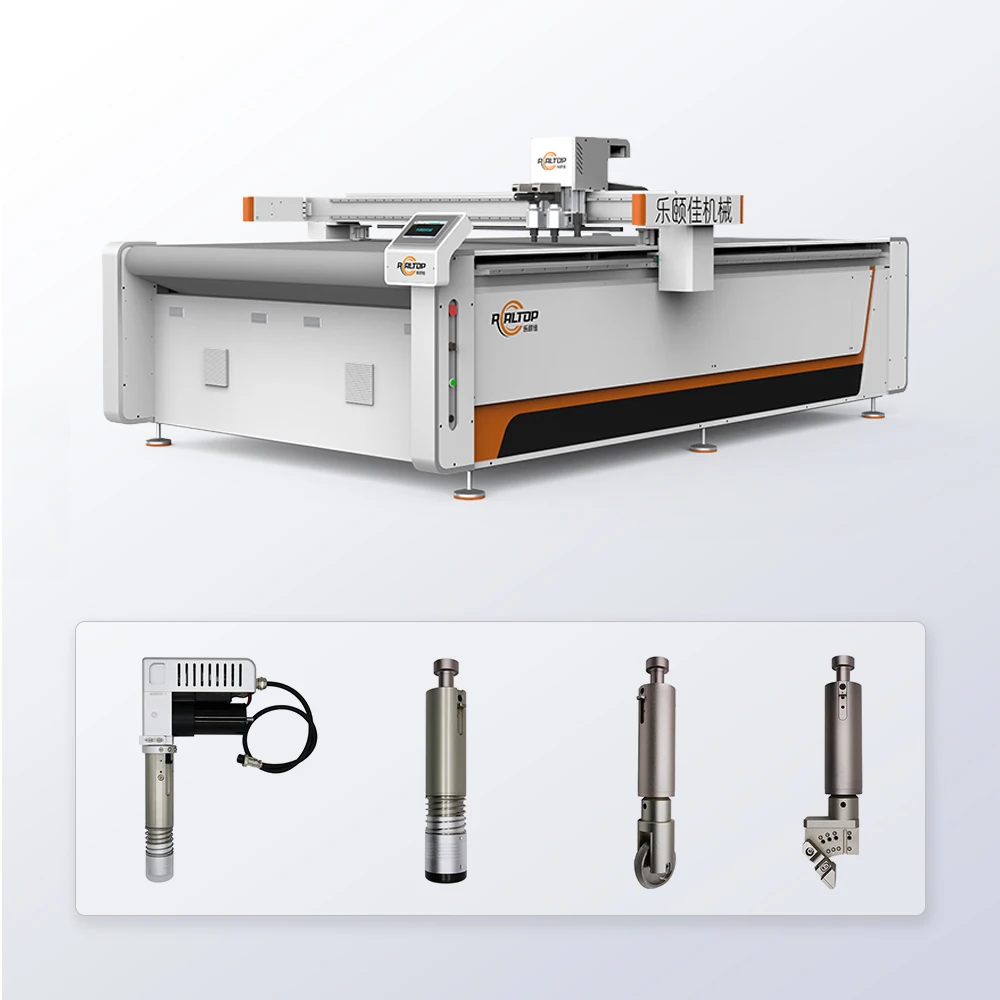
- Oscillating knife, creasing wheel, kiss cutting and CCD contour recognition configured per material and ply count
- Aluminum bellows vacuum table with 9 kW pump ensures full-surface hold-down across E-flute to BC-flute profiles
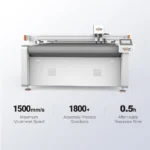
- ±0.1 mm positioning accuracy on heavy-duty precision-ground frame
Sample cutting on your own material provided before commitment, with tool head selection and edge quality confirmed in writing.
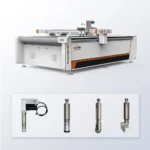
Custom tool head selection — we configure the oscillating knife, rotary knife, creasing wheel or CCD camera per your specific packaging material before building the machine, rather than shipping a fixed configuration.
Technical Specifications
| Parameter | Value |
|---|---|
| Model | 1625 |
| Product Type | CNC Oscillating Knife Cutting Machine |
| Working Area | 1600×2500 mm |
| Overall Dimensions | 3300×2100×1350 mm |
| Cutting Speed | 0-1500 mm/s (basis to be confirmed by material and tool head) |
| Cutting Thickness | ≤ 40 mm |
| Positioning Accuracy | ±0.1 mm |
| Vacuum Pump Power | 9 kW |
| Voltage Options | 110V / 220V / 380V (frequency and phase to be confirmed) |
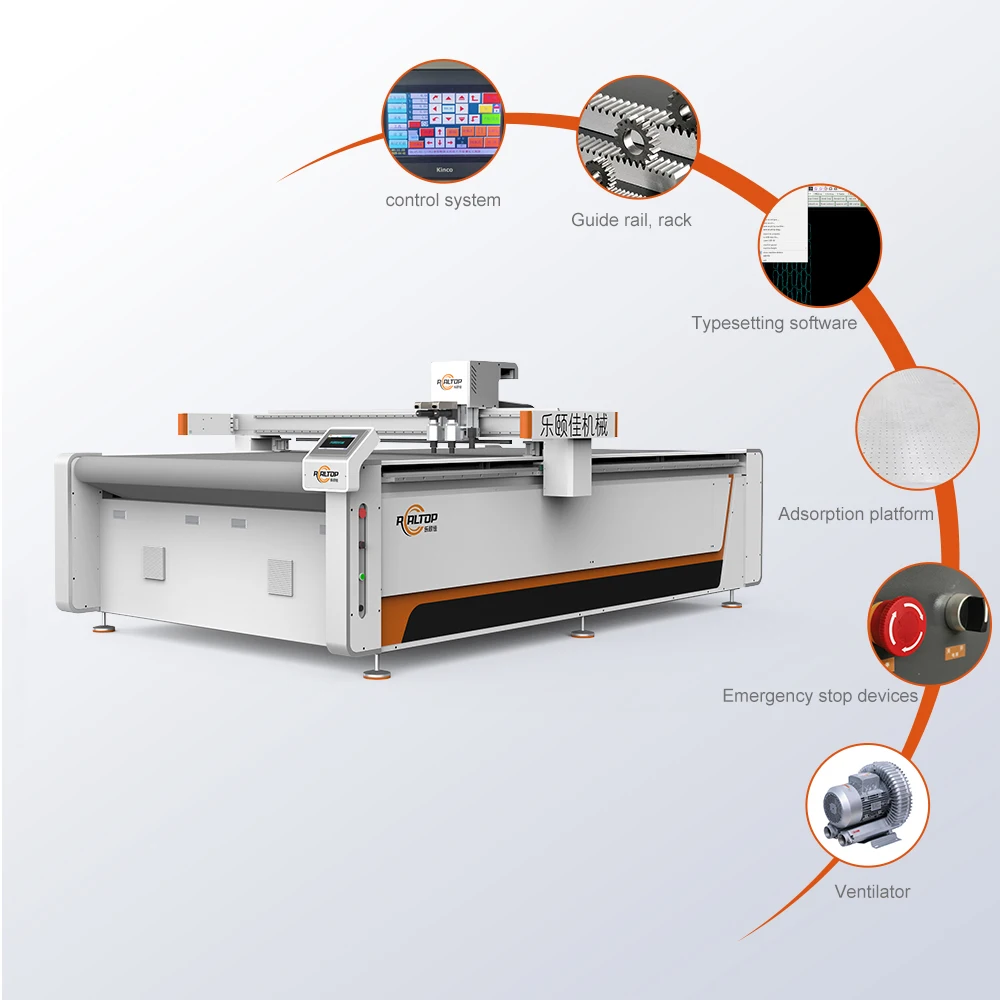
| Control System | PLC with intuitive interface |
| Tool Heads Available | Oscillating knife, Driven rotary knife, Creasing wheel, Kiss cutting tool, Pneumatic knife, Milling tool, V groove knife, CCD camera |
| Compatible File Formats | PLT, DXF, AI, PDF |
| Vacuum Table | Aluminum bellows vacuum table |
| Machine Frame | Heavy-duty frame with precision-ground surface |
| Safety Devices | Infrared sensor device and emergency stop device |
| Language Options | English, Russian, Italian, Chinese (special languages customizable) |
| Standards | CE |
Application Suitability
| Application | Material or Output |
|---|---|
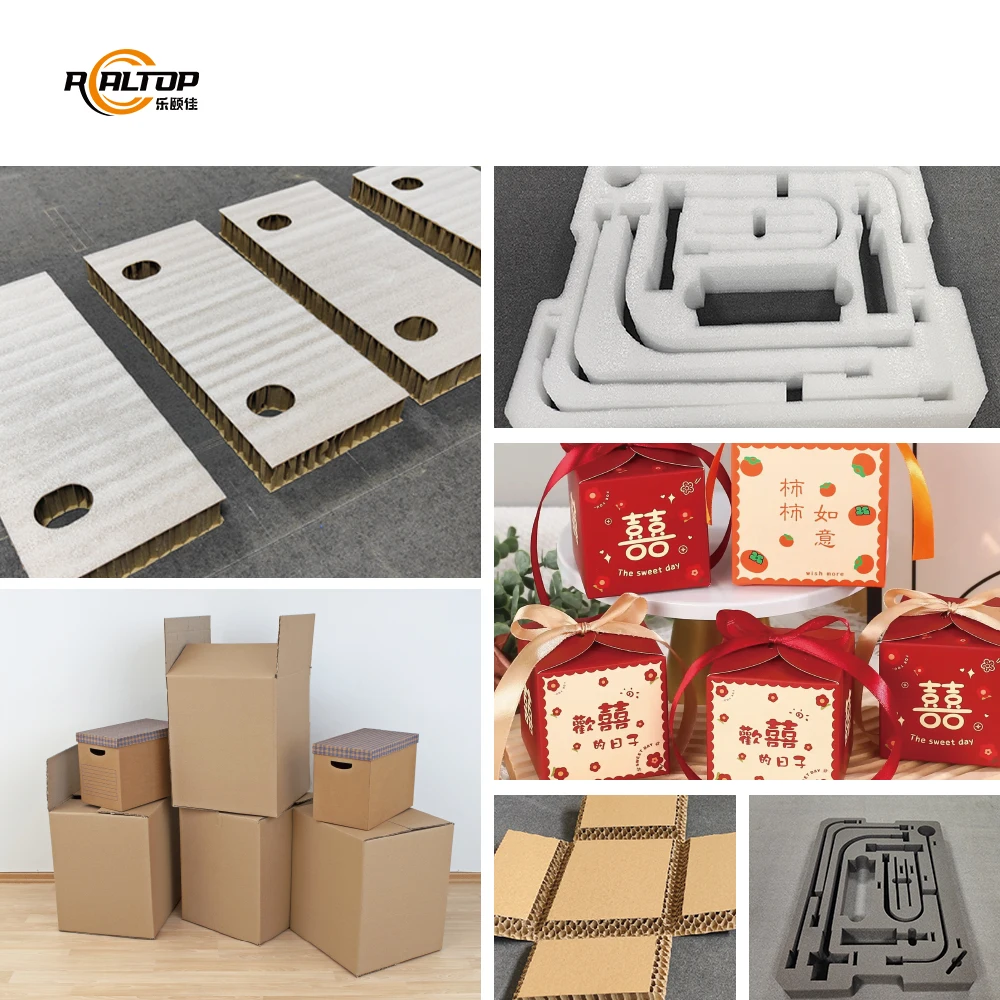
| Packaging sample making and short-run carton production | Corrugated cardboard across E-flute, B-flute and BC-flute profiles |
| Greyboard and specialty paper converting | Greyboard, cardstock, art paper, specialty paper |
| Protective packaging insert fabrication | EVA foam, EPE foam, Coroplast, PU foam |
| Gasket and non-metallic seal cutting | Rubber mats, velvet/fleece fabric, non-woven fabric |
| Thin plastic and composite material processing | Thin plastic sheets, PVC, PET, leather, synthetic leather, composite and adhesive-backed materials |
Why the Material Trial Must Happen Before the Purchase Order
A cutting machine specified only by working area will underperform the moment your material thickness or moisture content differs from the sample used at the trade show.
I spent years on the assembly floor in Jinan before moving to technical sales, and the failures I remember most clearly were the ones where the machine itself was fine but the configuration was wrong for the actual production material. A packaging converter once sent us a purchase order based entirely on the bed size. Two months later, their corrugated board had a higher moisture content than the trial sample, and the oscillating knife produced crushed edges instead of clean cuts. [NEED_CITE: moisture content effect on corrugated board cutting quality] We rebuilt the tool head setup, but the delay cost both sides time and trust. Now we insist on a real material sample before any CNC oscillating knife cutting machine factory quotes a final configuration.
How the Build Process Handles Material Variation
Every frame on this platform starts as a heavy-duty welded structure that goes through precision surface grinding. This is not cosmetic work — it ensures the aluminum bellows vacuum table sits perfectly flat, which matters directly when you are cutting thin cardstock or multi-ply corrugated board where even a slight surface variation causes the knife to miss depth on one side of the sheet. The build sequence locks the motion rails to this ground reference, keeping positioning accuracy within ±0.1 mm across the full 1600×2500 mm travel.
What Changes Between Your Material and Someone Else’s
The tool head selection is where most packaging cutting machines succeed or fail in real production. Corrugated E-flute typically cuts cleanly with a standard oscillating knife at moderate frequency, while BC-flute or double-wall board often needs a pneumatic knife with higher downward force and a slower oscillation rate to avoid delaminating the flutes mid-cut. [NEED_CITE: tool head selection criteria for corrugated flute profiles] Adhesive-backed composites and foam inserts demand yet another approach — a kiss cutting tool set to precise depth so the blade scores the top layer without cutting through the backing paper. We configure these from our in-house tool head range rather than relying on third-party add-ons.
Reading the Specifications for Your Production Reality
The 9 kW vacuum pump paired with the aluminum bellows table is sized to hold down lightweight materials like art paper and thin PVC that tend to lift at the edges during high-speed cutting. If your work involves mostly small parts — think gaskets, insert shapes or sample carton pieces — vacuum zoning becomes critical because a single large zone loses grip on small cutouts as soon as the knife separates them from the surrounding sheet. The PLC control system manages this zoning and runs the dedicated packaging box structure design software, which imports PLT, DXF, AI and PDF files directly. For printed packaging with contour lines, the CCD camera option reads registration marks and adjusts the cutting path in real time, eliminating the mismatch between print and cut that plagues die-free sample making.
What Happens When Configuration Is Skipped
The cost of a wrong tool head or poorly zoned vacuum table does not show up on the invoice — it appears on the factory floor as ragged edges, crushed foam cores, small parts shifting during the final pass, or a CCD system that cannot track printed marks fast enough to keep up with production speed. [NEED_CITE: causes of edge quality failure in digital flatbed cutting] We have seen buyers receive machines with peak-rated laser power or unconfirmed voltage that simply cannot run on local supply. For a CNC oscillating knife cutting machine, the consequences are quieter but equally disruptive: a blade that dulls twice as fast on your specific composite, or a vacuum zone that leaves your smallest carton flap lifting off the table at cutting speed.
Why Buyers Source This Machine From Our Facility
Our design team engineers both knife and laser cutting platforms under one roof, so when a packaging material sits on the boundary between what an oscillating knife and a CO2 laser can handle, we recommend based on the material rather than pushing the product we happen to stock. Tool head and table configuration are specified per material and production volume, confirmed in writing before the order goes to the workshop. Voltage, plug type and control language are locked down at quotation stage — not discovered at the packing bench. We run a sample cutting test on your actual material before commitment, and the factory test record ships with the machine. [NEED_CITE: industrial equipment pre-shipment testing standards]
Documentation & Verification
- Machine specification sheet listing every tool head and vacuum zone configured for your material
- Electrical schematic with voltage, frequency and phase confirmed for your local supply
- Sample cutting report produced on your corrugated, foam or composite material before order
- Factory test record and packing photographs provided before dispatch
- Software licence with file format compatibility note matching your existing PLT, DXF, AI or PDF workflow
- Spare parts list covering blades, creasing wheels and vacuum consumables
Installation, Commissioning & Support
- Heavy-duty frame requires level concrete floor capable of supporting the 3300×2100 mm footprint
- 9 kW vacuum pump needs a dedicated circuit matching your confirmed 110V, 220V or 380V supply
- Machine ships partially assembled; motion rails and table surface aligned during on-site commissioning
- PLC control system language set to your confirmed preference before the operator training session
- First production run supervised to verify ±0.1 mm positioning accuracy on your actual packaging files
- Blade replacement schedule and vacuum table maintenance intervals covered during handover
What We Need From You to Configure Accurately
Send us the exact material types, thicknesses and sheet sizes you plan to cut, along with your daily or weekly production volume. Confirm the voltage and frequency at your facility, the plug standard, and the language your operators need on the control interface. If you are replacing an existing die-cutting process, tell us the current file format and nesting workflow so we verify software compatibility before building the machine.
Frequently Asked Questions
Q: How is the correct tool head selected for my specific packaging material and thickness?
A: We review your material type, flute profile, thickness and whether the sheet is printed or plain. Based on that, we assign an oscillating knife, pneumatic knife, creasing wheel or kiss cutting tool from our in-house range. The selection is confirmed with a sample cutting test on your actual material before the machine enters production.
Q: Can you cut sample pieces from my own material before I place the order?
A: Yes. Send us a representative sheet or roll of your production material — not a showroom sample — and we run it through the configured tool head on a machine from the same platform. You receive a cutting report showing edge quality, achievable speed and any configuration adjustments needed.
Q: What voltage and control language options are available for my target market?
A: The 1625 platform supports 110V, 220V and 380V configurations with frequency and phase confirmed before shipment. Control language options include English, Russian, Italian and Chinese as standard, with special languages available on request. All electrical details are documented in the schematic before packing.
Q: How does the CCD camera contour recognition work with printed packaging graphics?
A: The CCD camera reads registration marks printed on your sheet and adjusts the cutting path in real time to align with the printed contour. This is critical for packaging sample making where the cut line must match the graphic exactly. We test this on your printed material to verify tracking speed and accuracy.
Q: What is included in the packaging box structure design software and is it compatible with my existing file formats?
A: The dedicated software supports PLT, DXF, AI and PDF import, allowing you to bring in designs from your current workflow. We confirm file compatibility during the quotation stage by opening your existing files on the software and verifying that all layers and dimensions transfer correctly.


Related products
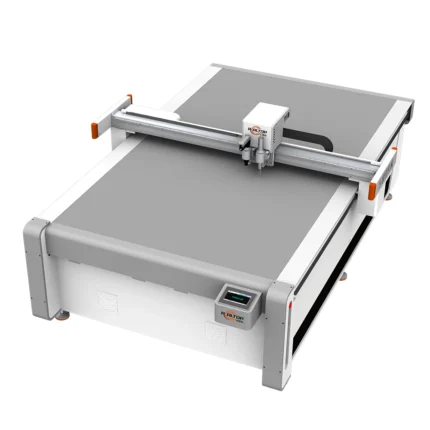
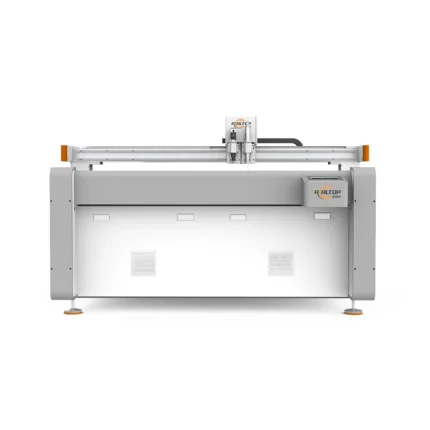
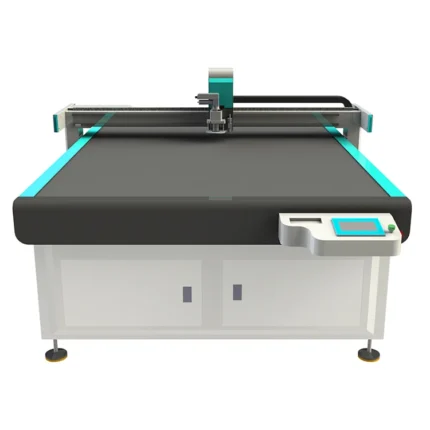
Automatic CNC Cutter Plotter 2026 Flat Bed Cardboard Cutter
Product Introduction
Automatic CNC Cutter Plotter 2026 is a flat bed cardboard cutting machine designed for precise and efficient cutting tasks. Ideal for various cardboard processing needs, it combines advanced CNC technology to deliver accurate results, suitable for manufacturing and packaging applications.Product Parameters
| Type | Automatic CNC Cutter Plotter |
| Model | 2026 |
| Design | Flat Bed |
| Application | Cardboard Cutting |
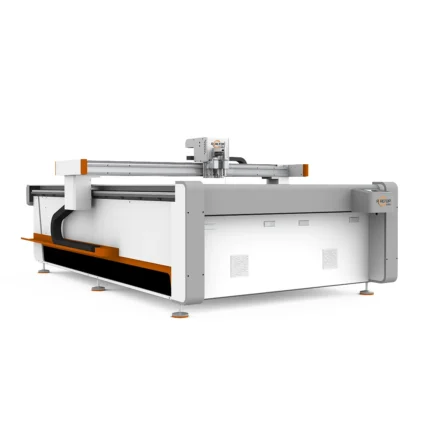
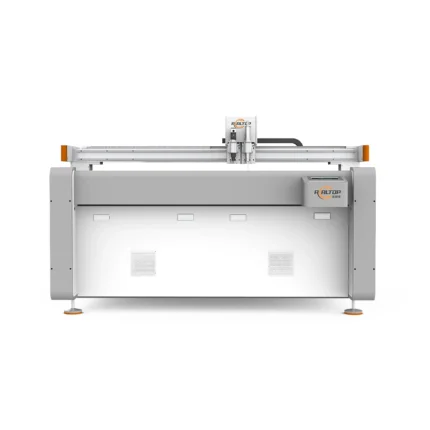
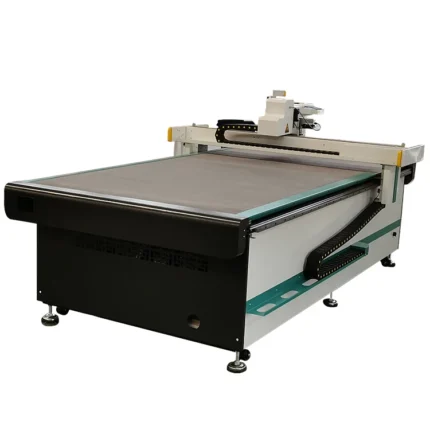
CNC Oscillating Knife Cutting Machine 2026 for Corrugated Cardboard & Honeycomb
Product Introduction
2026 CNC Oscillating Knife Cutting Machine, ideal for corrugated cardboard and honeycomb materials, offering precise and efficient cutting solutions for your production needs.Specifications
| Model | 2026 |
| Type | CNC Oscillating Knife Cutting Machine |
| Applicable Materials | Corrugated Cardboard, Honeycomb |
| Cutting Method | Oscillating Knife |
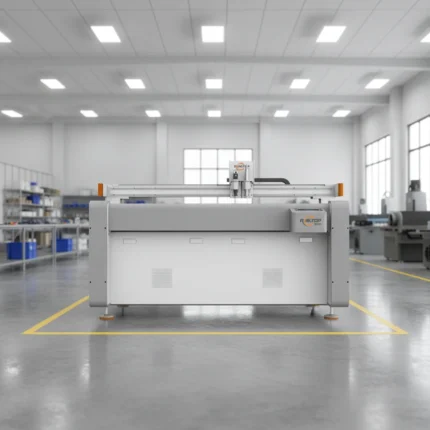
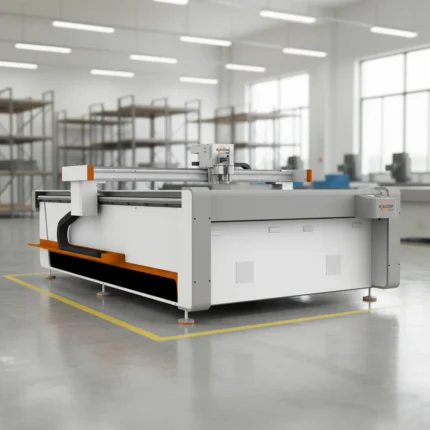

Realtop 2026 CNC Oscillating V-Cut Machine
Product Introduction
Realtop CNC Oscillating V-Cut Machine 2026 is a precision equipment designed for efficient V-cutting operations, ideal for various material processing needs with advanced CNC technology.
Key Specifications
| Model | Realtop CNC Oscillating V-Cut Machine 2026 |
| Type | CNC Oscillating V-Cut Machine |
| Application | Precision V-cutting operations |
| Feature | Advanced CNC technology |
商品评价
There are no reviews yet.