






Oscillating Knife Cutting Machine for Carton – Industrial Application
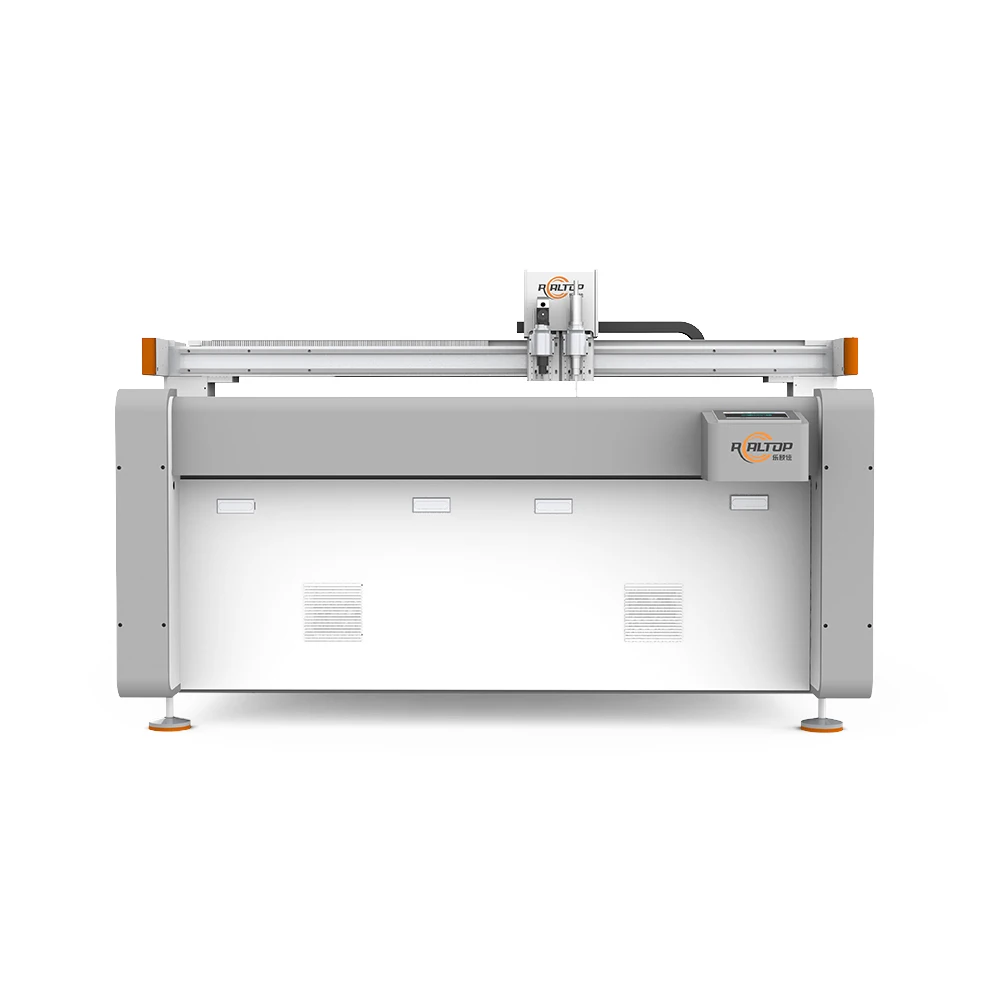
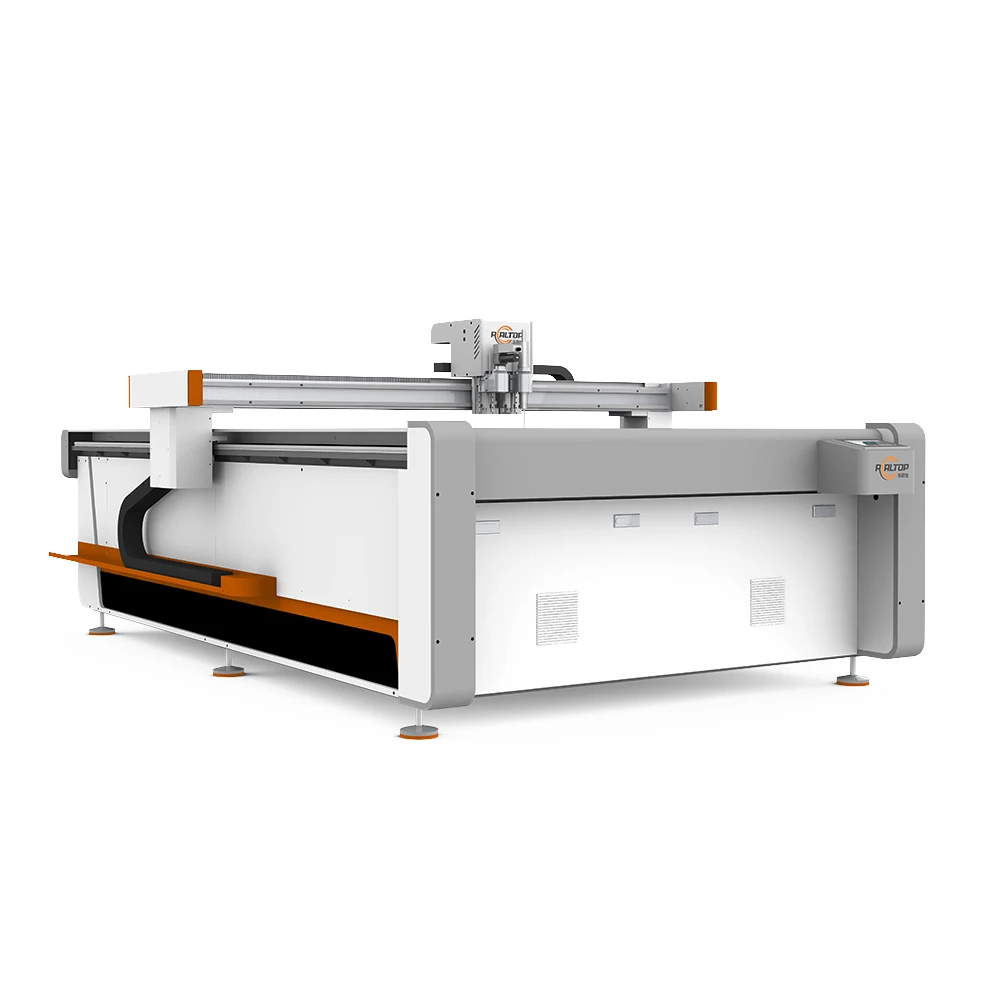
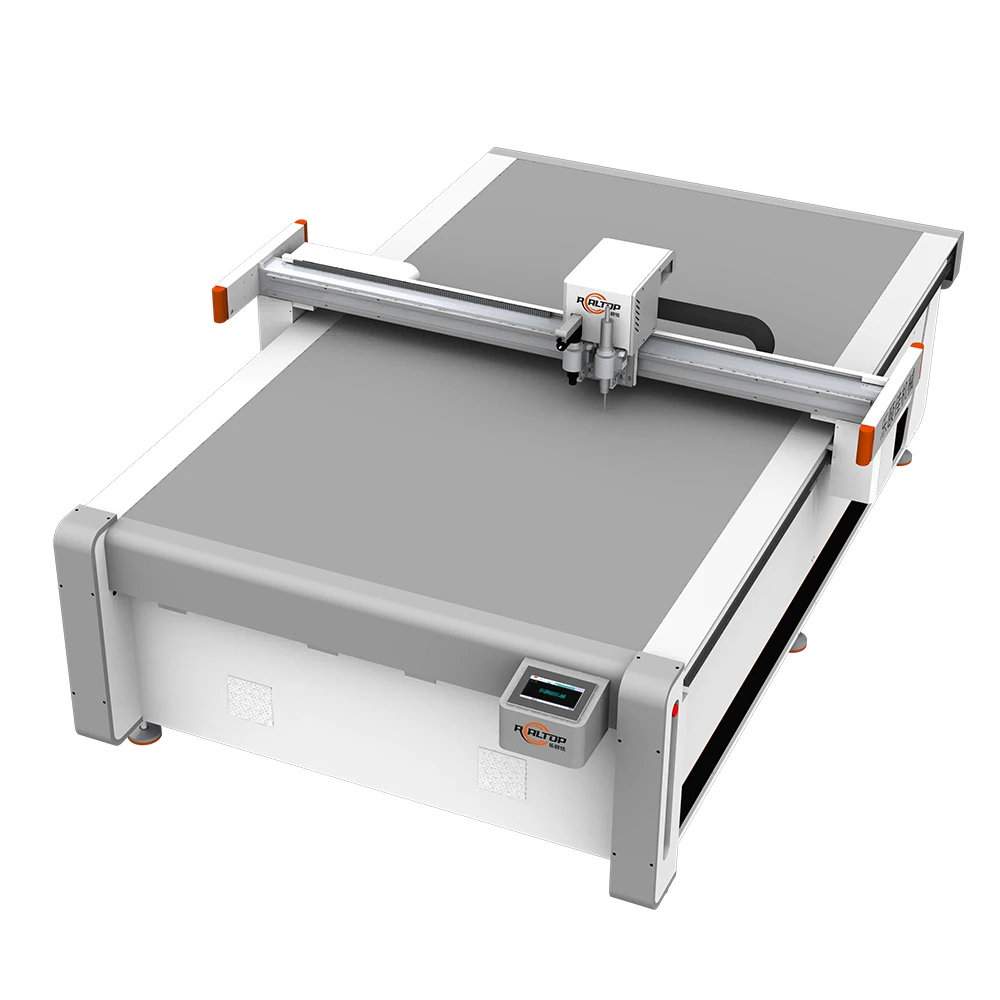
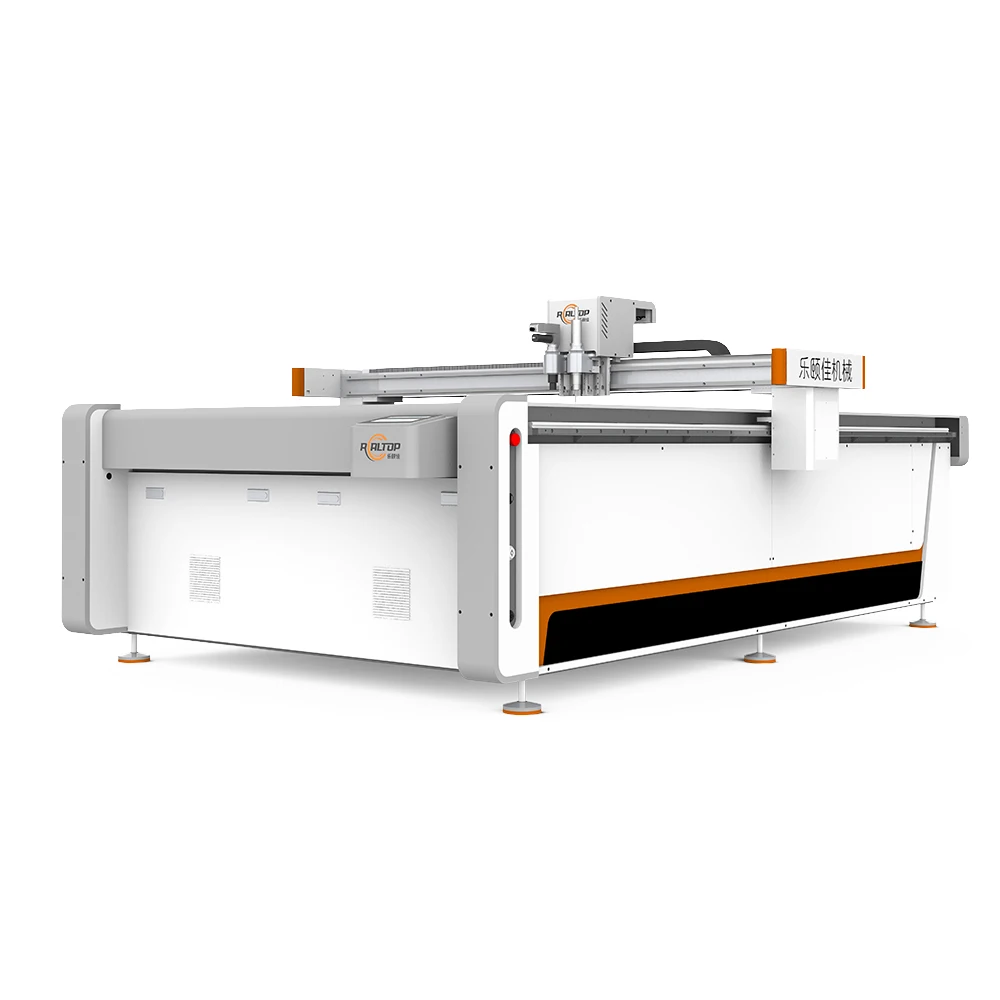
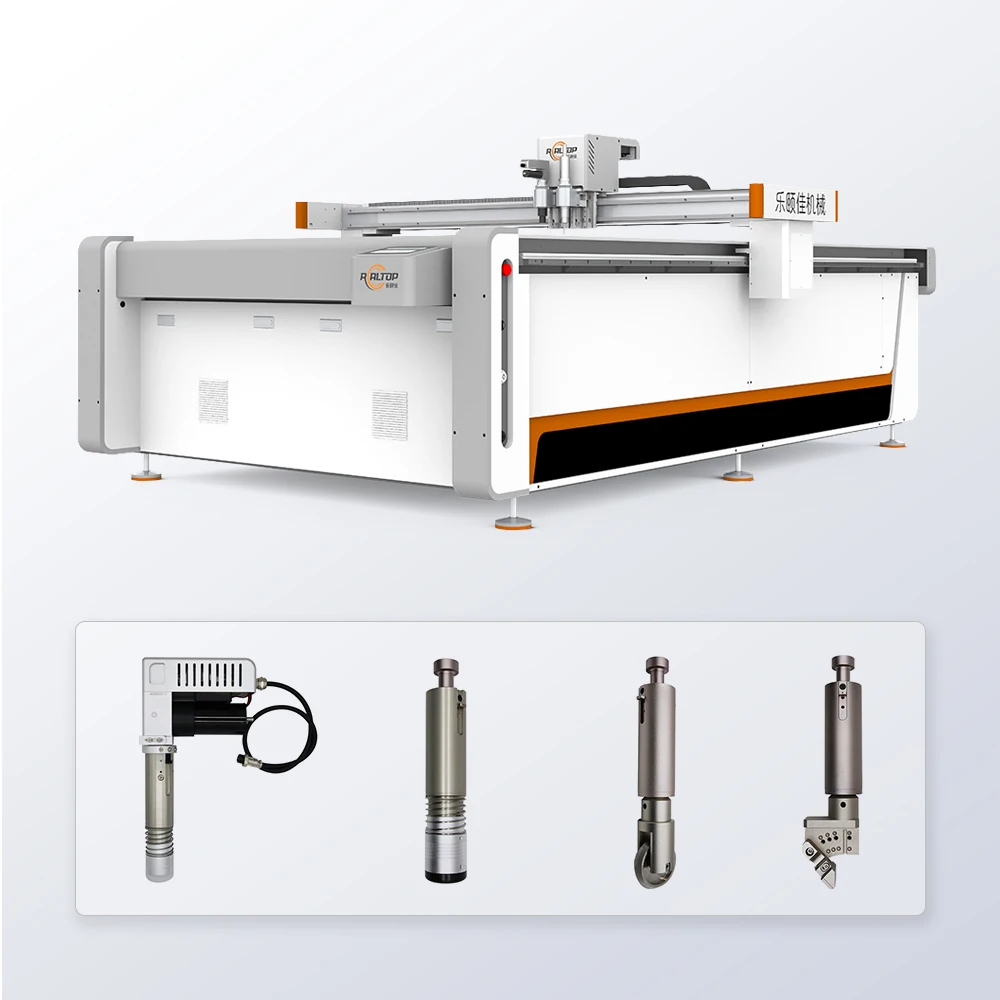
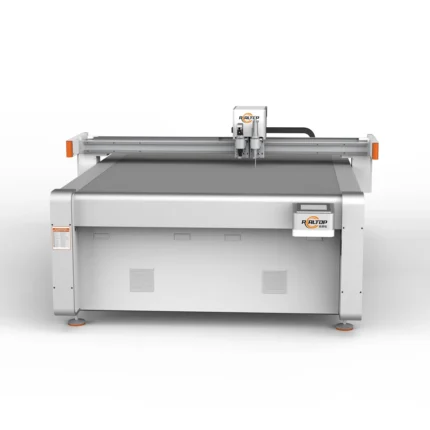
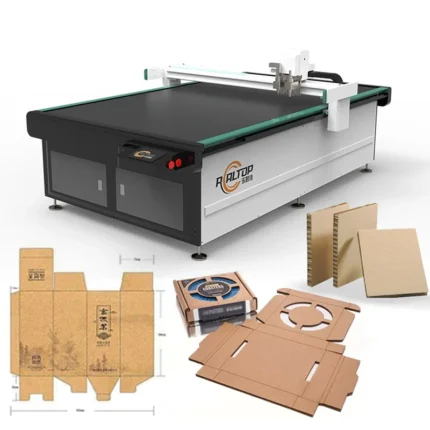
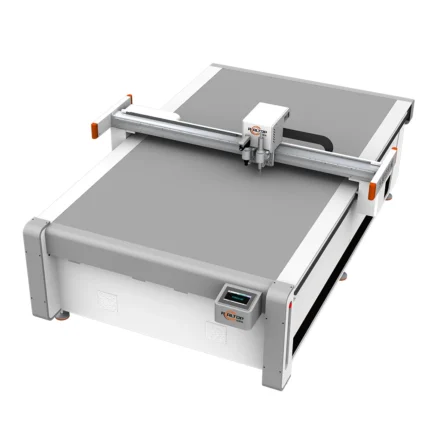
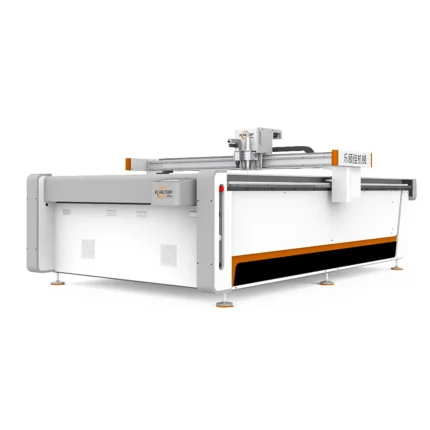
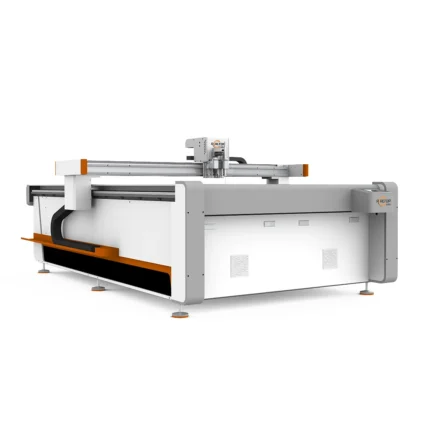
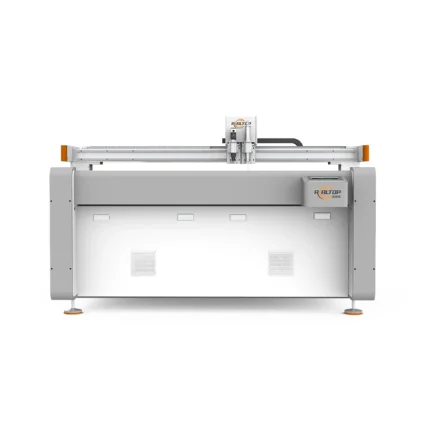
1625 CNC Oscillating Knife Cutting Machine, 1600×2500mm Working Area, ≤40mm Cutting Thickness — engineered for packaging prototyping and short-run production with interchangeable tool heads including oscillating knife, creasing wheel, and kiss cutting. Aluminum bellows vacuum table ensures consistent hold-down across corrugated cardboard, greyboard, foam inserts, and specialty substrates. PLC control panel supports PLT, DXF, AI, PDF file imports with multi-language interface options.
- Sample cutting validation on your own packaging material before order confirmation, with full tool head and voltage specification alignment to your production requirements.
Configurable Tooling System — each tool head is matched to the buyer’s actual packaging substrate before production begins, not assumed from a generic spec sheet.
Technical Specifications
| Parameter | Value |
|---|---|
| Model | 1625 |
| Product Type | CNC Oscillating Knife Cutting Machine |
| Working Area | 1600×2500 mm |
| Cutting Speed | 0–1500 mm/s |
| Cutting Thickness | ≤ 40 mm (basis not stated in source — confirm material and flute profile) |
| Positioning Accuracy | ±0.1 mm |
| Tool Head Options | Oscillating knife, Driven rotary knife, Creasing wheel, Kiss cutting tool, Pneumatic knife, Milling tool, V groove knife |
| Vacuum Pump | 9 kW |
| Vacuum Table | Aluminum bellows vacuum table |
| Servo Drive Options | Panasonic, Delta, Dorna |
| Control System | PLC control panel with optional display languages |
| Voltage Options | 110V, 220V, 380V |
| File Formats | PLT, DXF, AI, PDF |
| Safety Devices | Infrared sensor device and emergency stop device |
| Machine Size | 3300×2100×1350 mm |
| Language Options | English, Russian, Italian, Chinese (special languages customizable) |
| Certification | CE |
Application Suitability
| Application | Material or Output |
|---|---|
| Carton and packaging sample making | Corrugated cardboard (E-flute, B-flute, BC-flute), greyboard, art paper, specialty paper |
| Protective packaging insert fabrication | EVA foam, EPE foam, PU foam, rubber mats |
| Soft packaging component cutting | Velvet, fleece fabric, non-woven fabric, leather, synthetic leather |
| Thin plastic packaging blanks | PVC, PET sheets, adhesive-backed materials |
| Composite packaging prototyping | Composite materials and multi-layer laminates |
What Happens When Material Thickness Is an Afterthought
A working area of 1600×2500 mm means nothing if the tool head cannot penetrate the actual board you run on Monday morning.
Many packaging sample shops specify a CNC oscillating knife cutting machine based on table size and price alone, only to discover that their dense BC-flute corrugated or laminated greyboard resists clean cuts at standard stroke rates. The oscillating frequency and blade geometry must be matched to the ply count and material density, not to the thinnest stock in your catalogue. I have watched production stalls stretch past a week because the initial setup was validated on a light art paper while the real job involved triple-wall corrugated. [NEED_CITE: common causes of downtime in digital packaging sample making]
Matching Oscillation Stroke to Corrugated Density
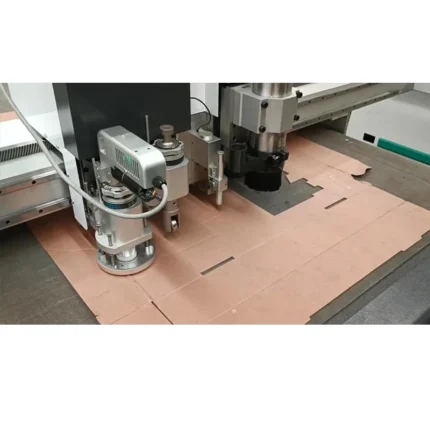
Every flute profile demands a different relationship between blade stroke length and oscillation frequency. E-flute board cuts cleanly at higher speeds with a shorter stroke, while BC-flute corrugated requires a longer stroke at reduced feed rates to avoid crushing the inner medium. The 1625 supports interchangeable tool heads including oscillating knife and pneumatic knife options, allowing the CNC oscillating knife cutting machine manufacturer to configure the cutting head around your most common substrate rather than forcing a single compromise setting across all jobs.
Creasing and Folding Without Separate Die Stations
Carton sample work is never just about cutting. Crease lines must sit precisely where fold tabs meet panel edges, and any drift in registration shows immediately on a finished mock-up. The creasing wheel tool head paired with the ±0.1 mm positioning accuracy keeps fold lines within tolerance across a full 1600×2500 mm sheet. This eliminates the need to move the blank to a separate creasing press between operations, keeping the entire sample workflow on a single table surface [NEED_CITE: packaging sample workflow integration standards].
Vacuum Table Zoning and Small-Part Hold-Down
The aluminum bellows vacuum table on this model provides consistent suction across the working envelope. For packaging jobs that produce many small carton blanks or insert pieces from a single sheet, adequate hold-down prevents material lift during high-speed traverses. The 9 kW vacuum pump maintains suction even when the sheet has been mostly cut through and only narrow bridges remain. Without sufficient vacuum pressure, small pieces shift mid-cut and ruin the remaining layout on that sheet.
Control Language and File Format Alignment
The PLC control panel supports English, Russian, Italian, and Chinese interfaces, with special languages available on request. File format compatibility extends to PLT, DXF, AI, and PDF, covering the output from most packaging CAD systems used in sample departments. Confirming these details before the machine enters production avoids the situation where an operator in a non-English-speaking workshop cannot navigate the nesting menu or import the design file that the in-house structural designer prepared the night before.
The Cost of Skipping Material Validation
Ordering a machine on specification alone, without sample cutting on your own stock, leads to discoveries that surface only after installation. A blade that slices through standard greyboard may compress EVA foam inserts instead of cutting them, producing crushed edges that fail quality checks. A creasing wheel set for 300 gsm cardstock will barely mark a 2 mm laminated board. Each of these mismatches means weeks of parameter adjustment after the machine is already on your floor, while orders wait [NEED_CITE: material-specific tooling validation in digital cutting].
Why Sourcing From the Manufacturer Matters Here
The 1625 is designed and produced in-house, which means the same team that builds the frame also configures the tool head layout for your material list. You receive a sample cutting report generated on your own packaging substrates before the order is confirmed, not a generic demonstration on cherry-picked stock. The electrical schematic and voltage confirmation are matched to your destination market — whether that is 110V, 220V, or 380V — before the machine leaves the factory floor. Tool head and table configurations are documented per material and production volume, so your maintenance team knows exactly which blade type and stroke setting applies to each job on the schedule.
Documentation & Verification
- Sample cutting report on your corrugated and foam packaging materials before order
- Machine specification sheet with tool head and table configuration per substrate
- Electrical schematic and voltage confirmation for destination market standards
- Software licence and file format compatibility note for your existing CAD workflow
- Factory test record documenting positioning accuracy and vacuum pressure readings
Installation, Commissioning & Support
- Power supply must match confirmed voltage (110V/220V/380V) with dedicated circuit for 9 kW vacuum pump
- Machine footprint of 3300×2100×1350 mm requires level floor with clearance for sheet loading on both long sides
- First-run commissioning includes tool head calibration against buyer’s actual packaging board and foam stock
- Operator training covers PLC panel navigation in selected language and creasing wheel depth adjustment
- Spare parts list covers blades, creasing wheels, and vacuum table bellows wear components
- Routine maintenance schedule for aluminum bellows table seal inspection and servo drive checks
Before You Request a Quote
Send us your typical packaging materials with flute type or foam density, maximum sheet dimensions, and the CAD file format your design team currently uses. Let us know your local voltage and frequency standard along with the preferred control panel language. If your workflow involves printed contour cutting or specific nesting software, include those details so compatibility can be confirmed before configuration.
Frequently Asked Questions
Q: How is cutting thickness verified for specific packaging materials and flute types?
A: We run sample cuts on your actual corrugated board or foam stock using the configured tool head. The sample report documents blade type, stroke setting, and edge quality for each material you plan to process. Thickness capacity depends on material density and flute profile, so verification on your specific substrate is always required before the machine is finalized.
Q: Which tool head configuration suits corrugated cardboard versus foam inserts?
A: Corrugated board typically uses the oscillating knife with a stroke matched to the flute profile, while foam inserts may require a pneumatic knife or a different oscillation frequency to avoid crushing. The creasing wheel handles fold lines on carton stock. We specify the tool head combination based on your material list and provide sample cuts on each substrate before the order is confirmed.
Q: How are voltage, plug type, and control language confirmed before shipment?
A: Voltage options include 110V, 220V, and 380V. The electrical schematic is prepared for your destination market and reviewed with you before production. Control panel language is selected from available options including English, Russian, Italian, and Chinese, or a special language can be configured on request. All of this is documented in the specification confirmation prior to assembly.
Q: Can the machine import my existing packaging design file formats?
A: The system accepts PLT, DXF, AI, and PDF files, which covers output from most structural packaging CAD platforms. Before the order is placed, we confirm file format compatibility with your specific design software and nesting workflow. A software licence and compatibility note is included in the documentation package delivered with the machine.
Q: What does sample cutting on my own material involve before commitment?
A: You send representative samples of your packaging substrates — corrugated sheets, foam blanks, or specialty papers. We run cutting and creasing tests using the proposed tool head configuration, then deliver a sample cutting report showing edge quality, dimensional accuracy, and recommended parameters for each material. This step ensures the machine is configured for your real production needs.


Related products
Automatic Digital Cardstock Cutter 2026 CNC Cutter
Product Introduction
Automatic Digital Cardstock Cutter 2026 is a CNC cutting machine ideal for white cardboard and kraft paper. It offers precise and efficient cutting performance, suitable for various paper processing needs in manufacturing and craft applications.Key Specifications
| Type | CNC Digital Cutting Machine |
| Material Compatibility | White Cardboard, Kraft Paper |
| Operation | Automatic |
| Application | Paper Cutting & Processing |
Automation CNC Pizza Box Machine 2026 Rotary Die Cutting
Product Parameters
| Type | Automation CNC Pizza Box Machine |
| Model Year | 2026 |
| Cutting Technology | Rotary Die Cutting |
| Operation | Automated CNC Control |
Introduction
This 2026 Automation CNC Pizza Box Machine features advanced rotary die cutting technology, ensuring precise and efficient pizza box production. With automated CNC control, it offers high productivity and accuracy for professional manufacturing needs.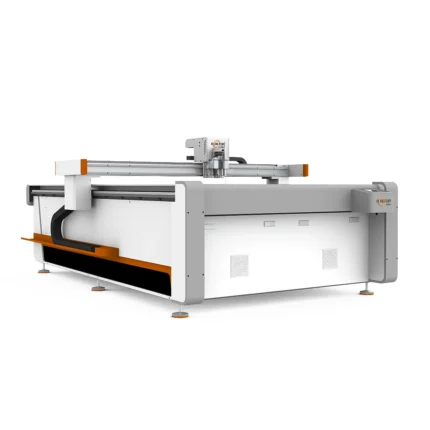
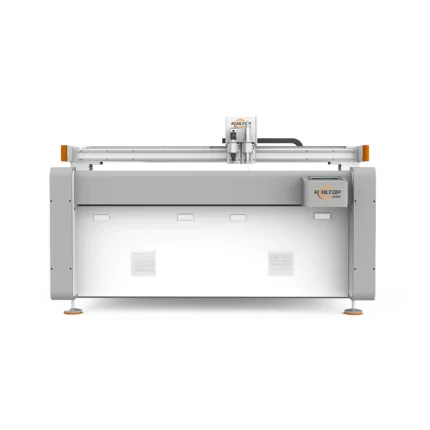
CNC Flatbed Cutter 2026 Digital Corrugated Box Making Machine
Product Introduction
High-precision CNC flatbed cutter designed for efficient cardboard box production. Ideal for 2026 digital corrugated box manufacturing, offering precise cutting and reliable performance for professional packaging solutions.
Key Specifications
| Type | CNC Flatbed Cutter |
| Application | Cardboard Box Production |
| Technology | 2026 Digital System |
| Material | Corrugated Board |

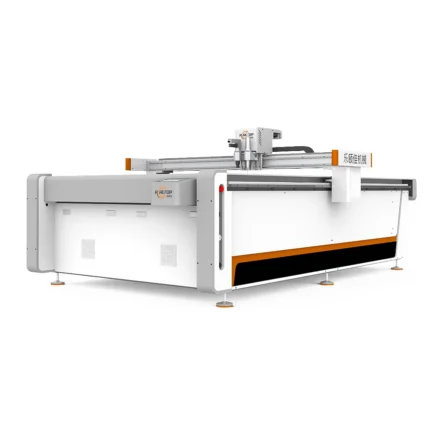
CNC Flatbed Oscillating Knife Cutting Machine 2026
Product Introduction
High-performance CNC Flatbed Oscillating Knife Cutting Machine 2026, ideal for precision cutting of various materials with advanced oscillating knife technology, ensuring efficient and accurate operations for industrial manufacturing needs.Specifications
| Model | 2026 |
| Type | CNC Flatbed Oscillating Knife Cutting Machine |
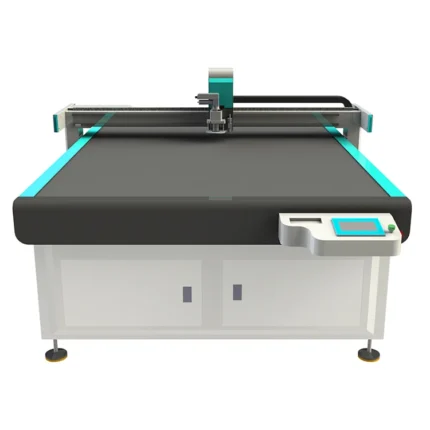
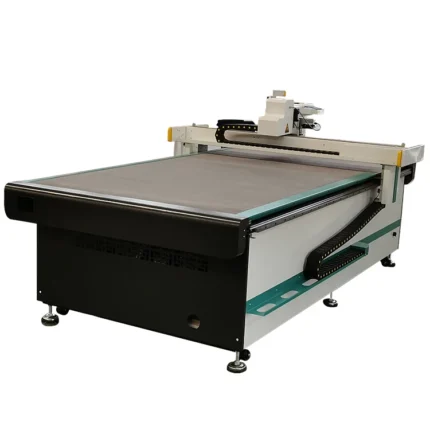
CNC Oscillating Knife Cutting Machine 2026 for Corrugated Cardboard & Honeycomb
Product Introduction
2026 CNC Oscillating Knife Cutting Machine, ideal for corrugated cardboard and honeycomb materials, offering precise and efficient cutting solutions for your production needs.Specifications
| Model | 2026 |
| Type | CNC Oscillating Knife Cutting Machine |
| Applicable Materials | Corrugated Cardboard, Honeycomb |
| Cutting Method | Oscillating Knife |
CNC Vibrating Knife Cutter 2026 Custom Cartons Packaging
Product Introduction
CNC Vibrating Knife Cutter 2026 is ideal for custom cartons & packaging, offering precise cutting solutions for various materials. Engineered by a leading Chinese welding & cutting equipment manufacturer, it ensures efficiency and accuracy for packaging production needs.Key Specifications
| Model | 2026 |
| Type | CNC Vibrating Knife Cutter |
| Application | Custom Cartons & Packaging |
| Manufacturer | Chinese Leading Factory |
Digital Box Cutter 2026 Oscillating Knife Cardboard Cutter
Product Parameters
| Model | Digital Box Cutter 2026 |
| Cutting Type | Oscillating Knife |
| Material | Corrugated Cardboard |
Introduction
Professional oscillating knife cutting machine for corrugated cardboard. Ideal for precise, efficient cutting in packaging production. Reliable performance from China's leading welding & cutting equipment manufacturer.

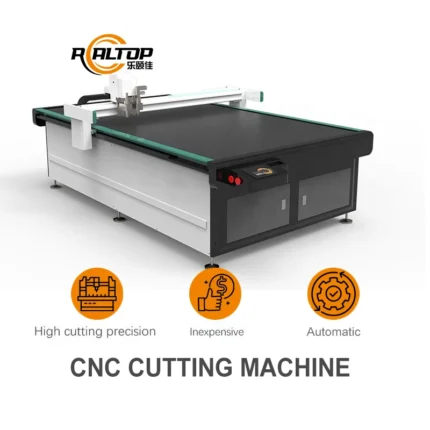
Realtop 2026 CNC Oscillating V-Cut Machine
Product Introduction
Realtop CNC Oscillating V-Cut Machine 2026 is a precision equipment designed for efficient V-cutting operations, ideal for various material processing needs with advanced CNC technology.
Key Specifications
| Model | Realtop CNC Oscillating V-Cut Machine 2026 |
| Type | CNC Oscillating V-Cut Machine |
| Application | Precision V-cutting operations |
| Feature | Advanced CNC technology |
商品评价
There are no reviews yet.