


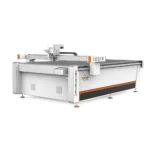
PVC Foam Board CNC Oscillating Knife Cutting Machine – Factory Direct
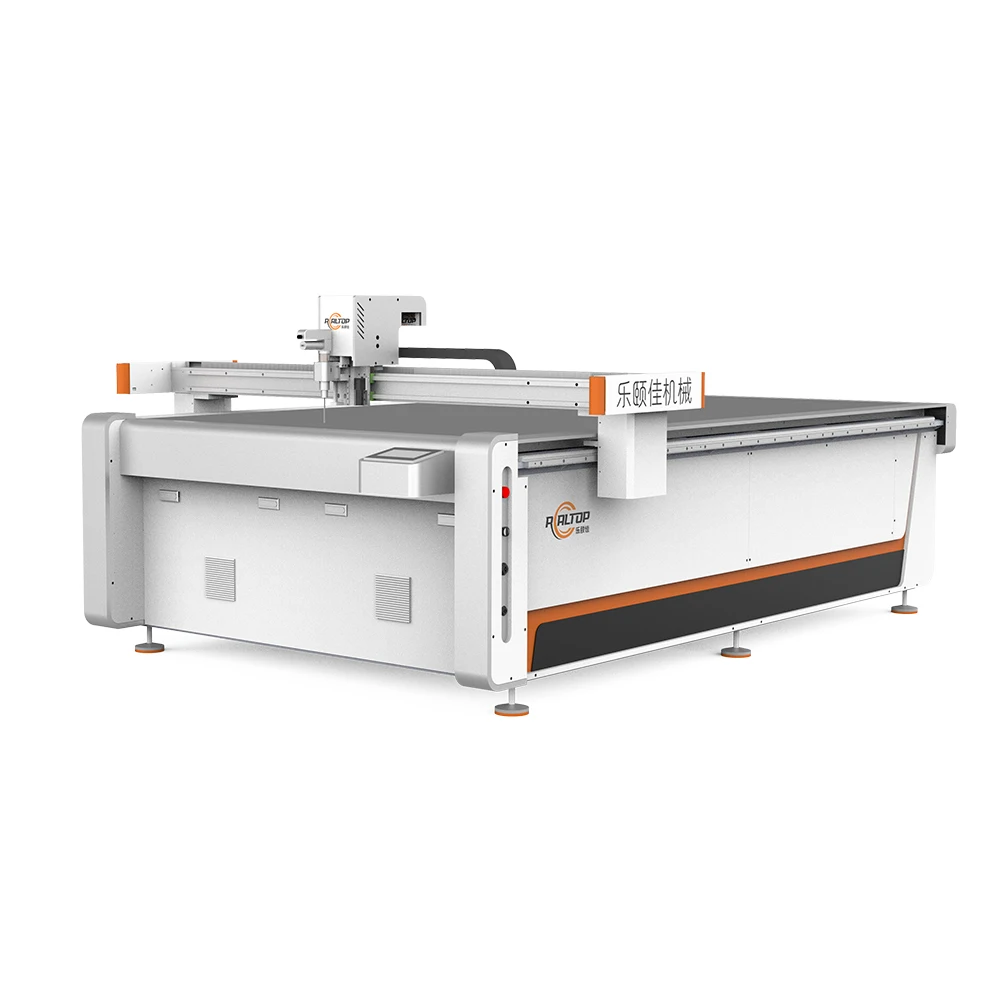
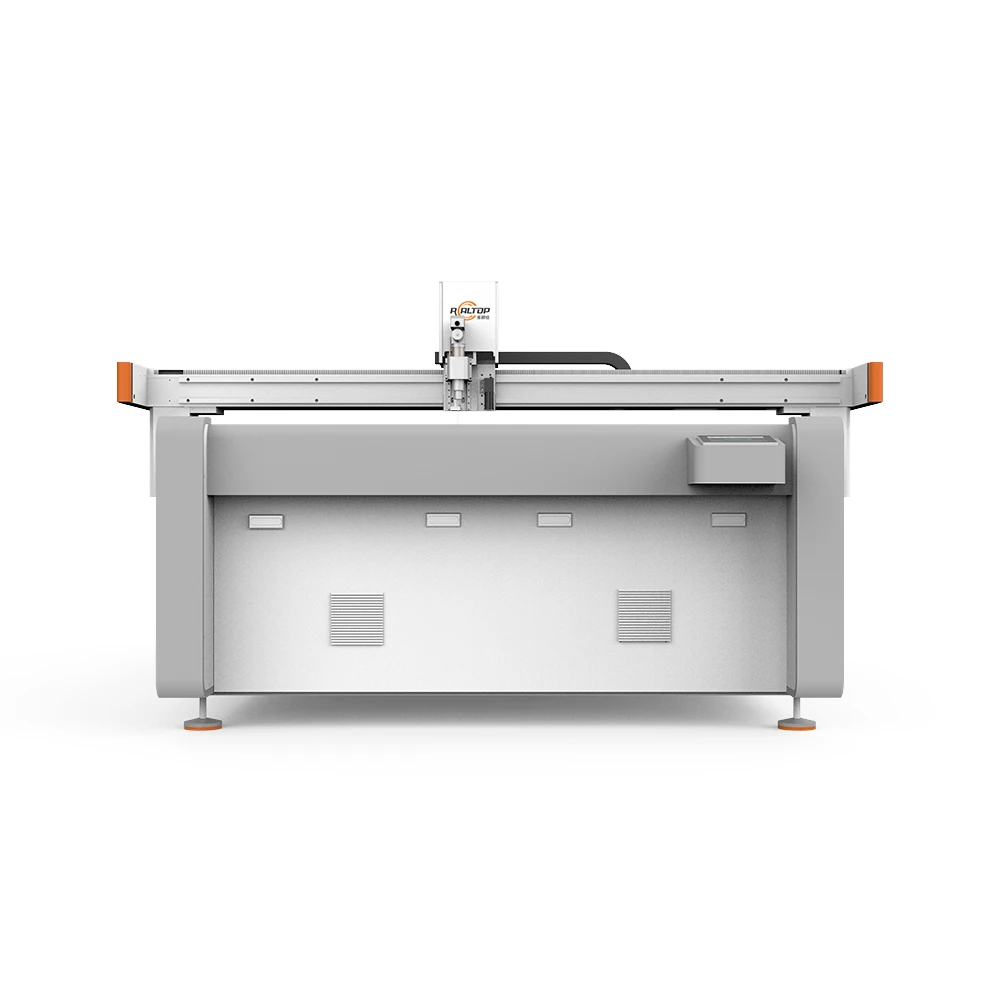
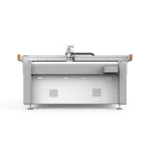
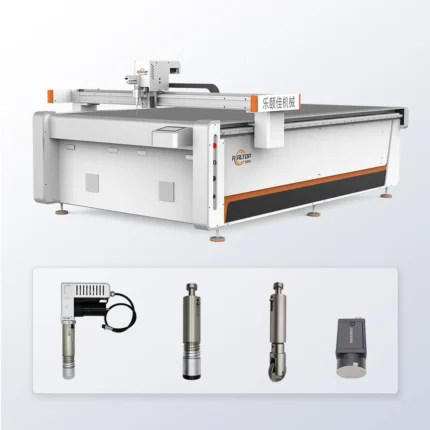
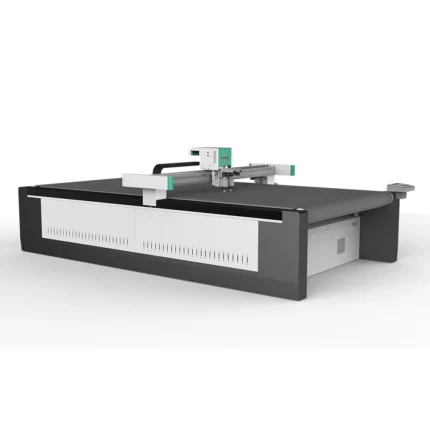
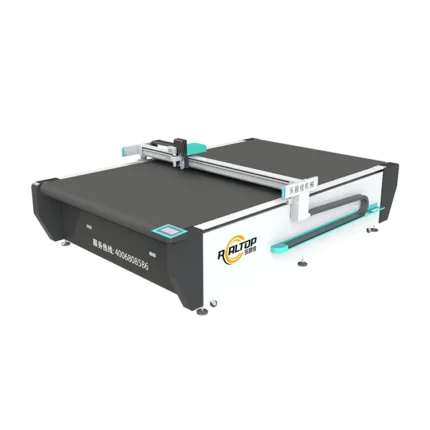
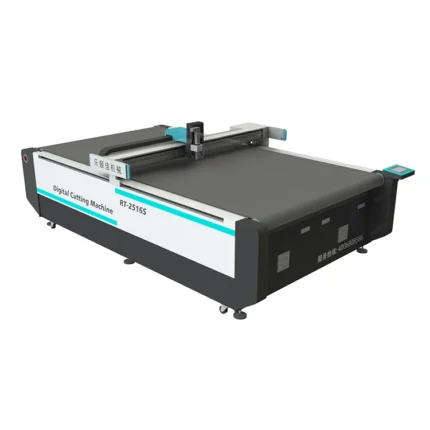
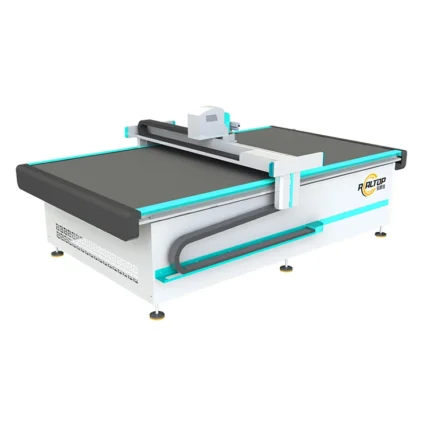
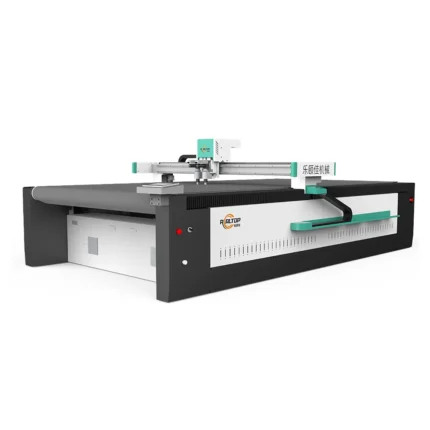
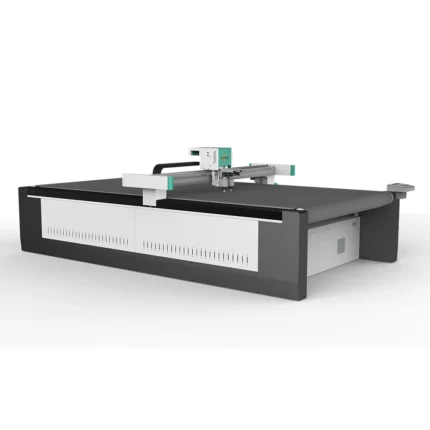
1625 CNC Oscillating Knife Cutting Machine, 1600×2500mm, ±0.1mm accuracy — engineered for cold cutting of carbon fiber, fiberglass, aramid honeycomb and PVC foam cores without thermal damage or delamination. Interchangeable oscillating and driven rotary tool heads handle materials up to 30mm thick, supported by a 9KW aluminum bellows vacuum table and CCD contour recognition.
- File formats: PLT, DXF, AI, PDF
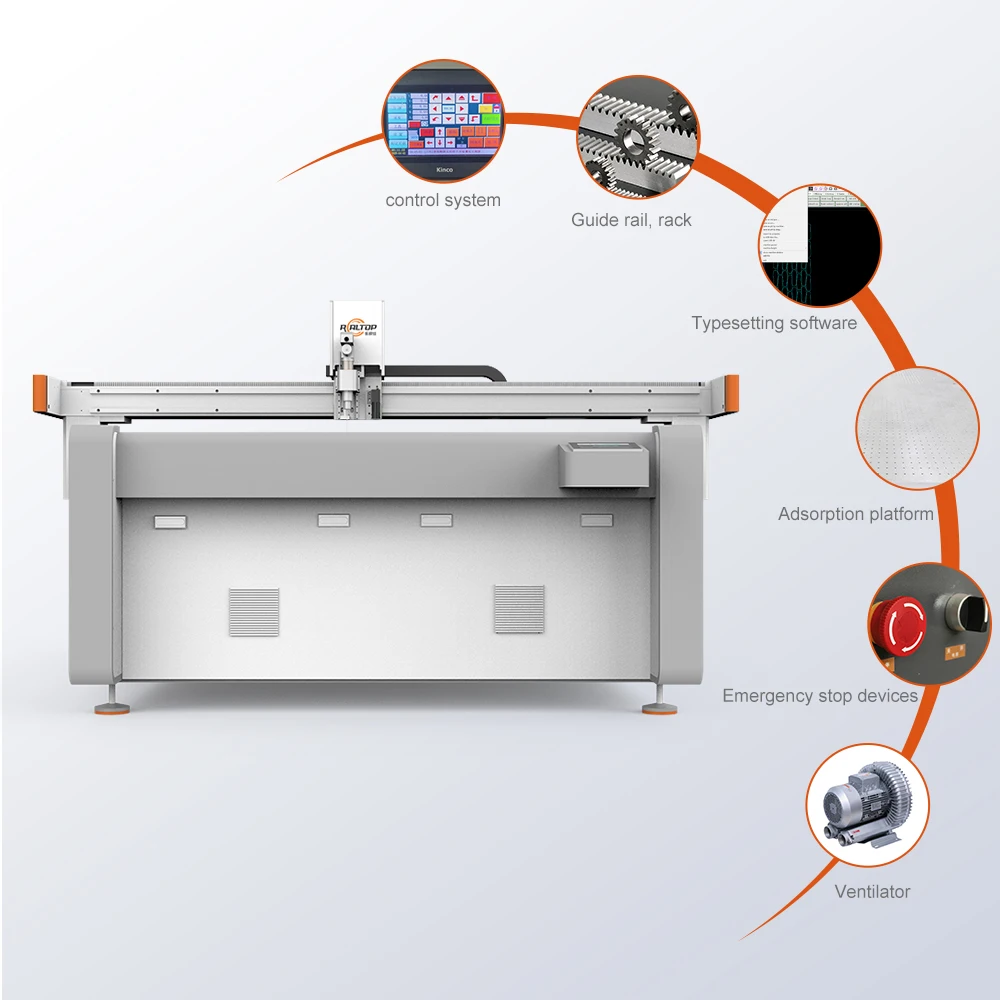
- Safety: infrared sensor and emergency stop
Sample cutting on your composite material is completed before order confirmation, with tool head and vacuum configuration matched to your specific application.
Cold-Cut Precision — The oscillating knife process slices composite resin matrices without melting, eliminating the thermal delamination and toxic fumes that laser cutters produce on carbon fiber and fiberglass layups.
Technical Specifications
| Parameter | Value |
|---|---|
| Product Type | CNC Oscillating Knife Cutting Machine |
| Model | 1625 |
| Working Area | 1600 × 2500 mm |
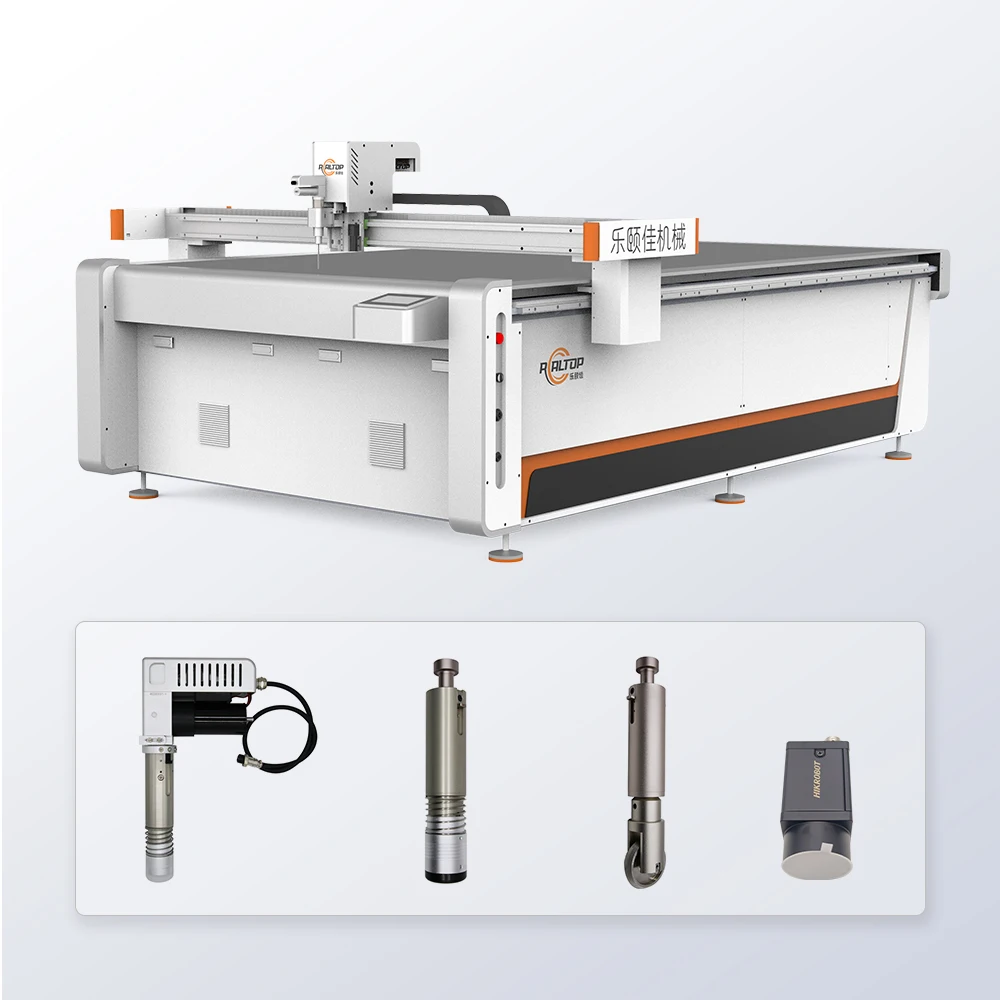
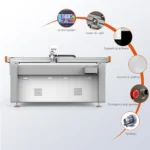
| Tool Head Options | Oscillating knife, Driven rotary knife, Creasing wheel, Kiss cutting tool, Pneumatic knife, Milling tool, V groove knife |
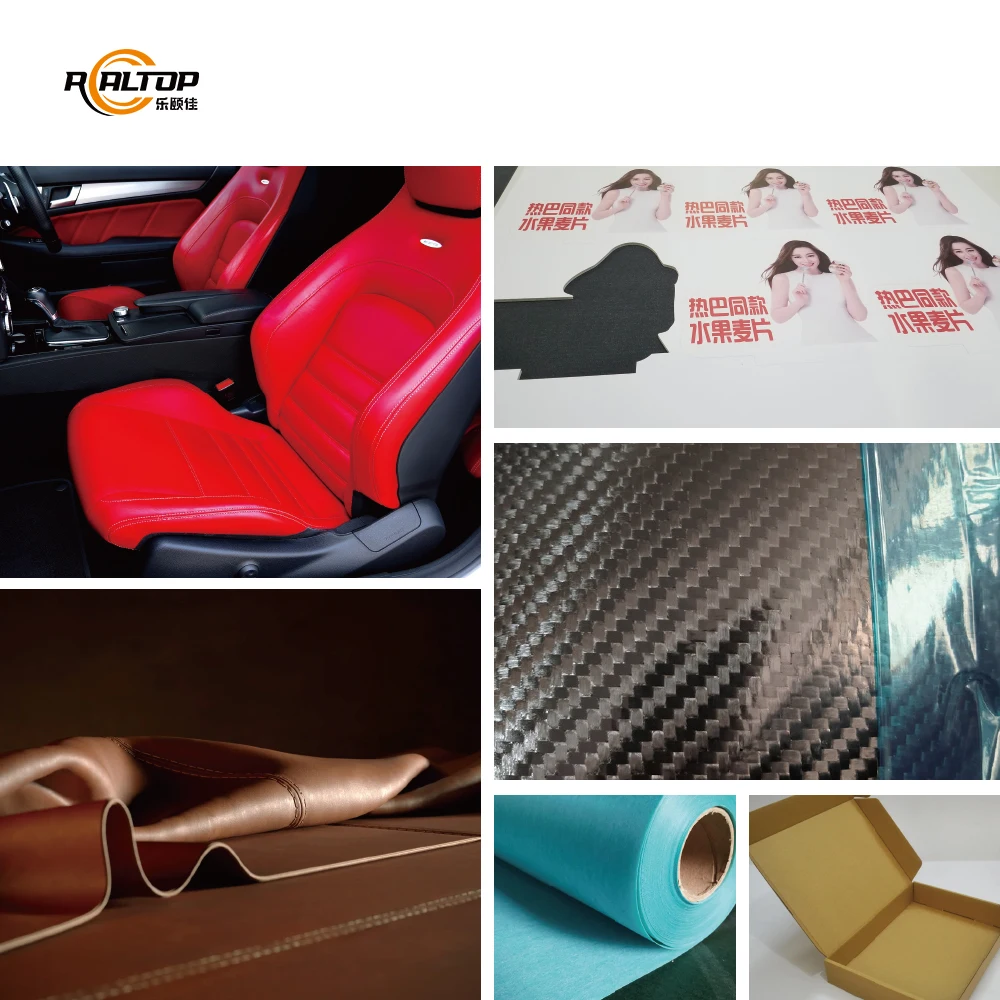
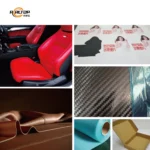
| Applicable Materials | Carbon fiber, Fiberglass, Aramid honeycomb, G10 epoxy boards, PVC/EVA foam, PTFE, Rubber, Leather, Fabric, Cardboard |
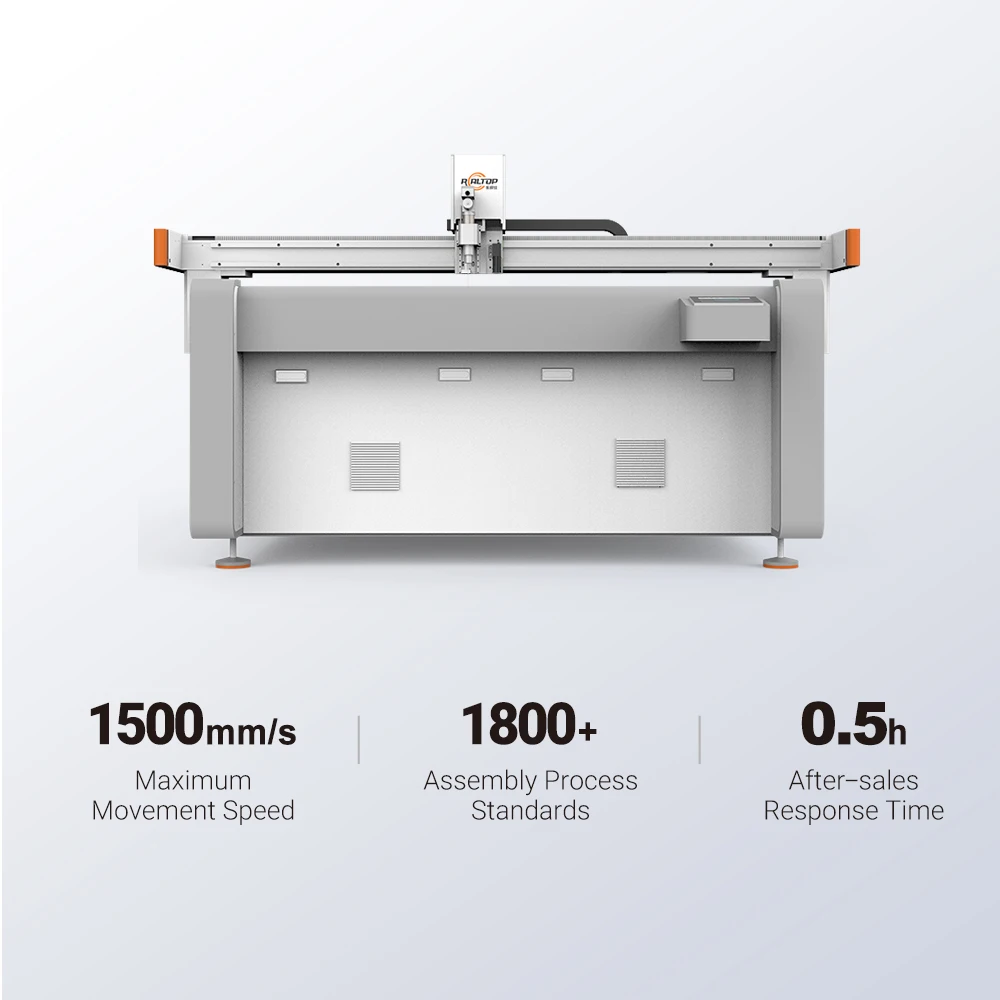
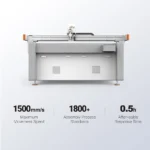
| Cutting Speed | 0 – 2000 mm/s |
| Cutting Thickness | ≤ 30 mm (basis not stated in source — confirm material type and density) |
| Cutting Accuracy | ±0.1 mm |
| Vacuum Pump | 9 kW |
| Vacuum Table | Aluminum bellows vacuum table |
| Control System | PLC control panel (source value — verify against manufacturer catalog) |
| Servo Motors | Options including Panasonic, Delta, Dorna (source value — verify) |
| Voltage Options | 110V, 220V, 380V (frequency not stated in source) |
| File Formats | PLT, DXF, AI, PDF |
| Safety Devices | Infrared sensor, Emergency stop |
| Machine Size | 3300 × 2100 × 1350 mm |
| Language Options | English, Russian, Italian, Chinese (custom languages available) |
| Certification | CE (specific standard not stated in source) |
Application Suitability
| Application | Material or Output |
|---|---|
| Aerospace wing skins and fairings | Carbon fiber prepreg, aramid honeycomb core, thermal and acoustic insulation foam |
| Automotive and rail interior composites | Carbon fiber covers, FRP panels, acoustic felt, damping pads, carpets, sealing strips |
| Wind power blade preforms | Fiberglass cloth, carbon fiber cloth, vacuum infusion mesh, PET/PVC foam core |
| Sporting goods fabrication | Carbon fiber sheets and fabric, fiberglass, Kevlar, high-performance foam for frames, helmets, surfboards, skis |
Why "Cutting Thickness" Means Nothing Without Material Density
A 30 mm rating on soft foam collapses to a few millimetres on a dense G10 epoxy board. I once watched a buyer in the UAE order a machine based on a headline thickness number, only to discover the tool stalled halfway through a high-density PVC foam core used for marine signage. The blade deflected, the edge tore, and an entire sheet lot was scrapped before we swapped to a pneumatic knife head and adjusted the oscillation frequency. That is why the CNC oscillating knife cutting machine for composites manufacturer must see your actual material before any commitment is made [NEED_CITE: composite density variation and tool load]. A number on a spec sheet tells you the travel limit of the Z-axis; it says nothing about whether the motor torque, blade geometry, and hold-down vacuum can handle your specific layup.
Cold Cutting Preserves Resin Integrity
Thermal processes melt the resin matrix in carbon fiber and fiberglass composites, leaving a glazed edge that requires secondary cleaning and releasing volatile organic compounds into the workshop. The oscillating knife slices at high frequency with zero heat input, so the fibre-resin bond remains intact right up to the cut line. This matters for aerospace prepreg and automotive structural panels where edge delamination would fail ultrasonic inspection.
Tool Head Selection Across the Composite Spectrum
Soft insulation foam and rigid G10 epoxy boards sit on opposite ends of the cutting force spectrum, and no single blade handles both well. The 1625 platform offers interchangeable heads — oscillating knife for layered fabrics and honeycomb, driven rotary knife for continuous fibre weaves, pneumatic knife for thick low-density foam cores, and milling tool for rigid epoxy laminates. Matching the head to your material prevents the ragged edges and fibre pull-out that plague generic setups [NEED_CITE: tool-material compatibility in composite cutting].
Reading the Numbers That Actually Matter
The ±0.1 mm positioning accuracy matters most when nesting aerospace brackets with tight ply-boundary tolerances; even a half-millimetre drift can misalign fibre orientation at the edge. The 9 kW vacuum pump paired with the aluminum bellows table must generate enough hold-down force across the entire 1600 × 2500 mm bed to prevent flexible fiberglass cloth from lifting during high-speed traverses — a zoning strategy that divides the table into independently valved sections keeps small precision parts flat without bleeding suction to empty zones. Servo motor selection (Panasonic, Delta, or Dorna options available) influences how smoothly the gantry decelerates at sharp corners, directly affecting edge quality on intricate honeycomb core patterns. File format compatibility with PLT, DXF, AI, and PDF files means your existing nesting workflow can migrate without a software rewrite.
The Hidden Cost of Skipping the Sample Cut
Buyers who skip sample cutting often discover three problems at commissioning: the blade cannot penetrate the full laminate stack, the vacuum zoning leaves small parts drifting, and the software refuses to import their nesting files. Each of these issues is solvable, but solving them after the machine arrives means production downtime, return-shipping blades, and field-recalibration visits [NEED_CITE: on-site commissioning delays in CNC equipment]. A sample report on your own material eliminates the guesswork before the order is placed.
Why Source This Platform Here
In-house design covers both knife and laser technologies, so the cutting method is matched to your composite rather than forced into one approach. Tool head and table configurations are specified per material type and daily volume, not pulled from a default list. CCD camera positioning and contour recognition are available for printed composite sheets requiring trimmed-to-print edges. Software compatibility with your nesting format is confirmed before the build starts. Voltage, control language, and plug type are locked in during the order stage so the machine arrives ready to plug into your workshop’s existing supply. Sample cutting on the buyer’s own composite material is a standard step, not an optional extra.
Documentation & Verification
- Machine specification sheet listing every confirmed tool head and table zone
- Electrical schematic with voltage and frequency locked to your local supply
- Tool head and table configuration list matched to your composite material type
- Sample cutting report produced on your carbon fiber or foam core before order
- Factory test record demonstrating edge quality and dimensional accuracy
- Software licence and file format compatibility note for PLT, DXF, AI, PDF
Installation, Commissioning & Support
- Floor space planning around the 3300 × 2100 × 1350 mm footprint and material infeed clearance
- Dedicated circuit sizing for the 9 kW vacuum pump plus servo and PLC loads
- Machine arrives partially assembled; gantry and tool head require on-site alignment
- First-run parameter tuning on your composite material with documented feed and speed settings
- Operator training covering tool change, vacuum zoning, and emergency stop protocols
- Spare blade and wear-part list matched to your confirmed tool head configuration
What to Share for an Accurate Quotation
Send the composite material type, fibre orientation, total laminate thickness, and the largest sheet dimension you plan to process. Include your target daily output and the file format your nesting software exports. Confirm your workshop voltage, frequency, and preferred control language so the build matches your site conditions from day one.
Frequently Asked Questions
Q: How do I verify the cutting thickness capacity for my specific composite?
A: The ≤ 30 mm figure in the spec sheet does not account for material density or fibre hardness. We run a sample cut on your actual carbon fiber, fiberglass, or foam core stock and document the blade penetration, edge quality, and achievable speed. That report becomes the baseline for your configuration.
Q: Which tool head matches carbon fiber versus fiberglass versus foam core?
A: Oscillating knife handles layered fiberglass and aramid honeycomb cleanly. Driven rotary knife suits continuous carbon fiber weaves. Pneumatic knife is preferred for thick, low-density PVC and PET foam cores. The correct head is confirmed during sample cutting on your material before the order is placed.
Q: How does vacuum table zoning handle small precision parts?
A: The aluminum bellows table can be divided into independently valved zones so that suction concentrates under small aerospace brackets rather than bleeding across the full 1600 × 2500 mm bed. Zone mapping is configured during commissioning based on your typical nest layout.
Q: What voltage and language options are confirmed before shipment?
A: The platform supports 110V, 220V, and 380V inputs, and the control panel is available in English, Russian, Italian, Chinese, or custom languages. Your exact voltage, frequency, plug type, and language are locked in at order confirmation so no field rewiring or software swaps are needed on arrival.
Q: Can I send my composite material for sample cutting before ordering?
A: Yes. Sending a sheet of your actual material is a standard step in the sales process. We run it on the configured tool head, record cutting speed, edge quality, and dimensional accuracy, and provide the sample cutting report before you commit to the purchase order.


Related products
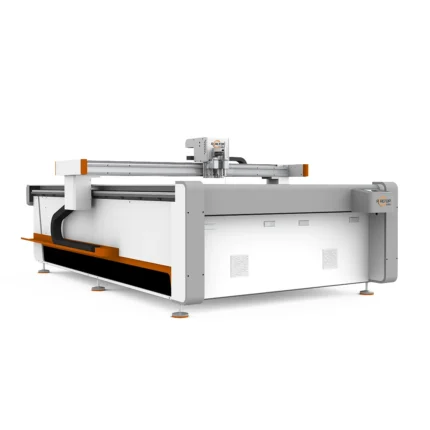

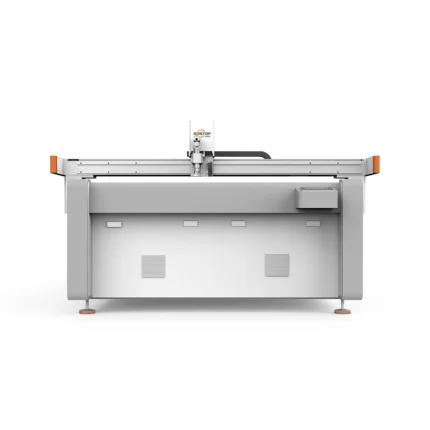

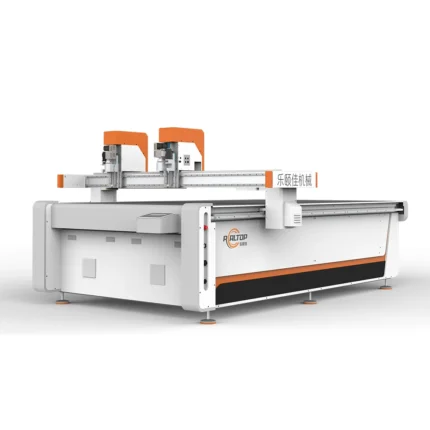
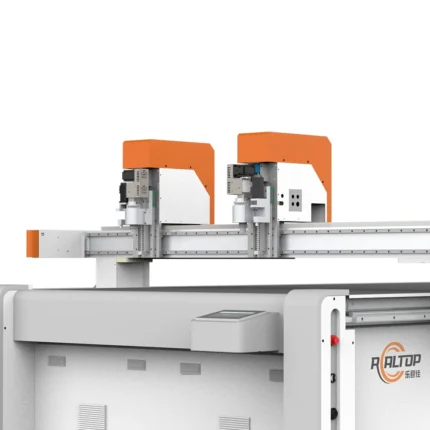
2516 CNC Vibrating Knife Cutting Machine 2026
Product Introduction
2516 CNC Vibrating Knife Cutting Machine 2026, a precision cutting solution from China's leading welding & cutting equipment manufacturer. Ideal for efficient, high-quality material processing with advanced CNC technology.
Key Specifications
| Model | 2516 |
| Type | CNC Vibrating Knife Cutting Machine |
| Year | 2026 |
| Origin | China |
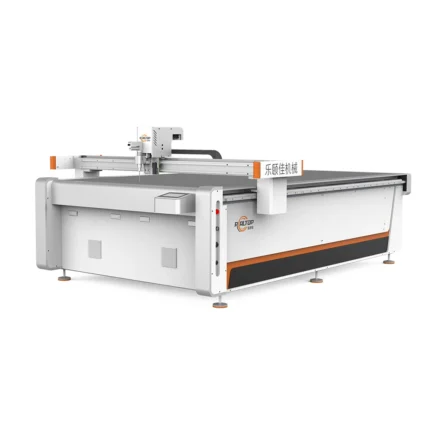
Jinan Realtop CNC Foam Cutting Machine 2026
Product Introduction
Jinan Realtop CNC Foam Cutting Machine 2026, a high-precision solution from China's leading welding & cutting equipment manufacturer, ideal for efficient foam cutting applications with reliable performance and advanced CNC technology.Key Specifications
| Model | 2026 |
| Type | CNC Foam Cutting Machine |
| Manufacturer | Jinan Realtop |
| Origin | China |
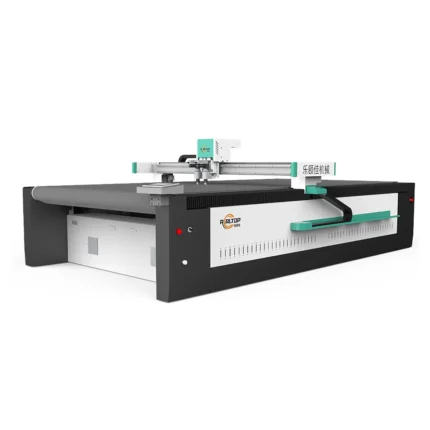

Realtop EPE Cutting Machine 2026 High-Speed Digital Auto Cut
Product Introduction
Realtop 2026 EPE Cutting Machine features high-speed digital auto-cut technology, designed for efficient and precise cutting operations. Ideal for EPE material processing with automated functionality to enhance productivity.Key Specifications
| Model | Realtop EPE Cutting Machine 2026 |
| Type | High-Speed Digital Auto Cut |
| Operation | Automated |
| Application | EPE Material Cutting |
商品评价
There are no reviews yet.