

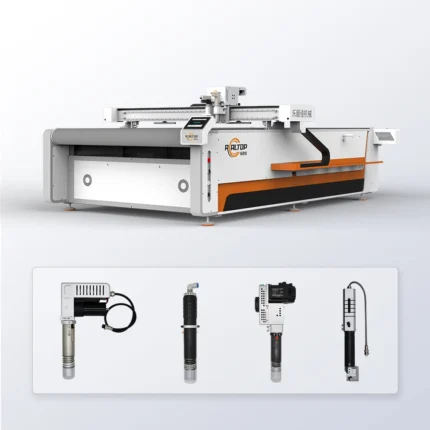
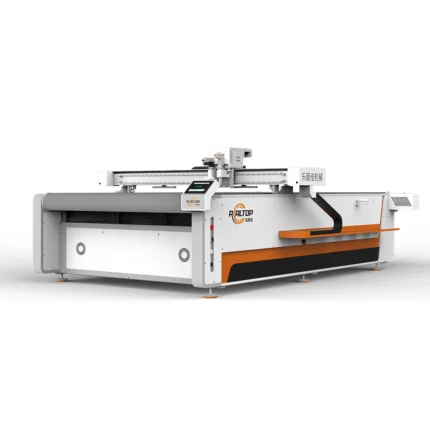
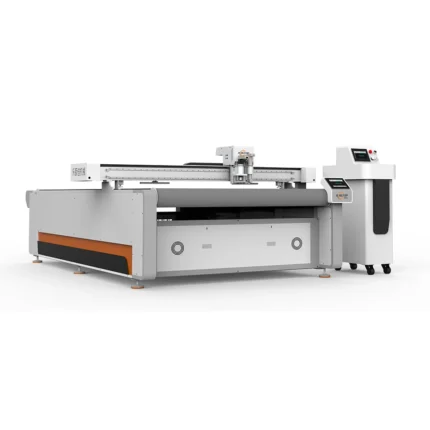
Stock Flatbed CNC Digital Cutter for V-Cut Satin Fabric – Industrial Application
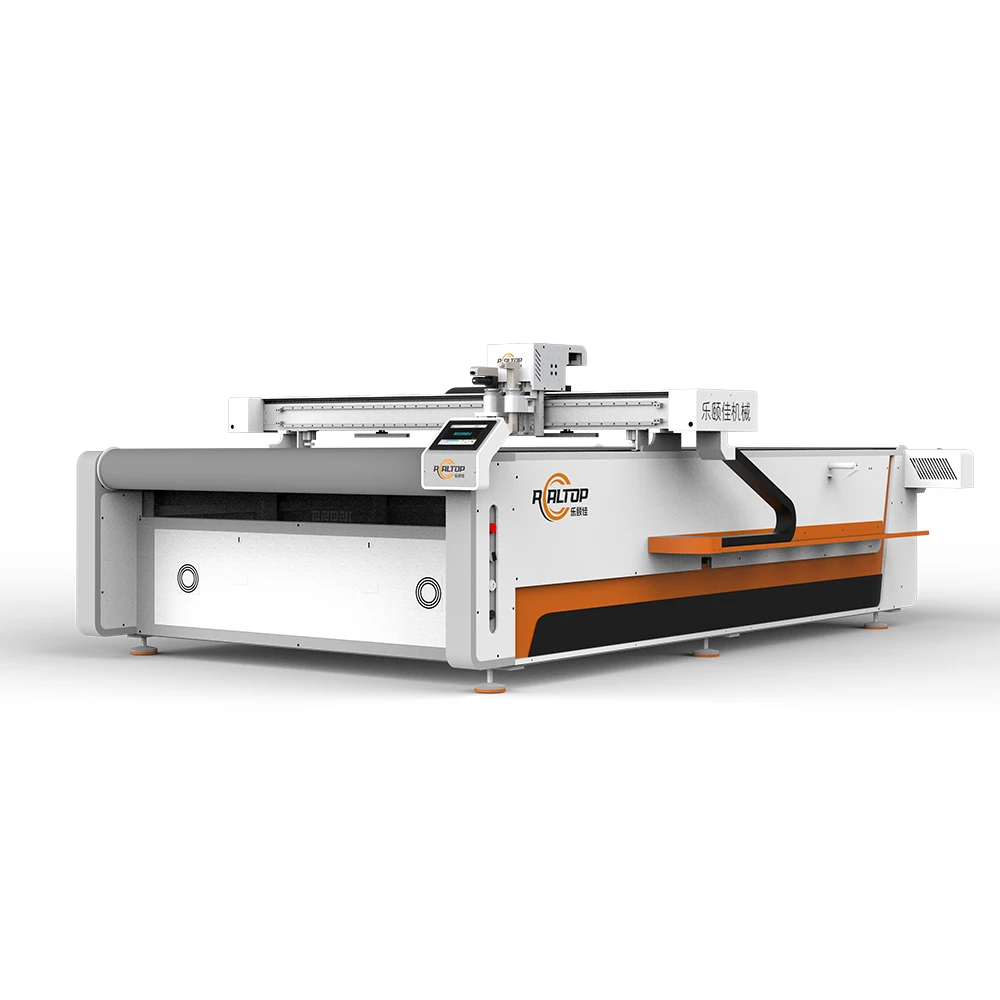
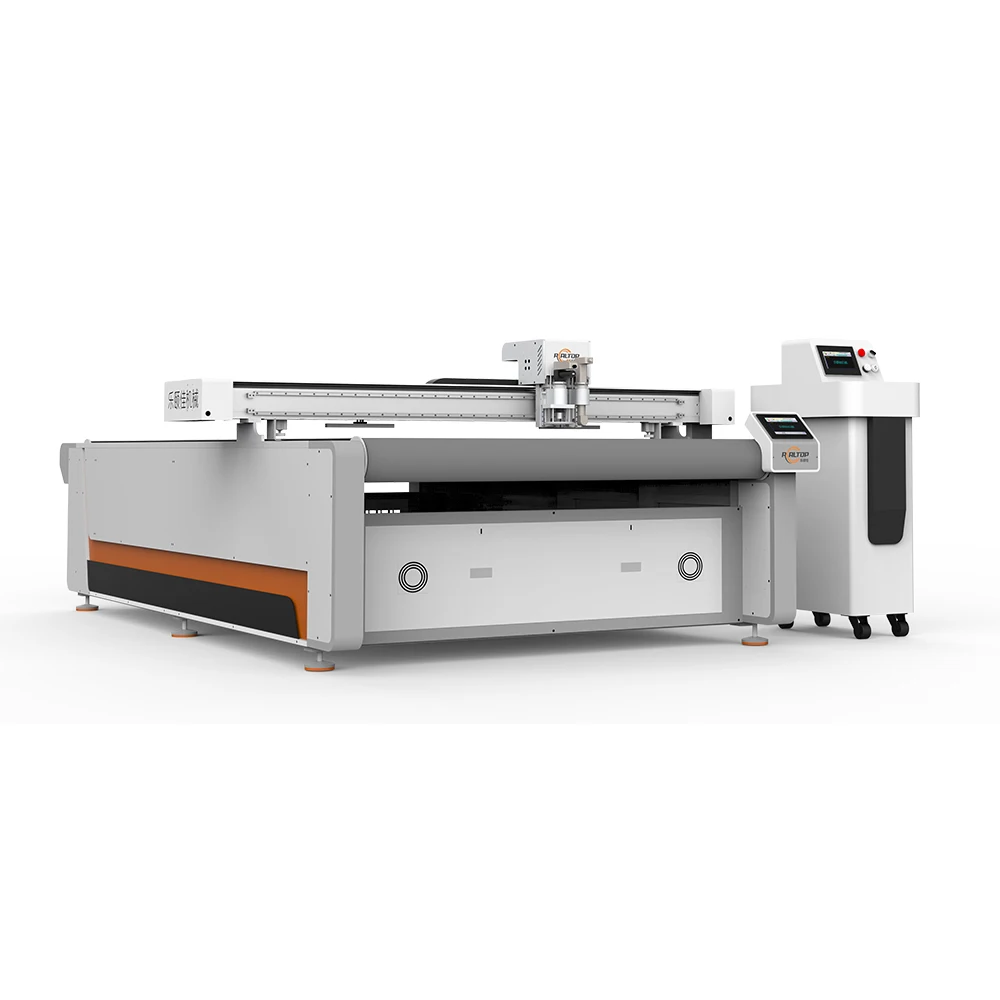
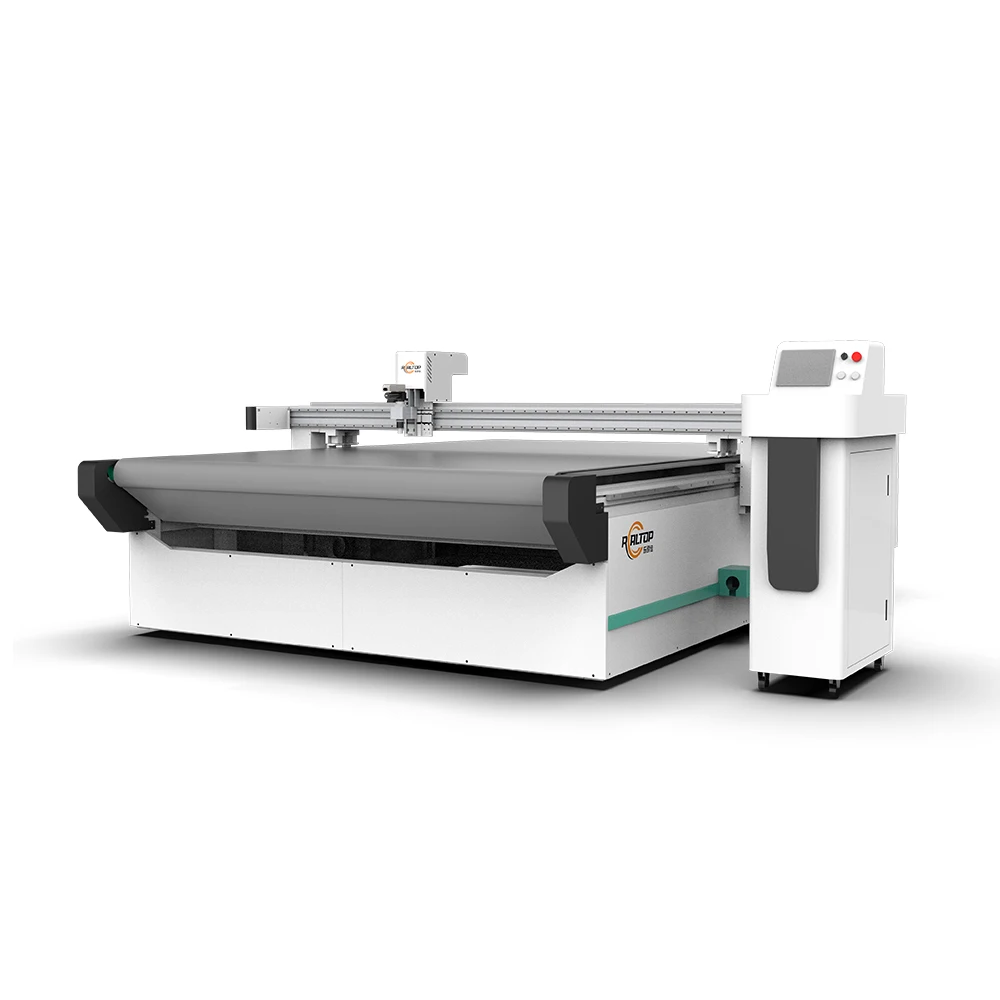
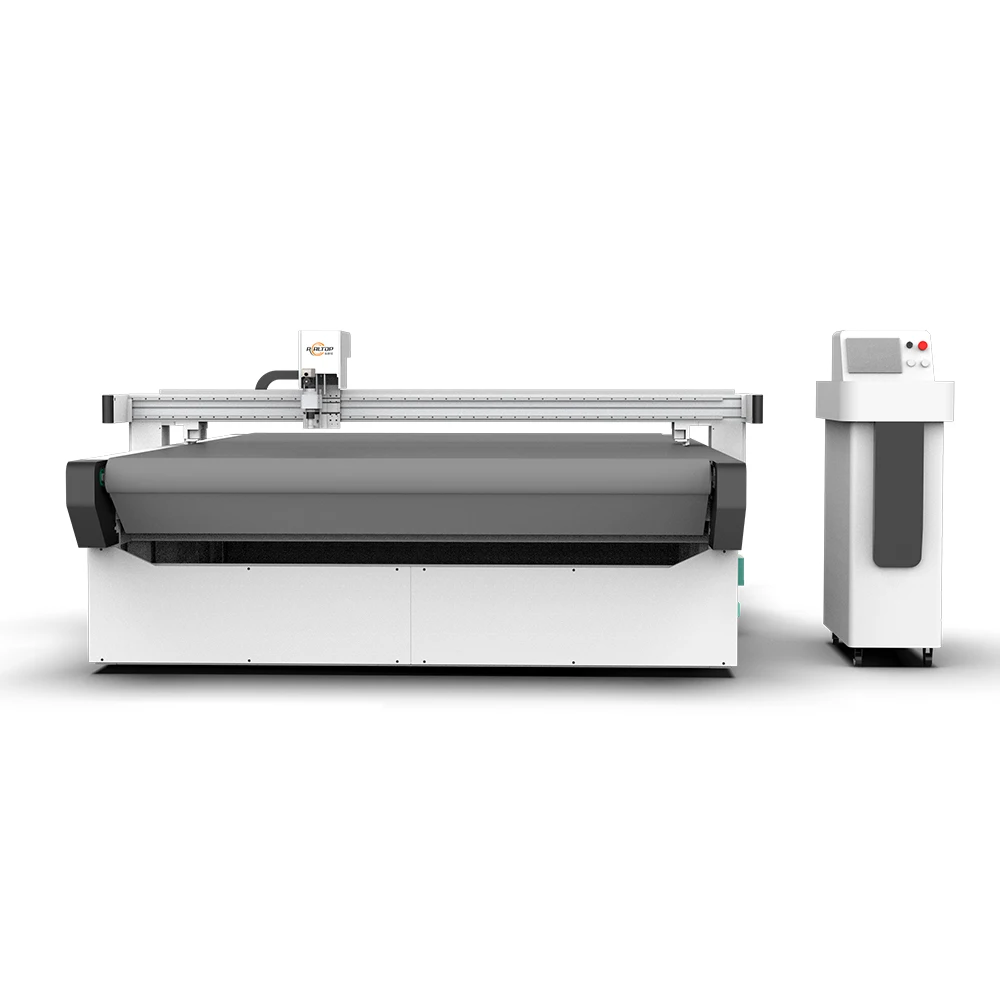
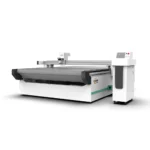
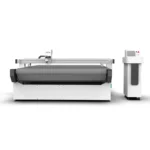
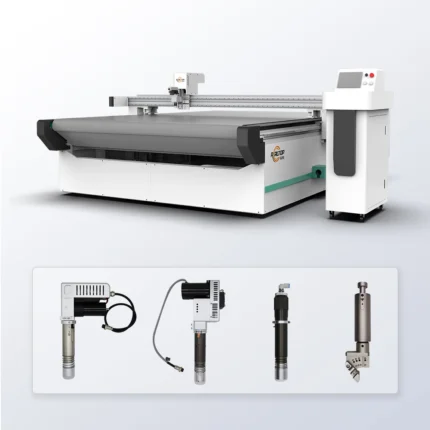
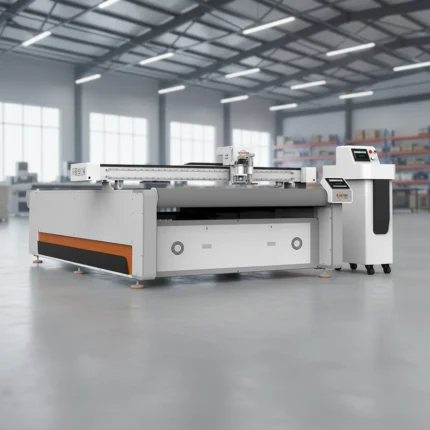
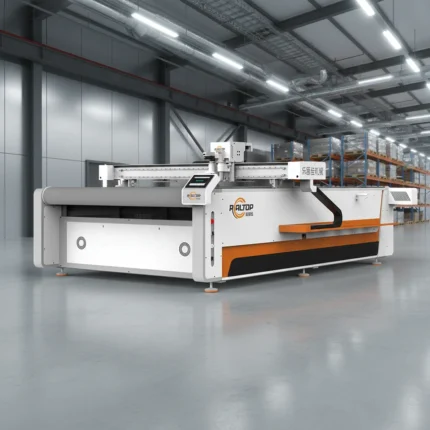
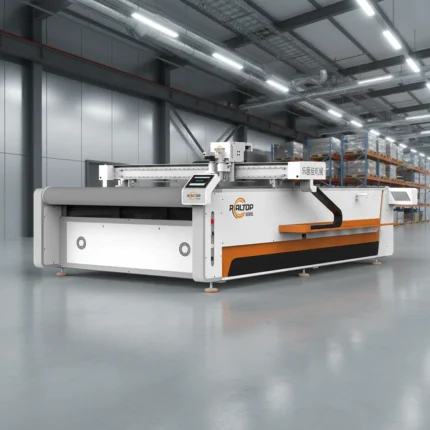
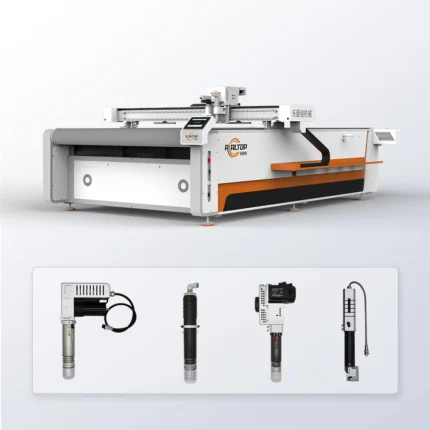
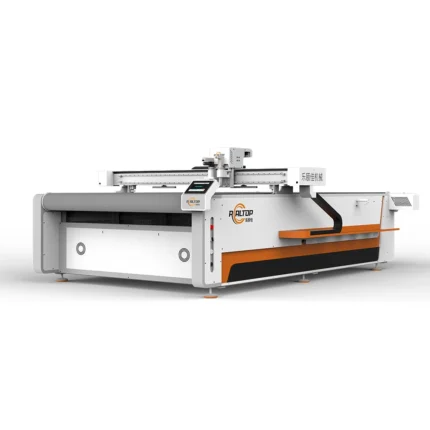
Cloth CNC Cutting Machine, 1600×2500mm, Oscillating Knife, ≤30mm Thickness — engineered for fabric, leather and composite material processing. CO2 versus oscillating knife cutting method is matched to your textile type and edge sealing requirement, with aluminum bellows vacuum table ensuring firm hold-down on flexible materials. ±0.1mm positioning accuracy delivers clean, fray-free edges across garment and automotive interior production runs.
Sample cutting performed on your own material before order commitment, with edge quality and cutting depth documented in the report.
Cutting method matched to material — We build both oscillating knife and laser systems, so your satin or composite fabric gets cut by the process that actually suits its behavior rather than forcing one technology across every roll.
Technical Specifications
| Parameter | Value |
|---|---|
| Product Type | CNC Oscillating Knife Cutting Machine |
| Working Area | 1600×2500 mm |
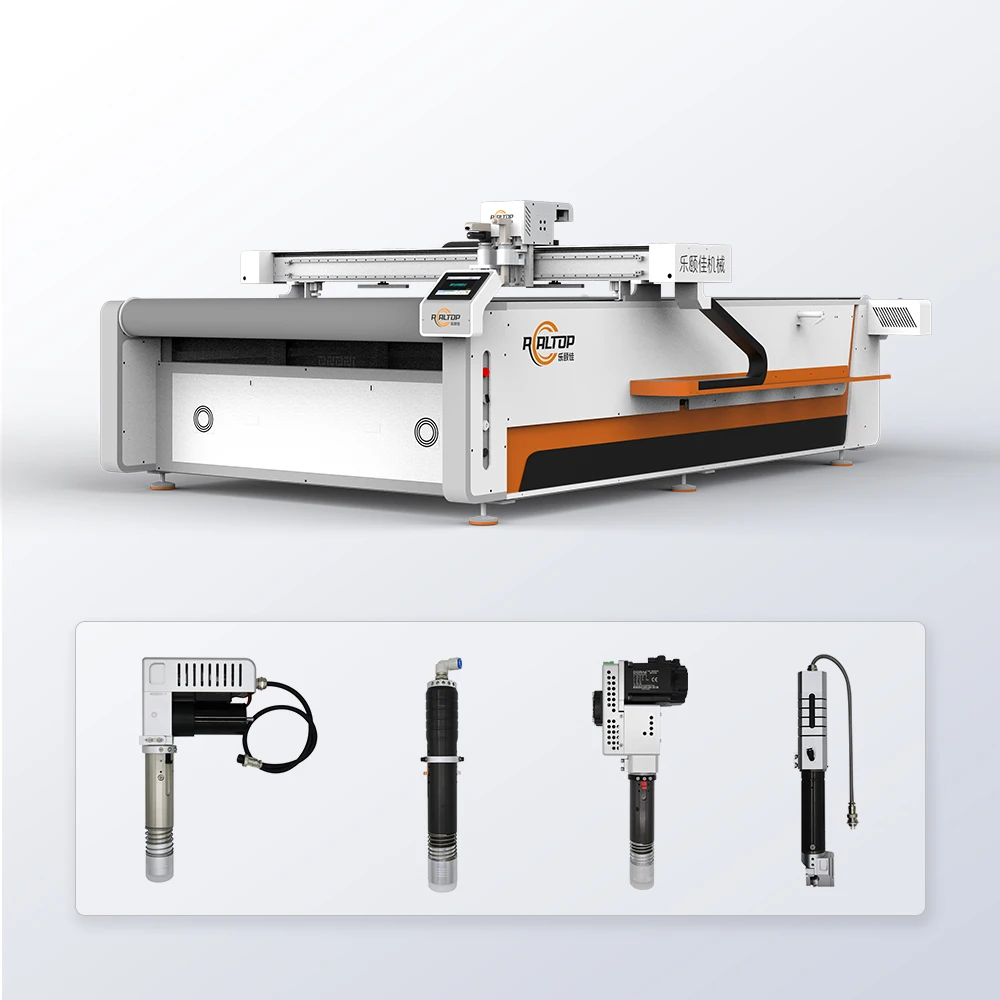
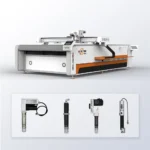
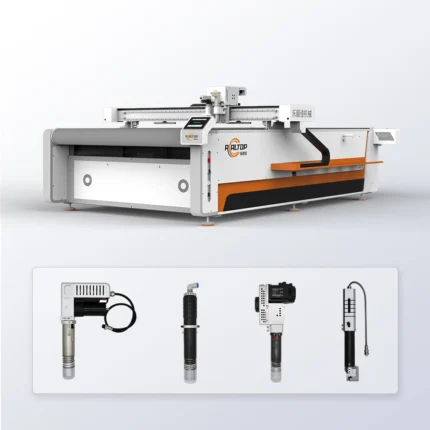
| Available Tool Heads | Oscillating knife, Driven rotary knife, Creasing wheel, Kiss cutting tool, Pneumatic knife, Milling tool, V groove knife |
| Cutting Speed | 0–2000 mm/s (basis not stated in source — confirm material type / thickness / layer count) |
| Cutting Thickness | ≤ 30 mm (basis not stated in source — confirm single layer vs multi-layer and material type) |
| Cutting Accuracy | ±0.1 mm (basis not stated in source — confirm material type and thickness) |
| Vacuum Pump Power | 9 kW |
| Vacuum Table | Aluminum bellows vacuum table |
| Control System | PLC control panel |
| Display Language Options | English, Russian, Italian, Chinese, others customizable |
| Servo Motor Options | Multiple brands available (Panasonic, Delta, Dorna) |
| Voltage Options | 110V / 220V / 380V (frequency not specified in source) |
| Supported File Formats | PLT, DXF, AI, PDF |
| Safety Device | Infrared sensor device and emergency stop device |
| Machine Dimensions (L×W×H) | 3300×2100×1350 mm |
| Certification | CE |
Application Suitability
| Application | Material or Output |
|---|---|
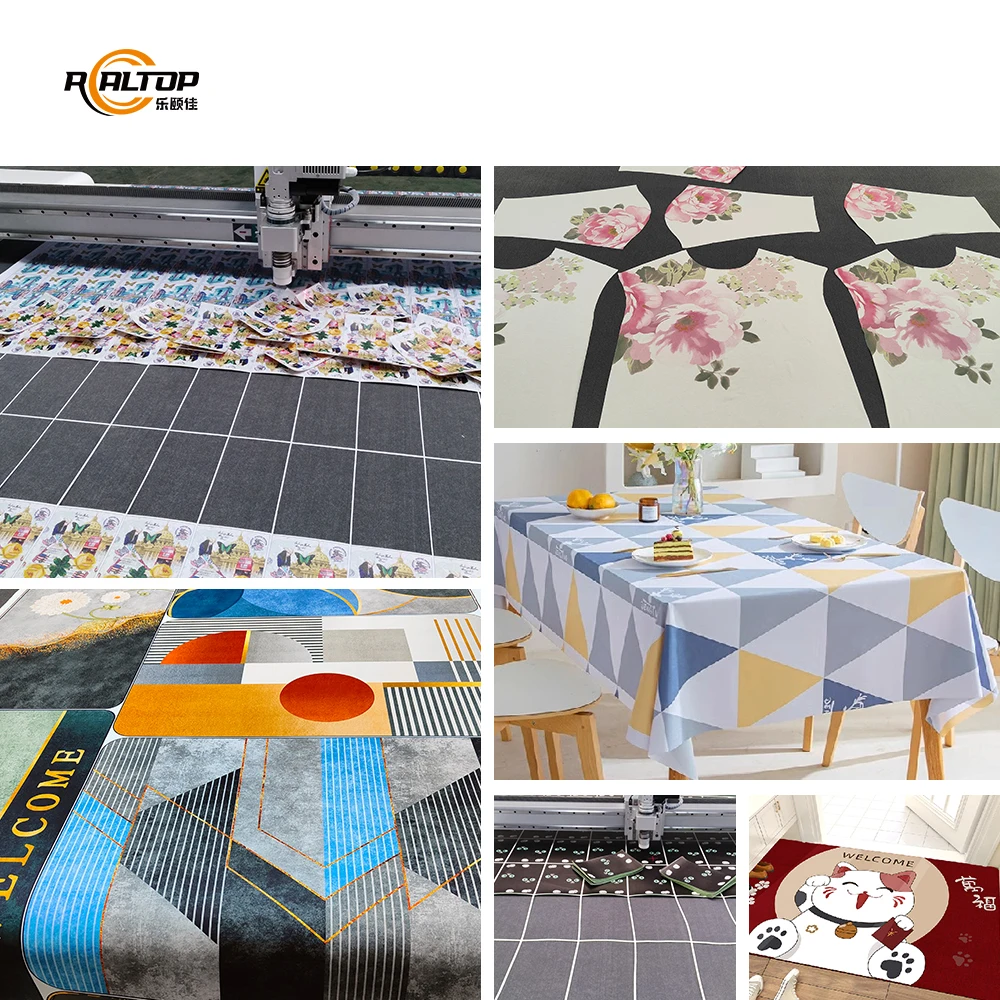
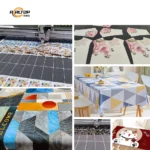
| Apparel manufacturing | Suits, knitwear, lace, complex woven and satin fabrics |
| Automotive interiors | Seat fabrics, carpets, PVC mats requiring fray-free edges |
| Home textiles | Sofa fabrics, curtains, rugs cut at production volume |
| Composite processing | Carbon fiber prepreg, aramid sheets, gasket materials |
| Packaging sample making | Cardboard, carton, foam board, corrugated sheets |
Why "Laser Power" Quotes Mislead Textile Buyers
A laser cutting and engraving machine for textile and fabric processing is frequently quoted at peak power rather than continuous output, and the real cutting depth on layered satin or technical fabric falls well short of what the brochure implies. We specify continuous power against your actual material stack, verified by sample cut before you commit.
Running the Latin America circuit, I have watched fabric cutting lines specified for standard cotton fail entirely when the customer switched to slippery satin stock — fraying at the edges, production rate dropping by half, operators re-cutting pieces all shift. The same problem appears when acrylic signage producers accept a peak-wattage number and discover the edge sealing is incomplete at full traverse speed [NEED_CITE: laser power measurement standards for industrial cutting equipment]. Specifying against your actual roll eliminates that gap.
Matching the Process to the Textile
Satin, lace, and technical composites each demand a different interaction between tool and material. An oscillating knife handles multi-layer fabric stacks without thermal edge effects, while a CO2 laser seals synthetic weave edges in a single pass. A laser cutting and engraving machine for textile and fabric processing makes sense for synthetics where edge sealing prevents unraveling, but natural fibers and blended satin often cut cleaner under a driven rotary knife with no heat-affected zone.
Vacuum Hold-Down on Flexible Rolls
Flexible textiles shift under any lateral blade force. The aluminum bellows vacuum table on this flatbed cutter provides high flatness across the 1600×2500 mm working area, holding slippery satin and lightweight knitwear flat without mechanical clamps that leave marks. Zoned vacuum sections allow small pattern pieces to stay anchored even when surrounding material is removed [NEED_CITE: vacuum table zoning requirements for flexible textile cutting].
Reading the Specs Beyond the Headline Numbers
The ±0.1 mm positioning accuracy figure matters most when cutting nested apparel patterns where a fraction of a millimeter drift across a long panel causes misalignment at the sewing stage. The 9 kW vacuum pump is sized to maintain suction across the full aluminum bed area; undersized pumps lose grip on small pieces once surrounding scrap is cleared. Servo motor selection across Panasonic, Delta, and Dorna allows the drive system to be matched to the responsiveness required by your material — heavier composites need different acceleration profiles than single-layer lace. Supported file formats including PLT, DXF, AI, and PDF mean your existing nesting workflow transfers without file conversion bottlenecks.
The Cost of Choosing the Wrong Tool Head
Selecting an oscillating knife for a material that actually needs a V-groove or kiss-cutting tool produces crushed foam cores or incomplete cuts that require secondary finishing. On satin, the wrong blade angle frays the weave at every direction change. I have seen buyers accept a single-tool configuration to save upfront cost, only to discover their gasket material demands a pneumatic knife that was never quoted [NEED_CITE: tool head selection criteria for composite and gasket materials]. Reconfiguring after delivery means downtime, new tooling procurement, and recalibration that delays production schedules by weeks.
Why Buyers Source This Equipment Here
In-house design covers both knife and laser cutting technologies, meaning the cutting method is matched to your satin, composite, or leather stock rather than forced into whichever machine the factory prefers to build. Tool head and table configurations are specified per your material type and daily volume, not pulled from a standard catalog page. CCD camera positioning is available for printed contour work on apparel and signage textiles. Software compatibility with your existing DXF and AI nesting files is confirmed before the order is locked. Voltage, control language, and plug type are verified against your facility’s electrical grid before shipment. Sample cutting on your own roll of fabric is completed and documented before you commit to the purchase.
Documentation & Verification
- Machine specification sheet confirming working area, tool head list, and voltage configuration
- Electrical schematic matching your facility’s local grid frequency and phase
- Sample cutting report on your satin or composite material with edge quality documented
- Software licence and file format compatibility note for PLT, DXF, AI, PDF workflows
- Factory test record showing vacuum hold and positioning accuracy before crating
- CE declaration with operation and maintenance manual in your operator’s language
Installation, Commissioning & Support
- Floor space of approximately 3300×2100 mm required with clearance for material loading on the 1600×2500 mm bed
- Dedicated circuit matching confirmed voltage option (110V/220V/380V) and the 9 kW vacuum pump draw
- Machine ships partially assembled; bed frame and gantry require on-site alignment
- First-run parameter tuning on your fabric type with tool head pressure and vacuum zone adjustment
- Operator training on PLC control panel in your selected display language
- Spare parts list covering blades, knife holders, and vacuum seals with recommended reorder intervals
What to Prepare Before Requesting a Quote
Send us your fabric type, weight per square meter, and whether you cut single-layer or stacked rolls. Confirm your local voltage and frequency so the electrical system is built correctly from the start. If you run an existing nesting software, share a sample file so we verify format compatibility before quoting.
Frequently Asked Questions
Q: How do I verify continuous versus peak power for my fabric thickness?
A: We run sample cuts on your actual material at production speed, documenting cut depth and edge quality. Peak power ratings describe momentary output that cannot sustain a full cut path. Our quotation specifies continuous output verified against your roll, so the laser cutting and engraving machine for textile and fabric processing performs as expected on your shop floor.
Q: Will my existing nesting files work with this cutter?
A: The system accepts PLT, DXF, AI, and PDF formats. Before order confirmation, we test your actual production files through the software to verify import, nesting, and toolpath generation. Any conversion issues are resolved before the machine ships, preventing workflow interruption during installation.
Q: Which cutting method suits satin fabric better — laser or knife?
A: It depends on edge requirement and weave composition. Synthetic satin often benefits from laser edge sealing that prevents fraying, while natural fiber satin cuts cleaner under a driven rotary knife with no thermal effect. We sample both methods on your roll and recommend based on results, not on which machine we want to sell.
Q: What voltage and language options are confirmed before shipment?
A: Voltage is configurable across 110V, 220V, and 380V options, and frequency is matched to your local grid. The PLC control panel display language is set to English, Russian, Italian, Chinese, or other languages on request. Both are confirmed in writing before production begins.
Q: Can I see cutting results before committing to the order?
A: We cut your actual material on the flatbed table and send a sample report documenting edge quality, cutting speed behavior, and vacuum hold performance. This removes the guesswork from tool head selection and gives your production team confidence in the configuration before the purchase order is placed.


Related products
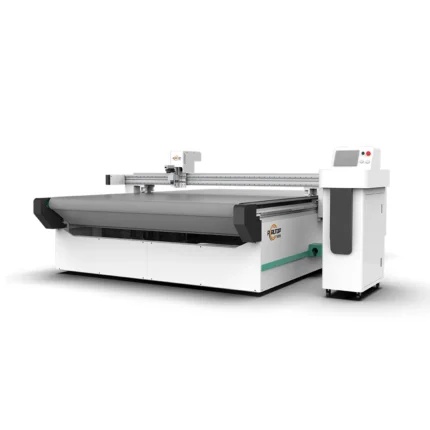
2026 Flatbed Oscillating Knife Cutter 1600x3500mm Auto-Feeding Textile
Product Overview
Flatbed Oscillating Knife Cutting Machine 2026 is a high-precision textile fabric cutter with auto-feeding function, ideal for efficient and accurate cutting tasks in textile manufacturing. It combines advanced oscillating knife technology with a large working area to meet industrial production needs.Key Specifications
| Model | 2026 |
| Working Area | 1600x3500mm |
| Feeding System | Auto-Feeding |
| Cutting Type | Oscillating Knife |
| Application | Textile Fabric |
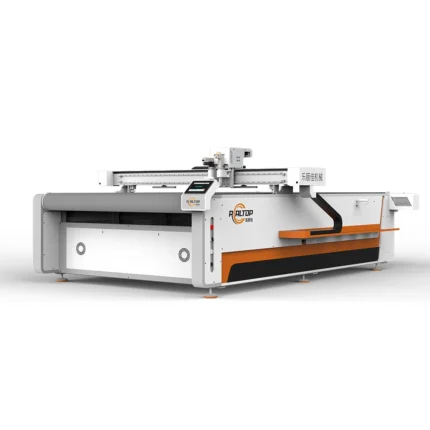

Jinan Realtop PVC Cutting Machine 2026 CE Certified
Product Introduction
Jinan Realtop PVC Cutting Machine 2026 is a CE-certified cutting solution, ideal for precise PVC material processing. Designed for efficiency and reliability in industrial applications.Product Parameters
| Model | 2026 |
| Certification | CE Certified |
| Application | PVC Cutting |
| Manufacturer | Jinan Realtop |
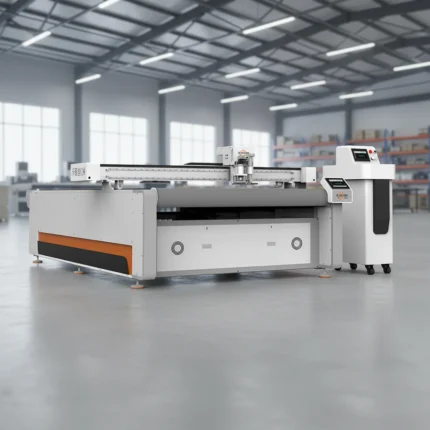
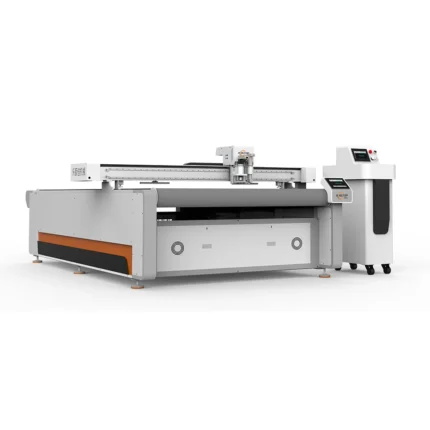
Realtop CNC Fabric Cutting Machine 2026 CE Certified
Product Introduction
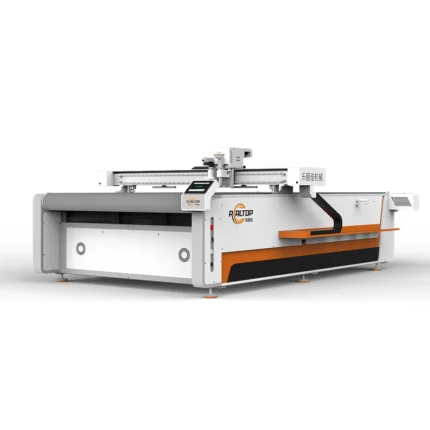
Realtop CNC Fabric Cutting Machine 2026, CE Certified, ideal for precision fabric cutting with advanced CNC technology. Engineered for efficiency and reliability in textile manufacturing processes.Key Specifications
| Model | Realtop CNC Fabric Cutting Machine 2026 |
| Certification | CE Certified |
商品评价
There are no reviews yet.