

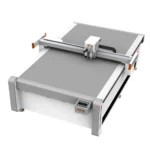
Technical Guide CNC Vibrating Knife Cutter for Cardboard Box
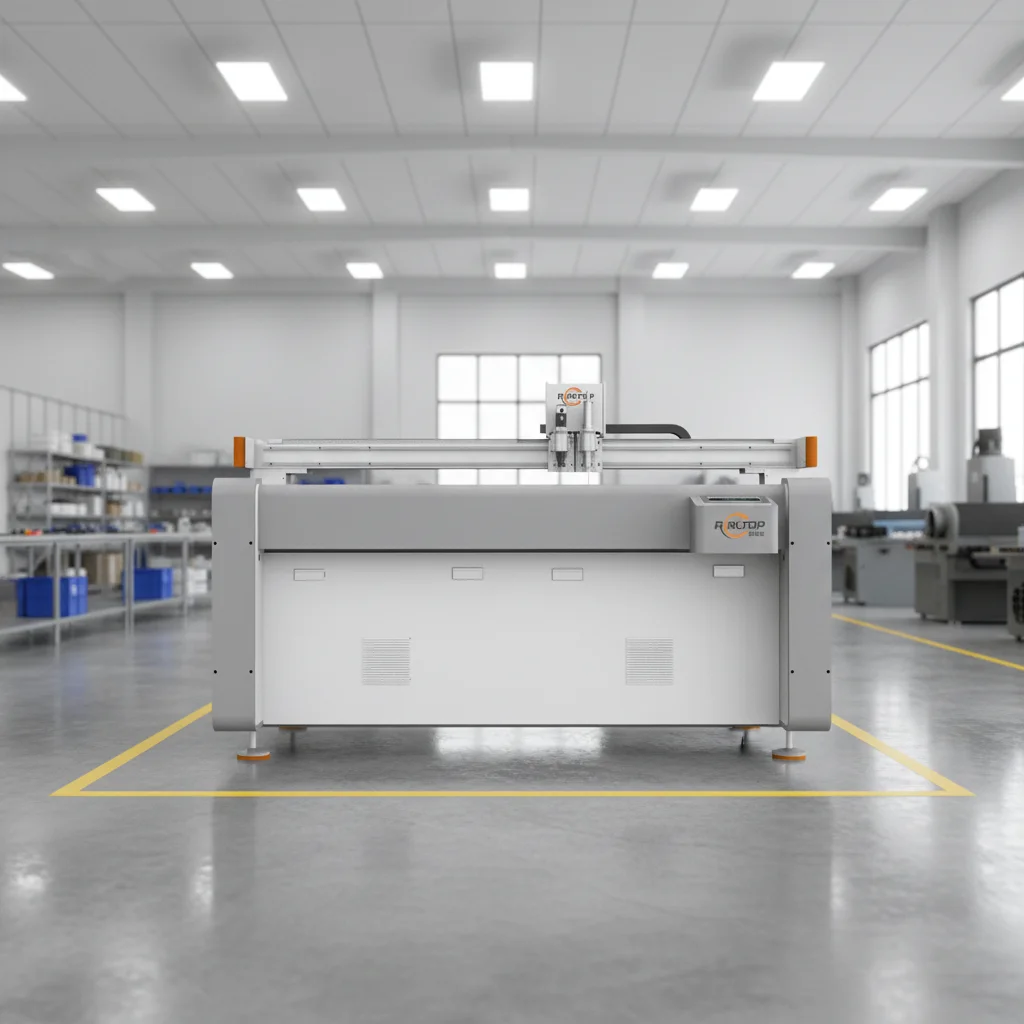
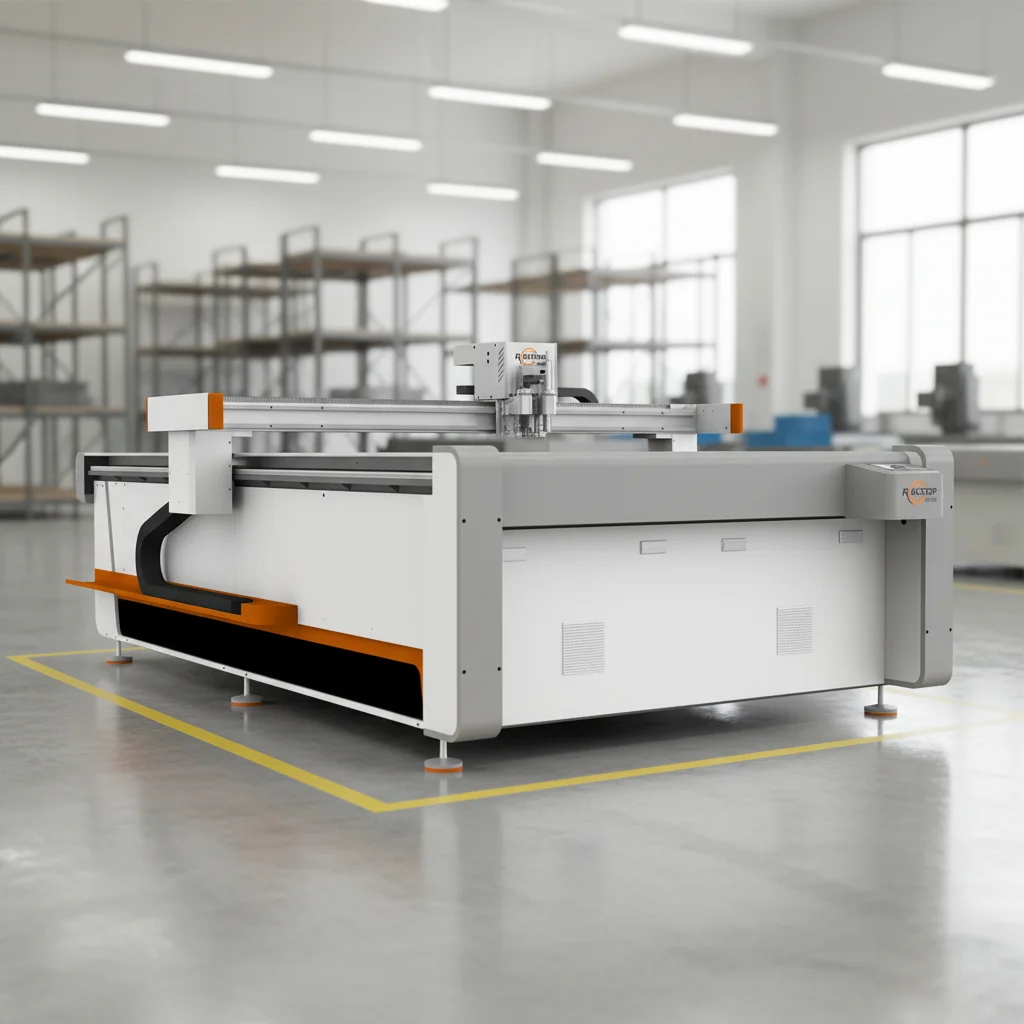
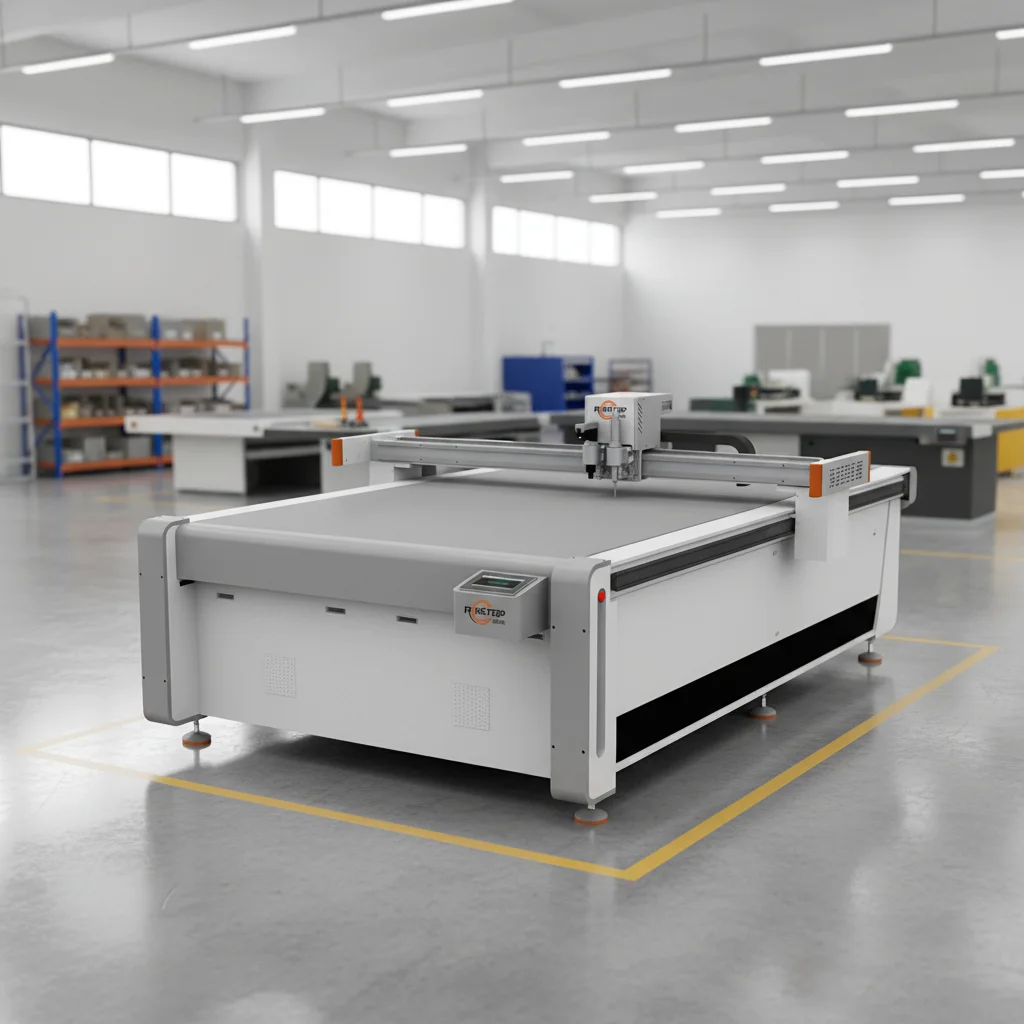
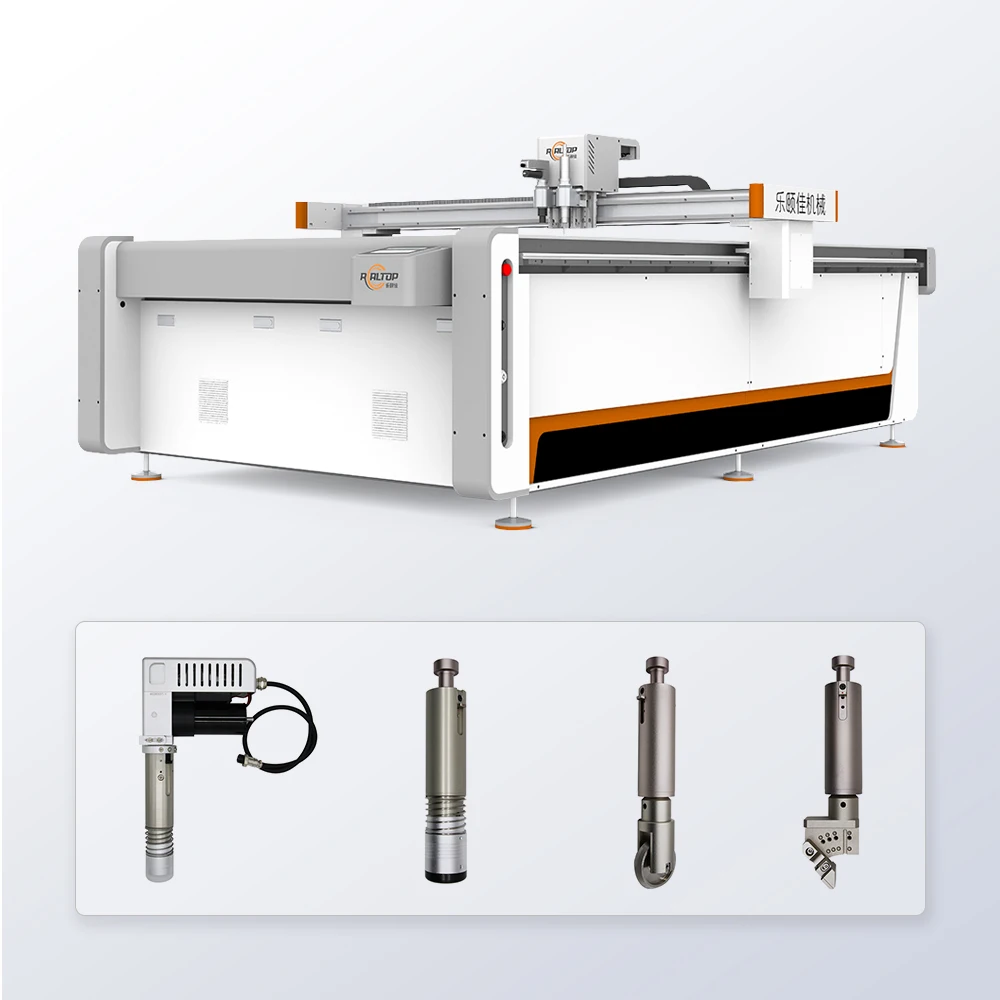
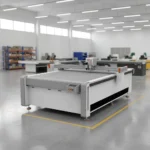
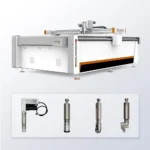
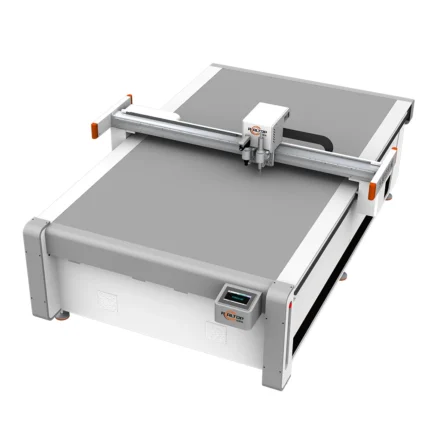
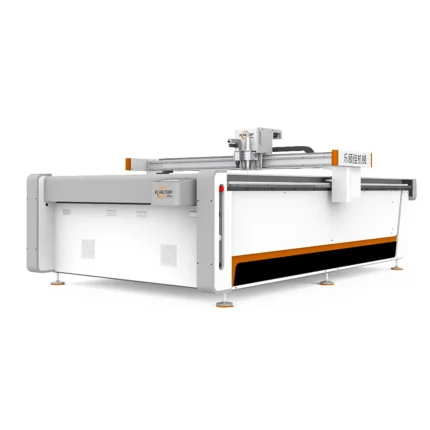
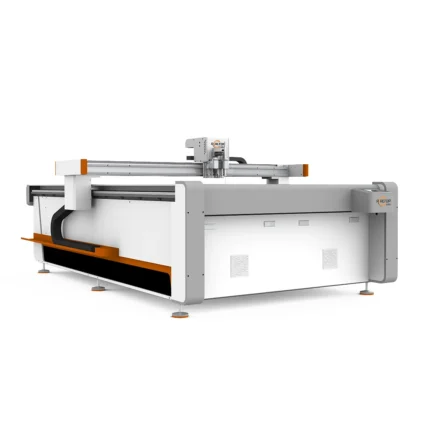
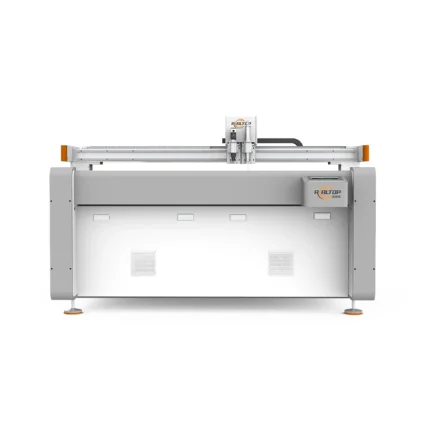
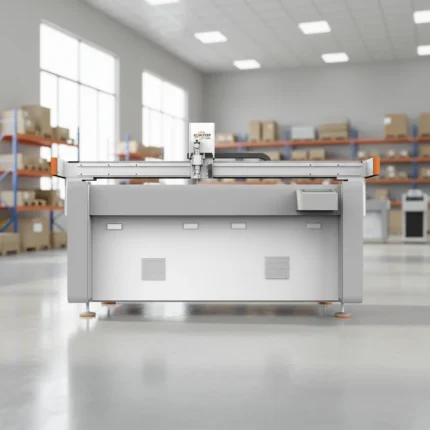
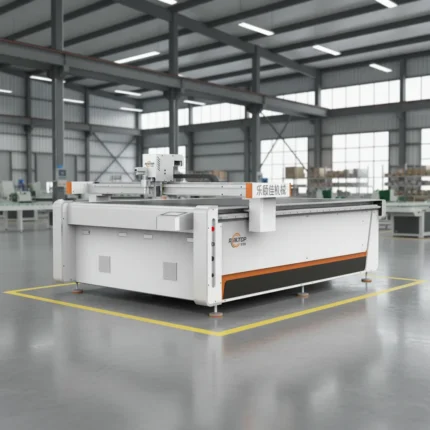
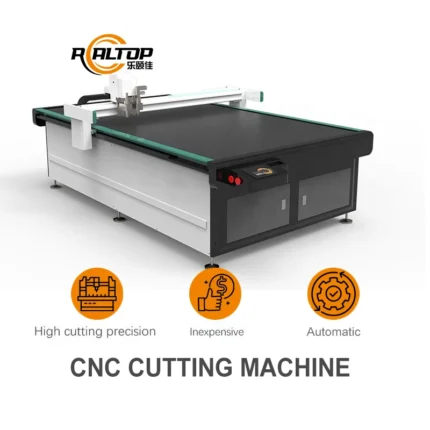
1625(std.) CNC Oscillating Knife Cutting Machine, 1600×2500mm, ≤40mm Thickness — configured for corrugated board, greyboard, and specialty paper sample making with interchangeable oscillating knife, creasing wheel, and V-groove tools.
- Aluminum bellows vacuum table ensures consistent hold-down across the full working area during high-speed cutting at up to 1500 mm/s
- PLC control with dedicated packaging structure design software supports PLT, DXF, AI, and PDF file import for seamless design-to-cut workflow
CO2 laser process details including continuous power verification and real cutting depth confirmed on buyer’s own material before order commitment.
Laser process versatility — this CNC oscillating knife cutting machine laser engraving platform is configured so buyers can verify continuous power and actual cutting depth before committing to a packaging or signage workflow.
Technical Specifications
| Parameter | Value |
|---|---|
| Product Type | CNC Oscillating Knife Cutting Machine |
| Model | 1625(std.) |
| Cutting Area | 1600×2500 mm |
| Tools Available | Oscillating knife, Driven rotary knife, Creasing wheel, Kiss cutting tool, Pneumatic knife, Milling tool, V groove knife |
| Applicable Materials | Fabric, Cardboard, Carton, Mats, PVC, EVA, Leather, Acrylic, Foam, PTFE, Rubber |
| Cutting Speed | 0-1500 mm/s |
| Cutting Thickness | ≤ 40mm |
| Cutting Accuracy | ±0.1 mm |
| Vacuum Pump | 9KW |
| Voltage Options | 110V, 220V, 380V |
| Profile Format | PLT, DXF, AI, PDF |
| Safety Device | Infrared sensor device and emergency stop device |
| Machine Size | 3300×2100×1350 mm |
| Servo Drive Options | Panasonic, Delta, Dorna (source value — verify against manufacturer catalog) |
| Control System | PLC control panel with optional display languages |
| Software | Dedicated packaging box structure design software |
| Vacuum Table | Aluminum bellows vacuum table |
| Language Options | English, Russian, Italian, Chinese (custom languages available) |
Application Suitability
| Application | Material or Output |
|---|---|
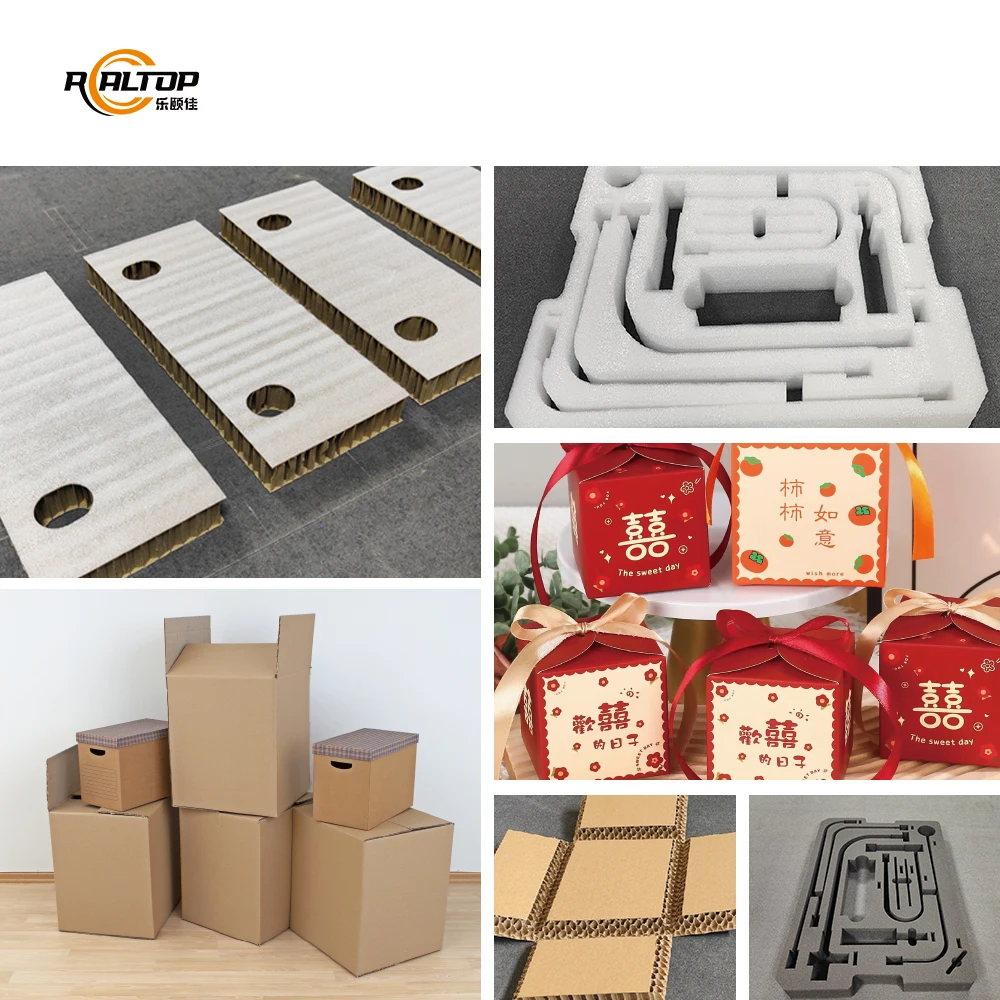
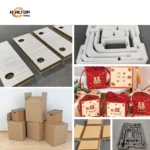
| Packaging Sample Making | Corrugated board (E-flute, B-flute, BC-flute), greyboard, cardstock, art paper, specialty paper |
| Signage and Display | Acrylic, wood, thin plastic sheets (PVC, PET) |
| Protective Inlays and Gaskets | EVA, EPE, PU foam, rubber mats |
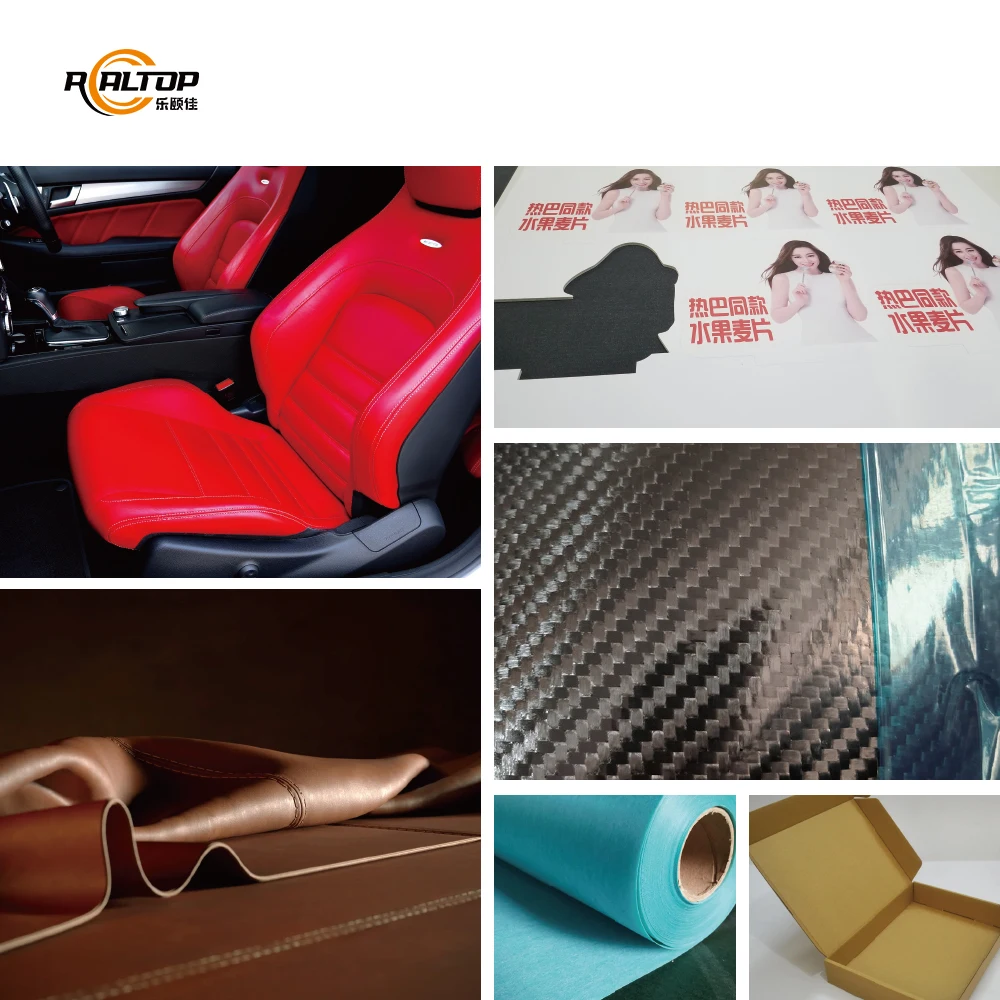
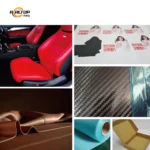
| Textile and Leather Goods | Velvet, fleece fabric, non-woven fabric, leather, synthetic leather |
| Composite and Adhesive Materials | Composite sheets, adhesive-backed materials |
Why Quoted Laser Power Often Fails on Packaging Substrates
Continuous power rating is the only metric that determines real cutting depth on corrugated board and acrylic. Many buyers source a CNC oscillating knife cutting machine laser engraving unit based on a peak wattage figure, only to find the beam struggles to penetrate double-wall flute or leaves charred edges on 3mm acrylic [NEED_CITE:]. When the laser is specified at peak rather than continuous output, the actual energy delivered to the material surface drops significantly, forcing multiple passes that slow throughput and degrade edge quality. Verifying the continuous power rating against the specific material thickness and type is a necessary step before the purchase order is signed.
Matching Tool Heads to the Packaging Workflow
The 1625(std.) platform supports a combination of oscillating knife, driven rotary knife, and creasing wheel on the same gantry. This means a single setup can score greyboard for a folding carton, cut the perimeter with the oscillating knife, and perforate an internal window with the rotary tool, all without manual tool changes. For packaging sample makers moving between short-run prototyping and small-batch production, having the creasing wheel and kiss cutting tool available in the same tool magazine reduces the number of separate operations required to finish a box blank.
Laser Process Parameters for Non-Metal Engraving
When configured for laser work, the system requires confirmation of focal length, assist gas flow, and extraction capacity before engraving depth and edge sealing can be predicted. Acrylic edge sealing depends on a consistent beam focus across the entire 1600×2500 mm bed, which the aluminum bellows vacuum table supports by keeping the sheet flat against the platen. Textile engraving on velvet or fleece demands different power density settings than wood or PVC, and the PLC control panel stores these profiles so operators do not recalibrate for every job [NEED_CITE:].
How Core Specifications Translate to the Shop Floor
Cutting speed rated at 0-1500 mm/s defines the upper limit for straight-line travel; actual contour speed on a complex carton dieline depends on corner density and the servo drive response. The Panasonic, Delta, or Dorna servo options (verify against current catalog) influence how sharply the head decelerates into tight radii without overcutting. Cutting thickness up to 40mm covers most single and double-wall corrugated grades as well as EVA foam inserts, but the achievable depth on dense greyboard may differ from that on open-cell foam at the same knife frequency. The ±0.1 mm cutting accuracy is maintained when the vacuum table zoning holds small nesting parts flat; without adequate hold-down, material lift introduces positional error that accumulates across a long production run.
The Hidden Cost of Skipping Material Trials
Selecting a tool head based on a catalog description rather than a physical cut sample is a common source of rejected prototypes. A creasing wheel set to the wrong pressure on double-wall E-flute will crush the flute profile, producing a fold line that cracks on the outside face. An oscillating knife running too fast on synthetic leather will generate ragged edges that require secondary trimming. These defects are not visible in a machine brochure and only surface when the buyer’s own material is loaded onto the table [NEED_CITE:].
Why Source This Configuration from Jinan
In-house design and production cover both knife and laser cutting technologies on the same frame, so the cutting method can be matched to the material rather than forced into one process. Tool head and table configuration are specified per the buyer’s material type and daily volume, not pulled from a fixed menu. CCD camera positioning is available for printed contour work where registration marks must be tracked at production speed. Software compatibility with the buyer’s existing PLT, DXF, AI, or PDF workflow is confirmed before the order is released to the floor. Sample cutting on the buyer’s own corrugated board, foam, or leather is completed before the machine ships, providing a physical record of edge quality and cutting depth.
Documentation & Verification
- Machine specification sheet listing confirmed tool heads and vacuum table zoning for your material
- Electrical schematic with voltage and frequency matched to destination market before assembly
- Tool head and table configuration list tied to your specific material thickness and type
- Sample cutting report on your corrugated board or foam with edge quality photographs
- Software licence and file format compatibility note for PLT, DXF, AI, or PDF import
- Factory test record showing cutting accuracy across the full 1600×2500 mm bed
Installation, Commissioning & Support
- Floor space of at least 3300×2100 mm plus clearance for material loading on the 1625(std.)
- Dedicated circuit matching confirmed voltage (110V, 220V, or 380V) with stable frequency supply
- Machine arrives assembled; gantry and vacuum pump require on-site leveling and belt tension check
- First-run parameter setting includes vacuum zoning calibration for your smallest nested part
- Operator training covers PLC control panel navigation and language selection for your team
- Spare parts list includes oscillating knife blades, creasing wheels, and vacuum table seals
Preparing Your Inquiry
To move from a general specification to a confirmed configuration, provide the material type, maximum sheet thickness, and the largest blank size your operation runs. Include your local voltage and frequency, the control language your operators need, and whether your design team works in PLT, DXF, AI, or PDF. If you are cutting printed corrugated board or contour-traced graphics, note whether registration marks are used and at what production speed you expect the system to track them.
Frequently Asked Questions
Q: How do I verify continuous laser power versus the peak rating on this machine?
A: Request a sample cutting report that specifies the continuous wattage used, the material type, thickness, and the number of passes required. Peak ratings do not reflect sustained energy delivery and can misrepresent actual cutting depth on acrylic or wood [NEED_CITE:].
Q: Which materials produce sealed edges with CO2 laser versus needing knife-tool cutting?
A: Acrylic and many synthetic textiles seal well under CO2 laser, producing a clean edge without secondary finishing. Natural fabrics, corrugated board, and foam typically require oscillating or rotary knife tools to avoid charring and delamination.
Q: What extraction and fume handling is required for laser engraving on packaging materials?
A: Laser engraving on PVC, acrylic, or coated cardstock generates fumes that require a dedicated extraction system sized to the enclosure volume and the material’s combustion byproducts. Confirm extraction capacity with your facility’s ventilation provider before installation.
Q: Can the software import my existing packaging design files without conversion?
A: The dedicated packaging box structure design software accepts PLT, DXF, AI, and PDF profiles. Request a file format compatibility note confirming that your specific design software version exports cleanly into one of these formats before the order is finalized.
Q: How is voltage and control language confirmed before the machine ships?
A: Voltage (110V, 220V, or 380V), plug type, and control panel language are documented in the electrical schematic and configuration list. These are signed off during the specification confirmation stage, before production begins [NEED_CITE:].


Related products
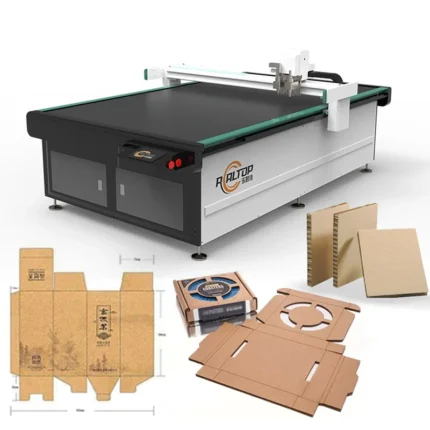
Automation CNC Pizza Box Machine 2026 Rotary Die Cutting
Product Parameters
| Type | Automation CNC Pizza Box Machine |
| Model Year | 2026 |
| Cutting Technology | Rotary Die Cutting |
| Operation | Automated CNC Control |
Introduction
This 2026 Automation CNC Pizza Box Machine features advanced rotary die cutting technology, ensuring precise and efficient pizza box production. With automated CNC control, it offers high productivity and accuracy for professional manufacturing needs.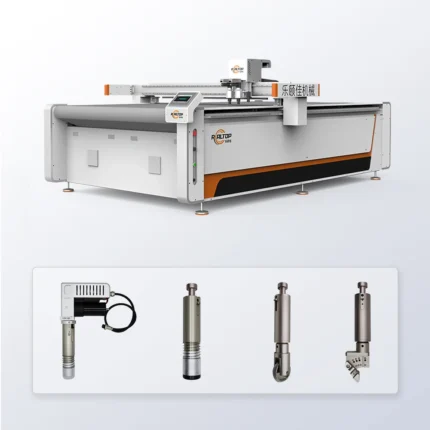
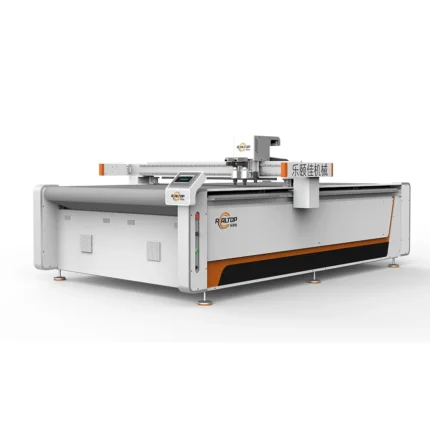
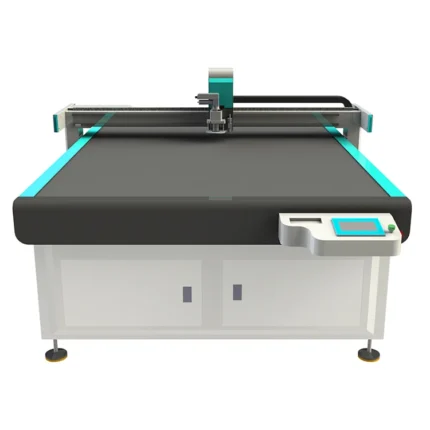
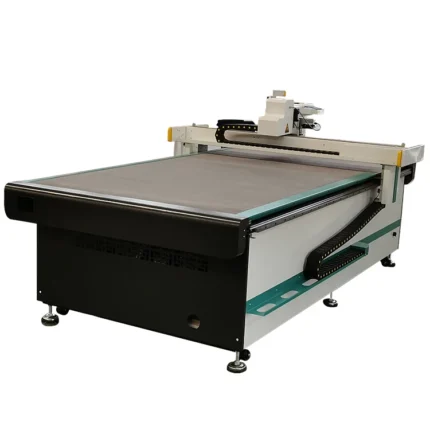
CNC Oscillating Knife Cutting Machine 2026 for Corrugated Cardboard & Honeycomb
Product Introduction
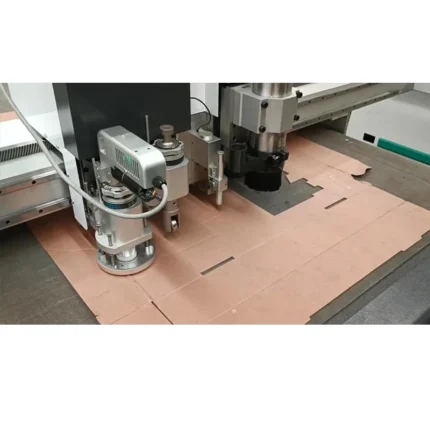
2026 CNC Oscillating Knife Cutting Machine, ideal for corrugated cardboard and honeycomb materials, offering precise and efficient cutting solutions for your production needs.Specifications
| Model | 2026 |
| Type | CNC Oscillating Knife Cutting Machine |
| Applicable Materials | Corrugated Cardboard, Honeycomb |
| Cutting Method | Oscillating Knife |
CNC Vibrating Knife Cutter 2026 Custom Cartons Packaging
Product Introduction
CNC Vibrating Knife Cutter 2026 is ideal for custom cartons & packaging, offering precise cutting solutions for various materials. Engineered by a leading Chinese welding & cutting equipment manufacturer, it ensures efficiency and accuracy for packaging production needs.Key Specifications
| Model | 2026 |
| Type | CNC Vibrating Knife Cutter |
| Application | Custom Cartons & Packaging |
| Manufacturer | Chinese Leading Factory |
Digital Box Cutter 2026 Oscillating Knife Cardboard Cutter
Product Parameters
| Model | Digital Box Cutter 2026 |
| Cutting Type | Oscillating Knife |
| Material | Corrugated Cardboard |
Introduction
Professional oscillating knife cutting machine for corrugated cardboard. Ideal for precise, efficient cutting in packaging production. Reliable performance from China's leading welding & cutting equipment manufacturer.


Digital CNC Cardboard Cutting Machine 2026
Product Introduction
High-precision Digital CNC Cardboard Cutting Machine 2026, ideal for efficient cardboard processing with advanced CNC technology, ensuring precise and fast cutting performance for various packaging and craft applications.
Key Specifications
| Model | 2026 |
| Type | Digital CNC Cutting Machine |
| Material | Cardboard |
| Feature | High Precision, Efficient Cutting |

Realtop 2026 CNC Oscillating V-Cut Machine
Product Introduction
Realtop CNC Oscillating V-Cut Machine 2026 is a precision equipment designed for efficient V-cutting operations, ideal for various material processing needs with advanced CNC technology.
Key Specifications
| Model | Realtop CNC Oscillating V-Cut Machine 2026 |
| Type | CNC Oscillating V-Cut Machine |
| Application | Precision V-cutting operations |
| Feature | Advanced CNC technology |
商品评价
There are no reviews yet.