

1625 Cloth CNC Cutting Machine for Fabric – Specifications
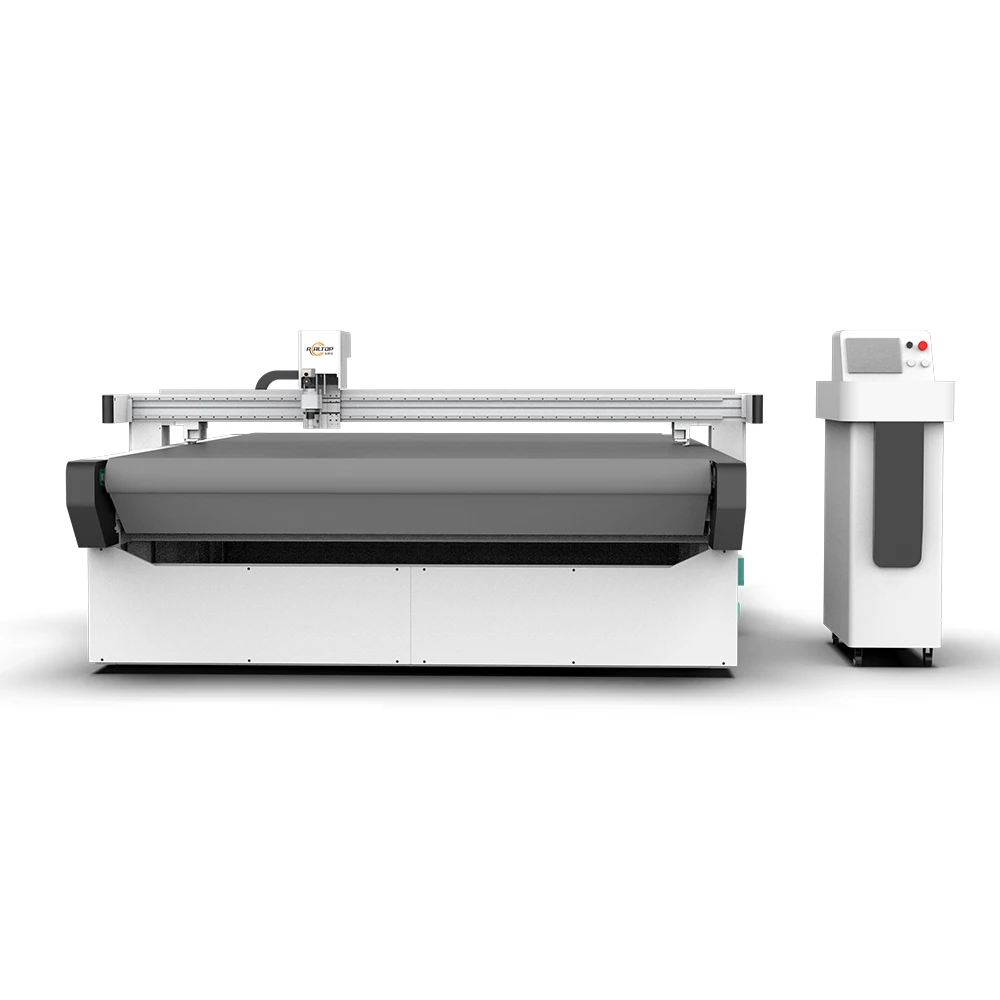
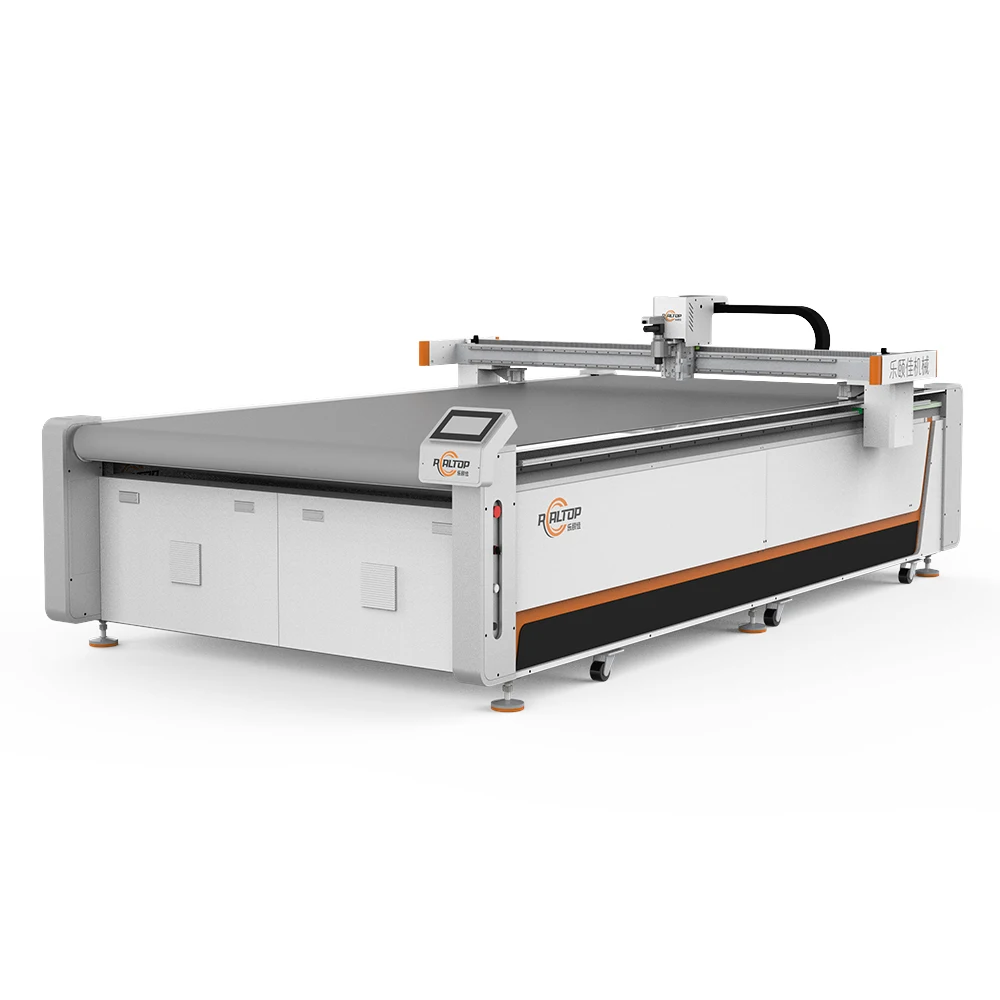
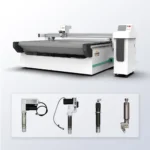
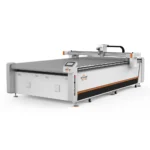
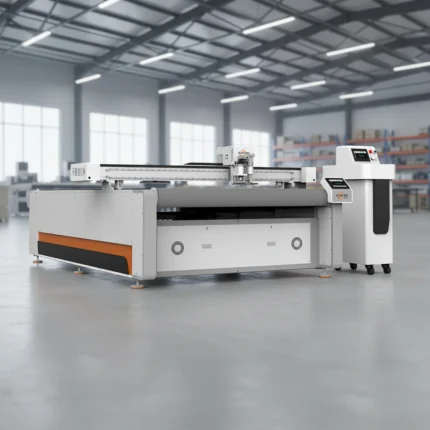
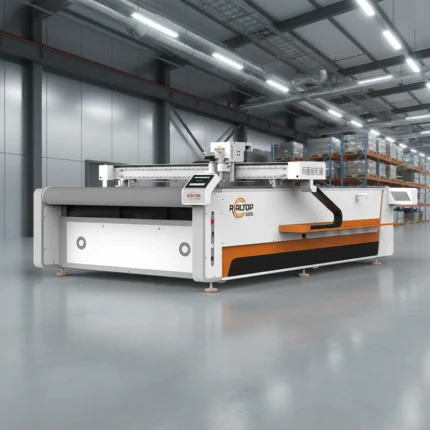
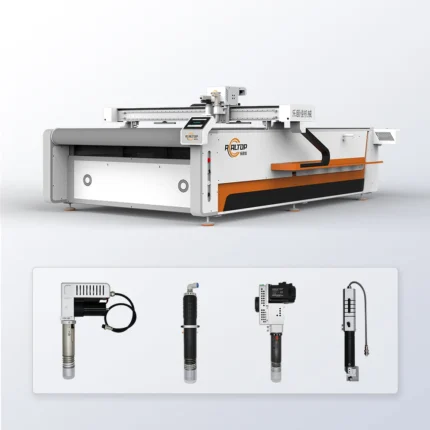
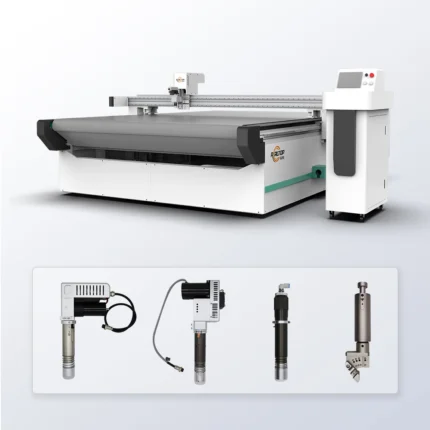
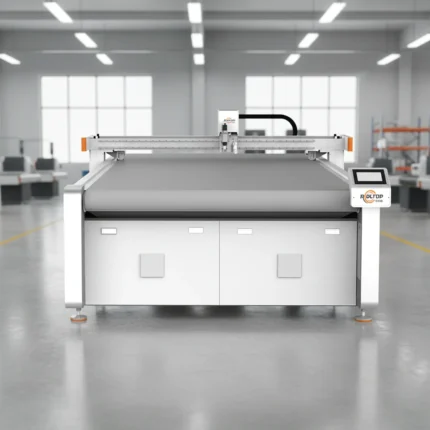
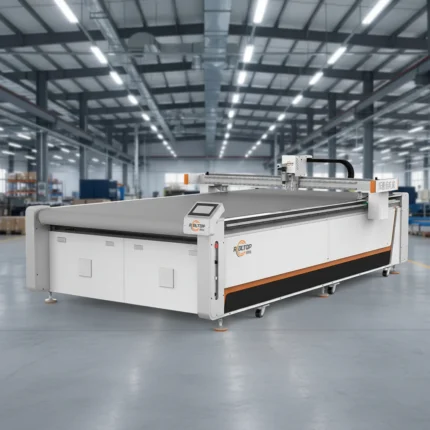
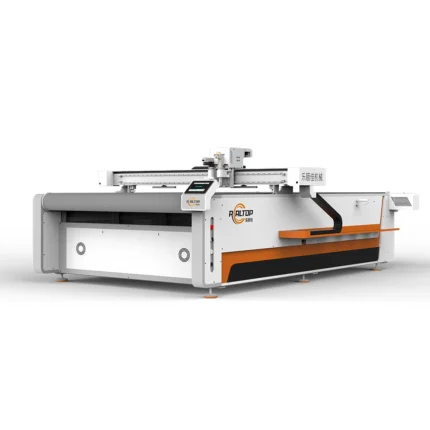
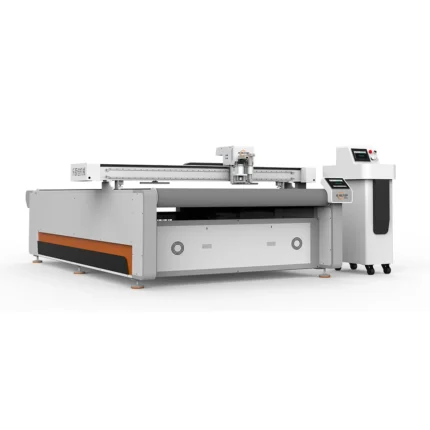
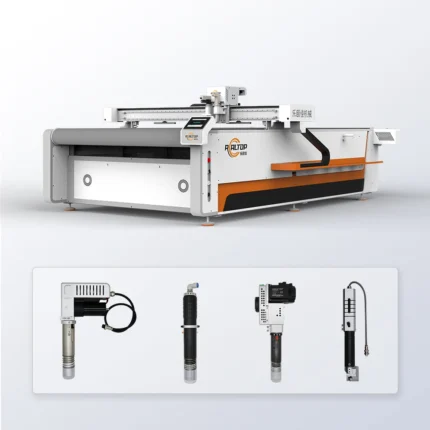
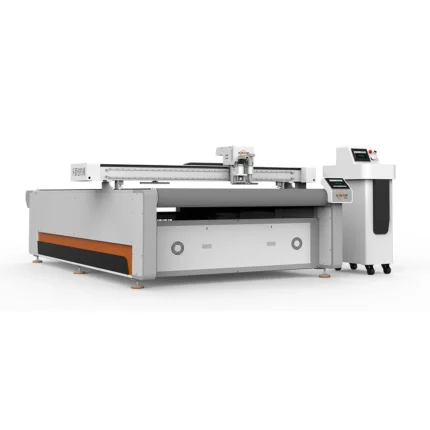
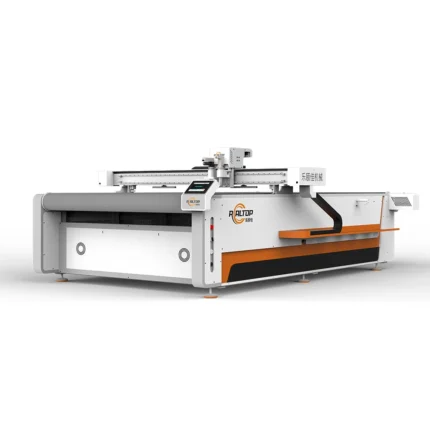
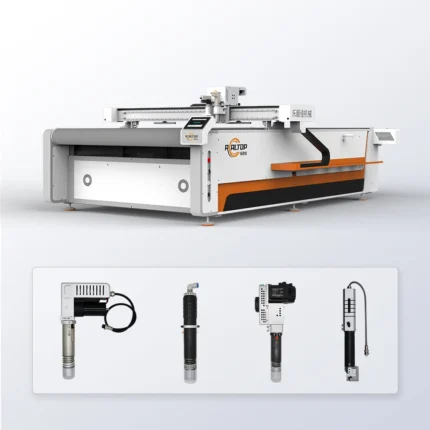
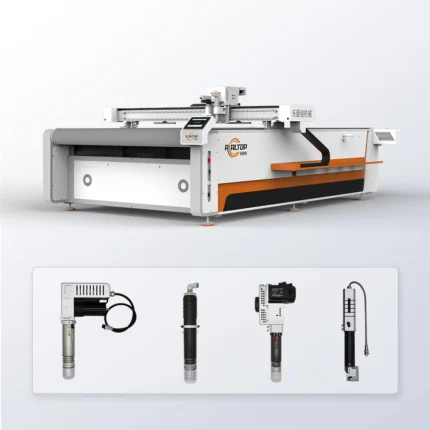
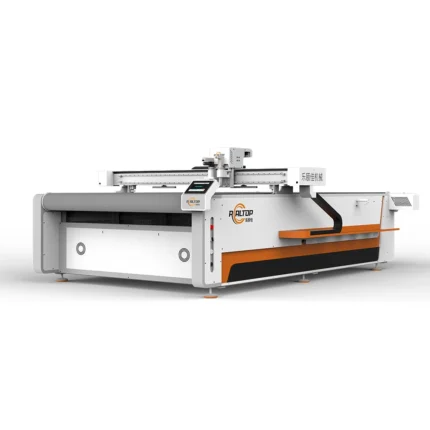
1625 Cloth CNC Cutting Machine, 1600×2500mm Working Area, Oscillating Knife, 9kW Vacuum — configured for textile and fabric processors evaluating laser versus knife cutting methods. CO2 and fiber laser options pair with oscillating, driven rotary and pneumatic knife heads, letting you match the cutting process to material behaviour rather than force a single method. Aluminum bellows vacuum table holds small pattern pieces flat throughout the cut, while intelligent nesting avoids fabric defects to improve yield.
Sample cutting on your own material, electrical schematic with voltage confirmation, and software file format compatibility verified before order.
Material-Matched Cutting — REALTOP tests your specific textile on both laser and knife platforms before recommending a configuration, rather than forcing one process onto every fabric type.
Technical Specifications
| Parameter | Value |
|---|---|
| Model | 1625 |
| Product Type | CNC Oscillating Knife Cutting Machine |
| Working Area | 1600×2500 mm |
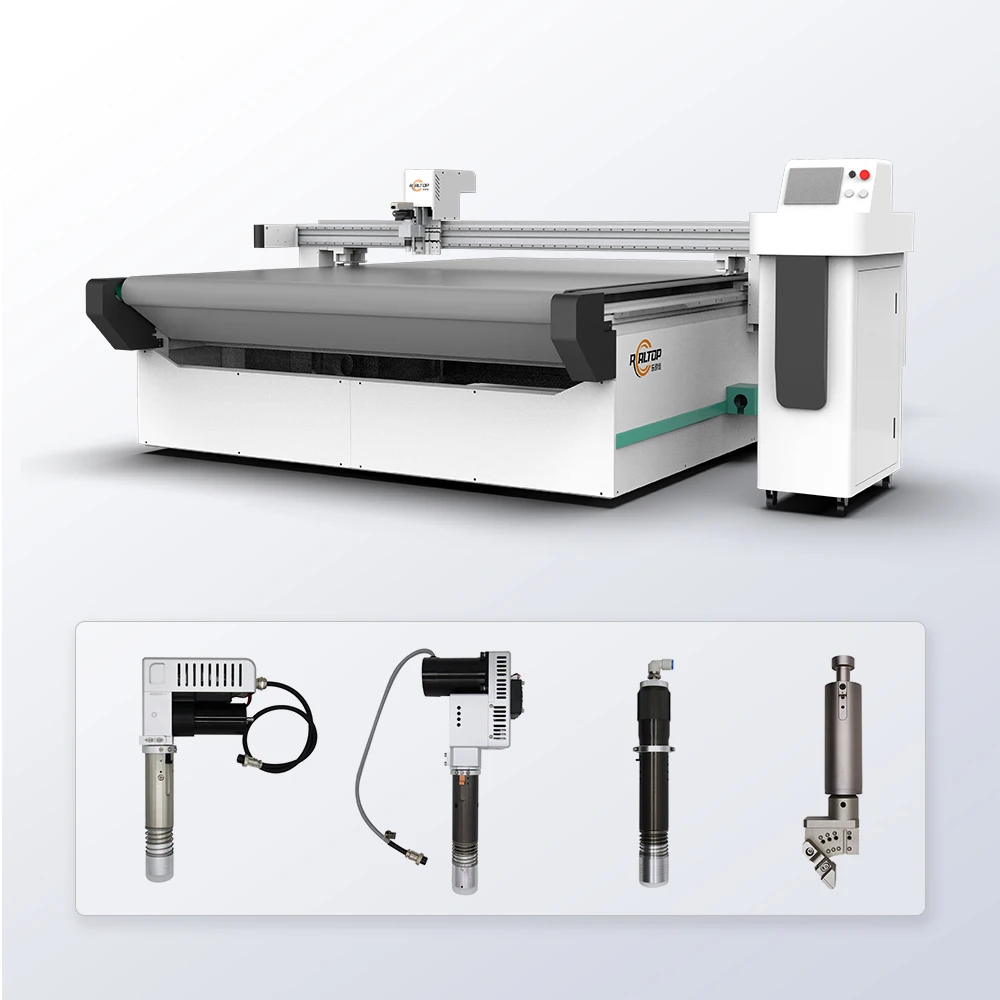
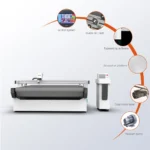
| Tool Options | Oscillating knife, Driven rotary knife, Creasing wheel, Kiss cutting tool, Pneumatic knife, Milling tool, V groove knife |
| Cutting Speed | 0–2000 mm/s |
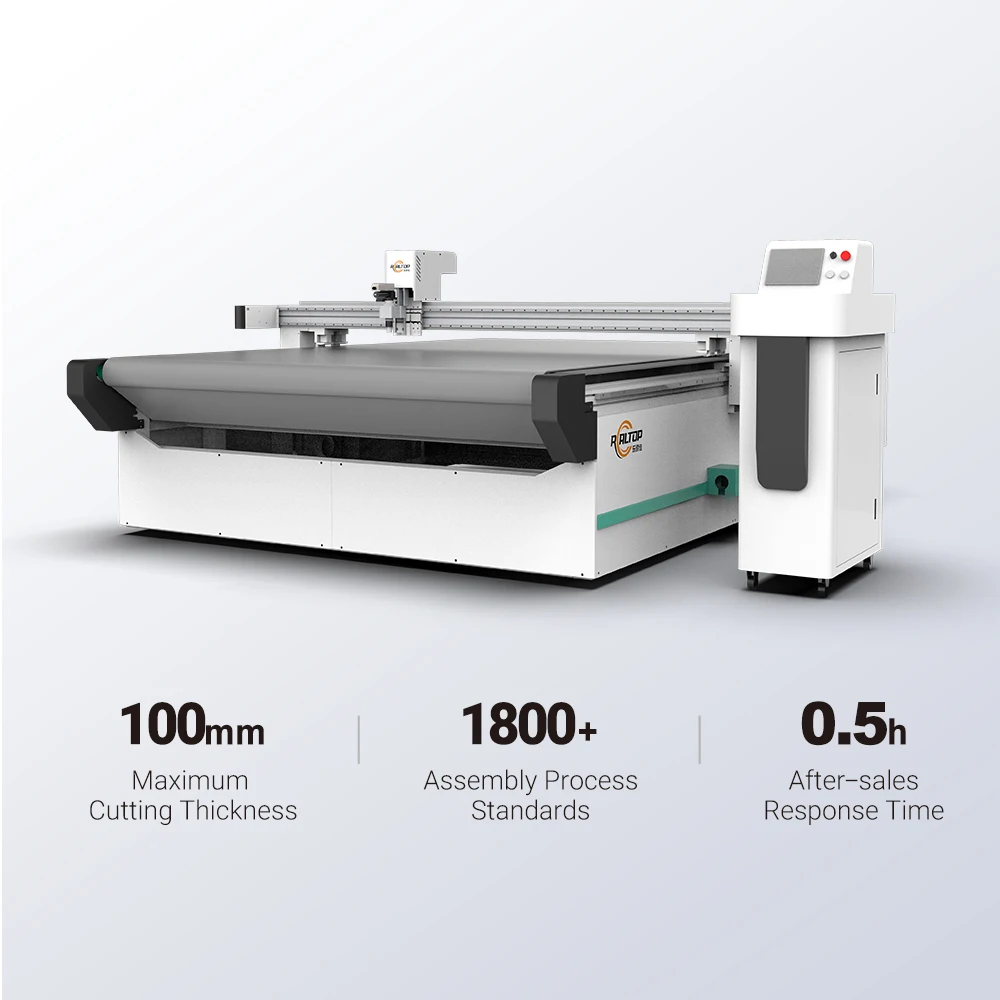
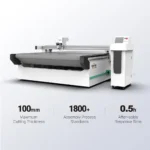
| Cutting Thickness | Up to 30 mm (basis to be confirmed) |
| Multi-layer Cutting | 30–50 mm thickness (basis to be confirmed) |
| Cutting Accuracy | ±0.1 mm |
| Repeat Positioning Accuracy | ±0.1 mm |
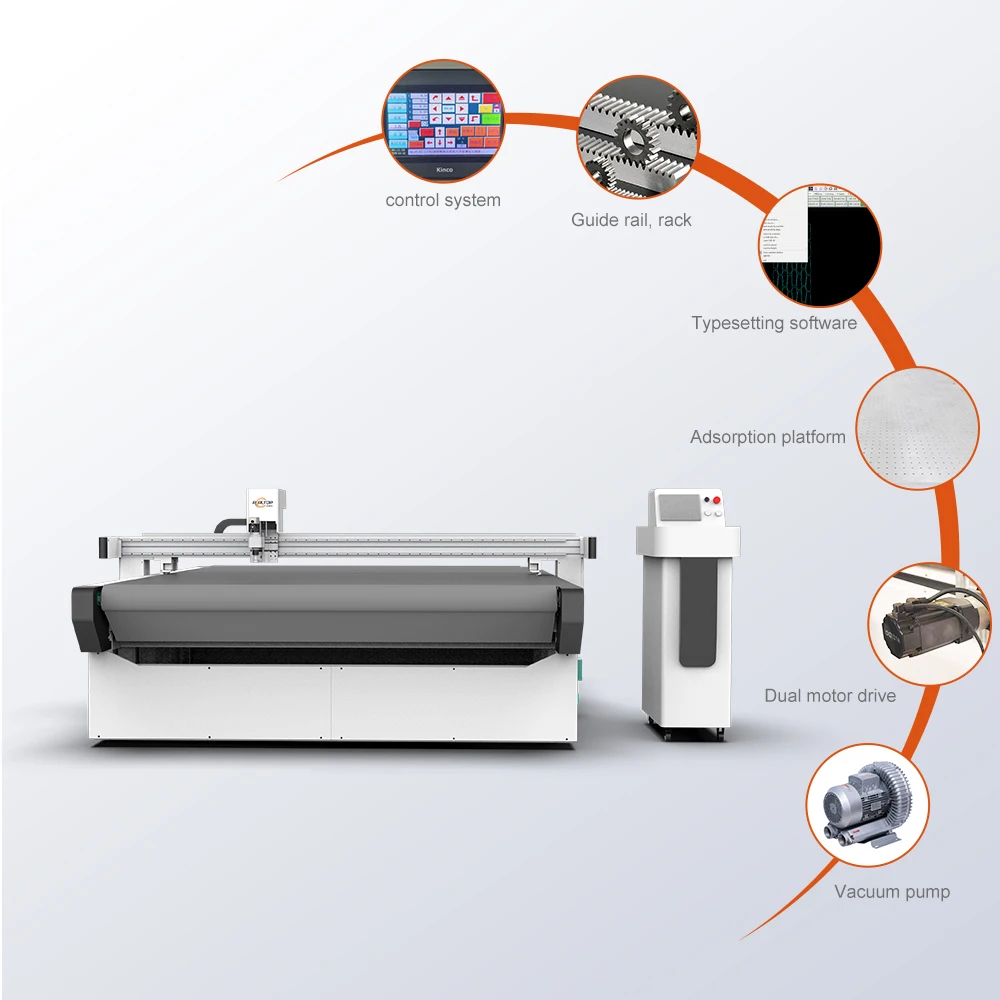
| Vacuum Pump | 9 kW |
| Vacuum Table | Aluminum bellows vacuum table |
| Voltage Options | 110V, 220V, 380V |
| Profile Formats | PLT, DXF, AI, PDF |
| Servo Motor Options | Panasonic, Delta, Dorna |
| Control System | PLC control panel with optional display languages |
| Nesting System | Intelligent nesting with automatic defect avoidance |
| Safety Devices | Infrared sensor and emergency stop |
| Machine Size | 3300×2100×1350 mm |
Application Suitability
| Application | Material or Output |
|---|---|
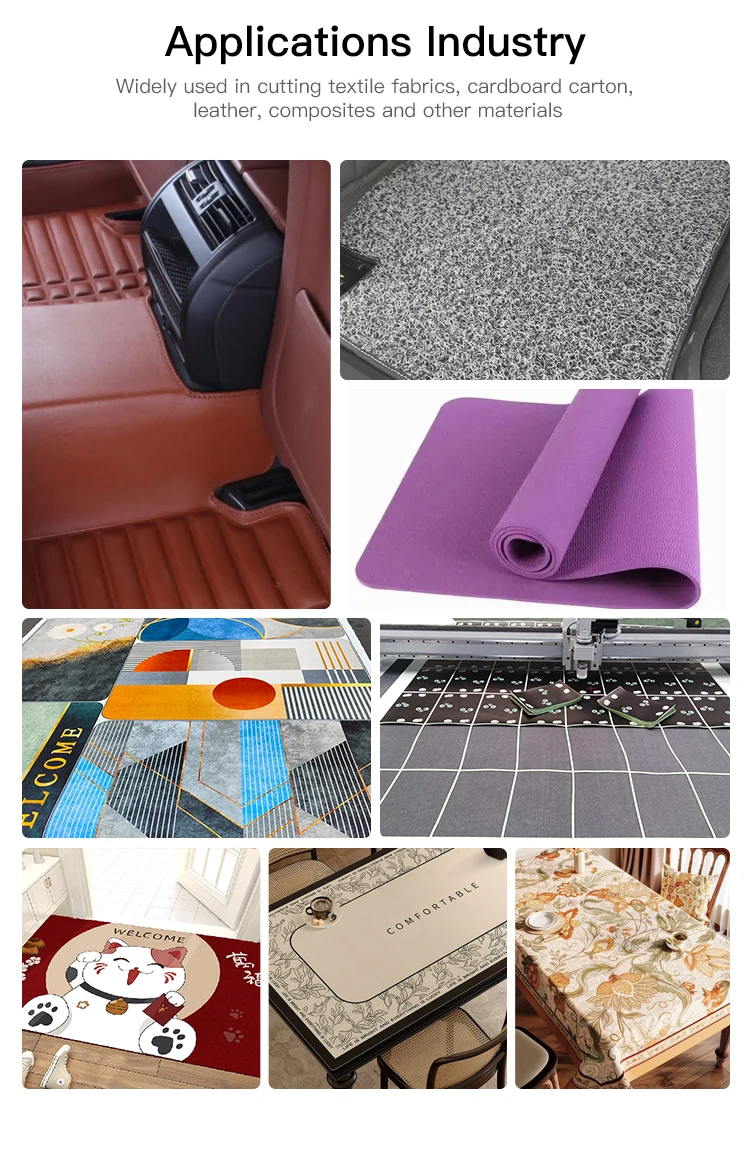
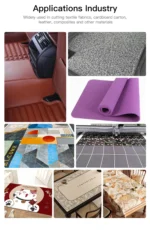
| Apparel manufacturing | Suits, knitwear, lace, pattern-matched complex fabrics |
| Automotive interiors | Seat fabrics, carpets, PVC floor mats |
| Home textiles | Sofa fabrics, curtains, rugs with multi-layer layup |
| Composite processing | Carbon fiber prepreg, aramid, specialty technical textiles |
Why Textile Buyers Misjudge Laser Power on Fabric
Actual cutting depth on layered textiles depends on continuous wattage, not the peak number on the quotation.
I watched a customer lose three days of production because the laser cutting and engraving machine for textile fabric they chose was rated at peak output. When they switched from single-ply cotton samples to multi-layer coated upholstery fabric in production, the beam could not penetrate the full stack. Edges came out fused and ragged, and an entire batch was scrapped [NEED_CITE: continuous versus peak laser output ratings on textile cutting equipment]. The mismatch between sample conditions and real production variables is one of the most expensive mistakes in fabric cutting procurement.
Laser Versus Knife: Matching the Process to the Textile
The decision between laser and oscillating knife cutting is not about which technology is superior in general, but which one suits the specific textile and production volume in question. A laser cutting and engraving machine for textile fabric seals synthetic edges as it cuts, which prevents fraying on materials like polyester and nylon without additional finishing steps. For natural fibers, coated fabrics, or multi-layer layups where thermal damage is a concern, an oscillating knife delivers clean mechanical cuts without heat-affected zones. REALTOP manufactures both platforms in-house, so the recommendation comes from testing your actual material rather than pushing whichever machine happens to be in stock.
Vacuum Table Zoning and Small-Piece Stability
When cutting intricate apparel patterns or small automotive interior components, the vacuum table must hold every piece firmly in place throughout the cutting cycle. The aluminum bellows vacuum table on this machine provides uniform suction across the full 1600×2500 mm work area. For smaller parts that tend to lift under knife vibration, proper zoning ensures the hold-down force concentrates where the material is actually being cut [NEED_CITE: vacuum table zoning requirements for small textile components]. Without adequate zoning, even a powerful 9 kW vacuum pump cannot prevent micro-movement that degrades edge quality and dimensional accuracy.
Reading the Specs That Actually Matter for Fabric
The working area of 1600×2500 mm defines the maximum single-sheet layup, which directly determines how many pattern pieces you can nest in one cycle on standard-width textile rolls. Cutting accuracy of ±0.1 mm and repeat positioning accuracy of ±0.1 mm mean that registration marks and pattern-matching layouts for plaids and stripes stay aligned across hundreds of pieces. The intelligent nesting system with automatic defect avoidance scans for fabric flaws and routes cutting paths around them, improving material yield without manual intervention. Tool options ranging from oscillating knife to driven rotary knife to pneumatic knife let you match the cutting action to the textile structure — woven, knitted, coated, or composite — rather than relying on a single blade type for every material. Profile format compatibility with PLT, DXF, AI, and PDF means your existing design files import directly into the workflow.
The Hidden Cost of Skipping Material Trials
Choosing a cutting configuration based on working area and price alone leaves the most critical variable — your actual production material — untested until the machine arrives on your floor. I have seen buyers specify a system for standard cotton, only to discover during mass production that multi-layer coated fabric requires entirely different speed and tool settings [NEED_CITE: material-specific cutting parameter validation in textile manufacturing]. The result is weeks of lost output while parameters are re-established, and in worst cases, a machine that cannot handle the material at all. A sample cutting report on the buyer’s own material, generated before the order is confirmed, eliminates this risk entirely.
Why Source This Machine from REALTOP
REALTOP operates both laser and knife cutting production lines under one roof, which means the process recommendation for your textile is based on comparative testing rather than a single-technology sales pitch. Tool head and table configurations are specified per material type and daily volume, not pulled from a standard catalog page. The PLC control system supports multiple display languages including English, Russian, Italian, and Chinese, reducing operator training friction in multilingual workshops. Voltage is configurable across 110V, 220V, and 380V, with electrical schematics confirmed against your facility’s supply before production begins. Every machine ships with a factory test record run on the buyer’s specified material, so performance is documented before crating.
Documentation & Verification
- Electrical schematic and voltage confirmation matched to your facility supply
- Tool head and table configuration list specific to your textile type
- Sample cutting report generated on your production fabric before order
- Software licence and file format compatibility note for PLT, DXF, AI, PDF workflows
- Factory test record documenting cutting accuracy on your material specification
- Operation and maintenance manual in your selected control language
Installation, Commissioning & Support
- Floor space planning for 3300×2100×1350 mm footprint with clearance for material loading
- Dedicated electrical circuit matching confirmed voltage (110V/220V/380V) and frequency
- Assembly and leveling of the aluminum bellows vacuum table on arrival
- First-run parameter tuning with your servo motor configuration and textile material
- Operator training on PLC control panel in selected display language
- Spare parts list covering oscillating knife blades, rotary knife elements, and vacuum seals
What to Include in Your Inquiry
Send samples of the exact textile you will run in production, including the thickest multi-layer layup you plan to cut. Specify your facility voltage and frequency, the control language your operators need, and whether your current design workflow uses DXF, PLT, AI, or PDF files. If you have a target daily volume, include that so the nesting and tool configuration can be sized accordingly.
Frequently Asked Questions
Q: Should I choose laser or oscillating knife for my textile fabric?
A: The answer depends on your specific material composition, layer count, and edge finish requirement. Laser seals synthetic edges but can cause thermal damage on coated or natural fibers. Oscillating knife produces clean mechanical cuts across most textiles without heat. REALTOP tests your actual fabric on both platforms and recommends based on results, not inventory.
Q: How is continuous laser output different from peak power rating?
A: Peak rating describes a brief maximum output the laser tube can reach, while continuous rating reflects sustained power during actual cutting. On multi-layer fabric, continuous output determines real penetration depth. A machine quoted at high peak but lower continuous wattage will underperform on thick layups compared to sample results.
Q: Does the vacuum table hold small pattern pieces securely?
A: The aluminum bellows vacuum table provides uniform suction across the 1600×2500 mm area. For very small pieces, proper zoning concentrates hold-down force at the cutting point. The 9 kW pump and table design work together to prevent lift during high-speed oscillating knife passes on lightweight fabrics.
Q: Can the control system operate in my local language?
A: The PLC control panel supports English, Russian, Italian, and Chinese by default, with additional languages available on request. Confirming your preferred language before production ensures the interface and operation manual match your workshop requirements when the machine arrives.


Related products
2026 CNC Knife Cutting Machine for Fabric Leather PVC Hot Sale
Product Introduction
2026 Hot Sale CNC Knife Cutting Machine for Fabric, Leather, PVC. Ideal for precise cutting of various materials with advanced CNC technology, perfect for manufacturing needs.
Product Parameters
| Application | Fabric, Leather, PVC |
| Type | CNC Knife Cutting Machine |
| Feature | Precision Cutting |
| Year | 2026 Model |
Automatic Fabric Cutting Machine 1200mm Delta Servo 2026
Product Parameters
| Cutting Width | 1200mm |
| Servo System | Delta Servo |
| Model Year | 2026 |
Introduction
High-performance Automatic Fabric Cutting Machine with 1200mm cutting width, equipped with Delta Servo for precision. Ideal for efficient fabric processing in textile industry, ensuring accurate and fast cutting operations.
Automatic Multi-Layer Vibrating Knife Cutter 2026
Product Introduction
Automatic Multi-Layer Vibrating Knife Cutter 2026, ideal for precise cutting of various materials with multi-layer processing capability, enhancing production efficiency.
Key Specifications
| Type | Automatic Vibrating Knife Cutter |
| Layer Capacity | Multi-Layer |
| Model | 2026 |
| Function | Precision Cutting |
CNC Oscillating Knife Cutting Machine 2026 3000¡Á1600mm High-Speed
Product Parameters
| Model | CNC Oscillating Knife Cutting Machine 2026 |
| Working Area | 3000mm¡Á1600mm |
| Cutting Type | Oscillating Knife |
| Application | Fabric Cutting |
| Feature | High-Speed |
Introduction
High-performance CNC oscillating knife cutting machine with 3000mm¡Á1600mm working area, ideal for high-speed fabric cutting. Precision and efficiency for professional textile processing needs.
Custom CNC Shirt Fabric Cutting Machine 2026
Product Introduction
Custom CNC Shirt Fabric Cutting Machine 2026, ideal for precise fabric cutting in garment manufacturing, offering efficient and accurate cutting solutions.
Product Parameters
| Model | Custom CNC Shirt Fabric Cutting Machine 2026 |
| Type | CNC Fabric Cutting Machine |
| Application | Shirt Fabric Cutting |
| Year | 2026 |
High Speed Fabric Cutting Machine 2026 Round Oscillating Knife
Product Overview
High Speed Fabric Cutting Machine 2026 with round and oscillating knife for efficient fabric cutting. Ideal for textile manufacturing and related industries.Key Specifications
| Cutting Type | Round & Oscillating Knife |
| Model Year | 2026 |
| Application | Fabric Cutting |
| Feature | High Speed Performance |
Realtop CNC Fabric Cutting Machine 2026 CE Certified
Product Introduction
Realtop CNC Fabric Cutting Machine 2026, CE Certified, ideal for precision fabric cutting with advanced CNC technology. Engineered for efficiency and reliability in textile manufacturing processes.Key Specifications
| Model | Realtop CNC Fabric Cutting Machine 2026 |
| Certification | CE Certified |
商品评价
There are no reviews yet.