






Automatic CNC Fabric Cutting Machine for Textile – Industrial Application
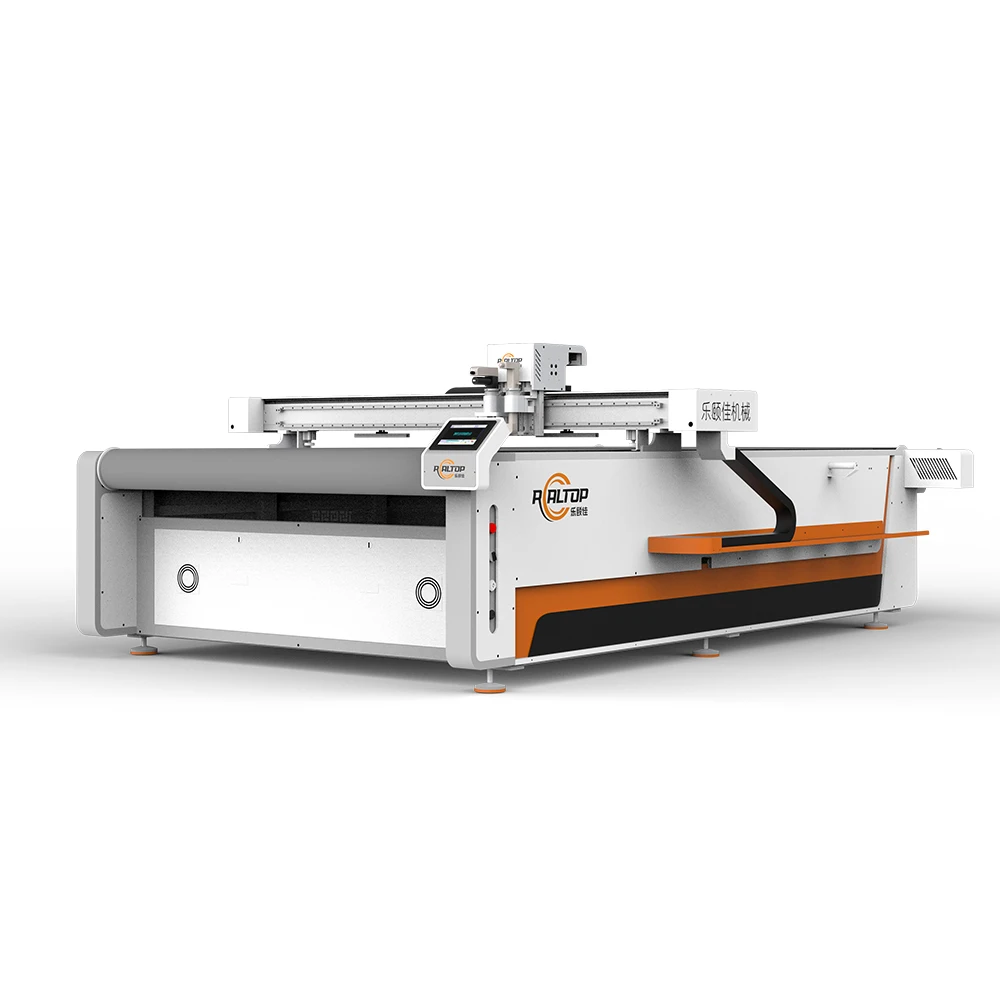
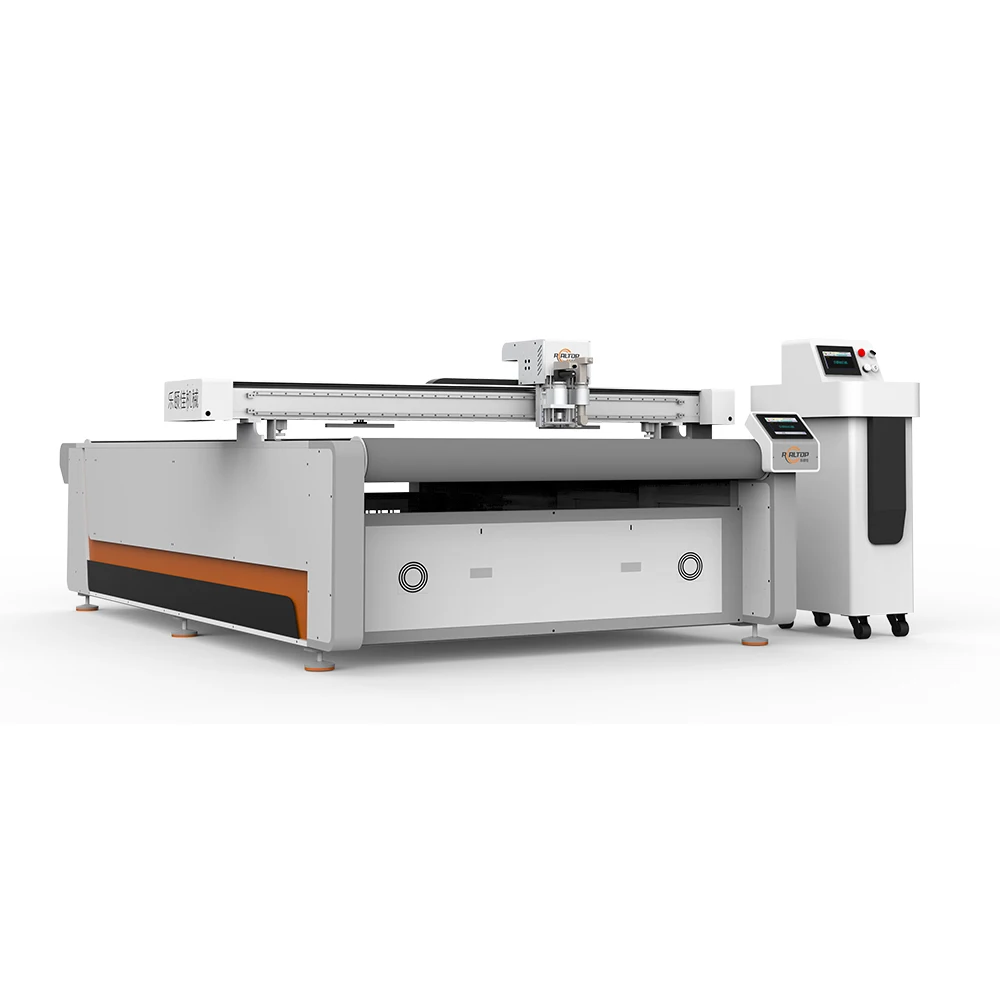
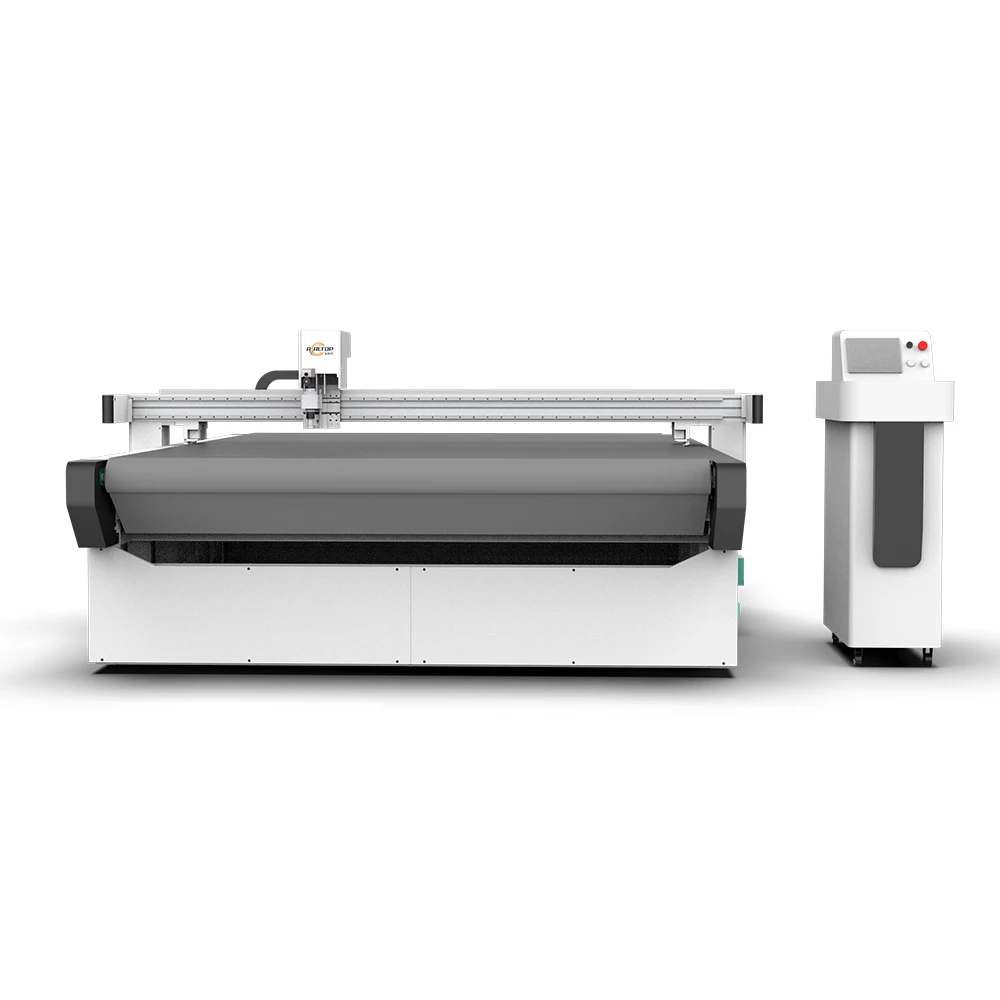
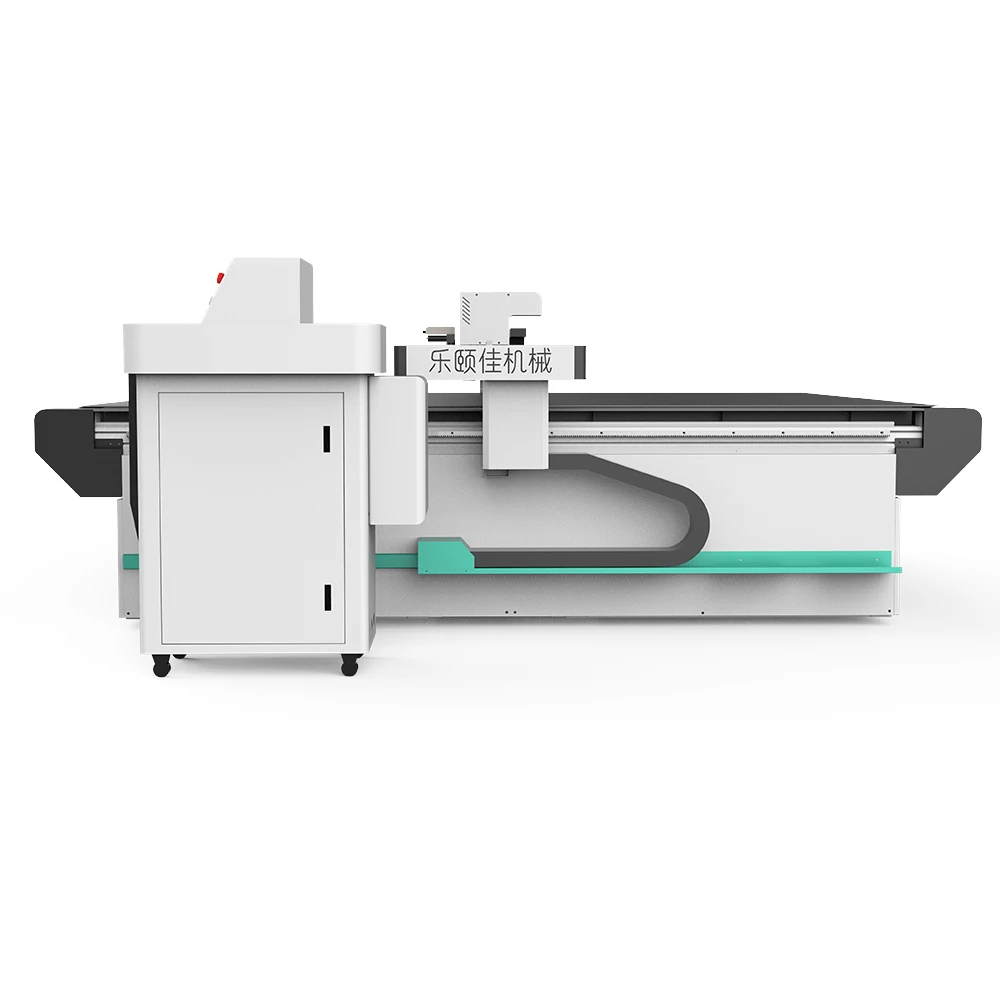
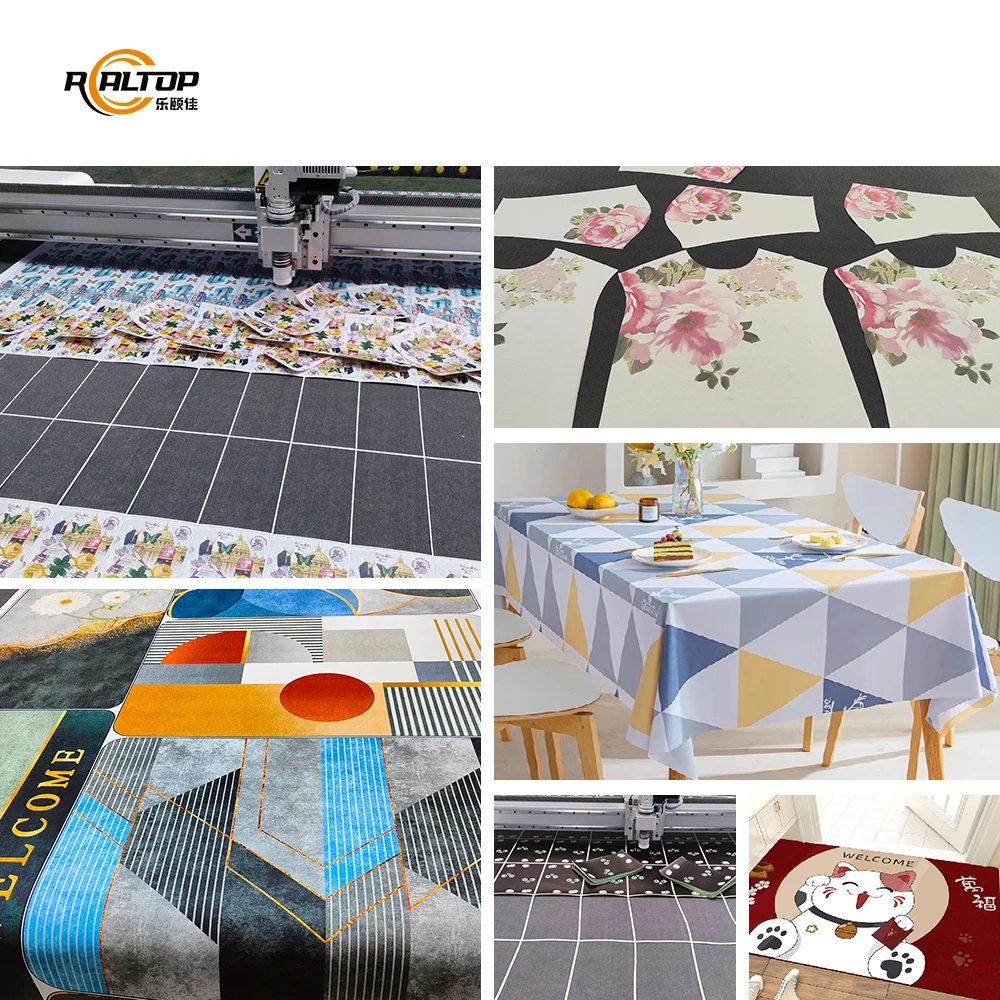
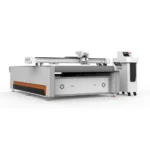
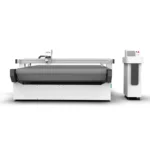
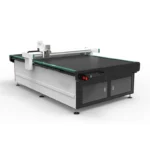
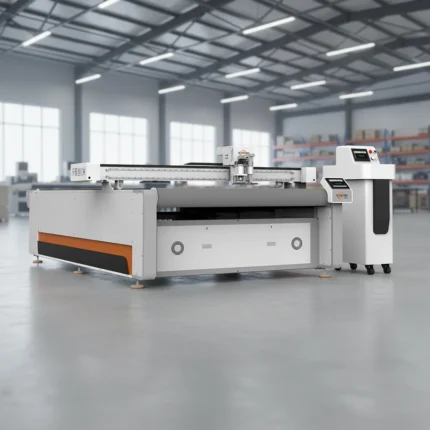
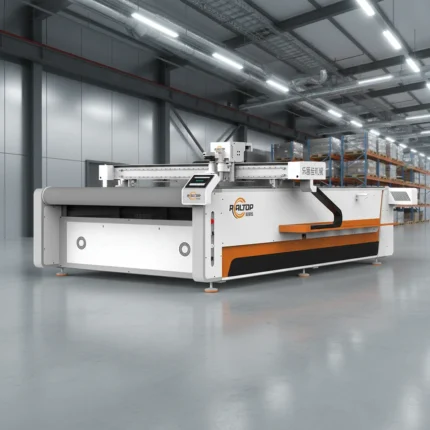
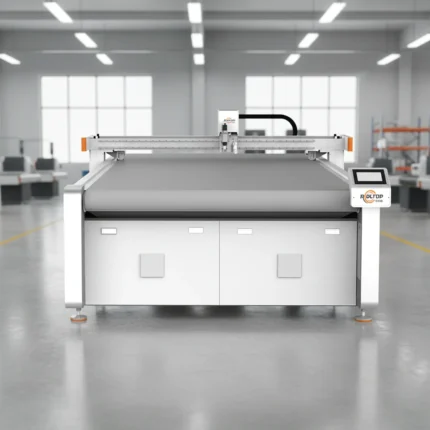
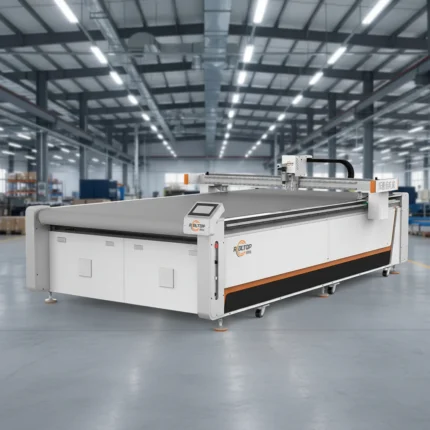
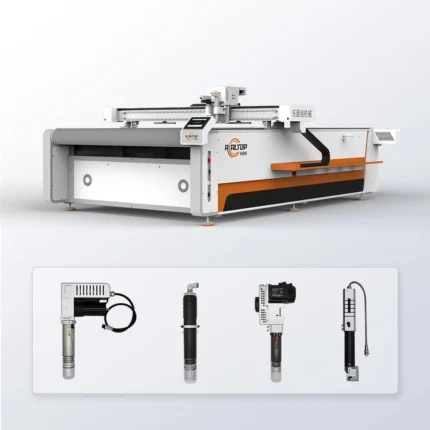
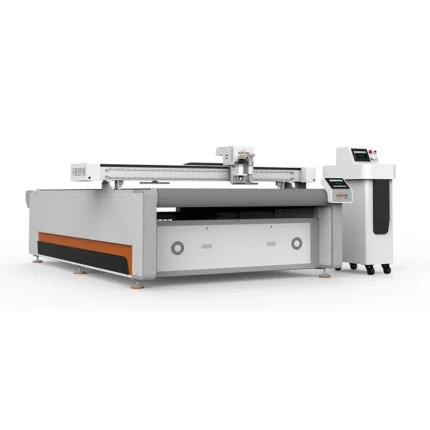
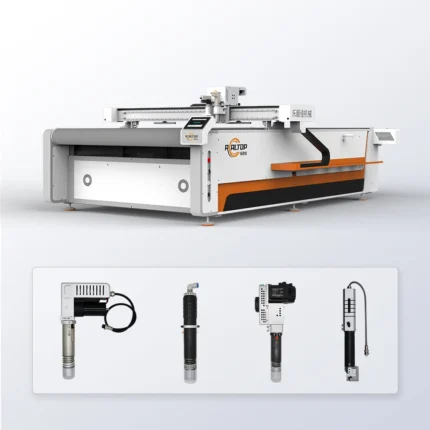
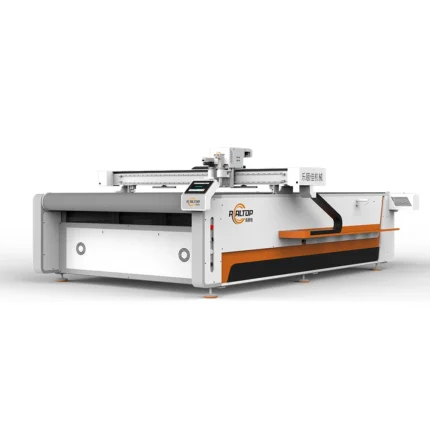
CNC Oscillating Knife Cutting Machine, 1600×2500 mm Working Area, ±0.1 mm Accuracy — configured for high-precision textile and fabric processing across apparel, automotive interiors, and home textiles.
- Oscillating knife, driven rotary knife, and pneumatic knife tool heads handle woven, knit, and synthetic fabrics up to 30 mm thick
- Aluminum bellows vacuum table with 9 kW pump secures flexible materials during high-speed cutting at up to 2000 mm/s
- CCD camera contour recognition available for printed textile alignment; PLT, DXF, AI, and PDF file formats supported
Sample cutting on your own fabric at specified weight and layer count confirms edge quality and throughput before order commitment.
Laser textile process expertise — REALTOP designs both knife and laser platforms in-house, so fabric buyers get the cutting method matched to their material instead of forcing a single technology.
Technical Specifications
| Parameter | Value |
|---|---|
| Product Type | CNC Oscillating Knife Cutting Machine |
| Working Area | 1600×2500 mm |
| Tool Head Options | Oscillating knife, Driven rotary knife, Creasing wheel, Kiss cutting tool, Pneumatic knife, Milling tool, V groove knife |
| Cutting Speed | 0–2000 mm/s |
| Cutting Thickness | ≤ 30 mm (basis not stated in source — confirm material type and density) |
| Cutting Accuracy | ±0.1 mm |
| Vacuum Pump | 9 kW |
| Vacuum Table | Aluminum bellows vacuum table |
| Servo Motor Options | Panasonic, Delta, Dorna |
| Control System | PLC control panel with optional display languages |
| Voltage Options | 110V / 220V / 380V |
| File Formats Supported | PLT, DXF, AI, PDF |
| Safety Device | Infrared sensor device and emergency stop device |
| Machine Size | 3300×2100×1350 mm |
| Software | Dedicated packaging box structure design software included |
| Certification | CE (implied via certification image, exact scope not stated) |
Application Suitability
| Application | Material or Output |
|---|---|
| Apparel manufacturing | Suits, knitwear, lace, and complex woven or knitted fabrics |
| Automotive interiors | Seat fabrics, carpets, and PVC floor mats |
| Home textiles | Sofa upholstery fabrics, heavy curtains, and woven rugs |
| Composite material processing | Carbon fiber prepreg, aramid textiles, and specialty technical materials |
| General non-metal cutting | Cardboard, carton, EVA foam, leather, acrylic, PTFE, and rubber sheets |
Why "Peak Power" Misleads Fabric Laser Buyers
Continuous wattage on the laser tube — not the advertised peak — determines whether your textile cuts clean through at production speed.
I spent weeks troubleshooting a fabric cutter that was sold on a headline power figure. The machine arrived and cut standard polyester samples perfectly, but when the customer loaded their own flame-retardant coated composite, the beam could not penetrate the full depth. The edges yellowed, the cut stalled mid-contour, and we spent fourteen days adjusting focal position and speed remotely before the line ran stable. [NEED_CITE: continuous versus peak laser tube power ratings] A CO2 laser cutting and engraving machine for textile and fabric must be specified on sustained output at the actual fabric weight and coating composition you run daily. Peak numbers look good on a brochure but collapse under real multi-layer production.
Real Cutting Depth on Layered Textiles
The cutting depth a CO2 laser cutting and engraving machine for textile and fabric achieves depends on continuous wattage, focal spot diameter, and assist gas flow. A 100 W continuous tube will slice single-ply cotton cleanly but may struggle on six-layer denim stacks that a 150 W unit handles without slowing the head. When evaluating any laser system for textile work, request a cut report on your exact fabric at your production layer count — not a generic sample the vendor keeps on the shelf.
Edge Sealing on Synthetic Fibres
Synthetic textiles such as polyester and nylon melt slightly under a CO2 beam, producing a sealed edge that prevents fraying without a secondary overlock pass. The quality of that seal depends on power density and traverse speed: too slow and the edge hardens into a brittle bead; too fast and unsealed fibres unravel after the first wash. Natural fibres like cotton and linen do not melt, so the laser leaves a charred edge that may require mechanical finishing depending on the end-use. [NEED_CITE: CO2 laser edge sealing behaviour on synthetic versus natural textiles]
Reading the Specs That Actually Matter
The 1600×2500 mm working area accommodates full-width garment rolls and large automotive carpet blanks without repositioning. A 9 kW vacuum pump paired with the aluminum bellows table holds porous fabrics flat during cutting, which is critical because even slight lift causes focal shift and ruins edge consistency. The ±0.1 mm cutting accuracy keeps pattern pieces within apparel grading tolerances, reducing downstream sewing mismatches. PLC control with selectable display languages means operators in different export markets can run the machine without translation delays. Voltage options at 110V, 220V, and 380V cover most workshop supplies, but always confirm local frequency before the machine leaves the factory.
The Hidden Cost of Skipping a Material Sample
When a buyer skips the sample cutting step, the machine ships with default parameters calibrated to generic fabric. Once it arrives, the real material — perhaps a coated technical textile or a multi-layer composite — demands different power, speed, and focal settings. The result is weeks of remote troubleshooting, wasted material, and missed delivery deadlines that erode the customer’s own contracts. [NEED_CITE: fabric laser cutting sample verification before shipment] Specifying the wrong tool head or laser tube for the actual material also produces ragged edges that downstream sewing or bonding operations cannot accept.
Why Source This Platform Here
REALTOP engineers both knife and laser cutting systems under one roof, so when fabric composition shifts — for example, a customer moving from woven cotton to aramid prepreg — the cutting method can change without replacing the entire production line. The in-house design team adjusts vacuum zoning, tool head selection, and extraction sizing per material, rather than shipping a standard package and hoping it fits. Software compatibility is confirmed against the buyer’s existing nesting workflow before the order goes to production, avoiding file-format dead ends on the shop floor. Every unit runs a factory test on the buyer’s own fabric before crating, so the first cut at the destination should match the sample report. [NEED_CITE: OEM fabric cutting equipment factory acceptance test protocol]
Documentation & Verification
- Factory test record cut on your specific fabric type and weight before dispatch
- Electrical schematic confirming voltage and frequency match your workshop supply
- Tool head and table configuration list matched to your material thickness range
- Software licence and file format compatibility note for your nesting workflow
- CE declaration covering the complete machine assembly where applicable
Installation, Commissioning & Support
- 3300×2100×1350 mm footprint requires level concrete floor with clearance for material loading on two sides
- 9 kW vacuum pump plus laser tube power needs a dedicated circuit separate from welding or heavy motor loads
- Machine ships in sectional crates; table bed and gantry assemble on-site with factory-supplied alignment fixtures
- First-power parameter set uploaded for your specific fabric type based on pre-shipment sample test
- Operator training covers focal adjustment, lens cleaning intervals, and exhaust filter replacement schedules
- Spare parts list includes replacement laser tubes, focus lenses, and vacuum table seals with part numbers
Before You Request a Quote
To size the laser tube, vacuum table zoning, and extraction system correctly, we need your fabric composition, weight per square metre, and the number of layers you plan to cut in one pass. Share your local supply voltage and frequency, the control panel language your operators prefer, and whether your existing CAD workflow outputs DXF, AI, or another vector format. If your textile carries a coating, laminate, or flame-retardant treatment, send a physical sample so we can run a cutting test before finalising the configuration.
Frequently Asked Questions
Q: CO2 or fiber laser — which suits my fabric type?
A: CO2 lasers cut and seal most organic and synthetic textiles cleanly, making them the standard for apparel and home-textile fabric. Fiber lasers are designed for metals and will scorch or burn fabric rather than cut it. If your production mix includes both sheet metal and textile, you will need two separate machines.
Q: How is laser power rated, and what is the real cutting depth on my textile?
A: Vendors often quote peak tube power, which is only achievable in short pulses. Continuous wattage — the sustained output during a full cutting pass — is what determines real penetration. Always request a sample cut report on your exact fabric at your production layer count before confirming the order.
Q: What edge sealing quality can I expect on synthetic versus natural fibres?
A: Synthetics like polyester melt slightly under the CO2 beam, producing a sealed edge that resists fraying. Natural fibres such as cotton char instead and may need mechanical overlock finishing. The seal quality depends on matching traverse speed and power density to the specific fibre blend.
Q: What extraction and ventilation do I need for fabric laser cutting?
A: Textile cutting generates fine particulate and volatile fumes, especially from coated or synthetic fabrics. An extraction system rated for the cutting volume and equipped with particulate and activated-carbon filtration is necessary to keep the workshop environment compliant with local occupational health standards.
Q: Can I run a sample cut on my own material before ordering?
A: Yes. Send a representative fabric sample including any coating or laminate. The factory will run cutting tests at multiple power and speed settings, document edge quality and layer penetration, and return a sample report so you can verify performance before committing to the purchase.


Related products
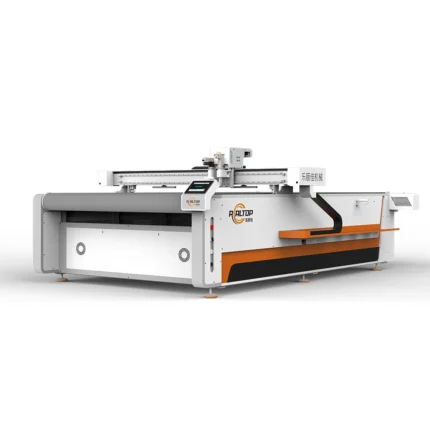
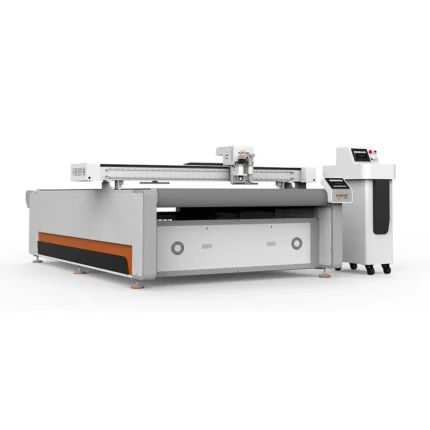
2026 Auto CNC Cloth Cutting Machine High-Precision Fabric Leather Plotter
Product Introduction
2026 Auto CNC Cloth Cutting Machine, a high-precision fabric & leather plotter designed for efficient cutting. Ideal for textile and leather industries with advanced CNC technology.
Key Specifications
| Model | Auto CNC Cloth Cutting Machine 2026 |
| Application | Fabric & Leather |
| Precision | High-Precision Cutting |
| Type | CNC Plotter |
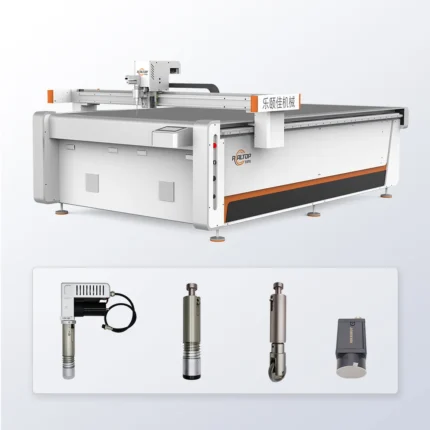
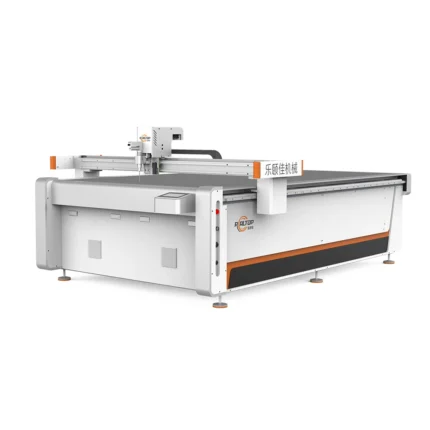
2026 Auto Fabric Cutter Round Knife High Efficiency
Product Introduction
High Efficiency 2026 Auto Fabric Cutter with Round Knife is a professional cutting equipment designed for fabric processing. It features advanced automation and high cutting efficiency, suitable for various fabric materials in industrial production.Product Parameters
| Model | 2026 |
| Type | Auto Fabric Cutter |
| Blade Type | Round Knife |
| Feature | High Efficiency |
Automatic Multi-Layer Vibrating Knife Cutter 2026
Product Introduction
Automatic Multi-Layer Vibrating Knife Cutter 2026, ideal for precise cutting of various materials with multi-layer processing capability, enhancing production efficiency.
Key Specifications
| Type | Automatic Vibrating Knife Cutter |
| Layer Capacity | Multi-Layer |
| Model | 2026 |
| Function | Precision Cutting |
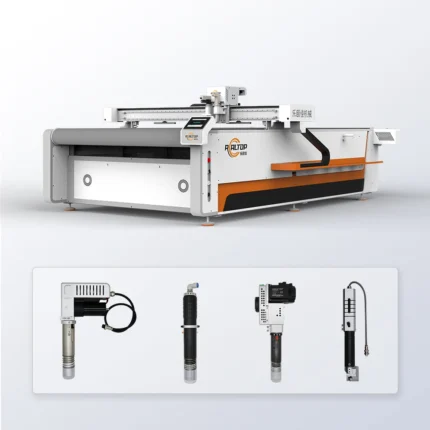
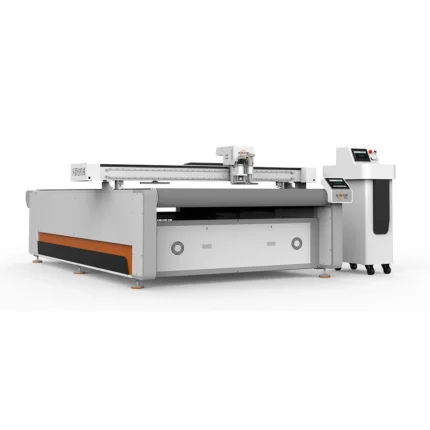
CNC Vibration Knife System 2026 for Polyester Nylon Non-Woven Prepreg
Product Introduction
CNC Vibration Knife System 2026 is ideal for cutting polyester, nylon, non-woven fabrics, and prepreg materials with precision and efficiency, suitable for industrial manufacturing needs.Product Parameters
| Model | 2026 |
| Cutting Technology | CNC Vibration Knife |
| Materials | Polyester, Nylon, Non-Woven, Prepreg |
Custom CNC Shirt Fabric Cutting Machine 2026
Product Introduction
Custom CNC Shirt Fabric Cutting Machine 2026, ideal for precise fabric cutting in garment manufacturing, offering efficient and accurate cutting solutions.
Product Parameters
| Model | Custom CNC Shirt Fabric Cutting Machine 2026 |
| Type | CNC Fabric Cutting Machine |
| Application | Shirt Fabric Cutting |
| Year | 2026 |
High Speed Fabric Cutting Machine 2026 Round Oscillating Knife
Product Overview
High Speed Fabric Cutting Machine 2026 with round and oscillating knife for efficient fabric cutting. Ideal for textile manufacturing and related industries.Key Specifications
| Cutting Type | Round & Oscillating Knife |
| Model Year | 2026 |
| Application | Fabric Cutting |
| Feature | High Speed Performance |
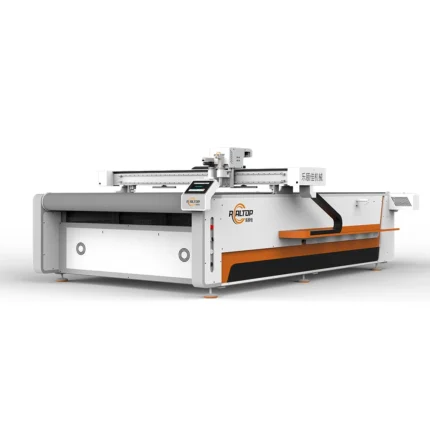
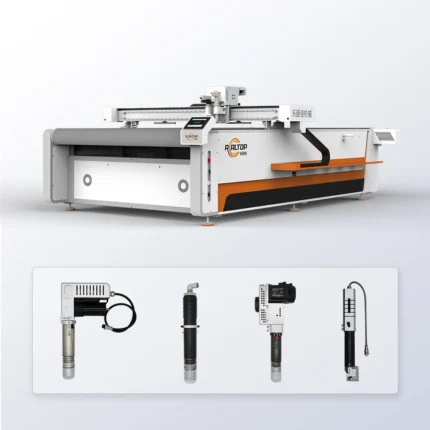
Jinan Realtop CNC Oscillating Knife Cutter 2026
Product Introduction
Jinan Realtop CNC Oscillating Knife Cutter 2026, a precision cutting solution from China's leading welding & cutting equipment manufacturer, ideal for efficient material processing with advanced CNC technology.
Key Specifications
| Model | 2026 |
| Type | CNC Oscillating Knife Cutter |
| Manufacturer | Jinan Realtop |
商品评价
There are no reviews yet.