


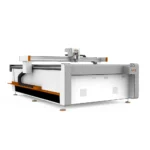
CNC Cutting Machine for Carbon Fiber Glass Fiber PVC – Technical Guide
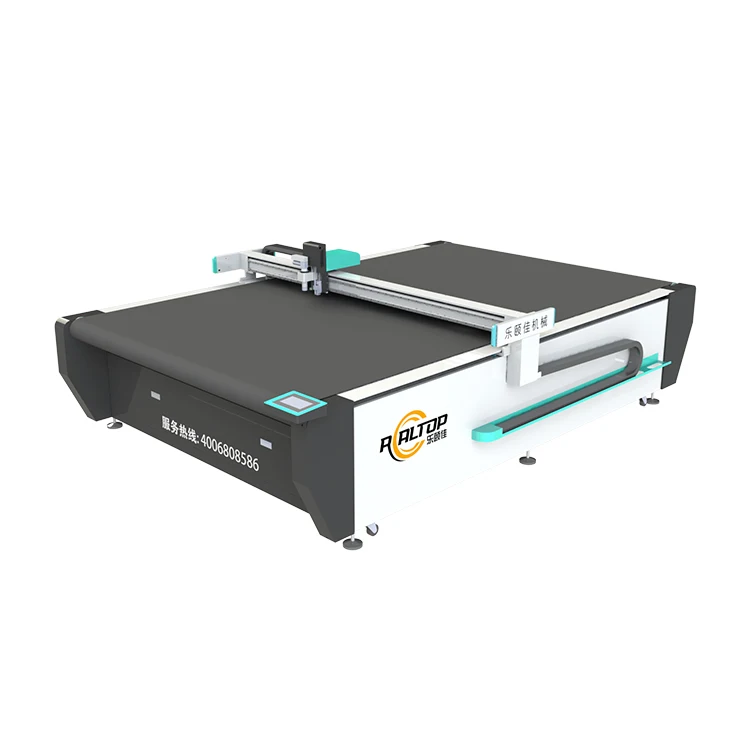
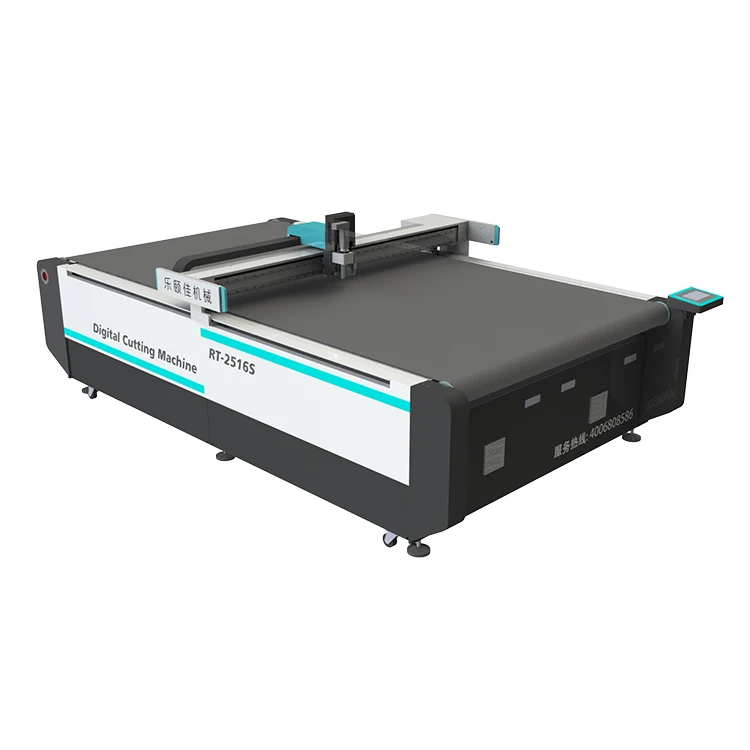
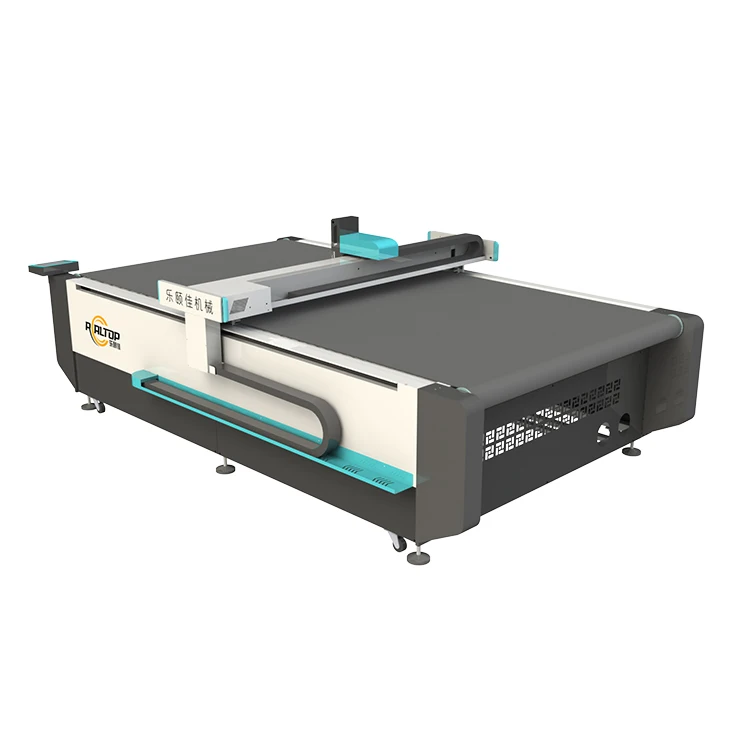
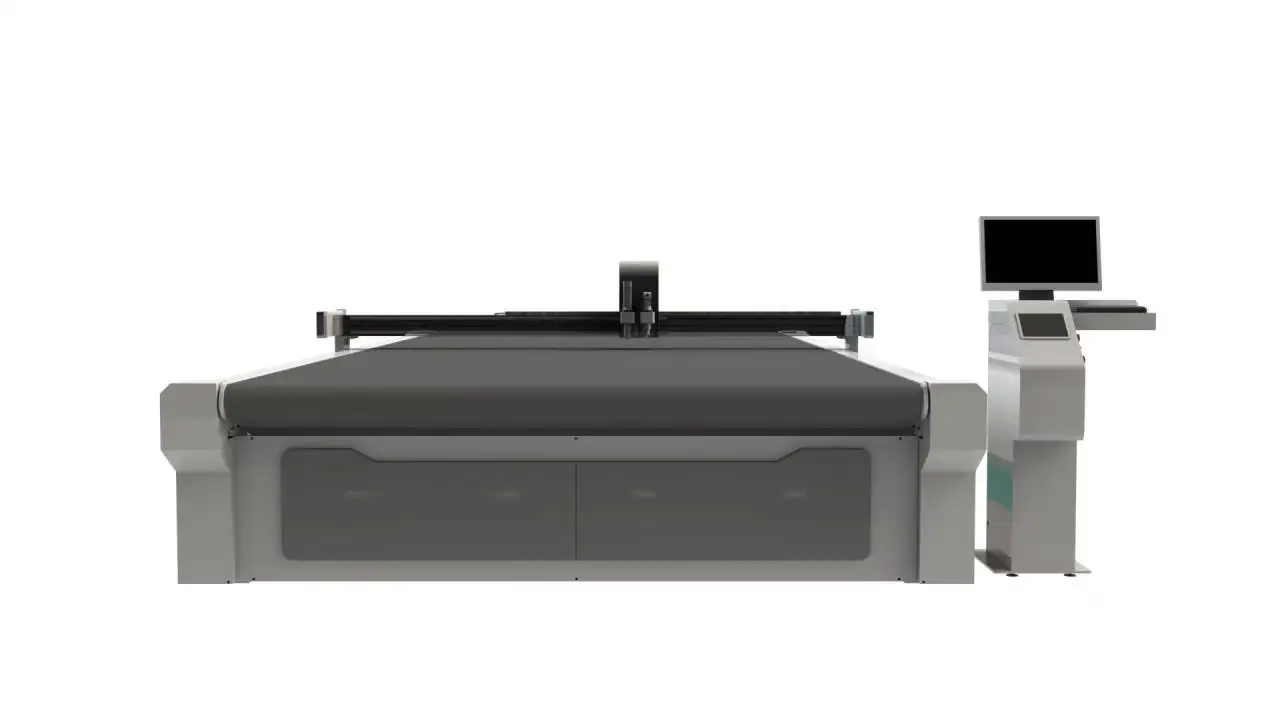
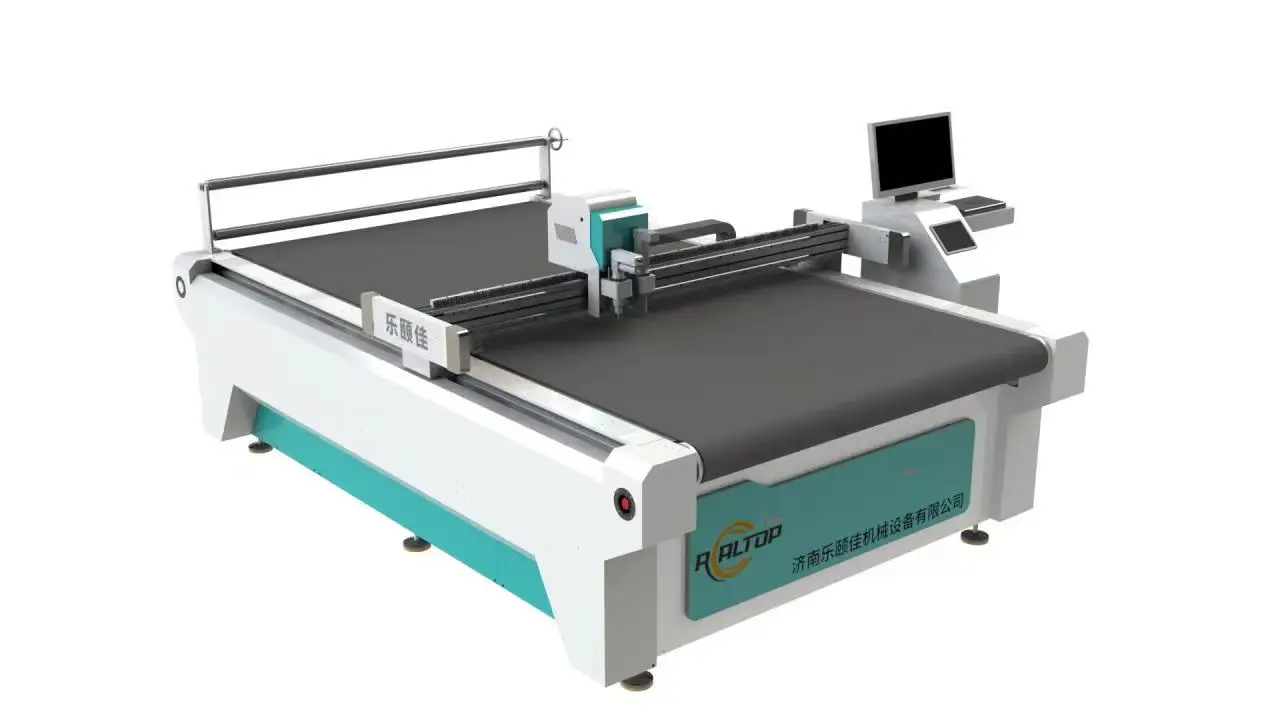
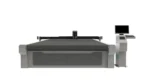
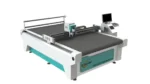
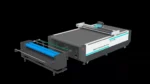
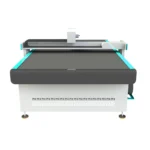
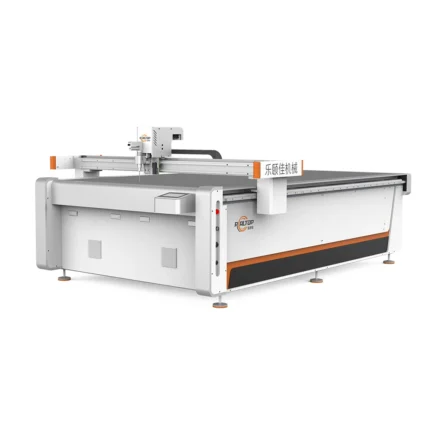
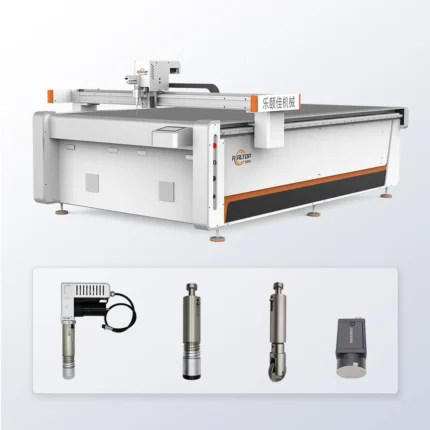
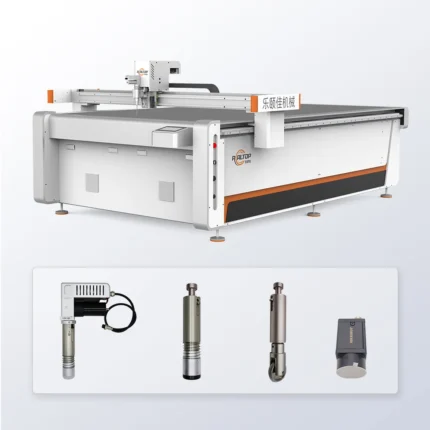
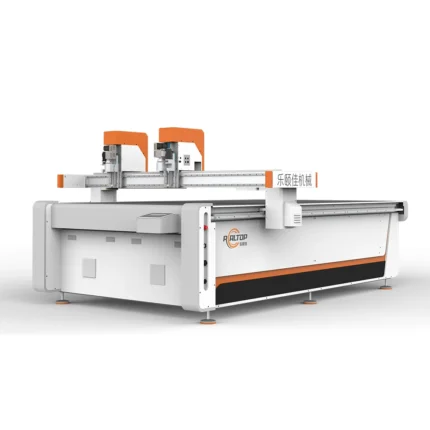
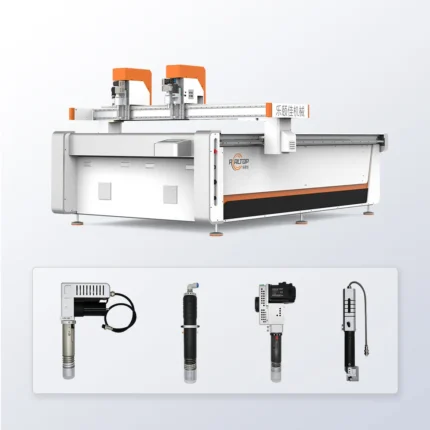
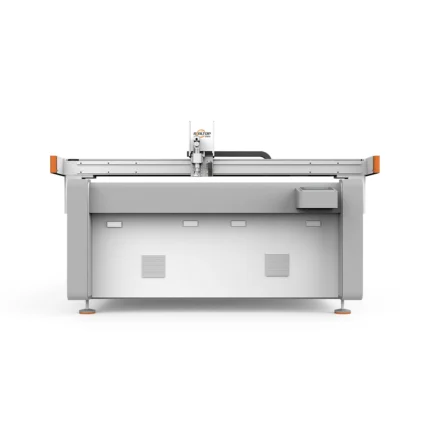
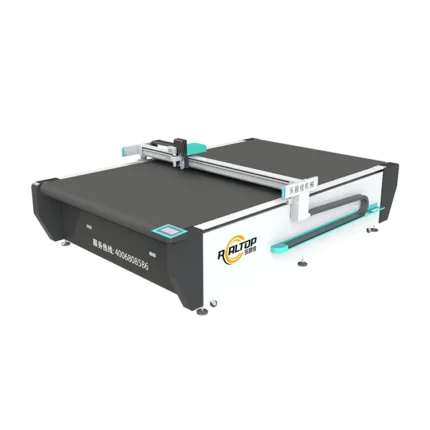
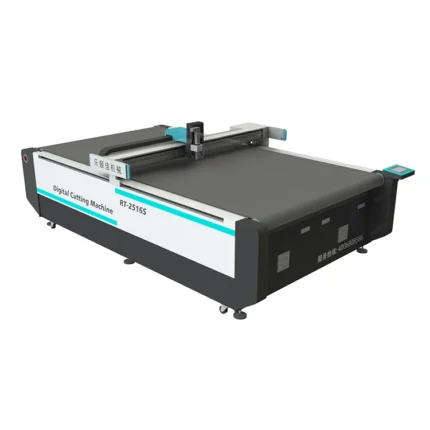
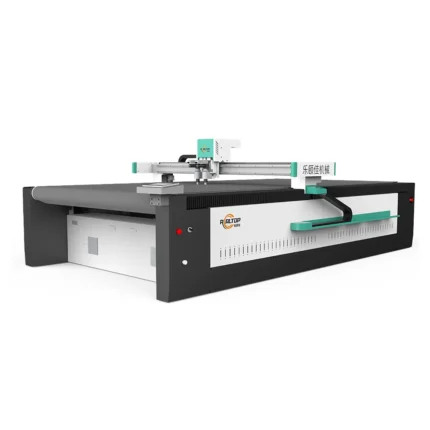
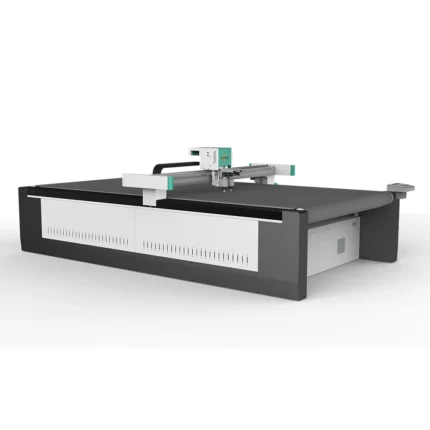
RT-D2516/RT-S2516 CNC Oscillating Knife Cutting Machine, 1600×2500mm, 9kw, 20-80mm Cutting Thickness — designed for composite material processing with Swiss imported multifunctional knife head.
Laser power ratings specified at continuous output rather than peak claims, ensuring real cutting depth matches documentation. Assist gas and focal configurations optimized for carbon fiber, glass fiber, and PVC edge sealing, with extraction requirements detailed for particulate management.
Sample cutting performed on buyer’s exact composite material before order commitment, with edge quality and cutting speed verified in factory test report.
Verified continuous power — every RT-D2516/RT-S2516 configuration ships with a laser power specification sheet that distinguishes continuous wattage from peak rating, matched to your composite stack-up before order confirmation.
Technical Specifications
| Parameter | Value |
|---|---|
| Product Type | CNC Oscillating Knife Cutting Machine |
| Model | RT-D2516/RT-S2516 |
| Working Area | 1600 × 2500 mm |
| Machine Size | 3450 × 2300 × 1250 mm |
| Rated Power | 9 kW |
| Vacuum Pump Power | 7.5 kW |
| Working Table | Flat table, magnesium-aluminum alloy with fluorocarbon PVDF powder spraying and anodic oxidation |
| Multifunctional Head | Swiss imported knife (vibration full cutting, vibration half cutting, cursor location) |
| Cutting Thickness | 20 mm – 80 mm depending on material (basis not stated in source) |
| Translational Velocity | 800 – 1200 mm/s |
| Repeated Accuracy | ≤ 0.1 mm |
| Transmission System | Digital servo motor, linear guide, synchronous belt, ball screw |
| Servo Motor | Delta IP67 with vibration suppression |
| Rail | Taiwan Hiwin linear guide |
| Conveyor Belt | Germany imported |
| Safety Device | Infrared sensors |
| Instruction System | HP-GL compatible format |
| Voltage | 380 V ± 10 % |
| Frame | Thick-walled seamless steel structure, high-temperature tempering, CNC machining center finished |
| Vacuum Pump | Integrated aviation aluminum shell, fire-proof, corrosion-resistant, 35 % noise reduction |
| Certification | CE |
Application Suitability
| Application | Material or Output |
|---|---|
| Automotive interior panels | Carbon fiber prepreg, fiberglass reinforced sheets, PVC composite laminates |
| Aerospace and sports equipment | Carbon fiber plates, glass fiber woven fabric, structural foam cores |
| Industrial gaskets and sealing pads | Composite fiber sheets, aramid-reinforced material, PTFE composites |
| Signage and display boards | PVC foam board, acrylic composite, aluminum composite panel (soft core) |
| Packaging and carton sample making | Corrugated board, honeycomb composite, folding carton stock |
| Footwear and leather goods | Sponge composite leather, PU synthetic material, textile laminates |
Why "Peak Power" Claims Ruin Composite Cutting Runs
Continuous wattage is the only number that determines whether your carbon fiber sheet cuts through or merely scorches.
I spent years in the service bay before moving to sales, and one job still sticks with me. A buyer sent a standard carbon fiber sample that cut cleanly on a CO2 laser at quoted power. When production material arrived, the resin content ran noticeably higher. The same settings produced charr*atch. Peak power figures look impressive on a spec sheet, but composite fabricators need documented continuous output against their actual resin-to-fiber ratio, ply count, and sheet thickness. Without that verification, you are committing to a machine that may fail on your real production floor [NEED_CITE: composite cutting power verification standards]. A CNC laser cutting and engraving machine manufacturer that does not ask for your production material up front is asking you to absorb that risk yourself.
Focal Configuration and Assist Gas for Composite Edge Integrity
Different composite layups demand distinct focal lengths and assist gas pressures to achieve sealed, delamination-free edges. Carbon fiber reinforced polymer requires a tighter focal point and controlled air assist to manage the resin matrix without fraying exposed fibers. Glass fiber composites, with their higher silica content, respond differently to thermal input and need adjusted gas flow to prevent micro-cracking along the cut path. The RT-D2516/RT-S2516 working area of 1600 × 2500 mm accommodates full composite sheets without re-fixturing, which matters when assist gas consistency across the entire bed is essential for uniform edge quality. Every configuration decision flows from sample testing on your specific material stack-up.
Extraction and Particulate Management During Composite Processing
Cutting carbon fiber and glass fiber generates fine particulate and volatile resin byproducts that require dedicated extraction infrastructure. The composite fabrication environment demands filtration rated for sub-micron carbon dust and solvent vapor capture. An undersized extraction system allows particulate to settle on linear guides and ball screws, degrading the ≤ 0.1 mm repeated accuracy over time. The thick-walled seamless steel frame on the RT-D2516/RT-S2516 provides the mass needed to dampen vibration from extraction ducting routed near the machine envelope [NEED_CITE: industrial extraction requirements for composite cutting operations]. Extraction specifications should be confirmed alongside the laser power and assist gas configuration before the order is finalized, not retrofitted after installation reveals contamination issues.
What the Specification Table Actually Means for Your Floor
The Delta IP67 servo motors with vibration suppression maintain positioning accuracy even in workshop environments where composite dust is unavoidable. IP67 sealing prevents particulate ingress into the motor housing, which directly affects long-term repeatability on intricate nesting patterns. The Taiwan Hiwin linear guides paired with ball screw transmission deliver the rigidity needed when cutting 20 mm to 80 mm composite thicknesses where tool deflection translates to dimensional drift at the tolerance boundary. The magnesium-aluminum alloy vacuum table with PVDF coating resists chemical attack from resin residues and adhesive transfer that accumulate during composite processing. The 7.5 kW vacuum pump with integrated aviation aluminum shell keeps holding force consistent across the full 1600 × 2500 mm bed, preventing the sheet lift that causes ragged edges on thin prepreg stock. A CNC laser cutting and engraving machine manufacturer must specify these component choices in context, not merely list them.
The Cost of Skipping Material Verification Before Commitment
Buyers who accept a machine quotation without sample cutting on their actual composite stock inherit every variable the manufacturer declined to test. Resin formulation shifts between suppliers alter the thermal absorption profile. Ply orientation in carbon fiber sheets changes how the cut front propagates through the laminate. Vacuum zoning that works for large panels may release small nested parts mid-cut, producing scrap from positional drift. Infrared sensor placement calibrated for one sheet format may not detect lifted edges on another [NEED_CITE: CNC cutting vacuum hold-down failure modes]. These are not defects in the machine — they are mismatches between configuration and application that could have been resolved with a sample report before shipment.
Why Composite Fabricators Source from This Production Line
In-house design and production across both knife and laser cutting technologies means the cutting method is matched to your composite material rather than forced into one process. Tool head and table configuration are specified per your material composition, resin content, and production volume after physical testing. CCD camera positioning is available for printed contour work on decorated composite laminates. Software compatibility with your existing nesting workflow and file formats is confirmed before the order enters production. Voltage, control language, and plug type are documented and matched to your facility electrical standard, eliminating field rewiring after delivery. The CNC laser cutting and engraving machine manufacturer approach here is built on testing first, specifying second.
Documentation & Verification
- Machine specification sheet listing continuous versus peak power for your composite thickness
- Electrical schematic confirming 380 V ± 10 % matches your facility panel capacity
- Sample cutting report on your actual carbon fiber or glass fiber stock with edge photographs
- Tool head and vacuum table configuration list matched to your material and nesting layout
- Software licence and file format compatibility note for your existing nesting workflow
- Factory test record documenting repeatability and edge quality before dispatch
Installation, Commissioning & Support
- Floor loading assessment for the 3450 × 2300 × 1250 mm machine footprint and frame mass
- Dedicated 380 V circuit with verified ± 10 % tolerance before the 9 kW rated power draw
- Flat table leveling procedure on the magnesium-aluminum vacuum surface before first vacuum test
- First-run parameter dial-in on your composite material thickness from 20 mm to 80 mm range
- Operator training on HP-GL compatible format import and Delta servo tuning interface
- Spare parts list covering Swiss imported knife consumables and Germany imported conveyor belt sections
Preparing Your Inquiry
To get an accurate configuration, share your composite material type, resin system, ply count, and sheet dimensions along with your target daily cutting volume. Confirm your facility voltage and frequency, and whether your existing nesting software outputs HP-GL compatible format or requires post-processor adaptation. If your production involves multiple composite layups, send representative samples of each for cutting verification before we finalize the tool head and vacuum zoning specification.
Frequently Asked Questions
Q: How do I confirm continuous power versus peak power for my composite thickness?
A: We run your actual composite material on the configured machine and document the cutting depth, edge quality, and speed achieved at sustained continuous wattage. The resulting sample report specifies the exact power setting used, distinguishing it from peak ratings that cannot be maintained during production cuts.
Q: What assist gas and focal setup works for carbon fiber versus glass fiber?
A: Carbon fiber typically requires compressed air assist with a tight focal point to manage the resin matrix cleanly. Glass fiber responds to different gas flow rates due to its higher silica content. Both configurations are determined during sample cutting on your specific layup and documented before order confirmation.
Q: Can the machine voltage and control language match my facility abroad?
A: The standard 380 V ± 10 % configuration can be adapted to your local voltage and frequency requirements. Control language, plug type, and electrical documentation are all confirmed during the specification stage so that the machine connects directly to your existing panel without field modification.
Q: How is edge delamination prevented on synthetic composite laminates?
A: Edge sealing quality depends on matching focal length, assist gas pressure, and cutting speed to your specific resin system. Sample cutting on your actual laminate reveals the correct parameter window. The vacuum table holds the sheet flat to prevent thermal distortion that causes ply separation along the cut path.
Q: What extraction capacity do I need for composite cutting particulate?
A: Carbon fiber dust and resin vapor require filtration rated for sub-micron particulate and organic compound capture. We document the extraction flow rate and duct sizing needed for your machine configuration and production volume so your ventilation contractor can specify the correct system before installation day.


Related products
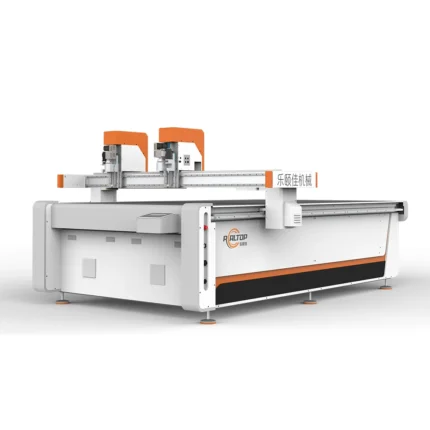
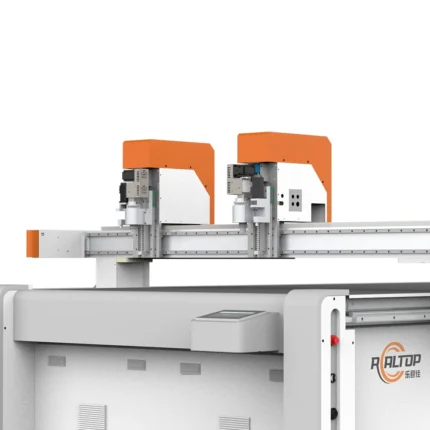
Jinan Realtop CNC Foam Cutting Machine 2026
Product Introduction
Jinan Realtop CNC Foam Cutting Machine 2026, a high-precision solution from China's leading welding & cutting equipment manufacturer, ideal for efficient foam cutting applications with reliable performance and advanced CNC technology.Key Specifications
| Model | 2026 |
| Type | CNC Foam Cutting Machine |
| Manufacturer | Jinan Realtop |
| Origin | China |
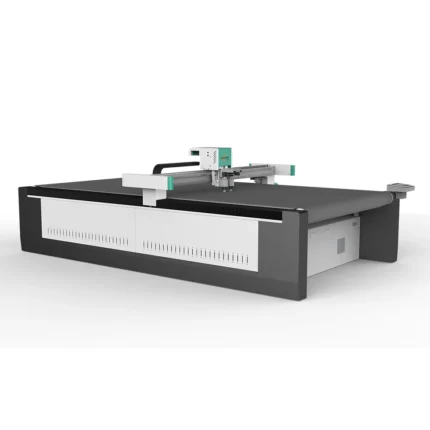
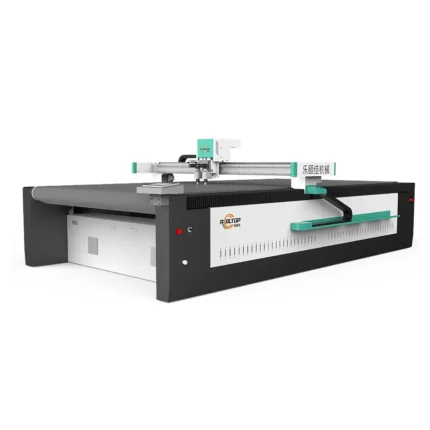
Realtop 2026 CNC Digital Knife Cutting Machine
Product Introduction
Realtop CNC Digital Knife Cutting Machine 2026, a precision cutting solution for various materials, ideal for industrial manufacturing with advanced CNC technology.
Key Specifications
| Model | Realtop CNC Digital Knife Cutting Machine 2026 |
| Type | CNC Digital Knife Cutting |
| Application | Industrial Material Cutting |
| Manufacturer | Chinese Welding & Cutting Equipment Factory |
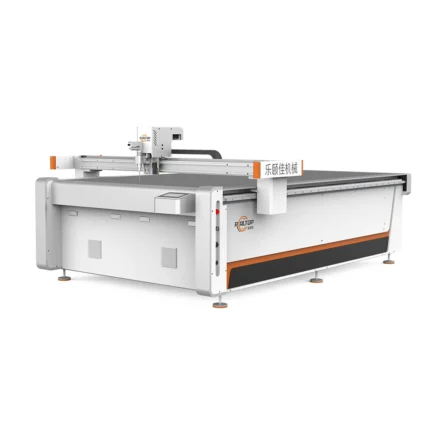
Realtop 2026 XPE Foam Cutter High-Precision Roller
Product Introduction
High-precision Realtop XPE Foam Cutting Machine 2026 with roller cutting system, ideal for efficient foam processing with accuracy. Perfect for manufacturing and industrial foam cutting applications.Key Specifications
| Model | Realtop XPE 2026 |
| Type | Roller Foam Cutter |
| Precision | High-Precision |
| Application | Foam Cutting |
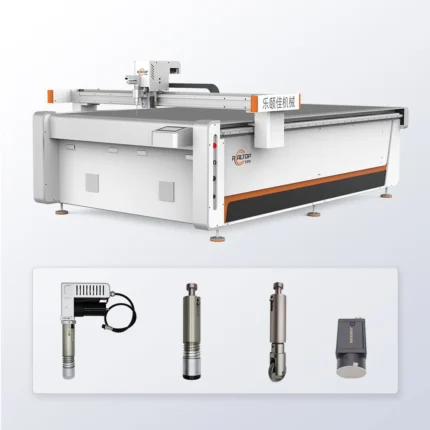
Realtop CNC 2026 Carbon Fiber Glass Mat CE Cutting Machine
Product Introduction
High-performance Realtop CNC Cutting Machine 2026, ideal for carbon fiber and glass mat cutting. CE certified for quality and safety, perfect for precision manufacturing needs.
Key Specifications
| Material Compatibility | Carbon Fiber, Glass Mat |
| Certification | CE Certified |
| Type | CNC Cutting Machine |
| Model | 2026 |
Realtop EPE Cutting Machine 2026 High-Speed Digital Auto Cut
Product Introduction
Realtop 2026 EPE Cutting Machine features high-speed digital auto-cut technology, designed for efficient and precise cutting operations. Ideal for EPE material processing with automated functionality to enhance productivity.Key Specifications
| Model | Realtop EPE Cutting Machine 2026 |
| Type | High-Speed Digital Auto Cut |
| Operation | Automated |
| Application | EPE Material Cutting |
商品评价
There are no reviews yet.