







CNC Cutting Machine for Foam Flexible Material – Manufacturer
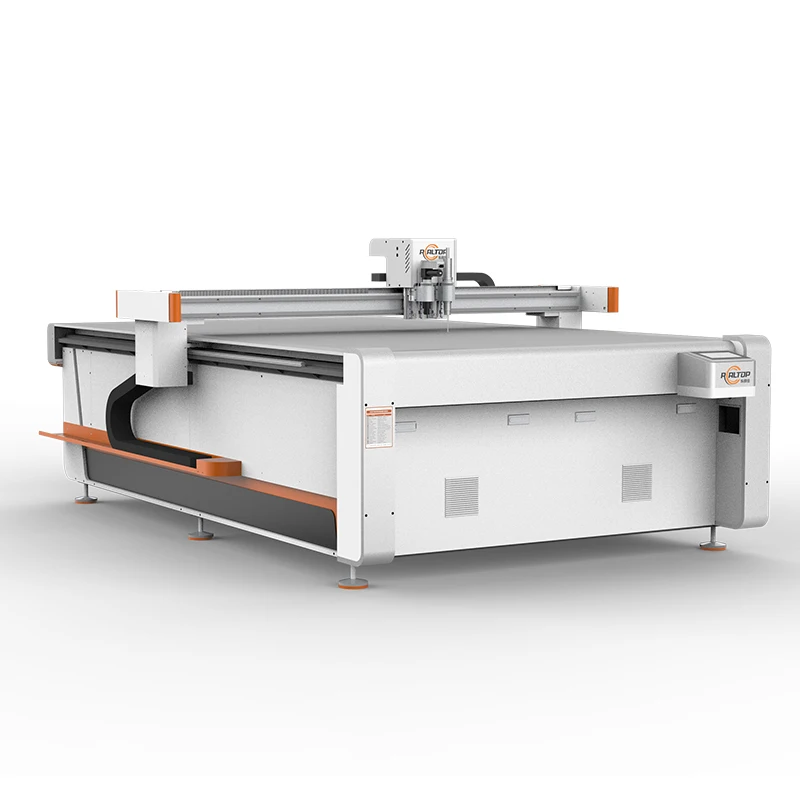
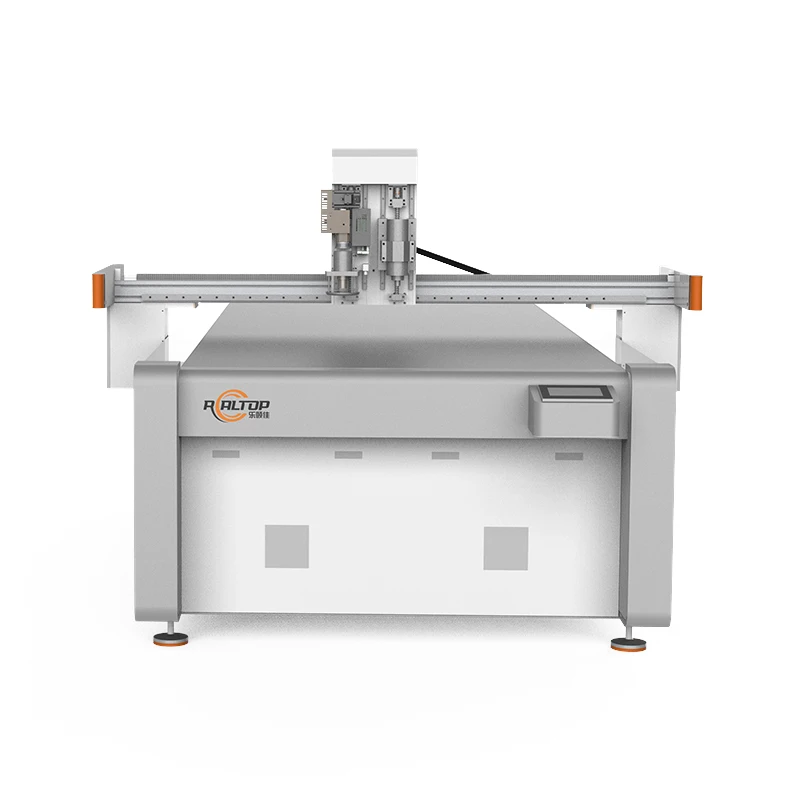
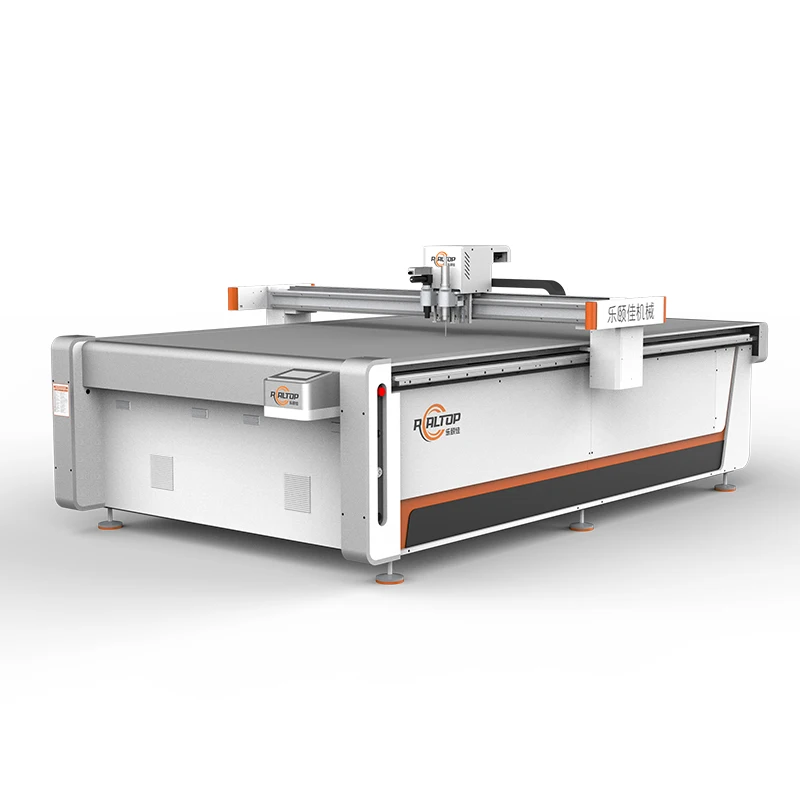
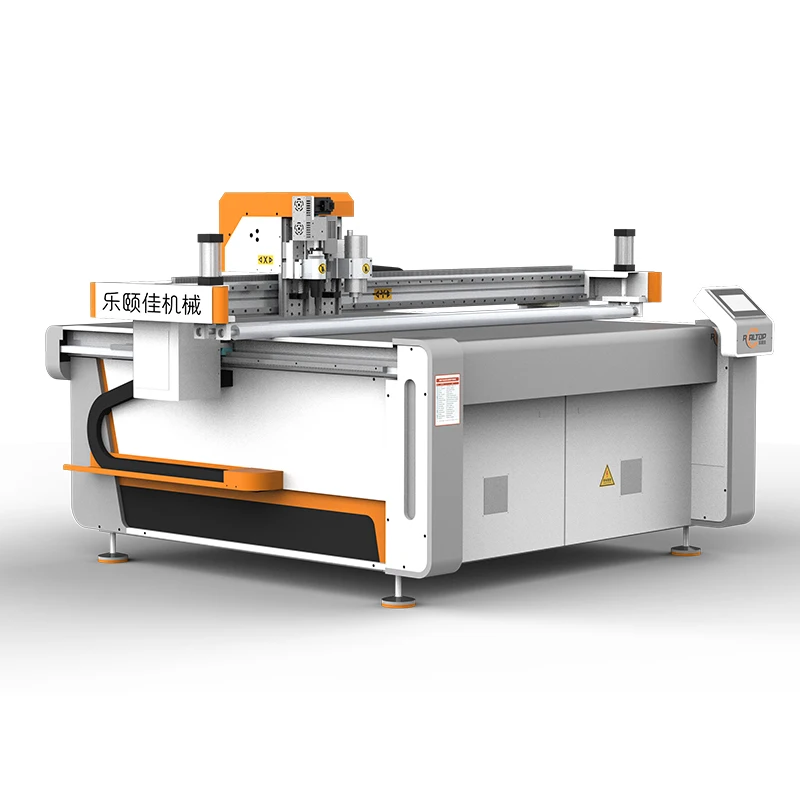
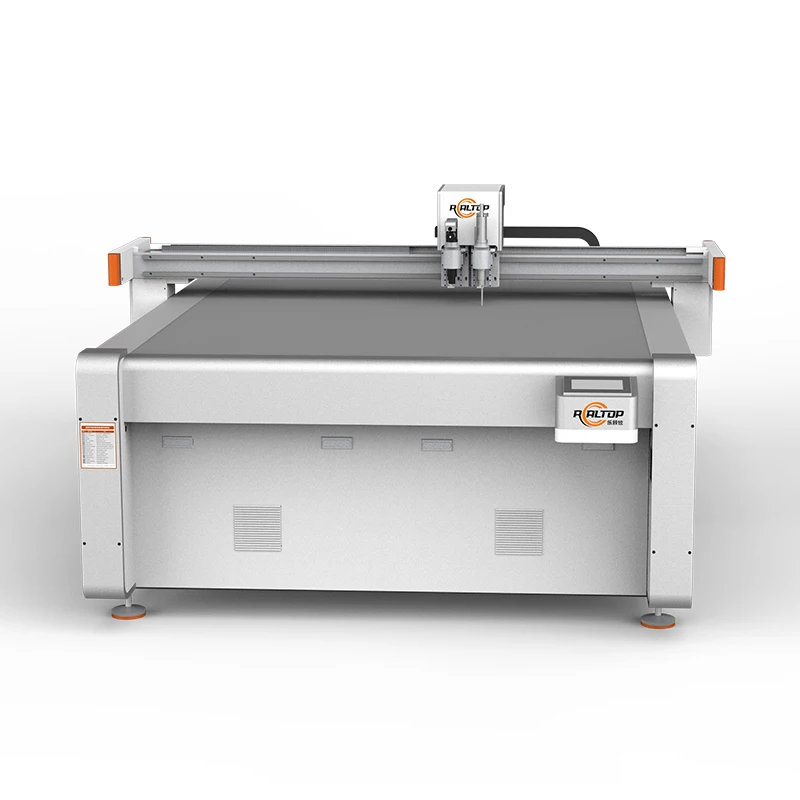
RT-D2516/RT-S2516 CNC Oscillating Knife Cutting Machine, 1600×2500mm working area, 20-80mm cutting thickness, 9kW rated power — configured for foam, sponge composite leather, EVA, XPE and flexible packaging materials.
- Swiss imported oscillating knife head supports full cutting, half cutting and cursor location for clean edges on soft materials without crushing
- Magnesium-aluminum alloy vacuum table with fluorocarbon PVDF coating and 7.5kW pump ensures small parts stay flat during high-speed operation at 800-1200mm/s
- Delta or Panasonic servo motors with Taiwan Hiwin linear guides deliver ≤0.1mm repeated accuracy across long production runs
Tool head and table zoning specified per your material density and daily volume, with sample cutting on your own foam stock before commitment to verify real edge quality and throughput.
Tool head matched to material — Every oscillating knife setup is specified against your actual foam density and thickness before the machine ships, preventing ragged edges that scrap production runs.
Technical Specifications
| Parameter | Value |
|---|---|
| Model | RT-D2516/RT-S2516 |
| Product Type | CNC Oscillating Knife Cutting Machine |
| Working Area | 1600 × 2500 mm |
| Machine Size | 3450 × 2300 × 1250 mm |
| Rated Power | 9 kW |
| Voltage | 380V ± 10% |
| Cutting Thickness | 20–80 mm (material dependent) |
| Translational Velocity | 800–1200 mm/s |
| Repeated Accuracy | ≤ 0.1 mm |
| Multifunctional Head | Swiss-imported knife with vibration full cutting, half cutting, and cursor location |
| Table Type | Flat vacuum table, magnesium-aluminum alloy with PVDF powder spraying, anodic and hard oxidation |
| Vacuum Pump | 7.5 kW, integrated aviation aluminum shell with built-in silencer sponge |
| Transmission | Digital servo motor (Delta or Panasonic optional), linear guide, synchronous belt, ball screw |
| Guide Rail | Taiwan Hiwin |
| Conveyor | Germany-imported conveyor belt with auto feeding |
| Instruction Format | HP-GL compatible |
| Safety Devices | Infrared induction blocking, anti-collision, emergency stop |
| Language Options | English, Russian, Italian, Chinese (customizable) |
| Assembly State | Fully assembled |
| Standard | CE declaration where applicable |
| Warranty | 1 year |
Application Suitability
| Application | Material or Output |
|---|---|
| Packaging inner cushion cutting | EPE pearl cotton, EVA foam, XPE sheets up to 80 mm thick |
| Automotive interior trim | Sponge composite leather, PU foam gaskets, sound-deadening panels |
| Mattress and furniture cushioning | High-resilience foam, memory foam, bonded foam blocks |
| Footwear insole profiling | EVA midsole sheets, PE foam, rubber-foam composites |
| Gasket and sealing pad production | Silicone foam, rubber sheets, PTFE, ETFE |
| Sports and outdoor equipment padding | Closed-cell foam panels, neoprene composites |
Why Peak Power Specs Fail at the Cutting Edge
Many buyers discover too late that the laser cutting and engraving machine manufacturer they chose quoted peak laser output rather than continuous rated power, leaving real cutting depth well short of expectations on thick foam board. The gap between brochure numbers and shop-floor reality is where production planning breaks down.
Cutting depth depends on continuous power delivery, not the peak figure on the nameplate.
When a foam processor commits to a machine based on headline wattage alone, the first test cut on high-density stock reveals charring, incomplete penetration, or ragged kerf walls. Reworking the cut path at lower speed might rescue edge quality, but throughput drops and lead times slip [NEED_CITE: CO2 versus fiber laser continuous output measurement standards]. I have watched buyers in the Pearl River Delta send back entire batches of foam packaging because the tooling could not hold an edge through denser material grades. Asking for a sample cut on your own stock before order confirmation is the only way to close that specification gap.
Knife Geometry and Foam Density Matching
The RT-D2516/RT-S2516 carries a Swiss-imported oscillating knife head with selectable vibration full-cut and half-cut modes. Foam density determines which blade profile and oscillation frequency will shear cleanly through the cell structure without crushing it. Low-density EPE pearl cotton cuts well with a wider oscillation stroke, while high-resilience polyurethane foam demands a narrower, faster-frequency stroke to avoid pulling fibers into the kerf. A laser cutting and engraving machine manufacturer that also offers knife-based systems gives buyers the option to match cutting method to material rather than forcing one process onto every substrate.
Vacuum Table Zoning for Small Foam Parts
Small foam gaskets and insole components tend to lift off the table once the knife penetrates, because the vacuum pull through a single large zone is not concentrated enough to hold lightweight parts flat. The magnesium-aluminum alloy table on this unit features sectional vacuum zoning so that only the area under active cutting draws full suction. Combined with the 7.5 kW vacuum pump housed in a silenced aviation-aluminum shell, the system keeps noise manageable while maintaining hold-down force where it matters [NEED_CITE: vacuum zoning practices for lightweight non-metal cutting].
Core Parameter Impact on Foam Production
The 20–80 mm cutting thickness range covers most packaging cushion and automotive interior foam grades, but the upper limit applies only when the material cell structure allows the oscillating blade to exit cleanly. Translational velocity of 800–1200 mm/s enables rapid contouring, yet the effective feed rate on any given stock must be lowered as thickness increases to keep repeated accuracy within the rated ≤ 0.1 mm band. The Delta or Panasonic servo motors drive the Taiwan Hiwin linear guides, providing the positional stiffness needed when the blade meets resistance at depth. HP-GL compatible instruction format ensures nesting software from most mainstream vendors can feed cut files without format conversion. The Germany-imported conveyor belt and auto-feeding system let operators load full sheets while the machine unloads finished nests, reducing manual handling between cycles [NEED_CITE: HP-GL file compatibility across nesting software platforms].
What the Wrong Configuration Costs on the Floor
Choosing a single-zone vacuum table for a job that produces many small foam parts results in material lift, ragged cut edges, and scrapped nests that operators must re-run. Pairing a blade profile intended for thin film with a 60 mm high-density block produces crushed kerf walls and dust contamination across the entire sheet. Skipping voltage confirmation before shipment means the 380V motor and servo drives may face phase mismatch at destination, risking immediate component damage [NEED_CITE: voltage and frequency standards by export market]. These are not warranty claims — they are configuration oversights that the buyer absorbs.
Reasons to Source This System Here
In-house design covers both knife and laser cutting platforms, so a foam processor is not forced into one method when the material calls for another. Tool head and table configuration are specified against the buyer’s own material sample, not a generic catalog default. CCD camera positioning is available for printed contour work on foam sheets that carry registration marks. Software file format compatibility is confirmed during the inquiry stage, preventing nesting workflow dead-ends after delivery. Voltage, plug type, and control language are locked in before production begins, so a unit bound for a Russian-speaking shop in Central Asia arrives with the correct interface and electrical match.
Documentation & Verification
- Machine specification sheet listing exact tool head and vacuum zone configuration
- Electrical schematic with confirmed voltage and phase for destination market
- Sample cutting report on buyer-supplied foam at documented blade speed and stroke
- Factory test record with repeated accuracy measurements on target material
- Spare parts list covering blades, belts, and vacuum pump consumables
Installation, Commissioning & Support
- Fully assembled delivery; the 3450 × 2300 mm footprint requires a level floor with clearance for the 7.5 kW vacuum pump exhaust
- Dedicated 380V ± 10% circuit with appropriate breaker rating for the 9 kW total load
- First-run parameter tuning on your foam stock, including blade frequency and vacuum zone mapping
- Operator training on HP-GL file loading, nesting layout, and tool head changeover
- Recommended spare blade and belt inventory matched to your daily production volume
Preparing a Useful Inquiry
To receive a configuration that actually fits your floor, share the foam material type, density, and sheet dimensions you run daily, along with the target cut profile and nesting layout. Confirm your local voltage and frequency so the servo motors and vacuum pump are wound correctly from the start. If your existing nesting software exports in a specific format, provide a sample file so compatibility can be verified before the order is finalized.
Frequently Asked Questions
Q: How do I verify real cutting depth on my foam stock before placing an order?
A: Send a representative sample of your actual foam material — including density and thickness — for a documented test cut. The sample report records blade type, oscillation frequency, feed rate, and edge quality, so you can compare results against your production standard before committing.
Q: What assist gas or extraction setup does foam cutting require?
A: Oscillating knife cutting produces dry foam dust rather than fumes, so extraction focuses on particulate collection at the table surface. The vacuum pump and table zoning pull dust downward during cutting; a separate extraction unit with appropriate filter rating handles airborne particles from the cutting zone.
Q: How does oscillating knife cutting compare to laser on synthetic foam materials?
A: Knife cutting shears foam mechanically, leaving a clean edge without heat-affected zones or melted cell walls. Laser cutting seals edges on synthetics through thermal fusion, which is preferable for some textile-foam laminates but can char high-density polyurethane. The choice depends on material and required edge finish.
Q: What electrical specifications should I confirm before shipment?
A: Confirm your site voltage, phase configuration, and frequency. The standard configuration is 380V ± 10%, but servo motors and the vacuum pump must be wound for your local supply. Plug type and control panel language are also locked at this stage.
Q: Which foam densities fall within the 20–80 mm thickness capability?
A: The machine handles low-density EPE and EVA through high-resilience PU and bonded foam up to 80 mm thick. Actual cutting speed and blade selection vary with density, so a sample cut on your specific stock determines the production parameters.


Related products

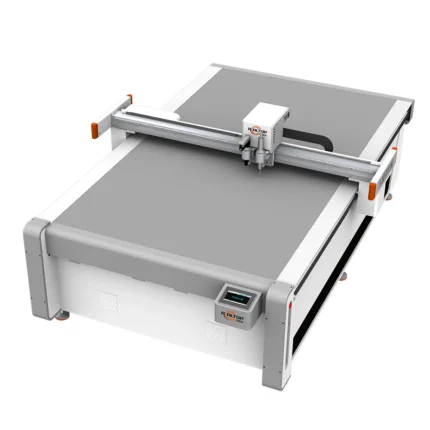
Automatic CNC Oscillating Knife Packaging Cutting Machine
1625 CNC Oscillating Knife Packaging Cutting Machine, 1600×2500mm, ≤40mm Cutting Depth — configured for corrugated cardboard, foam and packaging material prototyping. Multiple tool heads including oscillating knife, creasing wheel and milling cutter let you match the tool to each material instead of forcing one method. Aluminum honeycomb vacuum table with 9KW pump holds small parts flat during cutting. - Sample cutting on your own material available before commitment, with tool head and voltage customization confirmed before shipment.
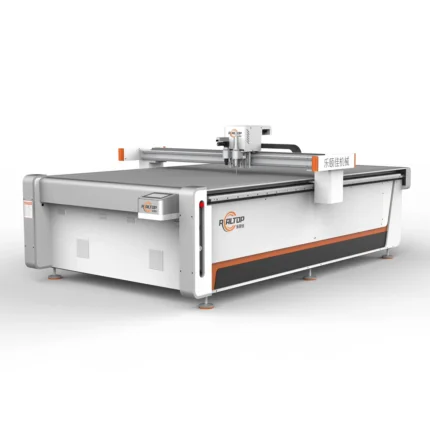
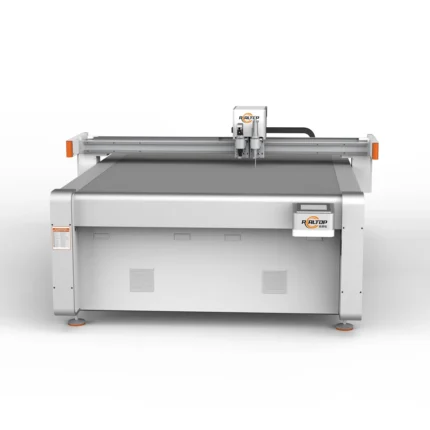
Automatic Digital Cardstock Cutter 2026 CNC Cutting Machine
RT-D2516/RT-S2516 CNC Oscillating Knife Digital Cutting Machine, 1600×2500mm, 9kW — engineered for packaging and flexible material processors evaluating knife versus laser cutting methods.
- Swiss oscillating knife with full-cut and creasing modes — no burnt edges, no adhesive melt
- Delta servo drive and Hiwin linear guides deliver ≤0.1mm repeatability at up to 2000mm/s
- 7.5kW vacuum pump on honeycomb table holds thin cardstock and sticker sheets flat
Sample cutting on your own material with edge quality report provided before commitment, voltage and control language confirmed to your facility spec.
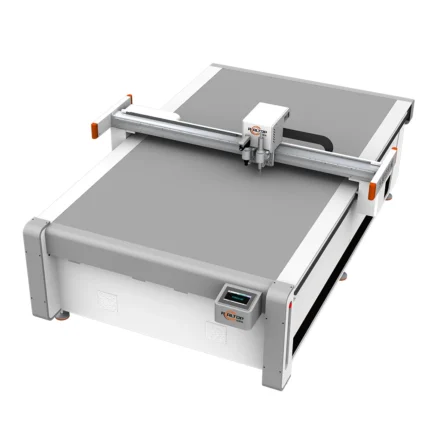
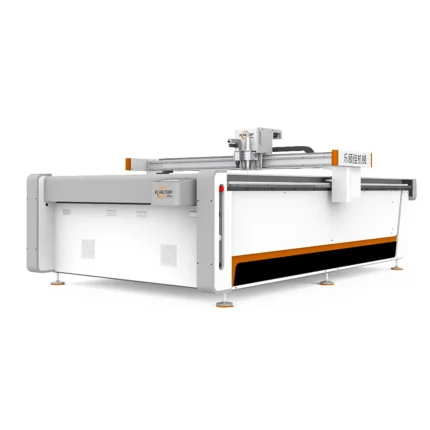
CNC Vibrating Knife Cutter with Custom Cartons – for Packaging
RT-D2516/RT-S2516 CNC Oscillating Knife Cutting Machine, 1600×2500 mm, 9 kW — configured with Swiss imported multi-tool head supporting full cutting, half cutting, creasing, and V-slotting in one setup.
- Magnesium-aluminum alloy vacuum table with PVDF coating and zoned adsorption
- CCD camera options: mark point, panoramic, and projection positioning
- Delta/Panasonic servo drive with Hiwin linear guides, ≤0.1 mm repeatability
- Supports PLT, DXF, AI file formats with multi-language touch screen control
Sample cutting on your own material provided before commitment, with full tool head and configuration list confirmed per your production workflow.
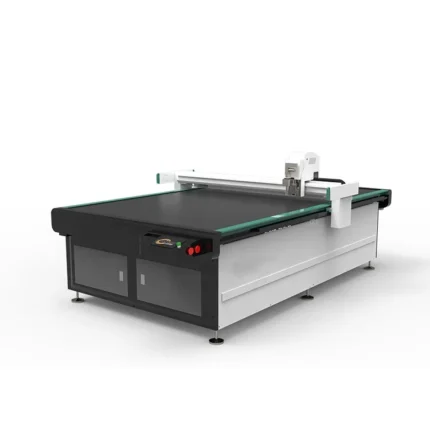
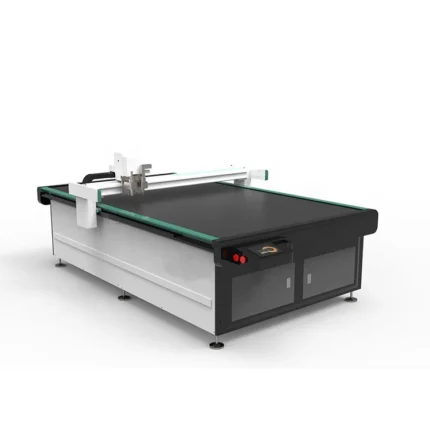
Corrugated Pizza Box Cutting Machine for Carton Packaging – Factory Direct
CNC Digital Cutting Machine for Corrugated Board & Carton, 1600×2500mm working area, multifunctional oscillating knife head with full/half cutting and creasing, ≤0.1mm repeatability — configured for corrugated pizza box and packaging sample production.
- Vacuum hold-down flat table with 7.5kW pump for sheet stability during cutting and creasing operations.
- Yaskawa servo motor and Hiwin linear guide ensure precise contour tracking on corrugated and flexible materials.
Sample cutting on buyer's own material provided before commitment, with full tool head and table configuration matched to board grade and daily volume.
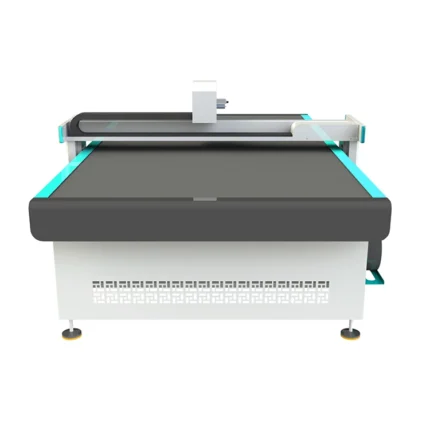

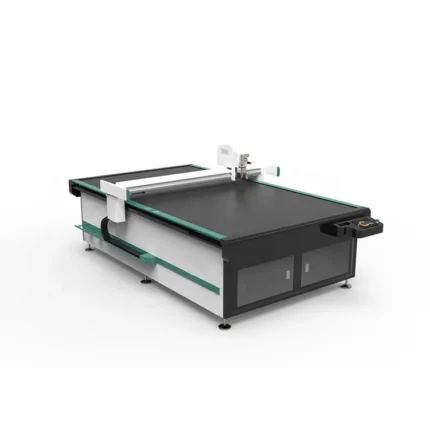
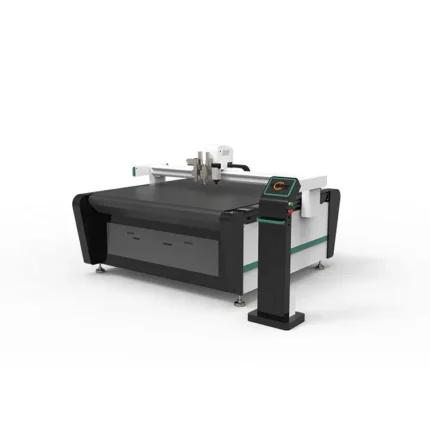
Industrial Fabric Seat Covers Cutter Machine – OEM Available
RT-D2516/RT-S2516 CNC Oscillating Knife Cutting Machine, 1600×2500mm Working Area, 9kw — configured for fabric, leather, sponge composite and PVC cutting with Swiss imported multifunctional head supporting vibration full and half cutting. Japanese Yaskawa servo motors and Taiwan Hiwin rails deliver ≤0.1mm repeated accuracy, while the 7.5kw vacuum pump and auto feeding system sustain steady production workflow. - Sample cutting on your own material before commitment, with tool head and table configuration matched to your material thickness and daily volume.
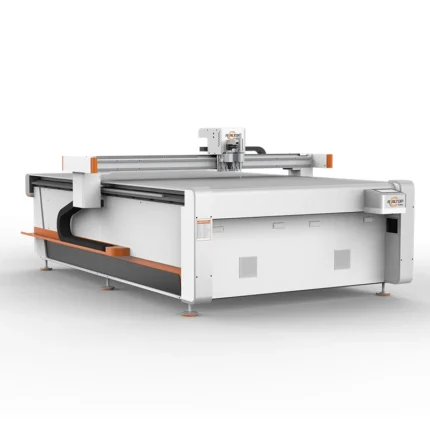
Professional Gasket CNC Oscillating Knife Cutting Table | OEM Available
RT-D2516/RT-S2516 CNC Oscillating Knife Cutting Table, 1600×2500mm, 9kW — engineered for laser and non-metal cutting workflows. Swiss imported oscillating knife delivers clean edges on gasket, rubber and composite sheets, while the 7.5kW vacuum table ensures stable hold-down at production speed. HP-GL compatible control with Yaskawa servo achieves ≤0.1mm repeatability across cutting, creasing and marking tasks.
Sample cutting on your own material is completed before commitment, verifying real cutting depth and edge quality for your specific application.

商品评价
There are no reviews yet.