



CNC Flatbed Cutter 2026 Digital Corrugated Box Making Machine | Manufacturer
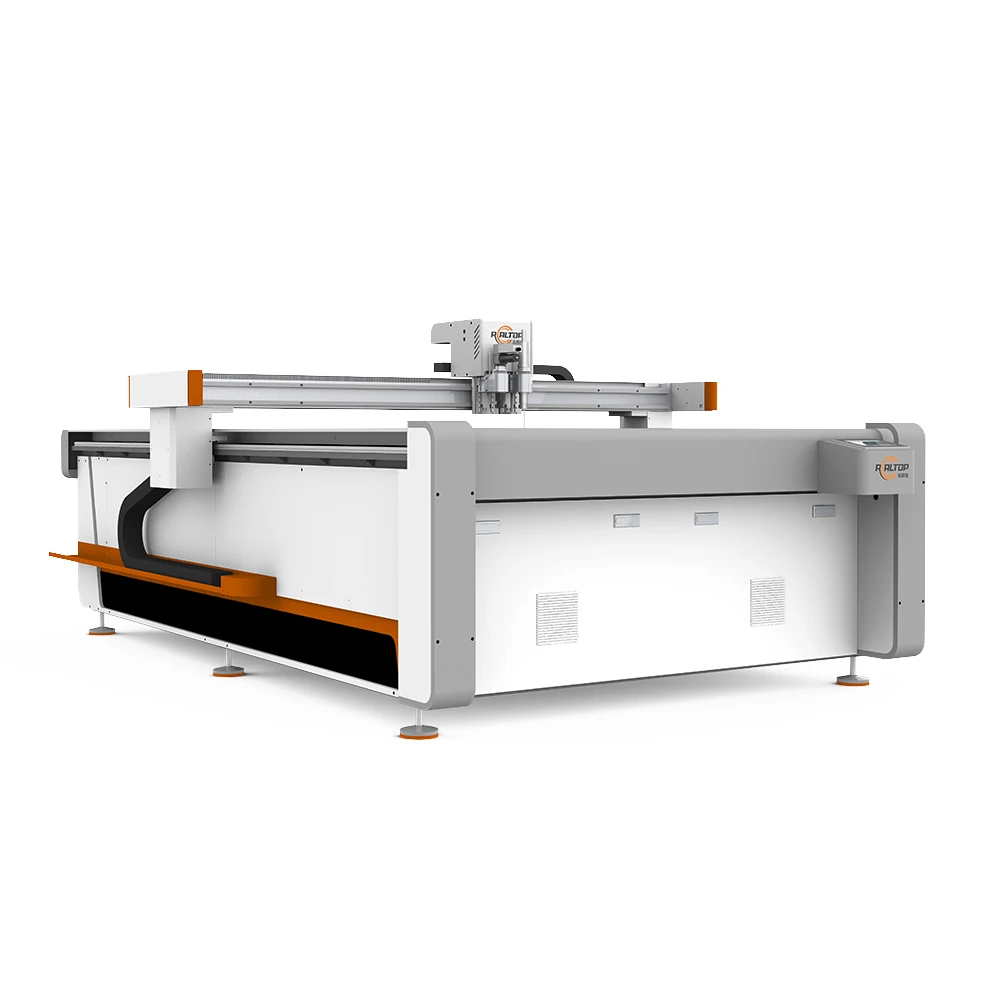
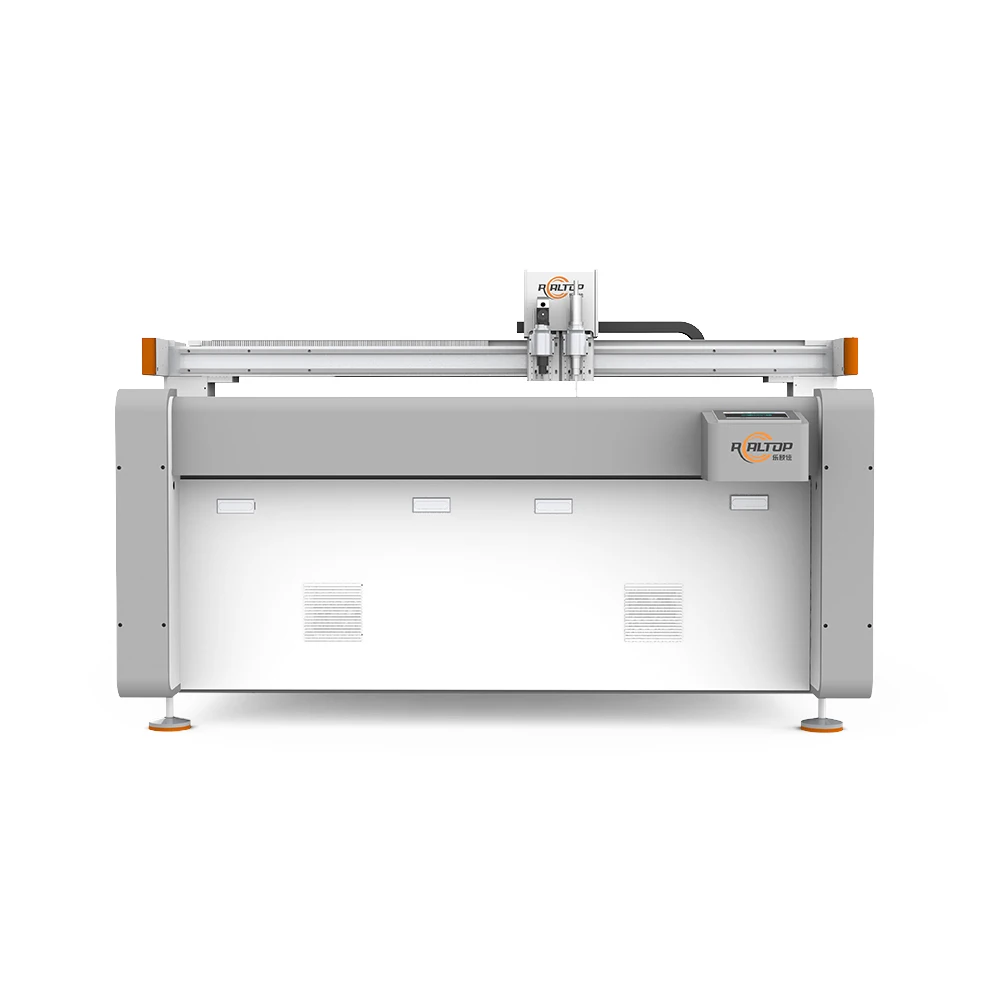
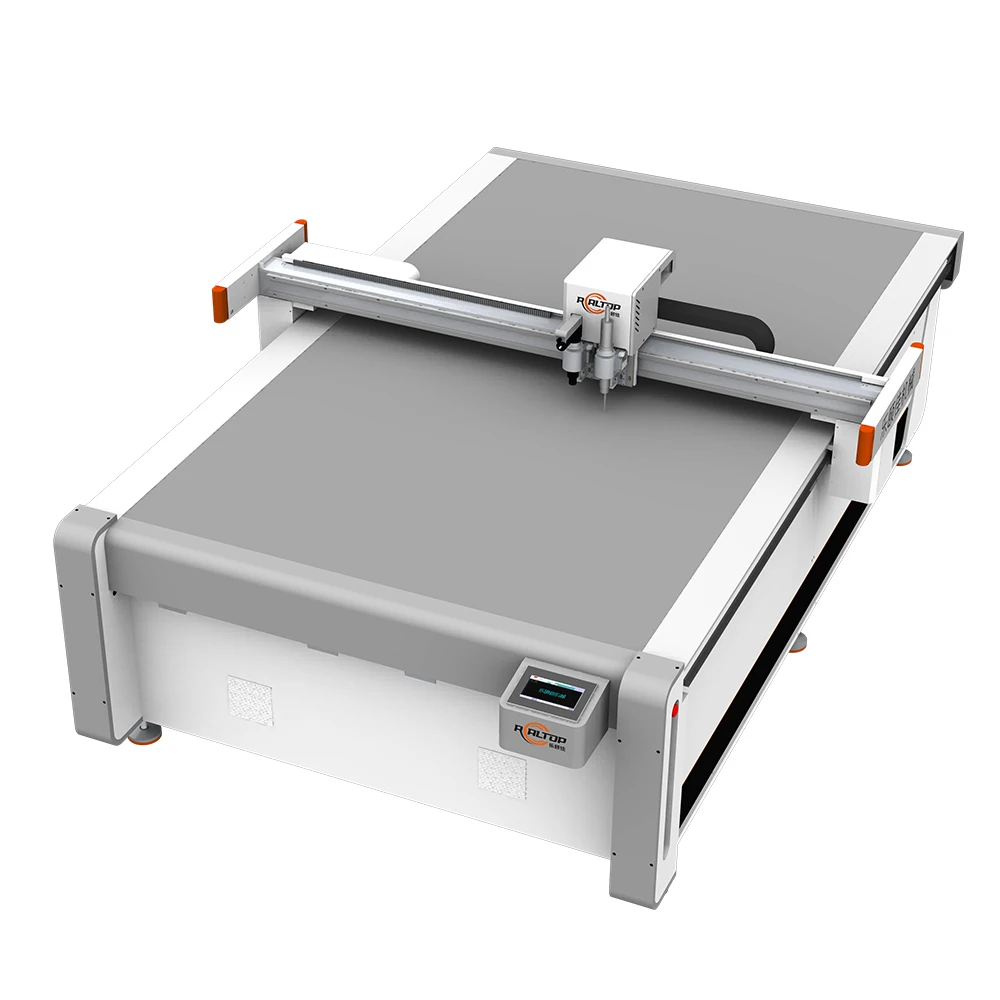
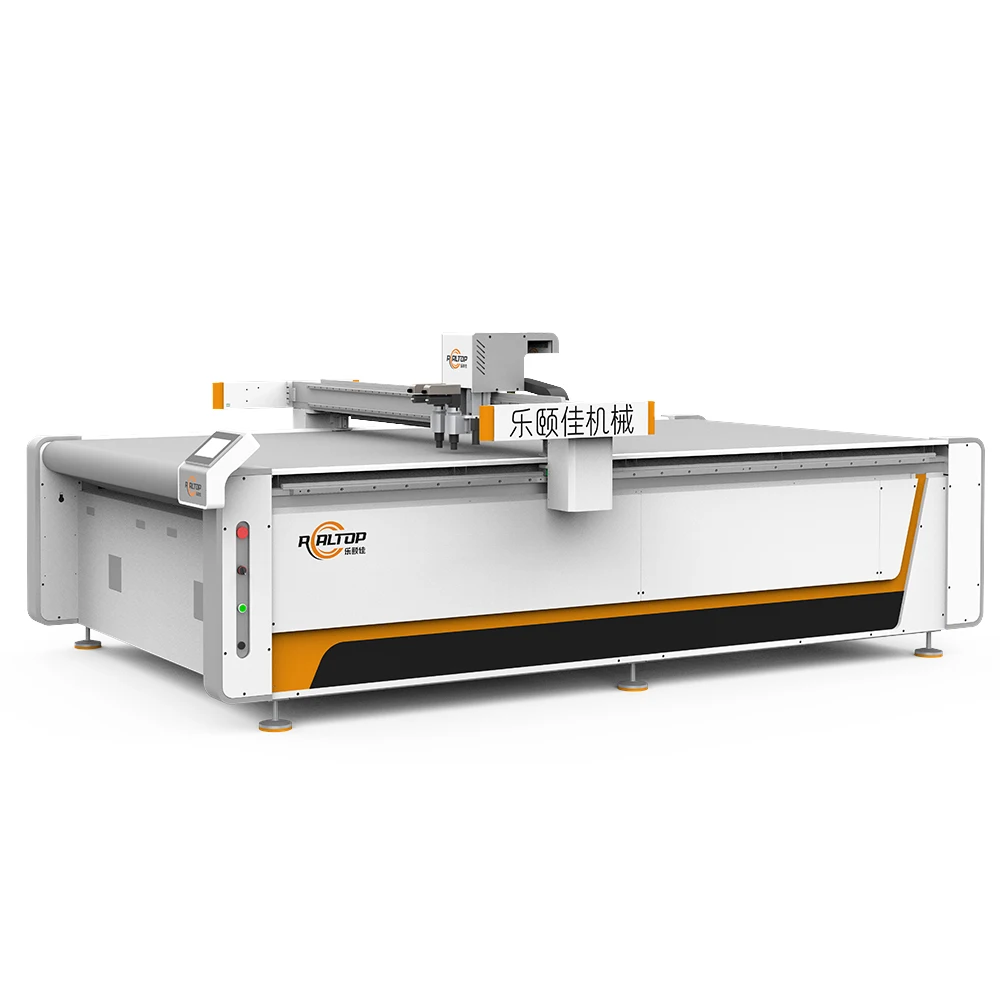
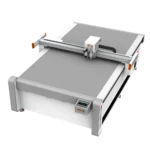
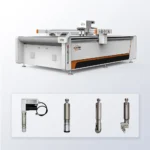
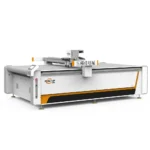
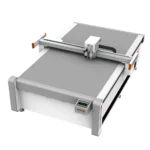
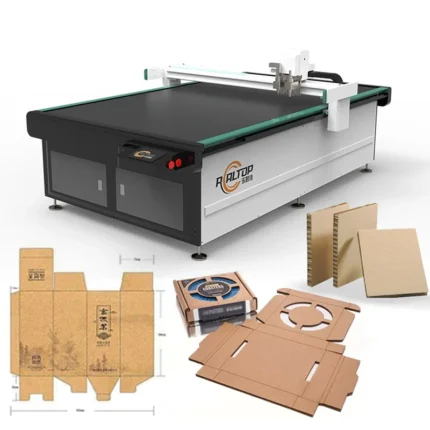
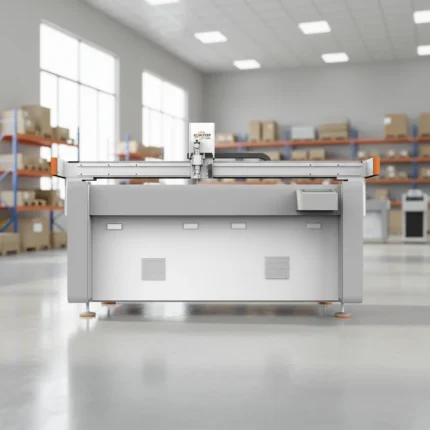
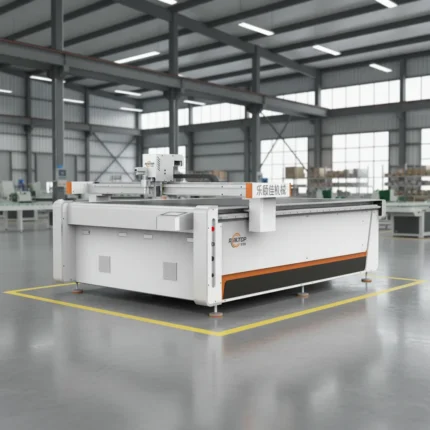
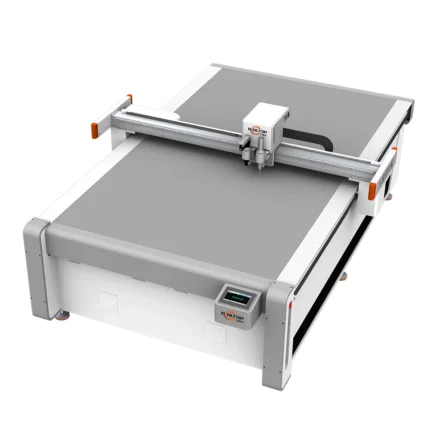
RT-D2516/RT-S2516 CNC Flatbed Digital Cutting Machine, 1600×2500mm Working Area, 9kW Rated Power — engineered for corrugated box sample making and packaging prototype production.
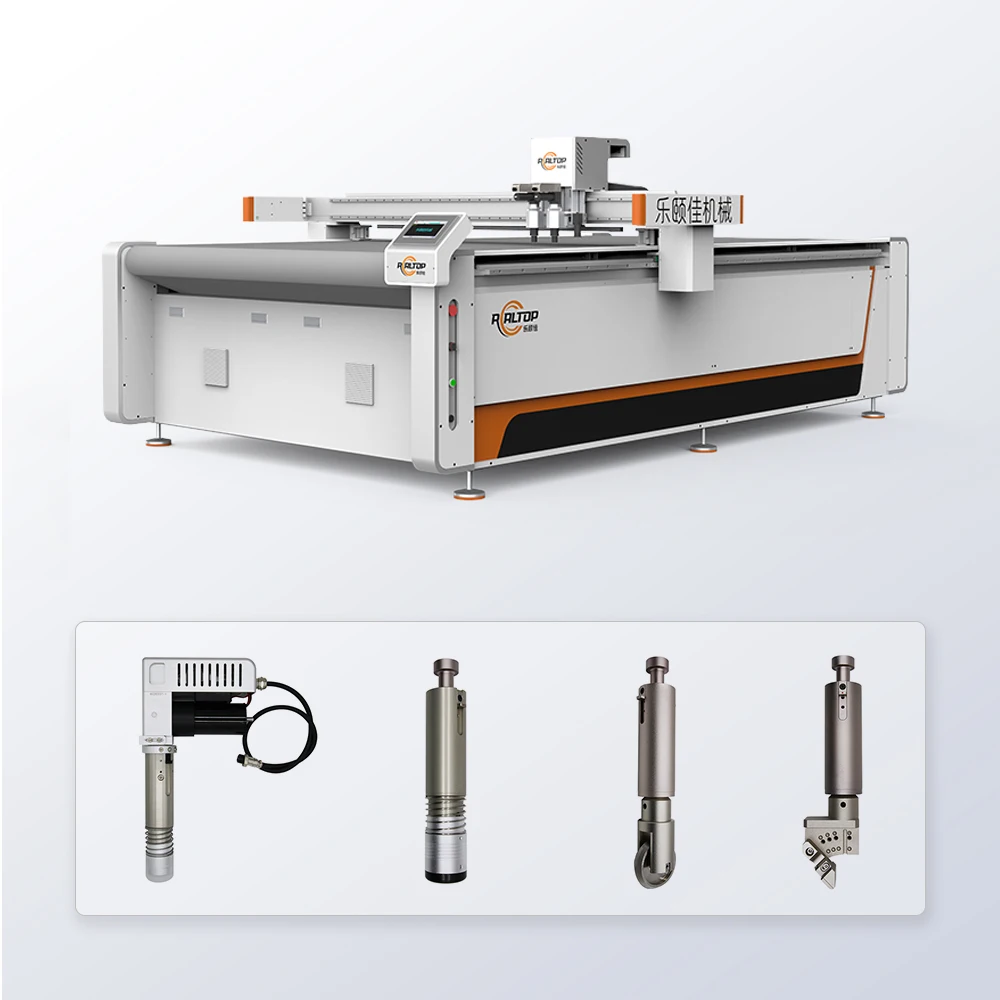
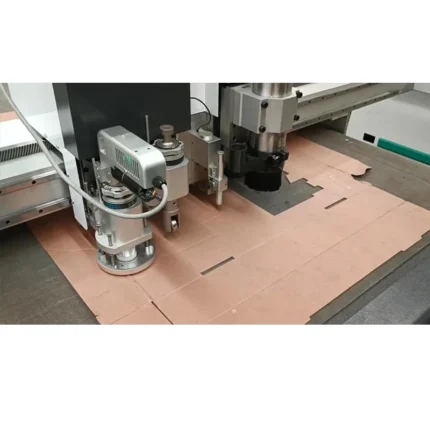
- Swiss imported oscillating knife with vibration full/half cutting and creasing wheel for precise carton fold lines
- CCD camera mark-point positioning and panoramic recognition for printed contour cutting
- Magnesium-aluminum alloy vacuum table with zoned adsorption for small-part hold-down
- Touch screen control with multi-language support and auto typesetting accepting PLT, DXF, AI formats
Sample cutting on buyer’s own corrugated stock confirms flute integrity and crease quality before order commitment.
Precision Cutting Method Matching — Our in-house engineering team designs both knife and laser systems under one roof, allowing packaging producers to select RT-D2516/RT-S2516 oscillating knife or creasing wheel tooling based on actual flute structure rather than forcing a single process across every corrugated grade.
Technical Specifications
| Parameter | Value |
|---|---|
| Model | RT-D2516/RT-S2516 |
| Product Type | CNC Flatbed Digital Cutting Machine |
| Working Area | 1600×2500 mm |
| Overall Dimensions | 3450×2300×1250 mm |
| Rated Power | 9 kW |
| Table Type | Flat working table or auto feeding table (configurable) |
| Multifunctional Head | Swiss imported knife with vibration full cutting, half cutting and cursor location |
| Translational Velocity | 800–2000 mm/s |
| Cutting Speed | 200–800 mm/s (varies by material density and thickness) |
| Repeated Accuracy | ≤0.1 mm |
| Transmission System | Digital servo motor, linear guide, synchronous belt, ball screw |
| Servo Motor Option | Delta or Panasonic (IP67 waterproof) |
| Vacuum Table | Magnesium-aluminum alloy, PVDF fluorocarbon powder spraying, anodic oxidation |
| Vacuum Pump | 7.5 kW, aviation aluminum shell, built-in silencer sponge |
| Conveyor Belt | Germany imported |
| Linear Guide | Taiwan Hiwin rail |
| Control Panel | Touch screen, multiple language supported |
| Software | Auto typesetting, supports PLT, DXF, AI formats |
| Voltage | 380V±10% |
| Language Options | English, Russian, Italian, Chinese (special languages customizable) |
| Cutting Thickness | ≤100 mm (varies with material) |
| Safety Device | Infrared sensors, anti-collision, emergency stop |
| Instruction System | HP-GL compatible format |
| Standards | CE |
Application Suitability
| Application | Material or Output |
|---|---|
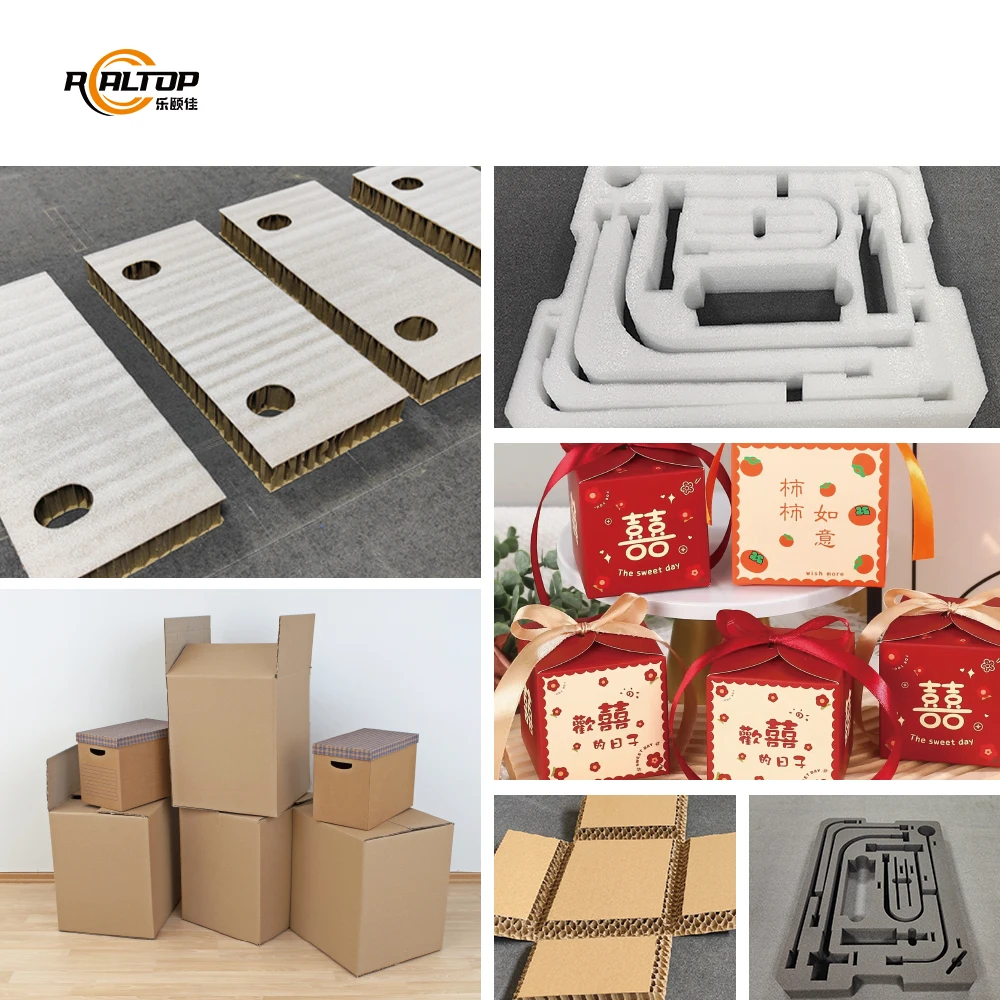
| Carton and corrugated box sample making | Single, double and triple-wall corrugated board, E-flute and F-flute micro-corrugated stock |
| Packaging prototype cutting | Folding carton blanks, honeycomb board, gray board, PVC blister trays |
| Signage and display production | Foam board, KT board, corrugated plastic, acrylic sheets for point-of-purchase displays |
| Gasket and industrial sealing | PTFE, ETFE, rubber sheet, non-asbestos fiber composite for flange and valve gaskets |
| Leather and footwear pattern cutting | Natural leather, synthetic PU, EVA footbed stock, sponge composite materials |
| Automotive interior trimming | Non-woven fabric, carpet, PU foam, XPE insulation panels |
Why Corrugated Board Flutes Crush Before the Blade Even Dulls
A Laser Cutting and Engraving Machine manufacturer with in-house knife cutting expertise knows that crushed flutes on a corrugated sample are rarely a blade sharpness issue — they almost always trace back to the wrong tool head geometry or insufficient vacuum hold-down on a zoned table. Match the oscillation frequency and blade angle to the flute profile before quoting lead time. I once saw a packaging shop run five-layer E-flute on a machine configured for three-layer B-flute, and the entire short-run prototype batch came off the table with ragged creases and partially severed liner faces [NEED_CITE: corrugated board flute compression mechanics during digital knife cutting]. The operator blamed the blade supplier when the real problem was a creasing wheel diameter mismatch and a vacuum zone layout that let the sheet lift at the trailing edge.
Oscillating Knife and Creasing Wheel Coordination on Multi-Wall Board
The Swiss imported vibration knife on the RT-D2516/RT-S2516 performs full cutting through corrugated stock up to 100 mm thick depending on density, while the half-cutting mode scores only the top liner for fold lines that must remain intact during glue-up. When the same multifunctional head switches to a creasing wheel, the wheel diameter and pressure must correspond to the flute height so the corrugated medium compresses into a predictable hinge rather than fracturing the liner. This dual-mode operation is where a Laser Cutting and Engraving Machine manufacturer with knife cutting capability adds value — the process engineer selects the tool path rather than forcing one cutting method across every board grade.
CCD Camera Positioning for Pre-Printed Packaging Contours
Printed corrugated sheets arriving from a flexo press carry registration marks that the CCD camera reads to align the cutting path, compensating for stretch or skew introduced during printing and lamination. The panoramic camera recognition option extends this to large-format display boards where a single mark is not enough to establish a reliable coordinate system. Without this step, a misaligned cut on a pre-printed gift box blank wastes the entire printed sheet, not just the substrate [NEED_CITE: CCD contour recognition accuracy on pre-printed corrugated packaging stock].
Vacuum Zoning, Servo Response and Table Flatness in Actual Production
The magnesium-aluminum alloy table with PVDF fluorocarbon coating holds flatness under repeated loading, while the 7.5 kW vacuum pump distributes suction through selectable zones so small nesting parts do not lift during the final cut-out pass. Taiwan Hiwin linear guides paired with a Delta or Panasonic IP67 servo motor deliver the repeated accuracy of ≤0.1 mm required when a creasing line must land within the tolerance window of an automated folder-gluer downstream. If the vacuum zone layout does not match the nesting pattern, even a perfectly specified servo cannot prevent micro-movement at the cut endpoint.
The Hidden Cost of Specifying Working Area Alone
A buyer who selects a cutting table by bed size alone, without confirming the material thickness, daily volume and flute type, often discovers after installation that the machine lacks the oscillation amplitude or vacuum zoning to handle actual production stock. Small corrugated insert pieces lift off the table during the final contour pass, producing scrap where a zoned vacuum layout would have held them flat. These mismatches surface during commissioning, not during the quotation stage, and the reconfiguration cost exceeds the original configuration differential [NEED_CITE: CNC digital cutting machine reconfiguration cost after installation].
Why Source the RT-D2516/RT-S2516 from This Build Floor
The design team engineers both the oscillating knife head and the vacuum table in-house, so tool path, blade geometry and hold-down pressure are specified together rather than sourced from separate vendors who shift responsibility when edge quality falls short. Every unit undergoes a factory test on the buyer’s actual corrugated board stock before dispatch, generating a sample cutting report that documents crease quality, flute compression and edge finish on the specific flute profile ordered. Voltage is confirmed at 380V±10% with plug type and control language locked before the electrical cabinet is closed. Software compatibility is verified against the buyer’s existing PLT, DXF or AI file workflow, and the auto typesetting module is tested with the buyer’s nesting patterns to confirm material yield. The documentation package travels with the crate, not by email after the machine arrives.
Documentation & Verification
- Factory test record on buyer’s corrugated flute profile and board thickness before dispatch
- Electrical schematic with 380V±10% confirmation and locked plug type for destination market
- Tool head and vacuum table configuration list matched to specified material range
- Software licence and file format compatibility note for PLT, DXF and AI workflow
- Sample cutting report documenting crease integrity and edge finish on buyer’s stock
- Operation and maintenance manual in confirmed control panel language
Installation, Commissioning & Support
- Floor leveling within tolerance for the 3450×2300×1250 mm footprint before crate arrival
- Dedicated 9 kW circuit with 380V±10% supply and confirmed plug type at the panel
- 7.5 kW vacuum pump placement with silencer sponge verified for workshop noise limits
- Touch screen control language set to confirmed option during first power-on sequence
- Servo motor IP67 rating validated against actual workshop dust and humidity conditions
- Linear guide and ball screw lubrication schedule documented in the maintenance manual
What to Prepare Before Requesting a Quotation
Send a cross-section photograph of your thickest corrugated board along with the flute designation, typical blank dimensions and the daily sample volume you need to cut. Confirm your workshop voltage and frequency, the control panel language your operators require, and whether your current CAD software exports PLT, DXF or AI files so we can verify the auto typesetting import before building the machine. If you run pre-printed sheets, include a printed sample with registration marks so the CCD camera positioning can be validated on your actual stock during the factory test.
Frequently Asked Questions
Q: How do I verify continuous cutting depth versus peak power rating on corrugated board?
A: Request a sample cutting report run on your own board grade at the production speed you plan to use, not a slow demonstration pass. The report should document flute compression, liner cut-through and crease hinge quality at the actual cutting speed listed in the machine specification. Peak ratings do not reflect sustained cutting performance on multi-wall stock.
Q: What assist gas and extraction setup is needed when switching from knife cutting to laser on coated board?
A: Laser cutting on coated corrugated or PVC-laminated board requires filtered extraction scaled to the wattage and material combustion byproducts. Confirm the extraction duct diameter and filtration rating with the machine builder before installation, and verify whether the coating releases chlorine compounds that demand a higher-spec fume filtration stage.
Q: When should a packaging prototype shop choose fiber laser over CO2 for thin metal die plates?
A: Fiber laser suits thin sheet metal and rotary die plate engraving where edge sealing is not the objective. CO2 remains the standard for cutting and edge-sealing synthetic textiles and acrylic display components. The decision depends on whether your packaging line includes metal die fabrication or focuses on board, film and foam substrates.
Q: What voltage, plug and control language details must be confirmed before factory dispatch?
A: Lock in the exact voltage and frequency at the installation site, the plug type required by local code, and the control panel language your operators will use daily. These three items must appear on the electrical schematic and purchase specification before the cabinet is wired, as retrofitting after dispatch adds cost and delay.


Related products
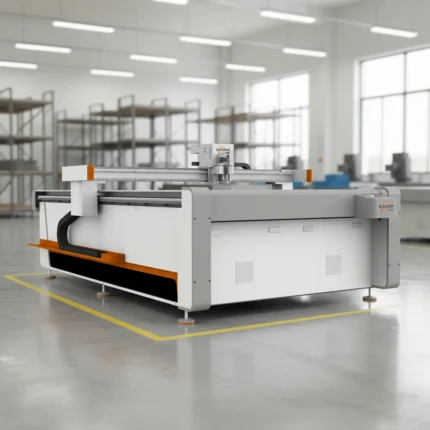
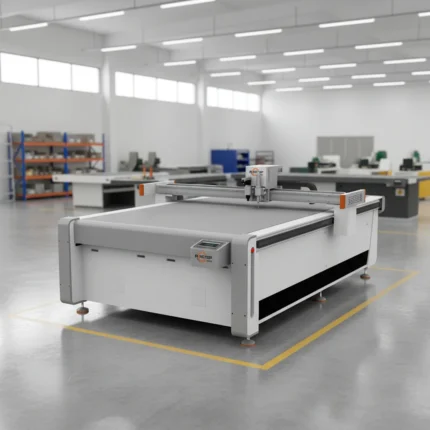
2026 Digital Flatbed Cutting Plotter Auto Corrugated Box Die Cutter
Product Introduction
Digital Flatbed Cutting Plotter 2026, ideal for auto corrugated box die cutting, offering precision and efficiency for professional packaging production.Specifications
| Type | Digital Flatbed Cutting Plotter |
| Model | 2026 |
| Application | Auto Corrugated Box Die Cutting |
| Function | Precision Cutting & Plotting |
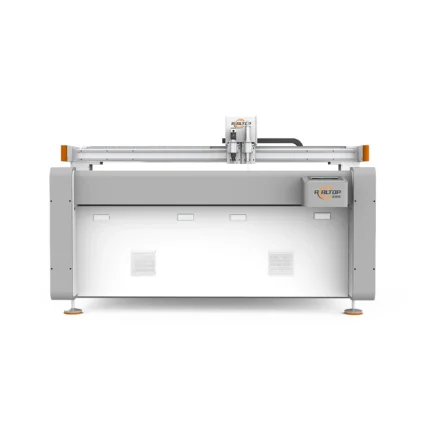
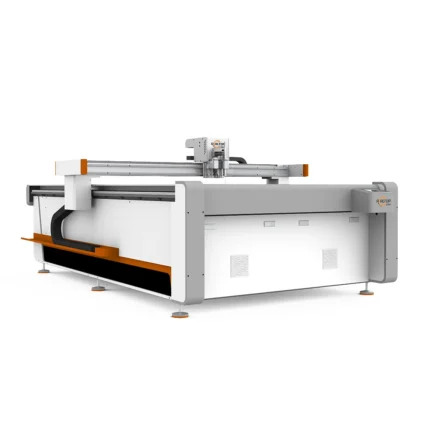
Automation CNC Pizza Box Machine 2026 Rotary Die Cutting
Product Parameters
| Type | Automation CNC Pizza Box Machine |
| Model Year | 2026 |
| Cutting Technology | Rotary Die Cutting |
| Operation | Automated CNC Control |
Introduction
This 2026 Automation CNC Pizza Box Machine features advanced rotary die cutting technology, ensuring precise and efficient pizza box production. With automated CNC control, it offers high productivity and accuracy for professional manufacturing needs.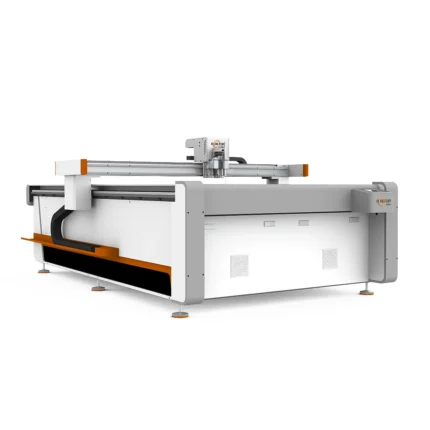
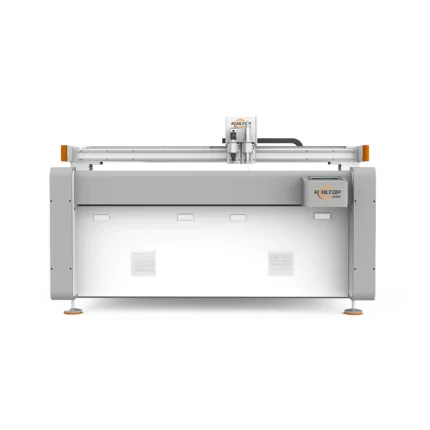
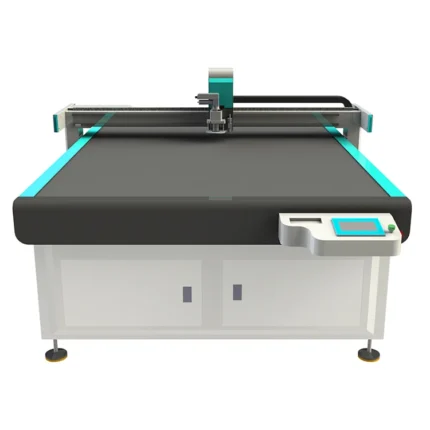
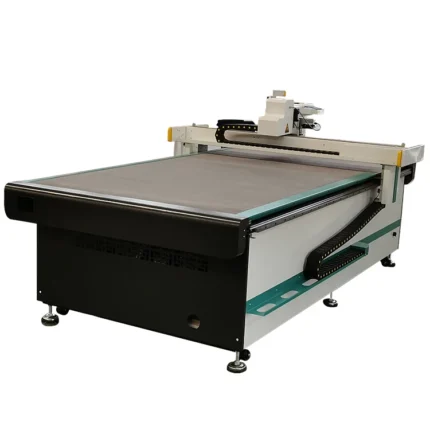
CNC Flatbed Cutter 2026 Digital Corrugated Box Making Machine
Product Introduction
High-precision CNC flatbed cutter designed for efficient cardboard box production. Ideal for 2026 digital corrugated box manufacturing, offering precise cutting and reliable performance for professional packaging solutions.
Key Specifications
| Type | CNC Flatbed Cutter |
| Application | Cardboard Box Production |
| Technology | 2026 Digital System |
| Material | Corrugated Board |
CNC Oscillating Knife Cutting Machine 2026 for Corrugated Cardboard & Honeycomb
Product Introduction
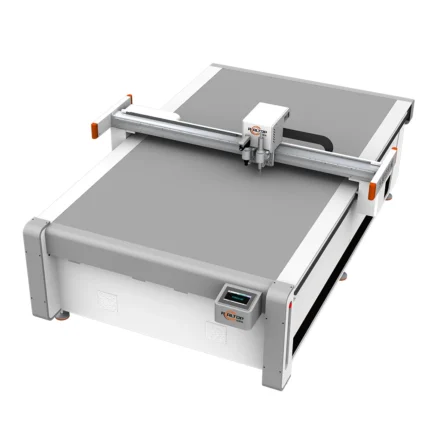
2026 CNC Oscillating Knife Cutting Machine, ideal for corrugated cardboard and honeycomb materials, offering precise and efficient cutting solutions for your production needs.Specifications
| Model | 2026 |
| Type | CNC Oscillating Knife Cutting Machine |
| Applicable Materials | Corrugated Cardboard, Honeycomb |
| Cutting Method | Oscillating Knife |
CNC Vibrating Knife Cutter 2026 Custom Cartons Packaging
Product Introduction
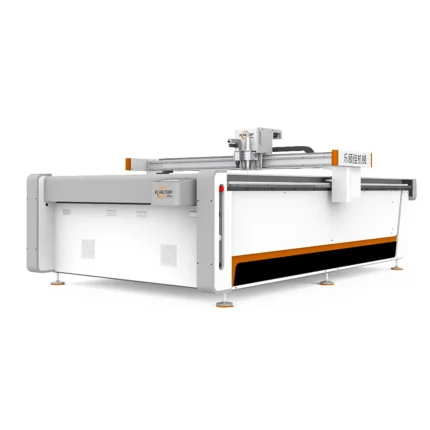
CNC Vibrating Knife Cutter 2026 is ideal for custom cartons & packaging, offering precise cutting solutions for various materials. Engineered by a leading Chinese welding & cutting equipment manufacturer, it ensures efficiency and accuracy for packaging production needs.Key Specifications
| Model | 2026 |
| Type | CNC Vibrating Knife Cutter |
| Application | Custom Cartons & Packaging |
| Manufacturer | Chinese Leading Factory |

REALTOP 2026 Digital Industrial Cardboard Box Cutter
Product Introduction
REALTOP Digital Industrial Cardboard Box Cutter Machine 2026 is a professional industrial-grade cutting equipment designed for efficient cardboard box processing, ideal for manufacturing and packaging applications.
Product Parameters
| Model | 2026 |
| Type | Digital Industrial Cardboard Box Cutter |
| Application | Cardboard Box Processing |
| Feature | Industrial-grade, Efficient Cutting |
商品评价
There are no reviews yet.