



CNC Leather Cutter with Auto-Adjust Blade – Laser Cutting and Engraving
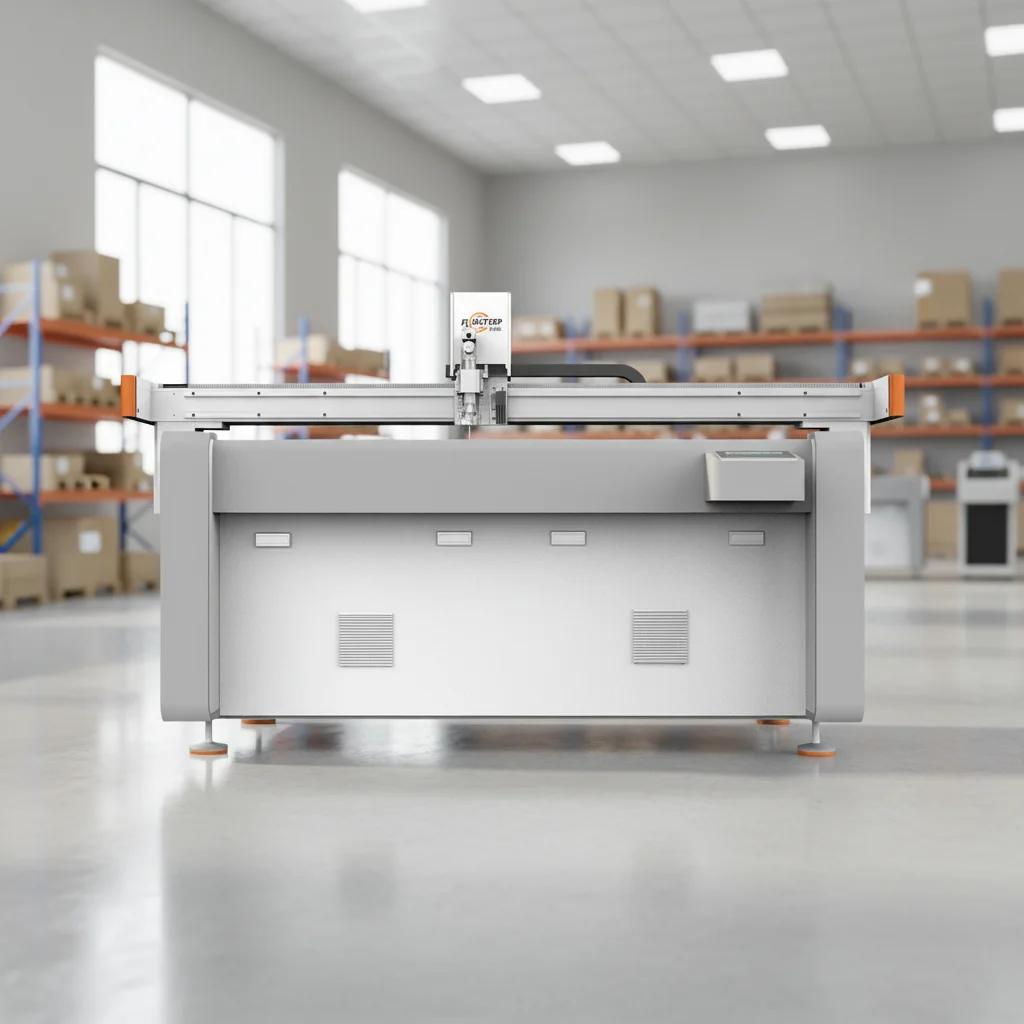
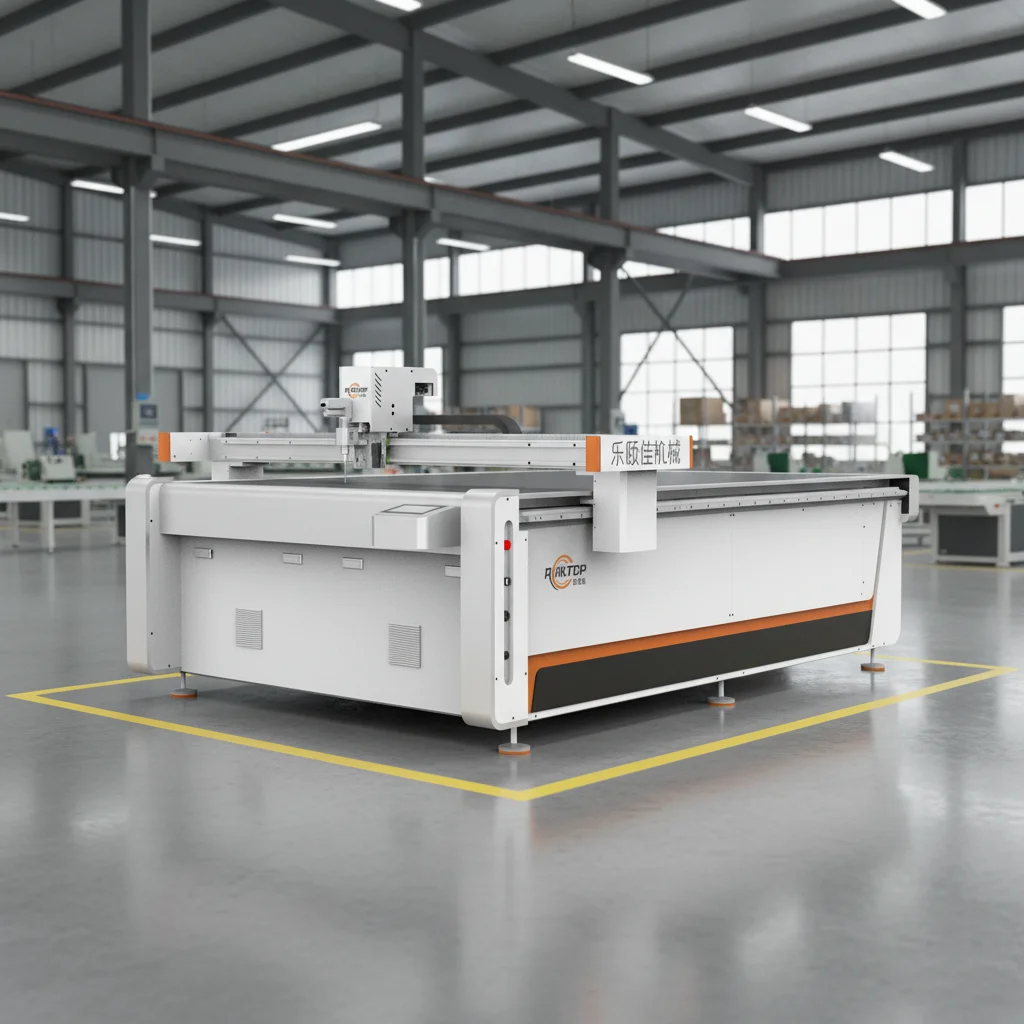
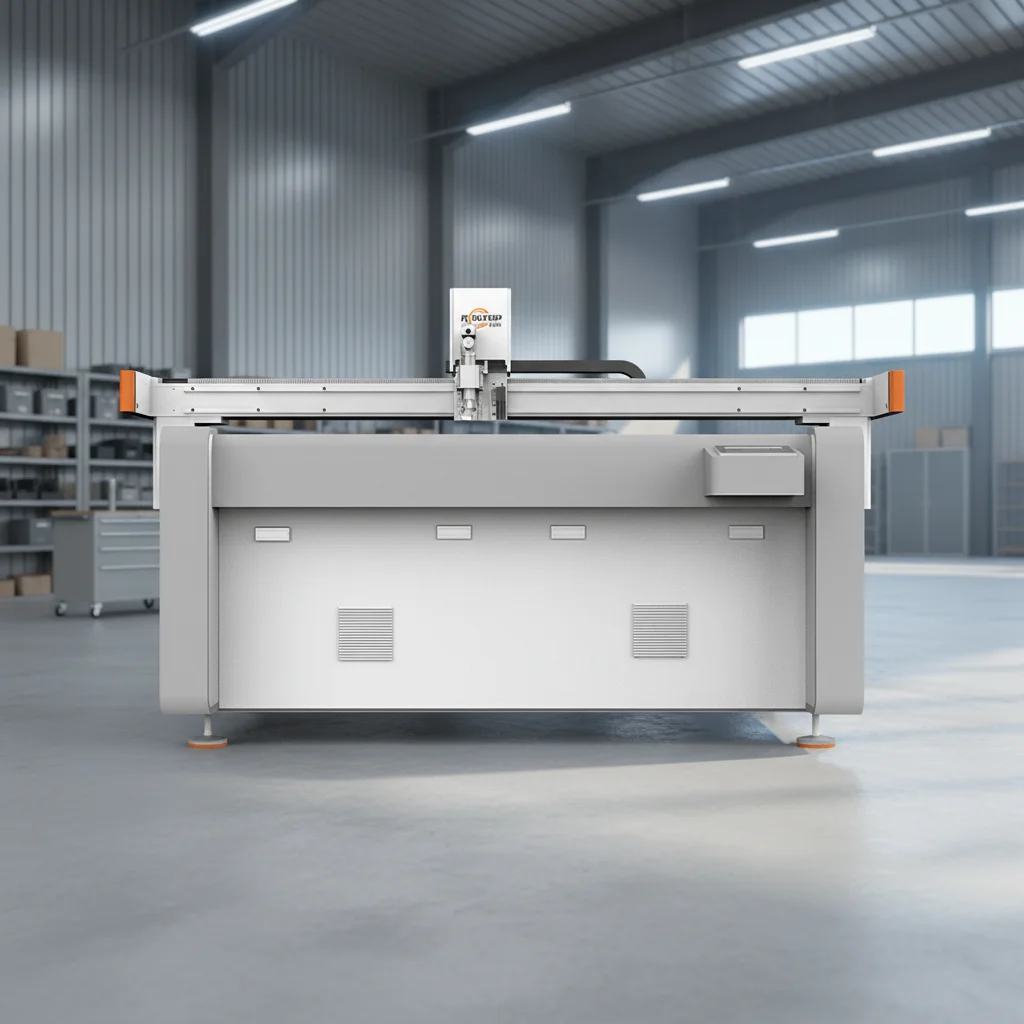
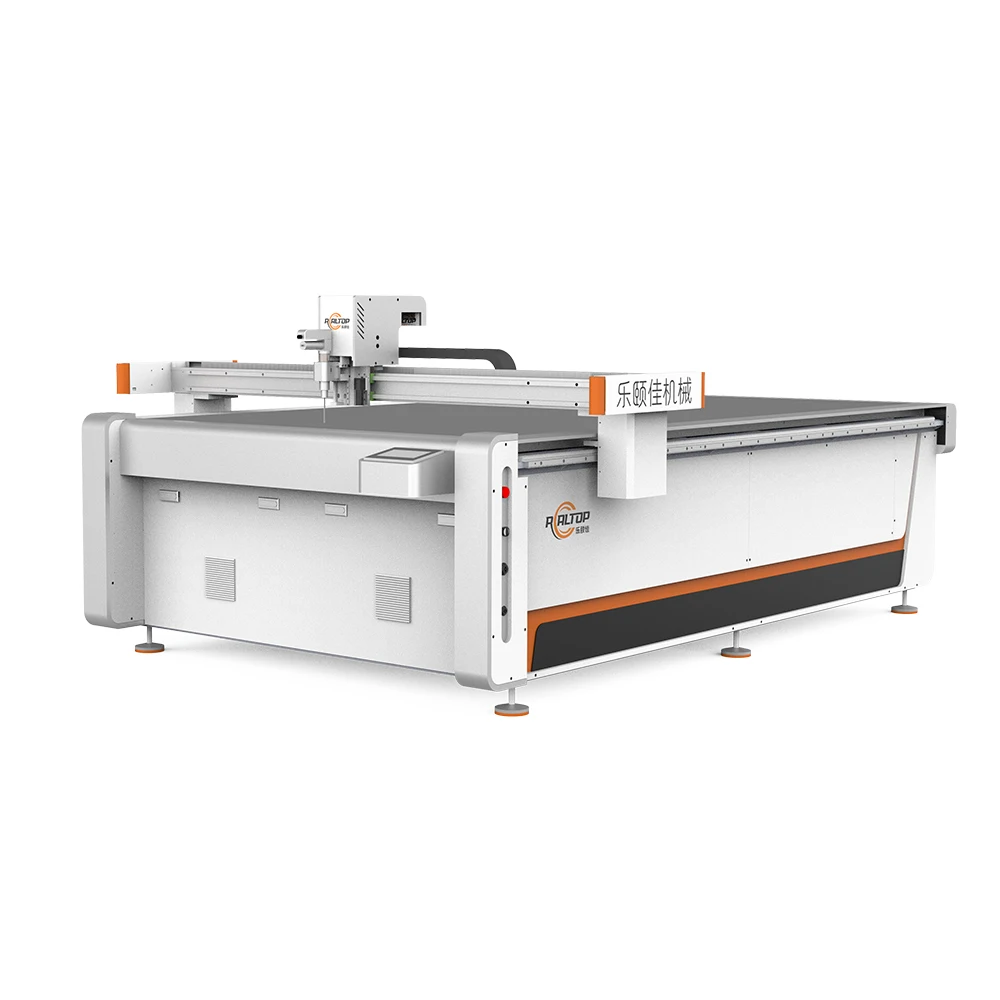
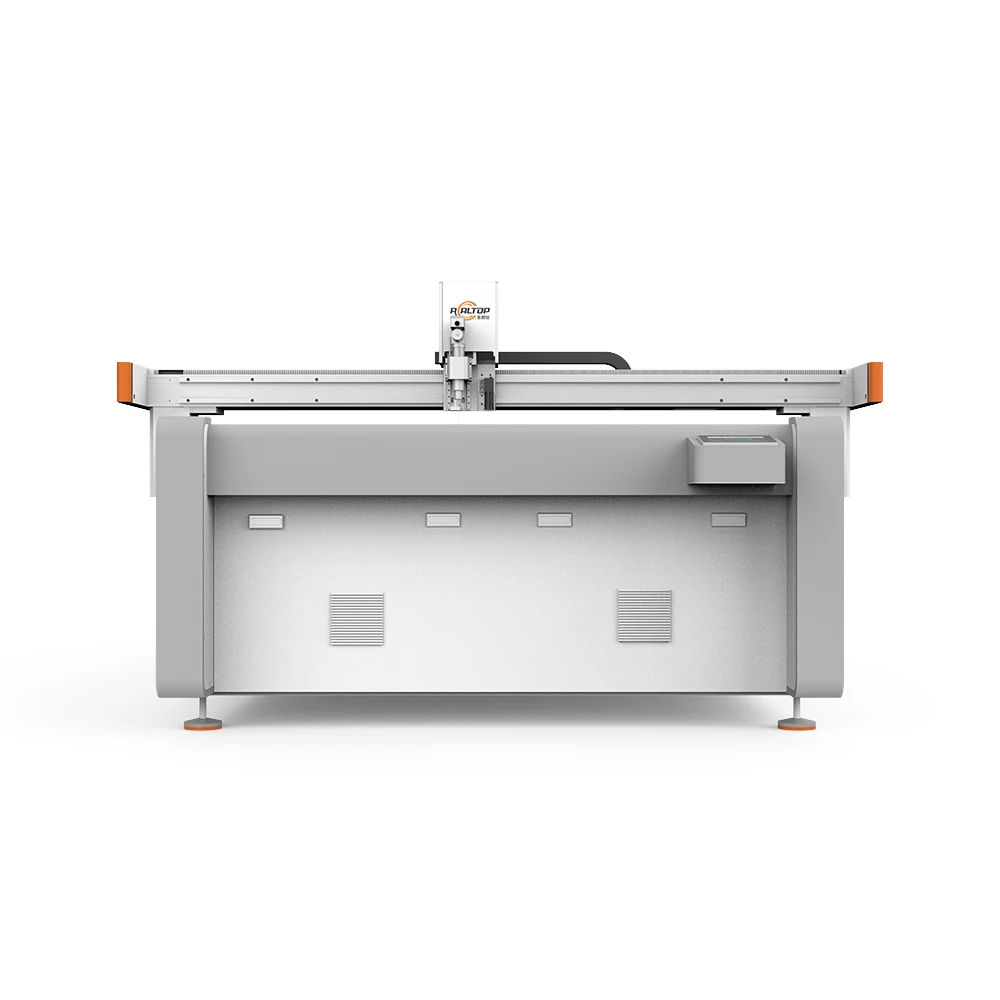
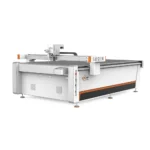
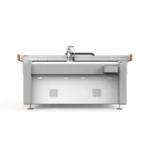
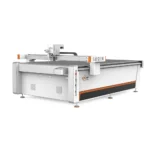
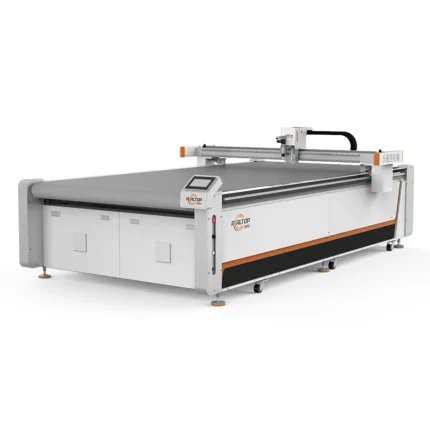
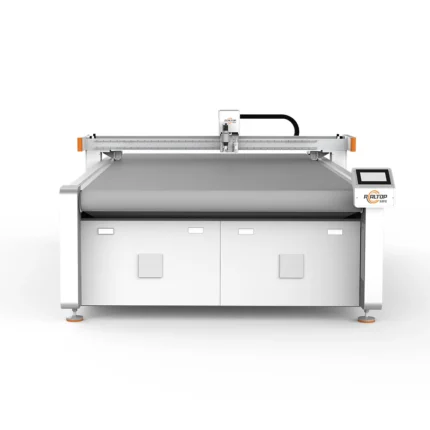
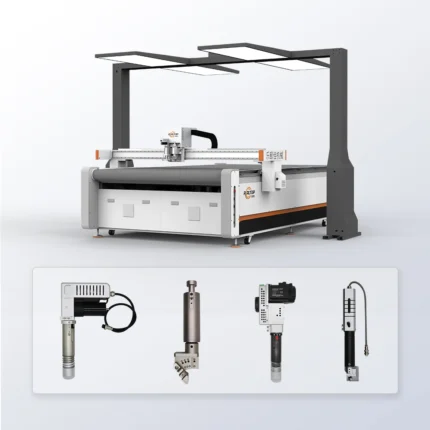
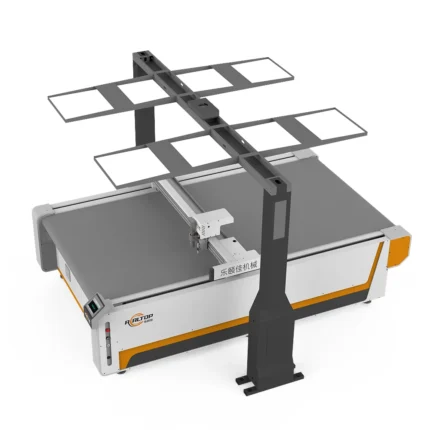
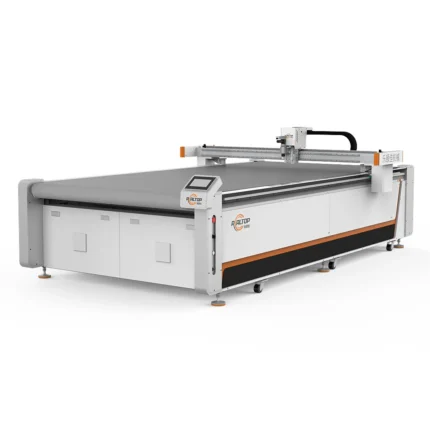
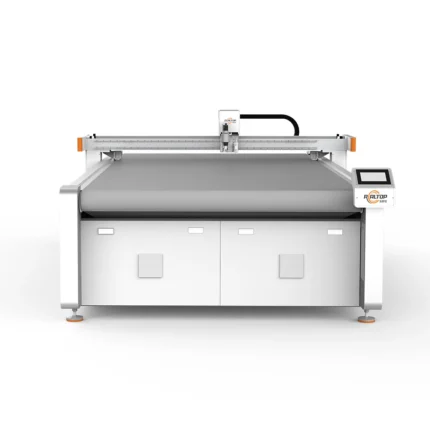
CNC Oscillating Knife Cutting Machine for Leather, 1600×2500 mm working area, ±0.1 mm cutting accuracy, up to 30 mm thickness — configured with seven interchangeable tool heads including oscillating knife, driven rotary knife and V groove knife for leather, fabric and composite processing.
- CCD camera contour recognition with auto-nesting handles printed grain patterns on genuine leather at production speed
- Aluminum bellows vacuum table paired with 9 kW pump ensures full-surface hold-down across small and large parts
- PLC control supports PLT, DXF, AI, PDF file import with multi-language interface options
Sample cutting on your own leather or composite material confirms tool head selection, edge quality and nesting workflow before commitment.
Material-Specific Configuration — Every tool head, vacuum zone and CCD setting is matched to the buyer’s actual leather sample before the machine ships, rather than relying on generic defaults.
Technical Specifications
| Parameter | Value |
|---|---|
| Product Type | CNC Oscillating Knife Cutting Machine for Leather |
| Working Area | 1600 × 2500 mm |
| Tool Head Options | Oscillating knife, driven rotary knife, creasing wheel, kiss cutting tool, pneumatic knife, milling tool, V groove knife |
| Cutting Speed | 0–2000 mm/s |
| Cutting Thickness | Up to 30 mm (basis not stated in source — depends on material density and layer structure) |
| Cutting Accuracy | ±0.1 mm |
| Vacuum Pump Power | 9 kW |
| Vacuum Table | Aluminum bellows vacuum table with high flatness and seal |
| Control System | PLC control panel with intuitive interface |
| Servo Drive Options | Panasonic, Delta, Dorna |
| CCD Camera | Camera-based contour recognition with auto-nesting system and defect detection |
| File Format Compatibility | PLT, DXF, AI, PDF |
| Safety Devices | Infrared sensor device and emergency stop |
| Voltage Options | 110V / 220V / 380V (frequency to be confirmed per market) |
| Software Language Options | English, Russian, Italian, Chinese (custom languages available) |
| Machine Dimensions (L×W×H) | 3300 × 2100 × 1350 mm |
| Standards | CE (declaration where applicable) |
Application Suitability
| Application | Material or Output |
|---|---|
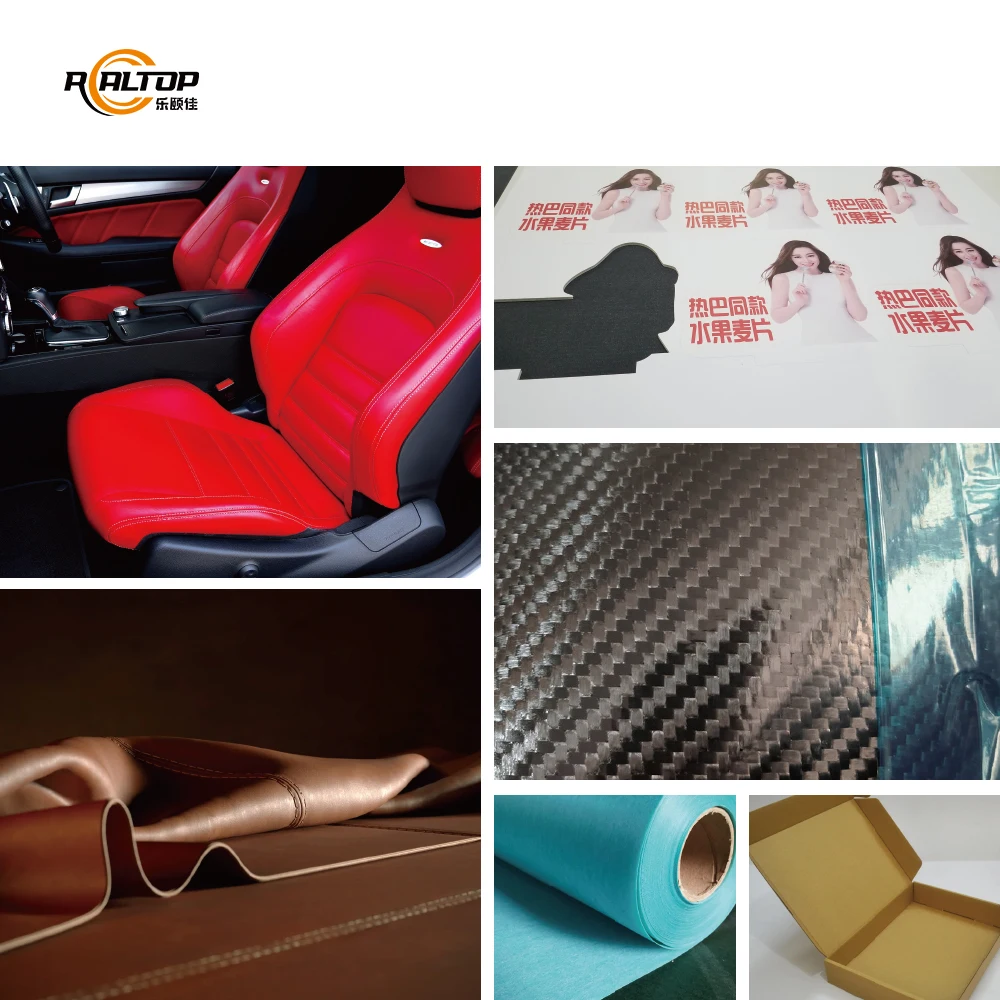
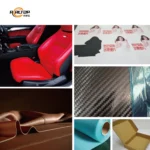
| Leather goods production | Genuine leather shoe uppers, handbag panels, belts and accessories with contour and grain recognition |
| Automotive interiors | Leather and composite seat covers, car mats and door trim components |
| Textile and apparel | Sofa fabrics, patterned textile rolls, multi-layer garment panels |
| Advertising and packaging | Foam boards, adhesive stickers, vehicle wraps, PVC sheets, printed carton samples |
| Home furnishings | Soft furniture composites, lampshade fabrics, decorative panels |
| Specialized materials | Printed fabrics, composite insulation panels, EPE foam, gasket materials |
Why Specified Cutting Depth Matters More Than the Quoted Speed
The real constraint is what the blade meets at full stroke, not what the brochure lists at idle travel.
I have seen buyers compare machines on cutting speed alone, only to discover the listed 2000 mm/s figure applies to thin synthetic leather on a single pass. When the material switches to layered automotive leather with a glass-fiber backing, the effective throughput changes dramatically because the tool head must slow down to maintain edge quality. The oscillating knife on this machine is configurable per material type, and the correct head selection is confirmed by cutting the buyer’s own sample before order placement [NEED_CITE: oscillating knife cutting speed versus material density in leather processing].
CO2 Laser Versus Knife — Picking the Right Process for Your Leather
Leather cutting is not a one-process decision. A CNC oscillating knife leather cutting machine for sale like this one handles thick natural leather, layered composites and synthetic materials without burning or discoloring the edges. That matters for shoe uppers and bag panels where edge appearance is part of the finished product.
CO2 laser, by contrast, seals synthetic edges and works well on thin textile rolls where a knife would drag the material. The decision between knife and laser depends on the leather type, thickness and whether the downstream process requires a clean sealed edge or a mechanically cut profile that accepts stitching and adhesive. Buyers working with both genuine leather and synthetic overlays can evaluate which process fits each product line before committing to a single machine.
CCD Camera Positioning on Printed and Patterned Leather
Contour recognition becomes critical when leather hides carry printed grain patterns or when synthetic leather arrives with pre-printed design markers. The CCD camera system on this cutter detects printed registration marks and adjusts the cutting path in real time, compensating for hide-to-hide variation in grain direction and usable area [NEED_CITE: camera-based registration accuracy on natural leather hides].
The auto-nesting function reads defect zones on genuine hides and rearranges the cut layout to avoid scars and thin spots. For automotive seat cover production, where each hide is unique, this reduces waste noticeably compared to static nesting programs that assume uniform material. The camera tracks marks at production speed, but the achievable speed depends on mark contrast and the complexity of the cut geometry.
Reading the Specs That Actually Determine Cut Quality
The 9 kW vacuum pump paired with the aluminum bellows table addresses a problem that shows up with small leather parts. Shoe upper components and bag hardware pieces can be smaller than a palm, and a vacuum table with insufficient zoning will let these parts lift during high-speed oscillating cuts. The bellows design creates a more even suction profile across the full 1600 × 2500 mm surface.
The seven available tool heads cover a wide material range, but each head serves a specific purpose. The oscillating knife handles thick leather and foam. The driven rotary knife works on continuous textile rolls. The creasing wheel scores fold lines on packaging samples and leather goods. Choosing the wrong head for the material produces ragged edges, crushed foam cores or incomplete kiss cuts on adhesive-backed leather.
Cutting accuracy of ±0.1 mm is relevant when leather pieces must align in assembly — think car seat panels that join at curved seams. The PLC control panel accepts PLT, DXF, AI and PDF files, meaning buyers can import existing patterns from design software without converting formats manually.
What Happens When the Tool Head Does Not Match the Material
A buyer cutting genuine leather with a backing layer specified the machine on working area and speed alone. The standard oscillating knife handled the top layer cleanly but struggled with the glass-fiber reinforced backing. Within days, the blade edge dulled, and cut edges began to fray. The fix was switching to a pneumatic knife head with higher downward force and a different blade geometry — but only after a production delay and a round of sample testing [NEED_CITE: tool head selection impact on coated leather edge quality].
Vacuum table zoning matters equally. When a buyer cuts large automotive seat panels alongside small gasket pieces on the same table, the vacuum must hold both sizes without movement. Insufficient zoning causes small parts to shift, producing dimensional errors that show up only during assembly.
Why Sourcing Through This Channel Works
In-house design covers both knife and laser cutting systems, so a buyer processing leather and synthetic composites can evaluate both methods against their actual material before committing.
Tool head and table configuration is specified per material type, thickness and production volume — not sold as a standard package that forces the buyer to adapt.
CCD camera positioning parameters are tested on the buyer’s printed or patterned leather samples, confirming mark detection at target production speed.
Voltage, plug type, control language and software file compatibility are confirmed in writing before the machine enters production.
Every machine ships with a sample cutting report produced on the buyer’s own leather, documenting cut quality, edge finish and recommended parameters.
Documentation & Verification
- Factory test record run on your specific leather thickness and type before dispatch
- Electrical schematic with confirmed voltage, frequency and plug type for your market
- Tool head configuration list matched to each material in your production range
- Sample cutting report showing edge quality and dimensional accuracy on your leather sample
- Software licence and file format compatibility note for PLT, DXF, AI, PDF workflows
- Spare parts list identifying blade types, vacuum seals and wear components with reorder codes
Installation, Commissioning & Support
- Foundation must support the 3300 × 2100 × 1350 mm footprint on a level concrete floor with no flex under the 9 kW vacuum pump vibration
- Dedicated electrical circuit matching confirmed voltage and frequency, sized for combined servo and vacuum pump draw
- Machine arrives partially assembled; table frame and gantry require on-site alignment and belt tensioning
- First-run parameter tuning covers oscillation frequency, vacuum zoning and CCD mark sensitivity on your leather stock
- Operator training covers tool head changeover, CCD calibration and PLC file import for all confirmed file formats
- Spare blade inventory sized to your daily volume and leather type, with reorder lead times documented
What to Include in Your Inquiry
Send samples of the leather and composite materials you actually run in production, including any coated or layered variants. Specify your local voltage, frequency and plug standard, and the control language your operators need. If your design team works in a specific nesting software, confirm the export file format so we can verify import compatibility before quoting.
Frequently Asked Questions
Q: How is the correct tool head selected for my leather type and thickness?
A: We run sample cuts on your actual leather using different heads from the seven available options. The oscillating knife works for most genuine leather, while thicker coated materials or glass-fiber backings may require the pneumatic knife. The selection is documented in your sample cutting report before you commit to an order.
Q: Can the CCD camera track printed marks at full production speed on patterned leather?
A: The camera detects registration marks and adjusts the cutting path for hide-to-hide variation. Achievable speed depends on mark contrast against the leather background and cut path complexity. We test this on your printed material and document the reliable tracking speed in the sample report.
Q: What voltage, frequency and plug configurations are confirmed before shipment?
A: Voltage options include 110V, 220V and 380V, with frequency and plug type confirmed in writing for your market. The electrical schematic ships with the machine showing the exact configuration installed. This prevents the mismatch that causes motor damage or control panel failure on arrival.
Q: Does the software import my existing DXF and AI nesting files?
A: The PLC control accepts PLT, DXF, AI and PDF formats. Before order, we run your actual design files through the nesting software to confirm layer recognition, cut path interpretation and auto-nesting behavior on your material. Any format conversion requirements are identified at this stage.
Q: Can I send my leather for a sample cut before placing the order?
A: Yes. Send your production leather samples including any coated, layered or printed variants. We cut them on the configured machine, document edge quality, dimensional accuracy and recommended parameters, and send the full sample cutting report with the quotation.


Related products
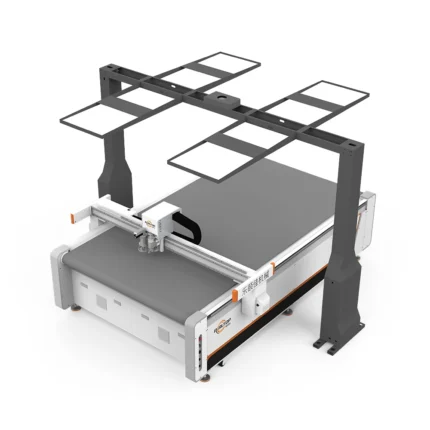
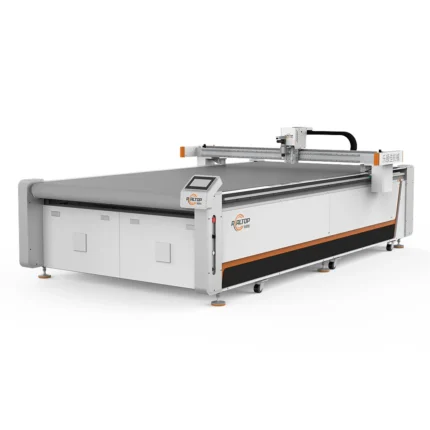
1625 CNC Oscillating Blade Cutter for Artificial Leather & Elastic Fabric
Product Introduction
1625 CNC Oscillating Blade Cutter, ideal for precise cutting of artificial leather and elastic fabric, offering efficient and accurate material processing for 2026 production needs.
Product Parameters
| Model | 1625 |
| Type | CNC Oscillating Blade Cutter |
| Applications | Artificial Leather, Elastic Fabric |
| Year | 2026 |
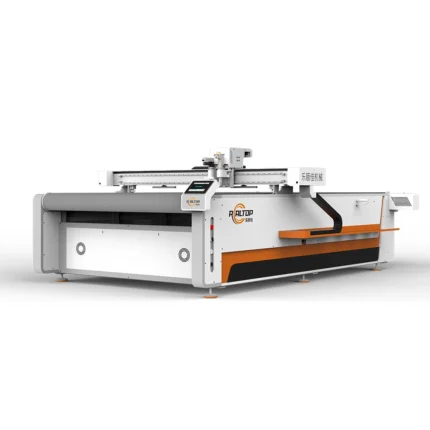
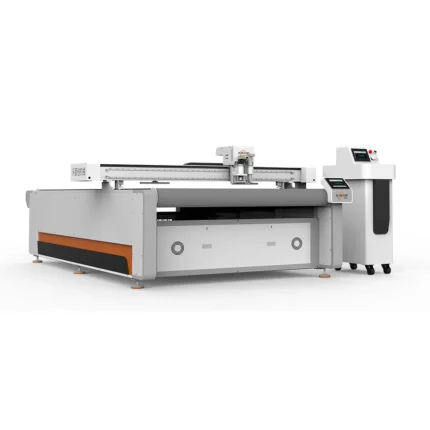
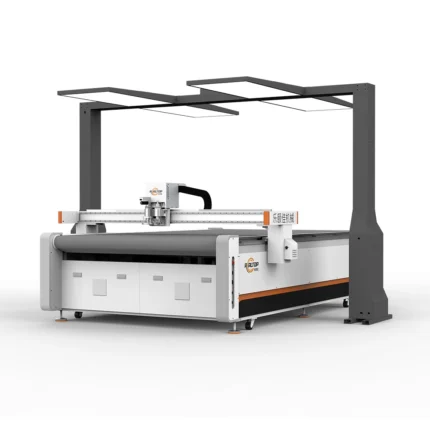
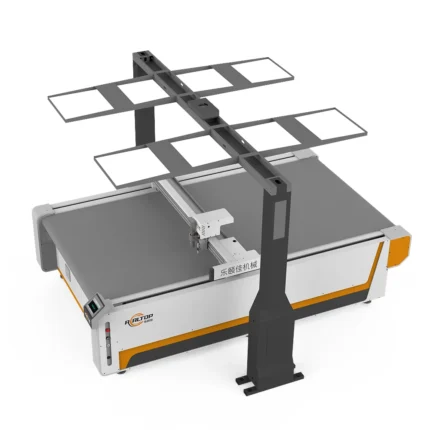
CNC Oscillating Knife Cutting Machine for Leather – Industrial Application
CNC Oscillating Knife Cutting Machine, 1600×2500mm Working Area, CCD Camera Positioning — configured with oscillating knife, driven rotary knife, and creasing wheel tool heads for precise leather and fabric cutting up to 30mm thick.
- Aluminum honeycomb vacuum table with zoning prevents small leather parts from lifting during high-speed cutting at 0-2000 mm/s
- CCD contour recognition tracks printed marks and natural leather grain boundaries for accurate nesting and material yield optimization
- Supports DXF, PLT, and AI file formats, integrating directly into existing pattern workflows
Sample cutting on buyer-supplied leather validates edge quality and tool head selection before order commitment.
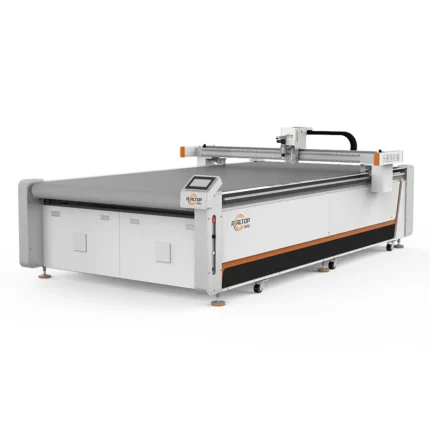
CNC Vibration Knife System 2026 Leather Cutting Machine
Product Introduction
Designed for precision leather cutting, the CNC Vibration Knife System 2026 delivers efficient and accurate cutting performance, ideal for leather processing applications.Key Specifications
| Model | CNC Vibration Knife System 2026 |
| Application | Leather Cutting |
| Cutting Technology | Vibration Knife |
| Precision | High Accuracy |
| Efficiency | Enhanced Productivity |

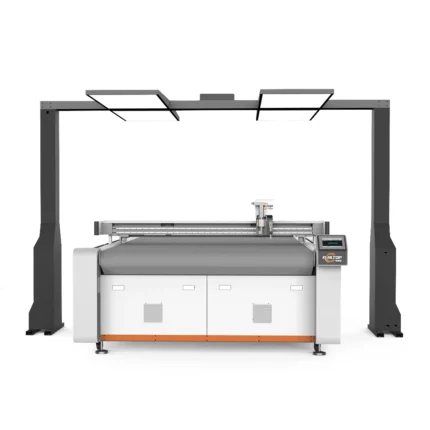
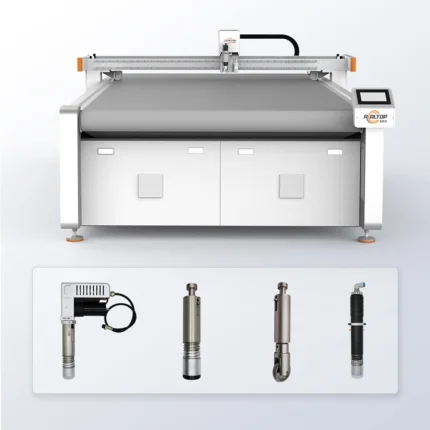
Realtop 2026 Leather CNC Oscillating Knife Cutter Camera
Product Introduction
Realtop Leather CNC Oscillating Knife Cutter with Camera ¨C 2026, ideal for precision leather cutting with advanced camera positioning. Efficient and reliable for professional manufacturing needs.
Key Specifications
| Type | CNC Oscillating Knife Cutter |
| Material | Leather |
| Feature | Built-in Camera |
| Model | 2026 |
商品评价
There are no reviews yet.