

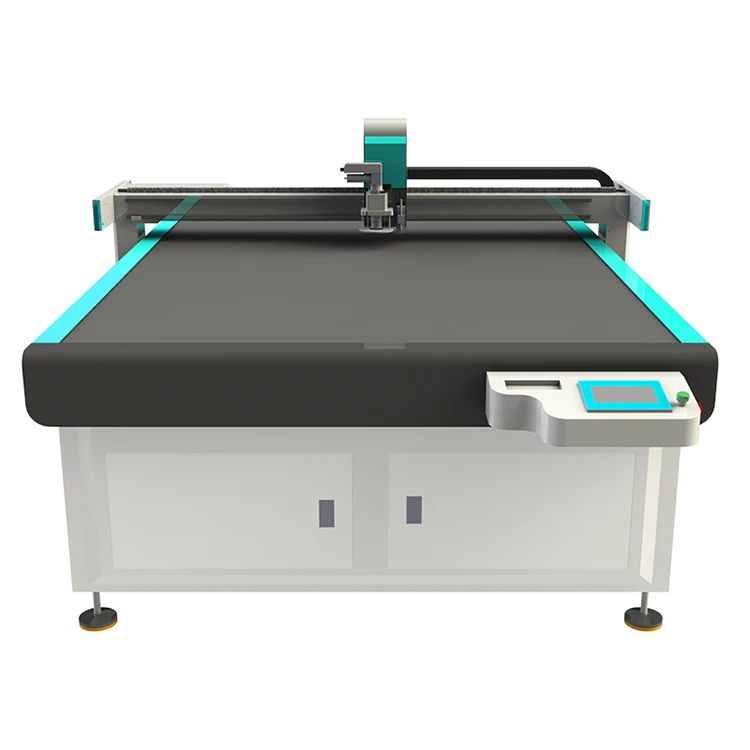
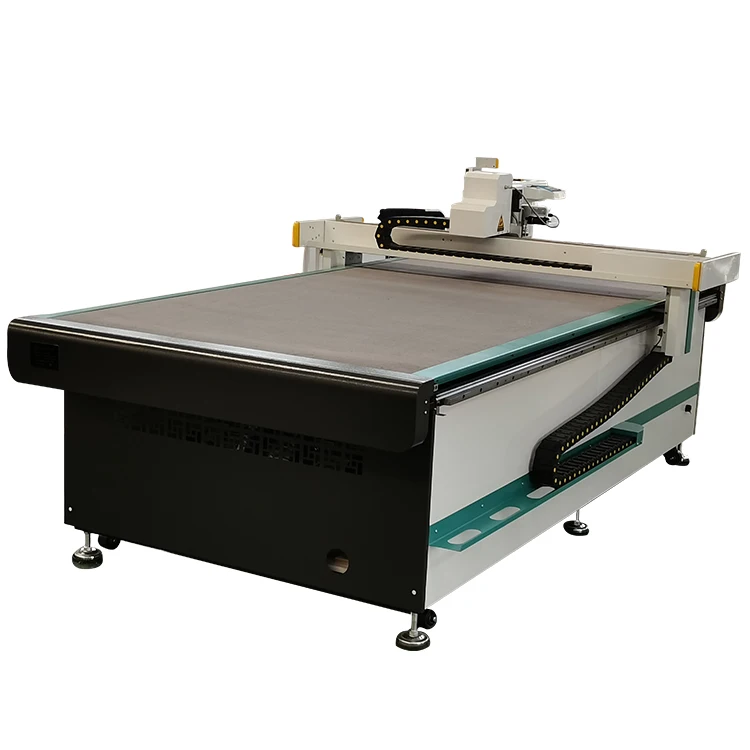
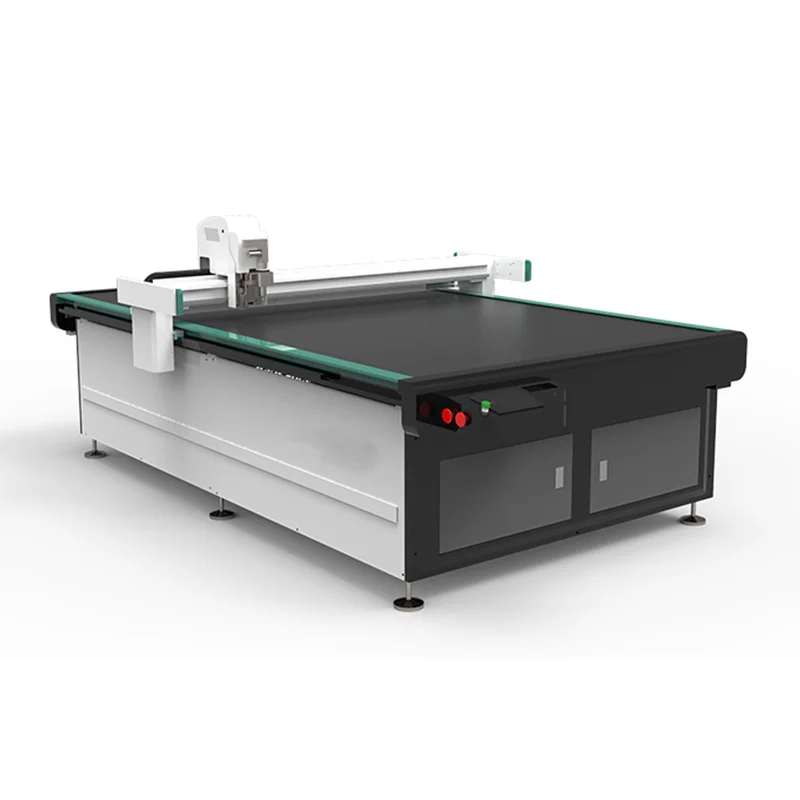
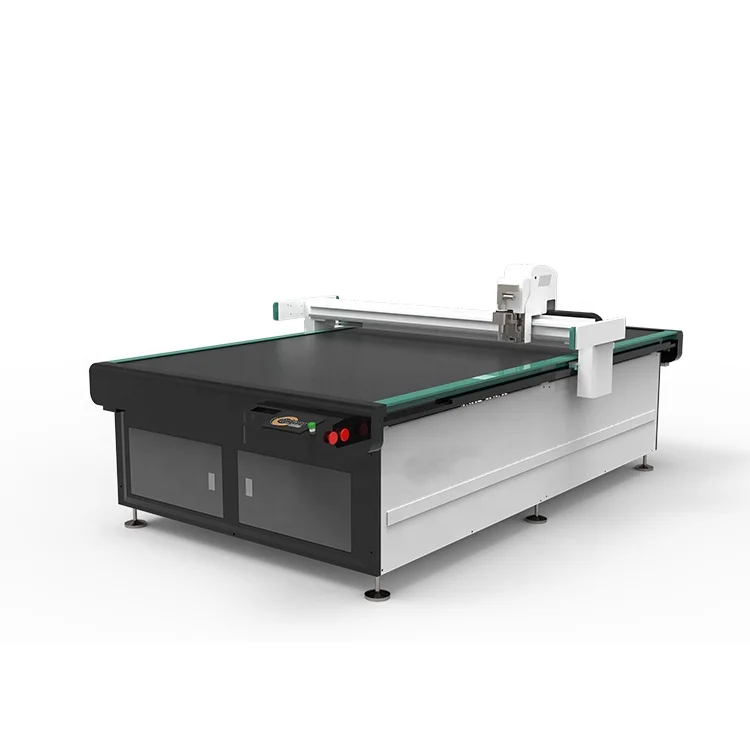
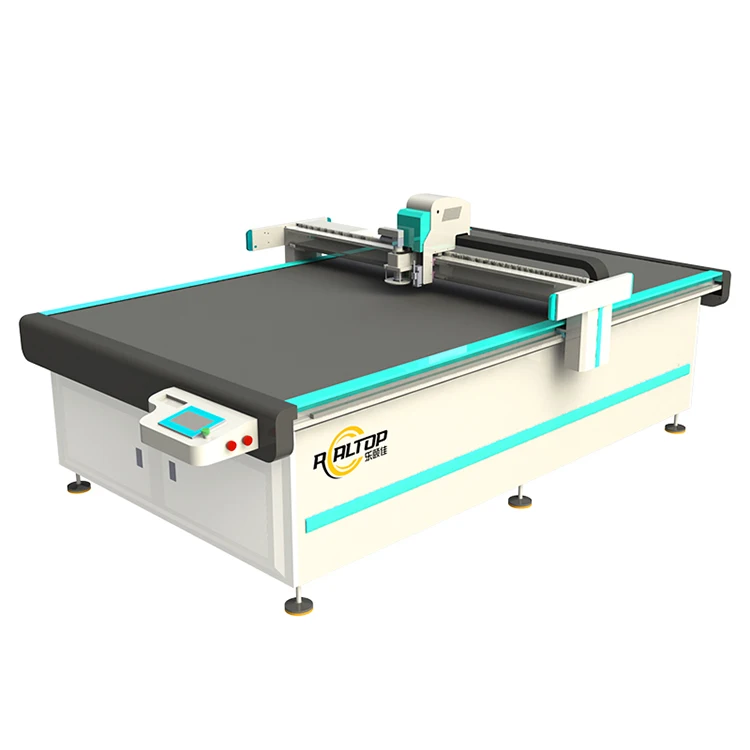
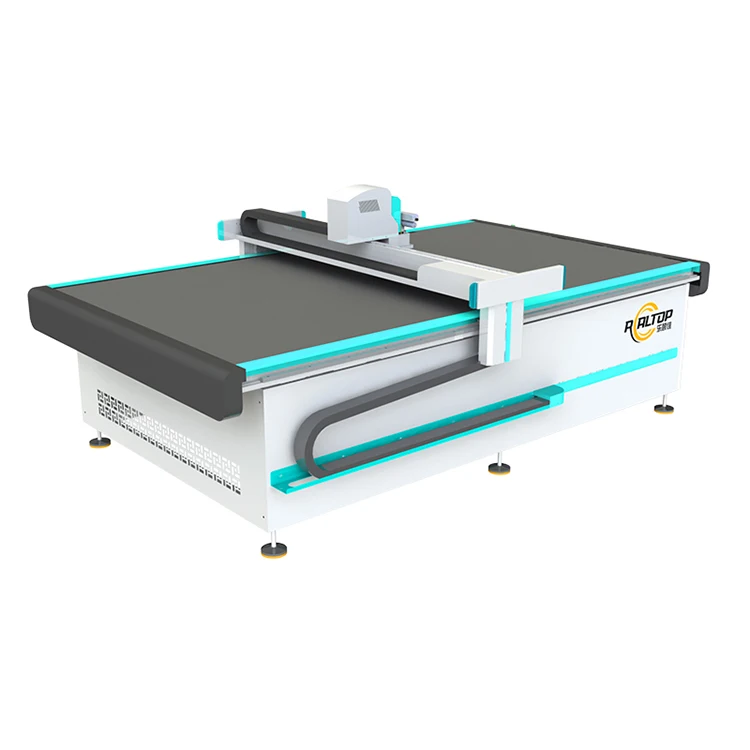
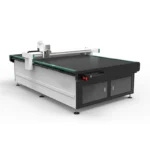
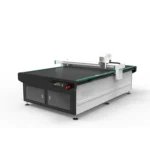
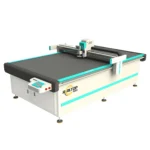
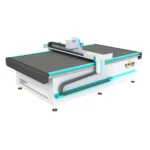
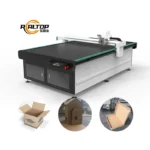
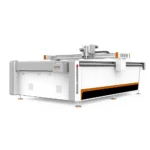
CNC Oscillating Knife Cutting Machine for Corrugated Cardboard & Honeycomb – OEM Available
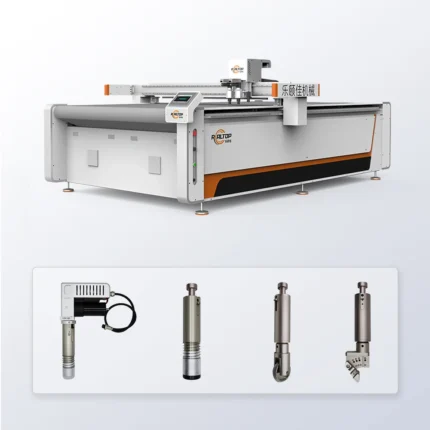
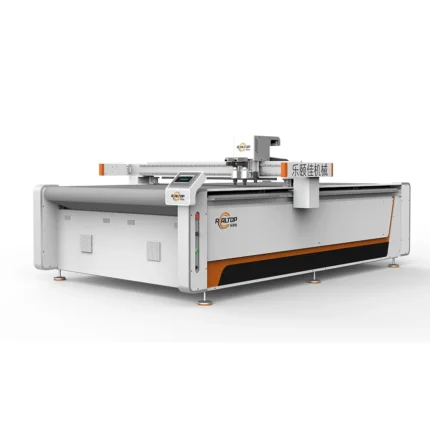
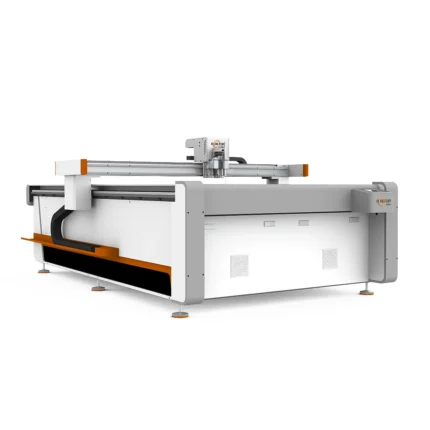
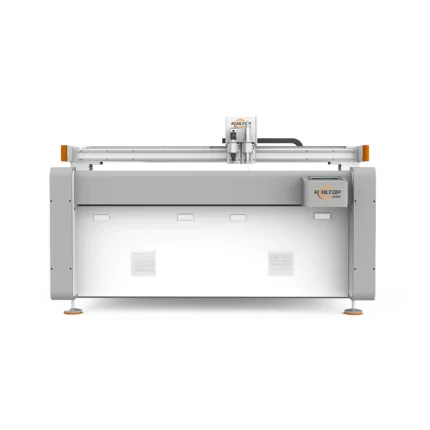
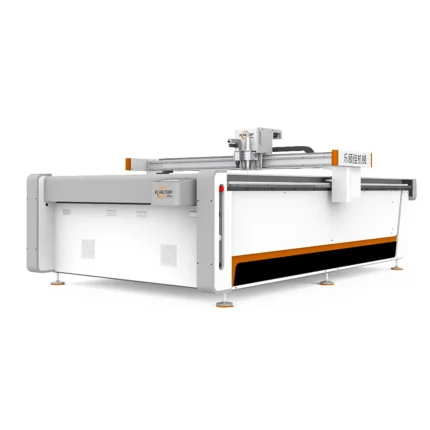
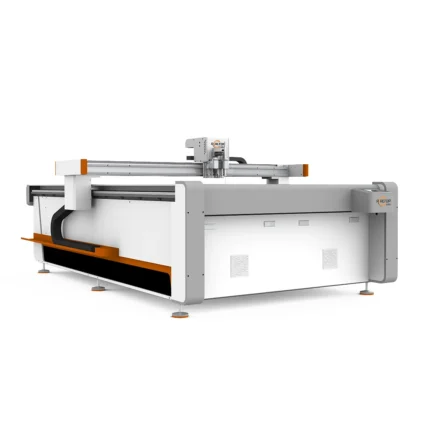
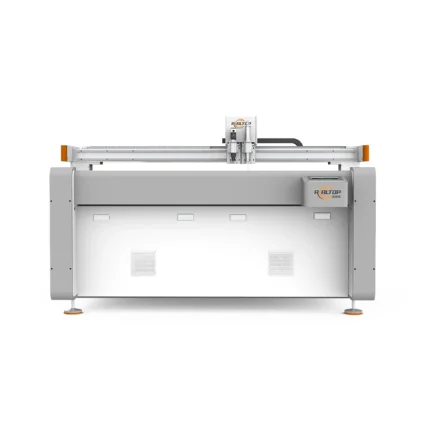
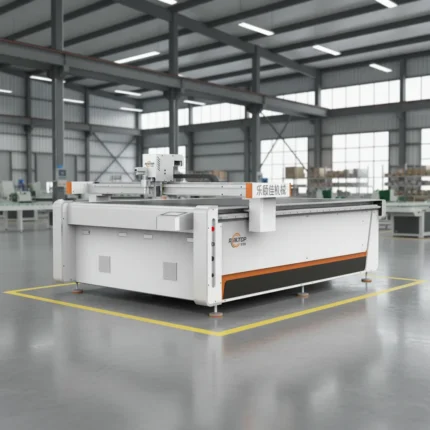
RT-D2516/RT-S2516 CNC Oscillating Knife Cutting Machine, 1600×2500mm Working Area, ≤100mm Cutting Thickness — engineered for corrugated cardboard, honeycomb board, and flexible packaging materials.
- Swiss imported knife head with vibration full-cut and half-cut functions handles through-cutting and kiss-cutting in one setup
- Aluminum honeycomb vacuum table with zoned follow-cutting adsorption keeps small parts flat during high-speed operation
- Taiwan Delta servo motors and Hiwin linear guides deliver ≤0.1mm repeatability for precise crease and cut registration
Realtop matches the cutting method to your specific material rather than forcing one technology, with sample cutting on your own stock before commitment.
Matched Process to Material — we pair cutting method with actual sheet density rather than defaulting to a one-size machine, so your corrugated and honeycomb stock gets the tool head it needs.
Technical Specifications
| Parameter | Value |
|---|---|
| Model | RT-D2516/RT-S2516 |
| Product Type | CNC Oscillating Knife Cutting Machine |
| Working Area | 1600 × 2500 mm |
| Machine Dimensions | 3450 × 2300 × 1250 mm |
| Rated Power | 9 kW |
| Vacuum Pump | 7.5 kW |
| Table Type | Aluminum alloy honeycomb vacuum platform with zoned adsorption |
| Tool Head | Swiss imported oscillating knife with full-cut, half-cut, and cursor location |
| Translational Velocity | 800–2000 mm/s |
| Cutting Speed | 200–800 mm/s (varies with material) |
| Cutting Thickness | ≤100 mm (varies with material) |
| Repeated Accuracy | ≤0.1 mm |
| Transmission System | Digital servo motor, linear guide, synchronous belt, imported ball screw |
| Servo Motor | Taiwan Delta Servo Motors and Drivers |
| Guide Rail | Taiwan Hiwin rail |
| Instruction Format | HP-GL compatible |
| Voltage | 380V ±10% |
| Safety Device | Infrared sensors and emergency stop devices |
| Auto Feeding | Equipped |
| Language Options | English, Russian, Italian, Chinese; special languages customizable |
| Software | Professional carton nesting software included; supports multi-format import |
| CE | Certification implied in company scope (verify certificate details with supplier) |
Application Suitability
| Application | Material or Output |
|---|---|
| Corrugated box prototyping | Single, double, and triple-wall corrugated cardboard |
| Honeycomb board conversion | Paper honeycomb panels for protective packaging and pallets |
| Carton sample making | Folding carton stock, grey board, coated board |
| Sticker and label contour cutting | Vinyl, adhesive-backed film, label stock |
| Signage and billboard production | Foam board, corrugated plastic, PVC sheet |
| Flexible material cutting | Leather, sponge composite leather, silicon, rubber |
| Express and snack food packaging | Lightweight corrugated mailer boxes and food-grade cartons |
| High-end gift box packaging | Thick grey board, magnetic closure box components |
Why Board Flute Type Matters More Than Working Area When Choosing a CNC Oscillating Knife Cutting Machine Manufacturer
A working area figure alone will not tell you if the knife can handle your flute profile.
I have stood in packaging workshops where a machine looked right on paper — generous bed size, fast traverse speed — yet stalled every time the operator fed double-wall B/C flute through it. The oscillating knife simply could not punch the combined thickness cleanly, leaving crushed edges that ruined the crease line. That is because flute geometry and board density dictate cutting force far more than bed dimensions do. A CNC oscillating knife cutting machine manufacturer who only asks about your sheet size is missing half the conversation [NEED_CITE: typical flute profiles and combined board thickness in corrugated packaging]. You need the discussion to cover board grade, flute type, and whether the vacuum table can hold those specific panels flat without crushing them.
How Knife Oscillation Frequency Handles Corrugated and Honeycomb Layers
The Swiss imported knife head on the RT-D2516/RT-S2516 operates with high-frequency oscillation that slices through layered board rather than tearing it. Corrugated cardboard presents an alternating structure — flat liner, fluted medium, flat liner — and a drag knife would drag the flute apart. Oscillation cuts each layer independently, producing a clean edge even on double-wall stock up to the stated thickness capacity. The half-cut function lets operators score fold lines without penetrating the bottom liner, which is essential when producing folding carton samples where the outer surface must remain intact.
What Vacuum Zoning Actually Does for Small Packaging Parts
The aluminum alloy honeycomb vacuum platform uses zoned follow-cutting adsorption, meaning suction is concentrated under the cutting area rather than applied across the entire table at once. When cutting small carton components — think tuck flaps, locking tabs, or divider inserts — this zoning keeps those lightweight parts from lifting off the table during high-speed passes. Without it, a small corrugated piece will vibrate free mid-cut, producing a jagged edge or, worse, sending a scrap into the knife path. The 7.5 kW vacuum pump provides sufficient suction for heavy honeycomb panels, and the zoned logic keeps energy consumption proportional to the work being done [NEED_CITE: vacuum hold-down requirements for lightweight corrugated parts].
Reading the Specs That Dictate Your Daily Output
The ≤0.1 mm repeated accuracy, driven by Taiwan Delta servo motors and Hiwin linear guides, matters when you are cutting crease lines on printed packaging samples where registration must match a pre-printed design. If the crease lands even half a millimeter off the printed score, the folded box looks amateur. The translational velocity range of 800–2000 mm/s governs how quickly the head repositions between cuts, while actual cutting speed at 200–800 mm/s depends on material density — triple-wall honeycomb will push that figure toward the lower end, while sticker kiss-cutting sits at the upper range. The 9 kW rated power covers the servo drives, vacuum pump, and knife head actuator together. The HP-GL compatible instruction format means most CAD and packaging design software can export directly to the machine without an intermediate conversion step.
The Cost of Guessing the Wrong Tool Head for Packaging Work
I once visited a sticker producer who had bought a machine configured only for full-depth through-cutting. Every label job required kiss-cutting — slicing the vinyl layer while leaving the backing sheet intact — and the single knife head could not maintain that depth tolerance. The operator ended up running two passes at reduced depth, which doubled cycle time and still produced ragged edges where the blade wandered. A half-cut capable oscillating knife head solves this in a single pass. Similarly, a machine without zoned vacuum will consume full pump power holding a 2500 mm table when you are cutting a 300 mm label strip, and those small pieces will still drift [NEED_CITE: consequences of incorrect tool head selection on kiss-cut quality]. The result is material waste, rejected batches, and a machine that never runs at its rated speed.
Why Packaging Producers Source This Equipment From Realtop
The tool head and table configuration is specified per material and production volume — we do not ship a generic setup and hope it fits your board grade. In-house design covers both knife and laser cutting technologies, so a buyer evaluating corrugated work gets a knife recommendation based on actual cutting physics rather than a sales pitch pushing one product line. CCD camera positioning is available for printed contour work where the knife must track registration marks on pre-printed packaging sheets. Software compatibility is confirmed before the order is placed, so your existing CAD files import without conversion errors. Voltage, control language, and documentation are all customized to the destination market before the crate is sealed [NEED_CITE: export machinery voltage and language customization practices].
Documentation & Verification
- Machine specification sheet listing the exact tool head and table configuration matched to your board grade
- Electrical schematic confirming 380V ±10% wiring and servo drive ratings before dispatch
- Sample cutting report performed on your own corrugated or honeycomb material
- Software licence and file format compatibility note confirming HP-GL import paths
- Packing photographs showing vacuum table surface and knife head condition before crating
- Operation and maintenance manual in the control language you selected at order confirmation
Installation, Commissioning & Support
- Floor space of approximately 3450 × 2300 mm required, plus clearance for the auto-feeding conveyor
- Dedicated 380V ±10% circuit with capacity for the combined 9 kW machine and 7.5 kW vacuum pump load
- Machine ships with vacuum table and frame assembled; servo drives and knife head calibrated at factory
- First-run commissioning includes cutting your supplied corrugated and sticker samples to verify registration accuracy
- Operator training covers tool head changeover between full-cut and half-cut modes
- Spare parts list identifies oscillating knife blades, vacuum seals, and synchronous belt tension intervals
What to Share When You Request a Quotation
Tell us the exact board grades and flute profiles you run most often, along with typical sheet dimensions and whether you cut pre-printed stock that requires optical contour tracking. Share your local voltage and frequency standards so we can confirm the servo and vacuum pump wiring before production. If you have an existing CAD or nesting software workflow, send a sample file so we can verify format compatibility with the included carton nesting software.
Frequently Asked Questions
Q: How do I confirm the machine can cut my specific corrugated flute type?
A: Send us a sample of your board — we will run it on the RT-D2516/RT-S2516 at our facility and provide a cutting report showing edge quality, crease depth, and achievable cutting speed. This report lets you verify performance against your quality standards before committing to a purchase order.
Q: Which tool head setup handles both board cutting and sticker kiss-cutting?
A: The Swiss imported oscillating knife head supports both full-cut and half-cut modes in a single tool station. Full-cut handles through-cutting corrugated and honeycomb board, while half-cut scores fold lines and kiss-cuts sticker contours without penetrating the backing sheet.
Q: How does the vacuum table hold small packaging parts during high-speed cutting?
A: The aluminum honeycomb vacuum platform uses zoned follow-cutting adsorption, activating suction only in the area beneath the active cutting path. This prevents lightweight corrugated tabs and small carton components from lifting off the table, even at the upper end of the cutting speed range.
Q: Can I customize voltage and control language before shipment?
A: Yes. The default configuration is 380V ±10%, but voltage and plug type can be adapted to your local supply standard. Control interface language options include English, Russian, Italian, and Chinese, with additional languages available by special request confirmed at order stage.
Q: Is the carton nesting software compatible with my existing design files?
A: The included professional carton nesting software supports multiple file format imports and is compatible with HP-GL instruction output. We recommend sending a sample file from your current CAD system before order confirmation so we can verify import paths and nesting workflow compatibility.


Related products
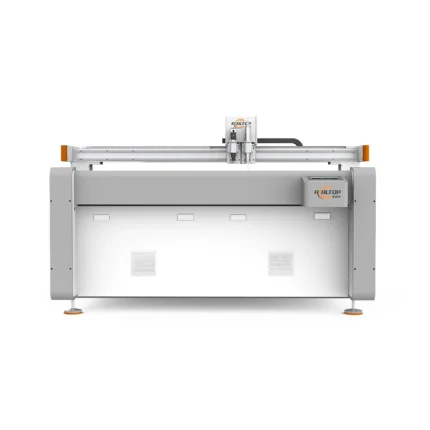
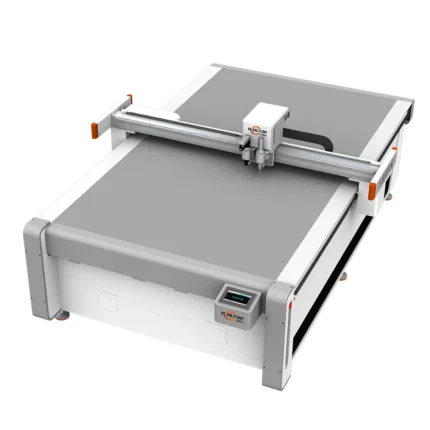
CNC Flatbed Cutter 2026 Digital Corrugated Box Making Machine
Product Introduction
High-precision CNC flatbed cutter designed for efficient cardboard box production. Ideal for 2026 digital corrugated box manufacturing, offering precise cutting and reliable performance for professional packaging solutions.
Key Specifications
| Type | CNC Flatbed Cutter |
| Application | Cardboard Box Production |
| Technology | 2026 Digital System |
| Material | Corrugated Board |

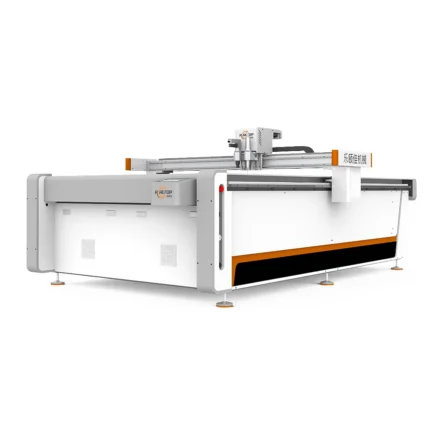
CNC Flatbed Oscillating Knife Cutting Machine 2026
Product Introduction
High-performance CNC Flatbed Oscillating Knife Cutting Machine 2026, ideal for precision cutting of various materials with advanced oscillating knife technology, ensuring efficient and accurate operations for industrial manufacturing needs.Specifications
| Model | 2026 |
| Type | CNC Flatbed Oscillating Knife Cutting Machine |
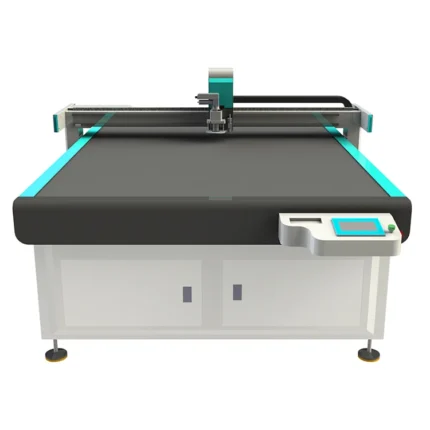
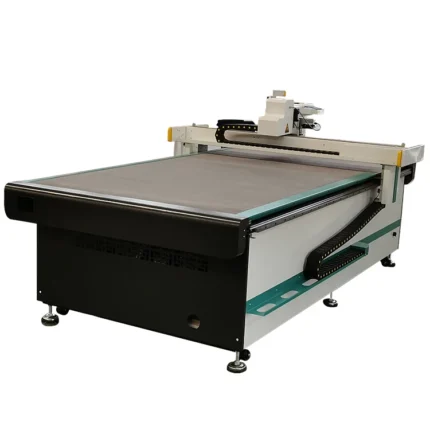
CNC Oscillating Knife Cutting Machine 2026 for Corrugated Cardboard & Honeycomb
Product Introduction
2026 CNC Oscillating Knife Cutting Machine, ideal for corrugated cardboard and honeycomb materials, offering precise and efficient cutting solutions for your production needs.Specifications
| Model | 2026 |
| Type | CNC Oscillating Knife Cutting Machine |
| Applicable Materials | Corrugated Cardboard, Honeycomb |
| Cutting Method | Oscillating Knife |
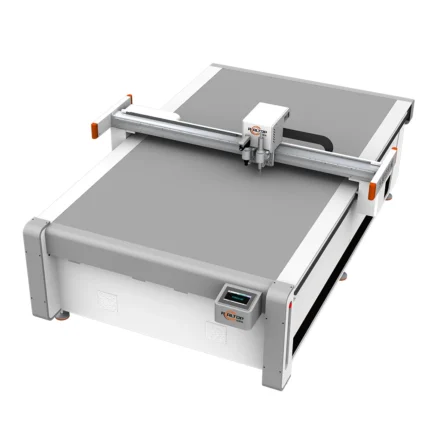
CNC Vibrating Knife Cutter 2026 Custom Cartons Packaging
Product Introduction
CNC Vibrating Knife Cutter 2026 is ideal for custom cartons & packaging, offering precise cutting solutions for various materials. Engineered by a leading Chinese welding & cutting equipment manufacturer, it ensures efficiency and accuracy for packaging production needs.Key Specifications
| Model | 2026 |
| Type | CNC Vibrating Knife Cutter |
| Application | Custom Cartons & Packaging |
| Manufacturer | Chinese Leading Factory |
Digital Box Cutter 2026 Oscillating Knife Cardboard Cutter
Product Parameters
| Model | Digital Box Cutter 2026 |
| Cutting Type | Oscillating Knife |
| Material | Corrugated Cardboard |
Introduction
Professional oscillating knife cutting machine for corrugated cardboard. Ideal for precise, efficient cutting in packaging production. Reliable performance from China's leading welding & cutting equipment manufacturer.
商品评价
There are no reviews yet.