







CNC Oscillating Knife Cutting Machine for Nonwoven Isolation Clothing – Industrial Application
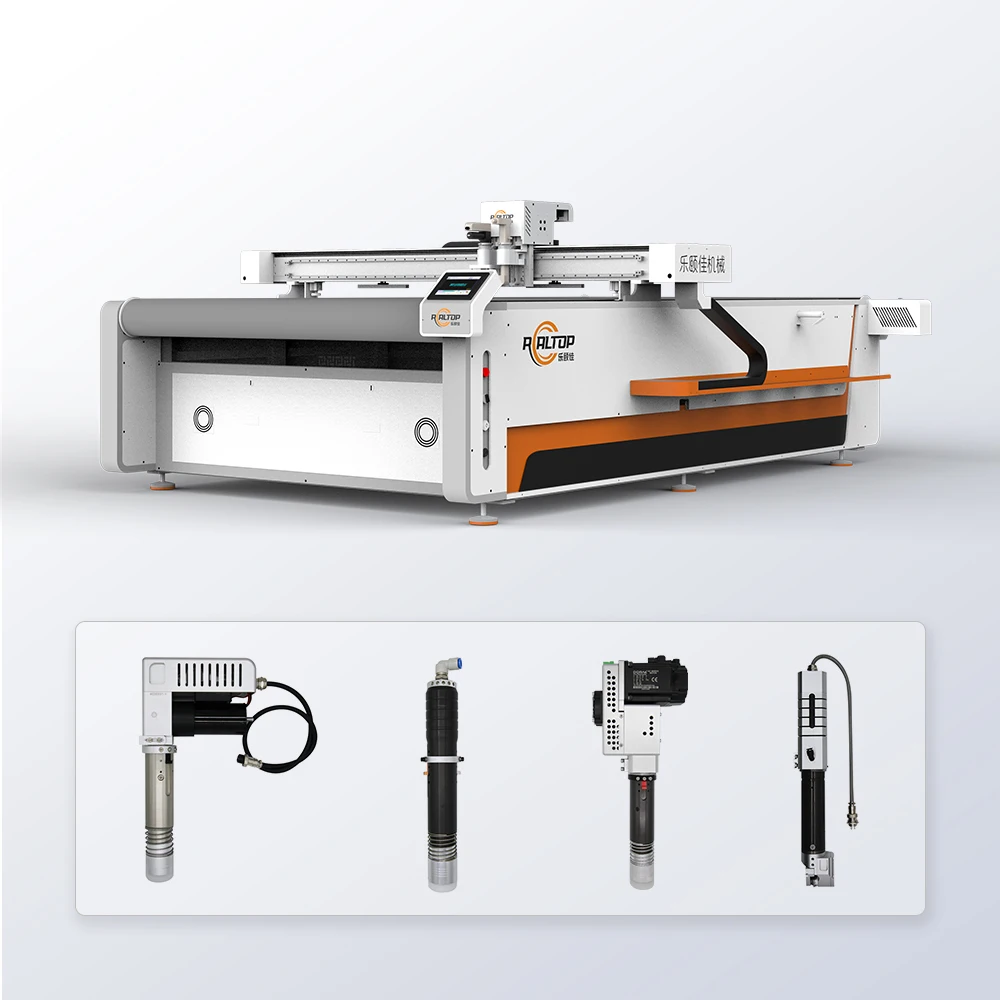
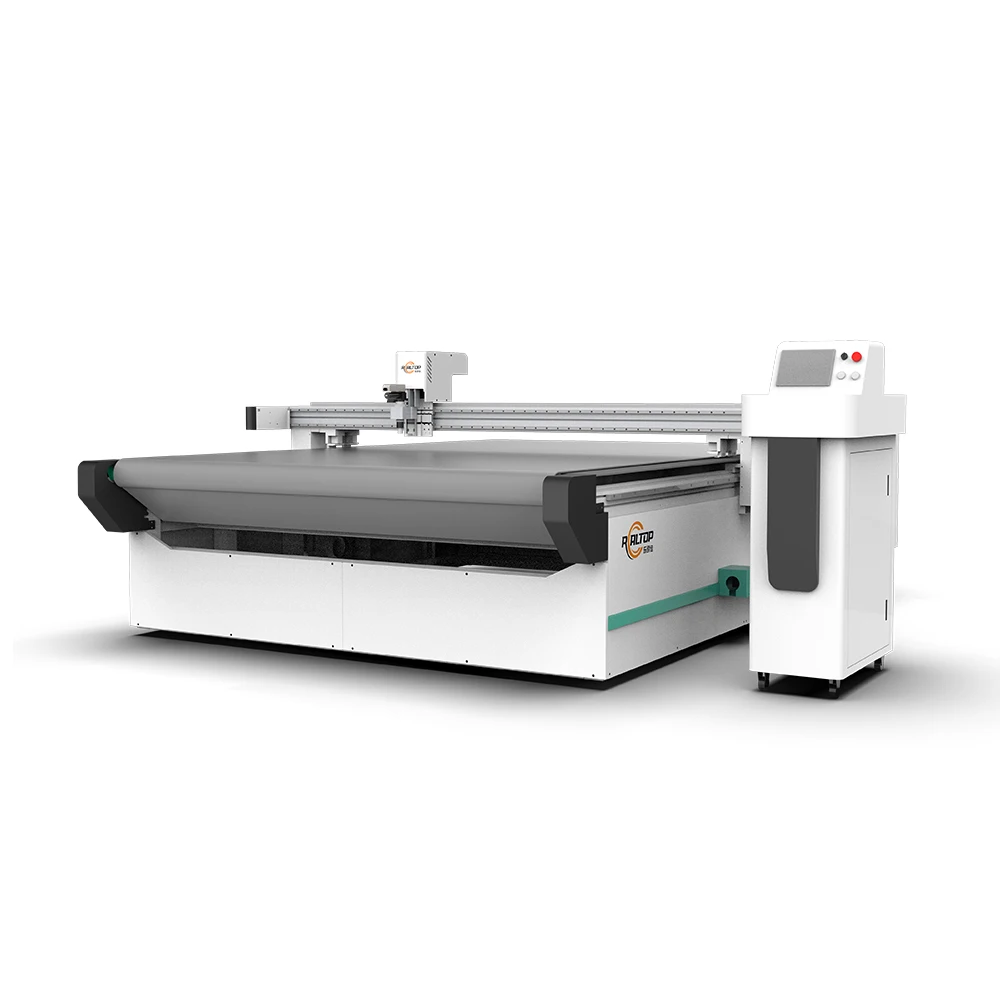
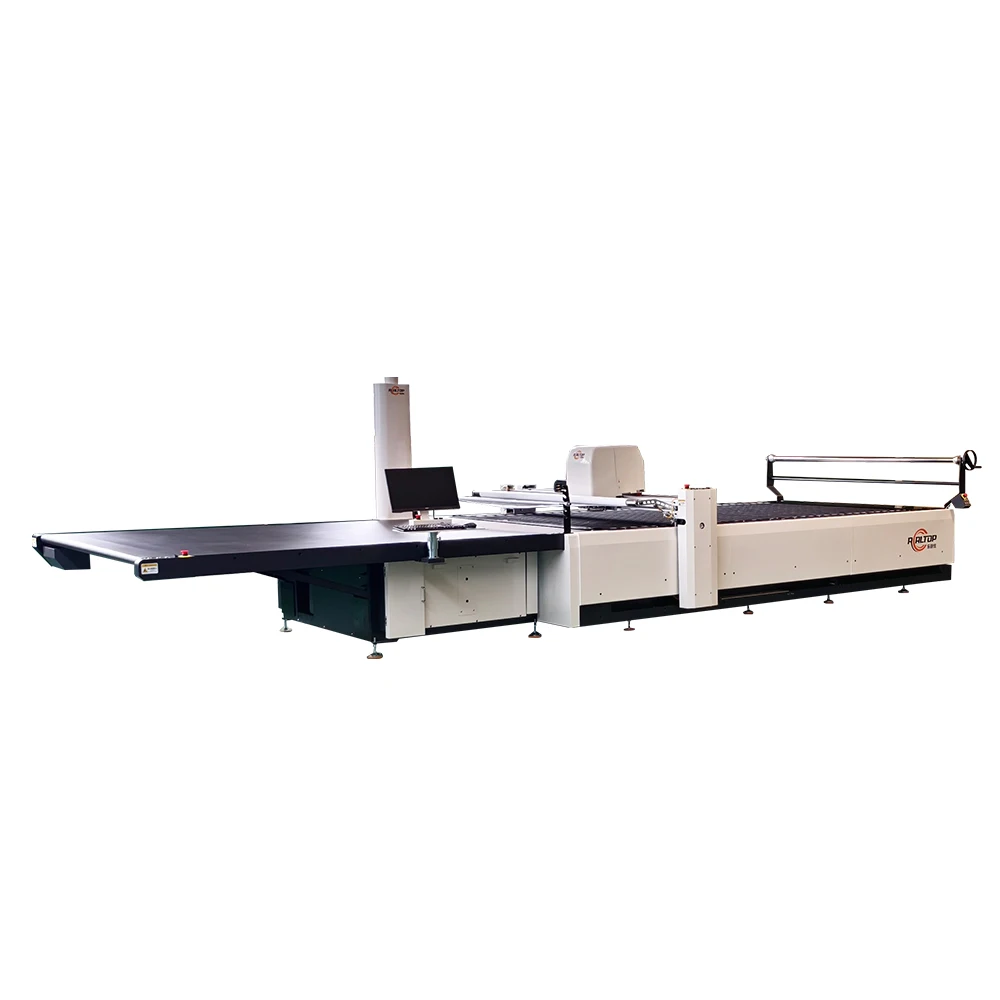
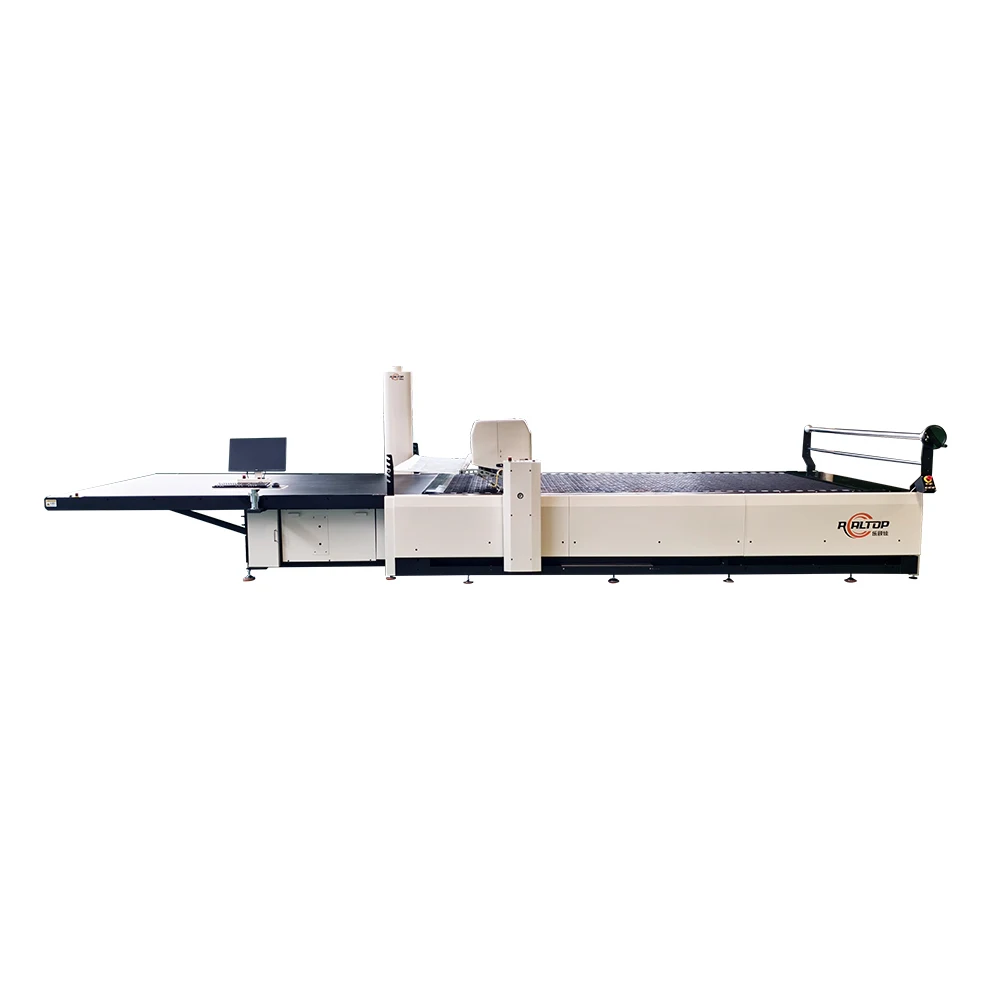
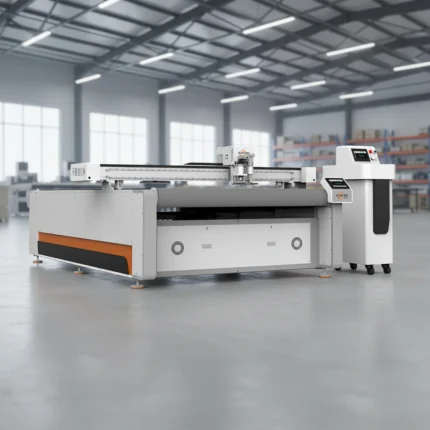
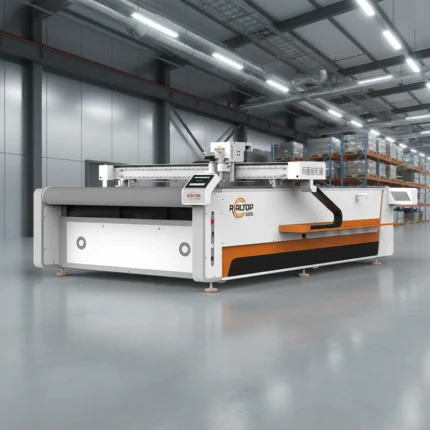
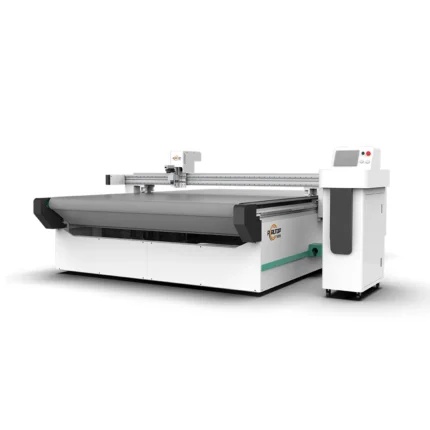
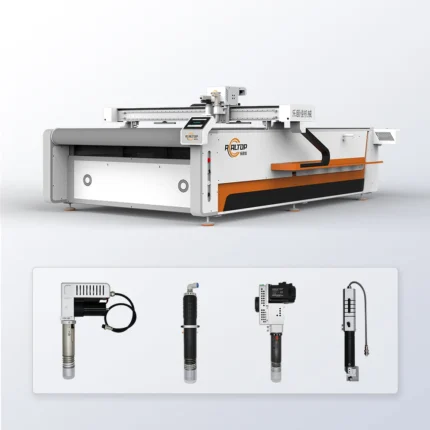
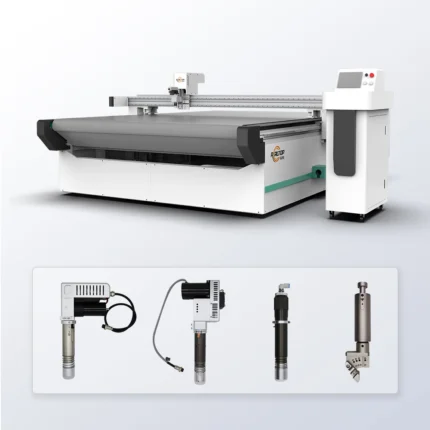
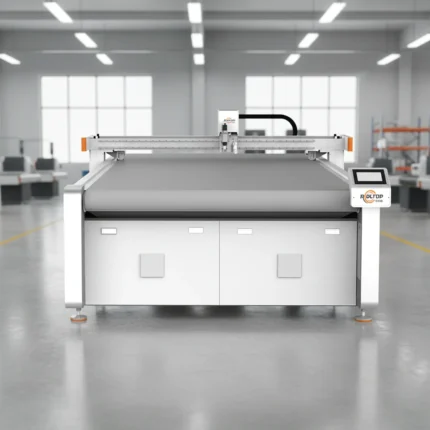
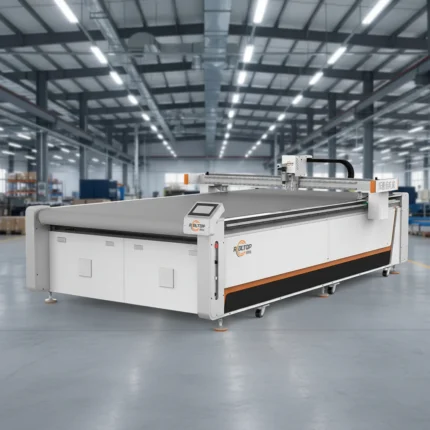
1625 CNC Oscillating Knife Cutting Machine, 1600×2500mm working area, ±0.1mm cutting accuracy — configured for nonwoven isolation clothing and multi-layer textile processing. Cold-cutting technology eliminates scorching and sealed edges on synthetic fabrics, preserving breathability and native drape. Multiple tool heads including oscillating knife, rotary knife and creasing wheel handle diverse garment and composite jobs on one table. – Sample cutting performed on your specific nonwoven material before order commitment, with tool head and vacuum table zoning matched to your pattern pieces and daily volume.
Cold-Cutting Precision — A 1600×2500mm oscillating knife table configured for nonwoven isolation fabrics and multi-layer textiles, eliminating the scorching and sealed edges that thermal processes leave on breathable synthetics.
Technical Specifications
| Parameter | Value |
|---|---|
| Product Type | CNC Oscillating Knife Cutting Machine |
| Model | 1625 |
| Working Area | 1600 × 2500 mm |
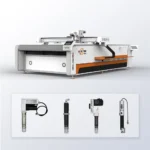
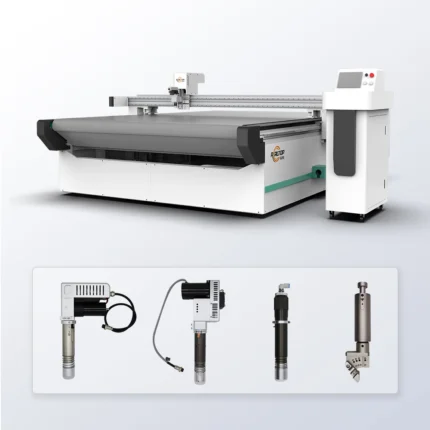
| Tool Head Options | Oscillating knife, Driven rotary knife, Creasing wheel, Kiss cutting tool, Pneumatic knife, Milling tool, V groove knife |
| Cutting Speed | 0–2000 mm/s |
| Cutting Thickness | ≤ 30 mm (basis not stated in source — confirm material density and layer count) |
| Multi-layer Capacity | Up to 30–50 mm thickness (basis not stated in source — confirm compression under vacuum) |
| Cutting Accuracy | ±0.1 mm |
| Vacuum Pump | 9 kW |
| Control System | PLC control panel |
| Voltage Options | 110V, 220V, 380V (configurable) |
| File Formats | PLT, DXF, AI, PDF |
| Machine Size | 3300 × 2100 × 1350 mm |
| Safety Devices | Infrared sensor, emergency stop |
| Language Options | English, Russian, Italian, Chinese (customizable) |
| Compliance | CE |
Application Suitability
| Application | Material or Output |
|---|---|
| Nonwoven isolation clothing production | Spunbond, SMS, and meltblown nonwoven fabric stacks |
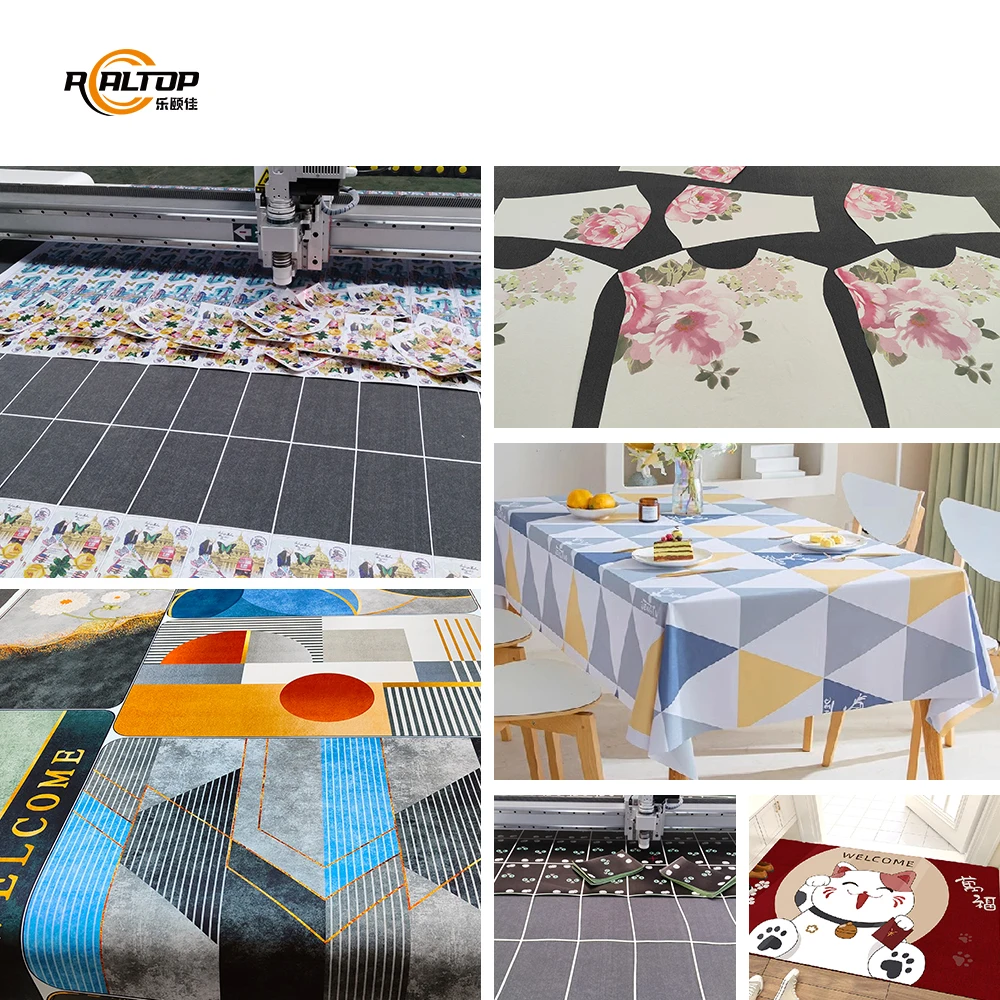
| Apparel manufacturing | Suit fabrics, knitwear, lace, and pattern-matched textiles |
| Automotive interiors | Seat fabrics, carpet blanks, and PVC floor mats |
| Home textiles | Sofa upholstery, curtain panels, and rug substrates |
| Composite material processing | Carbon fiber prepreg and aramid layups |
Why Laser Leaves Nonwovens Unfit for Medical Use
Knife cutting preserves the breathability and drape that heat-based processes destroy on isolation garments.
I once set up a CO2 laser for a customer running standard nonwoven test swatches. The edges sealed clean, the operator signed off, and the machine shipped. Two weeks later the call came in: their actual production material was a laminated isolation fabric with a breathable membrane. The laser melted through the membrane layer, fused the ply interfaces together, and every cut panel failed the air-permeability spec. They scrapped two full production runs before we swapped to an oscillating knife head. A CNC oscillating knife cutting machine for fabric avoids that failure mode entirely because the blade never raises the material temperature [NEED_CITE: thermal degradation thresholds for spunbond and SMS nonwovens].
Cold-Cutting Mechanics for Breathable Barrier Fabrics
Nonwoven isolation garments depend on intact micro-pores and fiber structure at every cut edge. An oscillating knife vibrates at high frequency to slice through stacked plies without pulling or melting the fibers, so the hand and air-permeability of the finished garment stay within specification. The driven rotary knife option handles continuous contours on single-ply technical textiles where a drag knife would drag and distort the weave.
Multi-Tool Head Flexibility on a Single Table
The 1625 platform accepts seven interchangeable tool heads, letting one table switch from oscillating knife cuts on thick nonwoven stacks to kiss cutting on adhesive-backed labels or creasing on cardboard packaging patterns. This matters when a contract manufacturer runs medical garments on Monday and automotive carpet blanks on Thursday. Changing the head takes minutes rather than hours, and the PLC control panel stores tool offsets per job file so the operator does not re-enter parameters manually each time.
Reading the Specs That Actually Matter on the Shop Floor
The ±0.1 mm cutting accuracy means nested pattern pieces on expensive aramid or carbon prepreg hold tolerance well enough to skip secondary trimming, which directly affects material yield when the fabric cost dominates the bill of materials. The 9 kW vacuum pump paired with an aluminum bellows table generates the hold-down force needed to keep slippery nonwoven layers from shifting under a knife moving at production speed. File format support for PLT, DXF, AI, and PDF means the nesting software can pull patterns straight from most CAD packages without intermediate conversion steps that introduce contour errors [NEED_CITE: DXF import fidelity in garment nesting workflows]. Voltage options spanning 110V, 220V, and 380V let the machine ship configured for the buyer’s local grid rather than relying on an external transformer that adds a failure point.
What Happens When the Wrong Tool Head Ships
A buyer once specified the machine on working area alone — 1600×2500mm sounded right for their fabric rolls — but never confirmed the material stack height. The standard oscillating knife head shipped on the table was rated for thinner ply counts than their five-layer automotive carpet layups. The blade deflected on the bottom ply, leaving a ragged edge that failed the burr spec on every panel. Retrofitting the correct pneumatic knife head and re-tuning vacuum zoning for those thicker stacks cost more in downtime and re-shipping than a sample cutting report would have before the order was placed [NEED_CITE: tool head selection criteria for multi-layer textile cutting].
Why Buyers Source This Table Here
The in-house design team covers both knife and laser processes, so the recommendation starts with the material behavior rather than pushing whichever machine is in stock. Every configuration ships with a sample cutting report run on the buyer’s own nonwoven or fabric stock, not a generic showroom swatch. Voltage, plug type, and PLC control language are documented and confirmed before the crate closes, eliminating the jobsite surprise of a mismatched power connection. The tool head and table configuration list is matched to the buyer’s stated daily volume and material type rather than left as a default build. Software compatibility with the buyer’s existing nesting workflow is verified against actual DXF or PLT files before production starts.
Documentation & Verification
- Machine specification sheet listing all seven tool head options and selected configuration
- Electrical schematic with confirmed voltage and phase for the destination facility
- Sample cutting report produced on the buyer’s submitted nonwoven or fabric material
- Factory test record documenting cutting accuracy and vacuum hold-down before crating
- Software licence and file format compatibility note for PLT, DXF, AI, and PDF workflows
- Packing photographs showing tool head, vacuum table surface, and PLC panel condition at dispatch
Installation, Commissioning & Support
- Floor space allocation for the 3300×2100 mm footprint plus operator clearance on all sides
- Dedicated circuit matching confirmed 110V, 220V, or 380V supply with correct phase rotation
- Vacuum pump commissioning verifying full-zone hold-down across the 1600×2500 mm bed
- PLC control language set to operator preference and nesting software loaded with test files
- Initial cut run on production material with knife offset and speed tuning per fabric type
- Spare wear parts kit covering knife blades, rotary knife wheels, and vacuum seal strips
Before You Request a Quote
Send the specific nonwoven or fabric type, the typical ply count or stack thickness you run, and your daily panel volume. Confirm the local voltage and frequency at the installation site along with the preferred PLC control language. If you already use nesting software, share a sample DXF or PLT file so format compatibility is checked before the build starts. Material samples shipped to the factory enable a cutting report that matches your actual production conditions.
Frequently Asked Questions
Q: How is cutting thickness verified for my specific nonwoven or fabric stack?
A: We request a sample of your actual material at the production ply count and run it on the 1625 table under vacuum hold-down. The resulting sample cutting report documents blade type, oscillation frequency, and cutting speed used, along with edge quality photographs. This report ships with the machine so the operator starts with validated parameters instead of guessing.
Q: Which tool head fits my material and edge quality requirement?
A: The oscillating knife handles most multi-layer nonwoven stacks, while the driven rotary knife suits single-ply technical textiles. The pneumatic knife is specified for thick automotive carpet layups. We recommend the head based on your submitted material sample and edge specification, and the selection is recorded on the configuration list before production.
Q: Can the software import my existing nesting workflow and file formats?
A: The control system reads PLT, DXF, AI, and PDF files directly. Before the order is finalized, we ask you to send a representative nesting file from your current workflow. A compatibility note is issued confirming clean import with no contour distortion, so production can start on day one without format conversion workarounds.
Q: What voltage and control language options are confirmed before shipment?
A: The machine is configurable for 110V, 220V, or 380V supplies. Voltage, plug type, and PLC language — English, Russian, Italian, or Chinese — are confirmed in writing before the machine enters production. The electrical schematic in the documentation package reflects the exact configuration shipped, eliminating on-site wiring guesswork [NEED_CITE: industrial voltage standards for CNC equipment by region].
Q: How is vacuum table zoning set up for small garment pattern pieces?
A: The 9 kW vacuum pump feeds an aluminum bellows table with zone control. For small isolation garment panels that lack the surface area to generate sufficient hold-down force on a fully open zone, we configure localized zoning matched to your typical pattern layout. This prevents edge lift during high-speed cutting without requiring a full-table vacuum draw on every cycle.


Related products
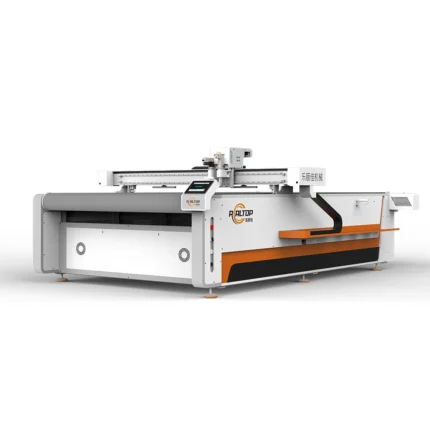
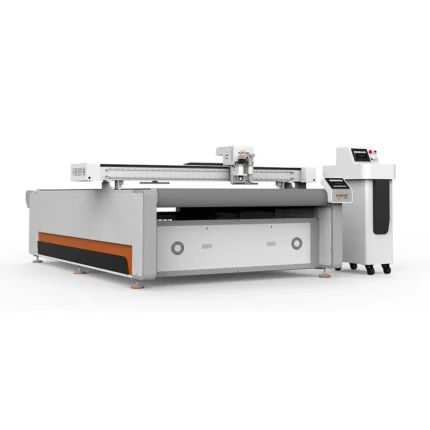
2026 Auto CNC Cloth Cutting Machine High-Precision Fabric Leather Plotter
Product Introduction
2026 Auto CNC Cloth Cutting Machine, a high-precision fabric & leather plotter designed for efficient cutting. Ideal for textile and leather industries with advanced CNC technology.
Key Specifications
| Model | Auto CNC Cloth Cutting Machine 2026 |
| Application | Fabric & Leather |
| Precision | High-Precision Cutting |
| Type | CNC Plotter |
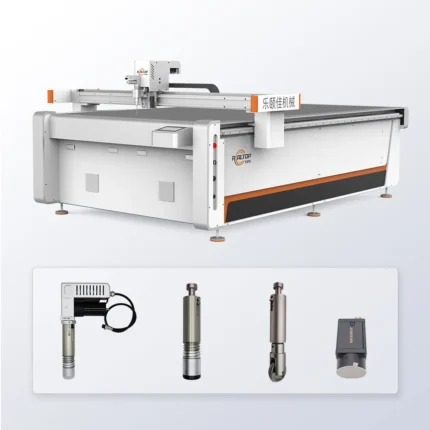
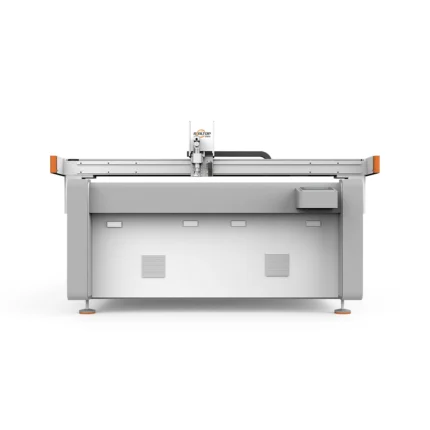
2026 Carbon Fiber Cloth Cutting Machine – China Manufacturer
Product Introduction
Fabric Sample Cutter Pillow Machine ¨C 2026 Carbon Fiber Cloth Cutting Machine, ideal for precise cutting of carbon fiber cloth and fabric samples, suitable for pillow production and related textile applications.Product Parameters
| Name | Fabric Sample Cutter Pillow Machine |
| Model | 2026 |
| Material | Carbon Fiber Cloth |
| Application | Pillow Fabric Cutting |
2026 CNC Knife Cutting Machine for Fabric Leather PVC Hot Sale
Product Introduction
2026 Hot Sale CNC Knife Cutting Machine for Fabric, Leather, PVC. Ideal for precise cutting of various materials with advanced CNC technology, perfect for manufacturing needs.
Product Parameters
| Application | Fabric, Leather, PVC |
| Type | CNC Knife Cutting Machine |
| Feature | Precision Cutting |
| Year | 2026 Model |
2026 Flatbed Oscillating Knife Cutter 1600x3500mm Auto-Feeding Textile
Product Overview
Flatbed Oscillating Knife Cutting Machine 2026 is a high-precision textile fabric cutter with auto-feeding function, ideal for efficient and accurate cutting tasks in textile manufacturing. It combines advanced oscillating knife technology with a large working area to meet industrial production needs.Key Specifications
| Model | 2026 |
| Working Area | 1600x3500mm |
| Feeding System | Auto-Feeding |
| Cutting Type | Oscillating Knife |
| Application | Textile Fabric |
Automatic Fabric Cutting Machine 1200mm Delta Servo 2026
Product Parameters
| Cutting Width | 1200mm |
| Servo System | Delta Servo |
| Model Year | 2026 |
Introduction
High-performance Automatic Fabric Cutting Machine with 1200mm cutting width, equipped with Delta Servo for precision. Ideal for efficient fabric processing in textile industry, ensuring accurate and fast cutting operations.
Automatic Multi-Layer Vibrating Knife Cutter 2026
Product Introduction
Automatic Multi-Layer Vibrating Knife Cutter 2026, ideal for precise cutting of various materials with multi-layer processing capability, enhancing production efficiency.
Key Specifications
| Type | Automatic Vibrating Knife Cutter |
| Layer Capacity | Multi-Layer |
| Model | 2026 |
| Function | Precision Cutting |
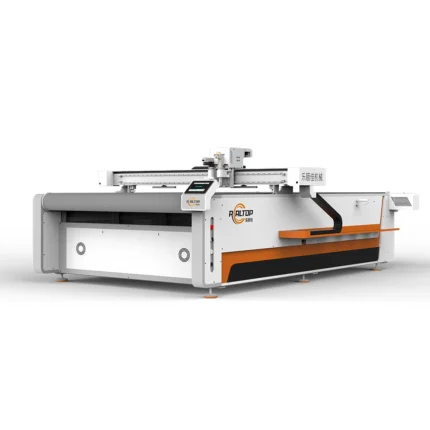
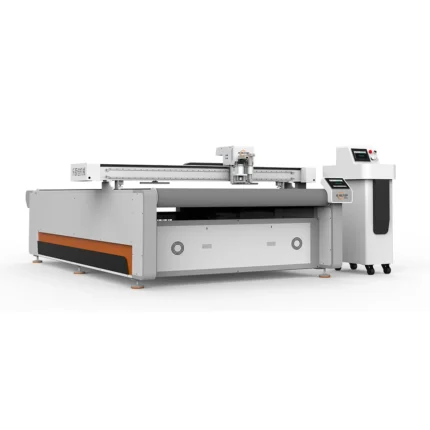
CNC Oscillating Knife Cutting Machine 2026 3000¡Á1600mm High-Speed
Product Parameters
| Model | CNC Oscillating Knife Cutting Machine 2026 |
| Working Area | 3000mm¡Á1600mm |
| Cutting Type | Oscillating Knife |
| Application | Fabric Cutting |
| Feature | High-Speed |
Introduction
High-performance CNC oscillating knife cutting machine with 3000mm¡Á1600mm working area, ideal for high-speed fabric cutting. Precision and efficiency for professional textile processing needs.
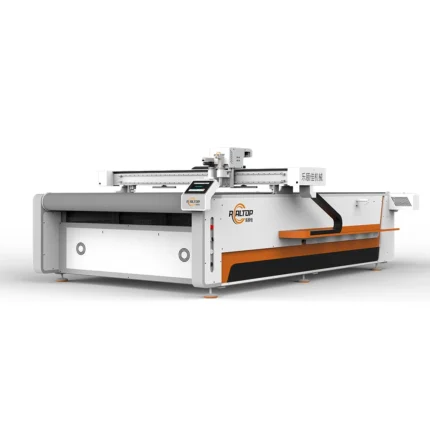
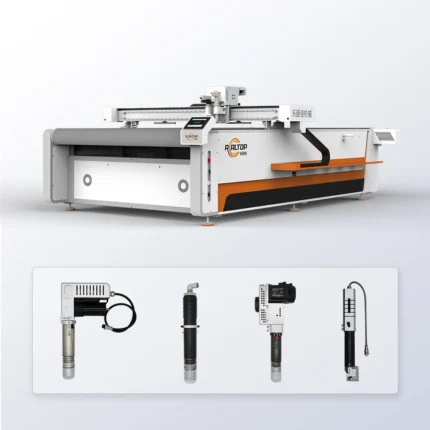
Jinan Realtop CNC Oscillating Knife Cutter 2026
Product Introduction
Jinan Realtop CNC Oscillating Knife Cutter 2026, a precision cutting solution from China's leading welding & cutting equipment manufacturer, ideal for efficient material processing with advanced CNC technology.
Key Specifications
| Model | 2026 |
| Type | CNC Oscillating Knife Cutter |
| Manufacturer | Jinan Realtop |
商品评价
There are no reviews yet.