


CNC Oscillating V-Cut Machine with Creasing Wheel – Technical Guide
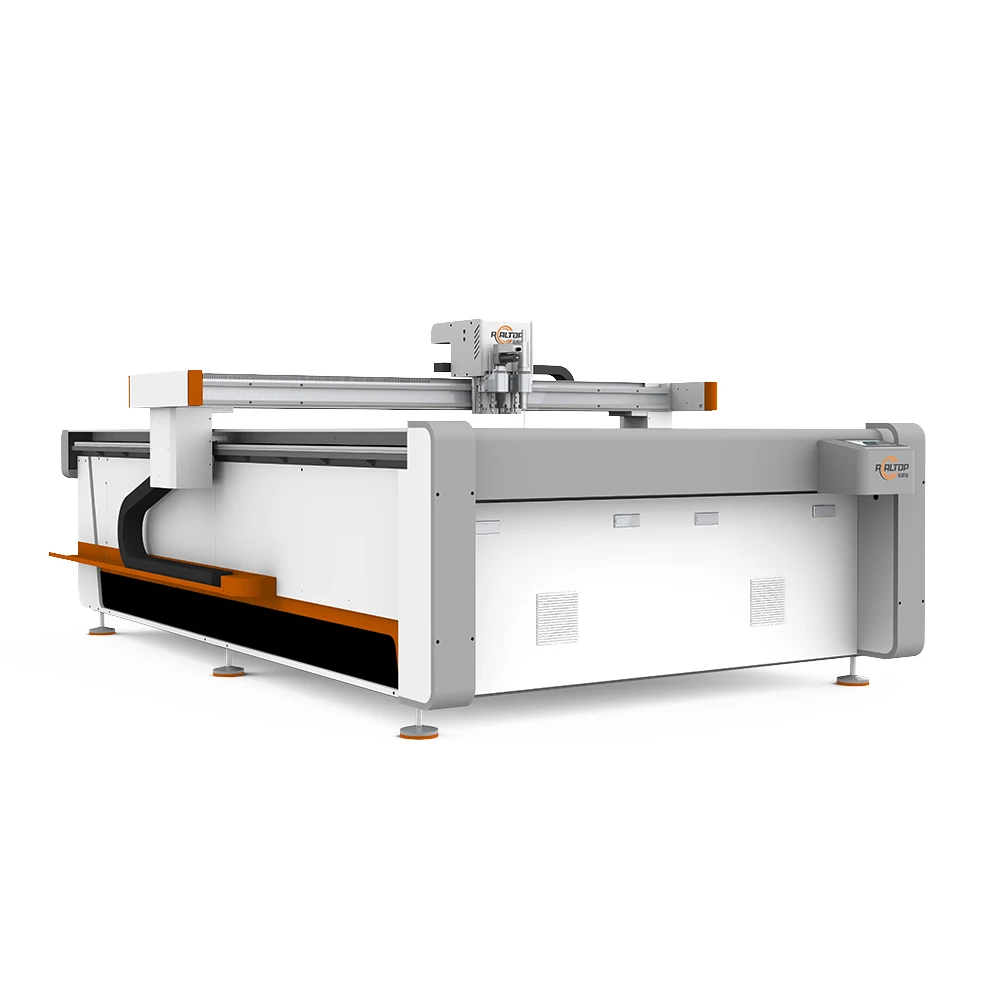
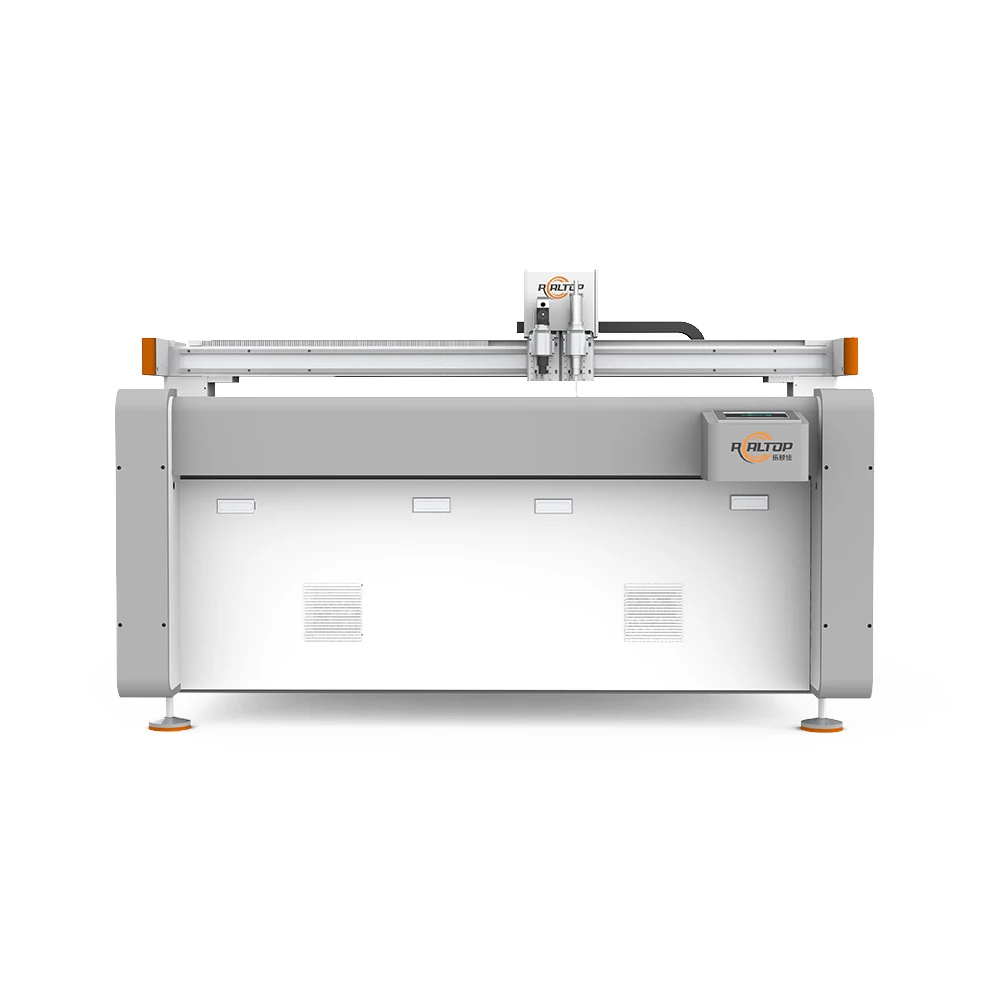
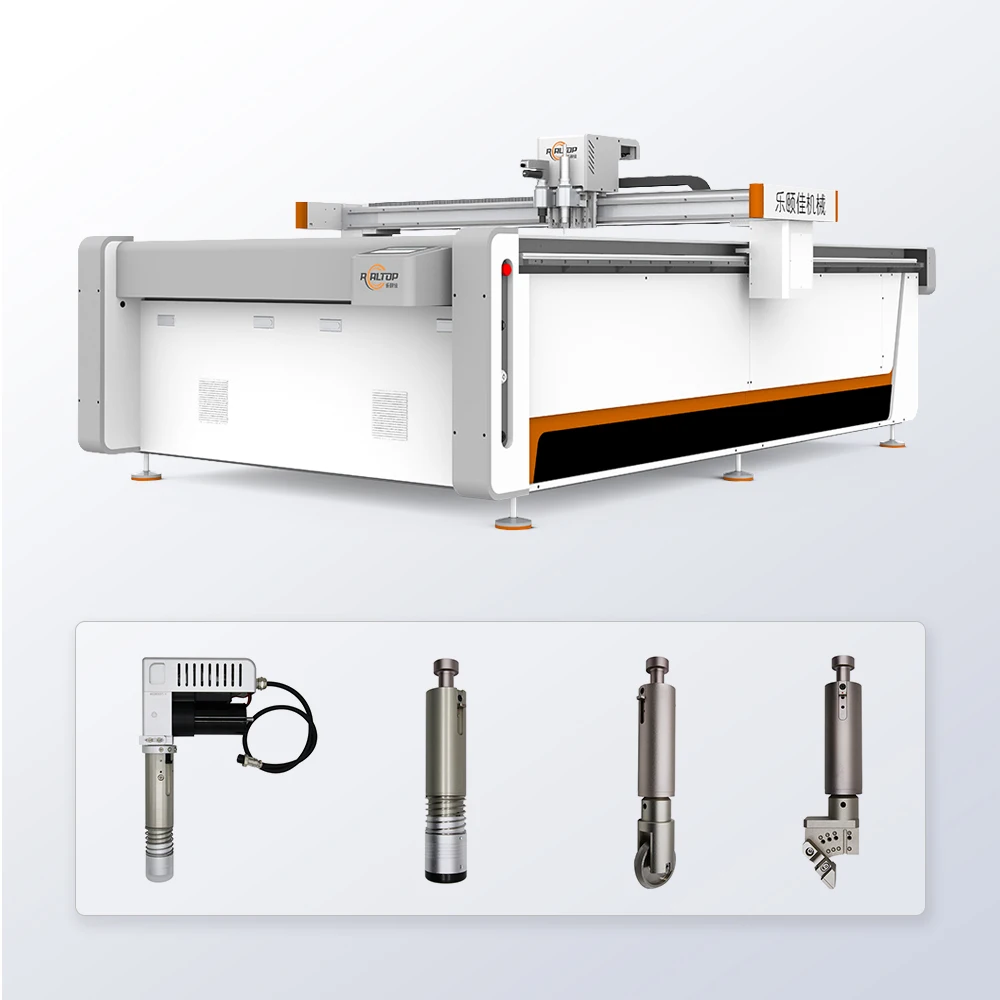
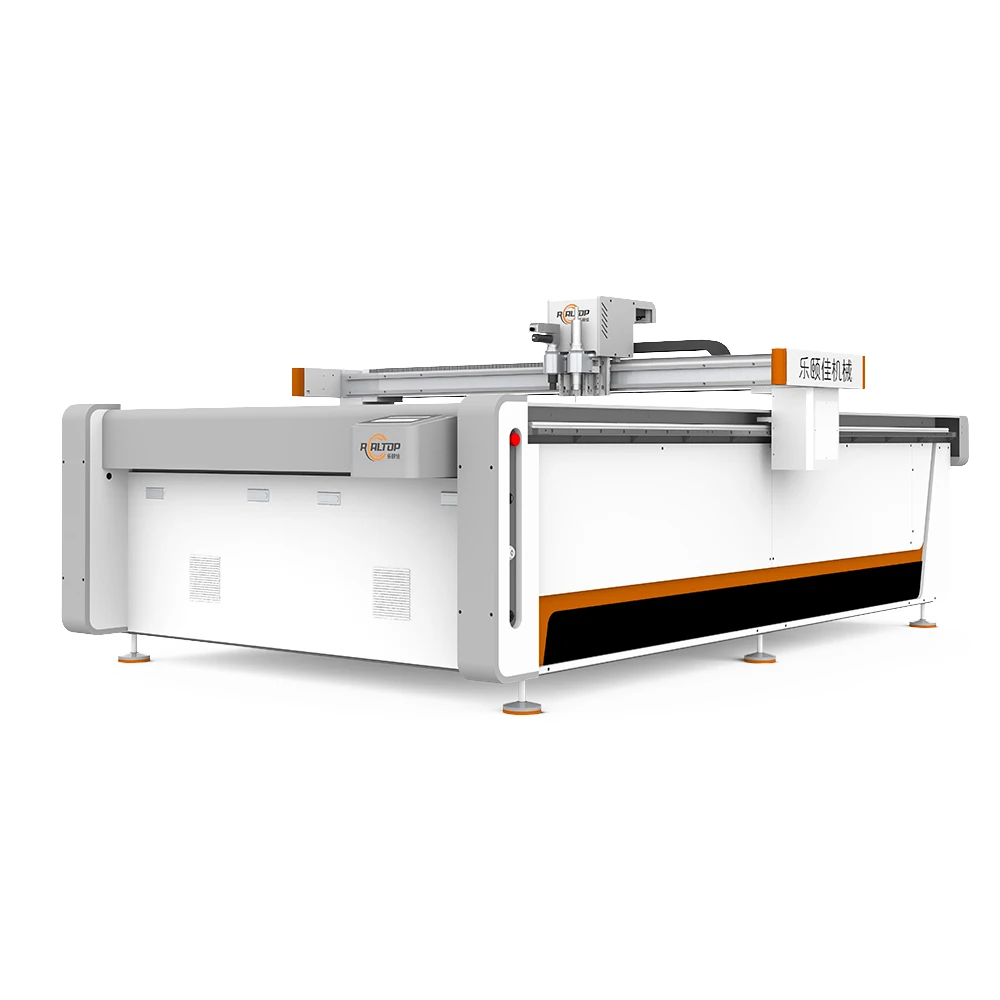
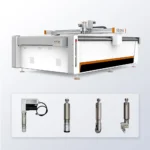
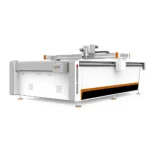
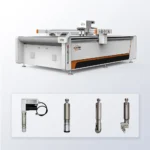
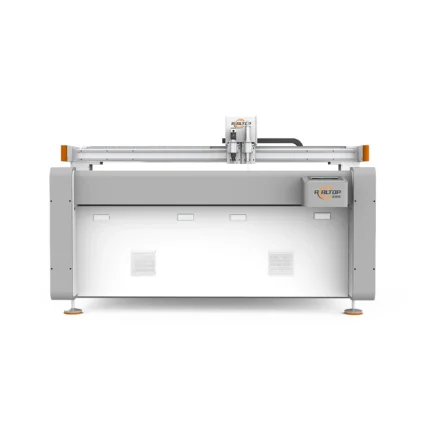
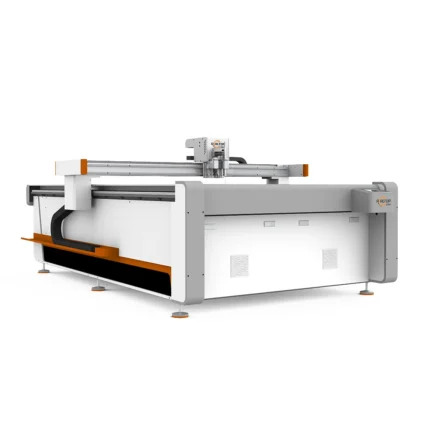
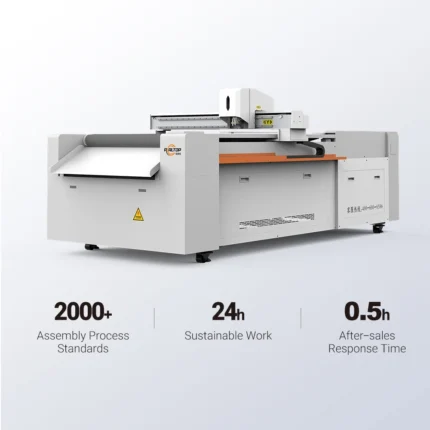
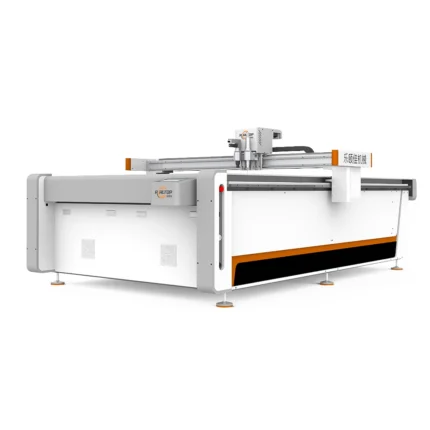
CNC Oscillating Knife Cutting Machine, 1600×2500mm, ≤40mm Thickness, PLC Control — configured for corrugated cardboard, greyboard and foam packaging with interchangeable oscillating knife, creasing wheel and V-groove tool heads.
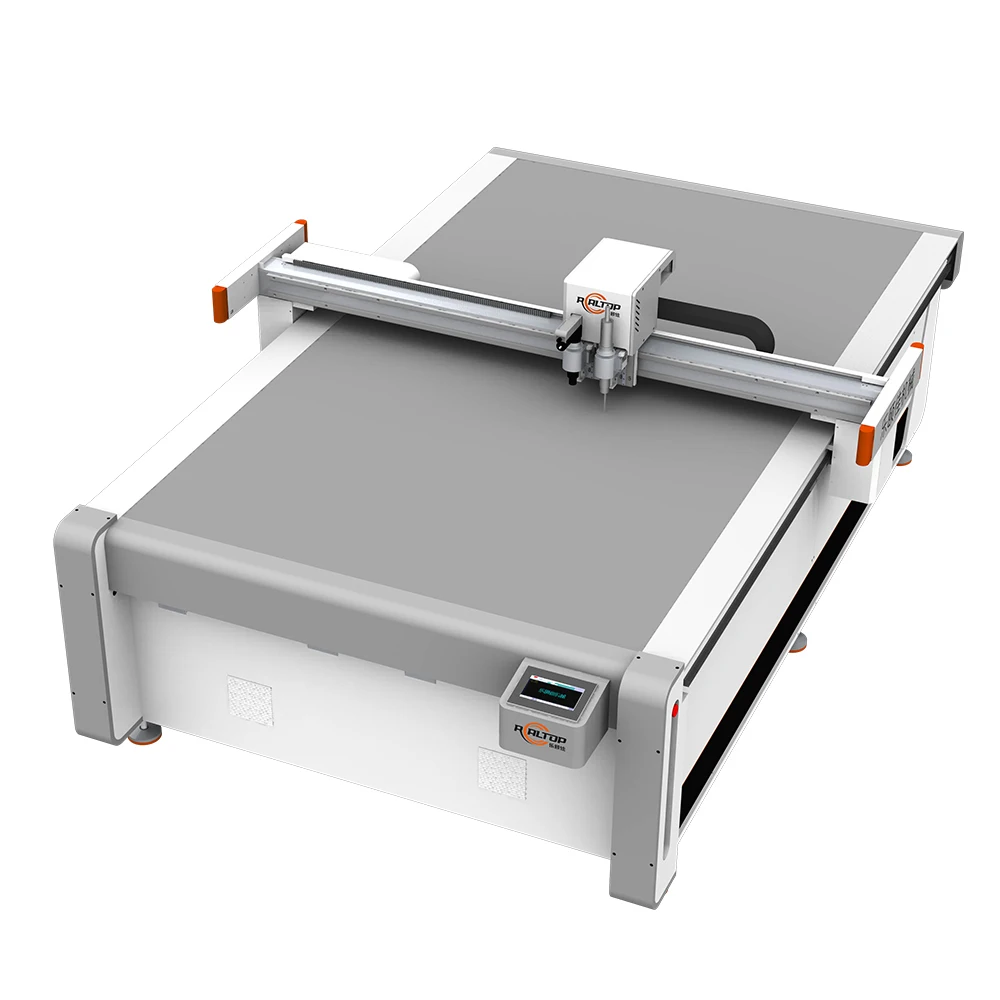
- Aluminum bellows vacuum table ensures flat, stable cutting for small packaging inserts
- Dedicated box structure design software supports PLT, DXF, AI and PDF workflows
Laser-cut edge sealing or knife-cut edge quality — we match the process to your material, with sample cutting on your own stock before commitment.
Tool Head Versatility — oscillating knife, creasing wheel, and V-groove tools on a single platform let you match the cutting method to each corrugated flute type rather than forcing one blade through every substrate.
Technical Specifications
| Parameter | Value |
|---|---|
| Product Type | CNC Oscillating Knife Cutting Machine |
| Working Area | 1600 × 2500 mm |
| Tool Head Options | Oscillating knife, Driven rotary knife, Creasing wheel, Kiss cutting tool, Pneumatic knife, Milling tool, V-groove knife |
| Cutting Speed | 0–1500 mm/s |
| Cutting Thickness | Up to 40 mm |
| Cutting Accuracy | ±0.1 mm |
| Vacuum Pump Power | 9 kW |
| Voltage Options | 110V, 220V, 380V (configurable before shipment) |
| Control System | PLC control panel with dedicated packaging box structure design software |
| Vacuum Table | Aluminum bellows vacuum table |
| Servo Motor Options | Panasonic, Delta, Dorna (source value — verify against manufacturer catalog) |
| File Format Support | PLT, DXF, AI, PDF |
| Safety Device | Infrared sensor device and emergency stop device |
| Language Options | English, Russian, Italian, Chinese, special languages customizable |
| Machine Dimensions | 3300 × 2100 × 1350 mm |
| Compliance | CE |
Application Suitability
| Application | Material or Output |
|---|---|
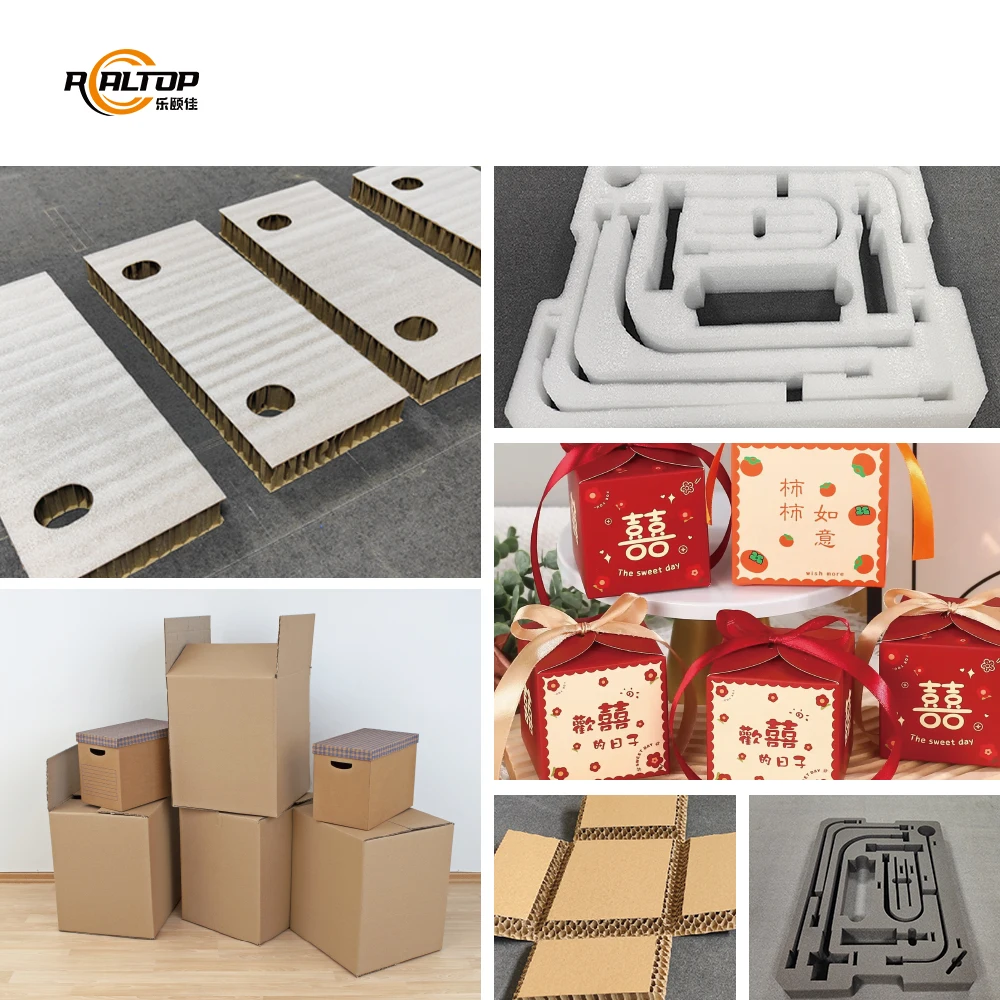
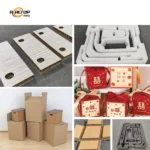
| Corrugated carton sample making | E-flute, B-flute, BC-flute corrugated cardboard |
| Greyboard and rigid box prototyping | Greyboard, cardstock, art paper, specialty paper |
| Protective packaging insert cutting | EVA foam, EPE foam, PU foam, rubber mats |
| Soft goods packaging lining | Velvet, fleece fabric, non-woven fabric |
| Thin plastic and composite die-cutting | PVC, PET sheets, leather, synthetic leather, adhesive-backed materials |
| Small-batch production runs | Mixed-material packaging jobs requiring frequent changeover |
Why CCD Contour Promises Often Fail on the Packaging Floor
A packaging CNC cutting machine may list CCD camera contour recognition on the brochure, but if the camera cannot track printed registration marks at your actual production speed, every die-cut label or printed insert gets misaligned by several millimeters. Confirm the camera tracking speed and software nesting compatibility with your existing DXF or AI file workflow before you place the order.
I have watched sample rooms in South Asia burn through an entire afternoon re-cutting printed carton sheets because the CCD system only worked reliably at half the advertised line speed. The operator ends up disabling contour tracking and cutting blind against a printed template taped to the bed, which defeats the purpose of specifying the camera in the first place [NEED_CITE: CCD contour recognition speed benchmarks for digital cutting tables]. When the software cannot import your nesting files directly, the prepress team rebuilds every job from scratch, turning a ten-minute changeover into a two-hour exercise.
Tool Head Selection for Corrugated, Greyboard and Foam
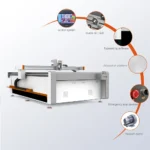
The interchangeable tool head array is where this CNC oscillating knife cutting machine earns its place in a packaging workshop. An oscillating knife handles straight and curved cuts through multi-wall corrugated without crushing the flute structure, while the creasing wheel scores fold lines so the board bends cleanly along the grain direction. For V-groove folding cartons that demand a clean mitered edge, the V-groove knife removes a precise channel without severing the facing liner. Switching between these heads takes minutes, letting one table handle a morning run of E-flute shipping boxes and an afternoon batch of EVA foam protective inserts.
Vacuum Table Zoning and Small-Part Stability
The aluminum bellows vacuum table provides full-surface adsorption across the 1600 × 2500 mm bed, which matters most when you are cutting small packaging inserts or die-shape samples that tend to lift off the bed at the end of a cut path. Proper zoning lets you concentrate vacuum only under the active cutting zone, keeping thin cardstock and non-woven fabric pinned flat without wasting pump capacity on empty bed area. A 9 kW vacuum pump maintains adequate hold-down force even on porous corrugated where air bleeds through the flute channels [NEED_CITE: vacuum hold-down requirements for porous corrugated substrates].
What the Spec Sheet Numbers Actually Mean on the Shop Floor
Cutting thickness rated up to 40 mm tells you the machine can handle stacked BC-flute corrugated or dense EVA foam inserts in a single pass, but the real test is edge quality at that depth. The ±0.1 mm cutting accuracy figure matters when scored crease lines must align within a fraction of a millimeter against printed graphics, otherwise the folded carton looks skewed on the retail shelf. A cutting speed range of 0–1500 mm/s gives the operator room to slow down for tight radii on intricate die-shape samples and open up for long straight cuts on shipping carton blanks. The PLC control panel paired with dedicated packaging box structure design software means your operator designs the box geometry, unfolds it into a flat pattern, and sends it to the cutting bed without leaving the control interface. File format compatibility with PLT, DXF, AI, and PDF eliminates the middle step of converting artwork through a third-party nesting program.
The Hidden Cost of Choosing the Wrong Tool Head
Specifying a machine based on working area alone, then discovering it cannot handle your material thickness, is a mistake I have seen repeated across packaging workshops from Dhaka to Colombo. A driven rotary knife works well for thin cardstock but crushes E-flute corrugated if the operator tries to push it through 3 mm board. Kiss cutting tools score adhesive-backed labels without cutting through the release liner, but if the tool pressure is not calibrated for your specific liner weight, you either fail to cut or puncture the backing [NEED_CITE: kiss cutting calibration for pressure-sensitive label stocks]. Getting the wrong vacuum table zoning means small foam inserts drift during the final cut segments, producing scrap instead of finished parts.
Why Procurement Teams Source This Equipment Here
The in-house design team covers both knife and laser cutting technologies, so a buyer evaluating packaging materials can match the cutting method to the substrate rather than being steered toward a single technology. Every tool head and table configuration is specified per material type and daily volume before the order is confirmed, not after the machine arrives and underperforms. Sample cutting on your own corrugated ply count and foam density happens before you commit, producing a report that documents edge quality, cutting speed achieved, and tool wear observed. Software compatibility with your existing file formats is confirmed in writing, and voltage, plug type, and control language are locked down before the machine leaves the factory floor.
Documentation & Verification
- Machine specification sheet listing every tool head and table configuration option confirmed for your material
- Electrical schematic with voltage and frequency matched to your facility supply before production
- Sample cutting report on your corrugated flute type and foam density with measured edge quality
- CE declaration applicable to your import market requirements
- Factory test record documenting cutting accuracy verification across the full working area before dispatch
- Software licence with file format compatibility note covering PLT, DXF, AI, and PDF workflows
Installation, Commissioning & Support
- Floor space planning based on 3300 × 2100 × 1350 mm machine dimensions plus operator access clearance
- Dedicated electrical circuit sized for 9 kW vacuum pump plus servo and control loads at confirmed voltage
- Assembly and leveling of the aluminum bellows vacuum table on-site to maintain flatness across the bed
- First-run parameter tuning for your specific corrugated flute type and cutting depth requirements
- Operator training on PLC control panel and packaging box structure design software in confirmed language
- Spare parts kit covering oscillating knife blades, creasing wheel inserts, and vacuum table seals
What We Need to Quote Your Configuration
To recommend the right tool head combination and vacuum table zoning, send us your primary material type with thickness, the maximum sheet size you plan to cut, and your typical daily volume. Let us know your facility voltage and frequency, the control language your operators prefer, and whether you need sample cutting on your own substrate before you commit.
Frequently Asked Questions
Q: How is cutting thickness and edge quality verified for my specific corrugated flute type?
A: We run sample cuts on your actual material before you commit, documenting the flute profile, cutting speed used, edge condition on both the top liner and bottom liner, and any crushing observed. The sample cutting report becomes part of your order file so production settings are locked before the machine ships.
Q: Which tool head is recommended for V-groove folding carton versus full-cut corrugated?
A: V-groove folding cartons use the V-groove knife to remove a precise channel that lets the board fold at a clean angle without cracking the facing liner. Full-cut corrugated shipping boxes typically use the oscillating knife for through-cuts and the creasing wheel for fold lines, with tool changes taking only minutes between jobs.
Q: What vacuum table zoning is available for small packaging inserts and die-shape samples?
A: The aluminum bellows vacuum table supports zone control so you can concentrate suction under the active cutting area, keeping small foam inserts and thin cardstock pieces pinned flat even when most of the bed surface is empty. Zone layout is configured during installation based on your most common part sizes.
Q: Is the packaging design software compatible with my existing DXF and AI file workflow?
A: The dedicated packaging box structure design software imports PLT, DXF, AI, and PDF files directly, so your prepress team does not need to rebuild patterns from scratch. We confirm file format compatibility with your current workflow and provide a sample import test before the order is finalized.
Q: What voltage, frequency, and control language options are confirmed before shipment?
A: Voltage is configurable to 110V, 220V, or 380V based on your facility supply, and the control panel language is set to your preference from English, Russian, Italian, Chinese, or a customizable special language. All electrical specifications and language settings are documented in the specification sheet before production begins.


Related products
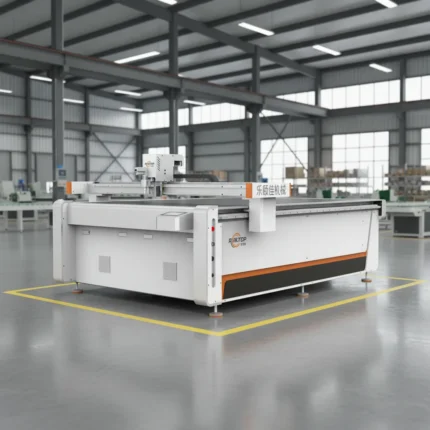
Automatic Die-less Cardboard Vibrating Knife Cutter 2026
Product Introduction
Automatic Die-less Cardboard Vibrating Knife Cutter 2026, a precision cutting solution for cardboard materials, featuring advanced die-less technology for efficient and flexible cutting operations. Ideal for various cardboard processing needs in manufacturing and packaging industries.Key Specifications
| Model | 2026 |
| Type | Automatic Die-less Cutter |
| Cutting Tool | Vibrating Knife |
| Material | Cardboard |
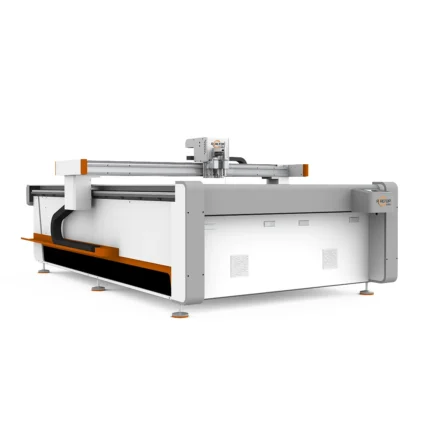
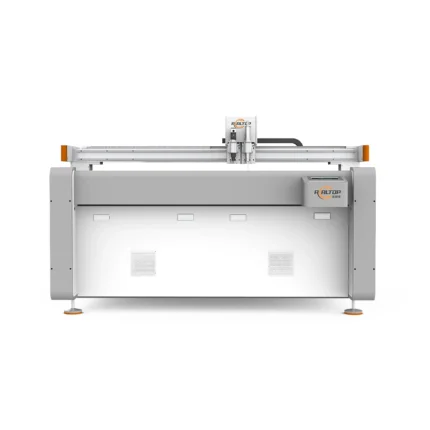
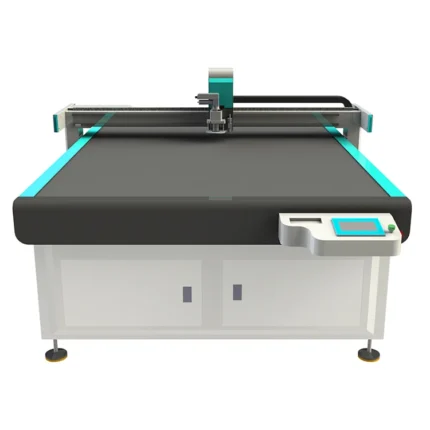
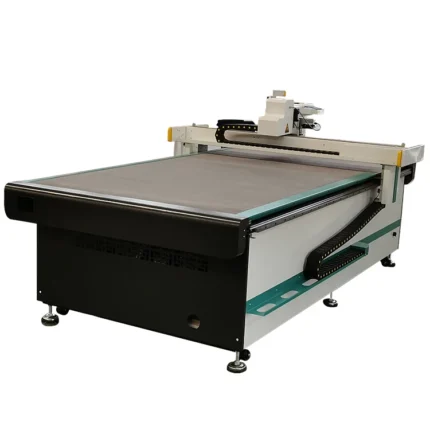
CNC Oscillating Knife Cutting Machine 2026 for Corrugated Cardboard & Honeycomb
Product Introduction
2026 CNC Oscillating Knife Cutting Machine, ideal for corrugated cardboard and honeycomb materials, offering precise and efficient cutting solutions for your production needs.Specifications
| Model | 2026 |
| Type | CNC Oscillating Knife Cutting Machine |
| Applicable Materials | Corrugated Cardboard, Honeycomb |
| Cutting Method | Oscillating Knife |
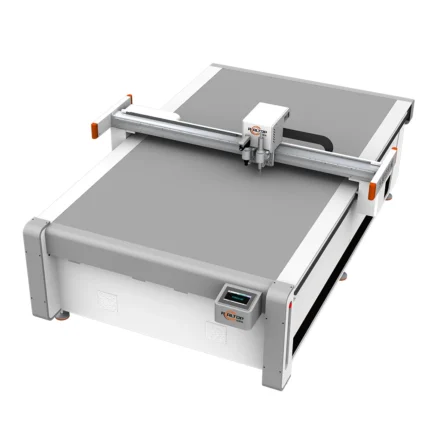
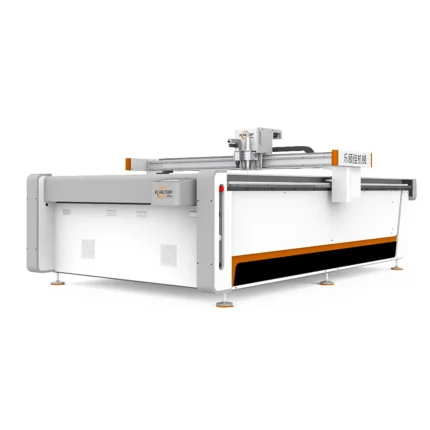
CNC Vibrating Knife Cutter 2026 Custom Cartons Packaging
Product Introduction
CNC Vibrating Knife Cutter 2026 is ideal for custom cartons & packaging, offering precise cutting solutions for various materials. Engineered by a leading Chinese welding & cutting equipment manufacturer, it ensures efficiency and accuracy for packaging production needs.Key Specifications
| Model | 2026 |
| Type | CNC Vibrating Knife Cutter |
| Application | Custom Cartons & Packaging |
| Manufacturer | Chinese Leading Factory |
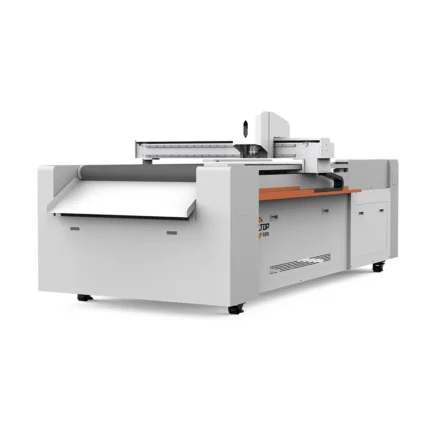

Realtop 2026 CNC Oscillating V-Cut Machine
Product Introduction
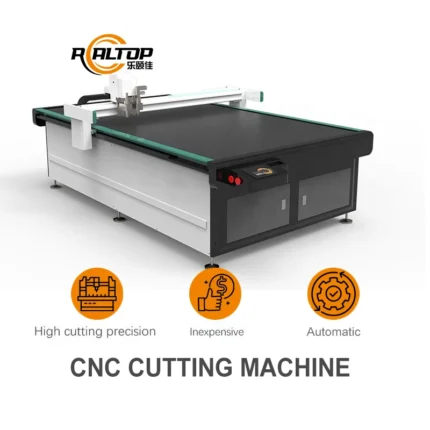
Realtop CNC Oscillating V-Cut Machine 2026 is a precision equipment designed for efficient V-cutting operations, ideal for various material processing needs with advanced CNC technology.
Key Specifications
| Model | Realtop CNC Oscillating V-Cut Machine 2026 |
| Type | CNC Oscillating V-Cut Machine |
| Application | Precision V-cutting operations |
| Feature | Advanced CNC technology |

商品评价
There are no reviews yet.