

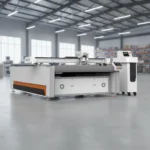
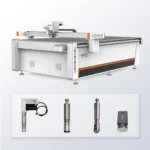
CNC Pants Cutting Machine Auto Multi-Layer Cutter | Full Range
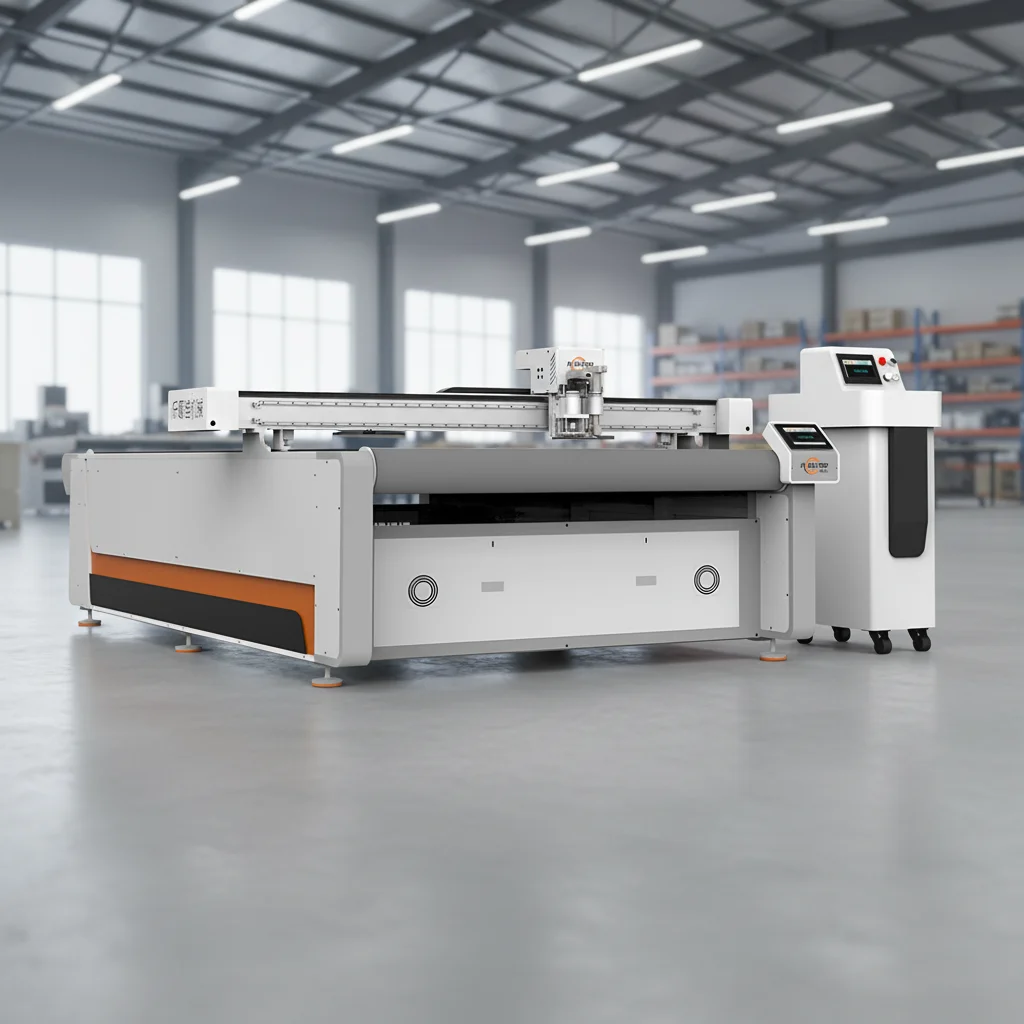
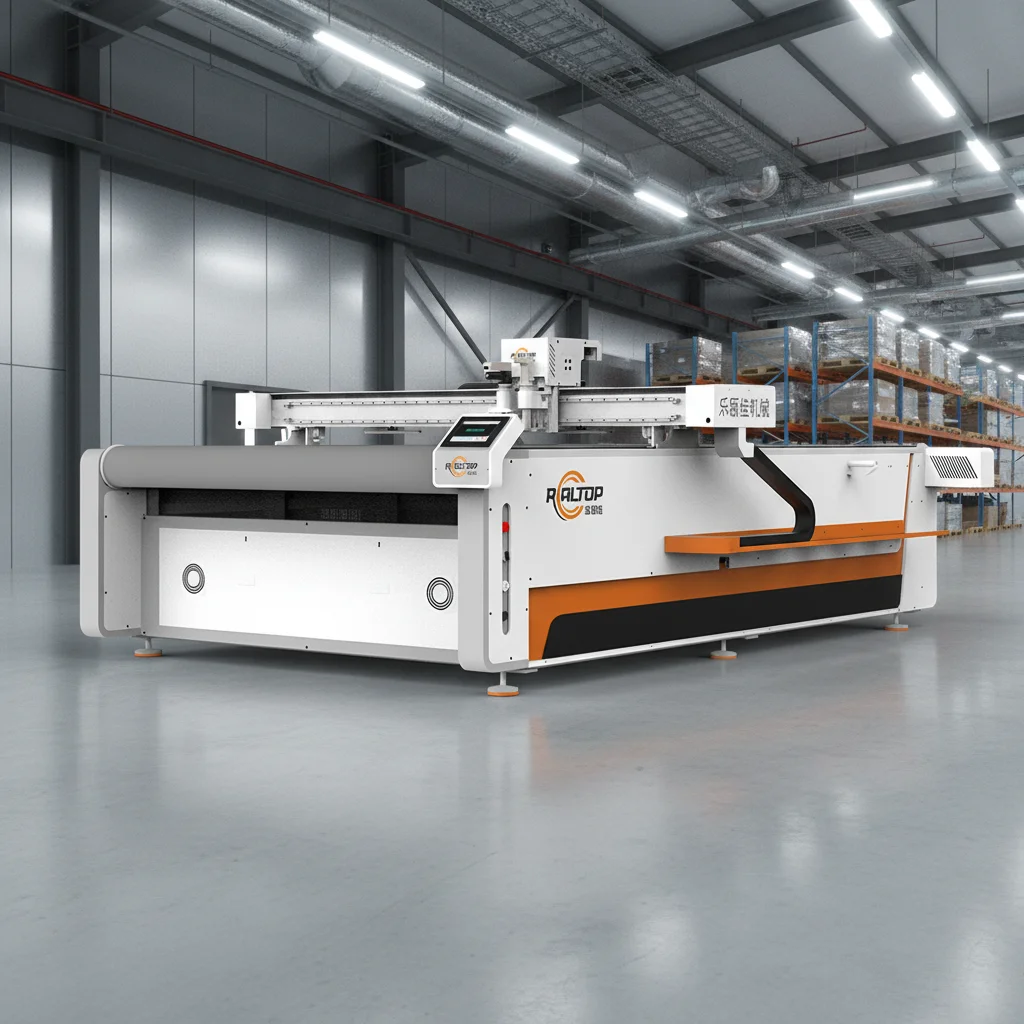
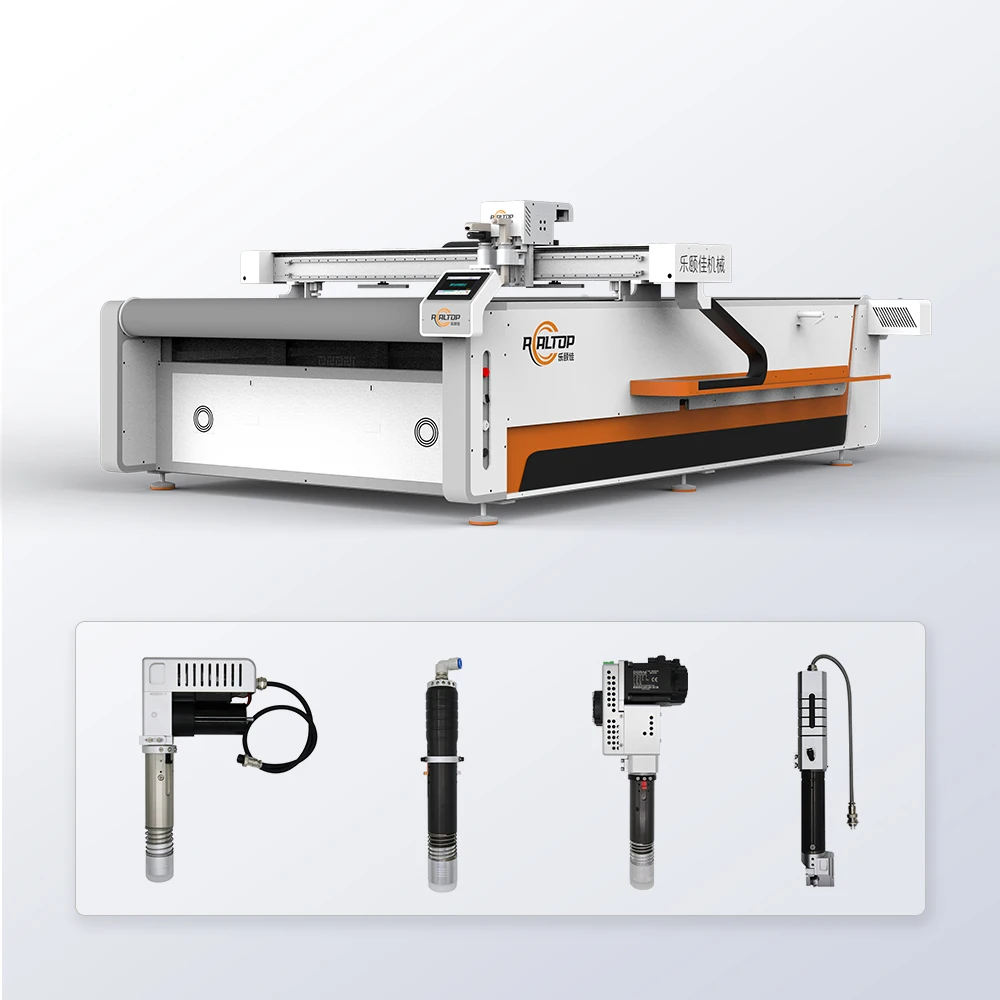
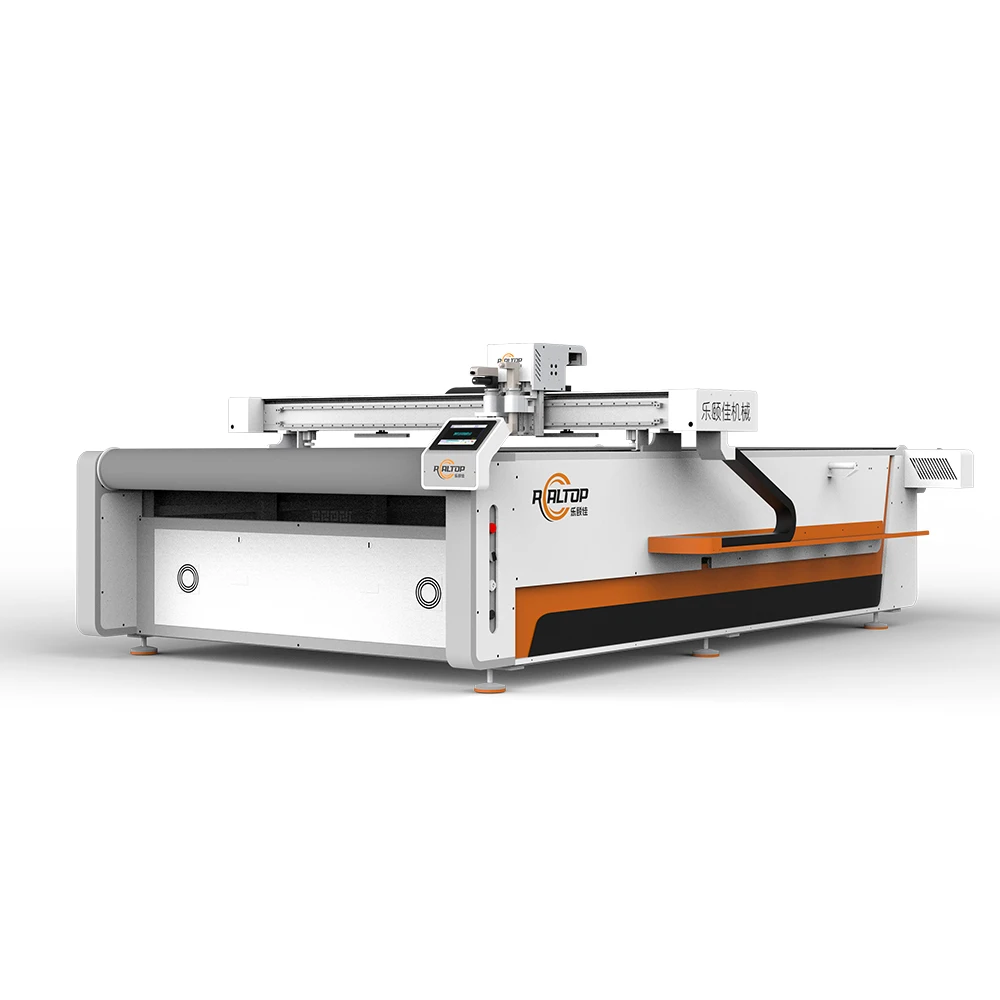
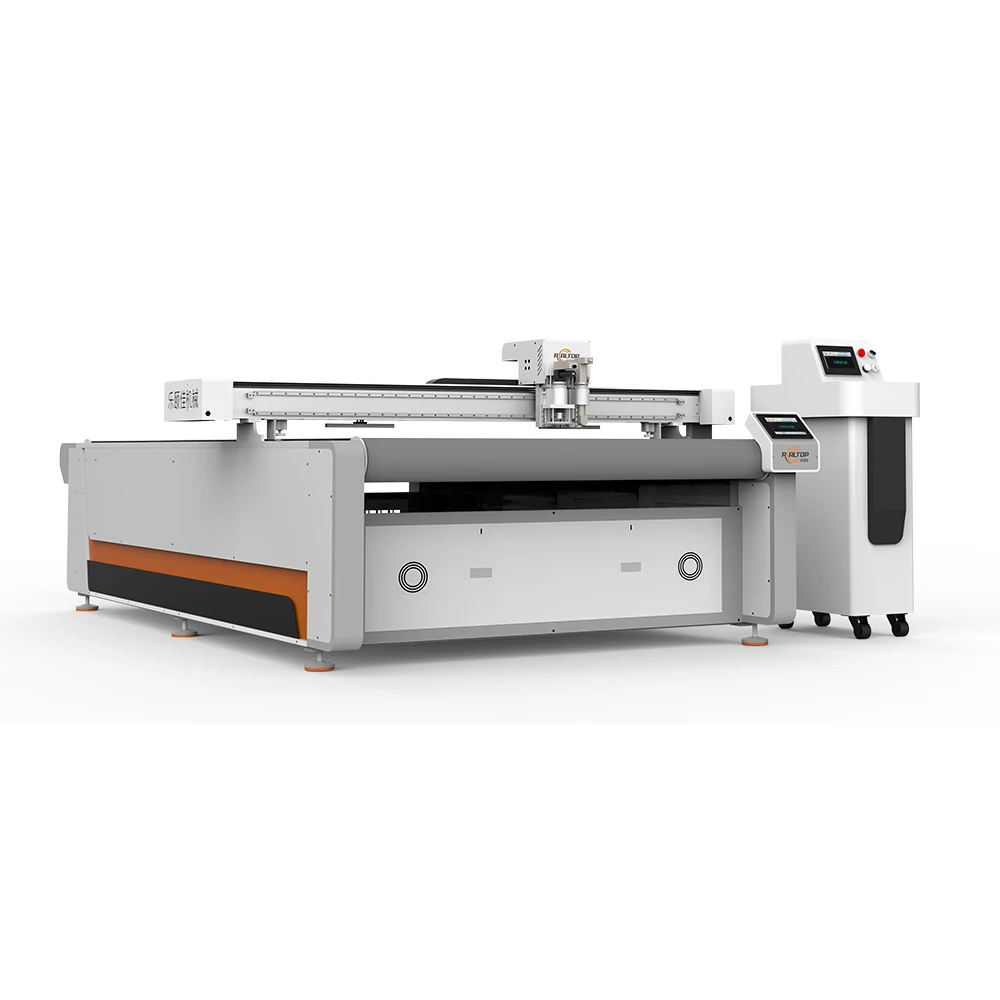
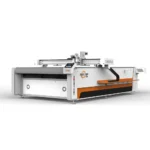
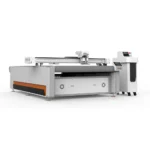
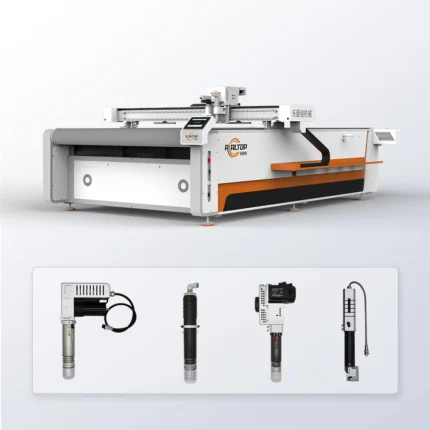
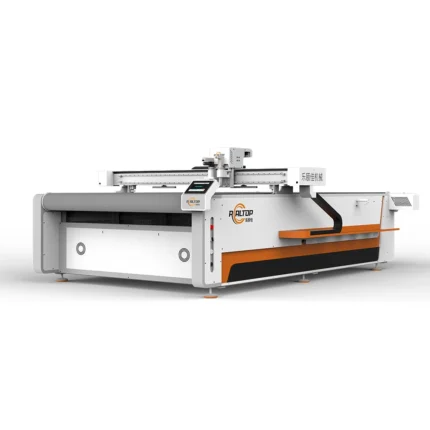
CNC Pants Cutting Machine Auto Multi-Layer Cutter, 1600×2500 mm, 0–2000 mm/s, ±0.1 mm — cold knife cutting preserves clean, unburnt edges on synthetic and blended fabrics where laser processing would scorch or fuse. Configured with seven interchangeable tool heads, 9 kW vacuum hold-down and PLC control supporting DXF/PLT/AI/PDF nesting files for garment and automotive textile production.
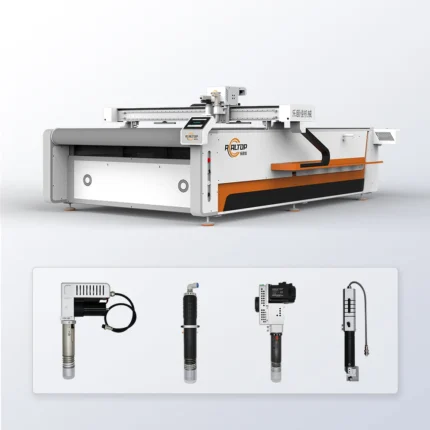
- Oscillating and rotary knife options matched to fabric type and layer count
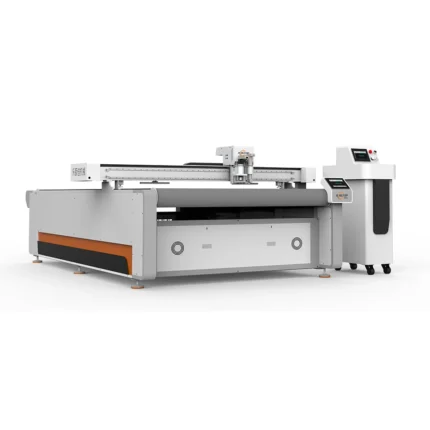
- Aluminum bellows vacuum table with full-surface adsorption for multi-layer stability
Sample cutting on your own material is completed before order commitment to verify edge quality and cutting accuracy.
Cold-process tooling — oscillating and rotary knife configurations are specified per fabric weight and layer count, avoiding thermal damage common in laser-based textile lines.
Technical Specifications
| Parameter | Value |
|---|---|
| Product Type | CNC Oscillating Knife Cutting Machine for Multi-Layer Fabric |
| Working Area | 1600×2500 mm |
| Cutting Speed Range | 0–2000 mm/s |
| Single-Pass Cutting Thickness | ≤ 30 mm (basis not stated in source — confirm lay height and material density) |
| Repeat Positioning Accuracy | ±0.1 mm |
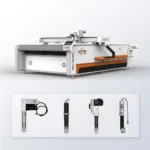
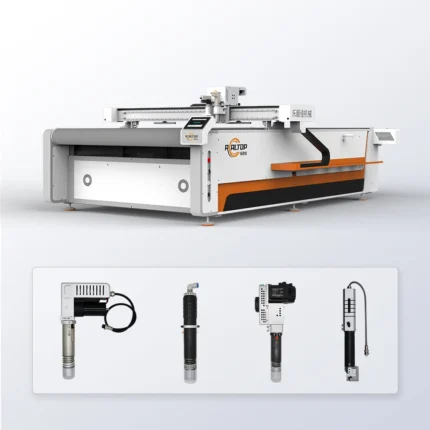
| Available Tool Heads | Oscillating knife, Driven rotary knife, Creasing wheel, Kiss cutting tool, Pneumatic knife, Milling tool, V groove knife |
| Vacuum Pump Output | 9 kW |
| Vacuum Table Construction | Aluminum bellows with full-surface adsorption |
| Control Interface | PLC panel with configurable HMI languages |
| Voltage Configuration Options | 110V, 220V, 380V |
| Servo Drive Options | Panasonic, Delta, Dorna |
| Native File Import | PLT, DXF, AI, PDF |
| Machine Footprint (L×W×H) | 3300×2100×1350 mm |
| Safety Hardware | Infrared perimeter sensor, emergency stop |
| HMI Language Options | English, Russian, Italian, Chinese (custom languages available) |
Application Suitability
| Application | Material or Output |
|---|---|
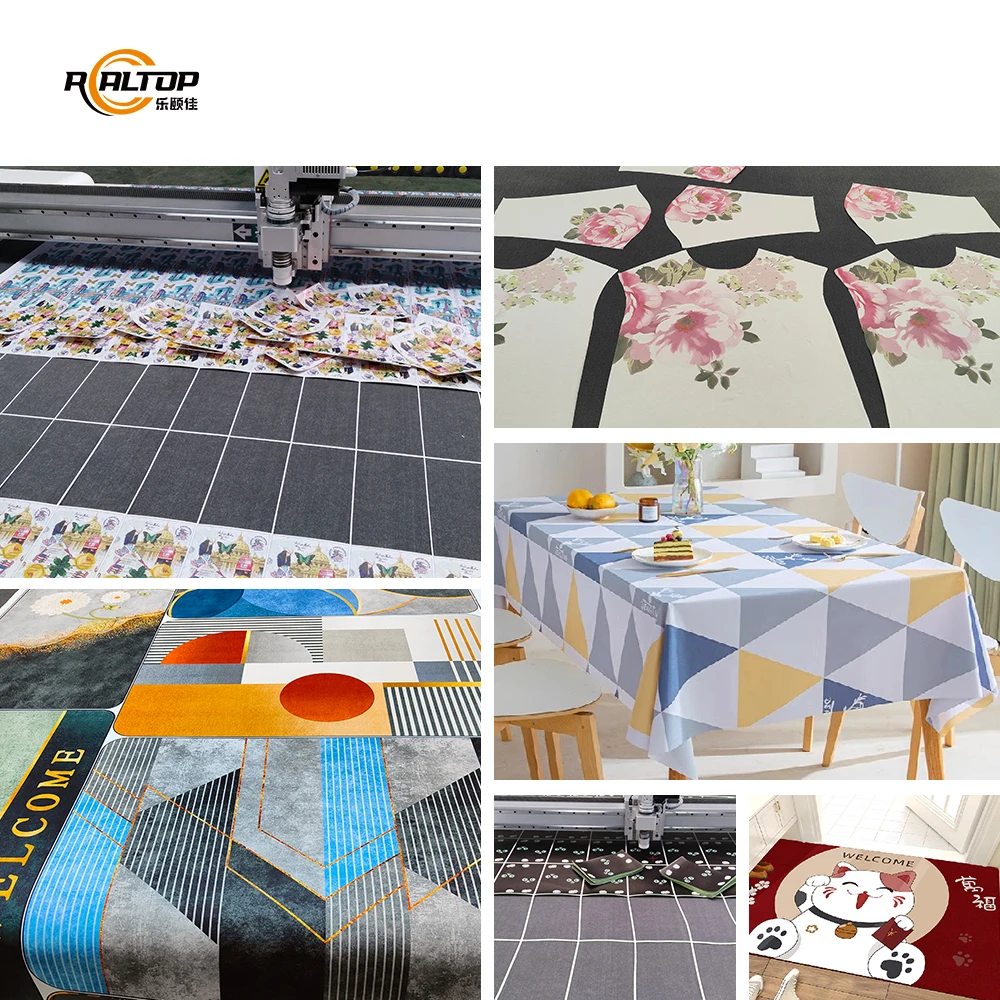
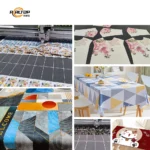
| Garment and suit production | Woven wool, cotton blends, worsted suiting laid in multi-ply blocks |
| Activewear and knit apparel | Polyester, nylon, spandex blends prone to thermal fusing under laser |
| Automotive seat and door trim | Automotive textiles, carpet, PVC and TPO mats |
| Home textile conversion | Sofa upholstery, blackout curtains, rug face fabrics |
| Composite preform cutting | Carbon fiber prepreg, aramid weaves, glass fiber mat |
Why "Multi-Layer" Claims Fail at the Cutting Table
A machine rated for 30 mm single-pass depth on foam may stall or delaminate on tightly stacked woven textiles.
Buyers often compare cutting thickness figures across quotes, only to find the machine cannot maintain edge squareness on a 40-ply lay-up of dense denim or technical canvas. The cutting force, blade stroke and vacuum hold-down each behave differently depending on fabric type, layer count and ply tension. [NEED_CITE: fabric lay tension and ply shift during CNC knife cutting]
A CNC Multi-Layer Fabric Cutting Machine for Garment Production must be validated on the buyer’s actual material stack. Without sample cuts run at production speed on the buyer’s own roll goods, thickness claims remain unverified reference points rather than guaranteed performance.
Cold Cutting Versus Thermal Edges on Synthetics
Laser processing fuses the edge of polyester, nylon and blended knits, leaving a hardened bead that can irritate skin on finished garments and alter drape on lightweight fabrics. An oscillating or rotary knife severs fibers mechanically, leaving the edge structure unchanged and ready for overlock or coverstitch finishing without secondary trimming. This matters most on activewear and intimate apparel where edge hand-feel is a quality checkpoint.
Vacuum Zoning and Ply Shift on Nested Panels
Full-surface vacuum alone does not guarantee stability. Small pattern pieces — collar stands, pocket flaps, cuff facings — can lift during the final separating cut if the table zoning is too coarse. The aluminum bellows table on this system is designed for broad hold-down across the 1600×2500 mm work area, but zoning adequacy must be checked against the smallest piece in the buyer’s marker. [NEED_CITE: vacuum table zoning requirements for small garment pattern pieces]
How Servo Selection and Stroke Rate Shape Edge Quality
The ±0.1 mm repeat positioning accuracy is supported by servo drive options including Panasonic, Delta and Dorna, each differing in response tuning and torque delivery at the oscillating head. At the upper cutting speed range of 2000 mm/s, the relationship between blade oscillation frequency and XY travel speed determines whether the knife drags, skips or cleanly severs the bottom ply. A driven rotary knife, available as a tool head option, maintains continuous contact with the material and suits long, sweeping curves on single-ply or low-ply lays, while the oscillating knife handles thicker blocks. The 9 kW vacuum pump must overcome air leakage through the fabric weave itself; tightly woven ripstop holds vacuum better than open mesh or tulle, directly influencing achievable cutting speed on the same machine.
The Cost of Skipping Material Trials
Buyers who commit on specification sheet alone risk discovering at installation that the chosen tool head produces frayed edges on their specific blend, or that the vacuum cannot hold small pieces at full speed. Reworking markers, re-ordering blades and re-training operators after delivery adds downtime that could have been avoided with a pre-shipment sample cut. [NEED_CITE: cost of unplanned downtime in garment cutting departments]
Why Source the Cutter From This Build
In-house design covers both knife and laser process families, so the cutting method is selected to match the material rather than forced to one technology. Tool head and table configuration are specified against the buyer’s fabric weight, layer count and daily volume. Software compatibility — PLT, DXF, AI, PDF — is confirmed before the order is locked, preventing nesting workflow dead-ends. Voltage, plug format and HMI language are set to the destination market before the control cabinet is wired. Sample cutting on the buyer’s own roll goods runs before commitment, producing a report that documents edge quality, ply shift and cycle time at the agreed lay height.
Documentation & Verification
- Machine specification sheet matched to the confirmed tool head and table build
- Electrical schematic with destination voltage and frequency locked before assembly
- Sample cutting report on buyer-supplied fabric at agreed lay height and speed
- Tool head and table configuration list tied to material and production volume
- Software licence with native file format compatibility verified against buyer’s nesting workflow
- Factory test record documenting positioning accuracy across the 1600×2500 mm work area
Installation, Commissioning & Support
- Floor space clearance of at least 3300×2100 mm plus operator walkway on two sides
- Dedicated circuit sized for the 9 kW vacuum pump plus servo and control draw at the confirmed voltage
- Machine ships in transport-ready condition; table leveling and gantry alignment completed on site
- First-run parameter tuning on the buyer’s fabric, including vacuum zoning and blade offset by tool head
- Operator training covering tool head changeover, nesting import and PLC alarm response
- Wear parts list covering oscillating blades, rotary knife discs and vacuum table seals for local stocking
What to Include With Your Inquiry
Provide the fabric composition, weight per square meter and intended ply count so the tool head and blade stroke can be matched. State your local supply voltage and frequency, along with the preferred control language, so the electrical cabinet and HMI are configured before wiring begins. If you run an existing nesting system, share a sample output file to confirm native import without manual conversion.
Frequently Asked Questions
Q: How do I choose between the oscillating knife and the driven rotary knife for my fabric?
A: The oscillating knife suits multi-layer blocks up to the confirmed cutting thickness, severing each ply with a reciprocating stroke. The driven rotary knife rolls continuously along the cut path and is better matched to single-ply or low-ply lays where long, smooth curves dominate. Selection depends on your typical lay height and pattern geometry.
Q: What is the realistic cutting thickness on stacked knits versus woven composites?
A: The system is configured for single-pass cuts on fabric stacks, but achievable thickness depends on material density, ply adhesion and whether interlining is present. A sample cut on your actual roll goods at the intended lay height is the only reliable way to confirm throughput and edge squareness.
Q: Will small pattern pieces stay flat during the final separating cut?
A: The aluminum bellows vacuum table provides broad hold-down across the work area, but small pieces like collar stands or pocket facings depend on zoning granularity. Share your smallest marker piece so zoning adequacy can be verified before the table is built.
Q: Can my existing nesting files be imported without format conversion?
A: The control system accepts PLT, DXF, AI and PDF natively. Send a sample file from your nesting software so import fidelity — layer mapping, kerf compensation and grainline markers — can be checked before the order is confirmed.
Q: What voltage and language options are set before the machine ships?
A: The electrical cabinet can be configured for 110V, 220V or 380V supply, and the PLC interface supports English, Russian, Italian, Chinese and custom languages. Both must be locked in before assembly to avoid rewiring or firmware reload at the destination.


Related products
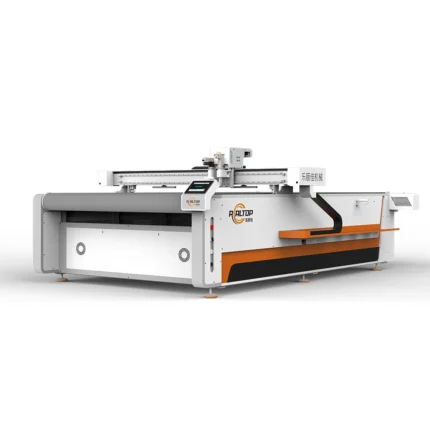
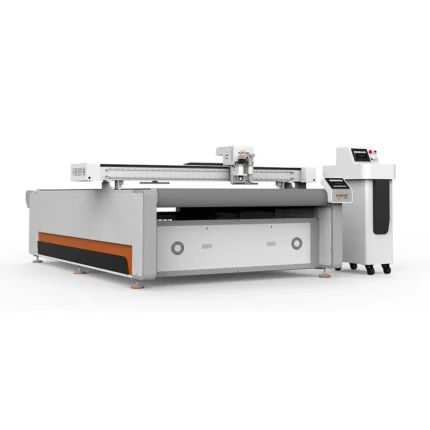
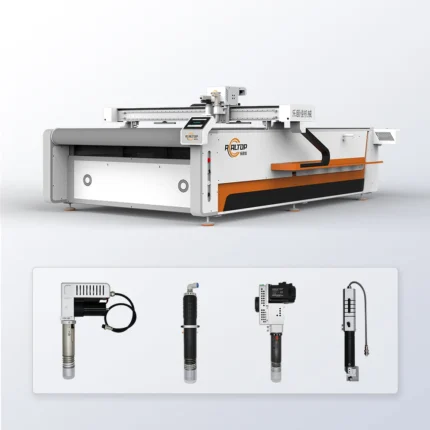
2026 Auto CNC Cloth Cutting Machine High-Precision Fabric Leather Plotter
Product Introduction
2026 Auto CNC Cloth Cutting Machine, a high-precision fabric & leather plotter designed for efficient cutting. Ideal for textile and leather industries with advanced CNC technology.
Key Specifications
| Model | Auto CNC Cloth Cutting Machine 2026 |
| Application | Fabric & Leather |
| Precision | High-Precision Cutting |
| Type | CNC Plotter |
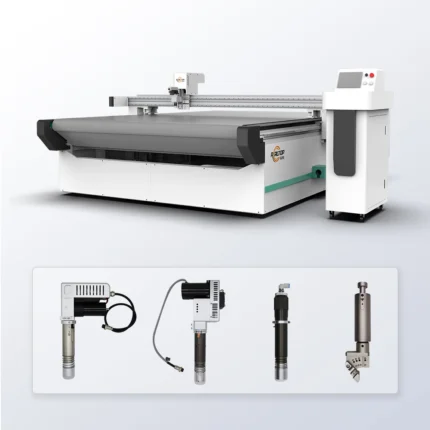
Automatic Fabric Cutting Machine 1200mm Delta Servo 2026
Product Parameters
| Cutting Width | 1200mm |
| Servo System | Delta Servo |
| Model Year | 2026 |
Introduction
High-performance Automatic Fabric Cutting Machine with 1200mm cutting width, equipped with Delta Servo for precision. Ideal for efficient fabric processing in textile industry, ensuring accurate and fast cutting operations.
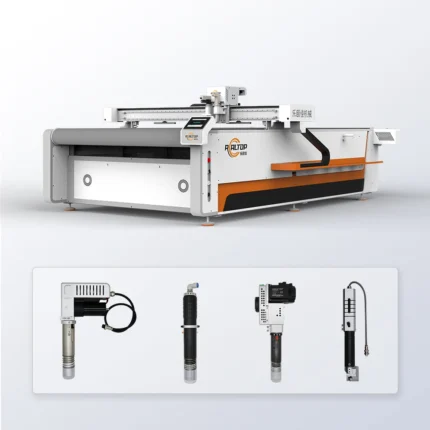
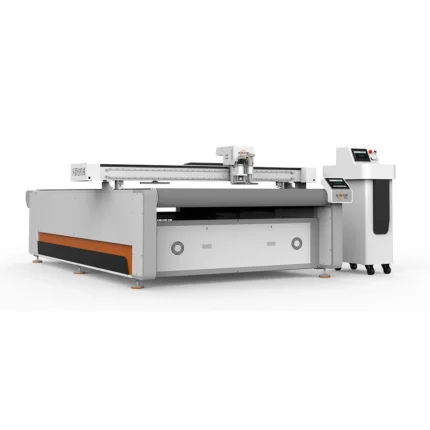
Custom CNC Shirt Fabric Cutting Machine 2026
Product Introduction
Custom CNC Shirt Fabric Cutting Machine 2026, ideal for precise fabric cutting in garment manufacturing, offering efficient and accurate cutting solutions.
Product Parameters
| Model | Custom CNC Shirt Fabric Cutting Machine 2026 |
| Type | CNC Fabric Cutting Machine |
| Application | Shirt Fabric Cutting |
| Year | 2026 |
High Speed Fabric Cutting Machine 2026 Round Oscillating Knife
Product Overview
High Speed Fabric Cutting Machine 2026 with round and oscillating knife for efficient fabric cutting. Ideal for textile manufacturing and related industries.Key Specifications
| Cutting Type | Round & Oscillating Knife |
| Model Year | 2026 |
| Application | Fabric Cutting |
| Feature | High Speed Performance |
Jinan Realtop CNC Fabric Slitting Cutter 2026: Advanced Flexible Material Cutter
Product Introduction
Jinan Realtop CNC Fabric Slitting Cutter 2026 is a high-performance cutting equipment designed for precise fabric processing, ideal for industrial manufacturing needs with reliable CNC technology.Specifications
| Model | 2026 |
| Type | CNC Fabric Slitting Cutter |
| Manufacturer | Jinan Realtop |
| Application | Fabric Processing |
| Control System | CNC |
Realtop CNC Fabric Cutting Machine 2026 CE Certified
Product Introduction
Realtop CNC Fabric Cutting Machine 2026, CE Certified, ideal for precision fabric cutting with advanced CNC technology. Engineered for efficiency and reliability in textile manufacturing processes.Key Specifications
| Model | Realtop CNC Fabric Cutting Machine 2026 |
| Certification | CE Certified |
商品评价
There are no reviews yet.