

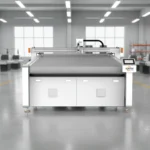
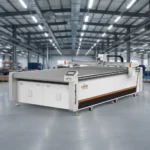
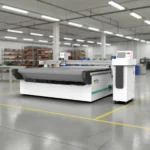
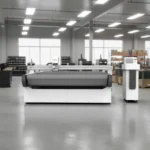
Factory Direct CNC Knife Cutting Machine for Fabric, Leather, PVC
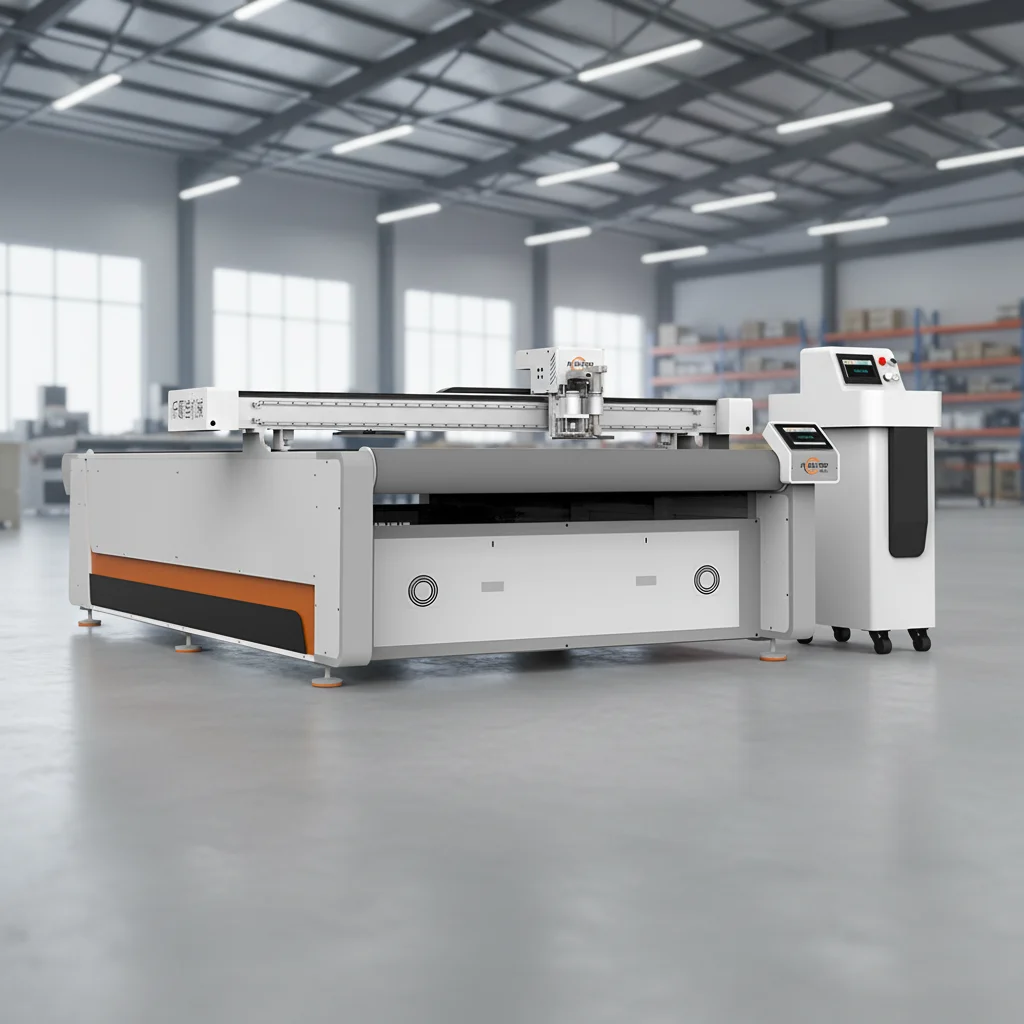
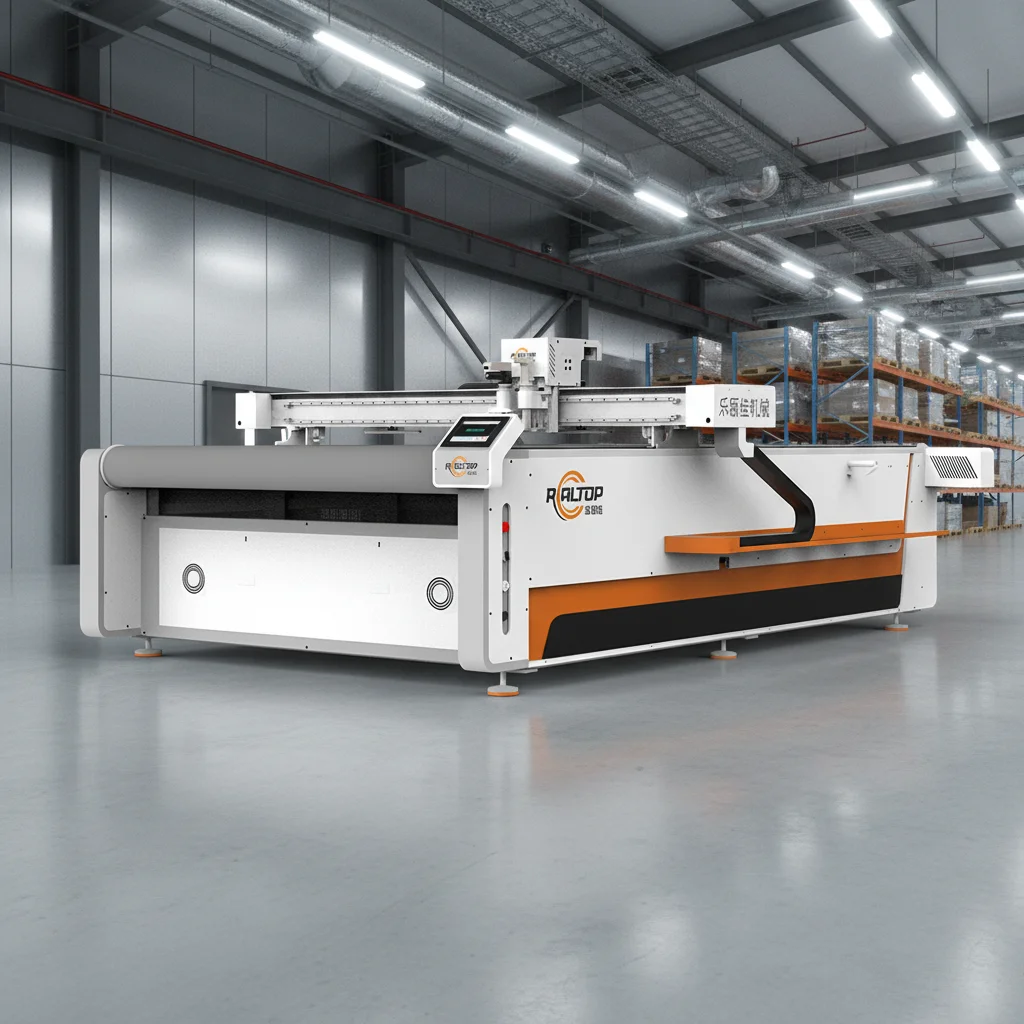
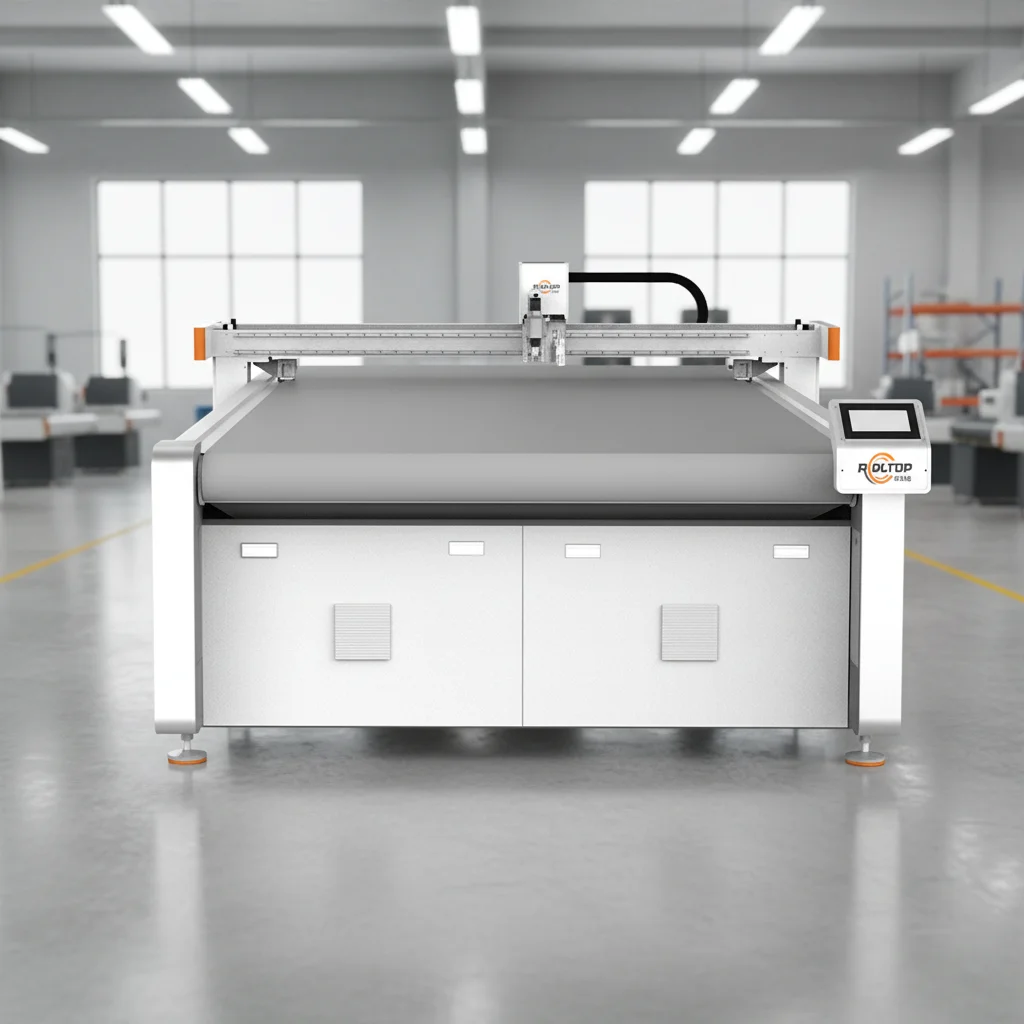
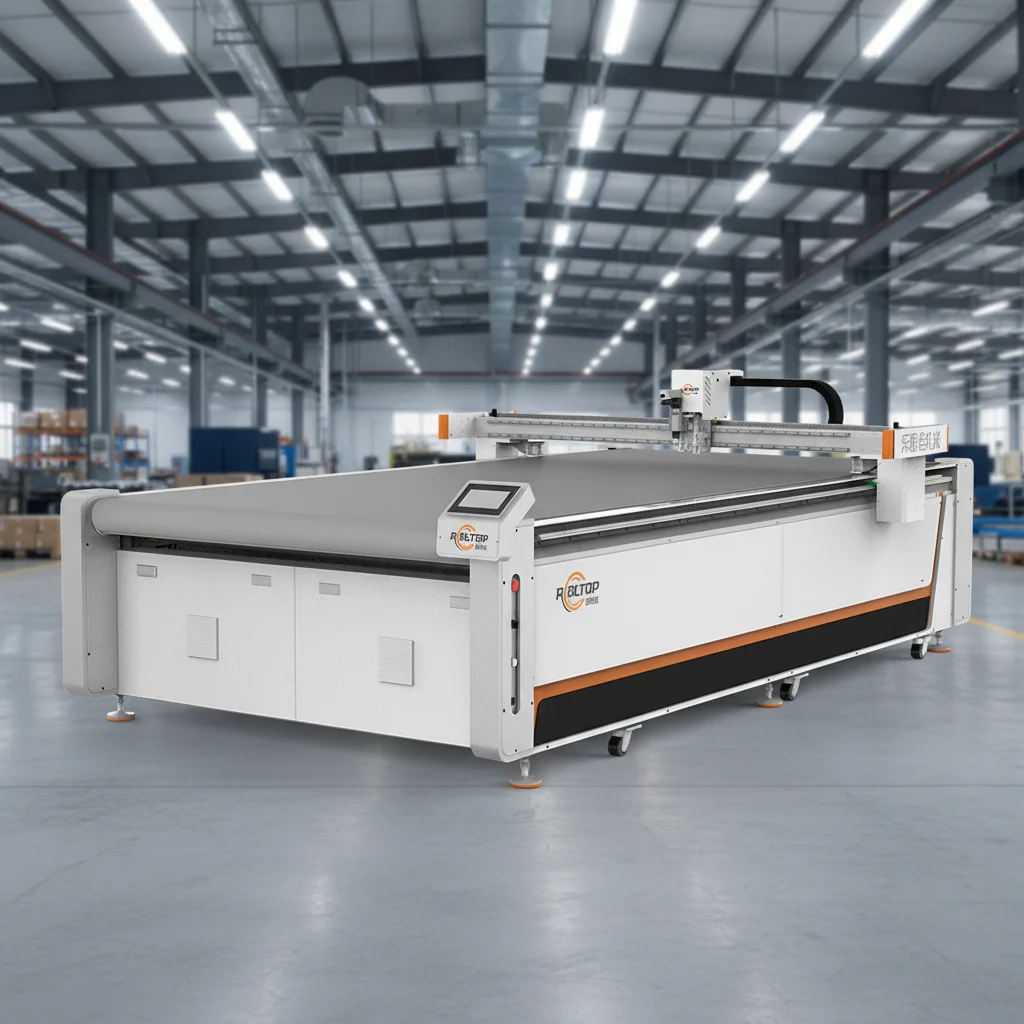
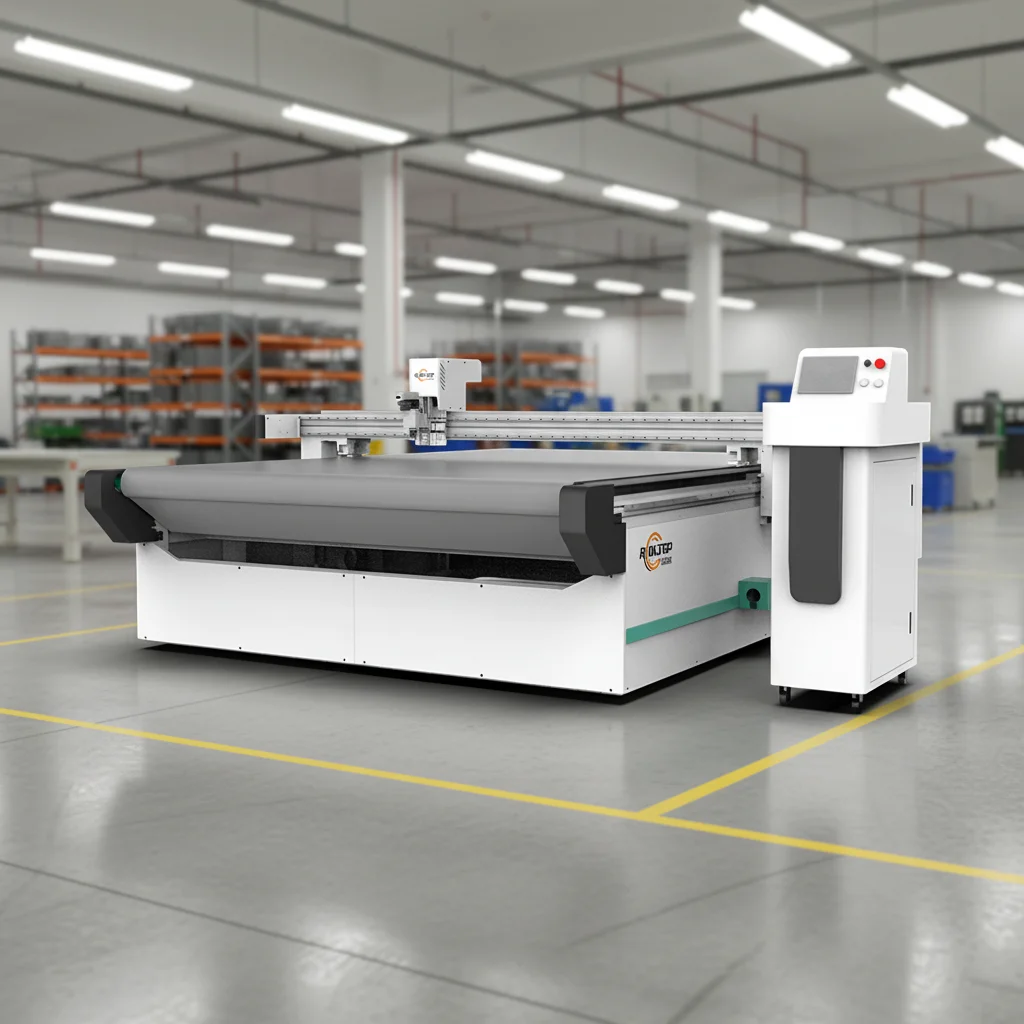
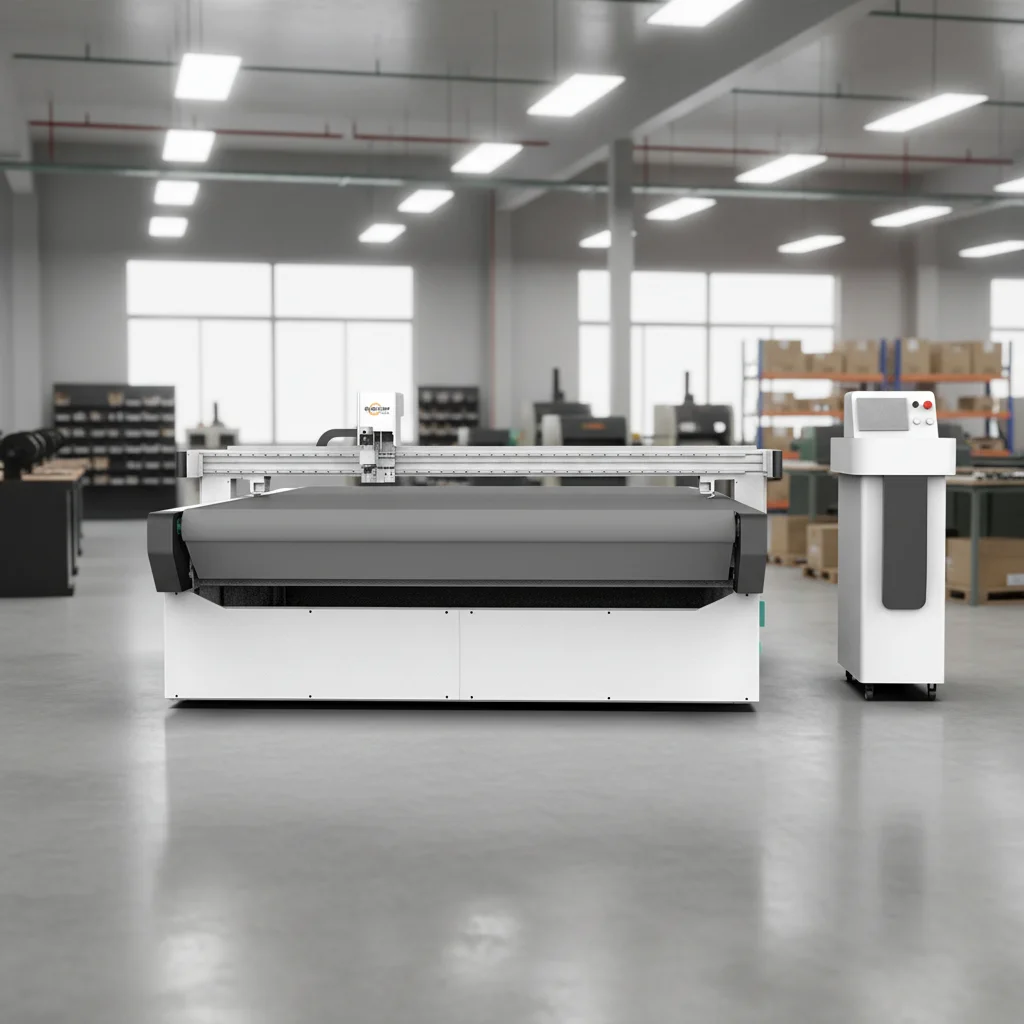
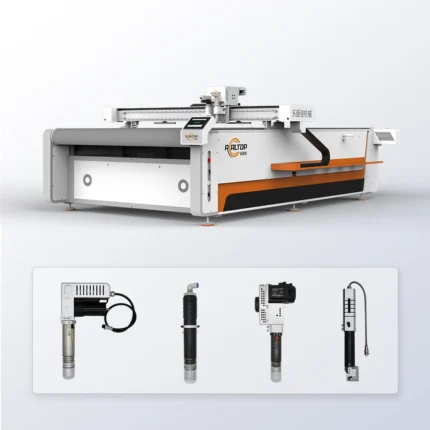
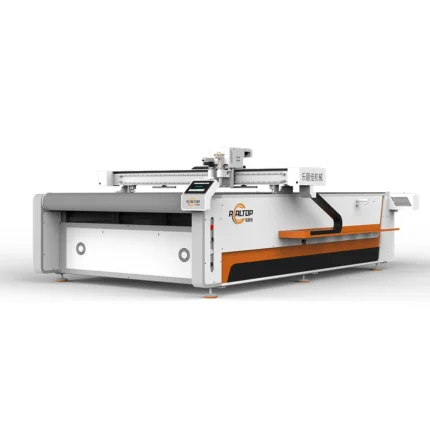
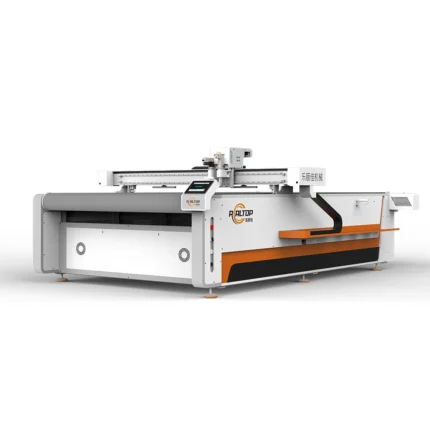
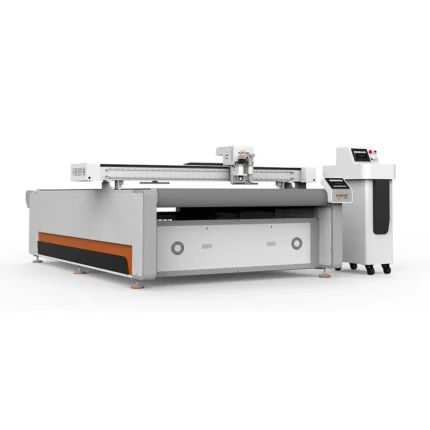
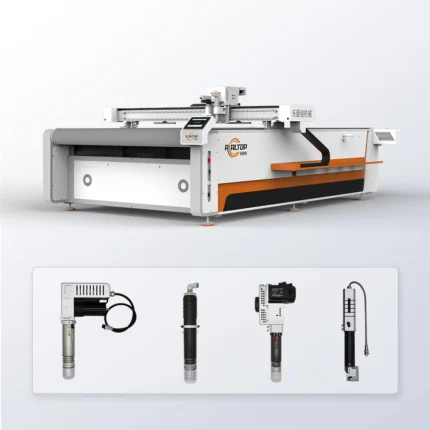
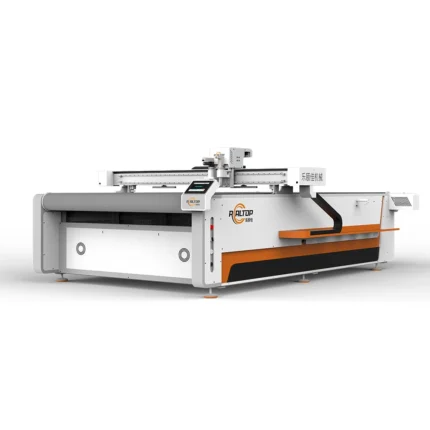
RT-D2516/RT-S2516 CNC Oscillating Knife Cutting Machine, 1600×2500mm Working Area, 9kW Rated Power — configured with Swiss imported knife heads, magnesium-aluminum alloy vacuum table and CCD visual positioning for precise contour cutting.
- Cuts fabric, leather, PVC, foam and composite materials up to 100mm thickness at 200-800mm/s with ≤0.1mm repeated accuracy
- Touch screen control supports multiple languages; auto typesetting software imports PLT, DXF and AI formats directly
- Delta servo motor with digital transmission ensures stable cutting performance across flexible and semi-rigid materials
Sample cutting on your own material is available before commitment, confirming real cutting depth, edge quality and file format compatibility for your production workflow.
Oscillating Knife Versus Laser — in-house design covers both CNC cutting methods, letting fabric, leather, acrylic and sheet metal processors choose the right process instead of forcing one technology across incompatible materials.
Technical Specifications
| Parameter | Value |
|---|---|
| Model | RT-D2516/RT-S2516 |
| Product Type | CNC Oscillating Knife Cutting Machine |
| Working Area | 1600 × 2500 mm |
| Machine Size | 3450 × 2300 × 1250 mm |
| Rated Power | 9 kW |
| Translational Velocity | 800–2000 mm/s |
| Cutting Speed | 200–800 mm/s (varies by material type and thickness) |
| Repeated Accuracy | ≤ 0.1 mm |
| Cutting Thickness | ≤ 100 mm (basis not stated in source — confirm material type and density) |
| Table Type | Flatbed working table or auto-feeding conveyor table |
| Vacuum Table Surface | Magnesium-aluminum alloy, fluorocarbon PVDF powder spraying, anodic oxidation |
| Vacuum Pump | 7.5 kW |
| Servo Motor | Delta (Panasonic optional) |
| Transmission System | Digital servo motor, linear guide, synchronous belt, imported ball screw |
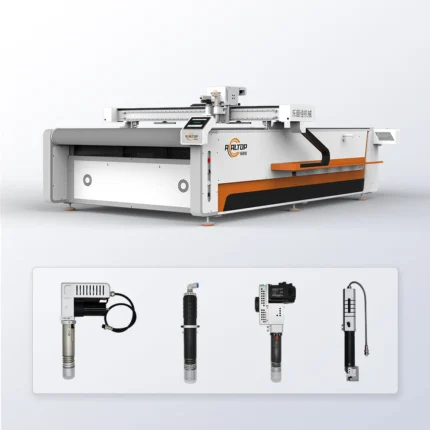
| Tool Head Options | Oscillating knife, pneumatic knife, high-power vibrating knife, circular knife, V-cutting knife, drag knife, creasing wheel, dotted-line knife, punching, brush |
| CCD / Visual Positioning | Small CCD mark-point positioning, panoramic camera recognition, projection positioning |
| Software | Auto typesetting; supports PLT, DXF, AI file formats |
| Control Panel | Touch screen, multi-language (English, Russian, Italian, Chinese, customizable) |
| Instruction System | HP-GL compatible format |
| Voltage | 380 V ± 10 % |
| Safety Device | Infrared sensors, anti-collision, emergency stop |
| Assembly State | Fully assembled |
| Warranty | 1 year |
| Standards | CE (verify against manufacturer catalog) |
Application Suitability
| Application | Material or Output |
|---|---|
| Automotive interior trimming | Leather, synthetic leather, sponge composite, fabric |
| Garment and footwear pattern cutting | Woven textile, non-woven fabric, PU, EVA |
| Carpet and floor mat production | Carpet, sponge, XPE, foam board |
| Soft home furnishing fabrication | Cloth, textile, composite materials |
| Gasket and sealing pad fabrication | Rubber, PTFE, ETFE, silicon |
| Packaging and carton sample making | Corrugated cardboard, cardboard, plastic box |
| Advertising and graphic printing | PVC sheet, sticker, film, soft glass |
| Sports and outdoor gear | Carbon fiber, fiberglass, composite panels |
Why "Peak Power" Quoted on a Laser Spec Sheet Misleads Buyers
Always ask whether the stated wattage is continuous or peak, then run a sample on your actual material before signing off.
Many fabricators receive a quote listing an impressive wattage figure, only to discover on the shop floor that the beam cannot hold a clean cut through the full depth at production speed. Peak ratings describe momentary output, while continuous ratings reflect what the tube or source actually sustains during an eight-hour shift. That gap between brochure numbers and real cutting depth causes missed delivery dates and reworked panels [NEED_CITE: laser source continuous versus peak power rating standards].
Laser Process Fundamentals for Textile and Non-Metal
A CO2 laser cutting and engraving machine manufacturer must specify the process window honestly: focal length, assist gas, and feed rate all shift when you move from acrylic to woven textile. The RT-D2516/RT-S2516 platform supports oscillating knife heads for thick foam and layered fabric, while the same frame can be configured with a CO2 source for edge-sealed cuts on synthetics. Matching the energy delivery method to the material prevents scorched edges on polyester and incomplete penetration on multi-ply canvas.
Contour Recognition at Production Speed
Printed textile rolls require the cutting path to follow registration marks that shift slightly with every feed cycle. The CCD mark-point camera and panoramic recognition system on this platform locate those marks before each cut cycle begins, updating the tool path in real time. Without that closed-loop correction, contour drift accumulates across a long roll, pushing waste rates above acceptable limits [NEED_CITE: CCD positioning accuracy in roll-fed textile cutting].
How Vacuum Zoning, Blade Frequency, and Table Flatness Shape Cut Quality
The 7.5 kW vacuum pump pulls air through a magnesium-aluminum alloy plenum coated with PVDF and finished by anodic oxidation. That surface treatment resists abrasion from grit-backed carpet and maintains flatness across the 1600 × 2500 mm work envelope. When cutting small gasket pieces, sectional vacuum zoning keeps suction concentrated under the active cutting zone, preventing parts from lifting as the blade exits. Oscillating knife frequency and stroke length must be tuned to material density; a high-frequency, short-stroke setting slices thin PU film cleanly, while thick sponge composite demands a longer stroke at lower frequency to avoid crushing the foam core. The repeated accuracy of ≤ 0.1 mm ensures that nesting software yields translate directly into finished part dimensions, reducing material waste on high-cost leather hides.
The Cost of Choosing the Wrong Tool Head for Your Material
A drag knife works well on vinyl and thin sticker film but tears through woven textile, leaving frayed edges that require secondary trimming. Conversely, an oscillating knife set to the wrong amplitude crushes soft foam instead of shearing it, producing compressed edges that fail dimensional inspection. Buyers who specify a tool head based on a single sample rather than their full material range often face weeks of parameter rework once production stock arrives — downtime that no catalog can predict [NEED_CITE: tool head selection and material hardness interaction].
Why Fabricators Source This Platform from REALTOP
In-house engineering covers both knife and laser cutting technologies, so a buyer processing acrylic signage one week and automotive leather the next can switch methods on the same frame instead of maintaining two separate lines. Tool head and table configuration are specified per material and production volume, not sold as a fixed package. CCD camera positioning is verified on the buyer’s printed rolls before shipment, confirming that contour tracking holds at target feed rates. Software compatibility — PLT, DXF, AI file import and nesting workflow — is documented in a licence and format note before the order is released. Sample cutting on the buyer’s own roll stock runs before commitment, generating a report that records blade type, stroke setting, vacuum level, and edge quality on that exact material.
Documentation & Verification
- Machine specification sheet listing every configured tool head and optional camera
- Electrical schematic confirming voltage, plug type, and circuit breaker rating for destination market
- Sample cutting report recording edge quality, dimensional accuracy, and cycle time on buyer’s material
- Software licence key and file format compatibility note matching buyer’s nesting workflow
- Factory test record documenting repeated accuracy and vacuum hold-down before crating
- Operation and maintenance manual with tool head changeover procedures in buyer’s language
Installation, Commissioning & Support
- 3450 × 2300 mm footprint requires level concrete floor and clearance for auto-feeding conveyor
- 380 V ± 10 % three-phase supply with dedicated 9 kW breaker and earth leakage protection
- Machine ships fully assembled; only conveyor extension and vacuum duct need on-site connection
- First-run calibration includes vacuum zoning map, CCD registration test, and servo tuning
- Operator training covers tool head swap, blade depth offset, and nesting software import
- Spare blade stock and CCD lens cleaning kit included for initial production period
What to Include in Your Inquiry
Send the material data sheet or a physical roll sample so the cutting method and tool head can be matched to your actual stock. Confirm your local voltage, frequency, and plug standard, along with the preferred control language for the touch screen. If your workflow already uses a nesting or CAD system, specify the file formats and software version so compatibility can be verified before quotation.
Frequently Asked Questions
Q: How do I confirm the machine will cut my material to the full depth at production speed?
A: Send a roll sample or data sheet specifying material type, thickness, and density. We run a sample cutting test on the RT-D2516/RT-S2516, recording blade type, oscillation frequency, vacuum level, and edge finish. You receive a written report with cut parameters and dimensional results before committing to an order.
Q: What electrical and control confirmations are needed before shipment?
A: We provide an electrical schematic showing voltage, frequency, plug type, and breaker rating for your market. The touch screen language is set before crating. Any mismatch discovered after arrival requires rewiring and reprogramming, so this step is locked in during the specification review.
Q: Can my existing CAD and nesting files import directly into the machine software?
A: The auto typesetting software accepts PLT, DXF, and AI formats. Before the order is finalized, we test your actual design files on the control system and confirm layer mapping, contour recognition, and nesting yield. A compatibility note is included in the documentation package.
Q: What extraction or assist gas setup does my material require?
A: Acrylic cutting needs an extraction system rated for organic vapors, while textile processing requires particulate filtration. For laser configurations, assist gas type and pressure are specified per material — air for thin organics, nitrogen for clean oxide-free edges. We recommend extraction capacity based on your daily cutting volume.
Q: What happens if my production material differs from the sample I initially sent?
A: Material hardness and coating composition vary between suppliers and batches. If your roll stock changes after the order is placed, send a new sample for a second cutting test. Updated parameters are documented and added to your machine file so operators can switch profiles without trial-and-error downtime.


Related products
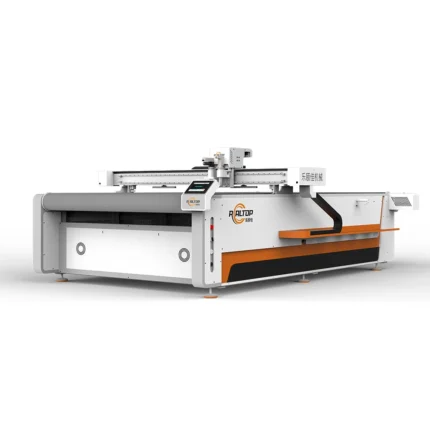
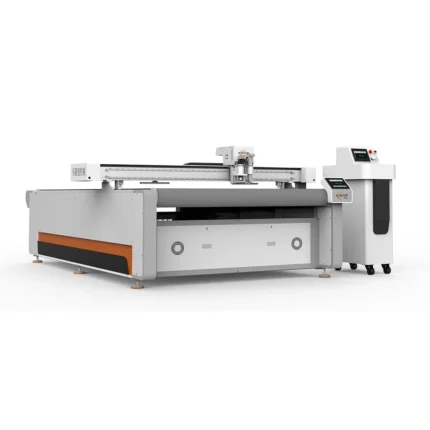
2026 Auto CNC Cloth Cutting Machine High-Precision Fabric Leather Plotter
Product Introduction
2026 Auto CNC Cloth Cutting Machine, a high-precision fabric & leather plotter designed for efficient cutting. Ideal for textile and leather industries with advanced CNC technology.
Key Specifications
| Model | Auto CNC Cloth Cutting Machine 2026 |
| Application | Fabric & Leather |
| Precision | High-Precision Cutting |
| Type | CNC Plotter |
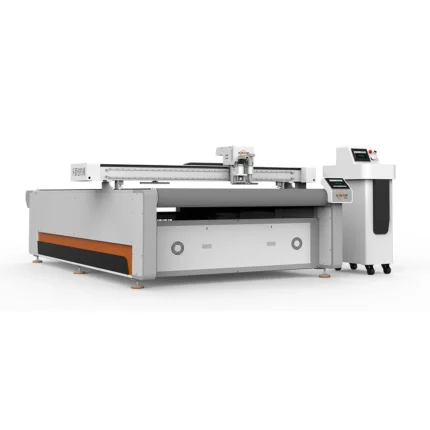
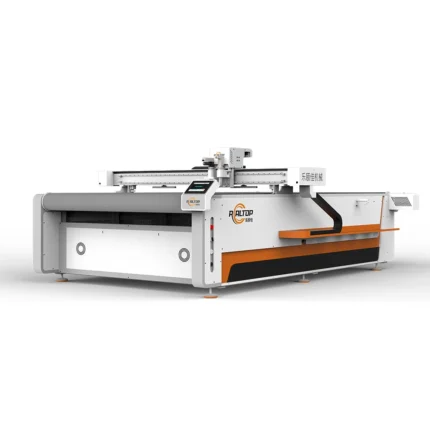
2026 Automatic PVC Tarpaulin Cutter Machine
Product Introduction
High-performance Automatic PVC Tarpaulin Cutter Machine 2026, ideal for precise and efficient cutting of PVC tarpaulin materials, designed for industrial manufacturing needs with reliable operation and user-friendly control.Product Parameters
| Model | 2026 |
| Type | Automatic PVC Tarpaulin Cutter |
| Application | PVC Tarpaulin Cutting |
| Feature | Precise & Efficient Cutting |
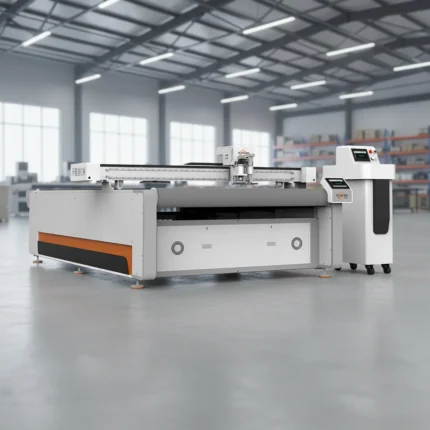
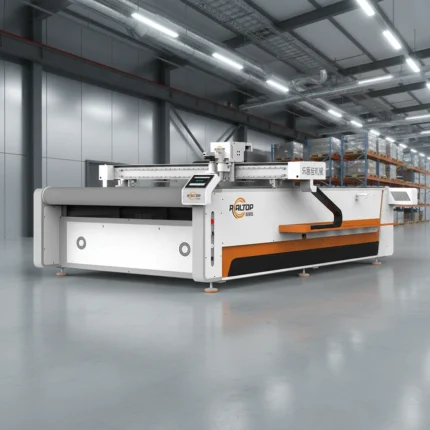
Jinan Realtop CNC Fabric Slitting Cutter 2026: Advanced Flexible Material Cutter
Product Introduction
Jinan Realtop CNC Fabric Slitting Cutter 2026 is a high-performance cutting equipment designed for precise fabric processing, ideal for industrial manufacturing needs with reliable CNC technology.Specifications
| Model | 2026 |
| Type | CNC Fabric Slitting Cutter |
| Manufacturer | Jinan Realtop |
| Application | Fabric Processing |
| Control System | CNC |
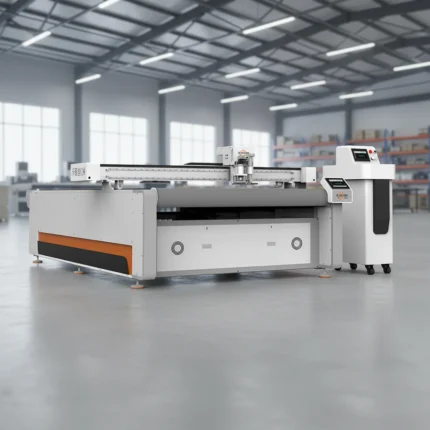
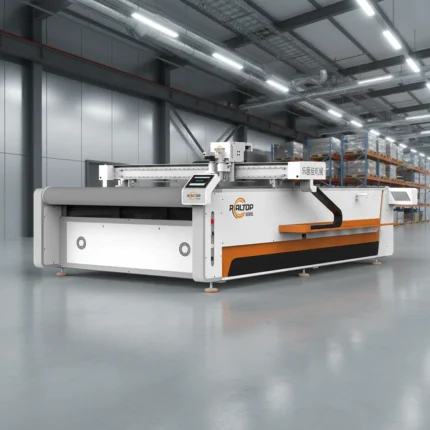
Realtop CNC Fabric Cutting Machine 2026 CE Certified
Product Introduction
Realtop CNC Fabric Cutting Machine 2026, CE Certified, ideal for precision fabric cutting with advanced CNC technology. Engineered for efficiency and reliability in textile manufacturing processes.Key Specifications
| Model | Realtop CNC Fabric Cutting Machine 2026 |
| Certification | CE Certified |
商品评价
There are no reviews yet.