

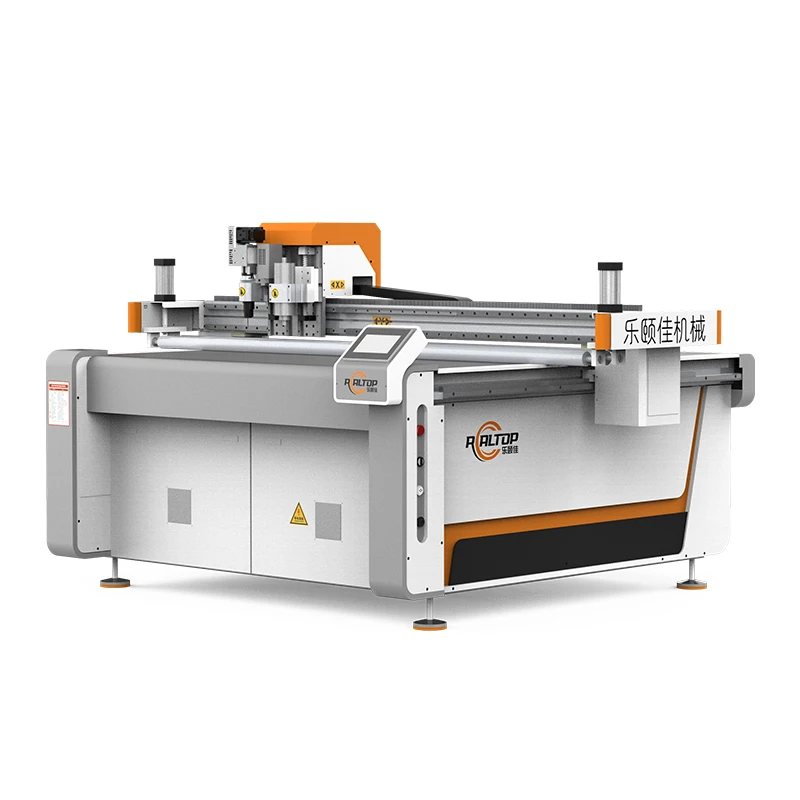
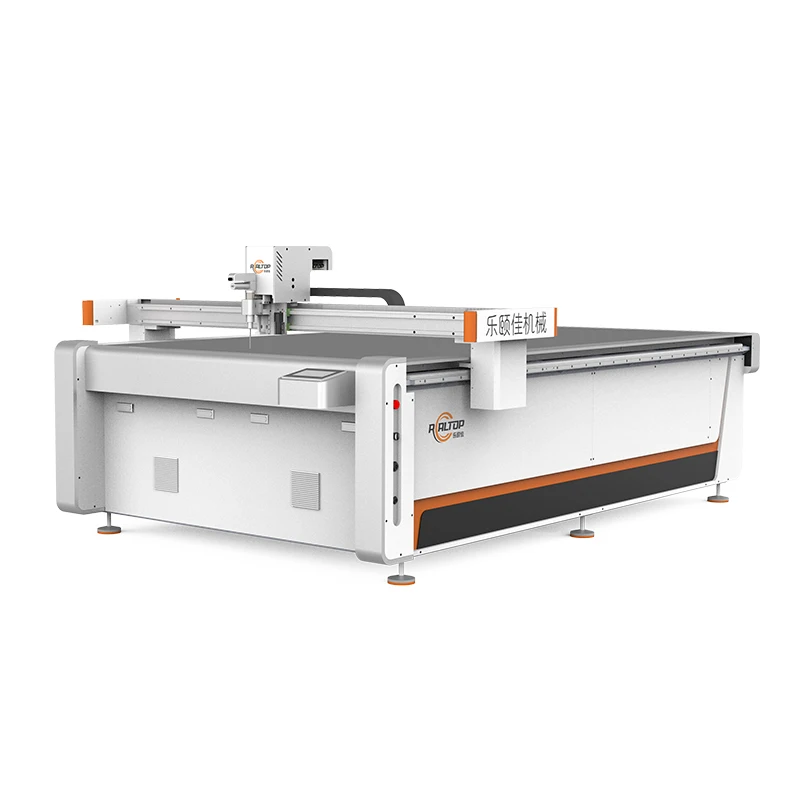
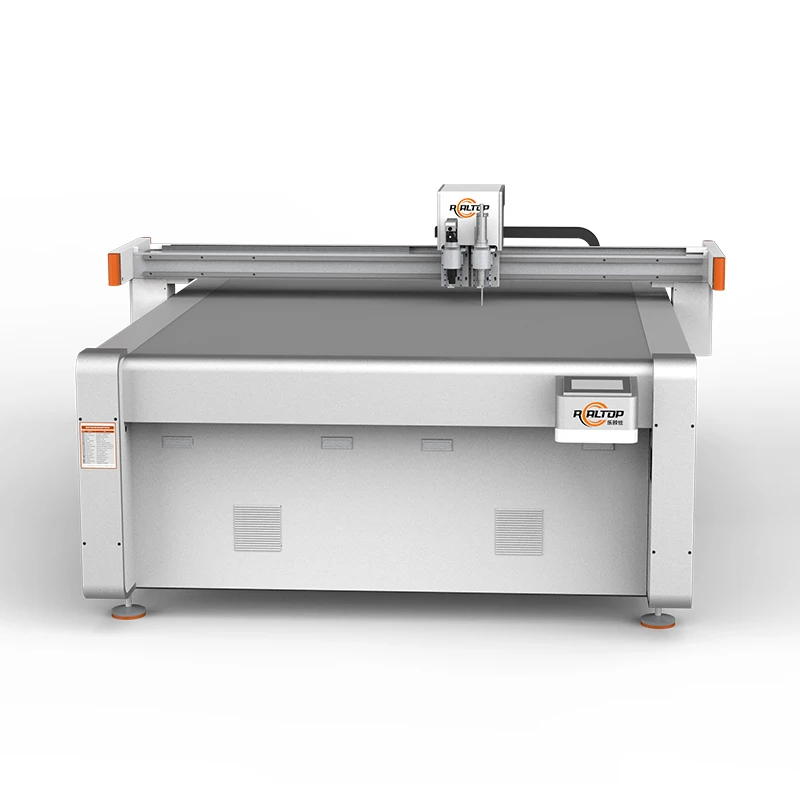
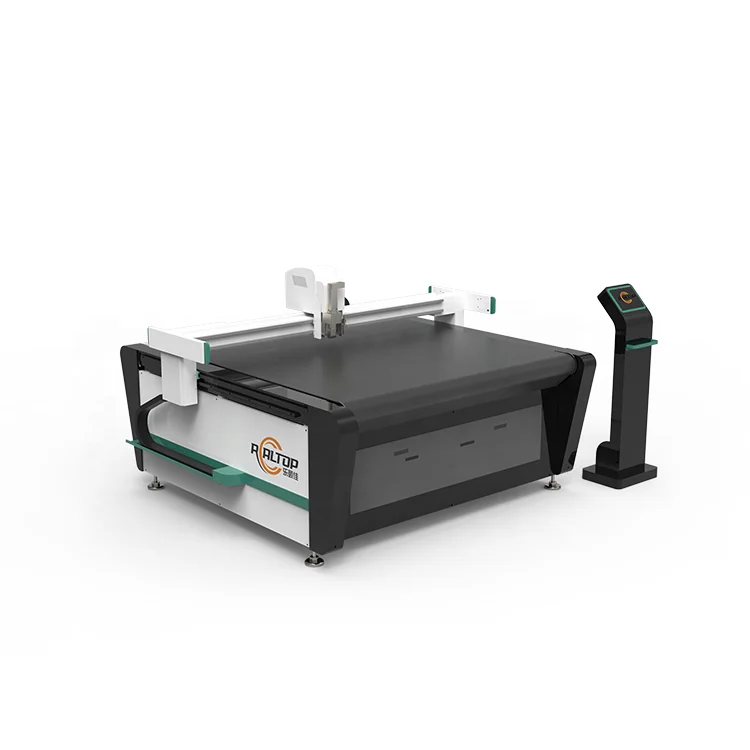
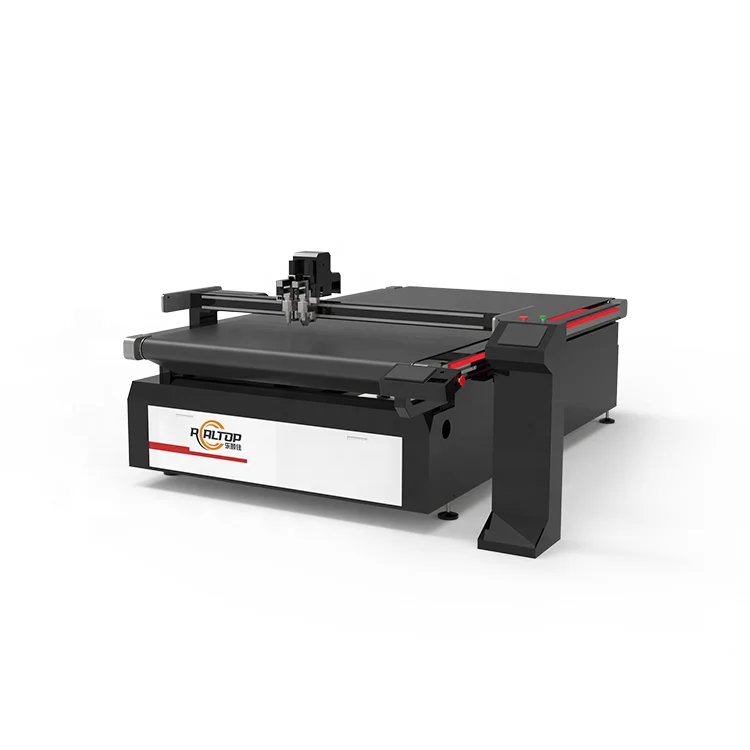
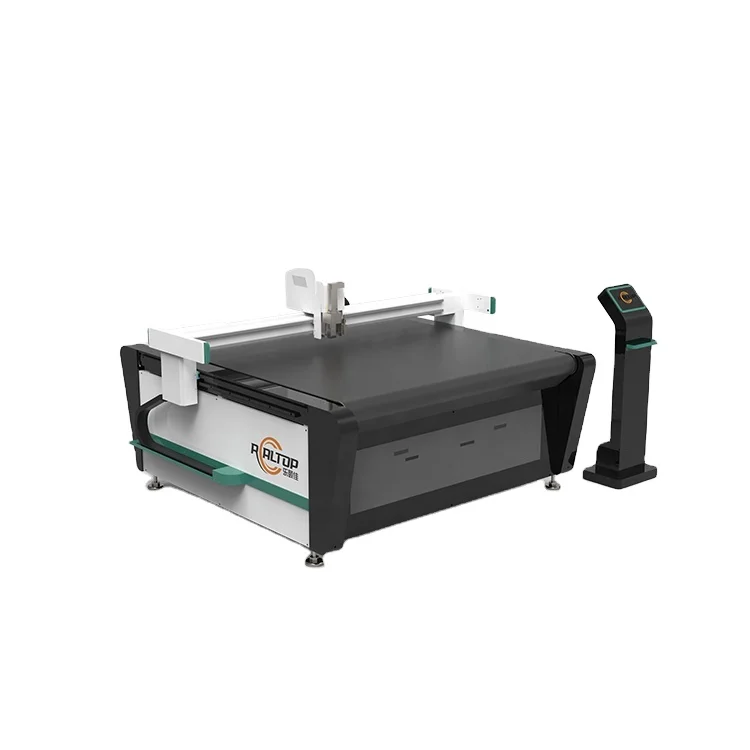
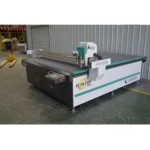

Industrial CNC Oscillating Knife Cutter for Textile Non-Woven Mesh
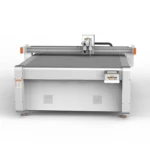
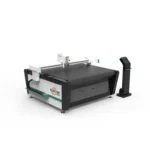
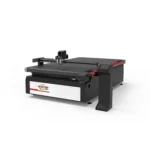
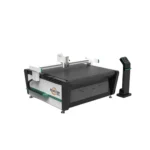
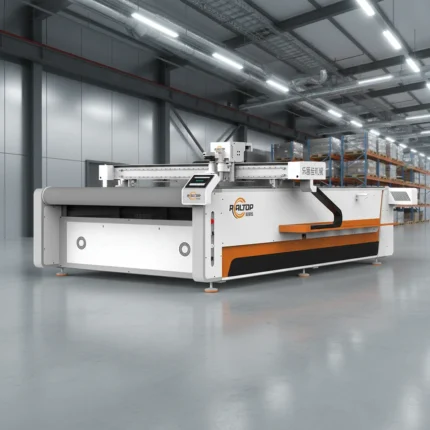
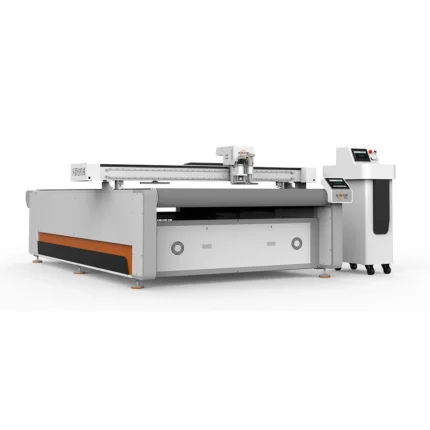
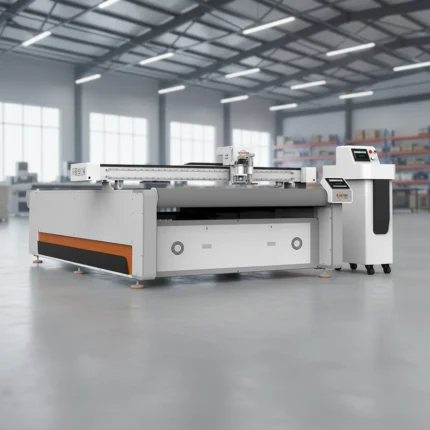
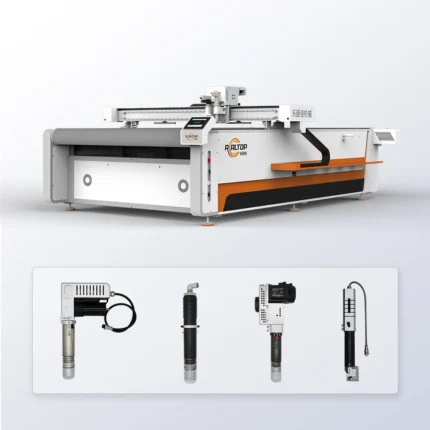
RT-D2516/RT-S2516 CNC Oscillating Knife Cutting Machine, 1600×2500mm Working Area, 9kw Rated Power, Japanese Yaskawa Servo — designed for textile, gasket and flexible material processing.
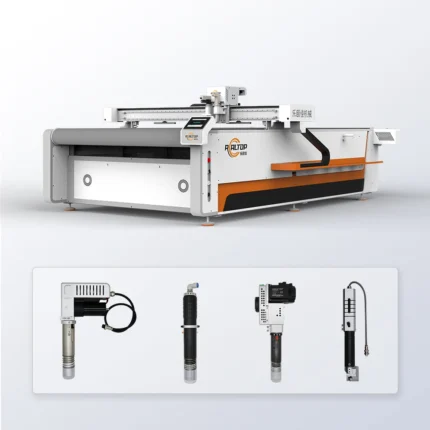
- Swiss imported knife system delivers vibration full and half cutting with cursor location for precise contour work.
- Vacuum table with auto feeding and German imported conveyor belt ensures flat material handling at 200-800mm/s cutting speed.
- Taiwan Hiwin rails and digital servo motors achieve ≤0.1mm repeated accuracy across non-asbestos rubber, graphite, cork, PTFE, leather and sponge composites.
- HP-GL compatible instruction system supports existing file formats without workflow disruption.
Sample cutting on your own material is available before order commitment to verify edge quality and throughput match your production requirements.
Material-Matched Tooling — Swiss oscillating and drag knife options are selected against your actual fabric sample, not guessed from a brochure chart.
Technical Specifications
| Parameter | Value |
|---|---|
| Model | RT-D2516/RT-S2516 |
| Product Type | CNC Oscillating Knife Cutting Machine |
| Working Area | 1600 × 2500 mm |
| Machine Dimensions | 3450 × 2300 × 1250 mm |
| Rated Power | 9 kW |
| Table Type | Vacuum table with auto feeding |
| Tool Head | Swiss imported knife with vibration full cutting, vibration half cutting and cursor location |
| Safety Device | Infrared sensors |
| Translational Velocity | 800–1200 mm/s |
| Cutting Speed | 200–800 mm/s (according to different cutting materials) |
| Repeated Accuracy | ≤0.1 mm |
| Transmission System | Digital servo motor, linear guide, synchronous belt, ball screw |
| Servo Motor | Japanese Yaskawa |
| Rail | Taiwan Hiwin |
| Instruction System | HP-GL compatible format |
| Voltage | 380V ± 10% |
| Conveyor Belt | Germany imported |
| Vacuum Pump | 7.5 kW |
| Certification | CE |
Application Suitability
| Application | Material or Output |
|---|---|
| Non-woven and mesh textile cutting | Technical fabrics, spunbond, meltblown rolls |
| Garment and apparel layer cutting | Clothing flexible materials, woven and knitted fabrics |
| Automotive and marine upholstery | Sponge composite leather, PVC-coated textiles |
| Gasket fabrication | Non-asbestos rubber, graphite, cork, PTFE sheets |
| Industrial soft material processing | Silicon, rubber, soft glass sheets |
| Footwear component cutting | Leather, synthetic uppers, insole boards |
Why the Cutting Speed Figure Means Nothing Without Your Fabric
Real cutting speed depends on the ply count, coating type and vacuum hold-down of your specific roll, not on a generic chart.
A buyer once received a textile cutting line configured for standard polyester, only to find that the actual production run involved a coated nylon composite. The blade frequency and downforce were mismatched, producing frayed edges and scrapped plies all morning. This CNC Oscillating Knife Cutting Machine manufacturer builds the configuration around the material you actually process, confirming blade type and vacuum zoning before the machine leaves the factory [NEED_CITE: material-specific knife cutting configuration practices].
Matching Blade Frequency to Fabric Density
The Swiss imported oscillating knife head delivers vibration full cutting and half cutting modes, allowing the operator to switch between through-cutting multi-ply stacks and kiss-cutting single layers on adhesive-backed mesh. Cursor location supports alignment against printed registration marks when contour cutting is required. Selecting the correct stroke rate for a given textile weight prevents filament pull-out on loose-weave non-wovens and avoids blade drag on tightly woven technical fabrics.
Vacuum Zoning Across the 1600 × 2500 Bed
The 7.5 kW vacuum pump paired with the auto-feeding conveyor belt maintains fabric flatness across the full working area. Proper zone segmentation is essential when cutting small pattern pieces from wide mesh rolls, because a single large vacuum zone will lose suction at the edges once the center area is opened by the knife path. Confirming the vacuum layout against your nesting pattern ensures that lightweight non-wovens stay pinned throughout the cut cycle [NEED_CITE: vacuum table zoning requirements for flatbed digital cutters].
Drive Components and Positioning Accuracy
Japanese Yaskawa servo motors running on Taiwan Hiwin linear rails deliver ≤0.1 mm repeated accuracy, which matters when cutting interlocking garment panels where even a slight deviation accumulates across dozens of pieces in a lay. The ball screw and synchronous belt transmission translates digital path data into physical motion without the backlash that worn chain drives introduce over time. This level of repeatability keeps pattern matching consistent from the first piece in a shift to the last.
The Cost of Skipping a Material Trial
Specifying a CNC Oscillating Knife Cutting Machine by working area alone leaves the tool head selection to chance. When the blade type is wrong for a coated or laminated fabric, the result is ragged edges that require manual trimming, crushed foam cores in composite materials, or delamination at the cut line. These defects often appear only after the machine is installed and production begins, turning a capital equipment purchase into a troubleshooting project [NEED_CITE: consequences of incorrect tool head selection in digital cutting].
What Supports the Machine After Delivery
This equipment range covers both oscillating knife and laser cutting technologies within one production facility, so the cutting method is matched to the material rather than forced into a single process. Tool head and table configurations are specified per fabric type and daily volume. Software compatibility with your existing nesting workflow is confirmed before the order is finalized. Voltage, control language and plug type are set for the destination market. A sample cutting report on your own material is provided before commitment, not after the machine arrives.
Documentation & Verification
- Machine specification sheet listing RT-D2516/RT-S2516 tool head and table configuration
- Electrical schematic with 380V ± 10% circuit diagram and voltage confirmation for your market
- Sample cutting report on your non-woven or mesh fabric before shipment
- Factory test record showing repeated accuracy across the 1600 × 2500 mm bed
- HP-GL compatible format software licence and file compatibility note
Installation, Commissioning & Support
- Level foundation required for 3450 × 2300 × 1250 mm machine footprint with anchor bolt provisions
- Dedicated 380V ± 10% circuit with sufficient amperage for 9 kW total rated power plus 7.5 kW vacuum pump
- Auto-feeding conveyor belt tension calibrated on-site against your roll diameter and fabric weight
- Yaskawa servo parameters tuned during commissioning to match your cutting speed and material ply count
- Operator training covering Swiss knife head blade changes, vacuum zone management and HP-GL file import
What We Need to Configure Your Line
Share the exact fabric type, weight per square meter, coating or lamination details, and the maximum ply count you plan to cut in a single pass. Provide your target daily output and the roll widths you source, so the feeding system can be matched accordingly. Let us know your local voltage standard, preferred control language, and whether your current nesting software exports HP-GL or a different format. If possible, send a sample roll for test cutting before the configuration is locked in.
Frequently Asked Questions
Q: How do I confirm the cutting speed for my specific non-woven mesh?
A: Cutting speed ranges from 200 to 800 mm/s depending on material density and ply count. The only reliable way to confirm throughput is a sample cutting test on your actual fabric roll. A report documenting blade type, stroke frequency and edge quality is provided before you commit to the order.
Q: What voltage and control language options are available?
A: The standard configuration is 380V ± 10%, but voltage and frequency can be adjusted for your local grid. Control interface language is confirmed before production. The electrical schematic documents the final configuration so your electrician can prepare the workshop supply in advance.
Q: How do I choose between oscillating knife and drag knife for my material?
A: Oscillating knife suits thicker or multi-ply textiles and compressible composites where a vibrating stroke reduces drag. Drag knife works well for thinner, single-ply vinyl or film. A sample test on your material determines which tool head produces a clean edge without fraying or delamination.
Q: Will the machine accept my existing nesting files?
A: The instruction system is HP-GL compatible. If your nesting software exports DXF, PLT or a proprietary format, compatibility is verified during the pre-order stage. A software licence and file format note are included in the documentation package so your workflow continues without interruption.


Related products
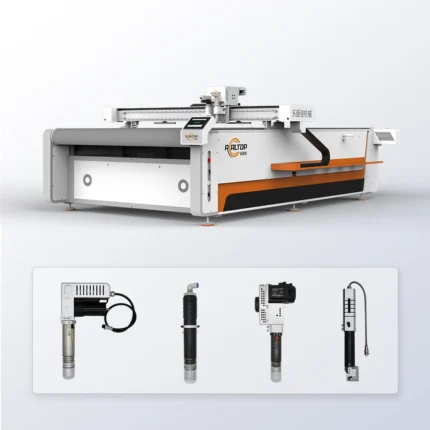
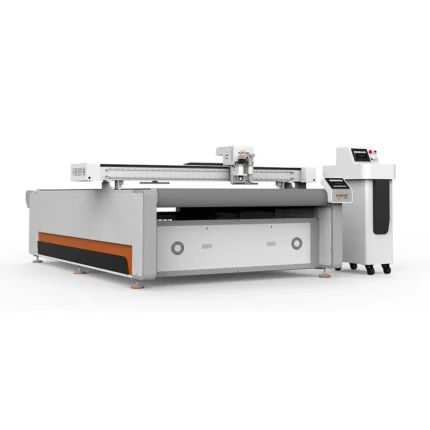
2026 Auto CNC Cloth Cutting Machine High-Precision Fabric Leather Plotter
Product Introduction
2026 Auto CNC Cloth Cutting Machine, a high-precision fabric & leather plotter designed for efficient cutting. Ideal for textile and leather industries with advanced CNC technology.
Key Specifications
| Model | Auto CNC Cloth Cutting Machine 2026 |
| Application | Fabric & Leather |
| Precision | High-Precision Cutting |
| Type | CNC Plotter |
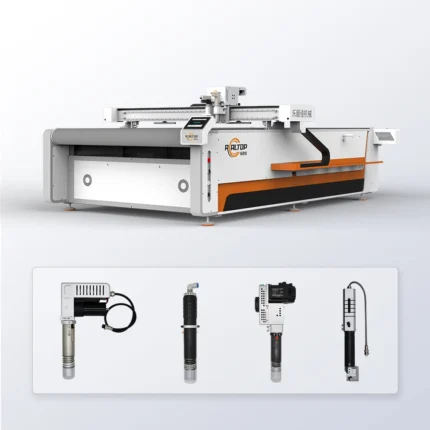
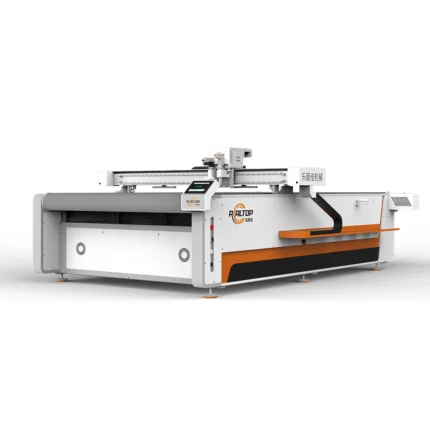
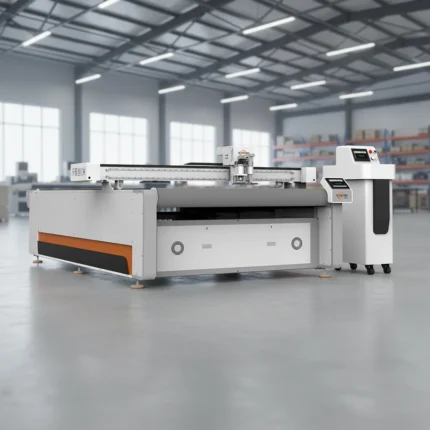
Custom CNC Shirt Fabric Cutting Machine 2026
Product Introduction
Custom CNC Shirt Fabric Cutting Machine 2026, ideal for precise fabric cutting in garment manufacturing, offering efficient and accurate cutting solutions.
Product Parameters
| Model | Custom CNC Shirt Fabric Cutting Machine 2026 |
| Type | CNC Fabric Cutting Machine |
| Application | Shirt Fabric Cutting |
| Year | 2026 |
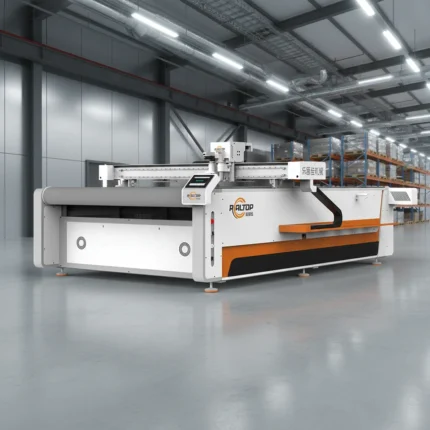
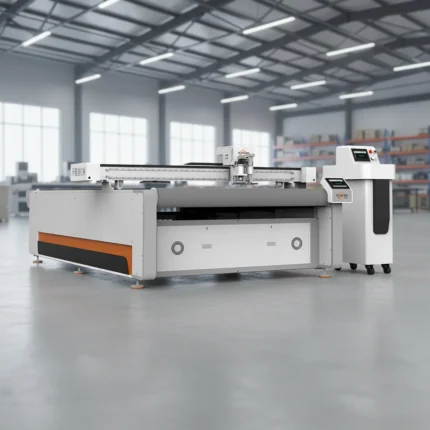
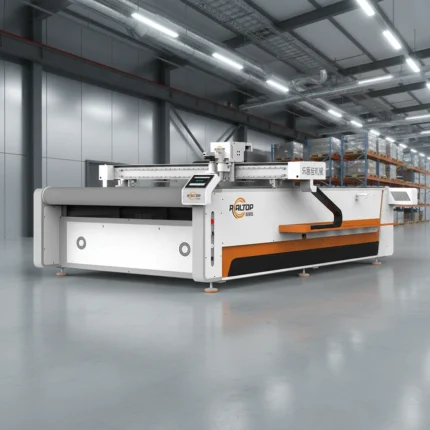
Jinan Realtop CNC Fabric Slitting Cutter 2026: Advanced Flexible Material Cutter
Product Introduction
Jinan Realtop CNC Fabric Slitting Cutter 2026 is a high-performance cutting equipment designed for precise fabric processing, ideal for industrial manufacturing needs with reliable CNC technology.Specifications
| Model | 2026 |
| Type | CNC Fabric Slitting Cutter |
| Manufacturer | Jinan Realtop |
| Application | Fabric Processing |
| Control System | CNC |
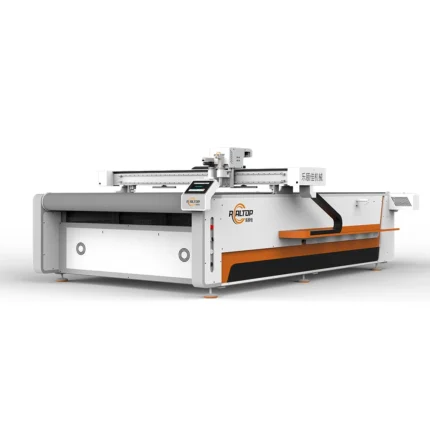
Jinan Realtop CNC Oscillating Knife Cutter 2026
Product Introduction
Jinan Realtop CNC Oscillating Knife Cutter 2026, a precision cutting solution from China's leading welding & cutting equipment manufacturer, ideal for efficient material processing with advanced CNC technology.
Key Specifications
| Model | 2026 |
| Type | CNC Oscillating Knife Cutter |
| Manufacturer | Jinan Realtop |
商品评价
There are no reviews yet.