

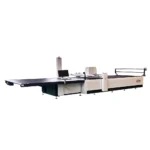

Leather CNC Fabric Cutting Machine – Factory Supply
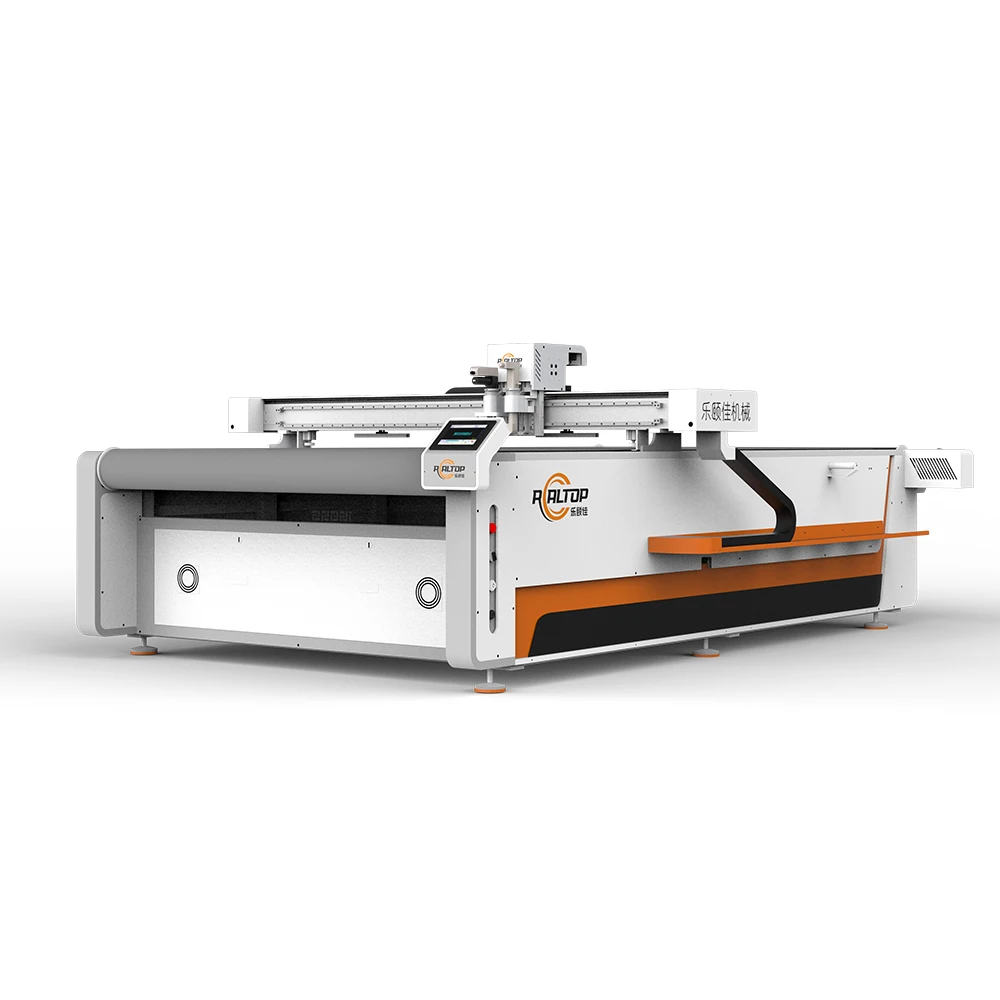
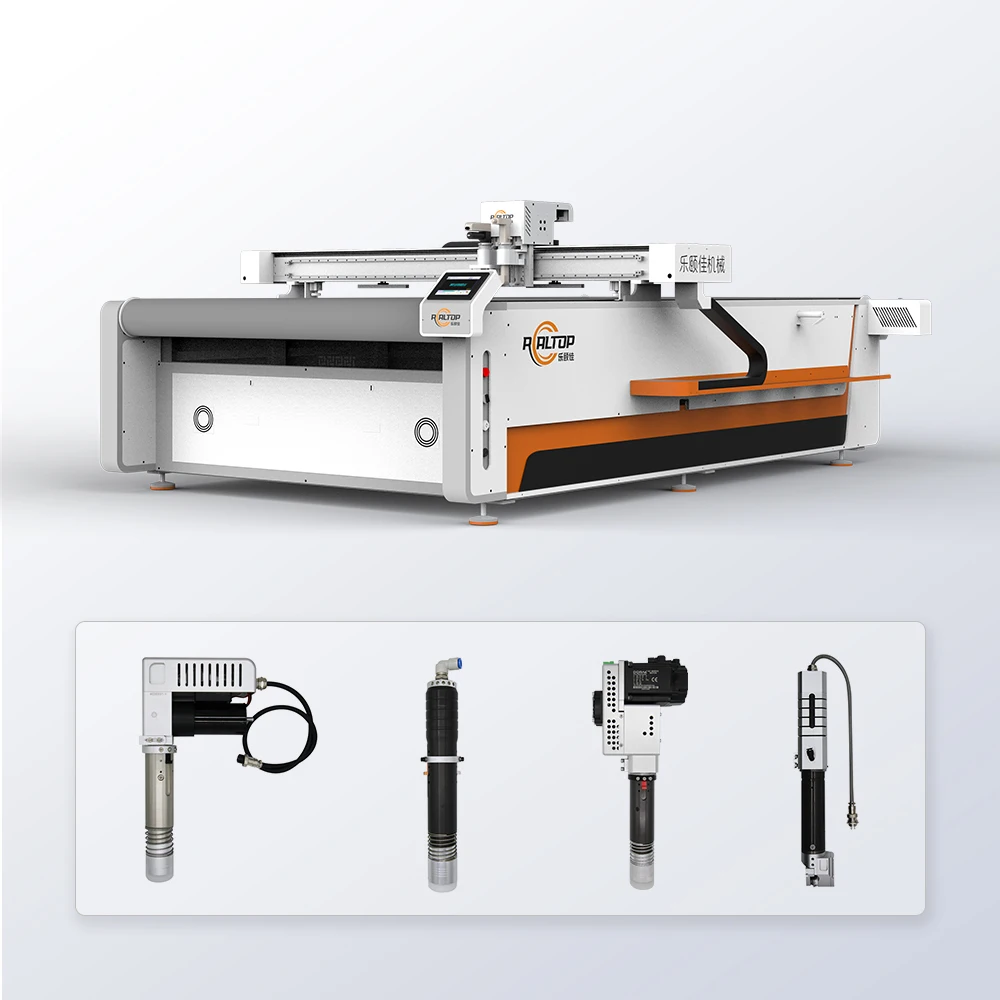
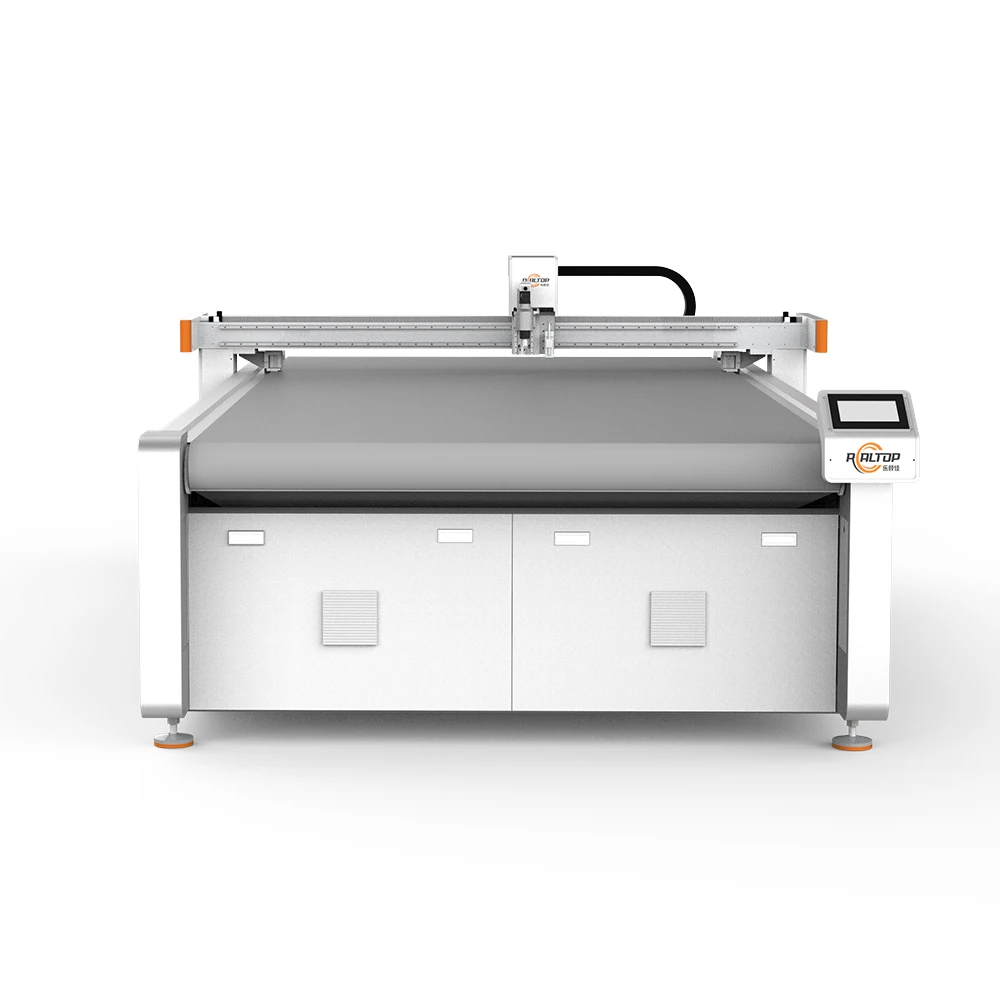
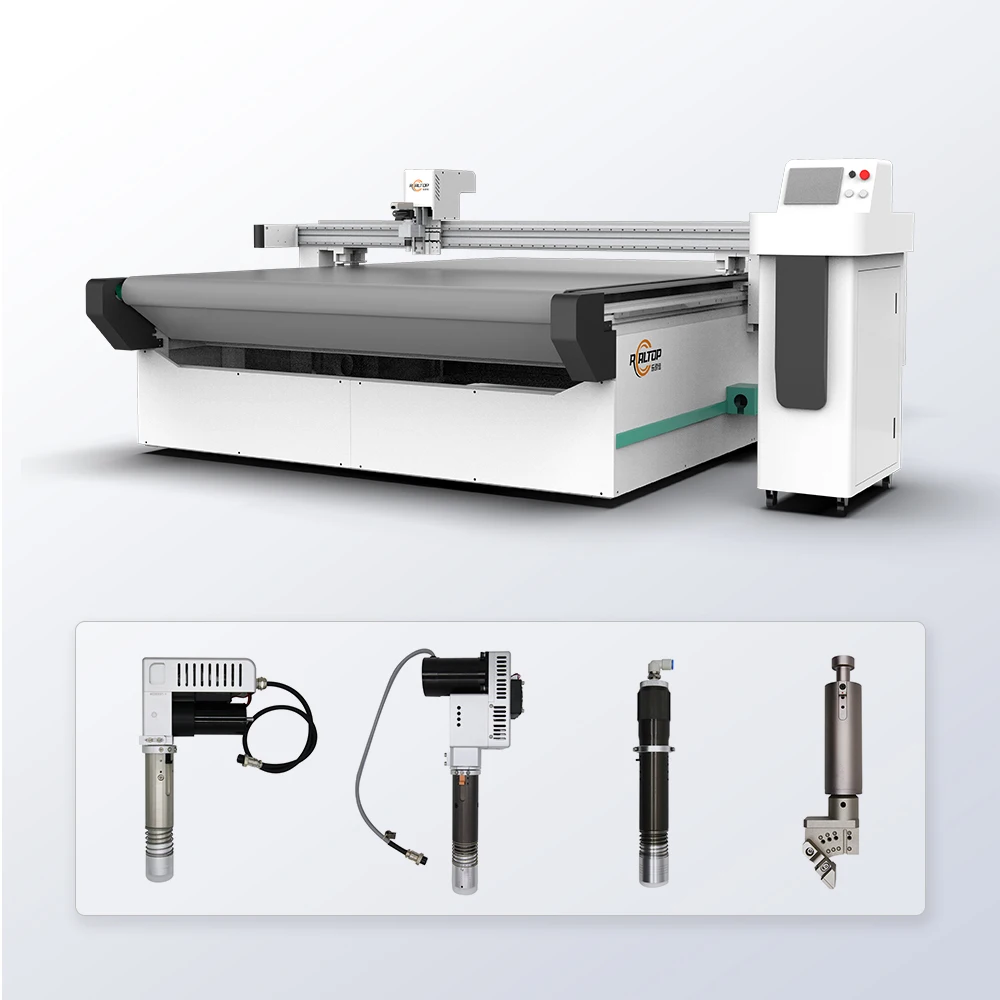
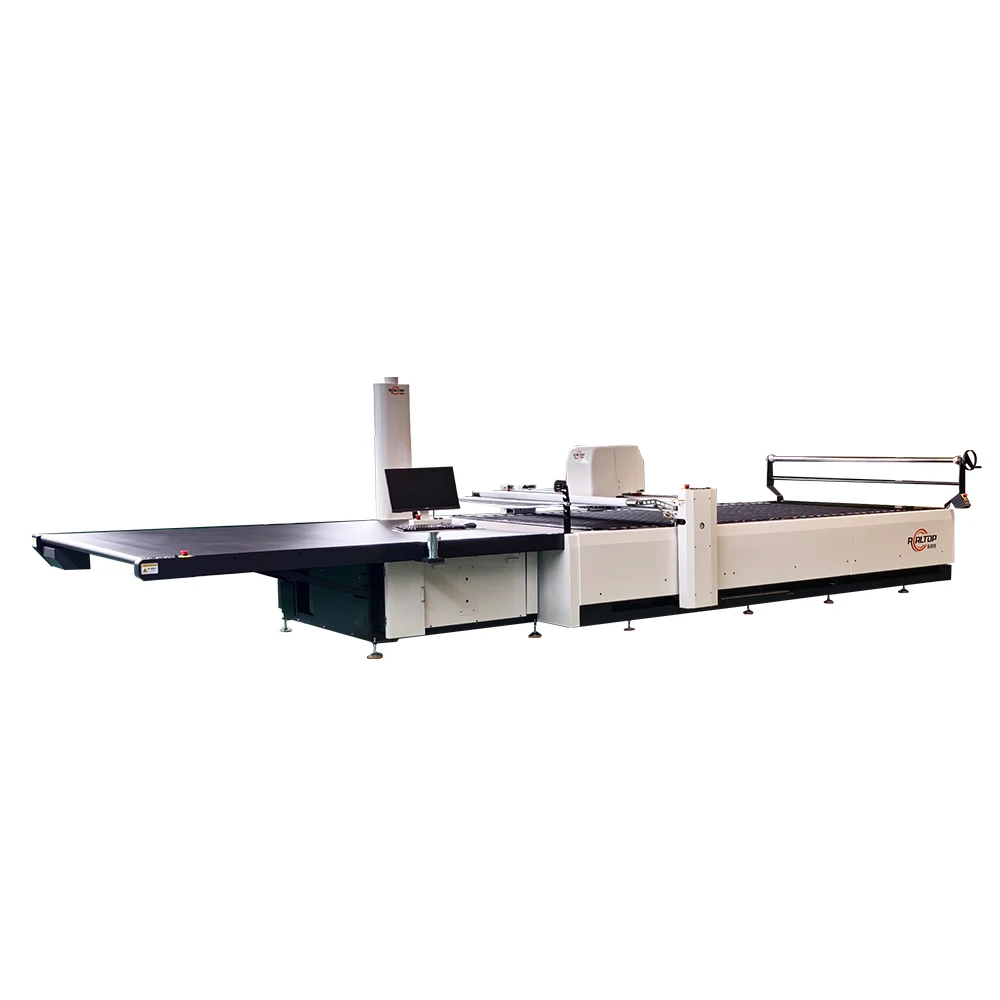
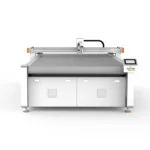
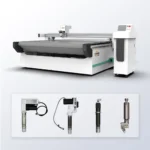
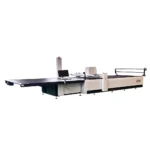
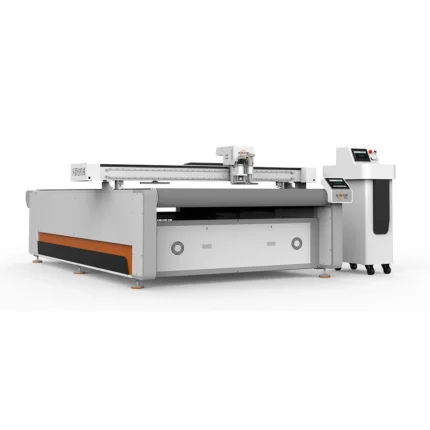
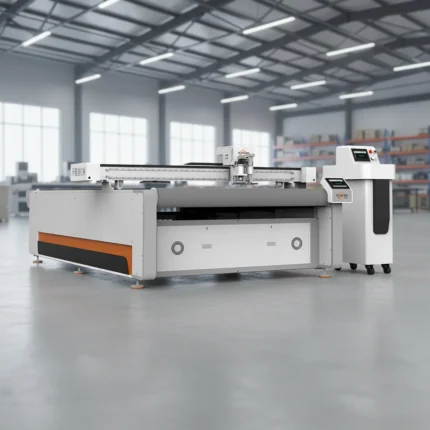
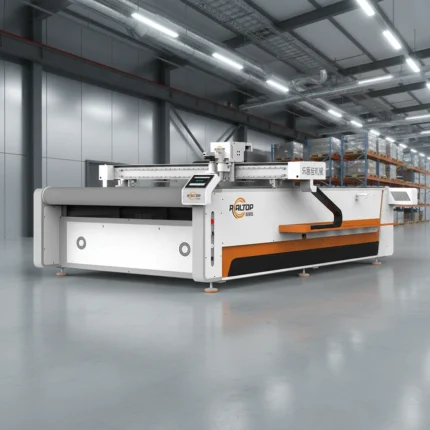
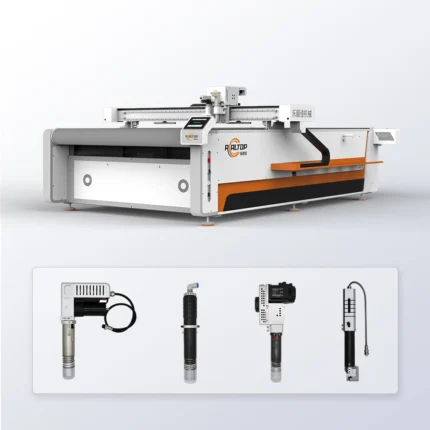
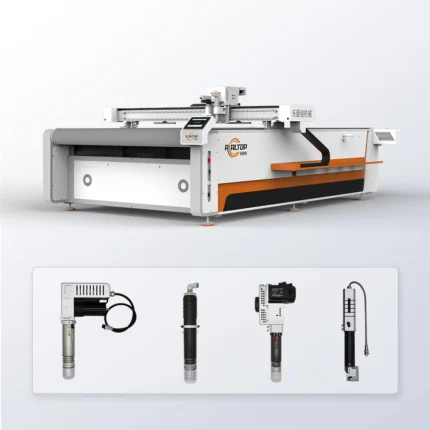
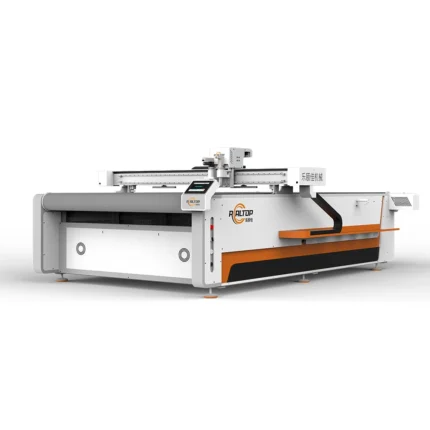
RT-D2516/RT-S2516 CNC Fabric Cutting Machine, 1600×2500mm Working Area, ≤100mm Cutting Thickness — configured with oscillating knife, pneumatic knife and CCD camera positioning for precise contour tracking on leather, textile, PVC and composite materials at production speed.
- Digital servo motor with Taiwan Hiwin linear guide ensures ≤0.1mm repeated accuracy across the full cutting bed
- Vacuum table with magnesium-aluminum alloy surface and 7.5kw integrated pump secures flexible materials without lift during high-speed cutting
- Auto typesetting software supports PLT, DXF and AI formats for optimized material yield
Sample cutting on your own material confirms real cutting depth and edge quality before commitment, with voltage, language and tool head specification matched to your production requirements.
Precision laser cutting technology — in-house design covering both CO2 and fiber systems ensures continuous power ratings are specified per material, not peak values that mislead on actual cutting depth.
Technical Specifications
| Parameter | Value |
|---|---|
| Model | RT-D2516/RT-S2516 |
| Working Area | 1600×2500 mm |
| Machine Size | 3450×2300×1250 mm |
| Rated Power | 9 kW |
| Cutting Thickness | ≤100 mm (varies with material) |
| Cutting Speed | 200-800 mm/s (according to different cutting materials) |
| Translational Velocity | 800-2000 mm/s |
| Repeated Accuracy | ≤0.1 mm |
| Transmission System | Digital servo motor, linear guide, synchronous belt, ball screw |
| Servo Motor Options | Delta servo motor, Panasonic brand (IP67 waterproof protection) |
| Vacuum Table | Magnesium-aluminum alloy with fluorocarbon PVDF powder spraying, anodic oxidation |
| Vacuum Pump | 7.5 kW integrated aviation aluminum shell with built-in silencer sponge (35% noise reduction) |
| Control Panel | Touch screen with multiple language support |
| Software Compatibility | PLT, DXF, AI formats; auto typesetting |
| Voltage | 380V±10% |
Application Suitability
| Application | Material or Output |
|---|---|
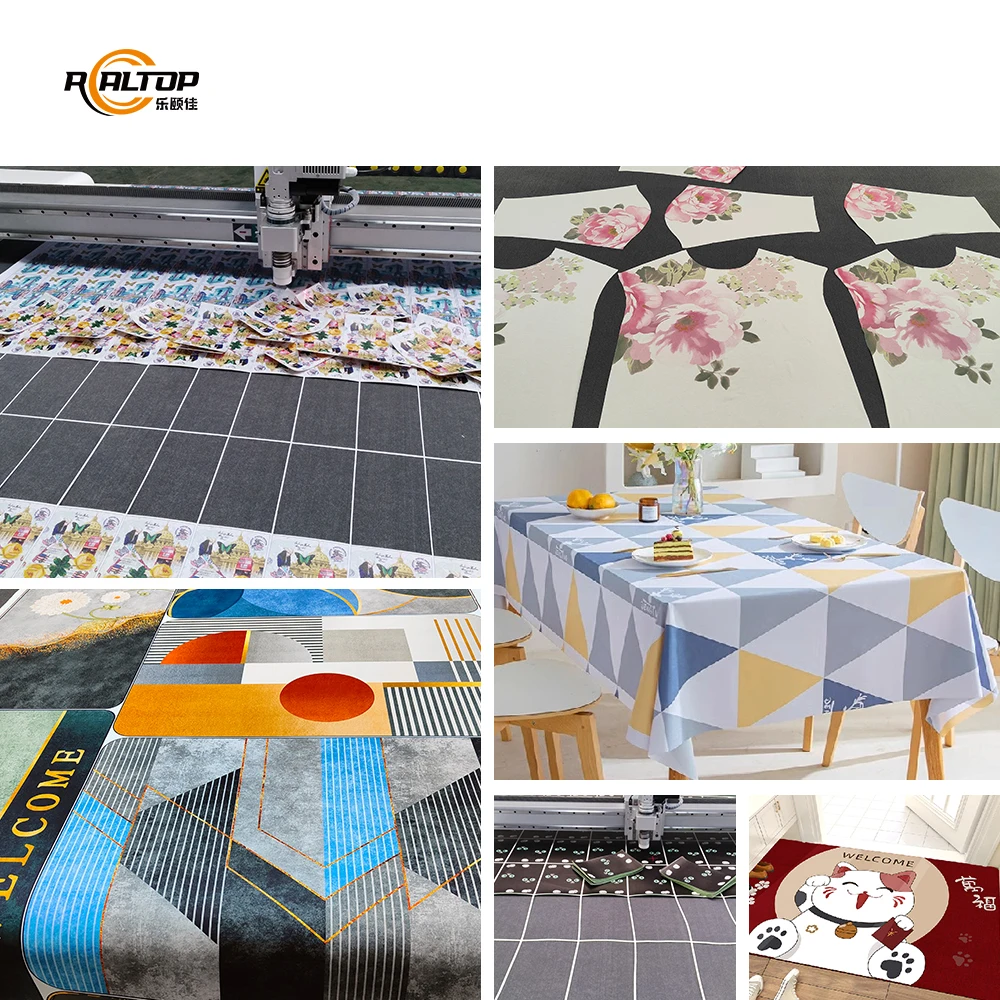
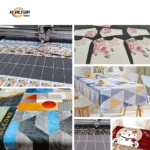
| Soft Home Furnishings | Fabric, textile, sponge, PU, EVA, non-woven fabric |
| Automotive Interiors | Leather, sponge composite leather, carpet, floor mats |
| Packaging and Printing | Cardboard, corrugated cardboard, plastic box, sticker, film |
| Gaskets and Seals | Rubber, PTFE, ETFE, silicon, composite gasket material |
| Apparel and Footwear | Clothing cloth, shoe material, luggage material, leather |
| Composites | Carbon fiber, fiberglass, XPE, PP, PE foam board |
Why the Power Rating Question Should Come Before the Price
Laser power quoted at peak rather than continuous leads to real cutting depth falling short of expectations on the shop floor.
When a laser cutting and engraving machine manufacturer quotes power at peak output, the actual continuous cutting capacity on materials like acrylic or sheet metal often disappoints. I recall an automotive interior supplier who purchased based on peak ratings, only to find their 10mm acrylic cuts were incomplete at production speed [NEED_CITE: continuous versus peak laser power rating standards]. The machine had to run at half speed, destroying their throughput calculations. This laser cutting and engraving machine manufacturer approach focuses on continuous power specifications so buyers understand exactly what thickness each material achieves before signing a contract.
Understanding Continuous Versus Peak Power Output
Peak power represents the maximum instantaneous output, which cannot be sustained during continuous cutting operations. For materials requiring consistent energy delivery like thick acrylic or multi-layer textiles, continuous power determines whether the beam penetrates completely. Our specification sheets clearly distinguish these two values, allowing you to match the laser cutting and engraving machine manufacturer capabilities to your actual material stack.
Edge Sealing Quality on Synthetic Textiles
When processing synthetic fabrics and composite materials, the focal distance and assist gas configuration directly affect edge finish. Too much power causes melting and hardening along the cut line; too little leaves frayed fibers. The RT-D2516/RT-S2516 configuration allows precise adjustment of these parameters, ensuring clean cuts on materials ranging from clothing cloth to automotive carpet [NEED_CITE: laser focal distance effect on synthetic edge sealing].
Decoding the Specification Sheet for Production Reality
The 1600×2500 mm working area accommodates standard textile rolls and leather hides without excessive repositioning. The magnesium-aluminum vacuum table with fluorocarbon PVDF coating provides secure material holding across the entire surface, preventing lift during high-speed cutting operations. The Taiwan Hiwin linear guides and digital servo motors maintain ≤0.1 mm repeated accuracy, critical for contour cutting on printed materials where registration must be exact. The 7.5 kW vacuum pump with integrated silencer reduces workshop noise while maintaining consistent suction across all table zones.
What Happens When Voltage and Language Get Overlooked
Machines shipped without confirming local voltage standards face immediate transformer requirements or component damage upon startup. Control panels locked to a single language force operators to rely on memory rather than reading error messages, increasing mistake frequency during long shifts. These seemingly minor details become major disruptions once the machine arrives and production deadlines press [NEED_CITE: international voltage and frequency standards for industrial machinery].
Why Source From This Manufacturer
The in-house design team covers both knife and laser cutting technologies, so buyers select the method matching their material rather than forcing one approach. The RT-D2516/RT-S2516 configuration gets specified per material type and production volume, not sold as a universal solution. Software compatibility with PLT, DXF, and AI formats is confirmed before order placement. Sample cutting runs on the buyer’s actual material demonstrate real cutting depth and edge quality before commitment. Voltage, control language, and plug specifications are verified against destination requirements prior to shipment.
Documentation & Verification
- Machine specification sheet distinguishing continuous from peak laser power ratings
- Electrical schematic confirming voltage and frequency for destination market
- Sample cutting report demonstrating performance on buyer’s specific material
- Software license and file format compatibility verification note
- Operation manual with maintenance schedules for vacuum pump and linear guides
Installation, Commissioning & Support
- Foundation requirements for 3450×2300×1250 mm footprint with leveling specifications
- Dedicated 380V±10% circuit with appropriate breaker sizing for 9 kW rated power
- Touch screen control panel configuration in buyer’s specified language at startup
- Vacuum table zoning calibration for buyer’s typical part sizes and material types
- Operator training covering software typesetting, tool head changes, and daily maintenance
What Information Speeds Up Your Quotation
Send us the specific materials you cut daily, including thickness ranges and whether surfaces are printed or plain. Tell us your local voltage and frequency standards, plus the control language your operators need. If you have existing nesting software or file formats in your workflow, share those so we confirm compatibility before building your configuration.
Frequently Asked Questions
Q: How do I verify continuous laser power versus peak power for my material?
A: Request the specification sheet showing both values. Peak power represents instantaneous maximum output, while continuous power determines sustained cutting capability. For your specific material thickness, ask for a sample cutting report demonstrating actual penetration depth and edge quality at production speed.
Q: What extraction requirements exist for cutting acrylic versus textile materials?
A: Acrylic cutting produces fumes requiring filtration or external venting, while textiles generate particles needing collection systems. The 7.5 kW vacuum pump on this system handles material holding, but separate extraction must be sized for your specific material’s byproduct volume and local environmental regulations.
Q: How does CCD camera recognition perform on printed fabric at production speed?
A: The panoramic camera recognition system tracks printed marks across the working area, with positioning accuracy dependent on mark contrast and print quality. Sample testing on your actual printed material confirms tracking reliability before the machine ships.
Q: Can the control panel language be customized for my operators?
A: The touch screen supports English, Russian, Italian, and Chinese as standard options, with special languages available by request. Confirm your required language before production so the interface loads correctly at commissioning.


Related products
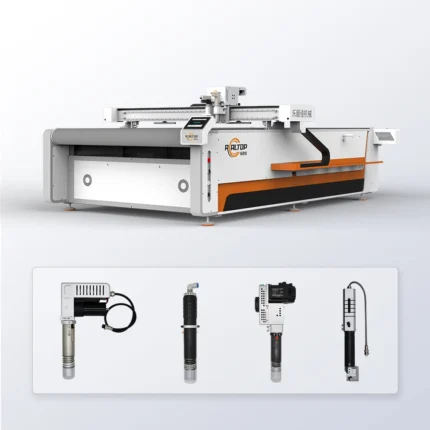
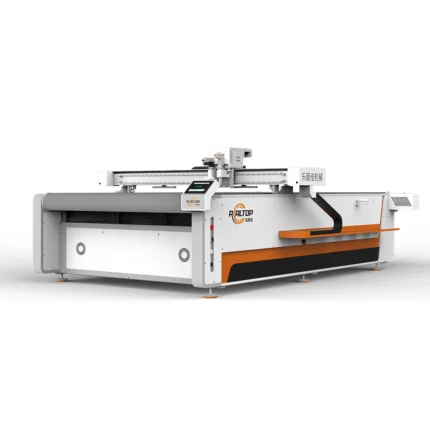
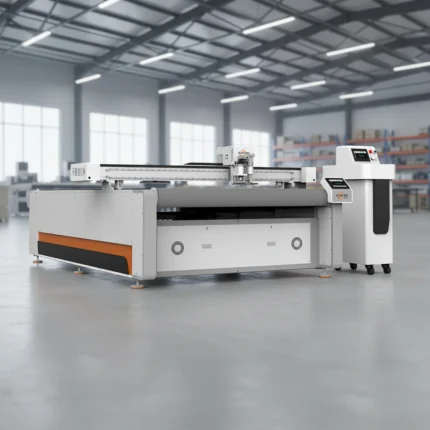
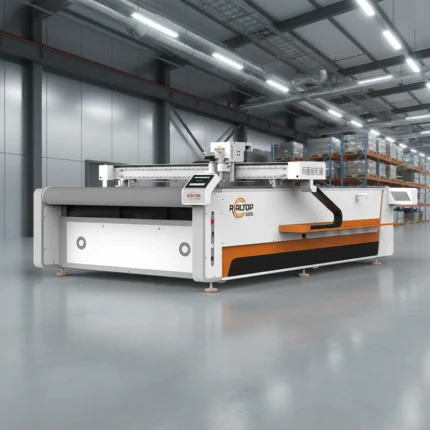
2026 CNC Knife Cutting Machine for Fabric Leather PVC Hot Sale
Product Introduction
2026 Hot Sale CNC Knife Cutting Machine for Fabric, Leather, PVC. Ideal for precise cutting of various materials with advanced CNC technology, perfect for manufacturing needs.
Product Parameters
| Application | Fabric, Leather, PVC |
| Type | CNC Knife Cutting Machine |
| Feature | Precision Cutting |
| Year | 2026 Model |
Custom CNC Shirt Fabric Cutting Machine 2026
Product Introduction
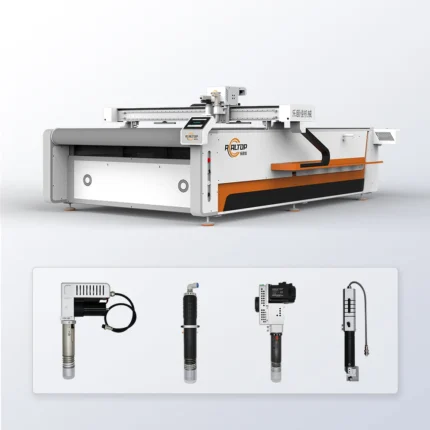
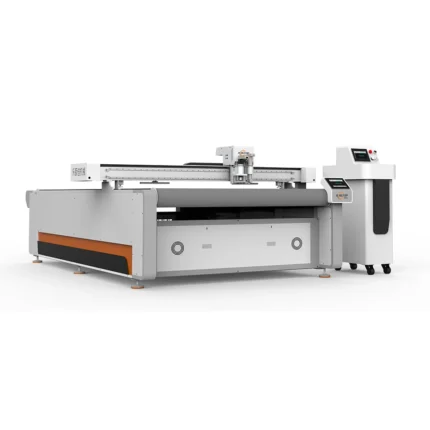
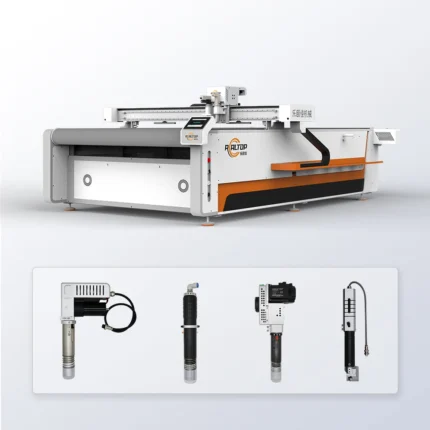
Custom CNC Shirt Fabric Cutting Machine 2026, ideal for precise fabric cutting in garment manufacturing, offering efficient and accurate cutting solutions.
Product Parameters
| Model | Custom CNC Shirt Fabric Cutting Machine 2026 |
| Type | CNC Fabric Cutting Machine |
| Application | Shirt Fabric Cutting |
| Year | 2026 |
Jinan Realtop CNC Fabric Slitting Cutter 2026: Advanced Flexible Material Cutter
Product Introduction
Jinan Realtop CNC Fabric Slitting Cutter 2026 is a high-performance cutting equipment designed for precise fabric processing, ideal for industrial manufacturing needs with reliable CNC technology.Specifications
| Model | 2026 |
| Type | CNC Fabric Slitting Cutter |
| Manufacturer | Jinan Realtop |
| Application | Fabric Processing |
| Control System | CNC |

Jinan Realtop PVC Cutting Machine 2026 CE Certified
Product Introduction
Jinan Realtop PVC Cutting Machine 2026 is a CE-certified cutting solution, ideal for precise PVC material processing. Designed for efficiency and reliability in industrial applications.Product Parameters
| Model | 2026 |
| Certification | CE Certified |
| Application | PVC Cutting |
| Manufacturer | Jinan Realtop |
Realtop CNC Fabric Cutting Machine 2026 CE Certified
Product Introduction
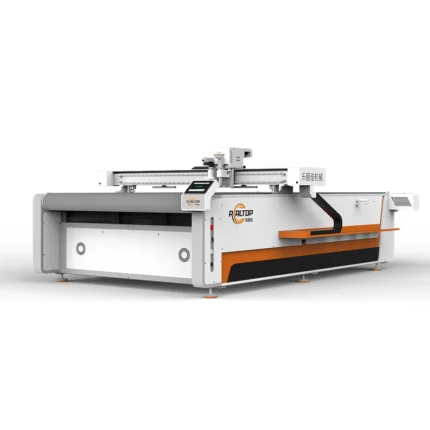
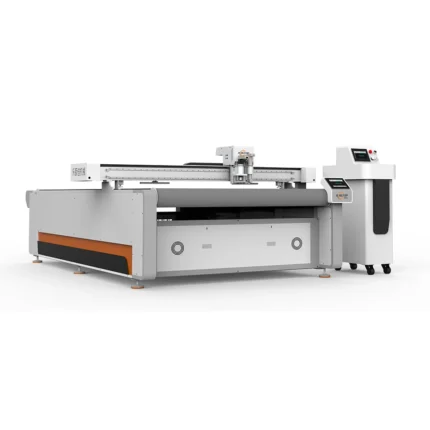
Realtop CNC Fabric Cutting Machine 2026, CE Certified, ideal for precision fabric cutting with advanced CNC technology. Engineered for efficiency and reliability in textile manufacturing processes.Key Specifications
| Model | Realtop CNC Fabric Cutting Machine 2026 |
| Certification | CE Certified |
商品评价
There are no reviews yet.