






Oscillating Knife Cutter for Foam Insert Composite – Manufacturer
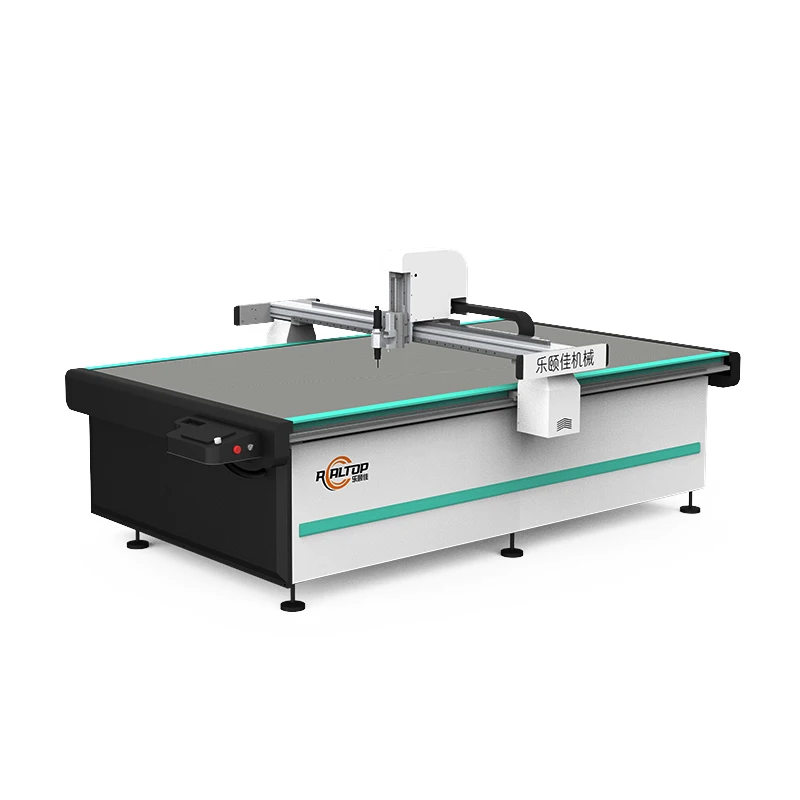
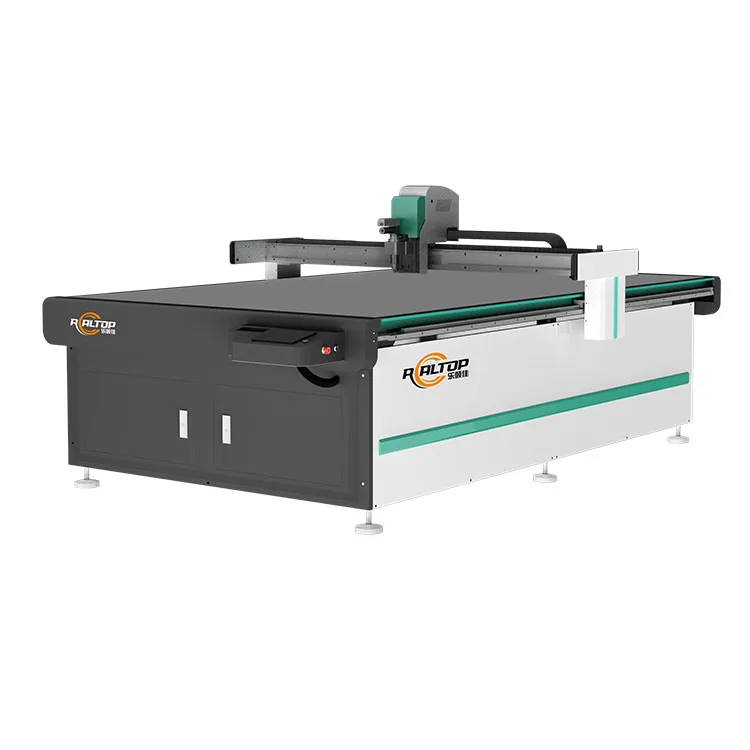
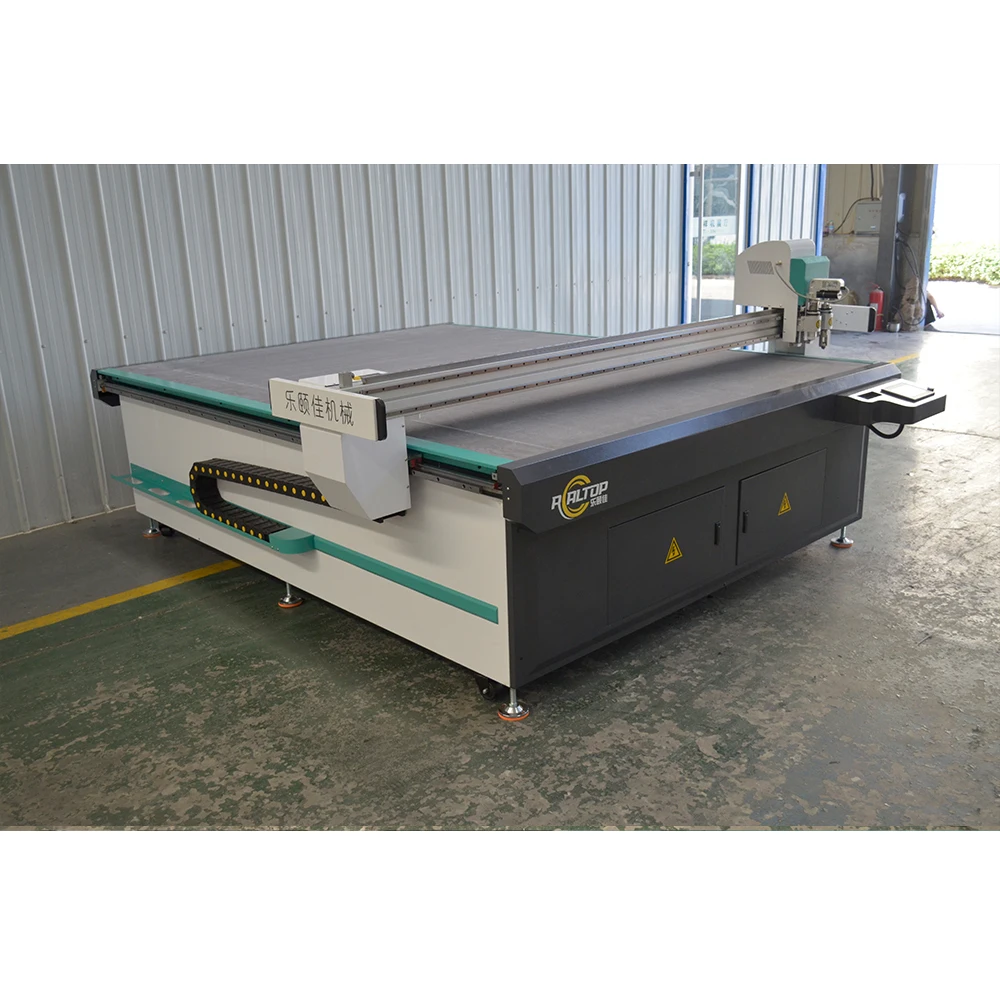
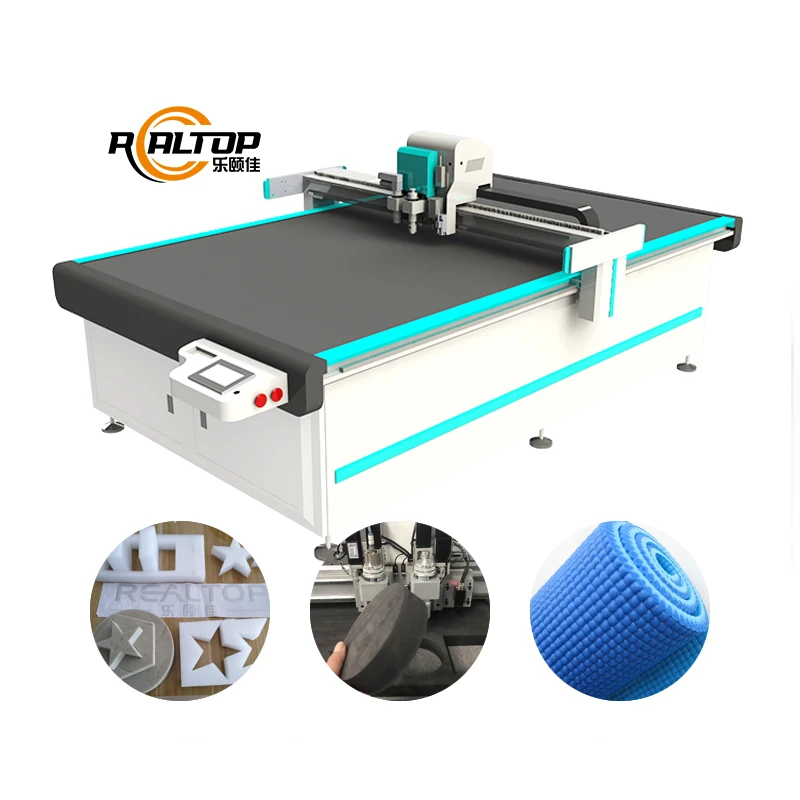
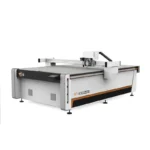
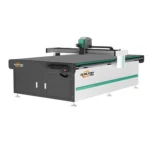
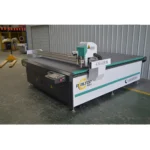
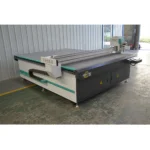
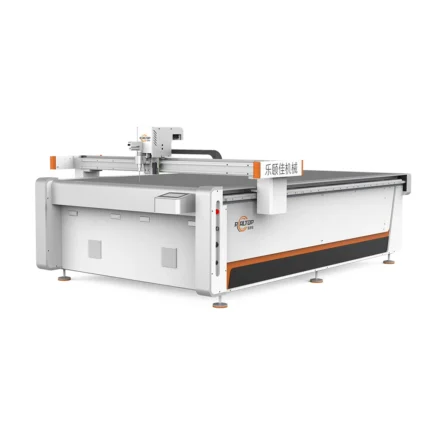
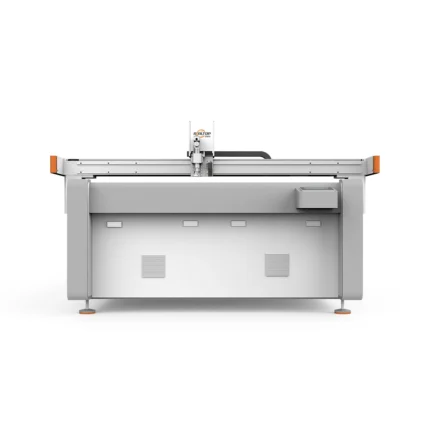
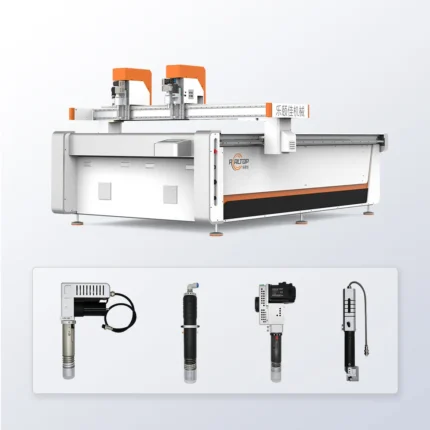
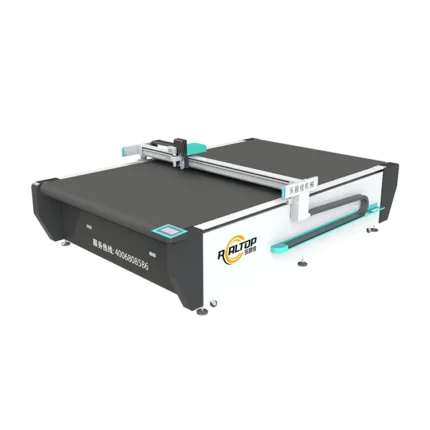
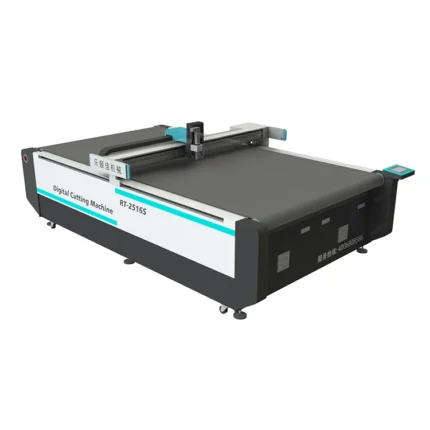
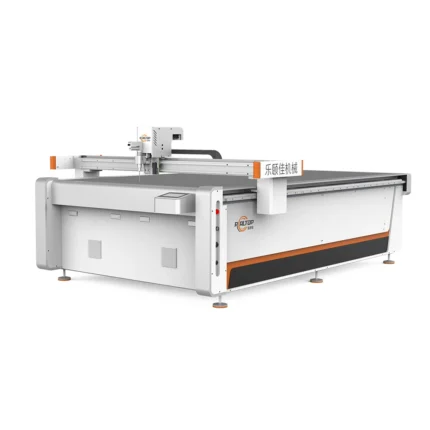
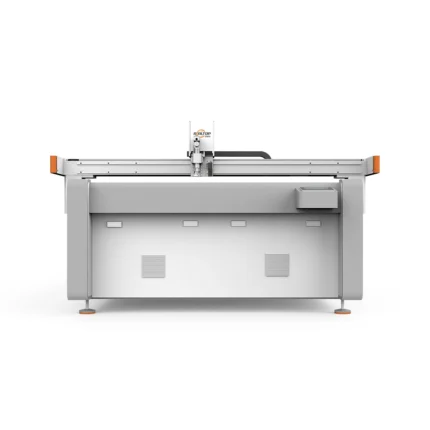
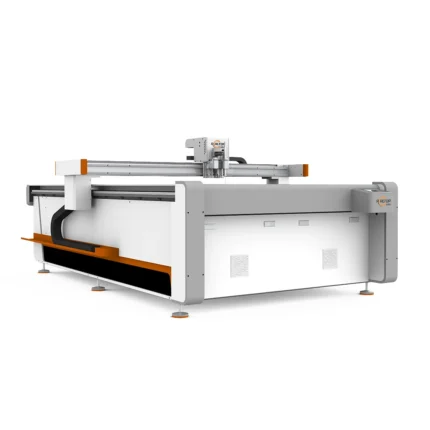
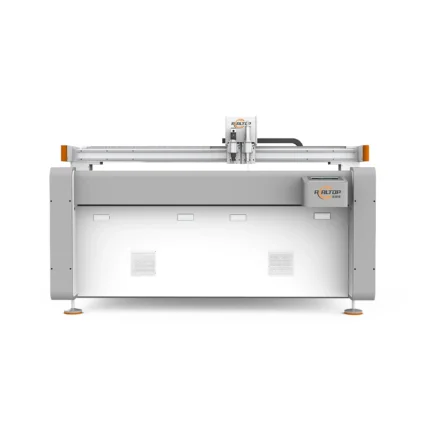
RT-D2516/RT-S2516 CNC Oscillating Knife Cutting Machine, 1600×2500mm Working Area, 9kW Rated Power — engineered for foam insert and composite material fabrication. Swiss imported oscillating knife delivers clean edges on foam, sponge composite leather, PVC and rubber through vibration full and half cutting functions. Magnesium-aluminum alloy vacuum table with PVDF coating ensures flatness and uniform suction across the cutting surface. Delta servo motor and Taiwan Hiwin linear guide maintain ≤0.1mm repeatability. We provide sample cutting on your own material before order commitment, with tool head and table configuration matched to your specific production requirements.
Per-material tooling specification — every oscillating knife and vacuum zone on the RT-D2516/RT-S2516 is matched to the buyer’s actual foam density or composite layup, not a generic default.
Technical Specifications
| Parameter | Value |
|---|---|
| Model | RT-D2516/RT-S2516 |
| Product Type | CNC Oscillating Knife Foam Insert Digital Packaging Cutter |
| Working Area | 1600 × 2500 mm |
| Machine Size (L × W × H) | 3450 × 2300 × 1250 mm |
| Rated Power | 9 kW |
| Table Type | Flat working table with vacuum adsorption |
| Tool Head | Swiss imported oscillating knife with vibration full cutting, vibration half cutting, and cursor location |
| Translational Velocity | 800–2000 mm/s |
| Cutting Speed | 200–800 mm/s (basis not stated in source) |
| Repeated Accuracy | ≤ 0.1 mm |
| Transmission System | Digital servo motor, linear guide, synchronous belt, ball screw |
| Servo Motor | Delta |
| Linear Guide | Taiwan Hiwin rail |
| Vacuum Pump | 7.5 kW |
| Conveyor Belt | Germany imported |
| Safety Device | Infrared sensors with blocking and anti-collision function |
| Instruction Format | HP-GL compatible |
| Voltage | 380V ± 10% |
| Cutting Materials | Leather, flexible garment materials, sponge composite leather, PVC, soft glass, silicon, rubber |
Application Suitability
| Application | Material or Output |
|---|---|
| Foam insert digital packaging | Custom-cut protective foam inserts from PE, EVA, and cross-linked polyethylene |
| Composite material fabrication | Layered sponge composite leather and multi-ply flexible laminates |
| Automotive interior and gasket production | Gaskets, seals, and trim components from rubber and silicon sheet |
| Garment and flexible material manufacturing | Pattern cutting on leather, PVC, soft glass, and textile composites |
Why Material Confirmation Must Come Before the Quotation
A machine specified on working area alone will fail the moment the material changes.
I have seen buyers sign off on a cutting line based on a single foam sample, only to discover at commissioning that the actual production material is a denser cross-linked polyethylene or a fiberglass-reinforced composite. The wrong oscillating knife amplitude and blade geometry produce ragged edges, crushed foam cells, or delaminated composite layers — and an entire batch of packagi*g software [NEED_CITE: material-specific tooling requirements for oscillating knife cutting]. That is why a CNC oscillating knife cutting machine factory worth working with will ask for your exact material type, thickness range, and daily volume before proposing a tool head, not after.
Swiss Oscillating Knife and Edge Quality on Foam
The RT-D2516/RT-S2516 ships with a Swiss imported oscillating knife that supports both vibration full cutting and half cutting modes. Full cutting drives the blade completely through the foam insert, producing a clean vertical wall that mates precisely with the product it protects. Half cutting scores the surface to create fold lines in thicker packaging blanks without separating the sheet, which is essential when a single insert must wrap around multiple components. Cursor location pins the starting point so that nested layouts register against the vacuum table grid, reducing material waste on expensive closed-cell foams.
Vacuum Adsorption and Small-Part Stability
The 1600 × 2500 mm flat table carries a 7.5 kW vacuum pump pulling through a magnesium-aluminum alloy surface with fluorocarbon PVDF coating. The coating keeps the table flat under thermal cycling and prevents adhesive residue from foam offcuts building up over successive shifts. Uniform suction across the full bed area holds thin PVC and soft glass sheets down during high-speed traversal, which matters because a lifting edge at 2000 mm/s translational velocity will tear the material and crash the knife holder [NEED_CITE: vacuum table zoning for small part retention during CNC knife cutting].
Reading the Specs That Matter on the Floor
The Delta servo motor paired with Taiwan Hiwin linear guides delivers ≤ 0.1 mm repeatability, which is the tolerance that determines whether a foam insert seats correctly inside a shipping case or rattles loose during transit. The 9 kW rated power covers the oscillating knife drive, vacuum pump, and servo axes simultaneously without tripping a breaker mid-cycle. The 380V ± 10% input must be confirmed against the buyer’s local supply before production starts — a 415V or 480V workshop needs a transformer or a rewound motor, and catching that after shipment means weeks of downtime [NEED_CITE: voltage and frequency standards by export market]. HP-GL format compatibility lets the machine accept nesting files from most standard CAD packages without an additional software licence.
The Hidden Cost of Skipping the Tool Head Conversation
When a buyer selects a CNC oscillating knife cutting machine factory based on price and working area alone, the tool head arrives configured for a generic foam grade. The first production run on a denser EVA or a composite laminate shows crushed edges, incomplete cuts, or excessive blade wear. Swapping the knife assembly and recalibrating the amplitude on-site adds days to commissioning, and the scrap rate during that window is rarely acceptable to a packaging buyer who has already committed delivery dates to their end customer [NEED_CITE: cost of incorrect tool head selection in foam and composite cutting].
Why Sourcing the RT-D2516/RT-S2516 Here Makes Sense
The design team covers both knife and laser cutting technologies in-house, so a buyer processing both foam inserts and acrylic signage can match the cutting method to each material rather than forcing one machine to do both jobs. Tool head and vacuum table zoning are specified per material type and production volume before the order is placed, not left as a default. Sample cutting on the buyer’s own foam or composite stock is completed before commitment, producing a documented report that shows edge quality, cutting speed, and dimensional accuracy. Software file format compatibility is confirmed at the quotation stage, so HP-GL exports from your existing nesting workflow load without conversion errors. Voltage, control language, and electrical schematics are verified against the target market before the machine enters assembly.
Documentation & Verification
- Machine specification sheet listing tool head amplitude and vacuum zone configuration per material
- Electrical schematic with voltage confirmation matching the buyer’s local 380V ± 10% supply
- Sample cutting report on buyer’s own foam or composite material with dimensional measurements
- Factory test record documenting repeatability and cutting edge quality before crate closure
- Software licence note confirming HP-GL format compatibility with the buyer’s nesting system
- Spare parts list covering oscillating knife blades, vacuum seals, and conveyor belt segments
Installation, Commissioning & Support
- Floor space of approximately 3450 × 2300 mm plus operator clearance on three sides of the machine
- Dedicated 380V ± 10% circuit rated for the 9 kW total draw, with isolation switch within reach
- Machine arrives fully assembled on the flat working table; vacuum pump connects on-site
- First-run parameter setting includes oscillating knife amplitude tuning to buyer’s foam density
- Operator training covers HP-GL file import, nesting layout, and vacuum zone activation
- Preventive maintenance schedule for Hiwin rail lubrication and conveyor belt tension checks
What We Need to Move Forward
Send the exact foam or composite material type, thickness range, and the largest sheet size you plan to nest. Confirm your workshop voltage and frequency so the servo motor and vacuum pump are wound correctly before assembly. If you run an existing nesting workflow, share a sample HP-GL file so we verify software compatibility and cutting path registration before the quotation is finalized.
Frequently Asked Questions
Q: How do I match the oscillating knife to my foam density?
A: The Swiss imported tool head on the RT-D2516/RT-S2516 supports adjustable vibration amplitude for both full and half cutting. For low-density PE foam, a lower amplitude prevents cell crushing, while cross-linked polyethylene and EVA require higher amplitude to achieve a clean through-cut. We run a sample on your actual material and document the amplitude setting that produces the edge quality your packaging spec demands.
Q: What happens if my workshop voltage is not exactly 380V?
A: The machine accepts 380V ± 10%, covering roughly 342V to 418V. If your local supply sits outside that range — common in regions with 415V or 480V three-phase systems — a step-down transformer must be installed before the Delta servo motor and 7.5 kW vacuum pump are energized. We confirm your supply at quotation stage and note the transformer requirement on the electrical schematic.
Q: Will small foam parts lift off the table during cutting?
A: The vacuum table on the RT-D2516/RT-S2516 uses a 7.5 kW pump pulling through the magnesium-aluminum alloy surface. For very small nested parts, zoning the vacuum to concentrate suction under the active cutting area prevents lift. We configure the zone layout based on your typical nesting pattern and verify hold-down during the sample cutting report.
Q: Can my existing nesting software output files this machine accepts?
A: The RT-D2516/RT-S2516 reads HP-GL compatible format, which most CAD and nesting packages can export. Before you commit to an order, send us a sample file from your workflow. We load it on the control system, run the cutting path, and confirm that contour registration and tool path sequencing match your production sequence.
Q: How does sample cutting work before I place the order?
A: You ship a roll or sheet of your actual foam or composite material to our facility. We configure the oscillating knife amplitude, vacuum zoning, and cutting speed to your specification, then produce a batch of sample parts. The sample cutting report documents edge quality, dimensional accuracy against ≤ 0.1 mm repeatability, and recommended production parameters, so you evaluate real results before committing to the machine purchase.


Related products
Acoustic Panels CNC Knife Cutting Machine 2026
Product Introduction
Designed for precision cutting of acoustic panels, this 2026 CNC knife cutting machine offers efficient and accurate processing, ideal for acoustic panel manufacturers seeking high-quality results.Product Parameters
| Model | Acoustic Panels CNC Knife Cutting Machine 2026 |
| Application | Acoustic Panels Cutting |
| Type | CNC Knife Cutting Machine |
| Year | 2026 |
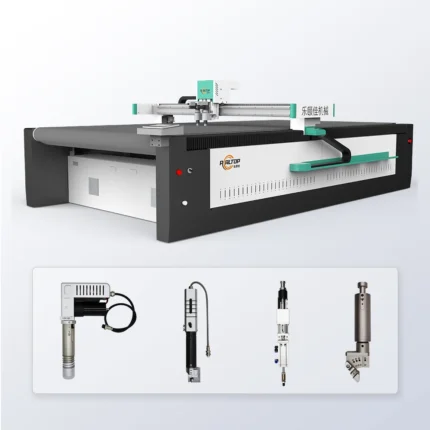

CNC Gasket Cutting Machine 2026 Digital Rubber Cutter High-Precision
Product Introduction
High-precision CNC gasket cutting machine with digital control, ideal for rubber materials. Features auto table operation for efficient, accurate cutting in industrial applications.
Key Specifications
| Type | CNC Gasket Cutting Machine |
| Function | Digital Rubber Cutter |
| Precision | High-Precision |
| Operation | Auto Table |
| Model Year | 2026 |

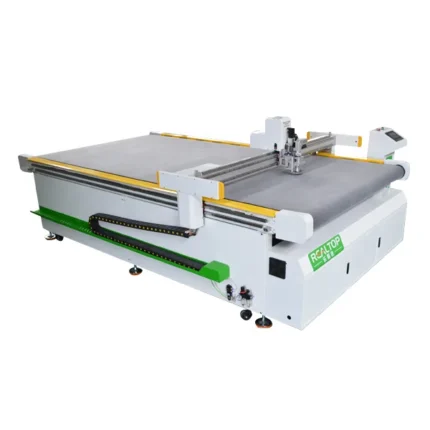
Foam Sheet Cutter EVA Oscillating Blade Contour Cutter 2026
Product Introduction
Designed for precise cutting of foam sheets and EVA materials, this 2026 oscillating blade contour cutter offers efficient and accurate contour cutting performance, ideal for industrial manufacturing and crafting applications.Key Specifications
| Product Type | Foam Sheet Cutter |
| Blade Type | Oscillating Blade |
| Function | Contour Cutting |
| Material Compatibility | EVA, Foam Sheets |
| Model Year | 2026 |
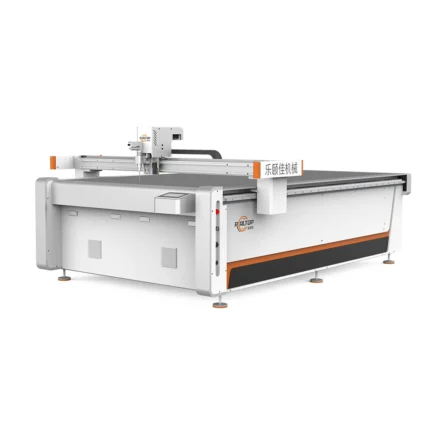
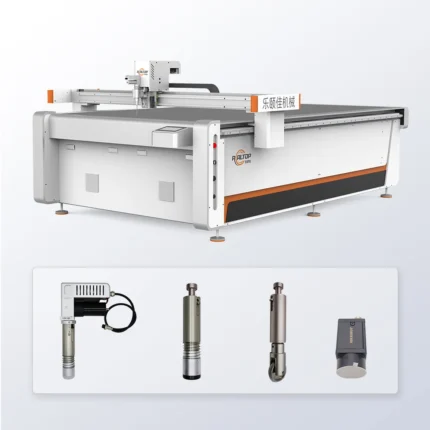
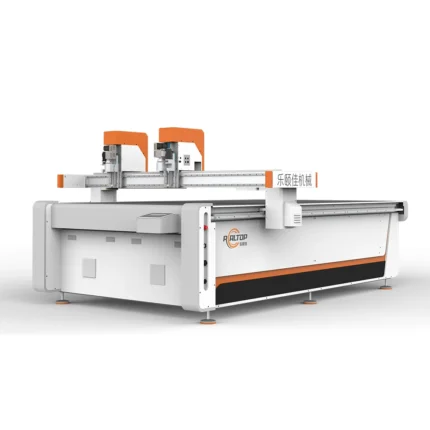
Realtop 2026 XPE Foam Cutter High-Precision Roller
Product Introduction
High-precision Realtop XPE Foam Cutting Machine 2026 with roller cutting system, ideal for efficient foam processing with accuracy. Perfect for manufacturing and industrial foam cutting applications.Key Specifications
| Model | Realtop XPE 2026 |
| Type | Roller Foam Cutter |
| Precision | High-Precision |
| Application | Foam Cutting |
商品评价
There are no reviews yet.