

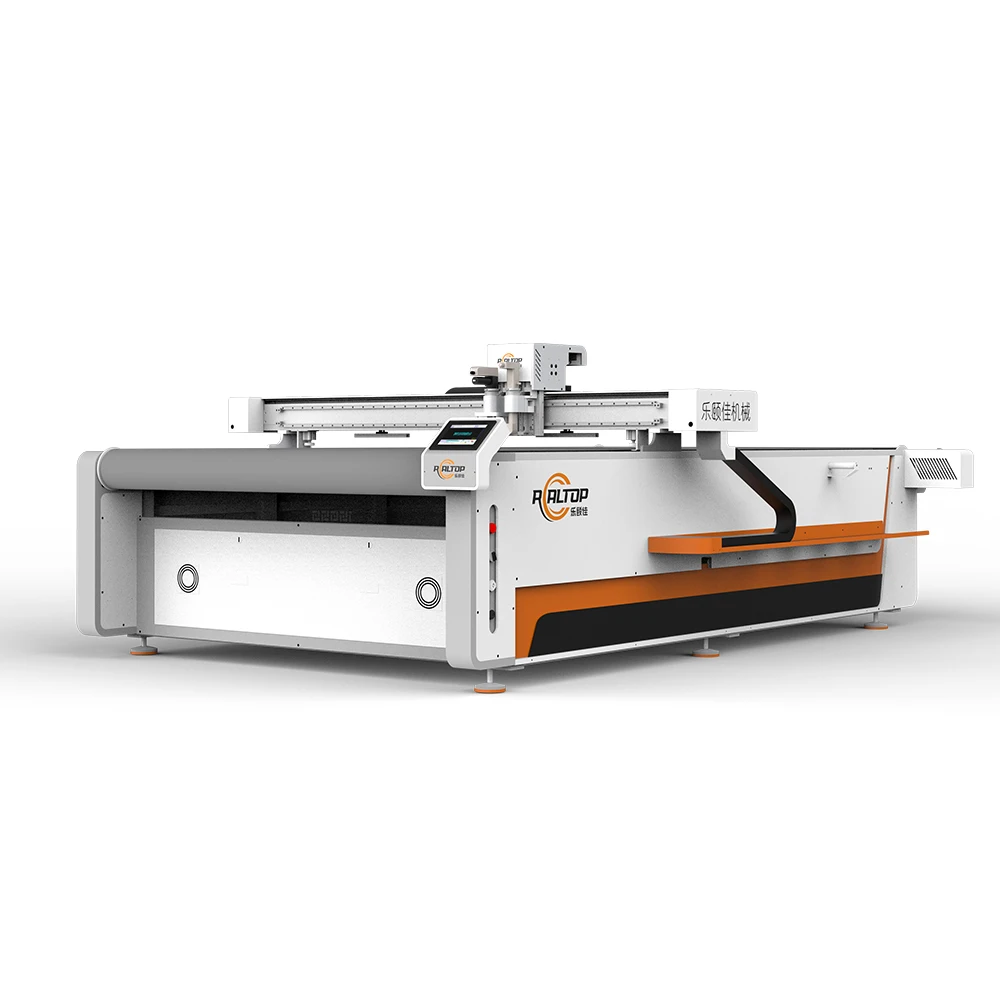
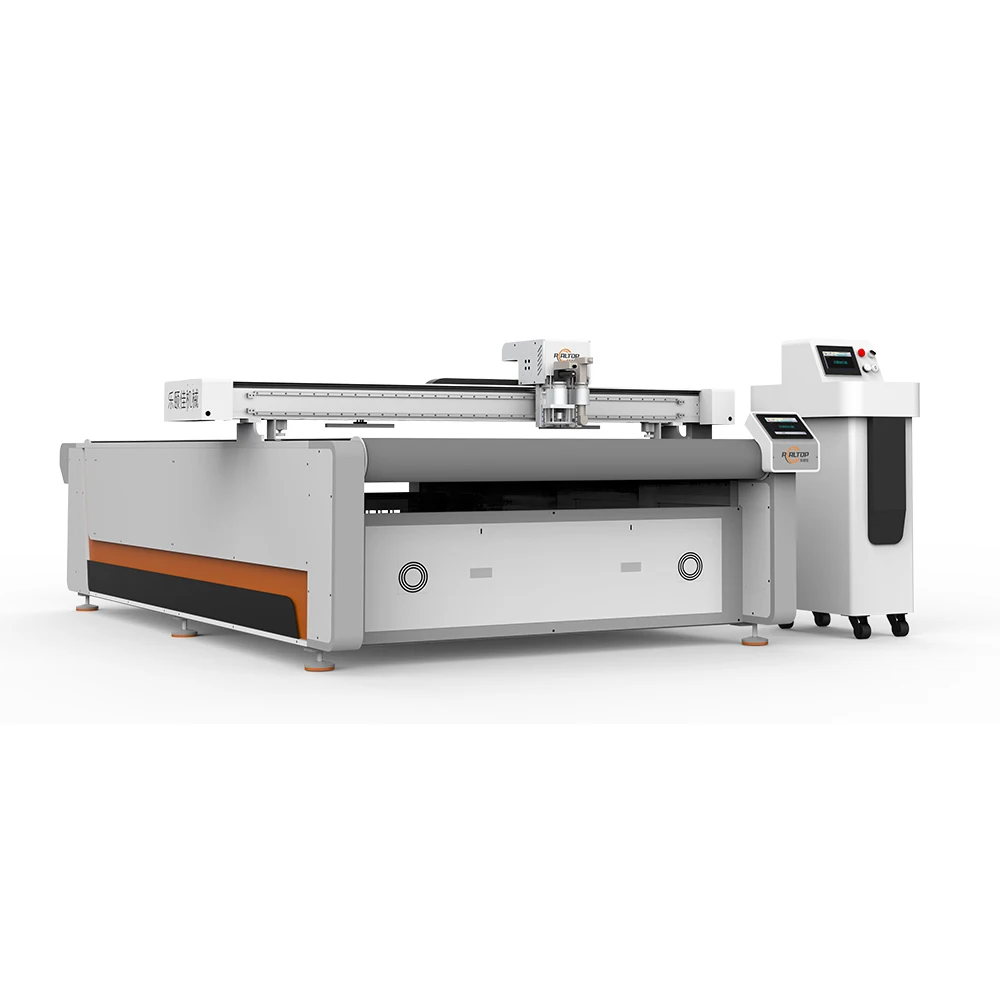
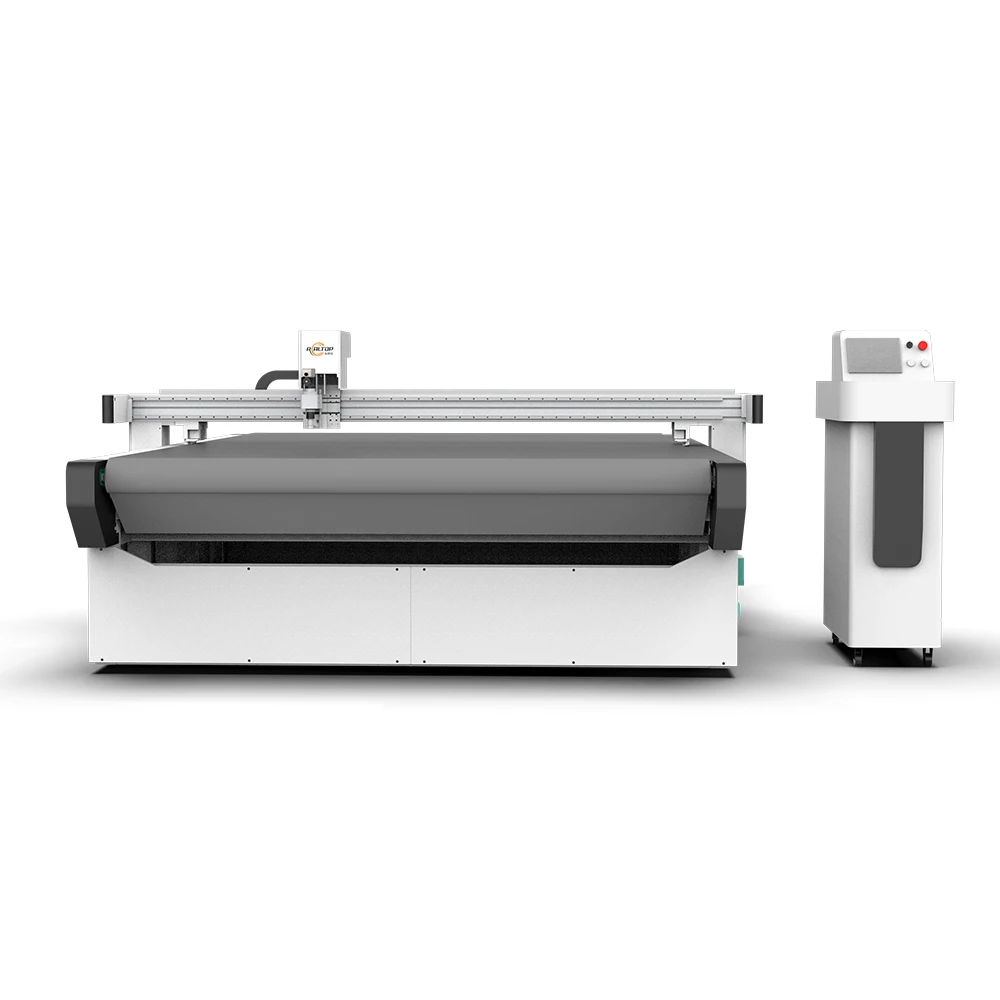
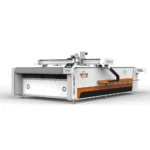

Polypropylene Nonwoven Cutter 2026 Oscillating Knife CNC Machine – Factory Supply
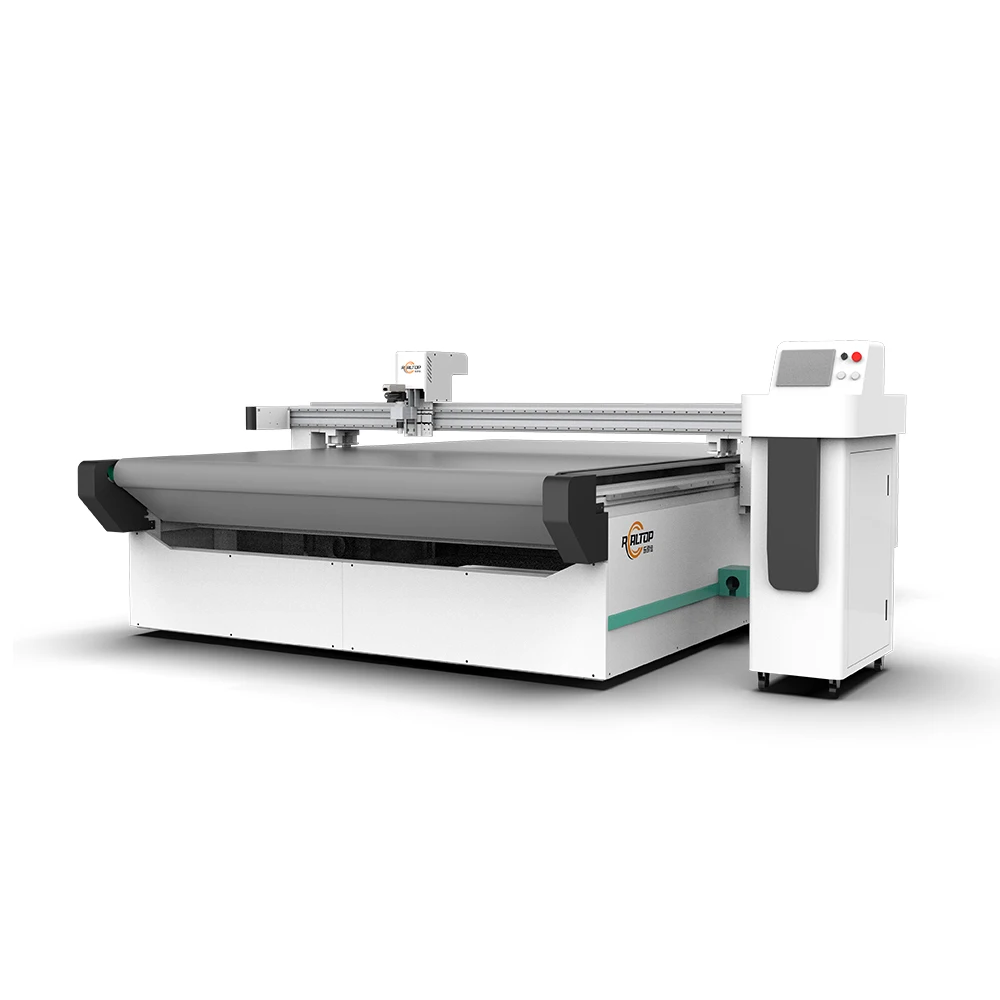
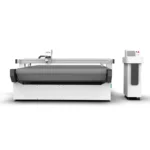
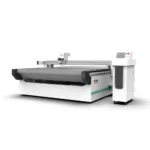
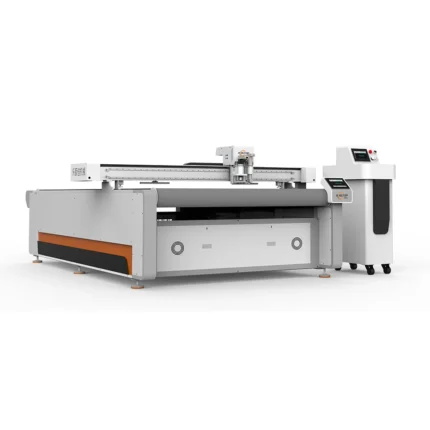
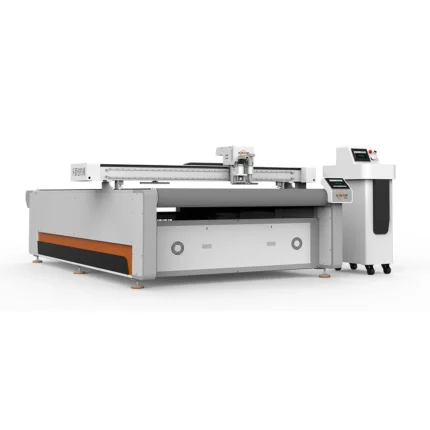
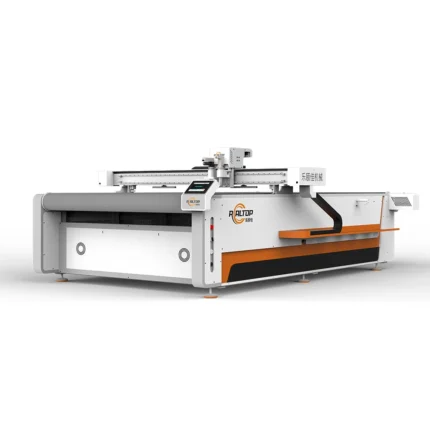
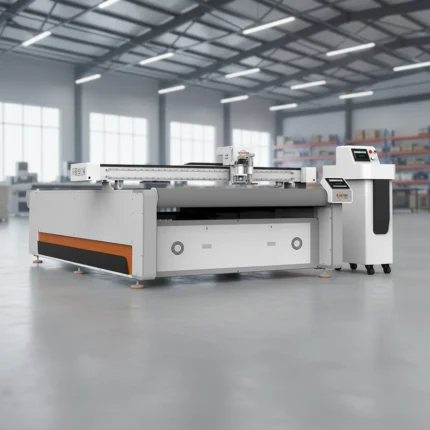
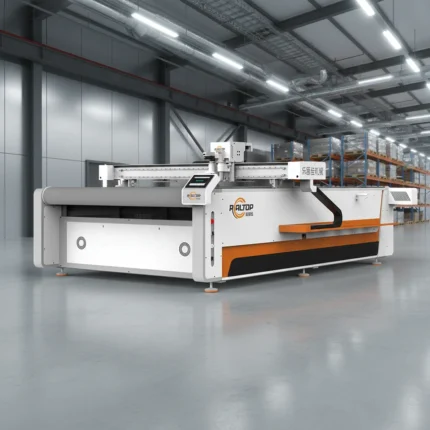
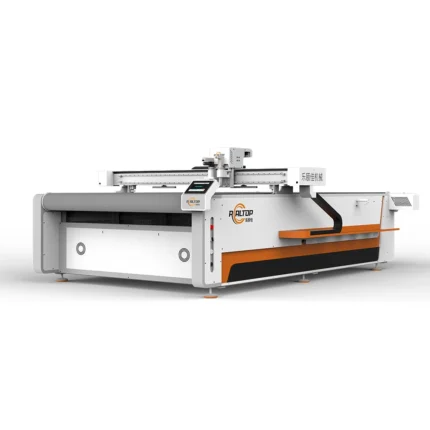
CNC Oscillating Knife Cutting Machine, 1600×2500mm Working Area, ≤30mm Cutting Thickness, ±0.1mm Accuracy — configured for polypropylene nonwoven and textile fabric cold cutting without thermal damage.
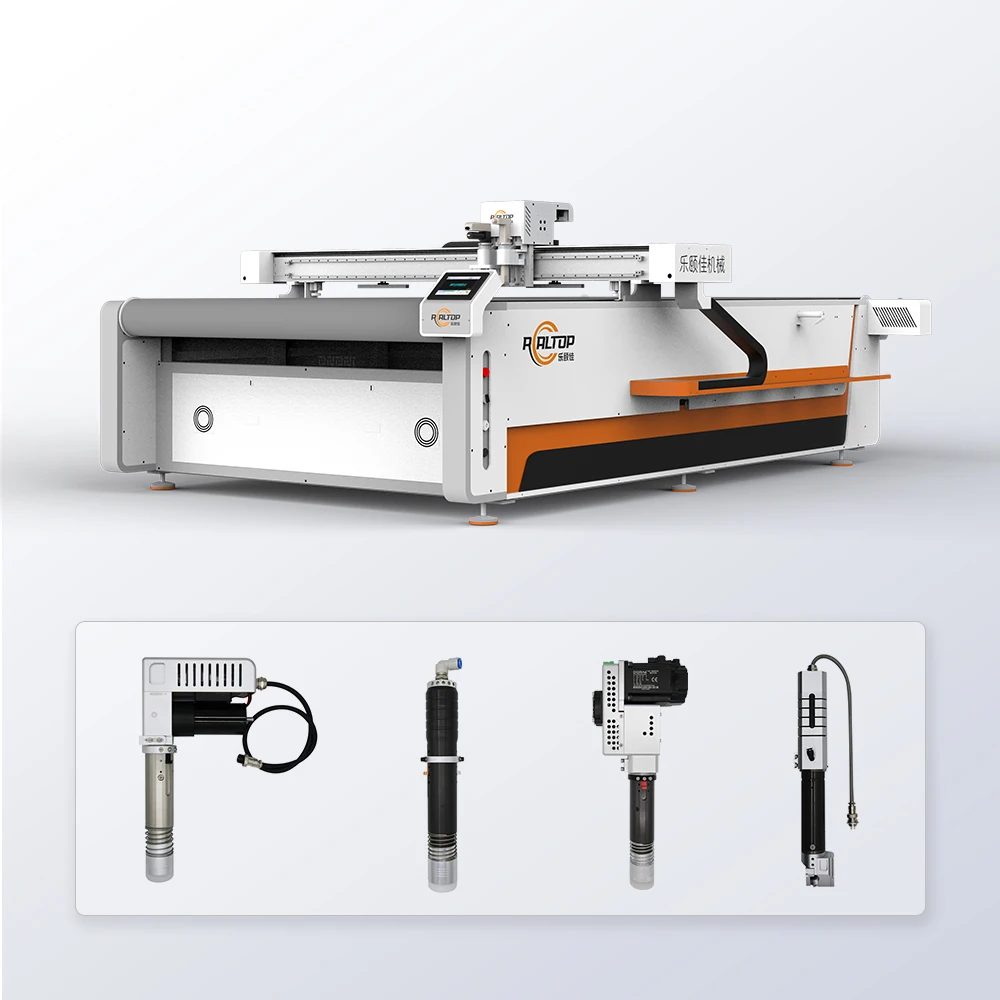
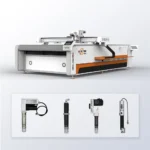
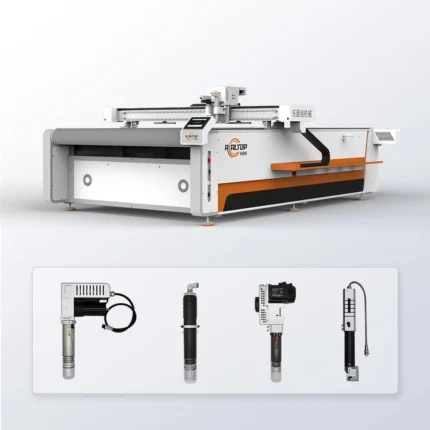
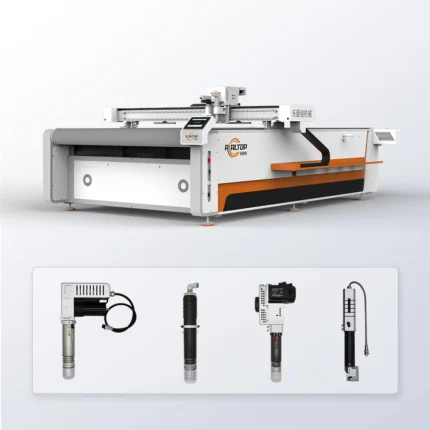
- Oscillating knife, rotary knife, pneumatic knife and multi-tool head options matched to material type and thickness
- 9KW vacuum pump with aluminum bellows table ensures stable adsorption for lightweight nonwoven at 0–2000 mm/s cutting speed
- DXF/PLT/AI/PDF file support with customizable control language (English, Russian, Italian, Chinese)
Sample cutting on your own polypropylene nonwoven material is available before order confirmation, with edge quality and speed validated in a written report.
CNC Oscillating Knife Cutting Machine, 1600×2500mm Working Area, ≤30mm Thickness, ±0.1mm Accuracy — engineered for cold cutting polypropylene nonwoven and textile fabrics without thermal melting or edge fusion.
- Multi-tool head options (oscillating knife, rotary knife, pneumatic knife) handle materials up to 30mm thick
- 9KW vacuum pump with aluminum bellows table ensures stable material holding at 0-2000 mm/s cutting speed
- PLC control with DXF/PLT/AI/PDF compatibility and customizable interface languages
Sample cutting on your specific polypropylene nonwoven material available before commitment, with edge quality and production speed documented in a written report.
Cold Knife Versus Laser Heat — in-house capability spanning both knife and laser cutting methods lets polypropylene nonwoven producers avoid thermal melting, fused edges and toxic fumes that a laser beam would cause on heat-sensitive textile rolls.
Technical Specifications
| Parameter | Value |
|---|---|
| Product Type | CNC Oscillating Knife Cutting Machine |
| Working Area | 1600 × 2500 mm |
| Tool Head Options | Oscillating knife, driven rotary knife, creasing wheel, kiss cutting tool, pneumatic knife, milling tool, V-groove knife |
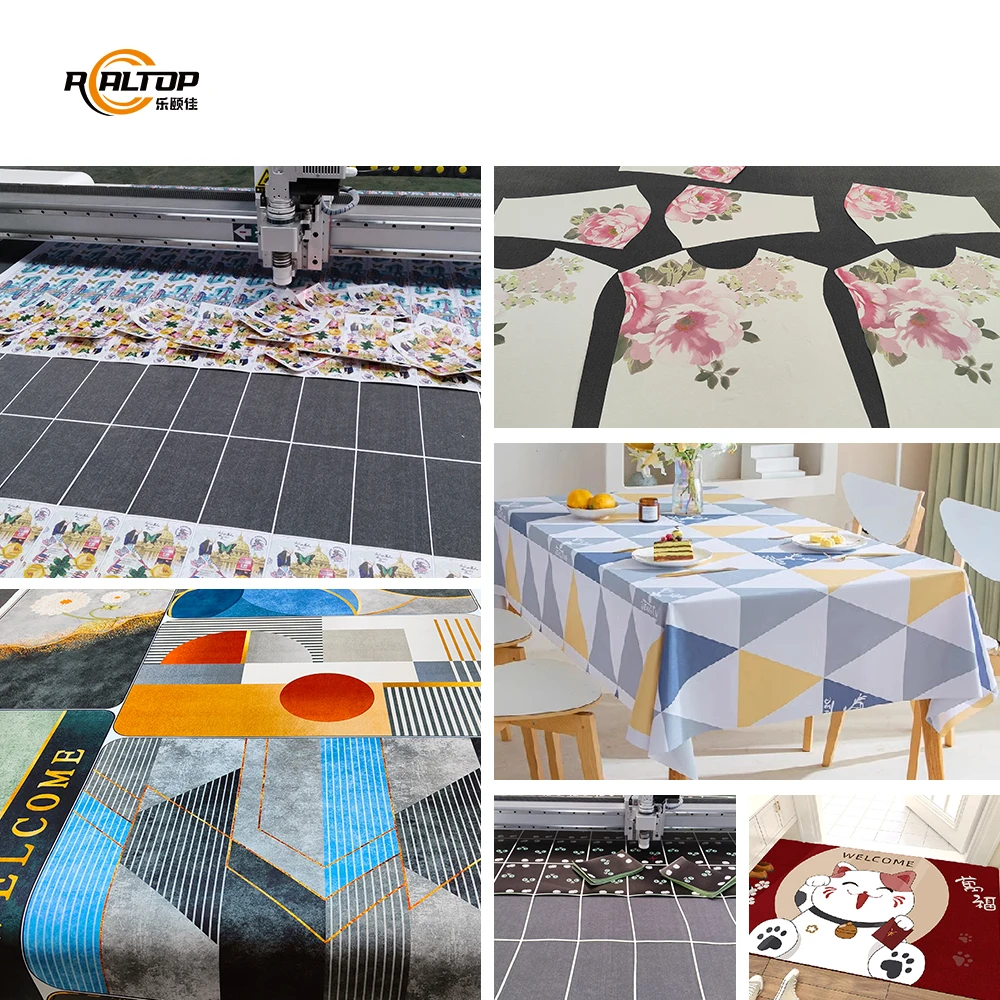
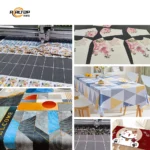
| Applicable Materials | Fabric, cardboard, carton, mats, PVC, EVA, leather, acrylic, foam, PTFE, rubber |
| Cutting Speed | 0–2000 mm/s |
| Maximum Cutting Thickness | 30 mm |
| Positioning Accuracy | ±0.1 mm |
| Vacuum Pump | 9 kW |
| Vacuum Table | Aluminum bellows vacuum table |
| Control System | PLC control panel |
| Drive System | Servo motors (Panasonic, Delta, Dorna options) |
| Voltage | 110V / 220V / 380V (configurable) |
| Profile Format | PLT, DXF, AI, PDF |
| Safety Device | Infrared sensor and emergency stop |
| Machine Size | 3300 × 2100 × 1350 mm |
| Control Language | English, Russian, Italian, Chinese (custom languages available) |
| Certification | CE |
Application Suitability
| Application | Material or Output |
|---|---|
| Polypropylene nonwoven roll cutting | PP nonwoven fabric where cold knife avoids melting and edge fusion |
| Apparel and knitwear production | Suits, lace, complex multi-layer fabric stacks up to 30 mm |
| Automotive interior trimming | Seat fabrics, carpets, PVC mats without thermal damage |
| Home textile manufacturing | Sofa fabrics, curtains, rugs at production speed |
| Composite material processing | Carbon fiber prepreg, aramid, specialty layers without delamination |
Why Cold Knife Cutting Matters for Heat-Sensitive Nonwoven
Laser heat melts polypropylene fibers at the cut edge, fusing layers together and generating emissions that a cold oscillating knife eliminates entirely.
When a buyer specifies a laser cutting and engraving machine for polypropylene nonwoven, the real problem surfaces on the first test cut. The beam seals synthetic edges on polyester or nylon — useful for preventing fraying on garment panels — but on polypropylene the melt point sits lower and the thermal energy produces a hardened, fused bead along every cut line [NEED_CITE: thermal properties of polypropylene versus polyester in industrial cutting]. That fused edge stiffens the panel, causes needle breakage downstream on sewing lines, and releases volatile compounds that require extraction capacity beyond what most textile workshops carry. The oscillating knife CNC machine takes a different path: a high-frequency blade slices the fibers cleanly with zero thermal load, leaving a soft edge ready for folding, stitching or lamination. This laser cutting and engraving machine site covers the full process spectrum, and knowing when knife beats laser is the decision that prevents a wrong-machine purchase.
How the Cutting Method Decision Gets Made
The choice between a laser beam and an oscillating knife starts with the material’s response to heat. Polypropylene, certain foams and low-melt composites deform under CO2 or fiber laser energy, while acrylic, wood and sheet metal demand the thermal edge-sealing that only laser delivers. Our design team specifies the cutting method per material sample before any configuration is locked, ensuring the buyer’s production workflow matches the physics of the process rather than forcing one technology across every substrate.
Vacuum Holding Power on Lightweight Rolls
Polypropylene nonwoven weighs less per square meter than woven canvas, and the 9 kW vacuum pump paired with the aluminum bellows table must keep the sheet flat across the full 1600 × 2500 mm area without localized lift. Lift during high-speed oscillating knife passes produces dimensional drift and ragged edges on small nesting parts [NEED_CITE: vacuum adsorption requirements for lightweight nonwoven on CNC flatbed tables]. The aluminum bellows construction distributes suction evenly, so a 50-gram nonwoven sheet stays registered whether the tool is cutting a full-width panel or a small gasket profile near the table edge.
Specifying the Tool Head for Your Material Stack
The oscillating knife handles single and multi-layer fabric up to 30 mm thick with ±0.1 mm positioning accuracy, but the driven rotary knife option suits continuous long cuts on rolled goods where a reciprocating blade would introduce micro-steps. Creasing wheel and V-groove tools extend the same machine into packaging sample work on carton and corrugated board. Selecting the right tool head depends on sheet thickness, part geometry and daily volume — parameters confirmed during sample cutting on the buyer’s own material before the order is finalized.
The Configuration Mistakes That Surface After Delivery
Choosing a working area without matching the vacuum zoning to the smallest part in the nesting layout causes lightweight nonwoven to lift off the table mid-cut, producing scrap instead of finished panels [NEED_CITE: vacuum table zoning and part registration on CNC flatbed cutters]. Selecting tool heads based on price rather than material type yields crushed foam or ragged fabric edges that require secondary trimming. And skipping the sample cutting step means the buyer discovers software file-format incompatibility only after the machine is wired into the production floor, when the existing DXF or PLT nesting workflow fails to import cleanly.
Why Buyers Source This Oscillating Knife Cutter Here
The same factory that builds CO2 and fiber laser cutting and engraving machines also produces this oscillating knife CNC machine, so the cutting method is selected based on material behavior rather than limited to whichever technology one factory happens to manufacture. Tool head and table configuration are specified per material and production volume, not quoted as a one-size package. CCD camera positioning is available on sister platforms for printed contour work, and software compatibility is confirmed with the buyer’s existing DXF, PLT, AI or PDF workflow before the order ships. Voltage, plug type and control language are verified against the destination workshop’s electrical standard, and every configuration is factory-tested on the buyer’s own material before packing.
Documentation & Verification
- Machine specification sheet matching confirmed tool head and vacuum table configuration
- Electrical schematic with voltage, plug type and circuit requirement for your workshop
- Sample cutting report on your polypropylene nonwoven roll before order confirmation
- Software licence and file format compatibility note for DXF, PLT, AI and PDF import
- Factory test record documenting cutting accuracy and edge quality on your material
- Operation and maintenance manual in your selected control language
Installation, Commissioning & Support
- Foundation requires level floor for 3300 × 2100 × 1350 mm machine footprint
- Dedicated circuit matching confirmed 110V, 220V or 380V supply with correct breaker rating
- Machine ships partially assembled; table leveling and gantry alignment completed on site
- First-run parameter tuning on your nonwoven roll including knife depth and oscillation frequency
- Operator training covers PLC panel navigation, tool head changeover and nesting workflow
- Spare parts list includes oscillating blades, rotary knives and vacuum table seals
What We Need to Move Your Inquiry Forward
Send the material type, roll width, weight per square meter and the maximum stack thickness you intend to cut. Include your daily volume target and the file formats your design team currently uses for nesting. Confirm the workshop voltage and frequency, the preferred control language, and whether you want us to run sample cuts on your own nonwoven before we quote a configuration.
Frequently Asked Questions
Q: Why specify cold knife cutting instead of laser for polypropylene nonwoven?
A: Polypropylene melts at a lower temperature than polyester or nylon, and a laser beam fuses the cut edge into a hardened bead that causes needle breakage during sewing. The oscillating knife cuts cleanly with no thermal load, leaving a soft edge ready for downstream processes without secondary trimming or fume extraction.
Q: How is the tool head selected for my specific material and thickness?
A: We run sample cuts on your actual roll using oscillating knife, driven rotary knife and other available heads. The report shows edge quality, cutting speed and layer handling at each setting, so the configuration is chosen on proven results rather than catalog assumptions.
Q: What electrical and language details must be confirmed before shipment?
A: Voltage (110V, 220V or 380V), plug type, circuit breaker rating and control language are all verified against your workshop specification. These details are locked in the order confirmation so no rewiring or panel reprogramming is needed on arrival.
Q: Can the machine import my existing nesting and cutting files?
A: The PLC control system accepts PLT, DXF, AI and PDF profile formats. We confirm file import compatibility during the sample cutting stage, testing your actual production files so the nesting workflow transfers without software conversion delays.
Q: What does the sample cutting report cover before I commit to an order?
A: The report documents cutting speed, edge quality, maximum clean thickness and tool head performance on your specific nonwoven or fabric roll. It serves as the baseline for the machine configuration and gives you real data before the production order is placed.


Related products
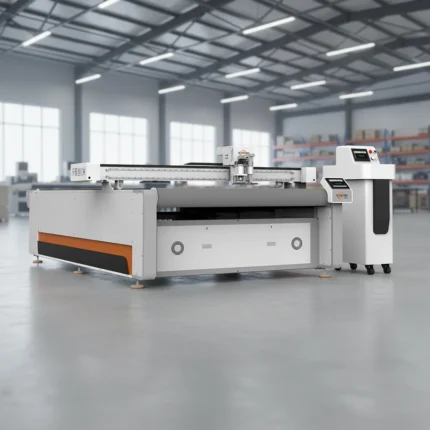
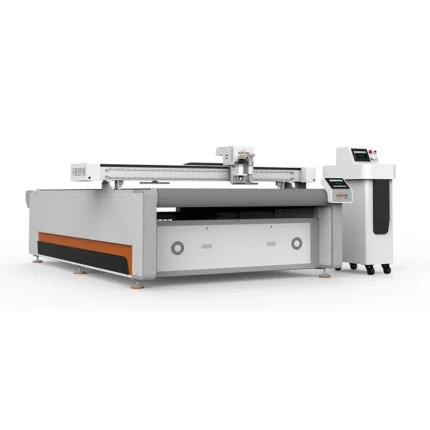
CNC Vibration Knife System 2026 for Polyester Nylon Non-Woven Prepreg
Product Introduction
CNC Vibration Knife System 2026 is ideal for cutting polyester, nylon, non-woven fabrics, and prepreg materials with precision and efficiency, suitable for industrial manufacturing needs.Product Parameters
| Model | 2026 |
| Cutting Technology | CNC Vibration Knife |
| Materials | Polyester, Nylon, Non-Woven, Prepreg |

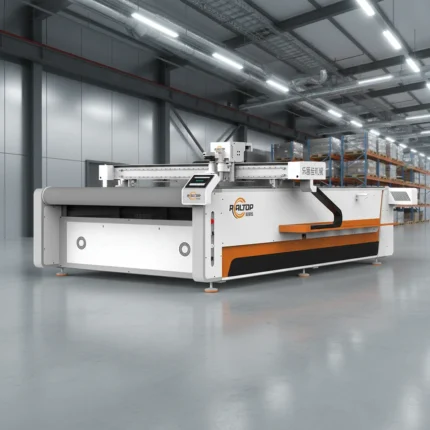
Electric Fabric Rotary Cutter 2026 12V Auto-Cut Industrial
Product Introduction
Industrial-grade Electric Fabric Rotary Cutter designed for precise cutting of scan-printed cloth. Features 12V auto-cut functionality for efficient, automated operation, ideal for professional textile processing.Product Parameters
| Power Supply | 12V |
| Function | Auto-Cut |
| Application | Scan-Printed Cloth |
| Type | Industrial Electric Rotary Cutter |
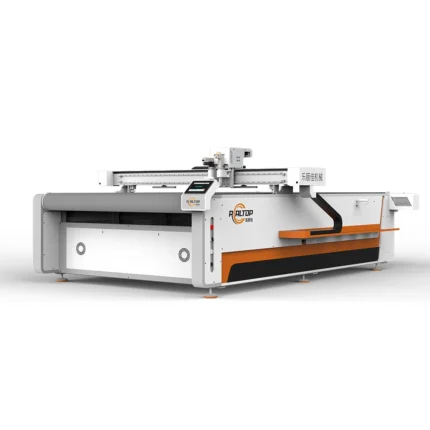
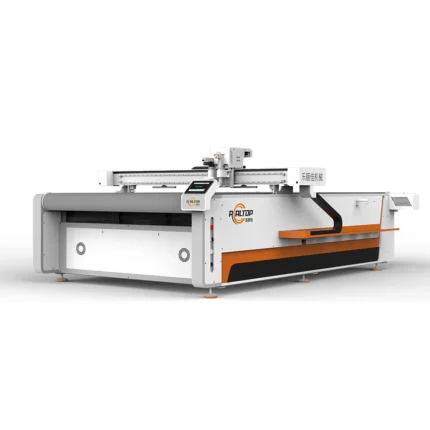
Realtop CNC Fabric Cutting Machine 2026 CE Certified
Product Introduction
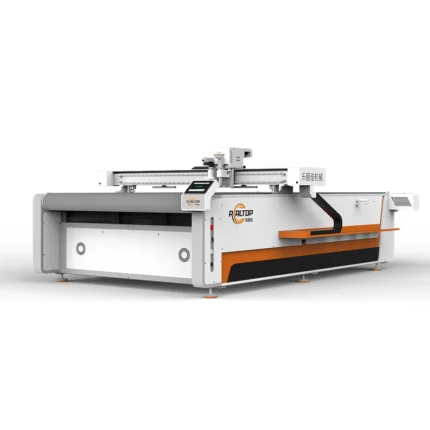
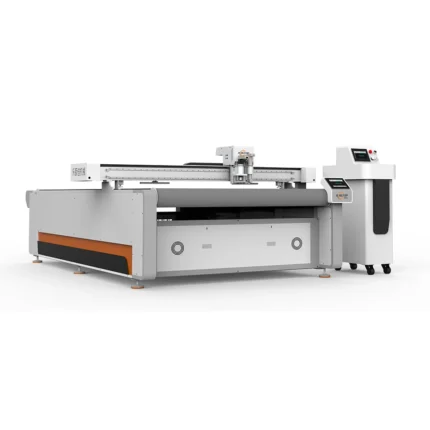
Realtop CNC Fabric Cutting Machine 2026, CE Certified, ideal for precision fabric cutting with advanced CNC technology. Engineered for efficiency and reliability in textile manufacturing processes.Key Specifications
| Model | Realtop CNC Fabric Cutting Machine 2026 |
| Certification | CE Certified |
商品评价
There are no reviews yet.