



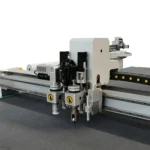
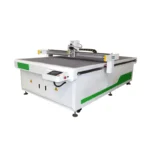
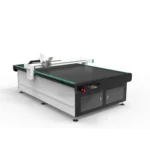
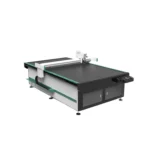
Rotary Die Cutting Machine Custom Size Digital Label Cutter – Laser Cutting and Engraving
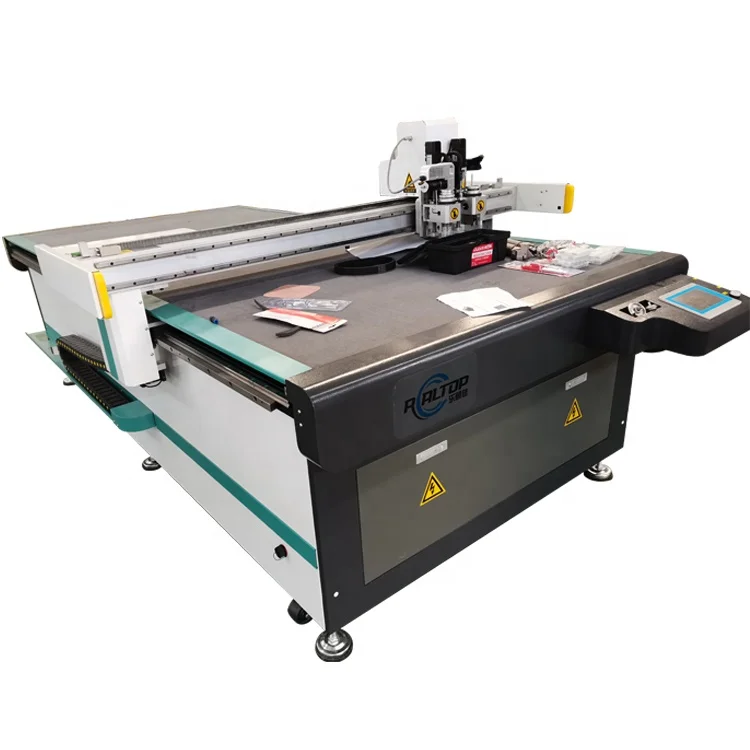
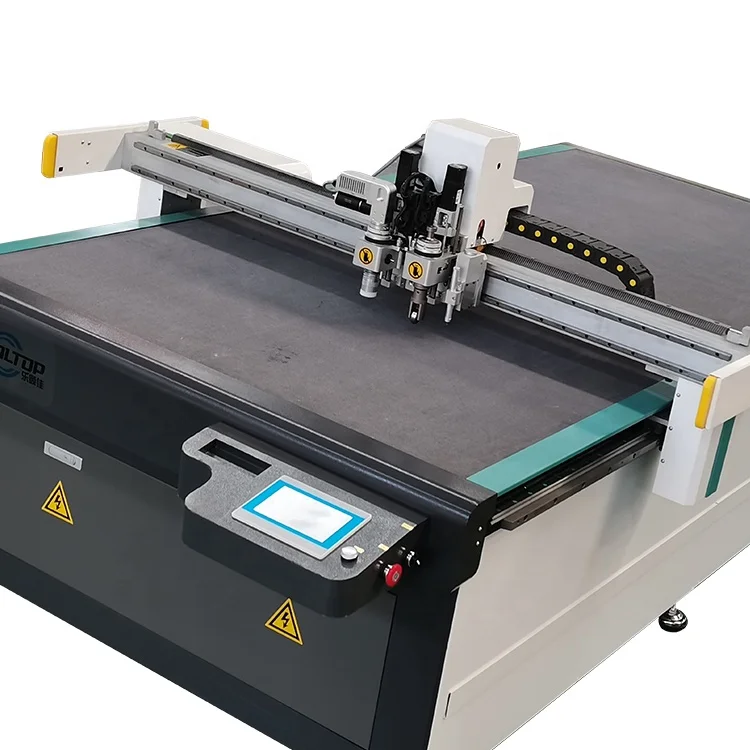
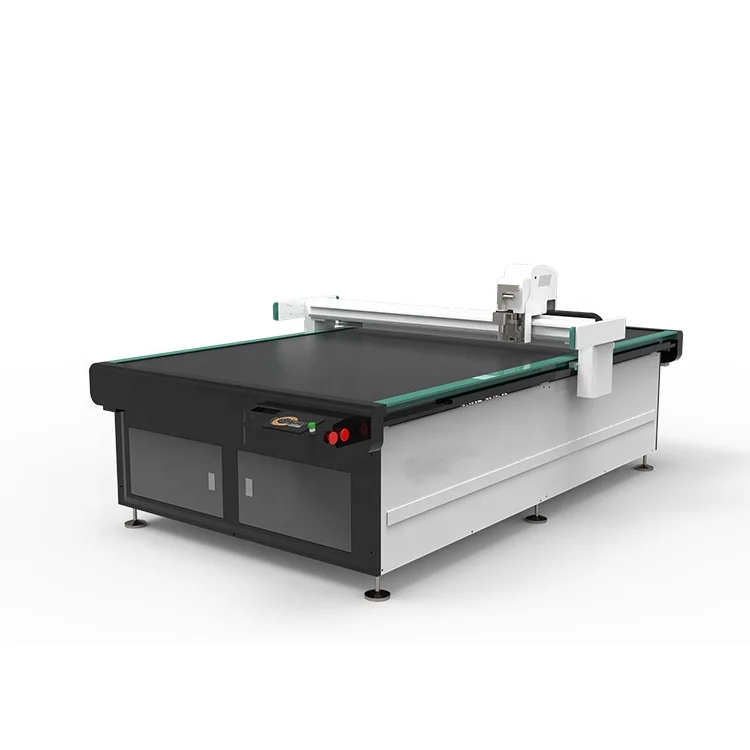
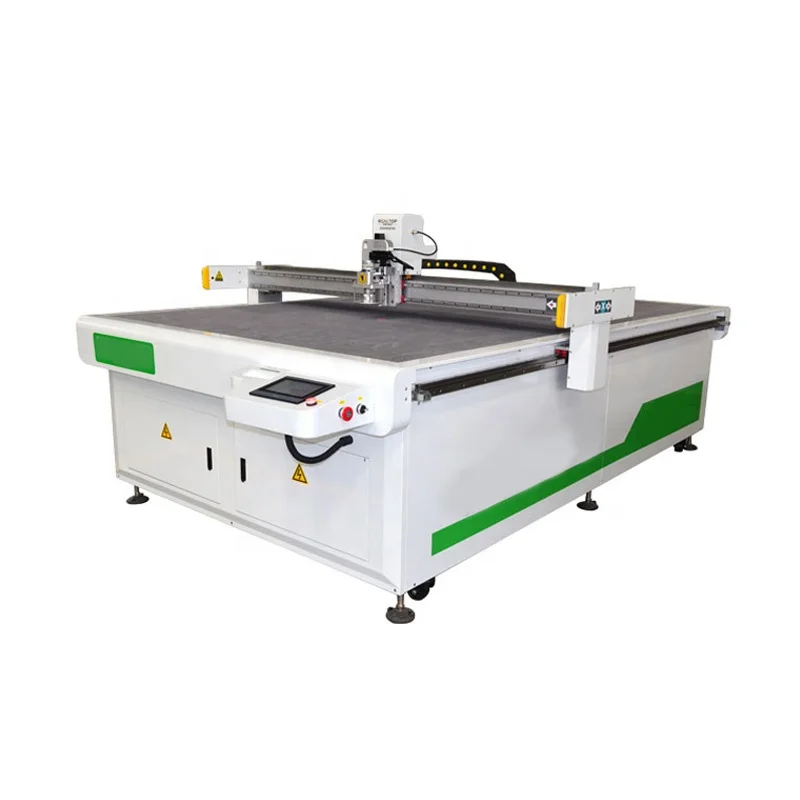
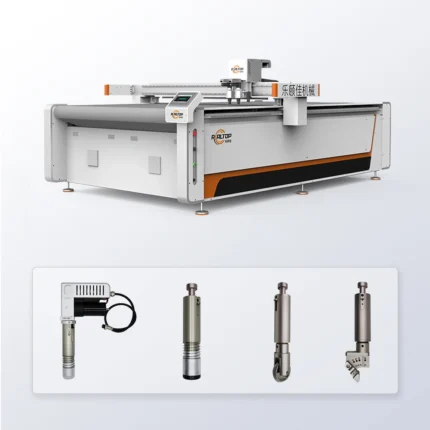
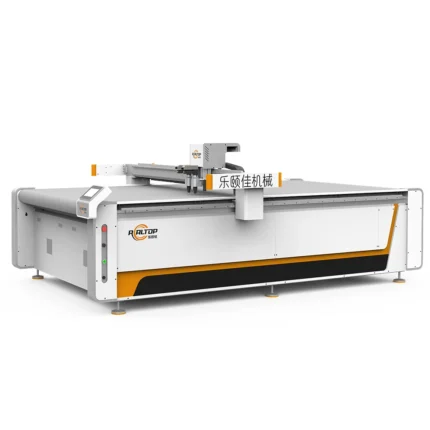
RT-D2516/RT-S2516 Packaging CNC Cutting Machine, 1600×2500mm, 9kW — combines CO2 and fiber laser systems configured per material type and production volume. Laser power specified at continuous output rather than peak rating, ensuring real cutting depth meets production requirements across acrylic, wood, textile and sheet metal applications.
- ≤0.1mm repeated accuracy with imported servo motors and linear guides
- Voltage and control language confirmed before shipment
Sample cutting on your own material validates edge sealing quality and cutting capacity before commitment.
Laser power matched to material — We test on your actual synthetic stock and adjust continuous output to prevent edge scorching, not just quote a peak number.
Technical Specifications
| Parameter | Value |
|---|---|
| Product Type | CNC Digital Cutting Machine |
| Model | RT-D2516/RT-S2516 |
| Working Area | 1600×2500mm |
| Machine Size | 3450×2300×1250mm |
| Rated Power | 9kW |
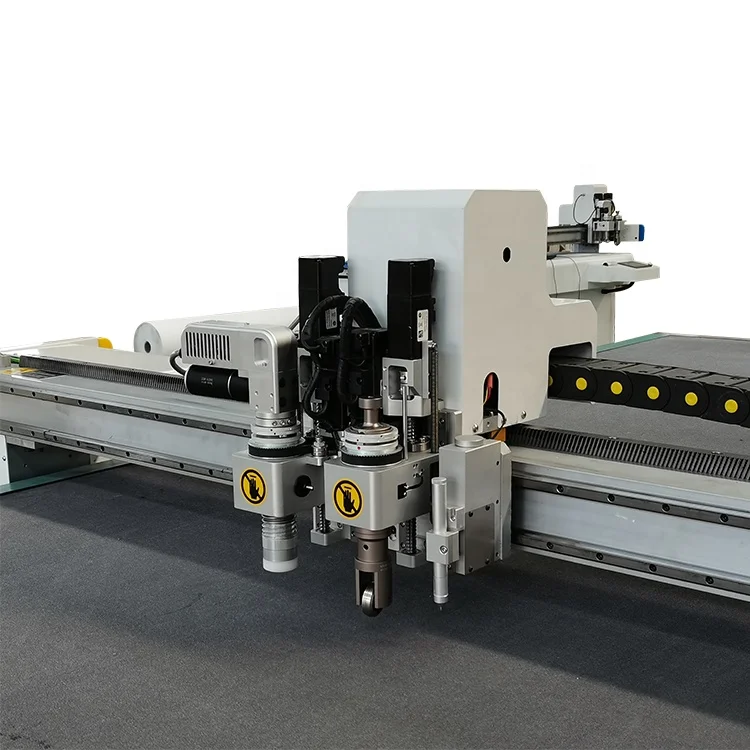
| Tool Head | Swiss imported knife with vibration full cutting, vibration half cutting and cursor location |
| Table Type | Flat working table with vacuum |
| Vacuum Pump | 7.5kW |
| Translational Velocity | 800-1200mm/s |
| Cutting Speed | 200-800mm/s (material dependent) |
| Repeated Accuracy | ≤0.1mm |
| Transmission System | Digital servo motor, linear guide, synchronous belt, ball screw (imported) |
| Servo Motor | Japanese Yaskawa |
| Guide Rail | Taiwan Hiwin |
| Conveyor Belt | Germany imported |
| Instruction System | HP-GL compatible format |
| Voltage | 380V±10% (configurable) |
| Safety Device | Infrared sensors |
Application Suitability
| Application | Material or Output |
|---|---|
| Box making industry | Corrugated board, grey board, art paper |
| Packaging prototype production | Cardboard, folding carton stock |
| Carton sample making | Specialty coated papers, synthetic substrates |
| Stickers cutting | Vinyl, self-adhesive films, label stock |
| Flexible material processing | Leather, PVC, soft glass, silicon, rubber |
| Composite fabric cutting | Sponge composite leather, clothing textiles |
The Power Rating Trap in Laser Cutting and Engraving
Peak power specs rarely translate to actual cutting depth on your production floor.
Many suppliers quote a CNC laser cutting and engraving machine manufacturer’s peak rating, but your materials respond to continuous output. I have seen trial runs on standard coated paper fly, only for the client’s actual synthetic stock to scorch black at the edges because the focal depth and power curve were trashed [NEED_CITE: laser power measurement standards for industrial cutting]. Every parameter requires starting over when the material composition shifts slightly, disrupting the production rhythm.
Focal Depth Control Across Material Thicknesses
A Digital Label Cutter is not plug-and-play equipment. One layer composition off and the whole production rhythm shifts, demanding obsessive attention to power curves and focal depth. The RT-D2516/RT-S2516 platform delivers repeated accuracy ≤0.1mm, ensuring the laser beam maintains consistent energy density through varying material densities. This precision matters when switching between thin vinyl labels and multi-layer synthetic substrates within the same shift.
Assist Gas and Extraction Requirements
Different materials demand specific assist gas configurations and extraction capacities to maintain edge quality and workshop air standards [NEED_CITE: industrial extraction requirements for laser processing]. The 7.5kW vacuum pump on this system holds workpieces flat during cutting, while the extraction setup must be specified for your target materials—acrylic requires different gas flow than wood or textile processing. Specifying these parameters before shipment prevents costly rework and compliance issues.
Transmission Accuracy and Contour Following
The combination of Japanese Yaskawa digital servo motors and Taiwan Hiwin linear guides delivers the positioning accuracy required for intricate contour work. When cutting printed labels or complex packaging prototypes, the transmission system must track vector paths without lag or deviation. The Swiss imported knife head with vibration full cutting and half cutting functions complements laser work for applications requiring creasing or perforation alongside through-cuts.
What Happens When Configuration Doesn’t Match Material
Wrong tool head selection produces ragged edges or crushed foam instead of clean cuts [NEED_CITE: material-specific tooling selection for CNC cutting]. A machine specified on working area alone, then found unable to handle the material thickness, forces buyers into costly retrofits or replacement. CCD contour recognition promised but unable to track printed marks at production speed creates bottlenecks that cascade through downstream operations.
Why Sourcing From a CNC Laser Cutting and Engraving Machine Manufacturer Matters
In-house design covering both knife and laser cutting technologies means buyers match the cutting method to the material rather than forcing one approach. Tool head and table configuration get specified per material type and production volume, not sold as universal solutions. Sample cutting on your own material happens before commitment, revealing edge quality, cycle times, and any parameter adjustments needed. Voltage, plug, and control language customization gets documented before shipment, preventing installation delays at your facility.
Documentation & Verification
- Machine specification sheet confirming working area, power rating, and tool head configuration
- Electrical schematic with voltage and frequency customization for your local grid
- Sample cutting report on your specific material with edge quality assessment
- Factory test record demonstrating repeated accuracy and cutting speed parameters
- Software licence and HP-GL file format compatibility confirmation
- Operation and maintenance manual with spare parts list
Installation, Commissioning & Support
- Foundation requirements for 3450×2300×1250mm footprint with level specifications
- Dedicated 380V±10% circuit with proper grounding for 9kW rated power draw
- Assembly sequence for flat working table and vacuum pump integration
- First-run parameter calibration for your material thickness and cutting speed range
- Operator training on tool head changeover and vacuum table zoning
- Preventive maintenance schedule for guide rails and servo motor inspection
Request a Material-Specific Evaluation
Provide your material type, maximum thickness, sheet dimensions, and daily volume requirements so we can recommend cutting method and configuration. Specify your local voltage and frequency standards, preferred control language, and any existing nesting software in your workflow. If edge sealing quality or contour accuracy is critical, we run samples on your actual stock before quoting lead time.
Frequently Asked Questions
Q: How do we verify continuous laser power versus peak power claims for actual cutting depth?
A: We run cutting tests on your specific material at various thickness levels, documenting the continuous power settings that produce clean edges without scorching. This sample report shows real cutting capacity rather than theoretical peak ratings, and we confirm these parameters transfer to your production environment with your material composition.
Q: What voltage and frequency configurations are available for different regional markets?
A: The system supports 380V±10% standard with customization options for target markets. We confirm voltage, plug type, and frequency requirements before production, documenting these in the electrical schematic so your electricians can prepare proper circuits and avoid installation delays or equipment damage from power mismatches.
Q: How are assist gas and extraction systems specified for different material types?
A: We specify assist gas type and flow rates based on your target materials—acrylic requires different parameters than wood or textile. Extraction capacity gets matched to your material volume and workshop ventilation standards, ensuring edge quality and air compliance without over-specifying equipment you don’t need.
Q: What file formats and nesting software integrate with the control system?
A: The HP-GL compatible instruction system accepts standard vector formats used in label and packaging design workflows. We confirm compatibility with your existing nesting software and file formats before order, testing import and cutting sequence to prevent workflow disruptions when the machine arrives at your facility.
Q: How does edge sealing quality vary between CO2 and fiber laser on synthetic materials?
A: CO2 systems typically provide cleaner edge sealing on synthetics and organic materials, while fiber excels on metals. We test your specific synthetic stock to determine which laser type delivers the edge quality your application requires, documenting the results in the sample report before you commit to a configuration.


Related products
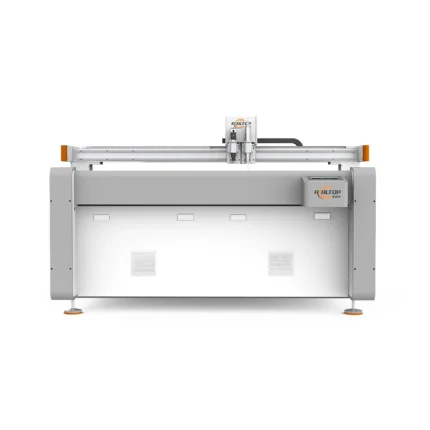
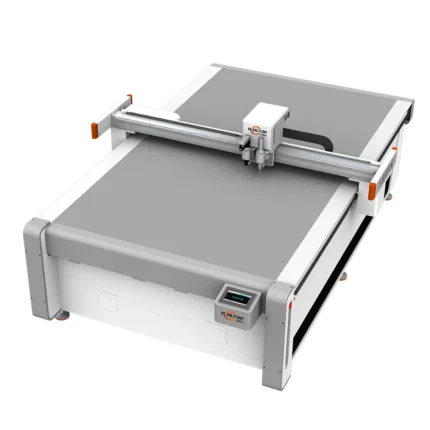
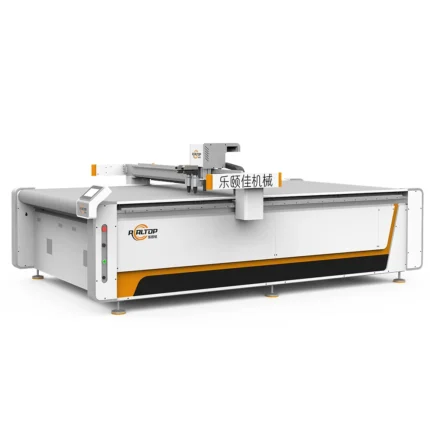
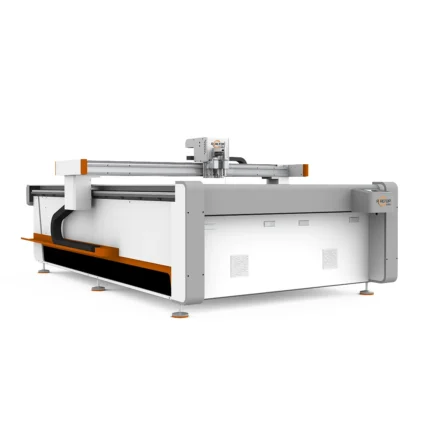
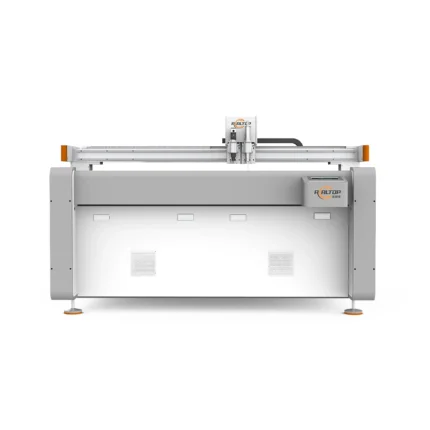


Digital CNC Cardboard Cutting Machine 2026
Product Introduction
High-precision Digital CNC Cardboard Cutting Machine 2026, ideal for efficient cardboard processing with advanced CNC technology, ensuring precise and fast cutting performance for various packaging and craft applications.
Key Specifications
| Model | 2026 |
| Type | Digital CNC Cutting Machine |
| Material | Cardboard |
| Feature | High Precision, Efficient Cutting |
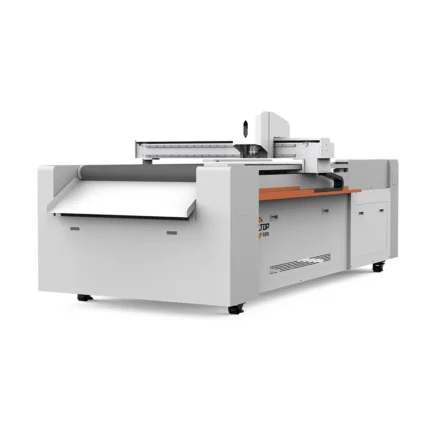
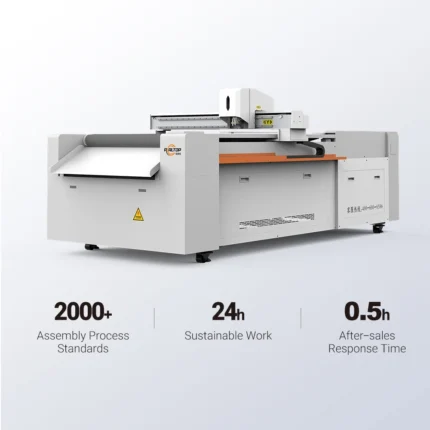

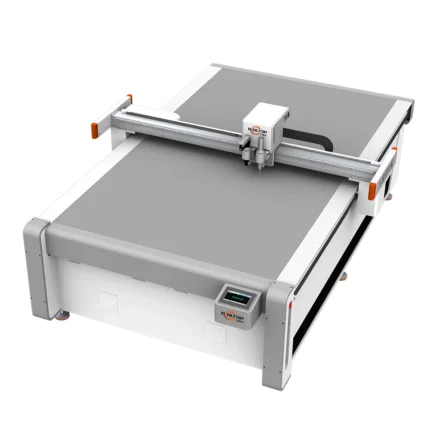
REALTOP 2026 Digital Industrial Cardboard Box Cutter
Product Introduction
REALTOP Digital Industrial Cardboard Box Cutter Machine 2026 is a professional industrial-grade cutting equipment designed for efficient cardboard box processing, ideal for manufacturing and packaging applications.
Product Parameters
| Model | 2026 |
| Type | Digital Industrial Cardboard Box Cutter |
| Application | Cardboard Box Processing |
| Feature | Industrial-grade, Efficient Cutting |

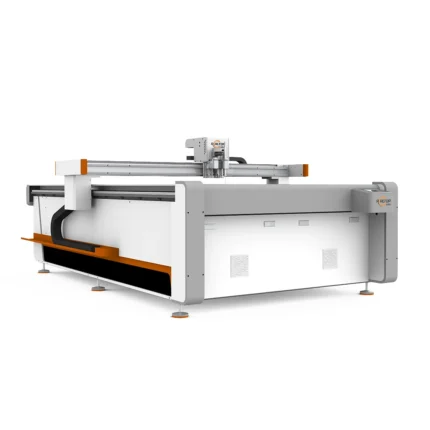
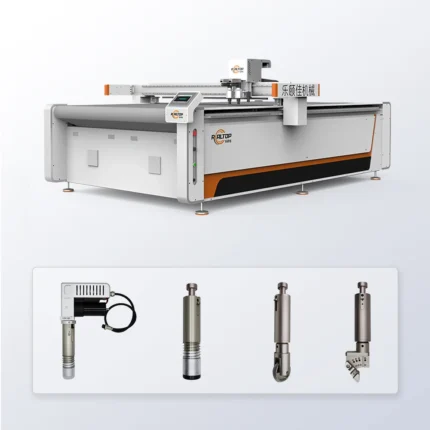
Realtop CNC Carton Box Cutter 2026 CCD Camera Honeycomb Cutting
Product Introduction
Realtop CNC Carton Box Cutter 2026 is a professional cutting solution featuring CCD Camera and Honeycomb Cutting technology, ideal for precise carton box processing with efficient performance.Product Parameters
| Model | Realtop CNC Carton Box Cutter 2026 |
| Vision System | CCD Camera |
| Cutting Technology | Honeycomb Cutting |
商品评价
There are no reviews yet.