

Blog
Auto-Focus Laser Head Sample Terms for Bulk Order

Auto-Focus Laser Head Sample Terms for Bulk Order
Free samples are not a gesture of goodwill; they are often a prelude to unpaid R&D labor.
To secure a fair evaluation, buyers must define the auto-focus laser head sample terms before shipment. This includes setting a strict testing window, linking sample fees to future bulk order deductions, and establishing material-specific acceptance criteria for cutting precision.
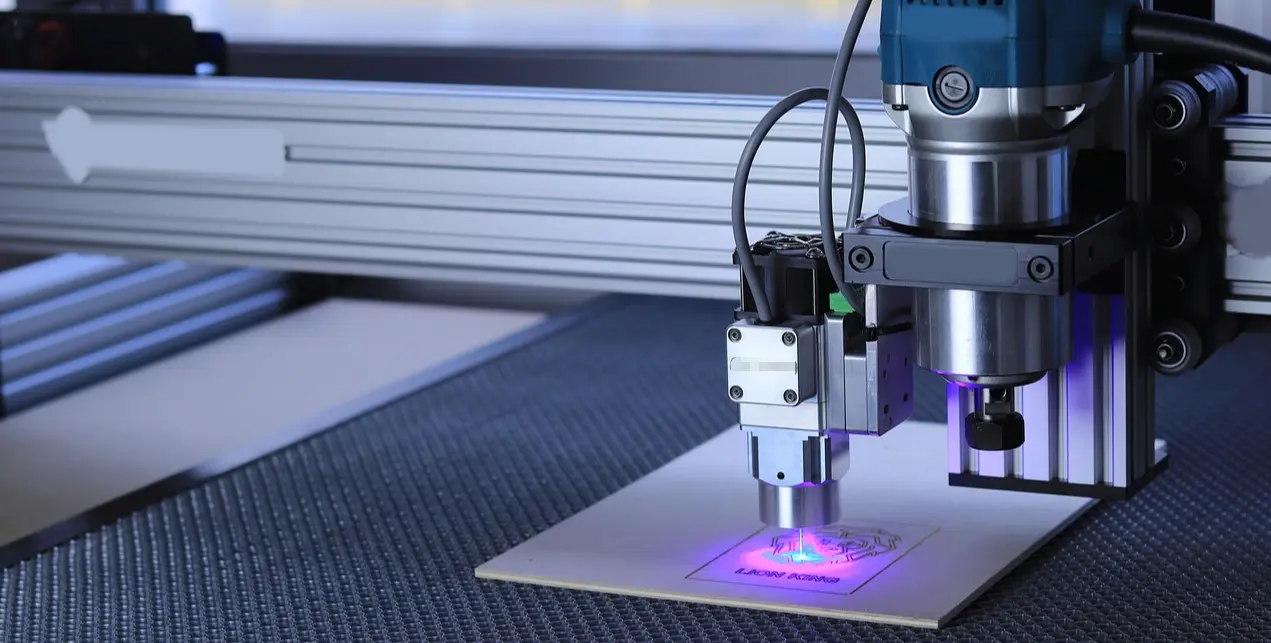
Walking through the exhibition halls in Hanover or Chicago, I often hear the same request from procurement managers: "Can you send us a few auto-focus laser head units for testing? We will discuss the bulk order if they work." It sounds reasonable. However, without a structured agreement, this approach frequently leads to indefinite testing periods and financial disputes. A German automotive supplier once ordered five units for evaluation. Because the contract lacked clear definitions for "production line accuracy" and a time limit for testing, they used the equipment for three months. When they finally reported that the focusing precision did not meet their requirements, they refused to pay the sample fee and demanded compensation for their operational losses. That experience highlighted the necessity of rigid auto-focus laser head sample terms. [NEED_CITE: common disputes in industrial machinery procurement]
The core issue is not the quality of the hardware but the ambiguity of the evaluation process. When technical leads in packaging, apparel, or automotive industries seek to validate components, they need legal and technical clarity to mitigate risk. Defining these parameters upfront protects both the buyer and the supplier during the critical evaluation phase.
Why Do Standard Sample Agreements Fail?
Most standard agreements fail because they lack specific technical and financial boundaries, leading to indefinite testing and unpaid fees.
A typical purchase order for a sample often mirrors a standard product sale, ignoring the unique nature of industrial evaluation. Unlike consumer goods, an auto-focus laser head requires integration into a complex cutting system. Without explicit terms, buyers may treat the sample as a free trial unit rather than a paid product with a potential refund mechanism. This misunderstanding creates friction when the bulk order does not materialize immediately.
The primary failure point is the absence of a defined testing period. In one case, a US packaging studio requested a sample refund upon placing a bulk order. However, they had not agreed on a minimum quantity threshold for this deduction. The supplier expected a full container load, while the buyer considered a small batch sufficient. This mismatch resulted in a stalled negotiation. Clear auto-focus laser head sample terms must address these expectations early. [NEED_CITE: best practices for B2B sample management]
Another critical gap is the definition of liability. Industrial components are sensitive to installation errors. If a lens is damaged due to improper handling or lack of training, who bears the cost? Standard terms often leave this open to interpretation. By specifying that the sample fee is non-refundable in cases of user error, suppliers can protect their assets while ensuring buyers take the evaluation seriously. This approach shifts the dynamic from a casual trial to a professional assessment.
What Are the Must-Have Clauses for Laser Head Samples?
Effective sample agreements must define the testing period, accuracy metrics, and clear deduction rules for future bulk orders.
To prevent disputes, the auto-focus laser head sample terms should include several non-negotiable clauses. First, establish a strict testing window. A period of two weeks is typically sufficient to evaluate performance on standard materials. Extending this timeline without additional fees encourages procrastination and delays decision-making. Second, link the sample fee to the bulk order. A common practice is to deduct the full sample cost from the first bulk purchase, provided the order meets a minimum quantity threshold. This incentivizes the buyer to proceed with the larger contract if the sample meets their needs.
Third, specify the conditions for fee deduction. For instance, a US packaging studio might require a minimum order of ten units to qualify for the refund. This ensures that the supplier recovers the logistical and administrative costs associated with small-scale shipments. Additionally, include a clause stating that the sample fee is non-refundable if the equipment is damaged due to improper installation or operation. This protects the supplier from bearing the cost of buyer negligence.
| Clause Category | Standard Practice | Recommended Best Practice |
|---|---|---|
| Testing Period | Undefined or open-ended | Fixed duration (e.g., 14 days) |
| Fee Deduction | Automatic upon any bulk order | Conditional on minimum quantity (e.g., 10+ units) |
| Liability for Damage | Ambiguous or shared | Buyer responsible for user error or lack of training |
| Acceptance Criteria | General "good performance" | Specific tolerance levels and material tests |
These clauses create a balanced framework. They allow buyers to test the equipment thoroughly while ensuring suppliers are compensated for their time and resources. Implementing these auto-focus laser head sample terms reduces the risk of "free testing" abuse and fosters a more professional relationship. [NEED_CITE: international trade terms for machinery samples]
How to Set Fair Acceptance Standards?
Acceptance standards must align precision requirements with actual production materials and speeds, not just ideal lab conditions.
One of the most common sources of disagreement is the definition of "accuracy." Many buyers assume that precision is a universal metric, but it varies significantly based on material thickness, cutting speed, and type. An auto-focus laser head may perform exceptionally well on thin acrylic but struggle with multi-layer fabric if the focal length stability is not optimized for that specific application. Therefore, acceptance criteria must be defined in the context of the buyer’s actual production environment.
For example, an Italian leather workshop once damaged a lens during improper installation and then claimed the unit was defective because it failed to cut thick hides cleanly. The root cause was not the hardware but the lack of appropriate parameter settings for that material. To avoid such issues, buyers should specify the materials they intend to cut and the required tolerance levels. A standard benchmark might be a cutting precision of ±0.1mm on specific materials like acrylic or fabric. [NEED_CITE: ISO quality standards for laser cutting precision]
Additionally, beam quality and focal length stability should be tested under realistic operating conditions. Instead of relying solely on static measurements, buyers should conduct dynamic tests at their intended cutting speeds. This approach ensures that the auto-focus laser head sample terms reflect real-world performance. Suppliers can support this process by providing free sample cutting videos that demonstrate capabilities on various materials. This pre-validation helps buyers set realistic expectations and reduces the likelihood of disputes during the physical testing phase.
Who Bears the Risk During Testing?
Clarifying responsibilities for damage, shipping, and technical support during the evaluation phase is essential for risk management.
The evaluation phase involves inherent risks, including shipping damage, operational errors, and technical incompatibilities. Clear auto-focus laser head sample terms must allocate these risks appropriately. Typically, the buyer assumes responsibility for shipping insurance and any damage occurring during transit if they choose their own freight forwarder. However, if the supplier arranges shipping, they should cover losses until the goods reach the buyer’s facility.
Technical support during testing is another critical area. Buyers often expect immediate assistance for integration issues. While suppliers should provide basic guidance, extensive customization or troubleshooting may incur additional fees. Defining the scope of included support prevents misunderstandings. For instance, remote diagnostics and online training might be included, but on-site visits would be charged separately. This distinction ensures that buyers receive adequate help without overburdening the supplier.
Furthermore, liability for operational losses should be capped. In the event of a defect, compensation should be limited to the sample fee amount rather than covering broader production downtime. This cap protects suppliers from disproportionate claims while still holding them accountable for product quality. By addressing these risk factors in the auto-focus laser head sample terms, both parties can engage in the evaluation process with confidence and clarity. [NEED_CITE: liability limits in industrial equipment trials]
Conclusion
Clear terms transform sample testing from a risky trial into a structured validation step.
Defining precise auto-focus laser head sample terms protects both buyers and suppliers from costly misunderstandings. By setting clear testing windows, linking fees to bulk orders, and establishing material-specific acceptance criteria, companies can ensure a fair and efficient evaluation process. This approach minimizes risk and builds a foundation for successful long-term partnerships.

