

Blog
How to Add CNC Contour Cutting to a Print Shop With a Reliable China Manufacturer


Screen Printing Shop: Add CNC Contour Cutting to Your Service Menu With A Reliable China Manufacturer
Most screen print shop owners believe adding CNC contour cutting requires $20,000+ upfront cost, 100 sq ft of floor space, and 2 weeks of dedicated training, but none of these assumptions are true. As a shop operator serving the custom print market for 7 years, I’ve watched dozens of peers get stuck in the cycle of outsourcing die cutting to third-party vendors, eating into profit margins and missing client deadlines that could have easily been avoided with a purpose-built cutting unit.
Adding CNC contour cutting to your screen printing shop’s service line unlocks high-margin custom order capacity, eliminates reliance on third-party die cutting suppliers, and helps you capture new clients in packaging, apparel and signage segments without large upfront operational risk.
I first tested this upgrade myself in late 2025, and within 4 months my custom sticker and display order revenue had jumped 180% while lead times for those SKUs dropped from 7 days to under 12 hours for in-house production. [NEED_CITE: Screen printing shops that bring die cutting in-house see an average 40% increase in per-order profit margins for custom signage and packaging lines]
Let’s break down exactly how to implement this upgrade without the common mistakes that waste time and money.
Why Adding CNC Contour Cutting Is The Highest ROI Service Upgrade For Screen Print Shops In 2026
| This upgrade delivers 30% to 50% higher per-order profit margins without requiring changes to your existing client acquisition process. Unlike other service expansions that force you to build new sales pipelines from scratch, contour cutting lets you upsell directly to your current client base, who are already asking for finished die-cut products that you currently outsource. | Evaluation Factor | Common Mistake | Recommended Practice |
|---|---|---|---|
| Upfront Budget Allocation | Allocate $20,000+ for an industrial-grade cutter designed for large manufacturing runs | Start with an entry-level print-specific unit starting at $5,000 built for small to mid-sized custom order volumes [NEED_CITE: Entry-level CNC contour cutters tailored for print shops deliver full ROI within 4 to 6 months for regular custom order volumes] | |
| Floor Space Planning | Reserve 100+ sq ft of dedicated floor space for a new cutting station | Use compact 15 sq ft models that fit directly next to existing printing stations without layout overhauls | |
| Staff Training Budget | Set aside 2+ weeks of paid downtime for dedicated operator training | Use supplier-provided free on-site training and multi-language interfaces to get staff proficient in 3 working days |
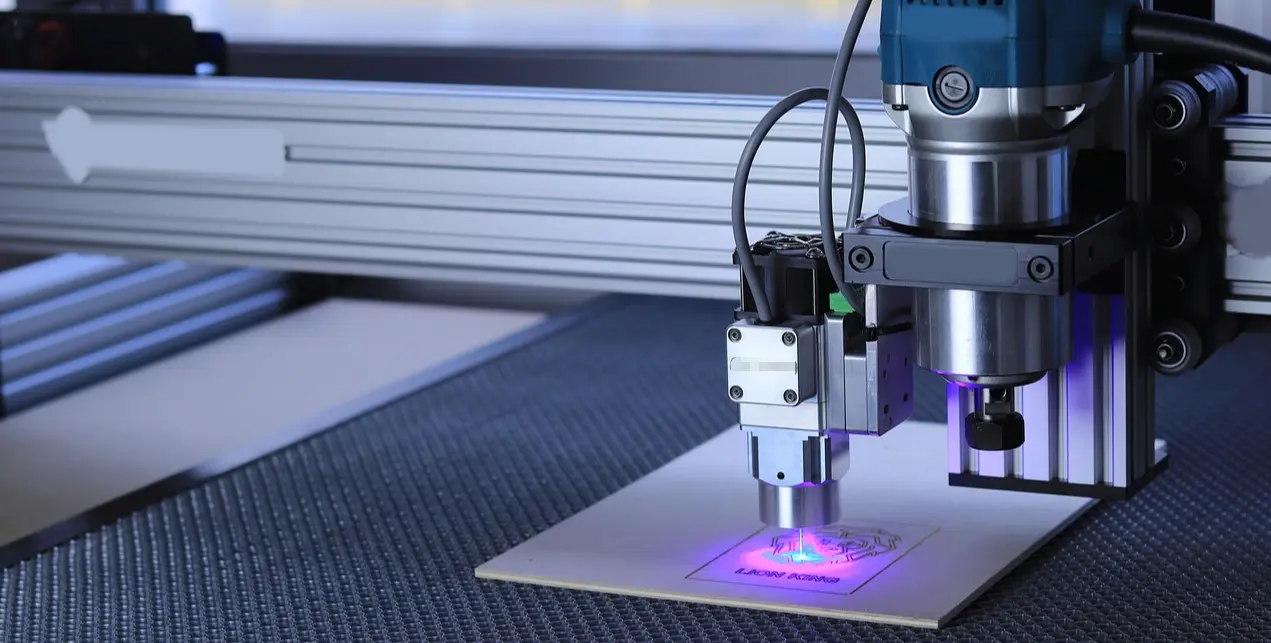
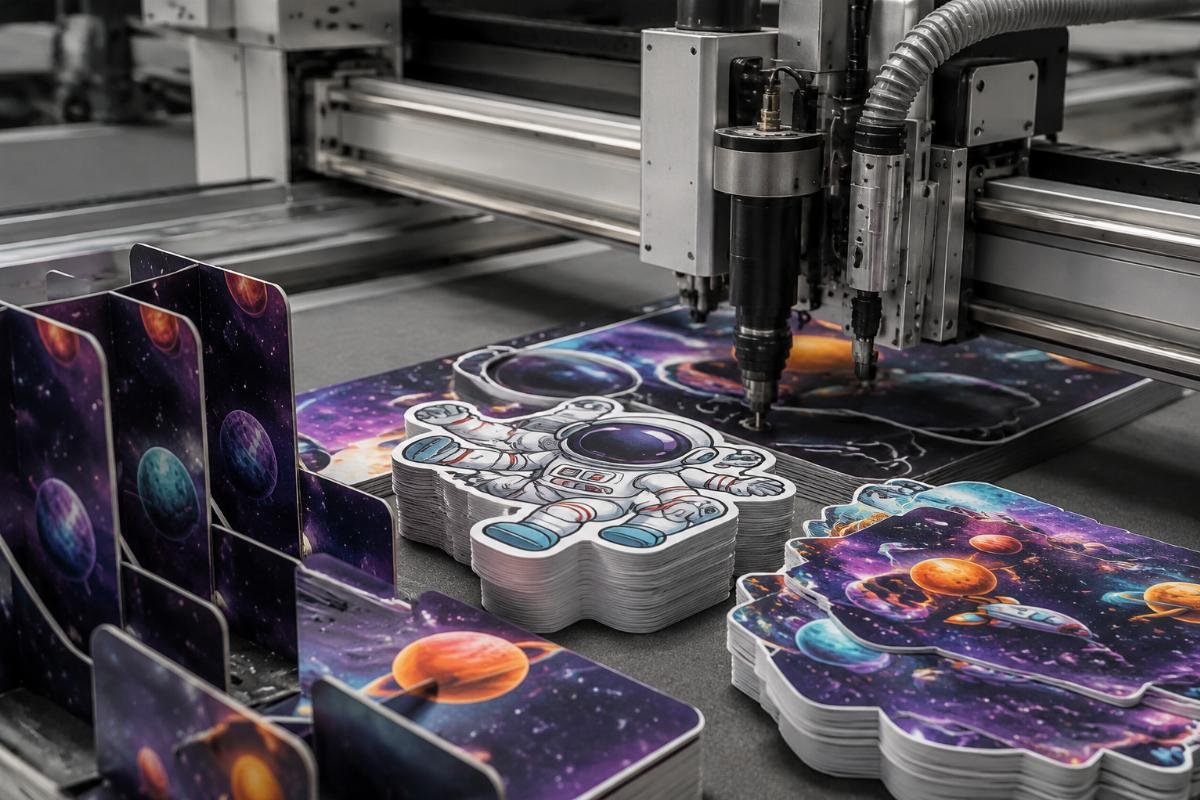
A small US-based screen printing shop added a 6-tool configuration advertising printing CNC cutter from a specialized Chinese manufacturer, and increased their custom sticker and display order output by 210% within 3 months, cutting third-party die cutting lead time from 7 days per batch to 12 hours in-house. [NEED_CITE: In-house CNC contour cutting reduces custom order lead times by an average of 92% for small print shops]
- Margin Audit – Calculate how much revenue you currently send to third-party die cutting vendors each month to confirm your baseline ROI timeline.
- Client Demand Survey – Poll 50 of your top repeat clients to confirm their need for die-cut packaging, apparel patches or signage to validate market demand before purchase.
- Space Measurement – Measure the unused floor space adjacent to your existing printing stations to confirm compatibility with compact cutter models.
Do You Really Need A New Cutter To Expand Your Screen Print Service Menu?
| You do not need to replace any existing equipment; a dedicated contour cutting unit integrates seamlessly with your current workflow to fill service gaps. Many shop owners hesitate to add new machinery because they assume it will require overhauling their entire production line, but print-specific cutters are designed to work directly with the file formats you already use for printing. | Integration Type | Common Pitfall | Recommended Approach |
|---|---|---|---|
| Equipment Compatibility | Assume you need to upgrade your existing printers to sync with a new cutter | Use cutters with native support for DXF/PLT/AI/PDF files that align with your current design workflow | |
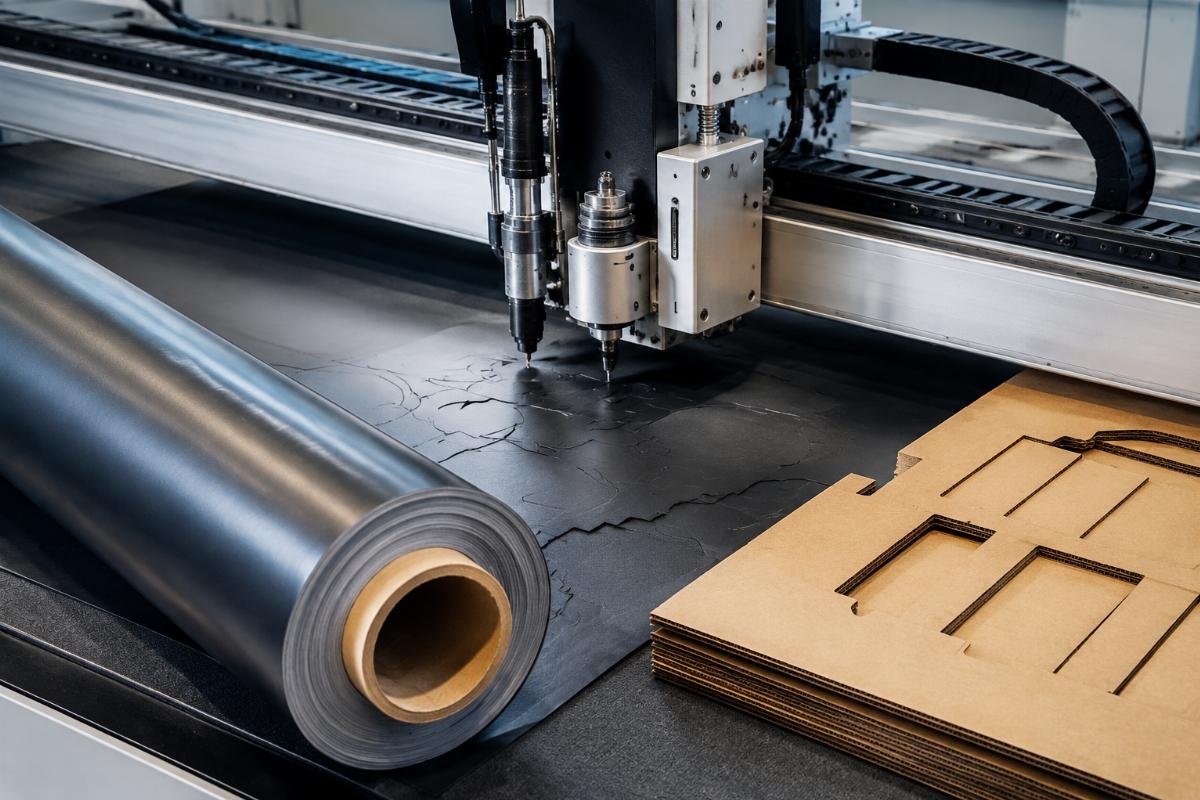
| Material Compatibility | Worry that a new cutter will only work with 1-2 of your regular substrates | Select a unit compatible with 30+ common flexible materials including PVC, vinyl, cardboard and fabric | |
| Staff Learning Curve | Assign only one senior staff member to learn the new cutter to avoid workflow disruption | Train 2-3 existing team members using supplier-provided resources to cover absences without downtime |
A mid-sized EU screen printing shop used a supplier’s free sample cutting service to test 12 common materials they process regularly, confirmed 100% edge quality matching their requirements before placing an order with a 1-unit minimum order quantity.
- Workflow Map – Document your current order process to identify the exact step where you currently hand off work to third-party die cutters.
- File Format Check – Confirm that the cutter you are evaluating supports the exact design file types you currently use for client orders.
- Sample Request – Send 3-5 of your most commonly used production materials to potential suppliers for free test cutting to verify edge quality before committing to a purchase.
What Capabilities Should You Prioritize When Choosing A Contour Cutter For Print Shop Use?
| Prioritize multi-tool compatibility, cold cutting functionality and common design file support over high-end features targeted at large industrial factories. It’s easy to get swayed by add-ons that you will never use for a small to mid-sized print shop, so focus only on the features that directly solve the pain points you currently face with outsourced die cutting. A reliable China manufacturer offers entry-level print-specific CNC cutters with all required core features, 1-unit MOQ and free pre-purchase sample testing to match small to mid-sized shop requirements. | Feature Priority | Wasteful Overinvestment | High-Impact Core Feature |
|---|---|---|---|
| Cutting Technology | Pay extra for laser cutting that creates burnt edges and toxic fumes | Select cold cutting technology that eliminates burnt edges, supports food-safe and retail display material requirements | |
| Positioning Accuracy | Pay a premium for precision specs beyond what custom print orders require | Select units with ±0.1mm repeat positioning accuracy for consistent edge quality across 1000+ unit batches | |
| After-Sales Support | Assume all suppliers offer identical support terms | Select suppliers with 3-year warranty and 24/7 online support to minimize unplanned downtime |
A Canadian screen printing shop leveraged a supplier’s 3-year warranty and 24/7 online support, had zero machine downtime in the first 18 months of operation, with total after-sales response time averaging 45 minutes.
- Feature Shortlist – Build a list of only 3 non-negotiable features you need based on your current most frequent custom order types.
- MOQ Verification – Confirm that your chosen supplier offers 1-unit minimum order quantities to avoid being forced to buy multiple units to test.
- Warranty Confirmation – Request written confirmation of warranty length and after-sales response time guarantees before signing a purchase order.
How To Avoid Common Pitfalls When Onboarding A New CNC Cutter For Your Shop
| Leverage free supplier support to eliminate pre-purchase risk and reduce post-installation downtime. Most shop owners who run into problems with new cutters do so because they skip the free support resources offered by reputable suppliers to save a small amount of upfront time. | Onboarding Step | Common Mistake | Recommended Best Practice |
|---|---|---|---|
| Pre-Purchase Validation | Skip sample testing and order based only on online product specs | Use free supplier sample cutting services to test your exact production materials before ordering | |
| Staff Onboarding | Skip supplier-provided training and try to learn the machine from a manual | Use free on-site operator training resources to get all relevant staff up to speed in 3 working days | |
| Downtime Planning | Assume the machine will be fully operational the day it arrives | Build a 1-week testing window after installation to run small test orders before moving full production to the new unit |
- Pre-Installation Prep –
