





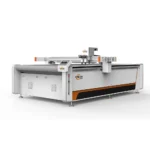


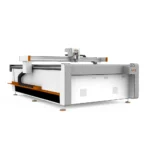

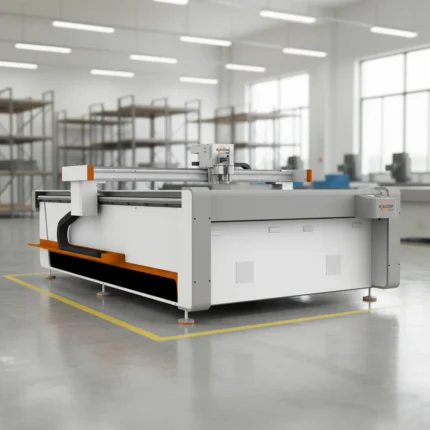
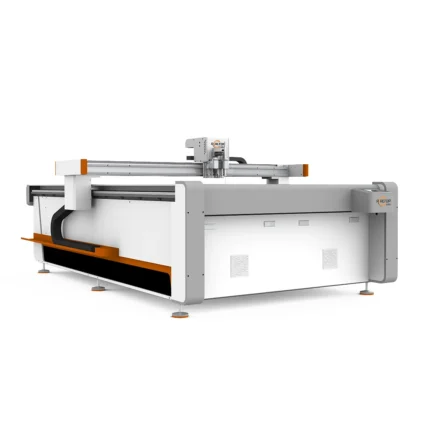
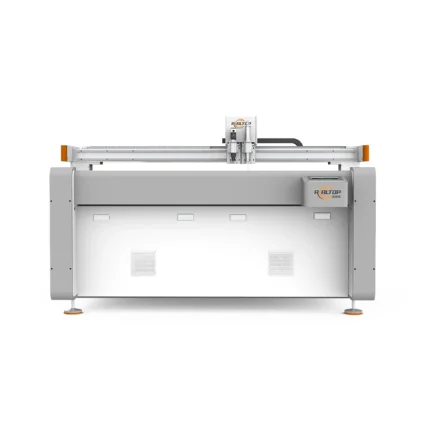
Auto Digital CNC Oscillating Knife Cutting Machine for Carton Box Packaging – OEM Available
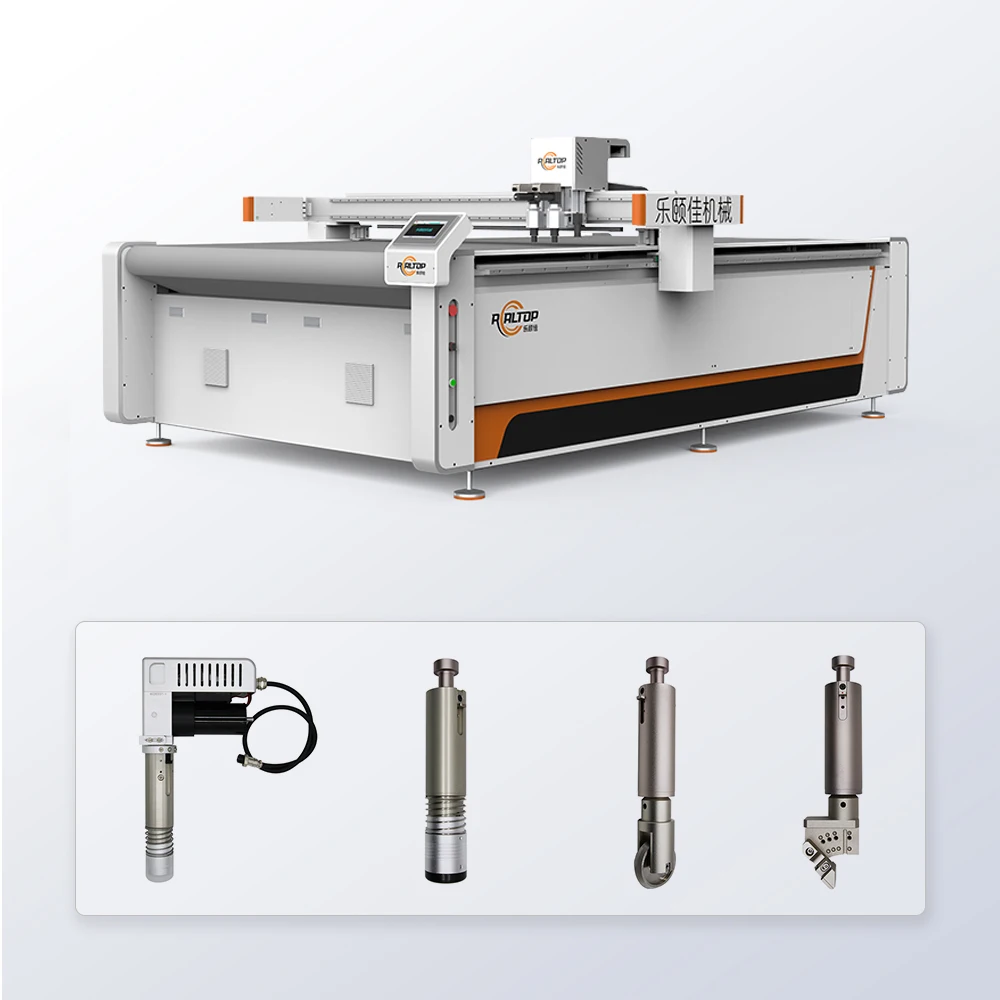
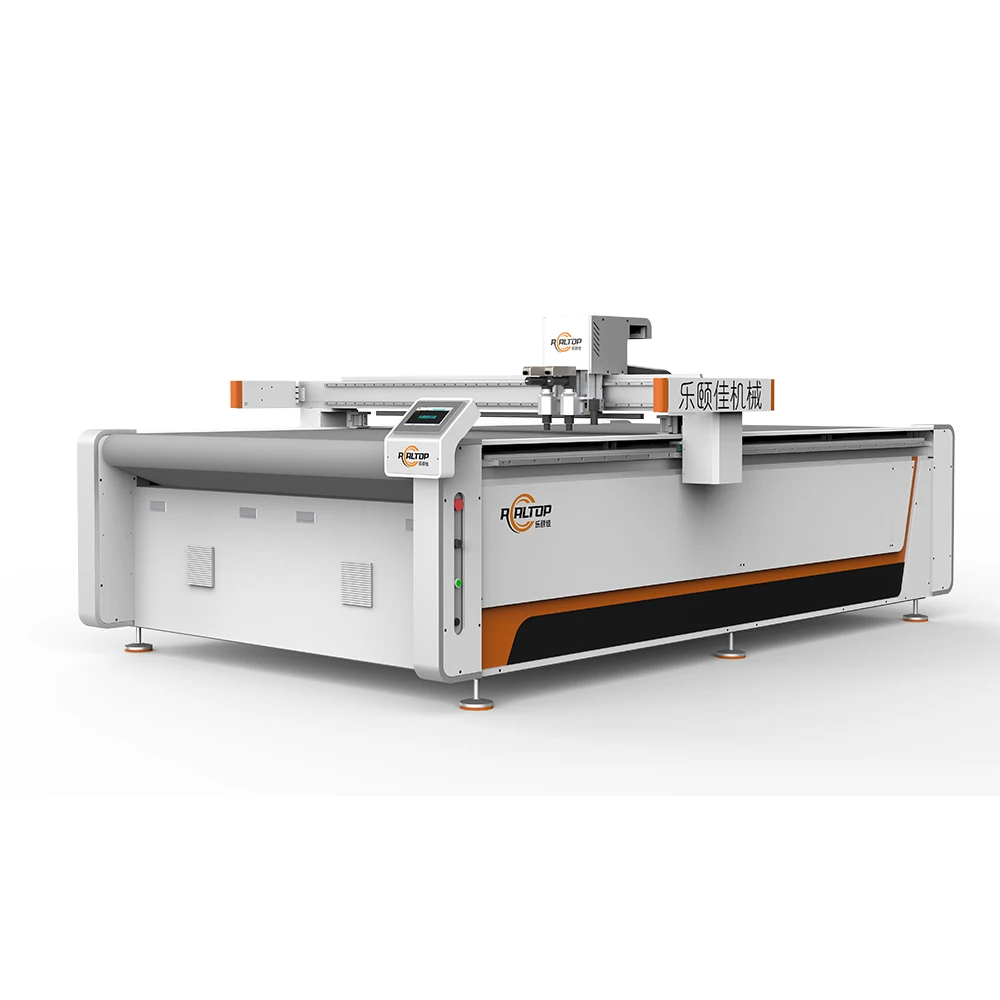
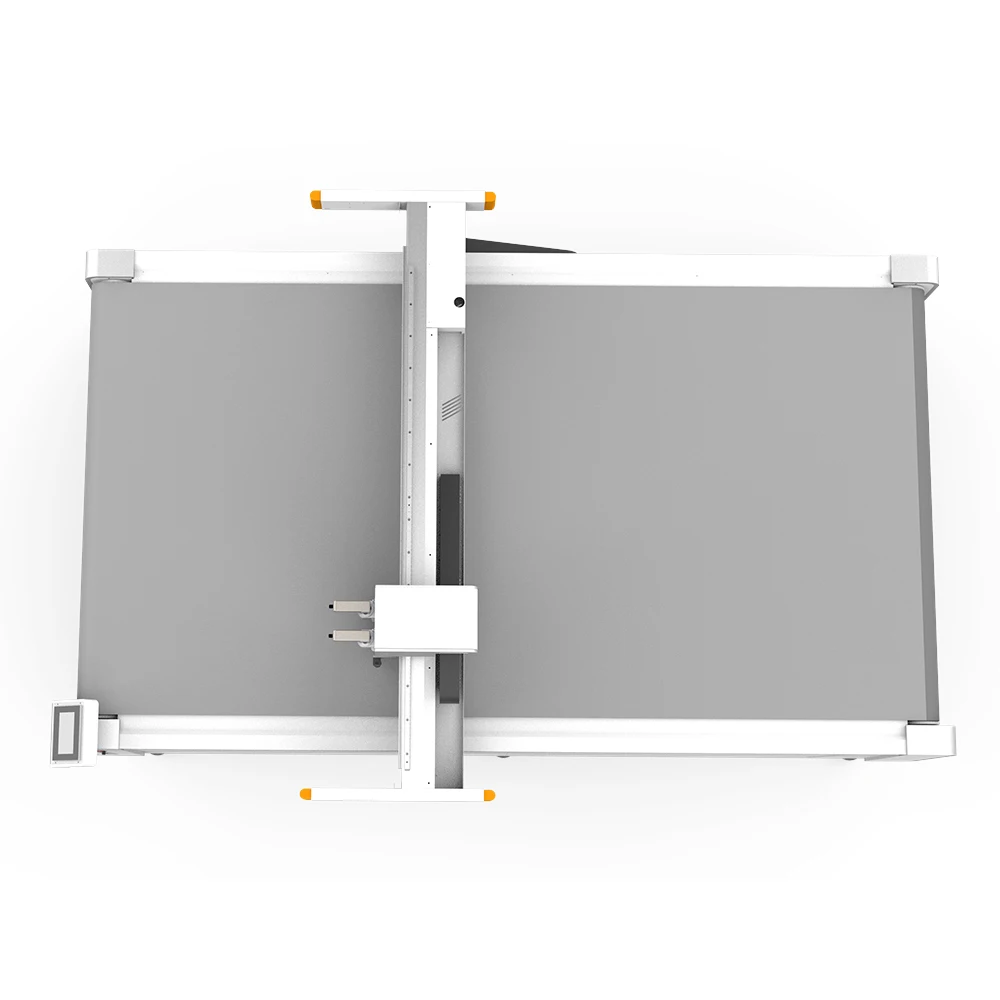
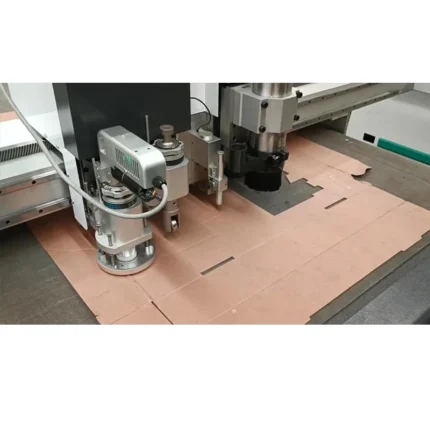
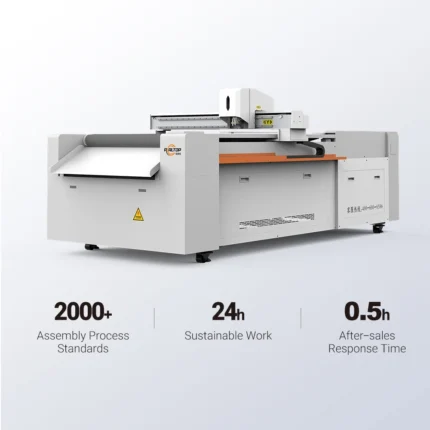
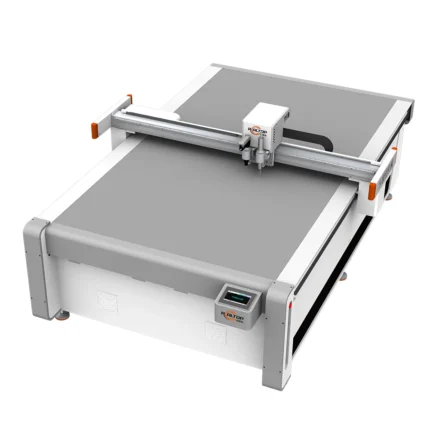
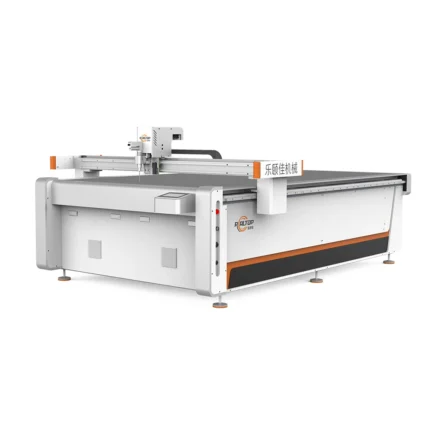
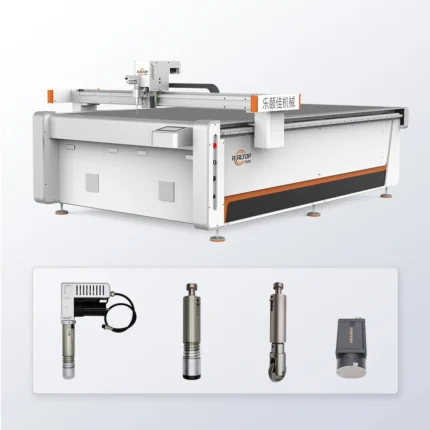
CNC Oscillating Knife Cutting Machine, 1600×2500mm working area, ≤40mm cutting thickness — configured with multi-tool head options including oscillating knife, creasing wheel, kiss cutting, V-groove and pneumatic knife for corrugated board, foam, rubber and composite packaging materials. Aluminum bellows vacuum table with 9KW pump ensures secure hold-down across small and large parts. PLC control accepts PLT, DXF, AI and PDF files, supporting dedicated packaging box structure design software.
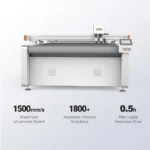
- Cutting accuracy ±0.1mm at speeds up to 1500mm/s with Panasonic, Delta or Dorna servo options
- Sample cutting on your own material verifies edge quality and depth before order commitment
Tool matching per material — a CNC oscillating knife cutting machine for packaging specified by material flute and density, not just by table size, so corrugated board, foam and specialty paper each receive the right cutting method rather than forcing a single blade through everything.
Technical Specifications
| Parameter | Value |
|---|---|
| Product Type | CNC Oscillating Knife Cutting Machine |
| Working Area | 1600 × 2500 mm |
| Tool Head Options | Oscillating knife, driven rotary knife, creasing wheel, kiss cutting tool, pneumatic knife, milling tool, V-groove knife |
| Maximum Cutting Thickness | ≤ 40 mm |
| Cutting Accuracy | ±0.1 mm |
| Cutting Speed Range | 0 – 1500 mm/s |
| Vacuum Pump | 9 kW |
| Vacuum Table | Aluminum bellows vacuum table |
| Control System | PLC control panel with dedicated packaging box structure design software |
| Supported File Formats | PLT, DXF, AI, PDF |
| Servo Motor Options | Panasonic, Delta, Dorna |
| Voltage Options | 110V, 220V, 380V |
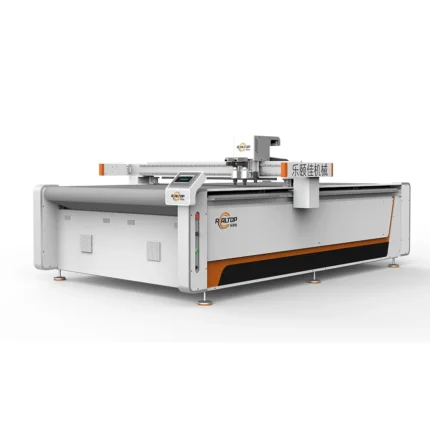
| Machine Dimensions | 3300 × 2100 × 1350 mm |
| Safety Devices | Infrared sensor device and emergency stop device |
| Interface Language Options | English, Russian, Italian, Chinese, customizable |
| Certification | CE |
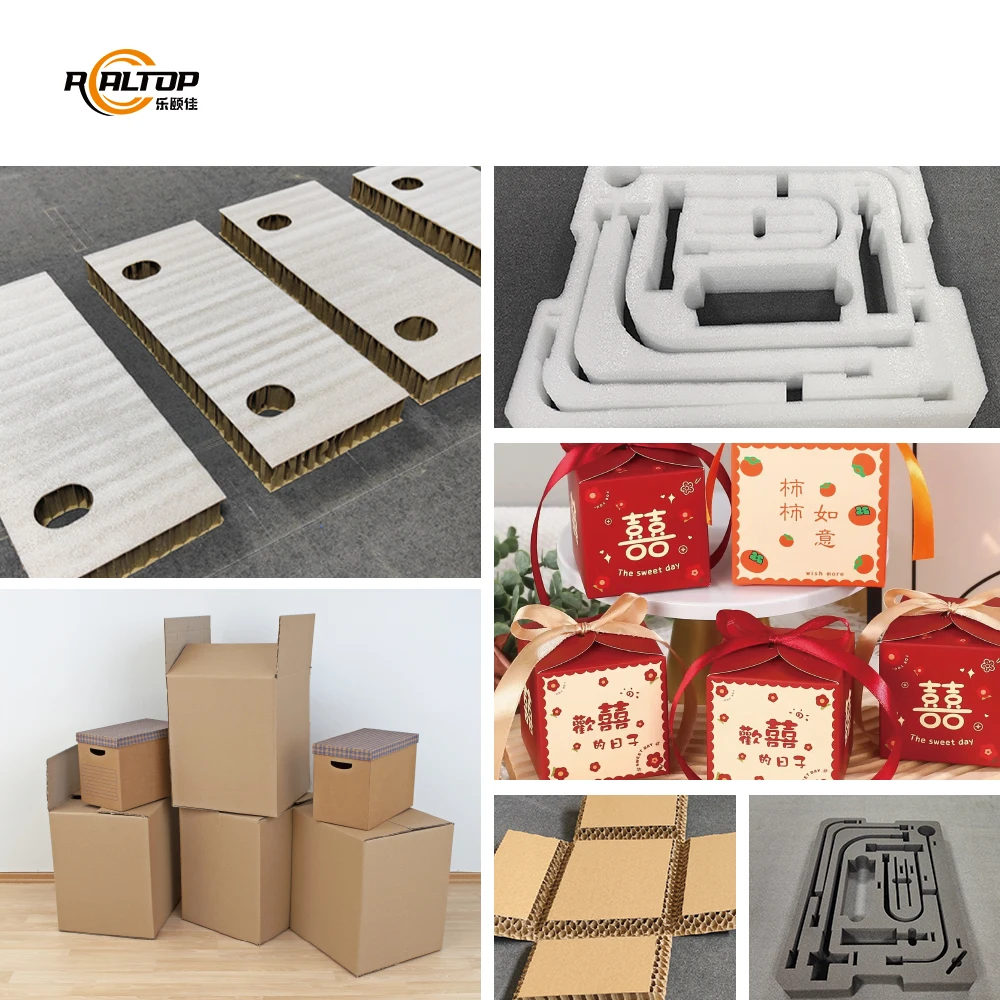
Application Suitability
| Application | Material or Output |
|---|---|
| Packaging sample making and short-run production | Corrugated cardboard (E-flute, B-flute, BC-flute), greyboard, cardstock, art paper, specialty paper |
| Foam insert and protective packaging fabrication | EVA, EPE, PU foam up to 40 mm thickness |
| Gasket and rubber seal cutting | Rubber mats and adhesive-backed composite sheets |
| Textile and soft packaging components | Velvet, fleece fabric, non-woven fabric |
| Thin plastic packaging and blisters | PVC, PET and thin plastic sheets |
| Leather and synthetic packaging elements | Genuine leather, synthetic leather |
Why the Thickness Rating Matters More Than the Working Area
A CNC oscillating knife cutting machine for packaging is often selected on table dimensions alone, only to discover on the first production day that the stated maximum thickness cannot handle the buyer’s actual board flute or foam density.
The ≤ 40 mm cutting depth rating is only meaningful when the correct tool head, oscillation frequency and vacuum hold-down are all matched to the specific material being processed.
I once watched a packaging workshop lose over a hundred sheets on the first shift because the knife pressure settings were calibrated for a dryer reference sample, while the actual corrugated stock had absorbed moisture from a humid warehouse. The edges were crushed rather than cut, and the creasing wheel left ragged fold lines instead of clean scores. That failure had nothing to do with the machine’s working envelope and everything to do with a specification conversation that stopped at table size. Before any order is placed, the material itself — with its real moisture content, flute profile and density — needs to be on the cutting table. [NEED_CITE: moisture content variation in corrugated board and its effect on cutting resistance]
Tool Head Selection by Material and Flute Profile
An oscillating knife suits straight and curved cuts through corrugated board up to BC-flute, while a creasing wheel scores fold lines without*, a pneumatic knife delivers a clean vertical edge without compressing the cell structure. Kiss cutting tools slice through adhesive-backed labels and thin films without damaging the release liner beneath. Each tool head is mounted and swapped based on the production job, so a single machine handles sample cartons, foam cushions and gasket work across the same shift. The CNC oscillating knife cutting machine for packaging becomes genuinely versatile only when the operator understands which tool head to load for each substrate.
Vacuum Table Zoning and Small-Part Hold-Down
The 9 kW vacuum pump paired with an aluminum bellows table generates full-surface suction, but the real challenge in packaging production is holding small die-cut shapes — corner inserts, closure tabs, divider strips — that tend to lift under a fast-traveling knife head. Zoning the vacuum into independently controlled sectors lets the operator concentrate suction under the active cutting zone rather than bleeding vacuum across the entire bed. This matters especially on short-run sample work where the sheet layout leaves most of the table uncovered. Without sector control, small parts shift mid-cut, producing dimensional drift beyond the ±0.1 mm accuracy specification. [NEED_CITE: vacuum table zoning principles in flatbed digital cutting]
Reading the Specification Sheet Against Real Production Needs
The 1600 × 2500 mm working area accommodates most standard carton and packaging blank sizes, but the useful cutting envelope shrinks when the feed margin and tool over-travel are accounted for. The 0 – 1500 mm/s cutting speed range is a mechanical limit; actual throughput depends on contour complexity, number of tool changes and material resistance. A 40 mm cutting depth is achievable on low-density foam with a pneumatic knife, while the same depth on dense rubber requires a slower pass with an oscillating blade. Servo motor selection — Panasonic, Delta or Dorna — affects acceleration behaviour and corner accuracy more than top speed, which matters on packaging designs with tight radii and small registration features.
The Cost of Specifying on Working Area Alone
When a buyer selects a flatbed cutter based solely on table dimensions, the wrong tool head often gets bundled by default. An oscillating knife forced through dense EVA foam at full speed will crush rather than slice, leaving compressed edges that do not meet packaging insert tolerances. A vacuum table without sector zoning will lose grip on small carton components, causing registration drift that accumulates across a multi-hour run. These failures do not show up in a factory acceptance test on standard reference material; they appear only when the buyer’s actual stock — with its real moisture content and density variation — is on the table. [NEED_CITE: flatbed cutting defects caused by incorrect tool-material pairing]
Why This Source Deserves a Sample-First Conversation
The design team handles both knife and laser cutting technology under one roof, so the cutting method is matched to the material rather than forced through whichever machine happens to be in stock. Tool head and table configuration is specified per material and production volume before the order is finalised. CCD camera positioning is available for printed contour work on branded packaging. Software compatibility with the buyer’s existing PLT, DXF, AI or PDF workflow is confirmed before the machine ships. Sample cutting on the buyer’s actual material is standard practice, not an exception, so edge quality and cycle time are verified before commitment.
Documentation & Verification
- Factory test record run on your corrugated flute and foam density before dispatch
- Tool head and vacuum table configuration list matched to your material schedule
- Electrical schematic and voltage confirmation sheet for your local supply standard
- Software licence and file format compatibility note for your existing packaging templates
- Sample cutting report on your actual board stock with edge quality and dimensional data
- Operation and maintenance manual in your selected interface language
Installation, Commissioning & Support
- Dedicated 380V circuit with adequate capacity for the 9 kW vacuum pump and servo drives
- Level floor space of at least 3300 × 2100 mm with clearance for sheet loading on both long sides
- Machine arrives with vacuum table and gantry assembled; electrical and pneumatic connections completed on site
- First-run parameter tuning on your corrugated board and foam stock during commissioning
- Operator training on tool head changeover, vacuum zoning and PLC packaging software workflow
- Spare oscillating blades, creasing wheels and vacuum seals supplied for initial production period
Before You Request a Quote
Share the specific board flutes, foam types and sheet dimensions you plan to cut, along with your typical daily sample or short-run volume. Confirm your workshop voltage and frequency, preferred control language and any existing packaging design software you need the machine to import from. If your material stock varies in moisture content or density across seasons, send a representative sample so cutting parameters can be validated before the machine is built.
Frequently Asked Questions
Q: How is the ≤ 40 mm cutting thickness verified for different board flutes and foam densities?
A: The maximum depth depends on material density and the tool head used. Low-density EVA foam cuts cleanly at full depth with a pneumatic knife, while dense rubber requires multiple passes with an oscillating blade. We run a sample cut on your actual stock and document the achievable depth, edge quality and cycle time before confirming the specification.
Q: Which tool head suits corrugated carton sample making?
A: An oscillating knife handles full-depth cuts on E-flute through BC-flute, while a creasing wheel scores fold lines without penetrating the top liner. For kiss-cut window patches or adhesive labels, a dedicated kiss cutting tool is used. The correct combination is determined during the sample cutting stage based on your board profile and design complexity.
Q: Does the vacuum table hold small packaging parts securely at high speed?
A: The aluminum bellows table is divided into zones controlled independently, so suction concentrates under the active cutting area. Small parts like closure tabs and divider strips stay in place even at higher traverse speeds, preventing the registration drift that ruins dimensional accuracy on short-run sample work.
Q: Can the software import my existing DXF and AI packaging templates?
A: The PLC control system with dedicated packaging box structure design software accepts PLT, DXF, AI and PDF formats. Before the order is finalised, we import your actual template files and verify that layer structure, cut lines and crease lines translate correctly into the machine’s tool path, so your existing workflow continues without conversion.
Q: What voltage and language options are confirmed before shipment?
A: The machine is configurable for 110V, 220V or 380V supply, and the control interface is available in English, Russian, Italian, Chinese or a custom language. Both are confirmed in writing before production begins, along with the plug type for your destination market, so no rewiring or reconfiguration is needed on arrival.


Related products
Automation CNC Pizza Box Machine 2026 Rotary Die Cutting
Product Parameters
| Type | Automation CNC Pizza Box Machine |
| Model Year | 2026 |
| Cutting Technology | Rotary Die Cutting |
| Operation | Automated CNC Control |
Introduction
This 2026 Automation CNC Pizza Box Machine features advanced rotary die cutting technology, ensuring precise and efficient pizza box production. With automated CNC control, it offers high productivity and accuracy for professional manufacturing needs.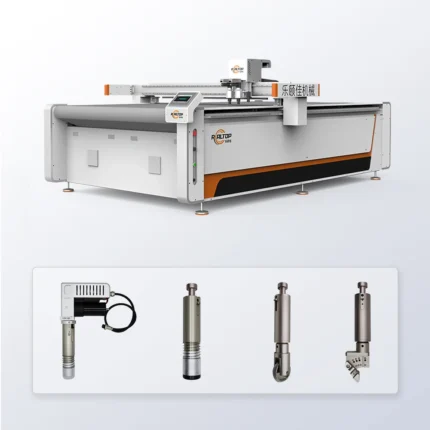
Digital Box Cutter 2026 Oscillating Knife Cardboard Cutter
Product Parameters
| Model | Digital Box Cutter 2026 |
| Cutting Type | Oscillating Knife |
| Material | Corrugated Cardboard |
Introduction
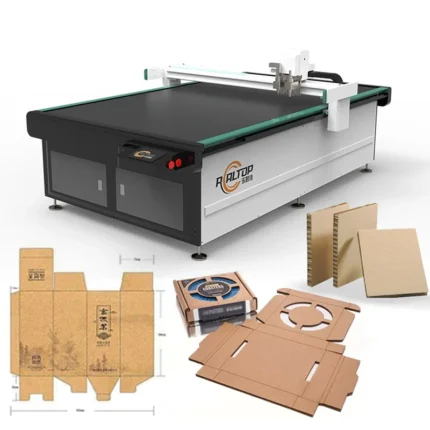
Professional oscillating knife cutting machine for corrugated cardboard. Ideal for precise, efficient cutting in packaging production. Reliable performance from China's leading welding & cutting equipment manufacturer.
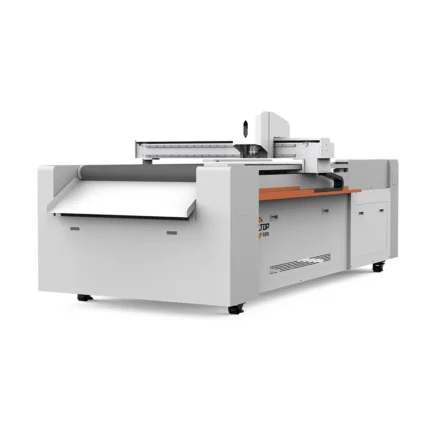


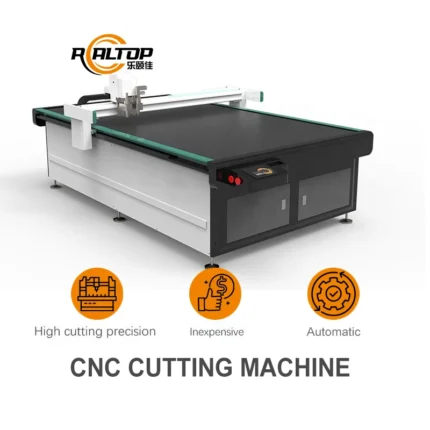
Realtop 2026 CNC Oscillating V-Cut Machine
Product Introduction
Realtop CNC Oscillating V-Cut Machine 2026 is a precision equipment designed for efficient V-cutting operations, ideal for various material processing needs with advanced CNC technology.
Key Specifications
| Model | Realtop CNC Oscillating V-Cut Machine 2026 |
| Type | CNC Oscillating V-Cut Machine |
| Application | Precision V-cutting operations |
| Feature | Advanced CNC technology |
商品评价
There are no reviews yet.