

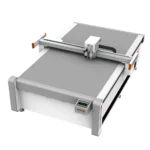

CNC Flatbed Cutter 2026 Digital Corrugated Box Making Machine – Manufacturer
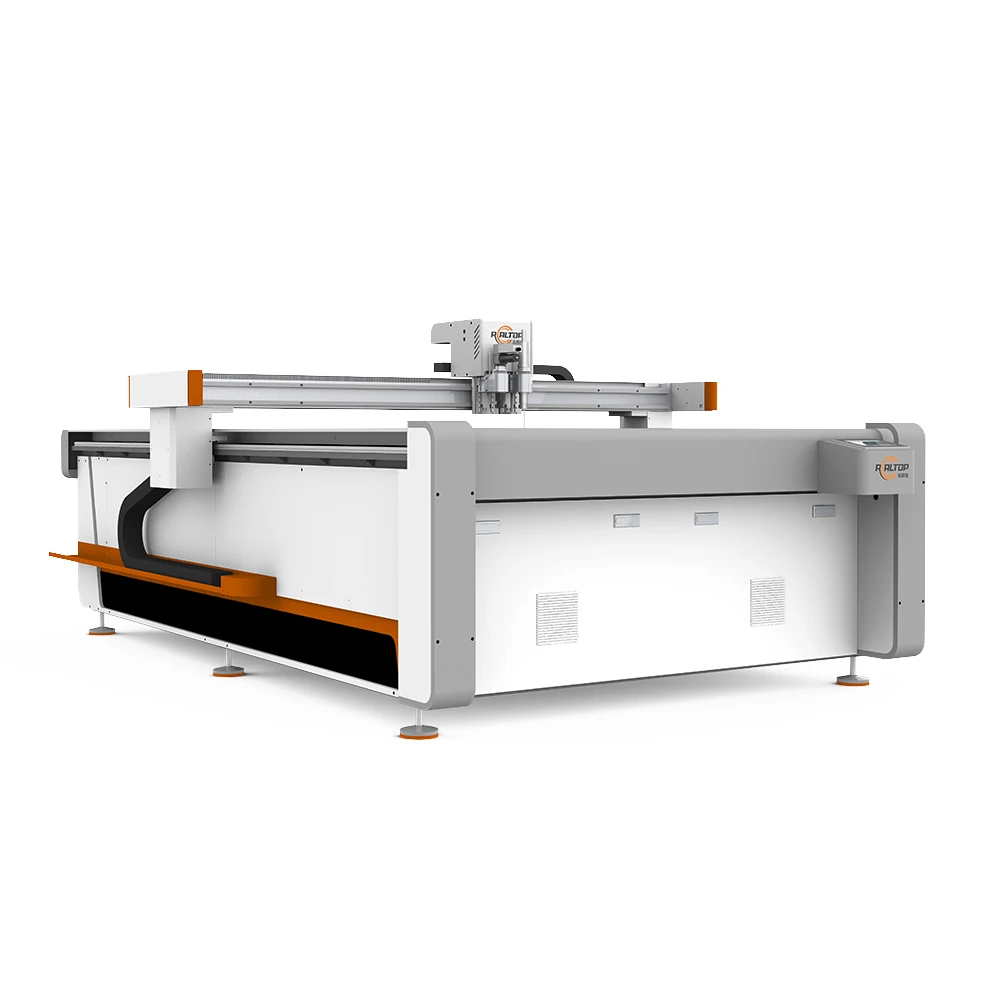
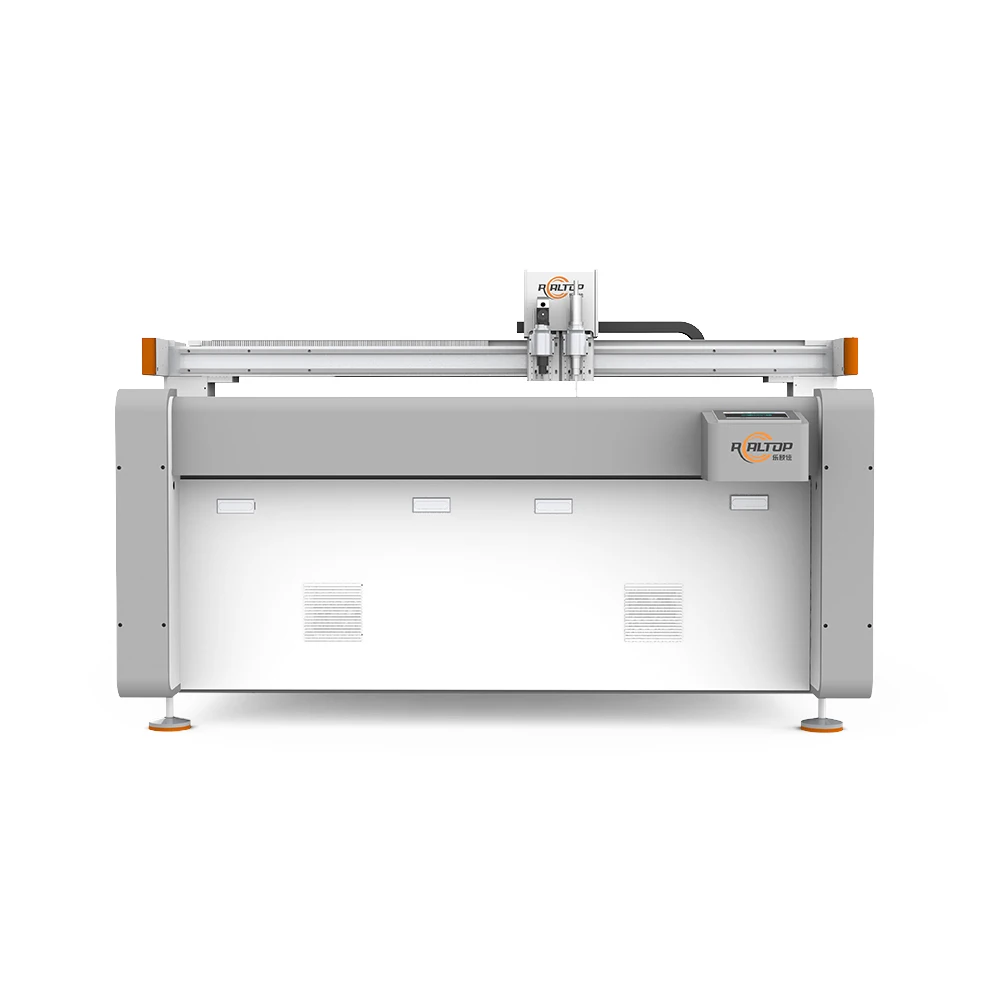
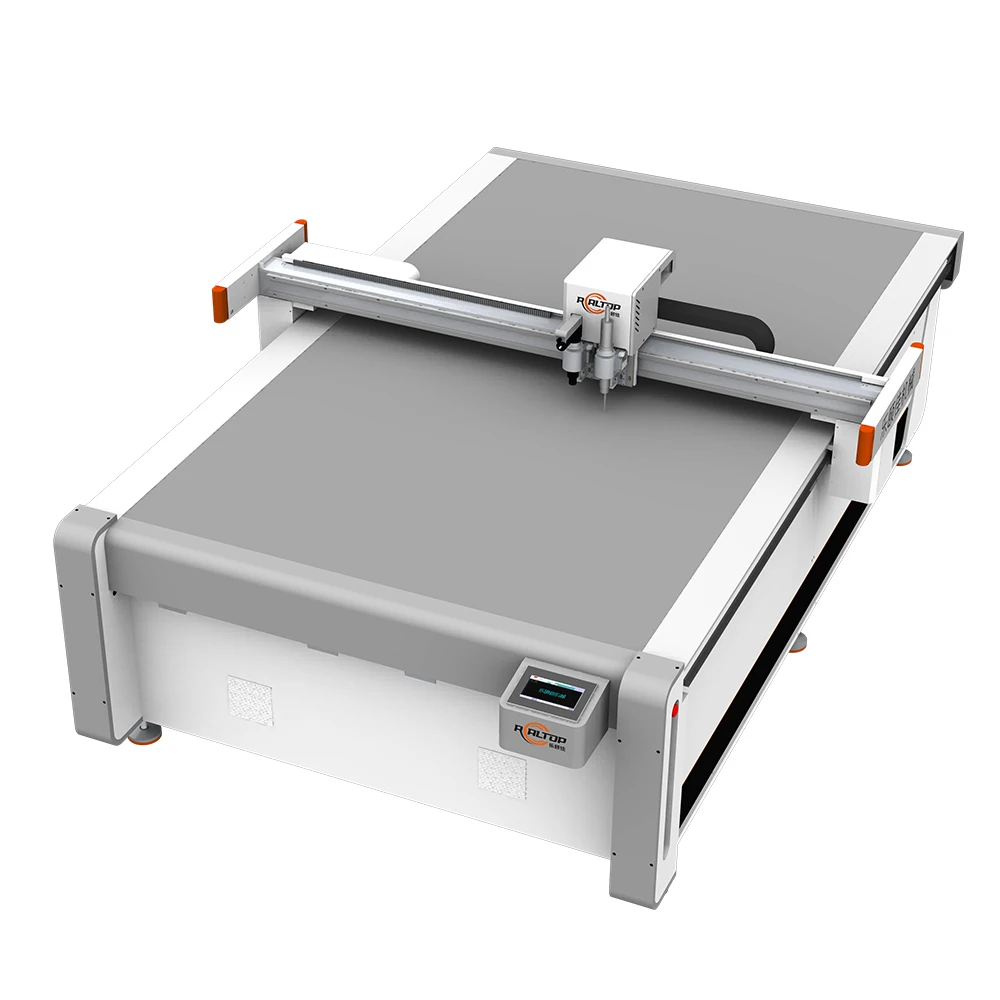
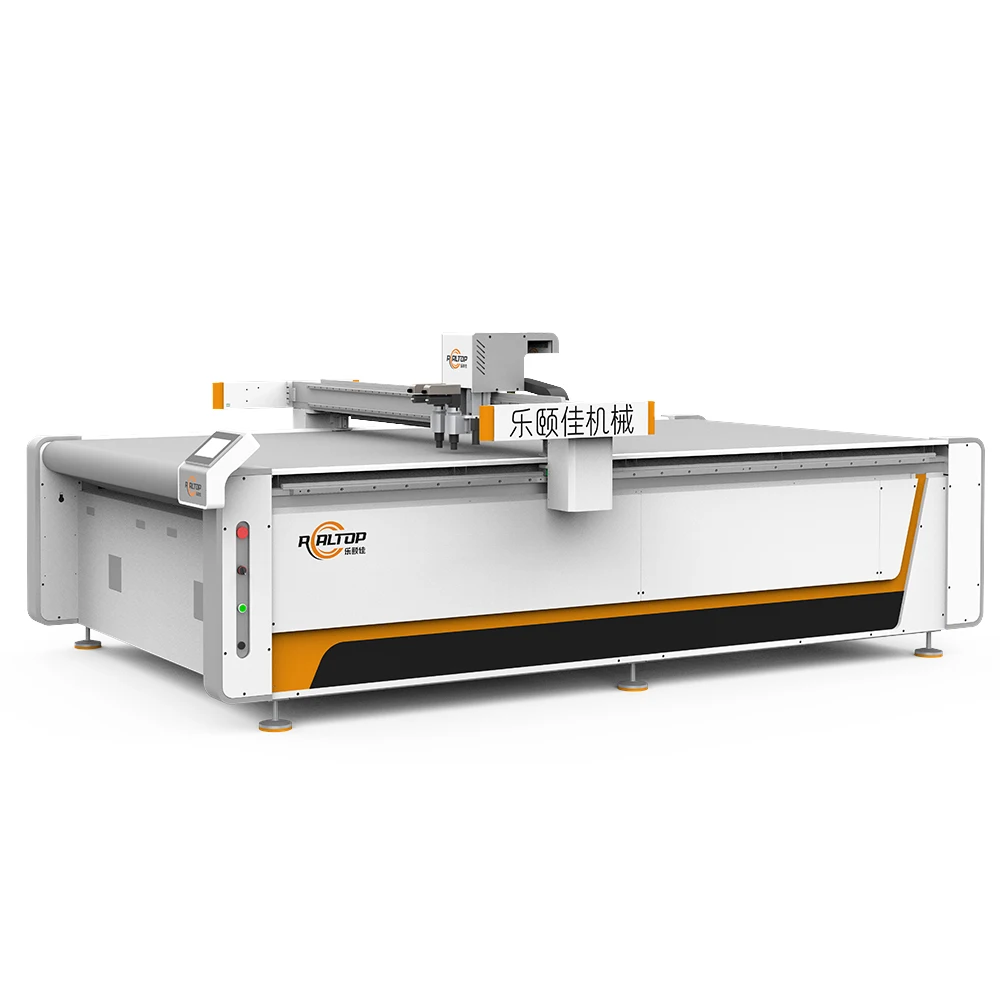
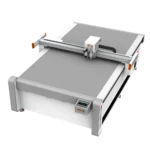
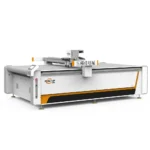
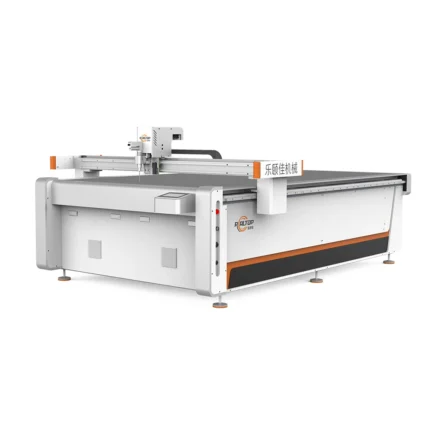
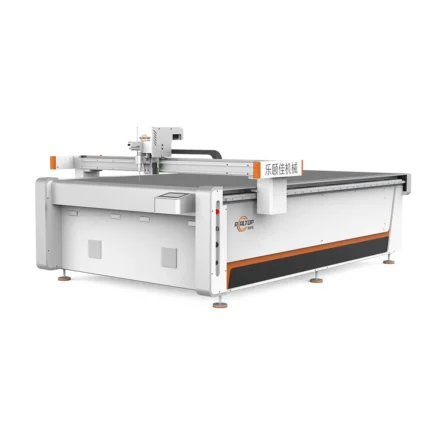
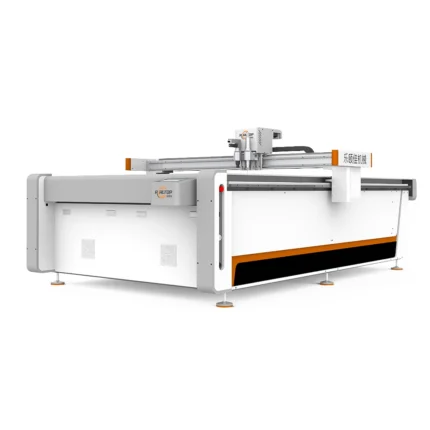
RT-D2516/RT-S2516 CNC Flatbed Digital Cutting Machine, 1600×2500mm, 9kW, ≤0.1mm Repeat Accuracy — configured for corrugated carton, foam, acrylic and textile processing.
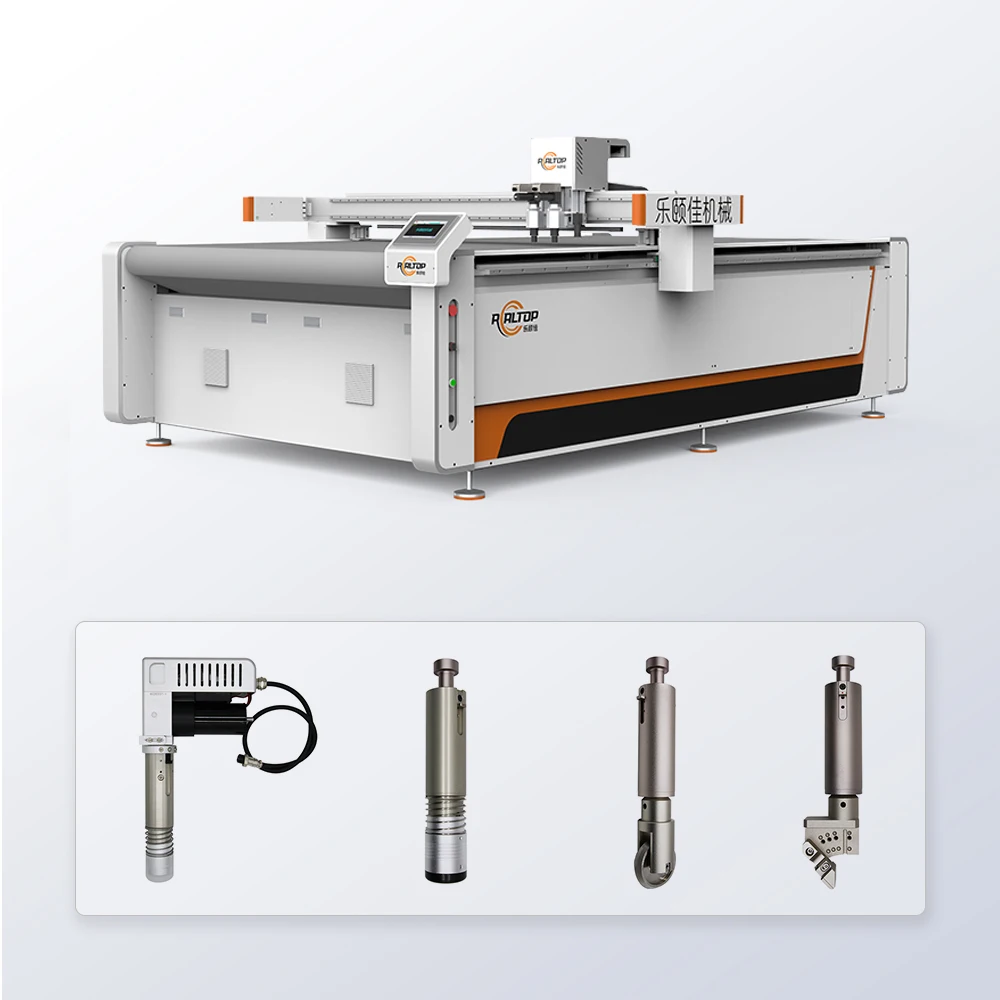
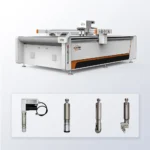
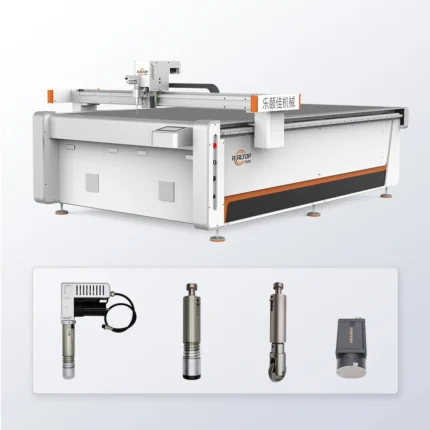
- Oscillating knife, creasing wheel, V-cut and drag knife on one multifunctional head, with CCD camera or panoramic vision for printed contour tracking
- CO2 and fiber laser integration with continuous wattage specified per material, magnesium-aluminum vacuum table with PVDF coating for uniform suction
- Sample cutting on your own corrugated grade, acrylic thickness or fabric type provided before order commitment
Voltage and Language Customization — pre-shipment confirmation of 380V±10% input, plug type and control panel language matched to the operator’s native script, eliminating on-site rewiring and menu translation delays.
Technical Specifications
| Parameter | Value |
|---|---|
| Product Type | CNC Flatbed Digital Cutting Machine |
| Working Area | 1600×2500 mm |
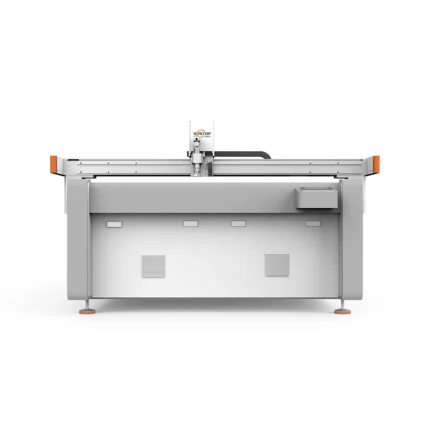
| Machine Dimensions | 3450×2300×1250 mm |
| Rated Power | 9 kW |
| Input Voltage | 380V±10% (50Hz / 60Hz to be confirmed) |
| Table Type | Flat magnesium-aluminum alloy vacuum table or optional auto-feeding conveyor |
| Multifunctional Tool Head | Swiss-imported knife; options: oscillating knife, pneumatic knife, high-power vibrating knife, circular knife, V-cutting knife, drag knife, creasing wheel, dotted line knife, punch, brush |
| Visual Positioning | Small CCD camera mark point positioning / panoramic camera / projection positioning (optional) |
| Translational Velocity | 800–2000 mm/s |
| Cutting Speed | 200–800 mm/s (varies by material) |
| Cutting Thickness | Up to 100 mm (depends on material density and tool selection) |
| Repeated Accuracy | ≤0.1 mm |
| Transmission System | Digital servo motor, linear guide, synchronous belt, ball screw (imported) |
| Servo Motor Brand | Delta (Taiwan) / Panasonic (Japan) / domestic option available |
| Vacuum Pump | Integrated aviation aluminum shell, 7.5 kW, built-in silencer sponge |
| Conveyor Belt | Germany imported (on auto-feeding variant) |
| Linear Guide | Taiwan Hiwin rail |
| Safety Devices | Infrared induction blocking, beam anti-collision, emergency stop with in-situ resume |
| Control Panel | Touch screen; English, Russian, Italian, Chinese standard; other languages configurable |
| Nesting Software | Auto typesetting included |
| File Formats | PLT, DXF, AI, and other HP-GL compatible formats |
| Assembly State | Fully assembled (split-box platform available for container loading) |
| Warranty | 1 year, free replacement parts (buyer covers shipping) |
Application Suitability
| Application | Material or Output |
|---|---|
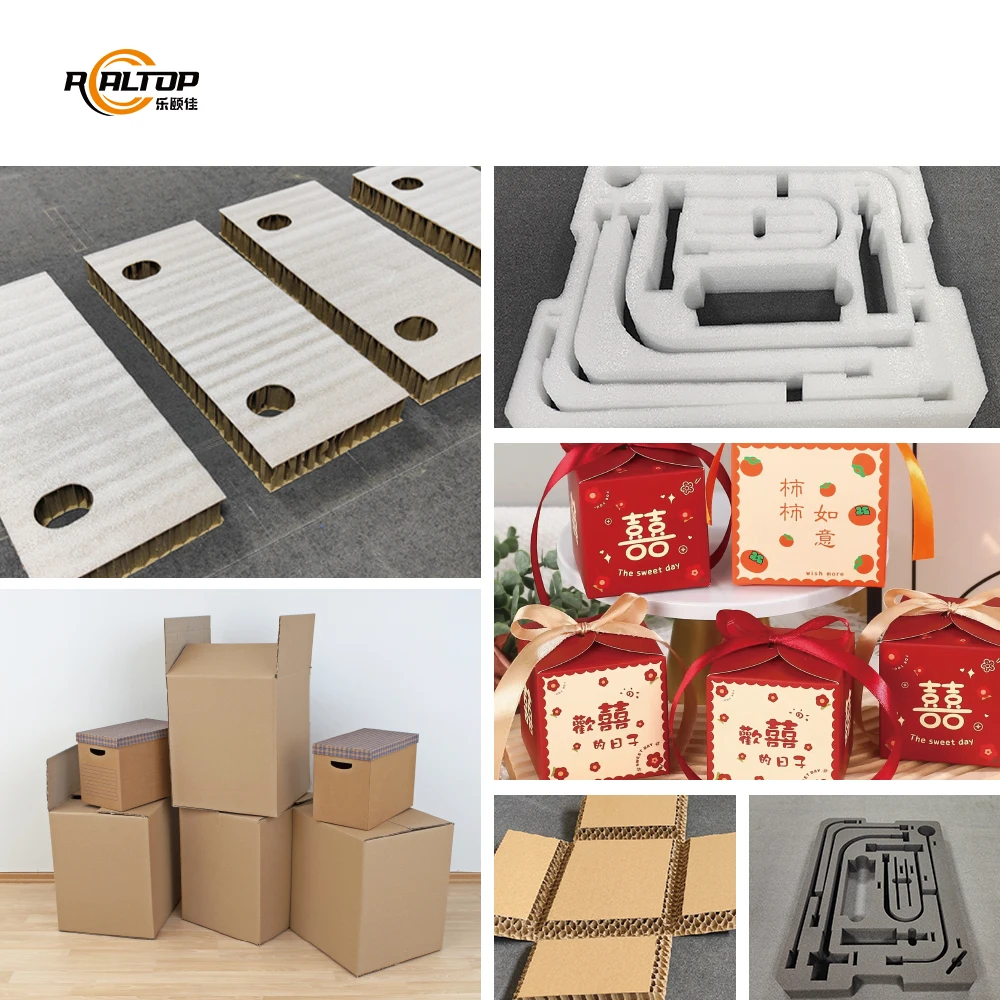
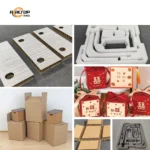
| Corrugated carton sample making and short-run production | Single, double and triple-wall corrugated board with creasing, V-cut slotting and contour cutting |
| Packaging box prototyping | Grey board, folding carton stock, honeycomb cardboard |
| Signage and graphic display | PVC foam board, acrylic, self-adhesive vinyl, banner material |
| Automotive interior trimming | Non-woven fabric, synthetic leather, headliner composite, gasket sheet |
| Footwear and leather goods | Natural and synthetic leather, textile uppers, insole board |
| Composite and foam fabrication | EVA, XPE, PU foam, sponge, carbon fiber prepreg |
| Sticker and label contour cutting | Printed film and vinyl with CCD mark point tracking |
Why Continuous Wattage Matters More Than the Number on the Quote
A laser tube rated at peak output will not hold the same cutting depth at production speed as one rated at continuous output. I once watched a workshop owner struggle with 10 mm acrylic that the spec sheet said would cut clean in a single pass — the tube was rated at peak, not continuous, and the beam dropped below threshold halfway across the sheet. When sourcing a CNC flatbed digital cutting machine for laser and engraving applications, the wattage figure on the quotation must be read alongside the duty cycle and the material thickness it was measured against. Acrylic edge sealing, MDF through-cutting and textile vaporisation each demand a different continuous power floor, and quoting peak wattage without that context leaves the buyer discovering the gap during commissioning rather than in the factory test [NEED_CITE: laser power rating standards for industrial CO2 and fiber sources].
Laser Process Integration on a Flatbed Platform
CO2 and fiber laser sources can be specified across a range of continuous wattage levels, with focal length and assist gas selection matched to the target material. Acrylic signage work demands a sealed, flame-polished edge that only a correctly focused CO2 beam can produce at speed, while fiber sources handle thin sheet metal inserts or foil laminates that occasionally appear in composite packaging jobs. The CNC flatbed digital cutting machine for laser and engraving applications accommodates both source types on the same frame, letting the shop switch between knife and laser without moving the workpiece to a second machine.
Extraction and Fume Handling at Production Speed
Vaporising acrylic, MDF and coated textiles releases particulate and volatile compounds that must be captured before they settle on optics or the linear guide rails. The extraction system is sized to the continuous wattage and the material removal rate, not just the enclosure volume. Undersized extraction shows up as haze on the cut edge and accelerated mirror degradation — problems that surface weeks after installation, not during the factory demo [NEED_CITE: industrial fume extraction requirements for laser processing of organic materials].
Reading the Spec Sheet Beyond the Headline Numbers
The 1600×2500 mm working area sets the maximum single-sheet footprint, but the usable cutting zone shrinks slightly when the CCD camera or projection positioning system is mounted. Translational velocity of 800–2000 mm/s describes head travel between cuts; actual cutting speed of 200–800 mm/s depends on material density and tool choice. The magnesium-aluminum alloy vacuum table, finished with fluorocarbon PVDF powder spraying and hard anodization, maintains flatness under repeated loading and resists the adhesive residue that accumulates from sticker and film work. The 7.5 kW integrated vacuum pump with built-in silencer sponge delivers distributed suction across zoned segments, so small die-cut shapes stay pinned even when the surrounding material is removed. Repeated accuracy of ≤0.1 mm, driven by imported ball screw and Hiwin linear rails, keeps crease lines aligned with printed graphics across long production runs.
The Cost of Skipping the Configuration Conversation
Choosing a drag knife for corrugated board that should have been cut with an oscillating knife produces crushed flutes and dust that jams the vacuum zone. Selecting a vacuum table without enough zoning for small nesting parts lets corner pieces lift mid-cut, ruining the sheet and the knife edge. Ordering a CCD positioning system without specifying the mark size and contrast on the buyer’s actual printed stock results in a camera that tracks fine in the showroom but loses registration on low-contrast recycled board at full conveyor speed [NEED_CITE: CCD contour recognition performance variables in digital cutting]. These are not machine defects — they are specification gaps that shift the rework burden onto the production floor.
Why Buyers Source This Platform Here
In-house design covers both knife and laser cutting, so the cutting method is matched to the material rather than forced through one technology. Tool head and table zoning are configured per material type, thickness and daily volume before the order is locked. CCD camera and panoramic vision options are tested against the buyer’s printed artwork, not a generic test chart. Software file format compatibility with the buyer’s existing nesting workflow is confirmed in writing before production begins. Voltage, plug type, control language and safety labelling are customised for the destination market, documented in the electrical schematic that ships with the machine.
Documentation & Verification
- Machine specification sheet listing continuous laser wattage alongside knife cutting depth per material
- Electrical schematic with confirmed voltage, frequency and plug type for destination market
- Tool head and vacuum table zone configuration list matched to quoted material range
- Sample cutting report produced on buyer-supplied corrugated grade, acrylic thickness or fabric type
- Software licence key and file format compatibility note for PLT, DXF and AI workflows
- Factory test record showing repeated accuracy measurement before crating
Installation, Commissioning & Support
- 3450×2300 mm footprint requires level concrete floor with clearance for beam swing and material staging
- 380V±10% dedicated circuit with independent breaker; 50Hz or 60Hz confirmed before transformer selection
- Split-box platform option allows standard container loading; full reassembly on site by trained crew
- First-run parameter tuning for oscillating knife speed, vacuum zone pressure and CCD mark threshold
- Operator training covers tool change procedure, nesting software workflow and emergency stop resume sequence
- Spare parts kit includes replacement knife blades, vacuum pump filter media and Hiwin rail lubricant cartridges
What to Include with Your Inquiry
Send the material type, grade and maximum sheet thickness you plan to process, along with the daily volume target and the file formats your design team currently uses. Specify the local voltage and frequency, the plug type required, and the preferred control panel language. If your artwork relies on printed registration marks, include a sample sheet or a high-resolution print file so the CCD tracking can be validated before the machine is configured.
Frequently Asked Questions
Q: CO2 or fiber laser — which source fits packaging and signage work?
A: CO2 sources cut and edge-seal acrylic, wood and textiles cleanly, making them the default for signage and display. Fiber lasers handle thin metal inserts or foil laminates that appear in specialty packaging. Both can be mounted on the same flatbed frame, so the choice depends on the material mix in your current job book rather than a single product line.
Q: How does continuous wattage differ from peak wattage on the quotation?
A: Peak wattage is the maximum output the tube can reach for a fraction of a second; continuous wattage is what the tube sustains during an actual cut. Cutting depth charts must be based on continuous output at a stated speed, otherwise the real-world penetration on acrylic or MDF will fall short of the quoted figure.
Q: Can the CCD camera track printed marks on low-contrast recycled board?
A: Tracking depends on mark size, ink density and board surface texture. Before configuration, we test the camera against a sample of your actual printed stock at production conveyor speed and confirm registration tolerance in the sample cutting report.
Q: What extraction capacity is needed for acrylic laser cutting?
A: Extraction is sized to the continuous wattage and the volume of material vaporised per minute. An undersized unit causes edge haze and optic contamination; the correct airflow rating is specified alongside the laser source in the machine quotation.
Q: Can I receive a sample cut on my own material before placing the order?
A: Yes. Send a representative sheet or roll of your material along with the CAD file you plan to use. The sample cutting report documents tool selection, cutting speed, edge quality and dimensional accuracy measured on your stock before any commitment is made.


Related products
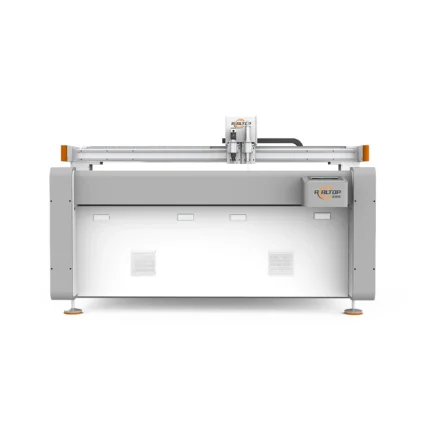
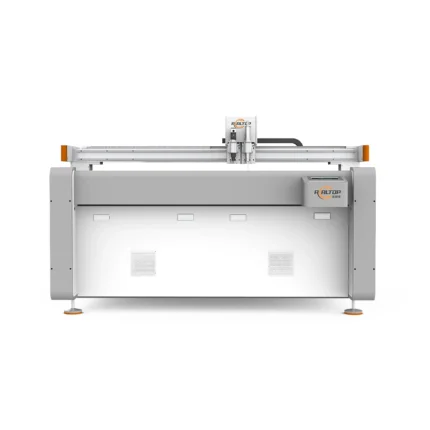
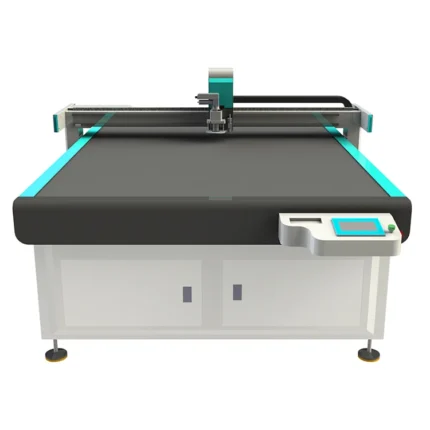
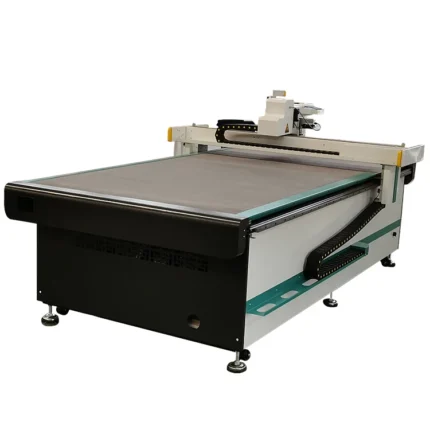
CNC Oscillating Knife Cutting Machine 2026 for Corrugated Cardboard & Honeycomb
Product Introduction
2026 CNC Oscillating Knife Cutting Machine, ideal for corrugated cardboard and honeycomb materials, offering precise and efficient cutting solutions for your production needs.Specifications
| Model | 2026 |
| Type | CNC Oscillating Knife Cutting Machine |
| Applicable Materials | Corrugated Cardboard, Honeycomb |
| Cutting Method | Oscillating Knife |

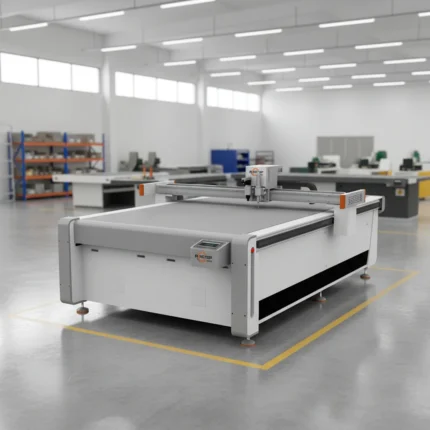


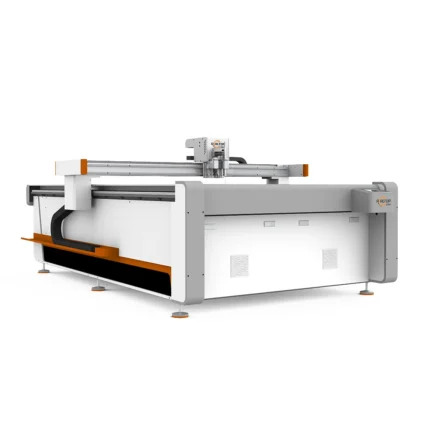
Digital CNC Cardboard Cutting Machine 2026
Product Introduction
High-precision Digital CNC Cardboard Cutting Machine 2026, ideal for efficient cardboard processing with advanced CNC technology, ensuring precise and fast cutting performance for various packaging and craft applications.
Key Specifications
| Model | 2026 |
| Type | Digital CNC Cutting Machine |
| Material | Cardboard |
| Feature | High Precision, Efficient Cutting |
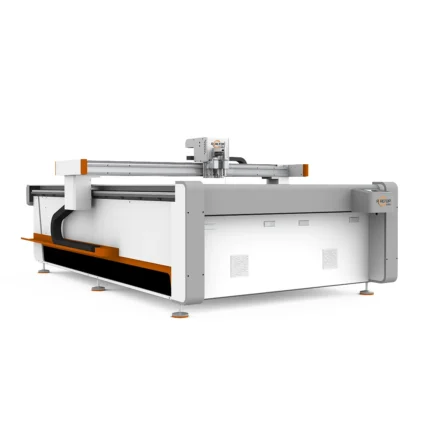
Realtop 2026 Digital Box Cutter High-Speed Corrugated Board
Product Introduction
Realtop Digital Box Cutting Machine 2026 is a high-speed solution for corrugated board cutting, designed for efficient and precise box production in manufacturing settings.Key Specifications
| Model | 2026 |
| Type | Digital Box Cutting Machine |
| Application | Corrugated Board |
| Feature | High-Speed Cutting |

商品评价
There are no reviews yet.