

CNC Oscillating Knife Cutter for Leather Zipper Bag – Specifications
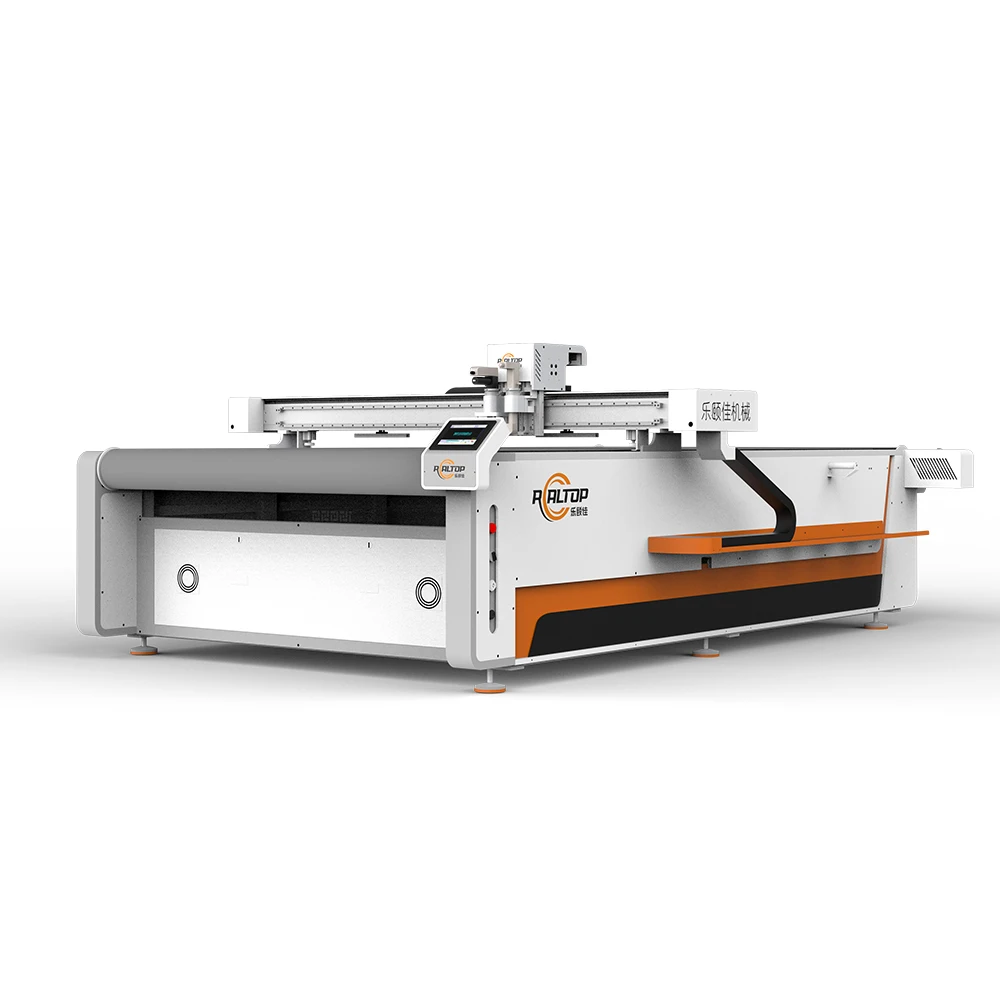
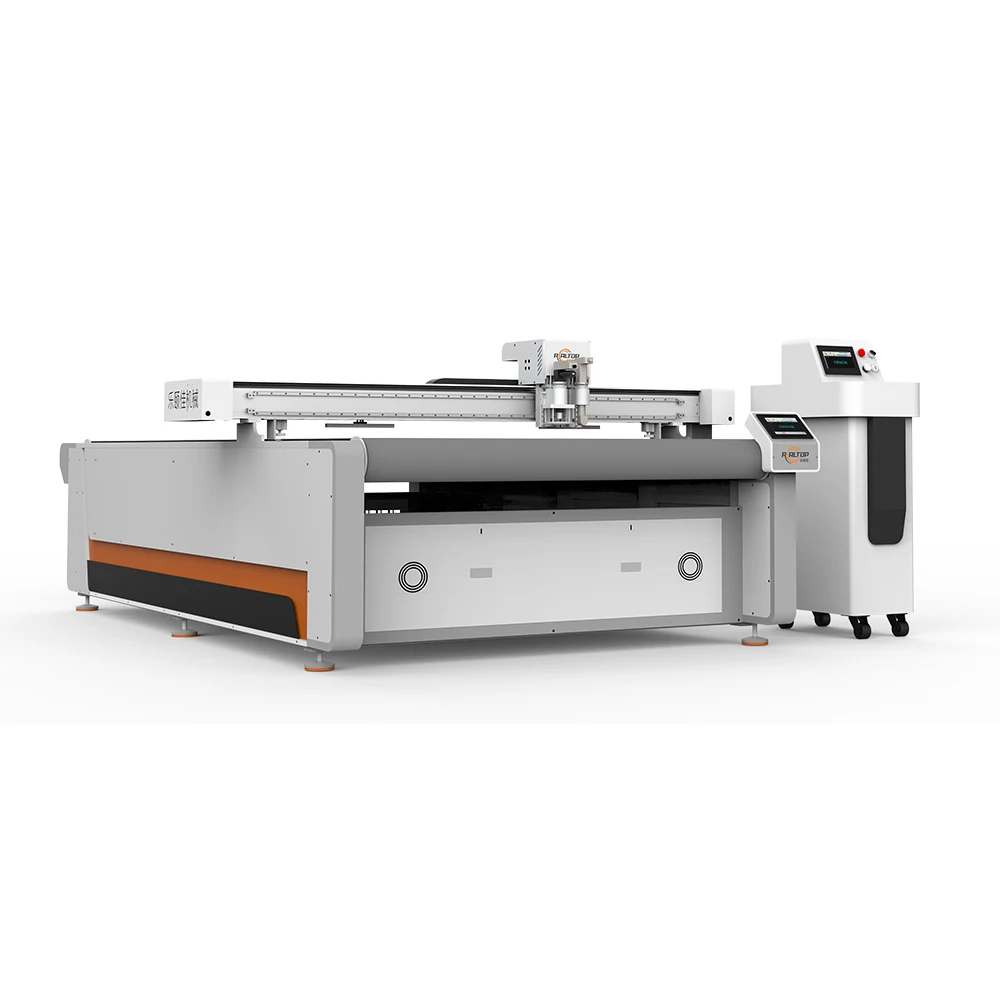
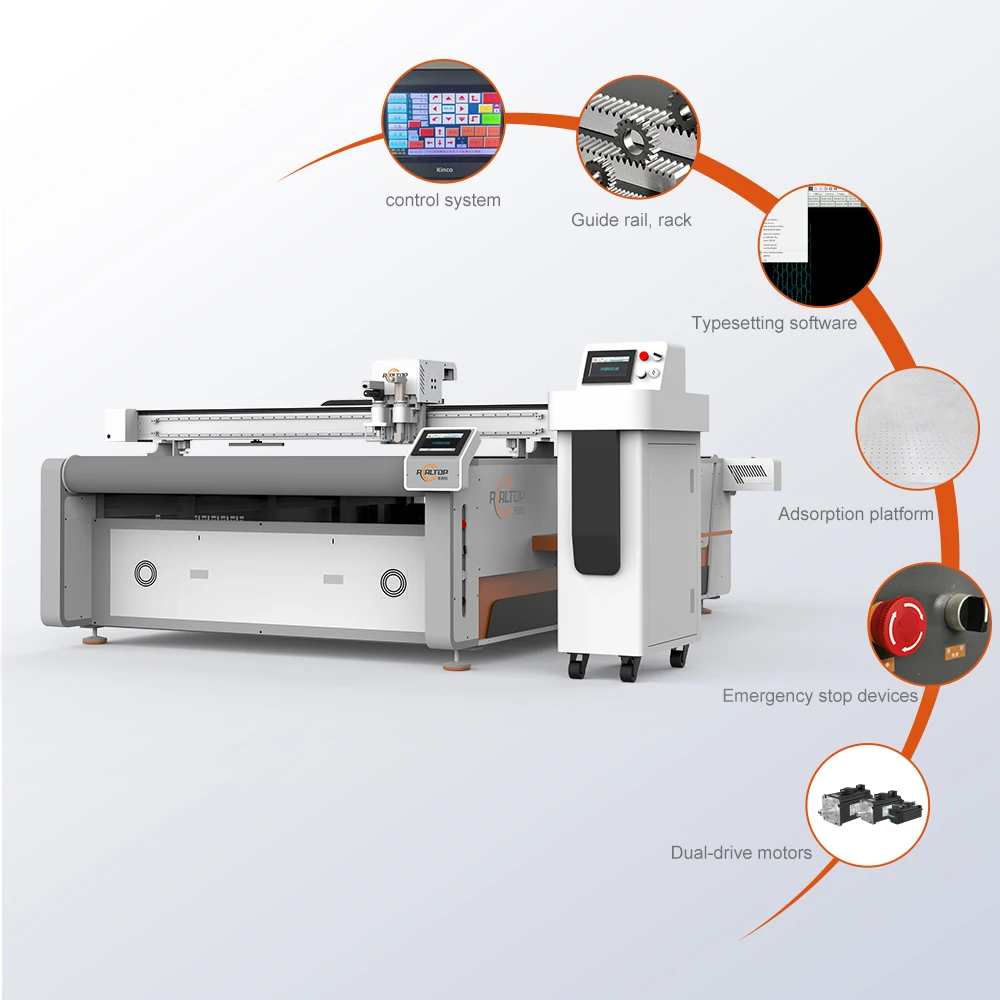
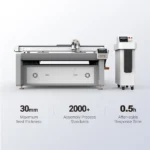
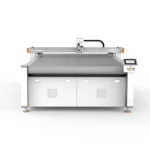
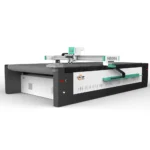
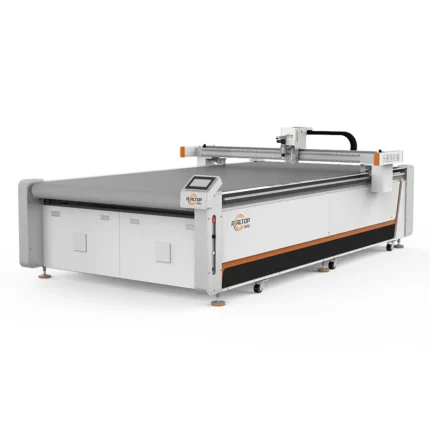
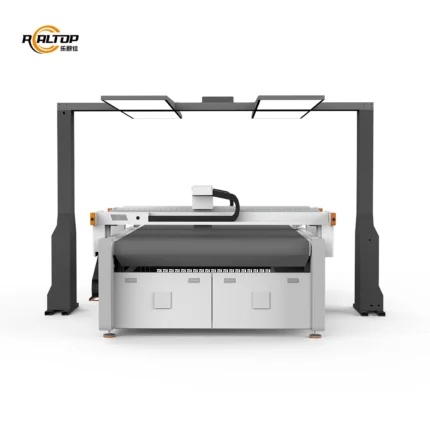
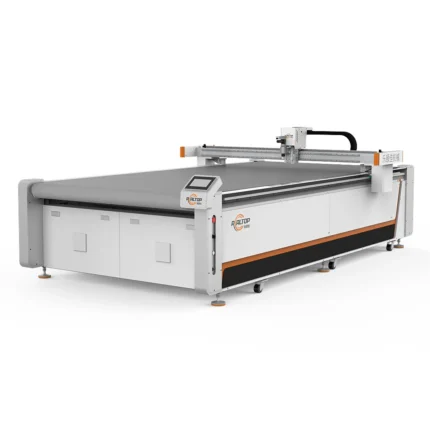
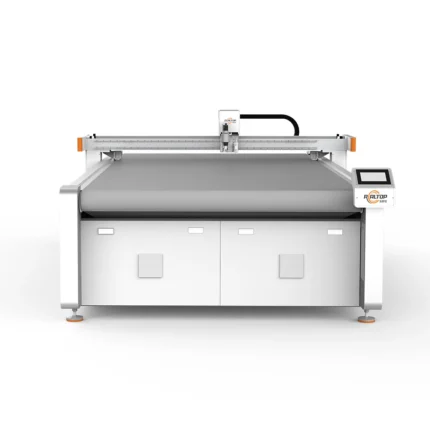
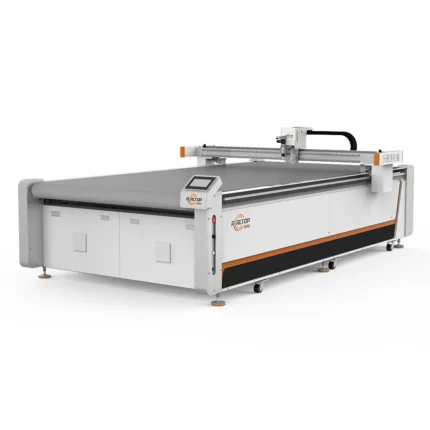
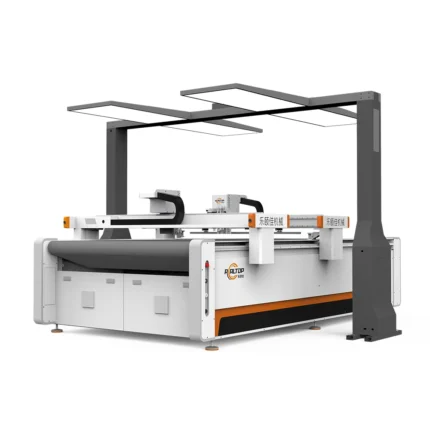
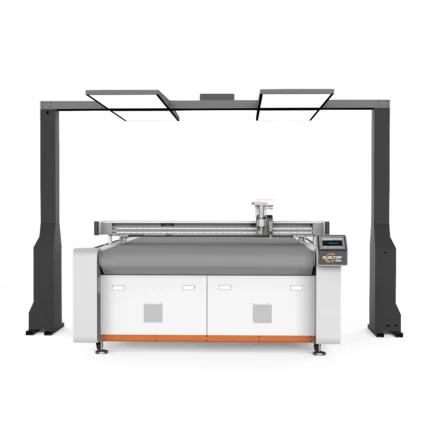
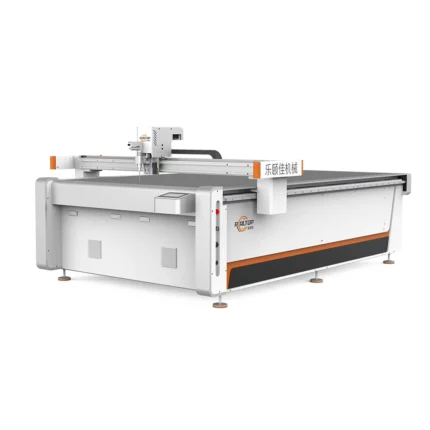
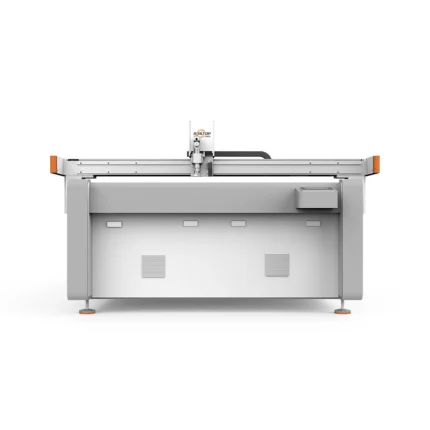
1625 CNC Oscillating Knife Cutting Machine, 1600×2500mm working area, ±0.1mm accuracy — delivers cold cutting for leather zipper bag production without scorching or toxic fumes common in thermal processes.
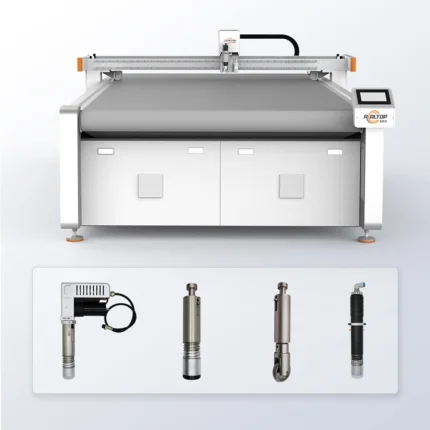
- Multiple interchangeable tool heads specified per leather type and thickness
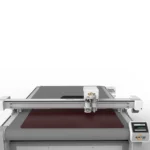
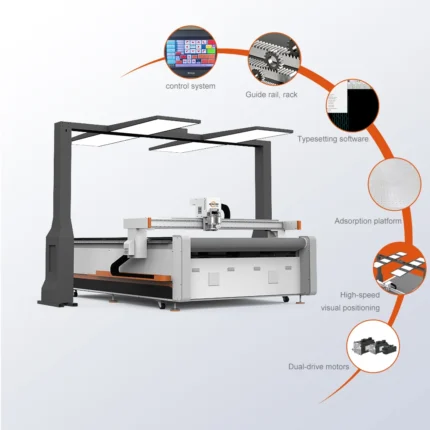
- Aluminum bellows vacuum table with full surface adsorption for stable material hold
- PLC control with multi-language display and DXF/AI/PDF file compatibility
Request a sample cutting report on your own leather material to verify edge quality and thickness handling before commitment.
Cold Process Match — REALTOP offers both oscillating knife and laser platforms, allowing leather processors to select the cutting method that matches their material rather than forcing a single technology across every product line.
Technical Specifications
| Parameter | Value |
|---|---|
| Product Type | CNC Oscillating Knife Cutting Machine |
| Model | 1625 |
| Working Area | 1600×2500 mm |
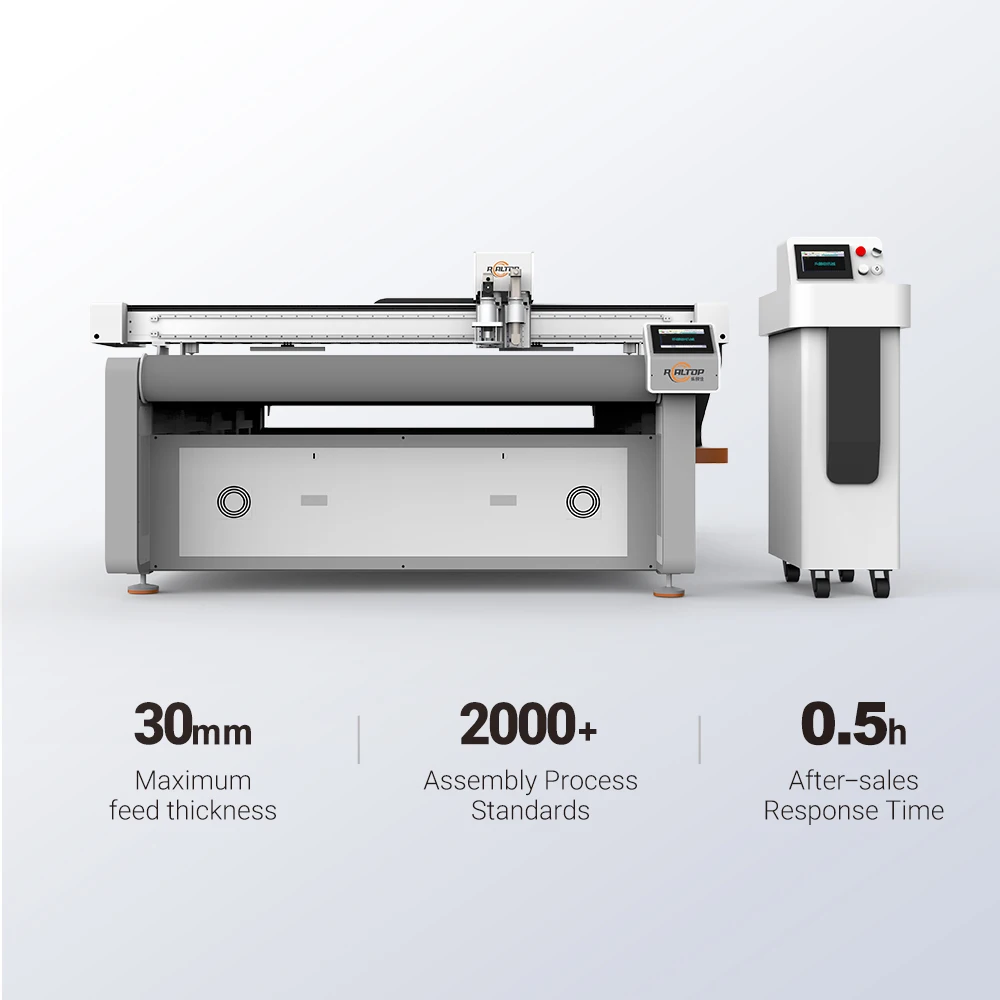
| Cutting Thickness | Up to 30 mm (basis to be confirmed per leather density) |
| Multi-layer Capability | Up to 30–50 mm stack height (basis not stated in source — confirm leather type and compression) |
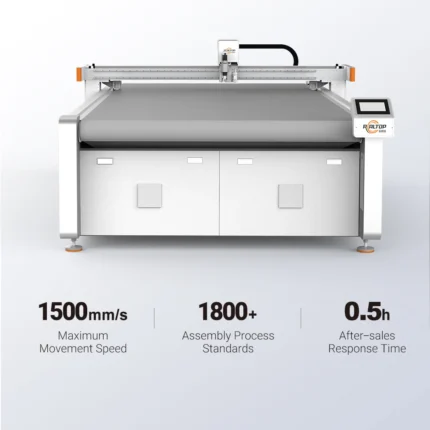
| Cutting Speed | 0–2000 mm/s |
| Cutting Accuracy | ±0.1 mm |
| Repeat Positioning Accuracy | ±0.1 mm |
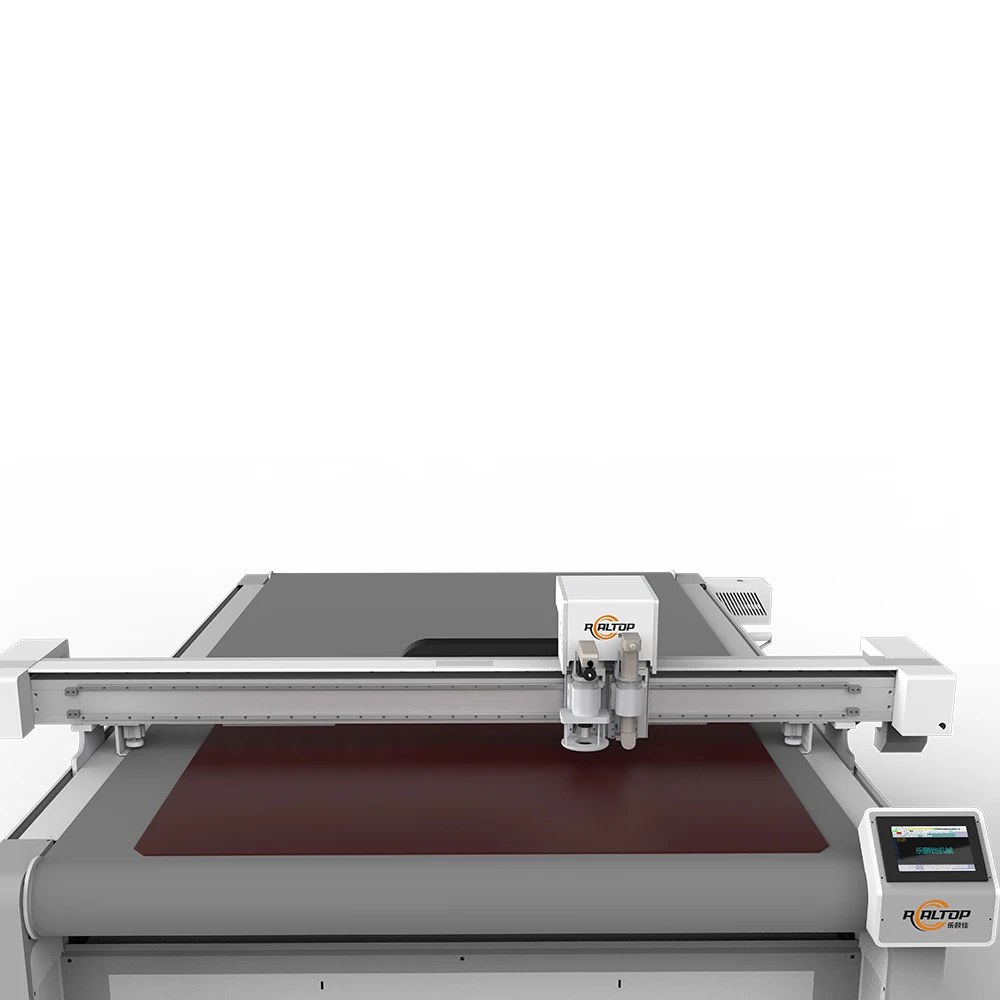
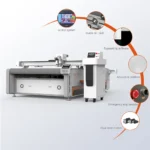
| Tool Head Options | Oscillating knife, driven rotary knife, creasing wheel, kiss cutting tool, pneumatic knife, milling tool, V-groove knife |
| Vacuum Table | Aluminum bellows vacuum table with full-surface adsorption |
| Vacuum Pump | 9 kW, high-efficiency, aerospace-grade aluminum cast |
| Servo Motors | Panasonic, Delta, or Dorna (selectable) |
| Control System | PLC control panel with intuitive interface |
| Voltage Options | 110V / 220V / 380V (single-phase or three-phase to be confirmed per configuration) |
| File Format Compatibility | PLT, DXF, AI, PDF |
| Nesting System | Intelligent nesting with automatic defect avoidance (basis not stated in source — confirm software brand and license) |
| Display Languages | English, Russian, Italian, Chinese (special languages customizable) |
| Safety Devices | Infrared sensor and emergency stop |
| Overall Dimensions (L×W×H) | 3300×2100×1350 mm |
| Certification | CE |
Application Suitability
| Application | Material or Output |
|---|---|
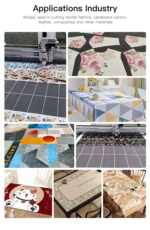
| Leather goods manufacturing | Natural and synthetic leather for handbags, wallets, and belts |
| Footwear upper cutting | Full-grain, corrected-grain, and PU leather up to working thickness limits |
| Automotive interior trimming | Leather and PVC for seat covers, door panels, and console wraps |
| Zipper bag and accessory production | Multi-layer leather stacks for high-volume small-goods runs |
| Sofa and upholstery cutting | Thick hide and bonded leather for furniture panels |
| Pattern-matching layouts | Natural leather with irregular grain requiring defect avoidance |
What "Cutting Speed 2000 mm/s" Actually Means for Leather
Travel speed and effective cutting throughput are different numbers — leather density, blade wear, and contour complexity determine real output.
I have watched buyers compare oscillating knife machines purely on the headline speed figure, only to find that cutting genuine cowhide at full travel rate produces ragged edges on tight curves. The 1625 platform runs at up to 2000 mm/s on straight paths, but natural leather demands speed reduction around corners and grain changes to maintain the ±0.1 mm accuracy window. Thicker stacks compress under the knife, and microfiber leather dulls blades faster than standard PU, meaning tool change intervals shorten noticeably [NEED_CITE: oscillating knife blade wear rates across leather types]. Before committing to a configuration, the buyer’s actual leather roll should be test-cut at production speed to confirm edge quality.
Why Cold Knife Cutting Matters for Leather Edge Quality
Thermal cutting processes seal synthetic edges, which is useful for woven textiles but problematic on leather. A CNC oscillating knife cutting machine for leather operates through mechanical shearing rather than heat, leaving the cut edge clean and free from the scorched discoloration that CO2 laser processing can produce on natural hides. This matters for visible panels on handbags and automotive seats where edge appearance is judged at close range.
The cold process also eliminates the volatile organic compounds released when laser beams vaporize leather collagen and synthetic coatings. Workshops processing leather in volume face ventilation and extraction requirements that differ significantly from thermal cutting environments [NEED_CITE: VOC emissions from thermal leather processing]. Cold knife cutting sidesteps this infrastructure cost entirely.
Tool Head Selection Drives the Leather Result
The 1625 platform supports seven interchangeable tool heads, and choosing the wrong one for a given leather type is a common specification error. Oscillating knives handle most single-layer and light multi-layer leather work. Driven rotary knives suit long straight cuts on thick hides. Pneumatic knives provide additional downward force for dense or compressed material stacks.
Kiss cutting tools score leather without penetrating the backing, which is essential for peel-and-stick applications in automotive interiors. V-groove knives create fold lines for box construction and structured bag panels. The correct tool head depends on the buyer’s specific leather type, thickness, and whether the finished piece requires secondary folding or lamination.
Reading the Specification Sheet Against Your Production Reality
The 9 kW vacuum pump paired with an aluminum bellows table provides full-surface adsorption across the 1600×2500 mm work area. For large hide cutting, this keeps material flat without edge clamps that interfere with the knife path. However, small leather pieces — zipper pulls, card slot inserts, strap loops — present a different holding challenge. Full-surface vacuum distributes suction evenly, which means tiny parts may not receive enough localized hold to resist knife drag on tight contours [NEED_CITE: vacuum table zoning requirements for small-part CNC cutting].
The ±0.1 mm cutting and repeat positioning accuracy is meaningful for leather goods where pattern pieces must align across multiple layers during assembly. The Panasonic, Delta, and Dorna servo motor options all achieve this tolerance, but differ in maintenance intervals and parts availability depending on the buyer’s region. File format compatibility with PLT, DXF, AI, and PDF means the 1625 integrates with most existing nesting workflows without requiring file conversion software.
The Hidden Cost of Specifying by Working Area Alone
Buyers often select a CNC oscillating knife cutting machine for leather based on table size, then discover the tool head cannot handle their production material thickness. A 1600×2500 mm table accommodates most standard hides, but if the buyer switches from 1.2 mm PU to 4 mm bonded leather for a new product line, the standard oscillating knife may produce crushed edges rather than clean shears. The driven rotary or pneumatic tool head resolves this, but only if the configuration is specified before production.
Voltage and plug type mismatches cause installation delays that push back commissioning by weeks. A machine wired for 380V three-phase arriving at a workshop with only 220V single-phase supply requires a transformer or rewiring before it can power on. Control language is another post-shipment surprise — operators who cannot read the interface make setup errors that damage material and dull blades prematurely.
Why Buyers Source This Platform Here
In-house design and production across both knife and laser cutting technologies means the buyer receives a process recommendation based on material behavior, not on which machine needs to move off the showroom floor. The 1625 is configured with tool head, vacuum zoning, and servo selection matched to the buyer’s stated leather type before the order is confirmed.
Sample cutting on the buyer’s actual leather roll happens before commitment, producing a physical report that documents edge quality, achievable thickness, and tool wear rate. Software compatibility is verified against the buyer’s existing DXF or AI nesting files. Voltage, plug type, and control language are locked in during the specification review, not left for the shipping department to guess. The factory test record documents the machine running the buyer’s confirmed configuration before crating.
Documentation & Verification
- Machine specification sheet listing confirmed tool head and vacuum configuration for your leather type
- Electrical schematic with voltage and phase confirmed against your workshop supply
- Sample cutting report on your actual leather material documenting edge quality and thickness
- Software license and file format compatibility note for your existing PLT, DXF, AI, or PDF workflow
- Factory test record showing the 1625 running your confirmed configuration before dispatch
- Operation and maintenance manual in your selected control language
Installation, Commissioning & Support
- Foundation must support 3300×2100 mm footprint plus operator clearance on the 1625 platform
- Dedicated circuit required matching confirmed voltage option (110V, 220V, or 380V) and the 9 kW vacuum pump load
- Machine ships partially assembled; vacuum table and gantry require on-site alignment and calibration
- First-run commissioning includes servo tuning, vacuum pressure verification, and test cuts on your leather stock
- Operator training covers tool head changeover, nesting software operation, and blade replacement intervals
- Spare parts list includes oscillating knife blades, rotary knife assemblies, and vacuum table seals
What to Include in Your Inquiry
To match the correct 1625 configuration to your leather production line, provide the leather type (natural, PU, microfiber, bonded), maximum thickness per piece, and whether you run single-layer or stacked cutting. Specify your local voltage and frequency, preferred control language, and the file formats your design team currently outputs. If your production involves small parts or irregular hide shapes, note this so vacuum zoning and nesting parameters can be evaluated.
Frequently Asked Questions
Q: How does knife cutting compare to laser for my leather edge quality requirements?
A: Cold knife cutting produces clean edges without the thermal scorching or discoloration that CO2 laser processing can leave on natural leather. For visible panels on bags and automotive interiors where edge appearance is critical, oscillating knife is typically the preferred method. REALTOP offers both platforms and recommends based on your specific leather type and edge requirement.
Q: How is cutting thickness verified for my leather before I commit?
A: A sample cutting report is produced using your actual leather material, documenting achievable thickness, edge quality, and tool wear behavior. This report confirms whether the oscillating knife, driven rotary, or pneumatic tool head suits your production stack height before the machine configuration is finalized.
Q: What voltage and control language options are confirmed before shipment?
A: Voltage options include 110V, 220V, and 380V with single-phase or three-phase confirmed against your workshop supply. Control languages available are English, Russian, Italian, and Chinese, with special languages customizable. All electrical and interface specifications are locked in during the pre-production review.
Q: Can the machine import my existing DXF and AI nesting files?
A: The 1625 accepts PLT, DXF, AI, and PDF file formats. Software compatibility is verified against your existing workflow before the order is confirmed, and a file format compatibility note is included in the documentation package.
Q: How do I arrange sample cutting on my leather before ordering?
A: Send a roll or sheet of your production leather material with your typical pattern files. The sample cutting process runs on the 1625 platform using the proposed tool head configuration, and a full report is returned documenting results before any purchase commitment is required.


Related products


Auto Knife Leather Cutting Machine for Contour & Auto Feed – Manufacturer
RT-D2516/RT-S2516 CNC Oscillating Knife Leather Cutting Machine, 1600×2500mm Working Area, 9kW, 380V — engineered for leather, composite and flexible material processing with Swiss imported knife head supporting full-cut, half-cut and cursor location modes.
- Magnesium-aluminum alloy vacuum table with PVDF coating ensures uniform hold-down across the entire work surface
- CCD camera contour recognition with panoramic and mark-point positioning options for printed leather hides
- Auto-feeding configuration available for continuous medium-to-high volume production runs
- Software supports PLT, DXF, AI formats with auto typesetting and multi-language control panel
Sample cutting on your specific leather type and thickness is completed before order commitment, ensuring tool head selection and edge quality match your production requirements.
CNC Vibration Knife System 2026 Leather Cutting Machine
Product Introduction
Designed for precision leather cutting, the CNC Vibration Knife System 2026 delivers efficient and accurate cutting performance, ideal for leather processing applications.Key Specifications
| Model | CNC Vibration Knife System 2026 |
| Application | Leather Cutting |
| Cutting Technology | Vibration Knife |
| Precision | High Accuracy |
| Efficiency | Enhanced Productivity |
Oscillating Knife Leather Cutter CNC 2026
Product Introduction
Oscillating Knife Leather Cutter CNC 2026 is a precision cutting solution for leather materials, designed for efficient and accurate fabrication in manufacturing settings. Ideal for leather processing with advanced CNC technology.Product Parameters
| Model | Oscillating Knife Leather Cutter CNC 2026 |
| Cutting Type | Oscillating Knife |
| Application | Leather Materials |
| Control System | CNC |
商品评价
There are no reviews yet.