


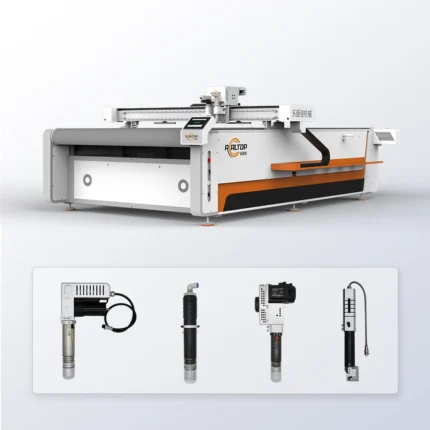
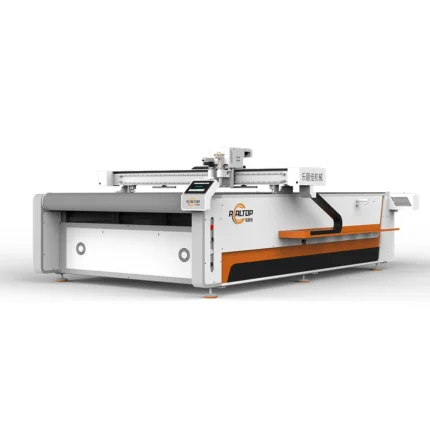
Fabric Layer Cutting Machine 2026 Auto Edge Collar Cut – Industrial Application
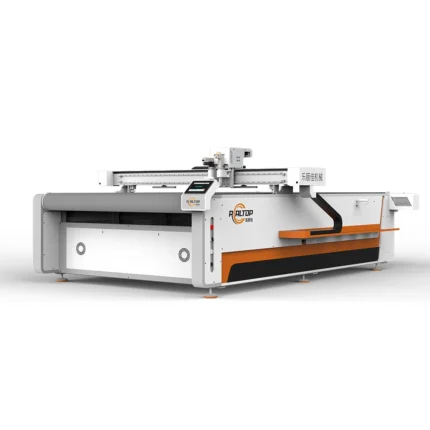
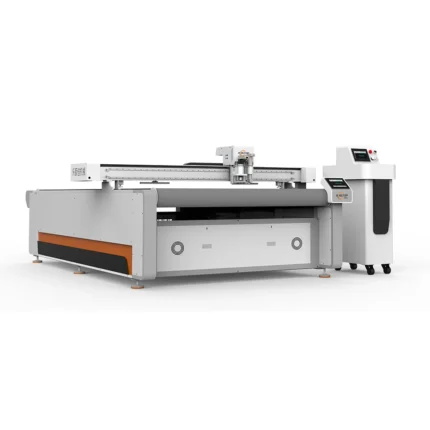
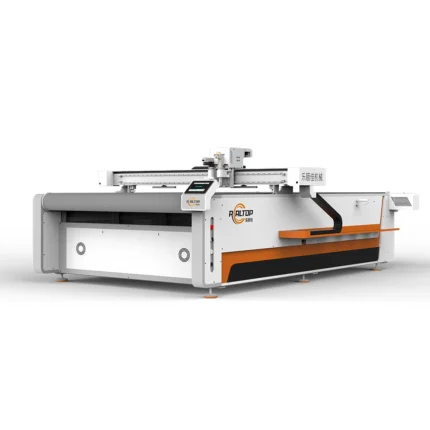
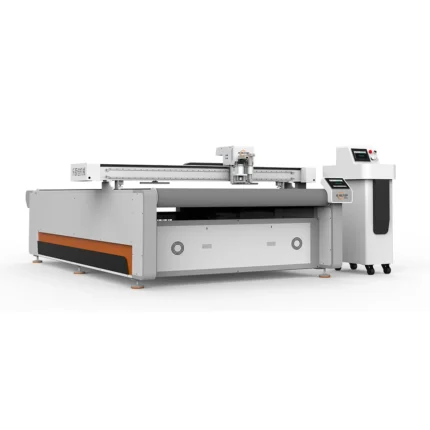
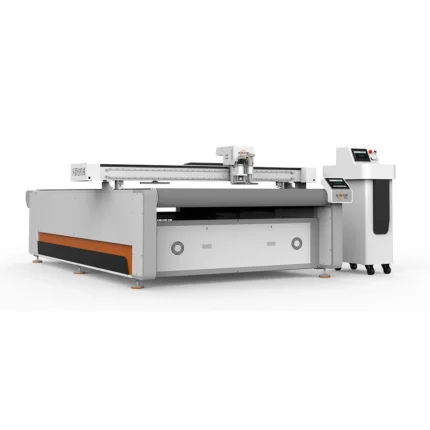
Fabric Layer Cutting Machine, 1600×2500mm working area, ≤30mm cutting thickness, 0–2000mm/s speed — oscillating knife cold cutting for multi-layer textiles, automotive seat fabrics and composite prepregs.
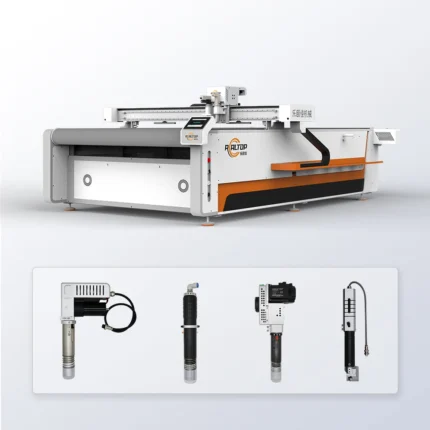
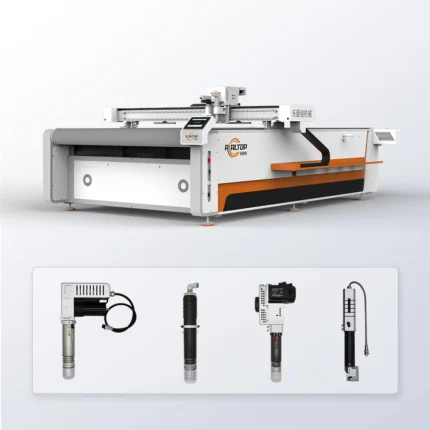
- Tool head options include oscillating knife, driven rotary knife, pneumatic knife and creasing wheel
- Aluminum bellows vacuum table holds layered fabric flat during high-speed contour cuts
- Intelligent nesting system reduces material waste on complex apparel and home textile patterns
Sample cutting on your own fabric confirms edge quality before commitment, with full tool head configuration matched to your material and daily volume.
Cold-Knife Precision — Every 1625 cutting table is set up per fabric type and ply height, not quoted as a generic flatbed.
Technical Specifications
| Parameter | Value |
|---|---|
| Model | 1625 |
| Product Type | CNC Oscillating Knife Cutting Machine |
| Working Area | 1600 × 2500 mm |
| Cutting Speed | 0 – 2000 mm/s |
| Cutting Thickness | Up to 30 mm (basis not stated in source — confirm material type and layer count) |
| Positioning Accuracy | ±0.1 mm |
| Tool Head Options | Oscillating knife, Driven rotary knife, Creasing wheel, Kiss cutting tool, Pneumatic knife, Milling tool, V groove knife |
| Vacuum Pump Power | 9 kW |
| Vacuum Table | Aluminum bellows vacuum table |
| Control System | PLC control panel with intuitive interface |
| Servo Motor Brands | Panasonic, Delta, Dorna (source value — verify against manufacturer catalog) |
| Software File Formats | PLT, DXF, AI, PDF |
| Nesting Software | Intelligent nesting system (included) |
| Safety Devices | Infrared sensor device and emergency stop device |
| Machine Dimensions (L × W × H) | 3300 × 2100 × 1350 mm |
| Voltage Options | 110 V / 220 V / 380 V |
| Language Options | English, Russian, Italian, Chinese (custom languages available) |
Application Suitability
| Application | Material or Output |
|---|---|
| Apparel manufacturing | Suits, knitwear, lace, complex woven and knitted fabrics |
| Automotive interiors | Seat fabrics, carpets, PVC mats, headliner textiles |
| Home textiles | Sofa fabrics, curtains, rugs, upholstery composites |
| Composite material processing | Carbon fiber prepreg, aramid weaves, specialty laminates |
Why "Laser or Knife" Is the Wrong Starting Question for Fabric
Buyers often ask whether a laser cutting and engraving machine for textile fabric is automatically better than a cold-knife flatbed. The honest answer depends on what happens to the cut edge once the part leaves the table.
If your fabric is a loose-weave natural fiber that frays the moment the blade passes, a CO₂ laser seals the edge as it cuts and may be the right call. If you are stacking thirty plies of bonded automotive carpet and need a clean vertical wall with zero melt-back, an oscillating knife on a high-hold vacuum table will outperform any laser head available today [NEED_CITE: comparative cutting methods for multi-layer textile stacks]. Asking the laser-or-knife question first usually means the material and the production target have not been discussed yet, and that is where most specification mistakes begin.
Where Cold Knife Wins Over Laser on Fabric
A laser cutting and engraving machine for textile fabric melts synthetic fibers to prevent fraying, which is valuable for single-ploy polyester or nylon work. Once you move to multi-ply stacks, the heat affected zone grows, fused edges stiffen, and nested parts can stick together after cutting. The 1625 oscillating knife slices through the full stack mechanically, leaving every ply separated and ready for bundling without secondary de-fusing.
When a Laser Head Is Still the Correct Tool
Edge-sealing remains essential for single-ply synthetics that will be handled by automated sewing cells, because a frayed edge jams a vision-guided feeder. If your production mix includes both multi-ply natural-fiber stacks and single-ply synthetics, the practical path is a knife table for volume work and a separate CO₂ cell for the sealing-sensitive items [NEED_CITE: laser edge sealing behavior on synthetic textiles]. Forcing one process to cover both scenarios typically means one of them runs below standard.
Reading the Specs That Actually Matter
The 1600 × 2500 mm working area fits standard fabric roll widths without re-slitting, so full-width lays can be cut in a single pass. Cutting speed is rated at 0 – 2000 mm/s, but achievable speed on a given fabric depends on ply height and tool head selection — an oscillating knife on a thirty-ply stack will run slower than the same head on a single ply. The 9 kW vacuum pump paired with an aluminum bellows table provides the hold-down force needed to prevent lower plies from shifting mid-cut, which is where positioning accuracy of ±0.1 mm is actually won or lost.
The Hidden Cost of Skipping a Material Trial
When a machine is specified on working area alone and the buyer’s actual ply height is never communicated, the oscillating knife may stall or leave ragged lower edges on a stack it was never configured for. The vacuum zoning might be set for large panels while the real job produces small pattern pieces that lift during cutting, ruining an entire lay. These mismatches surface only after the machine is bolted to the floor and the first production run is already late [NEED_CITE: flatbed cutting misconfiguration consequences in textile workshops].
Why Buyers Spec the 1625 Here
Tool head selection is matched to the buyer’s exact fabric and ply count before the order is finalized, not left as a catalogue default. An in-house design team configures vacuum zoning around the actual nest layout so small parts stay flat. Every machine ships with a factory test record cut on the buyer’s own material sample, providing documented edge quality before the crate is closed. Voltage, plug type and control language are confirmed line by line so the PLC panel speaks the operator’s language on day one.
Documentation & Verification
- Specification sheet listing every selected tool head and vacuum zone layout
- Electrical schematic confirming voltage, frequency and breaker sizing for the 9 kW pump
- Factory test record cut on buyer-supplied fabric with measured edge and ply results
- Software licence and file format compatibility note covering PLT, DXF, AI and PDF workflows
- Operation manual translated into the selected control language before dispatch
Installation, Commissioning & Support
- Floor space of roughly 3300 × 2100 mm plus operator clearance on three sides of the 1625
- Dedicated circuit sized for 9 kW vacuum pump plus servo load at confirmed voltage
- Machine ships in a single crate; table and gantry require on-site alignment and leveling
- First-run parameter set includes knife frequency, vacuum zone mapping and feed rate per fabric
- Operator training covers intelligent nesting software and tool head changeover procedures
- Spare parts list identifies oscillating blades, vacuum seals and sensor units for local stocking
What to Include With Your Inquiry
Send the exact fabric composition, weight per square meter and the number of plies you plan to cut per lay. Confirm your local voltage and frequency, preferred control language and the CAD file format your nesting workflow currently uses. If you would like a sample cut report, ship a roll section of your production material so the tool head and vacuum settings can be dialed in before quotation.
Frequently Asked Questions
Q: Can the same 1625 platform be fitted with a laser head instead of a knife?
A: The 1625 frame is engineered for oscillating and rotary knife tool heads. Laser cutting requires a different enclosure, extraction system and safety interlock layout. If your process needs CO₂ edge sealing on single-ply synthetics, a dedicated laser cell is the correct route rather than retrofitting a knife table.
Q: How do I choose between the oscillating knife and the driven rotary knife?
A: The oscillating knife handles multi-ply stacks up to the stated thickness range by vibrating vertically through the lay. The driven rotary knife suits single-ply or low-ply woven fabrics where a continuous rolling cut produces a cleaner edge. Selection depends on your dominant fabric type and daily stack height.
Q: Does the intelligent nesting software work with my existing PLT or DXF files?
A: The included nesting system imports PLT, DXF, AI and PDF formats. Before the order is finalized, a file compatibility check runs your sample artwork through the software to confirm that curves, text and layer assignments translate correctly without manual redrawing.
Q: What vacuum pump capacity is needed for small pattern pieces?
A: The 9 kW pump feeds an aluminum bellows table with configurable zoning. For small parts, zones are narrowed so suction concentrates directly under the nest rather than spreading across unused table area, preventing lift on pieces that would otherwise move during knife entry.


Related products
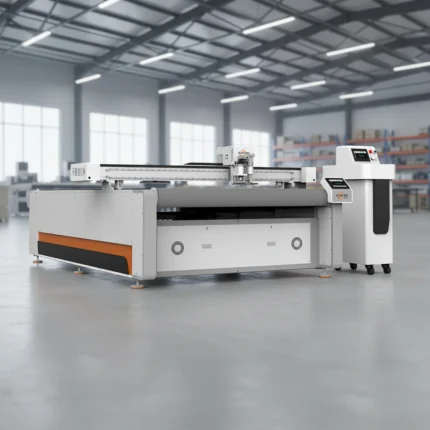
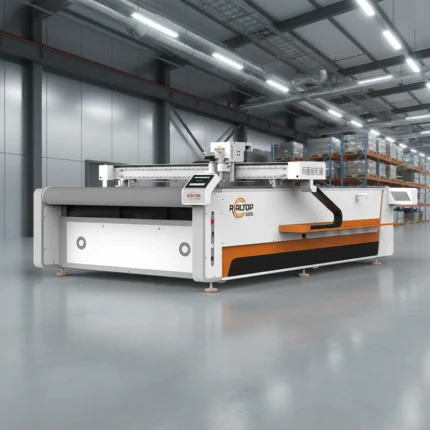
2026 CNC Knife Cutting Machine for Fabric Leather PVC Hot Sale
Product Introduction
2026 Hot Sale CNC Knife Cutting Machine for Fabric, Leather, PVC. Ideal for precise cutting of various materials with advanced CNC technology, perfect for manufacturing needs.
Product Parameters
| Application | Fabric, Leather, PVC |
| Type | CNC Knife Cutting Machine |
| Feature | Precision Cutting |
| Year | 2026 Model |
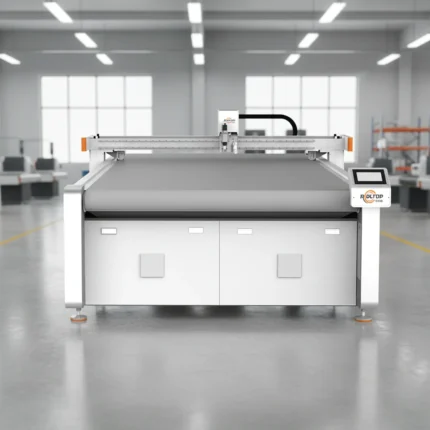
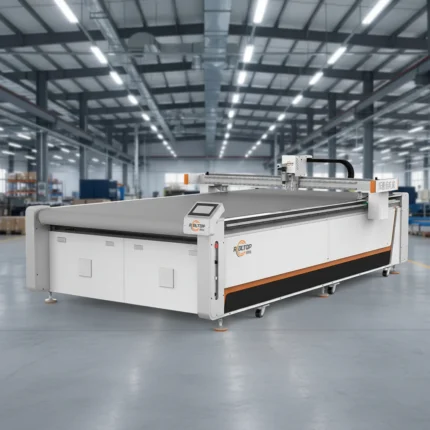
Automatic Multi-Layer Vibrating Knife Cutter 2026
Product Introduction
Automatic Multi-Layer Vibrating Knife Cutter 2026, ideal for precise cutting of various materials with multi-layer processing capability, enhancing production efficiency.
Key Specifications
| Type | Automatic Vibrating Knife Cutter |
| Layer Capacity | Multi-Layer |
| Model | 2026 |
| Function | Precision Cutting |
CNC Oscillating Knife Cutting Machine 2026 3000¡Á1600mm High-Speed
Product Parameters
| Model | CNC Oscillating Knife Cutting Machine 2026 |
| Working Area | 3000mm¡Á1600mm |
| Cutting Type | Oscillating Knife |
| Application | Fabric Cutting |
| Feature | High-Speed |
Introduction
High-performance CNC oscillating knife cutting machine with 3000mm¡Á1600mm working area, ideal for high-speed fabric cutting. Precision and efficiency for professional textile processing needs.
Custom CNC Shirt Fabric Cutting Machine 2026
Product Introduction
Custom CNC Shirt Fabric Cutting Machine 2026, ideal for precise fabric cutting in garment manufacturing, offering efficient and accurate cutting solutions.
Product Parameters
| Model | Custom CNC Shirt Fabric Cutting Machine 2026 |
| Type | CNC Fabric Cutting Machine |
| Application | Shirt Fabric Cutting |
| Year | 2026 |
High Speed Fabric Cutting Machine 2026 Round Oscillating Knife
Product Overview
High Speed Fabric Cutting Machine 2026 with round and oscillating knife for efficient fabric cutting. Ideal for textile manufacturing and related industries.Key Specifications
| Cutting Type | Round & Oscillating Knife |
| Model Year | 2026 |
| Application | Fabric Cutting |
| Feature | High Speed Performance |
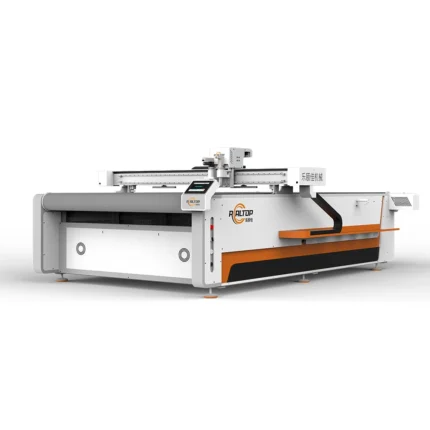
Realtop CNC Fabric Cutting Machine 2026 CE Certified
Product Introduction
Realtop CNC Fabric Cutting Machine 2026, CE Certified, ideal for precision fabric cutting with advanced CNC technology. Engineered for efficiency and reliability in textile manufacturing processes.Key Specifications
| Model | Realtop CNC Fabric Cutting Machine 2026 |
| Certification | CE Certified |
商品评价
There are no reviews yet.