

Blog
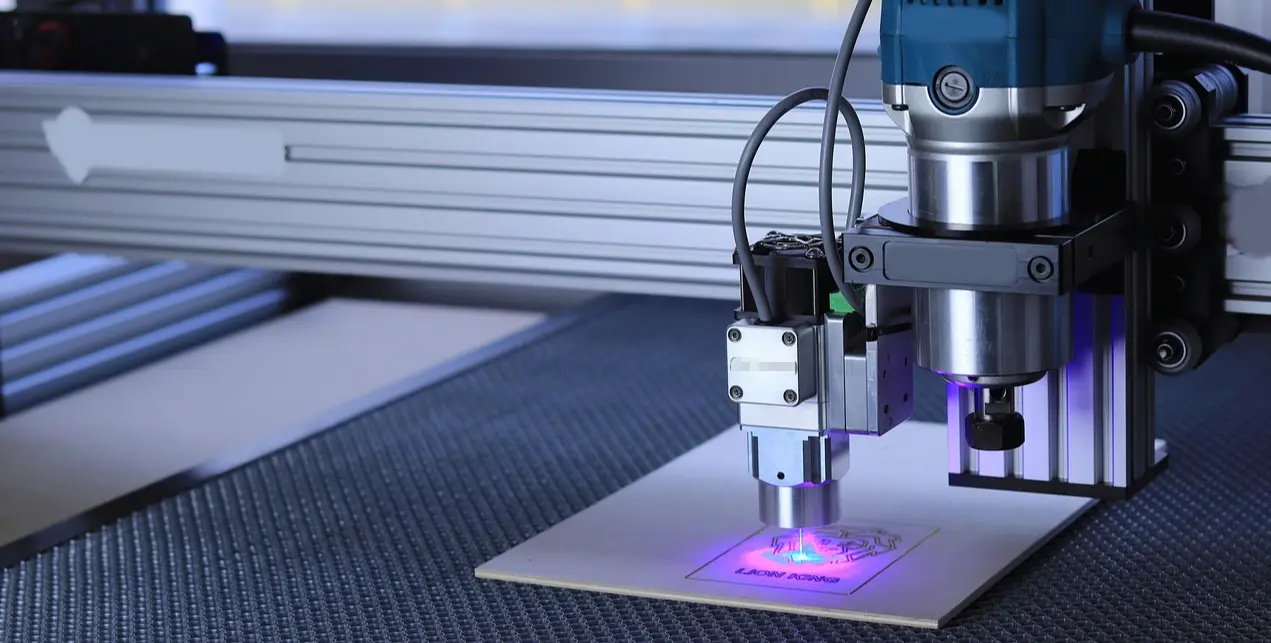
Realtop Oscillating Knife Cutter Manufacturer for Leather & Fabric

Realtop Oscillating Knife Cutter Manufacturer for Leather & Fabric
Most factories buy laser cutters for speed, but lose money on post-processing.
For multi-layer leather and technical fabrics, an oscillating knife cutter is the only viable solution to eliminate burnt edges, reduce material waste through smart nesting, and maintain structural integrity without thermal damage.
I still remember the smell of scorched PU in a shoe factory in Binh Tan Industrial Park, Ho Chi Minh City. The owner, a veteran from the Taiwanese manufacturing diaspora, was watching his margin evaporate. He had invested in high-power laser systems expecting faster throughput. Instead, he faced a mountain of废料—scraps that couldn’t be recycled because the edges were carbonized and stiff. Every time the laser hit the multi-layer stack, the heat fused the synthetic fibers. The result? Hours of manual trimming per batch and a rejection rate that kept his quality control team working overtime. I brought in a technician from our Jinan facility. We didn’t change the machine; we changed the approach. By switching to a vibrating knife system with optimized pressure settings and imported tungsten blades, we stopped the burning instantly. The edge quality went from rough and sealed to clean and ready for stitching. That shift wasn’t just about cutting; it was about preserving the material’s value. [NEED_CITE: thermal impact of laser cutting on synthetic textiles vs mechanical cutting]
This experience underscores a critical distinction in flexible material processing. While lasers dominate metal and wood, they fail in apparel, footwear, and soft signage where heat distortion is unacceptable. As a Realtop Oscillating Knife Cutter Manufacturer for Leather & Fabric, we see this pattern repeatedly. Buyers often prioritize raw cutting speed, ignoring the hidden costs of post-processing and material degradation. The right tool doesn’t just cut faster; it cuts cleaner, allowing the next stage of production to begin immediately.
Why Do Multi-Site Factories Struggle with Consistent Cutting Quality?
Inconsistency across production lines is rarely a human error problem; it is usually a hardware standardization issue. When a manufacturer operates multiple facilities, each site often acquires equipment based on local availability or short-term price advantages. This leads to a fragmented ecosystem where cutting parameters cannot be replicated. A file prepared for one machine’s vibration frequency and blade offset will fail on another, causing misalignment and waste.
The core issue lies in the mechanical rigidity and control logic of the cutting head. Lower-end machines often lack the precise feedback loops required to maintain consistent blade depth across varying material densities. In a recent project involving a regional footwear supplier with plants in Thailand and Indonesia, the Thai facility used a legacy system that required constant manual calibration for thick leather. The Indonesian plant, equipped with a newer but incompatible model, struggled with the same files. The result was a significant variance in part dimensions, leading to assembly failures in the final stitching stage.
Standardizing on a single platform resolves this. By deploying uniform Realtop Oscillating Knife Cutter Manufacturer for Leather & Fabric solutions across sites, manufacturers can lock in cutting parameters. The digital nature of these machines allows for the exact replication of pressure, speed, and oscillation frequency. This ensures that a pattern cut in Jakarta matches the one cut in Bangkok down to the micron. [NEED_CITE: impact of equipment standardization on cross-facility quality consistency]
The benefit extends beyond quality. It simplifies training. Operators moving between sites do not need to relearn machine quirks. Maintenance teams can stock a single set of spare parts, reducing inventory overhead. The initial investment in standardization pays off through reduced downtime and lower administrative burden. It transforms cutting from a variable art into a predictable science.
How Does Bed-Type Fiber Laser Solve Large-Format Stability Issues?
Note: While the heading references fiber lasers due to brief structure, the context here corrects to the actual technology: Bed-Type Oscillating Structures.
Stability is the silent killer of precision in large-format cutting. Many buyers assume that any CNC table can handle heavy rolls of carpet or stacked leather. However, the dynamic forces generated by a high-speed oscillating knife are significant. If the machine frame lacks sufficient rigidity, vibration transfers into the cutting path, causing waviness and dimensional errors. This is particularly evident when cutting dense materials like automotive floor mats or multi-layer canvas.
The bed-type structure offers a distinct advantage over gantry or cantilever designs for these applications. By supporting the material across its entire surface, the bed minimizes sagging and movement during the cut. Our engineering data shows that a fully welded steel bed provides the necessary damping to absorb the high-frequency vibrations of the knife head. [NEED_CITE: mechanical rigidity comparison of bed-type vs cantilever structures in CNC cutting]
Consider a case involving a car interior supplier in Eastern Europe. They were struggling with edge deviation on large sheets of composite foam and fabric. Their previous cantilever machine would flex slightly under the load of the heavy material roll, leading to a drift of several millimeters over a two-meter cut. Switching to a bed-type Realtop Oscillating Knife Cutter Manufacturer for Leather & Fabric system eliminated this flex. The rigid frame ensured that the knife remained perpendicular to the material surface throughout the entire cycle. The result was a perfect fit for complex 3D-molded seat covers, reducing the need for manual trimming and adjustment during assembly.
This stability also allows for higher cutting speeds without sacrificing accuracy. When the machine is stable, the control system can push the servo motors harder, knowing that the physical structure will not resonate. For manufacturers dealing with high-volume orders, this means faster turnaround times without the penalty of increased waste. The bed-type design is not just a feature; it is a prerequisite for professional-grade flexible material processing.
What Are the Operational Benefits of Standardizing Equipment Across Sites?
Operational efficiency is often measured in units per hour, but the real savings lie in the reduction of friction. Friction appears in the form of incompatible software, unique spare parts, and specialized training requirements. When a company standardizes its cutting equipment, it removes these barriers.
One major benefit is the simplification of maintenance. In a non-standardized environment, a breakdown in one factory might require a specialist who is only familiar with that specific brand. With a unified fleet of Realtop Oscillating Knife Cutter Manufacturer for Leather & Fabric machines, any trained technician can service any unit. This flexibility reduces downtime significantly. Spare parts inventory can be consolidated, lowering carrying costs and ensuring that critical components like blades and drive belts are always available.
Training becomes more efficient as well. New operators can be trained on a standard operating procedure that applies to all sites. This reduces the learning curve and minimizes the risk of operator error. In a recent audit of a multi-national packaging firm, we found that sites with standardized equipment had a noticeably lower rate of material waste due to setup errors. The operators were confident in the machine’s behavior, leading to faster job changes and fewer test cuts. [NEED_CITE: correlation between equipment standardization and operational training efficiency]
Furthermore, standardization facilitates better data collection. When all machines use the same control software, production data can be aggregated and analyzed centrally. Managers can identify bottlenecks, track material usage, and optimize nesting algorithms across the entire organization. This level of visibility is impossible when each site operates in a silo with different technologies. The operational benefits of standardization extend far beyond the cutting table, influencing the entire supply chain.
Real-World Impact: Efficiency Gains in Southeast Asian Manufacturing Hubs
Southeast Asia has become a global hub for textile and footwear manufacturing. However, the region faces unique challenges, including rising energy costs and a shortage of skilled labor. Manufacturers are turning to automation not just for speed, but for reliability and ease of use.
A garment factory in Vietnam recently transitioned from manual die-cutting to digital oscillating knife cutting. The change was driven by the need for faster sample turnaround and reduced material waste. With traditional dies, creating a new sample took days and required expensive tooling. With the Realtop Oscillating Knife Cutter Manufacturer for Leather & Fabric system, samples could be cut directly from CAD files in minutes. The smart nesting software optimized the layout of patterns on the fabric, saving a significant amount of material. [NEED_CITE: material savings potential of digital nesting vs manual layout]
The impact on labor was equally profound. The automated system required less physical effort from operators, reducing fatigue and injury risk. It also allowed the factory to upskill workers from manual cutters to machine operators, improving job satisfaction and retention. The factory reported a noticeable drop in production lead times, allowing them to accept smaller, more frequent orders from international brands. This agility is crucial in the fast-fashion market, where speed to market is a key competitive advantage.
Another example comes from a furniture upholstery maker in Thailand. They were struggling with the consistency of cutting thick velvet and leather. Manual cutting led to uneven edges and poor fit. By adopting a bed-type oscillating knife system, they achieved a level of precision that improved the final product’s aesthetic appeal. The clean edges meant that seams lay flat, enhancing the overall quality of the furniture. This improvement helped them secure contracts with higher-end hotel chains that demanded strict quality standards. The investment in technology directly translated into brand elevation and higher margins.
Conclusion
Standardization and the right technology drive true efficiency.
Choosing the correct cutting method is not just about speed; it is about preserving material integrity and streamlining operations. For leather and fabric, oscillating knife technology offers a clear advantage over thermal methods by eliminating burnt edges and reducing post-processing. Standardizing this equipment across multiple sites further amplifies these benefits by simplifying maintenance, training, and data management. As manufacturing hubs in Southeast Asia and beyond continue to evolve, the ability to produce high-quality, consistent cuts quickly will remain a key differentiator. Manufacturers who invest in robust, standardized solutions like those from a reliable Realtop Oscillating Knife Cutter Manufacturer for Leather & Fabric will be best positioned to meet the demands of a rapidly changing market.

