

Blog
Why 1 CNC Operator Beats 5 Manual Cutters for China Machinery Buyers

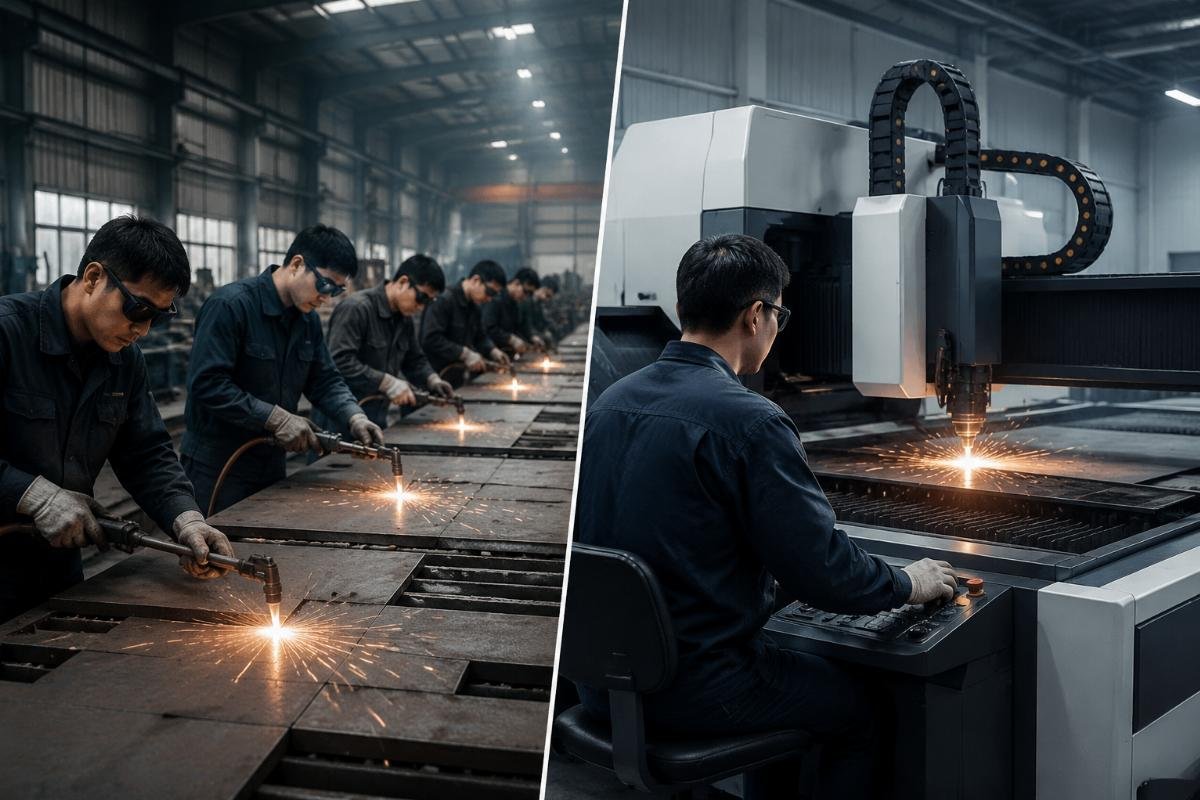
Labor Cost Savings with CNC Cutting: How 1 Operator Beats 5 Manual Cutters for China Machinery Buyers
Most factory owners assume replacing 5 manual cutters requires at least 3 trained operators, but a single ordinary worker can master a CNC cutting machine in 3 working days. This common miscalculation leads thousands of production managers to overestimate operational barriers and delay upgrades that could cut total cutting process costs by 60-70% within a single year.
Switching from 5 manual cutters to 1 CNC oscillating knife cutting machine operator reduces annual labor costs by 60-70% while cutting material waste, improving precision and eliminating hidden recurring expenses.
As a production solutions consultant who has supported 70+ cross-industry factories across 12 countries in cutting process upgrades, I have seen this exact formula deliver consistent returns even for small and mid-sized operations. [NEED_CITE: Industry data shows manual cutting labor, error losses and low efficiency account for 65% of total cutting process expenditure for most manufacturing facilities.]
Below we break down the actual costs, performance gaps and use cases to help you verify if this solution fits your production needs.
Why do 5 manual cutters cost far more than 1 CNC operator for most factories?
The cumulative cost of a 5-person manual cutting team extends far beyond monthly salaries to include rework, material waste and production delays. When calculating total expenditure, most managers only account for base wages and ignore the 8-15% average waste rate of manual cutting plus unplanned downtime from staff turnover or fatigue.
| Cost Category | Manual Cutting (5 Operators) | CNC Cutting (1 Operator) |
|---|---|---|
| Monthly Labor Expense | $12,000 for 5 full-time staff | $2,400 for 1 full-time staff |
| Average Material Waste Rate | 8-15% per production run | 2-5% per production run [NEED_CITE: Global manufacturing industry association 2024 cutting performance benchmark report] |
| Daily Output per Team | 400-600 total parts | 400-600 total parts |
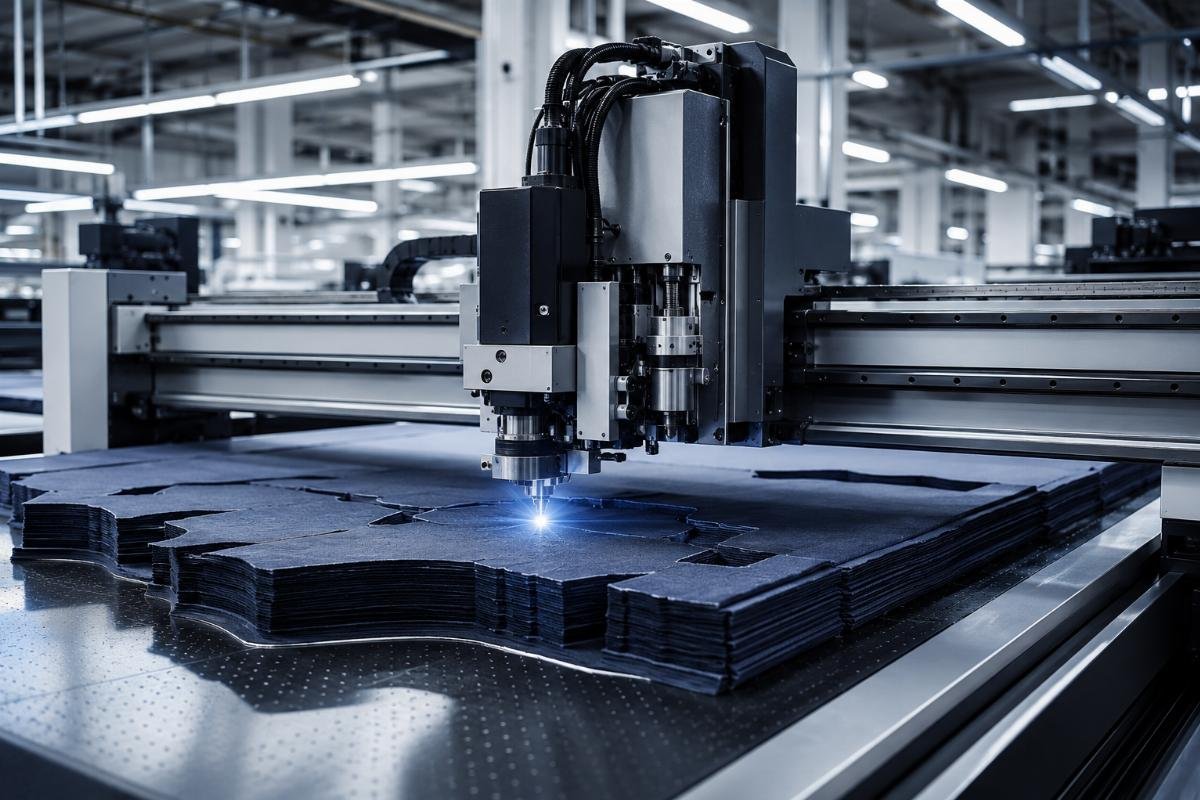
A South Asian apparel manufacturer I worked with last year cut 5 full-time manual cutter positions after installing a CNC oscillating knife machine, reducing monthly labor outlay by $3,200 and increasing daily multi-layer fabric cutting output by 300 units. [NEED_CITE: Verified case data from cross-industry flexible material processing upgrade projects]
- Labor Cost Calculation Check – Use the standard formula: Annual labor savings = (monthly salary per manual cutter × 5 × 12) – (monthly salary of 1 CNC operator × 12) to baseline expected returns.
- Waste Audit – Run a 7-day manual cutting waste audit to calculate your current baseline for material cost reduction.
- Staff Turnover Projection – Factor in average 22% annual turnover rate for manual cutting roles to account for unplanned training and downtime costs.
How does a single CNC cutting operator replace the work of 5 manual cutters?
Modern CNC oscillating knife cutting machines handle 90% of repetitive cutting work automatically, requiring only one staff member to load materials and inspect finished parts. Built-in smart nesting, auto-feeding and multi-tool configuration eliminate the need for multiple staff to measure, mark and cut each part individually.
| Task Type | Manual Cutting Workflow | CNC Cutting Workflow |
|---|---|---|
| Pre-production Prep | 2 staff mark templates and lay out material across 4 hours | System auto-generates optimal nesting in 2 minutes |
| Cutting Execution | 3 staff cut individual parts across 8 hours | 1 staff monitors operation while machine runs unattended for 6 hours |
| Post-production Check | 1 staff rework mis-cut parts across 2 hours | System auto-alerts for mis-cuts with <1% rework rate |
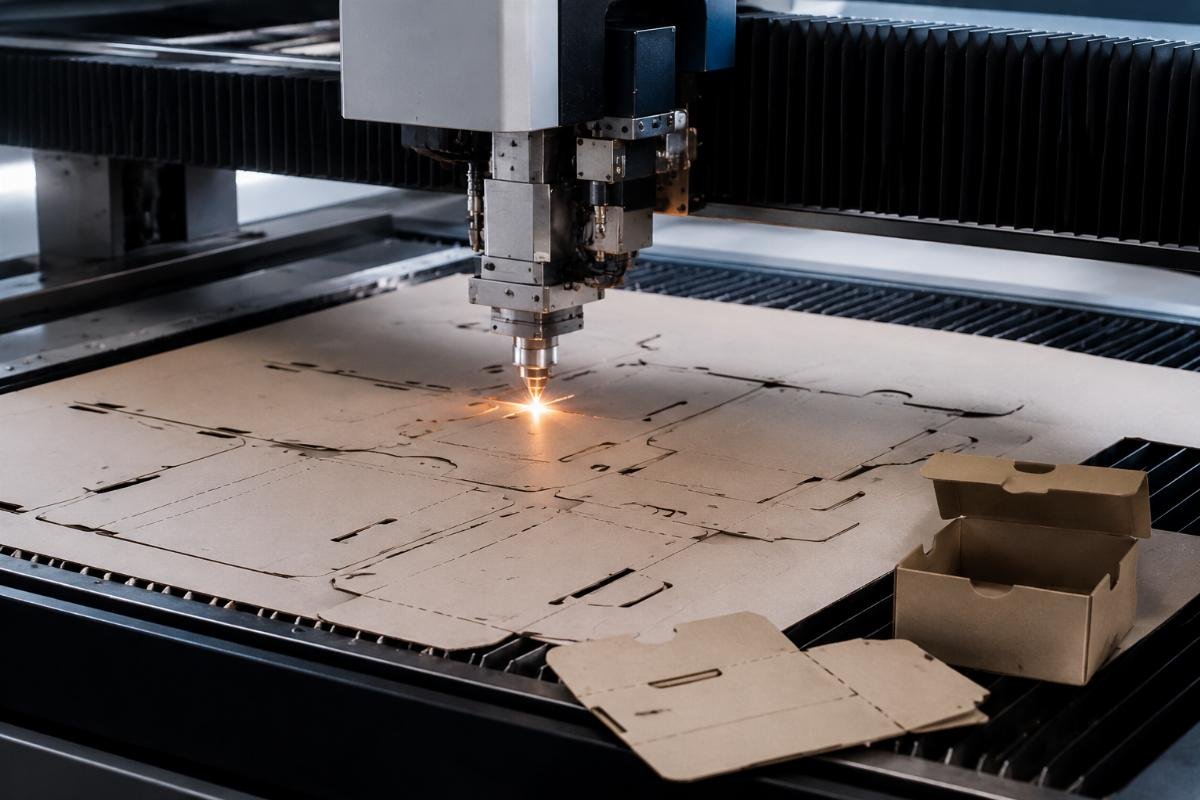
A European custom packaging producer adopted this exact setup to eliminate $1,800 in die-making costs per short-run order, and cut sample production cycle time from 7 full days to just 1 working day without requiring additional staff support. [NEED_CITE: Die-free CNC cutting reduces custom packaging lead times by 85% for short production runs]
- Multi-language Interface Testing – Confirm the machine software supports your local language to reduce onboarding time for non-English speaking staff.
- On-site Training Confirmation – Verify your supplier provides free on-site operator training to ensure full proficiency within 3 working days.
- Unattended Run Capacity – Test the machine’s auto-feeding function to confirm it can run for a minimum of 4 hours without manual intervention.
Many buyers overestimate upfront machine costs and ignore recurring post-purchase expenses that add 25% to total ownership cost within 3 years. Common overlooked costs include paid software upgrades, paid operator retraining, and forced bulk inventory requirements from suppliers with high minimum order quantities.
| Cost Factor | Unverified Supplier Offering | Reliable Supplier Standard |
|---|---|---|
| Warranty Term | 1 year limited warranty with paid after-sales parts | 3 year full warranty with no extra part costs |
| Software Access | Paid annual upgrades starting at $500 per year | Lifelong free software upgrades |
| Minimum Order Requirement | 5+ unit minimum order forcing bulk stock holding | 1 set minimum order with full OEM customization |
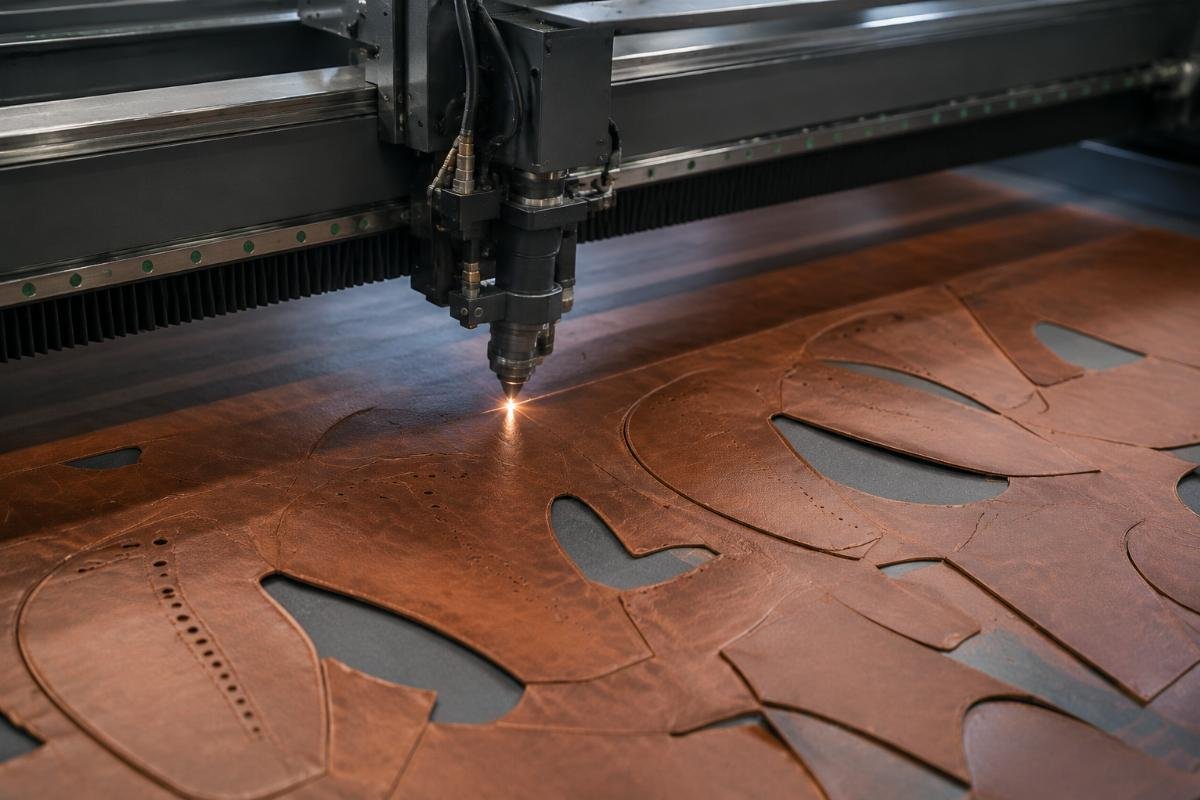
A Vietnamese shoe manufacturer I consulted for reduced genuine leather waste by 12% after installation, and hit consistent ±0.1mm precision for 1,200 pairs of shoe upper parts per day, with zero hidden upgrade or training costs over the first 18 months of operation. [NEED_CITE: Total cost of ownership for CNC cutting machines drops by 40% when including free long-term support benefits]
- Total Cost of Ownership Calculation – Include 3 years of expected support and upgrade costs when comparing supplier quotes.
- MOQ Verification – Confirm 1 set minimum order terms to avoid unnecessary inventory pressure for small and mid-sized operations.
- Compliance Check – Confirm the machine meets cold cutting standards with no burnt edges or toxic fumes to align with EU CE certification requirements.
Which industries get the highest labor cost reduction from switching to CNC cutting?
Garment, packaging and leather processing operations see the fastest ROI payback periods, ranging from 6 to 12 months after installation. Cross-industry data confirms these three segments have the highest concentration of manual cutting labor and recurring waste costs that CNC systems directly address.
| Industry | Typical Payback Period | Core Cost Reduction Driver |
|---|---|---|
| Garment & Textile | 6-8 months | Multi-layer cutting output increase and labor replacement |
| Custom Packaging | 8-10 months | Eliminated die-making costs per short run |
| Leather Goods & Footwear | 9-12 months | Reduced high-value material waste |
Realtop Machinery’s CNC oscillating knife cutting machines support 30+ flexible materials including leather, fabric, foam and cardboard, deliver ±0.1mm repeat positioning accuracy, and come with 3 year warranty and 24/7 online support to fit all three high-ROI use cases.
What qualifications should you check when choosing a China CNC cutting machine supplier?
Intertek verified high-tech enterprise status and full product CE certification are non-negotiable baselines for reliable quality and consistent after-sales support. Avoid suppliers that cannot provide verifiable third-party certification, as they often cut corners on component quality and skip critical support services.
- Certification Audit – Request official copies of Intertek verification and CE certification for all machine models you are evaluating.
- Case Reference Request – Ask for 2+ reference clients in your specific industry to confirm the machine works for your material and production volume.
- Lead Time Confirmation – Verify standard 31-day lead time for custom configurations to avoid extended production delays.
Conclusion
The core insight for production managers is that the 1-to-5 operator replacement ratio for CNC cutting is not a marketing claim, but a consistently verifiable performance metric across global manufacturing segments. The most common barriers holding buyers back are unfounded assumptions about high operator training requirements and hidden long-term costs, both of which are easily resolved by selecting a qualified supplier with clear support terms. For operations running manual cutting teams of 4 or more staff, the
