

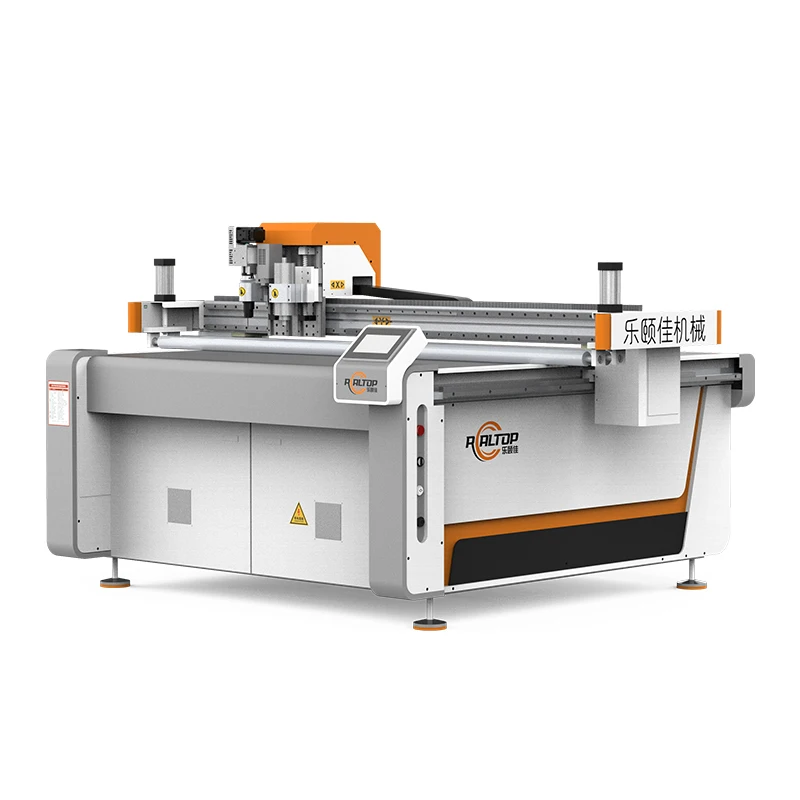
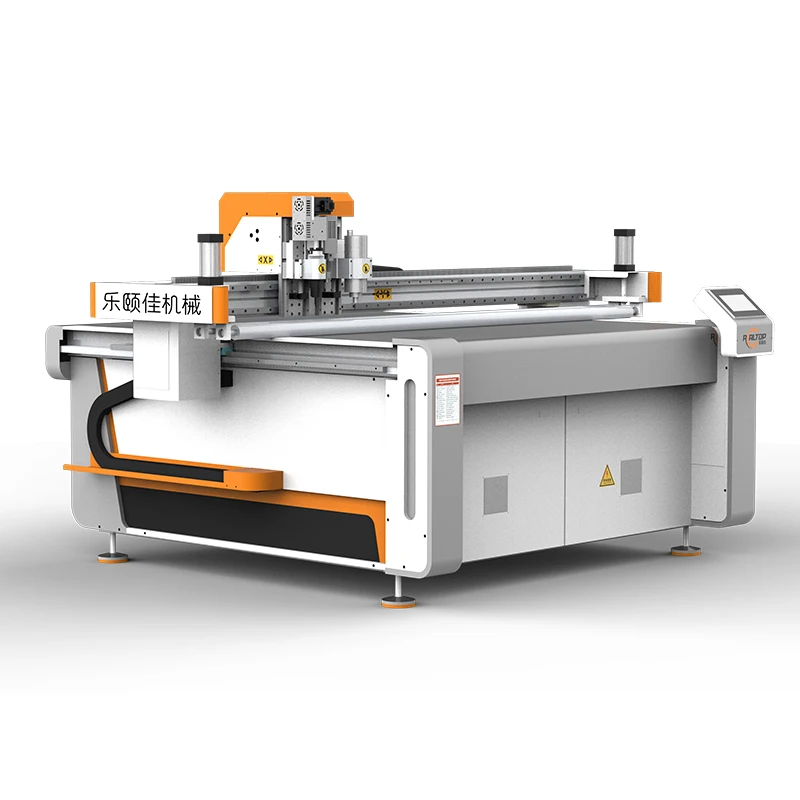
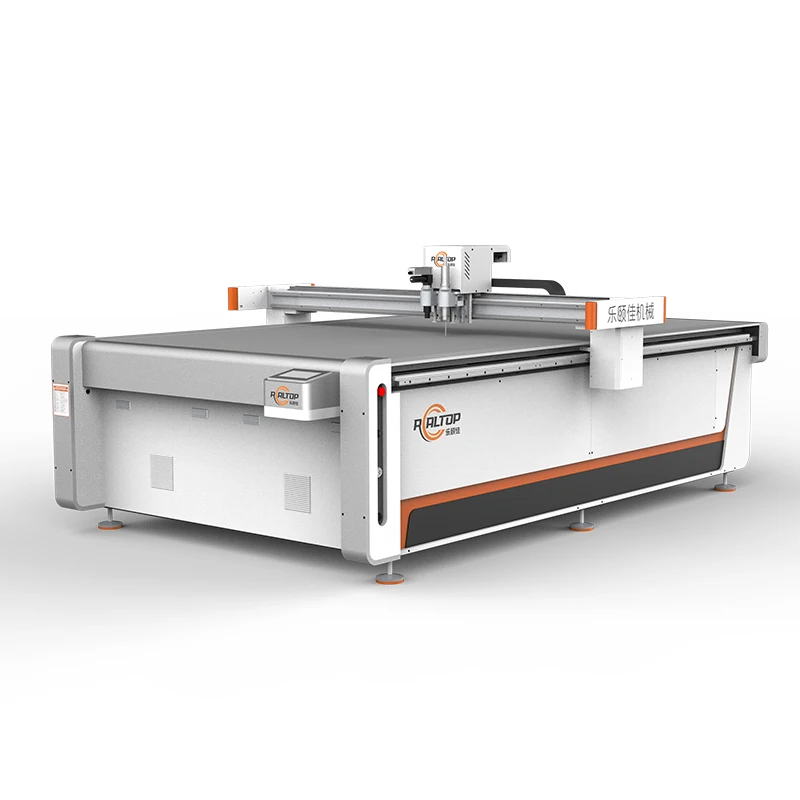
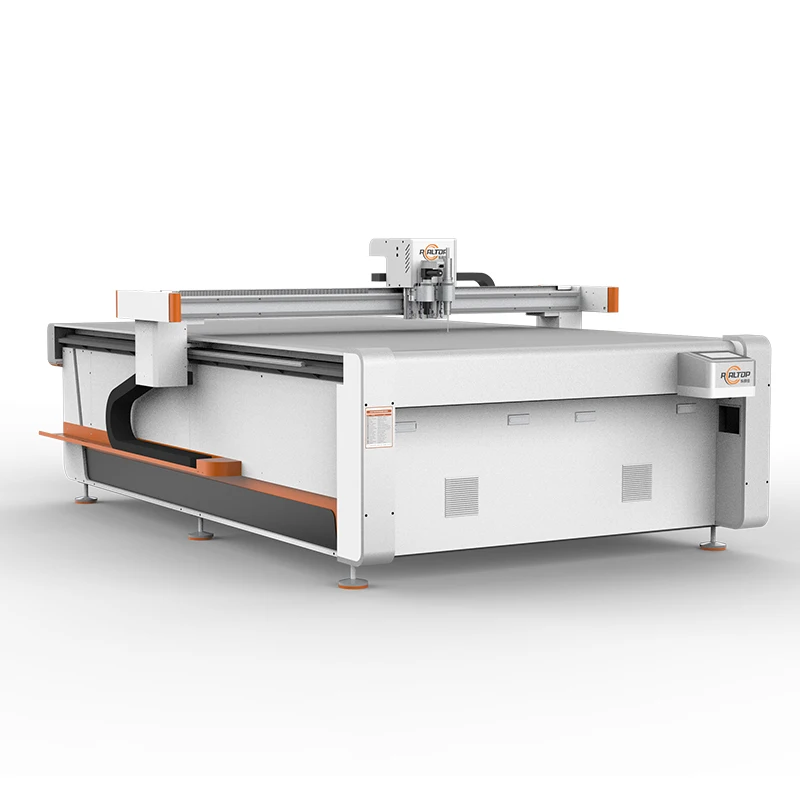
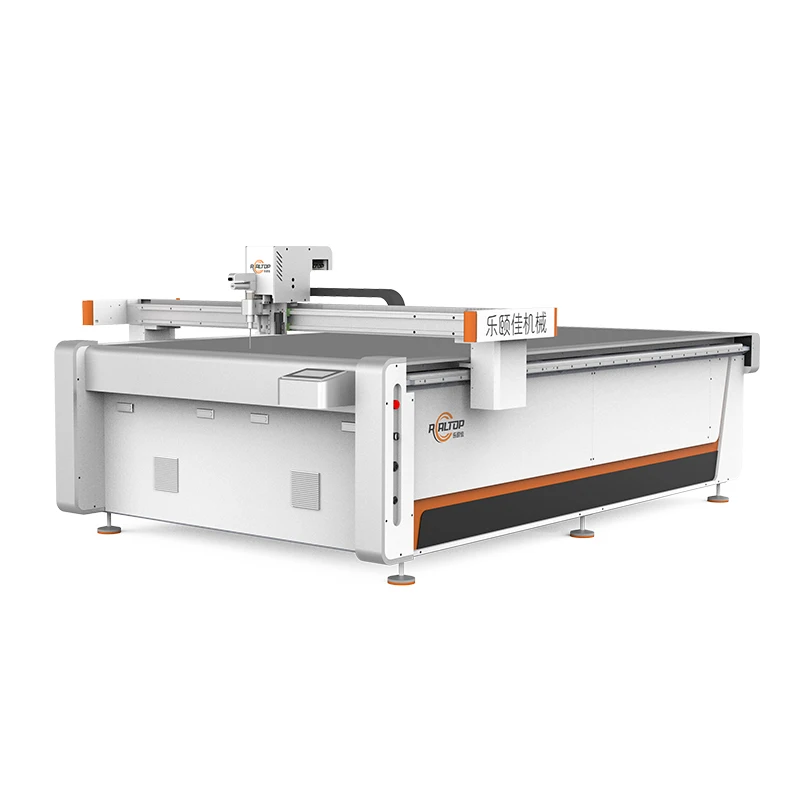
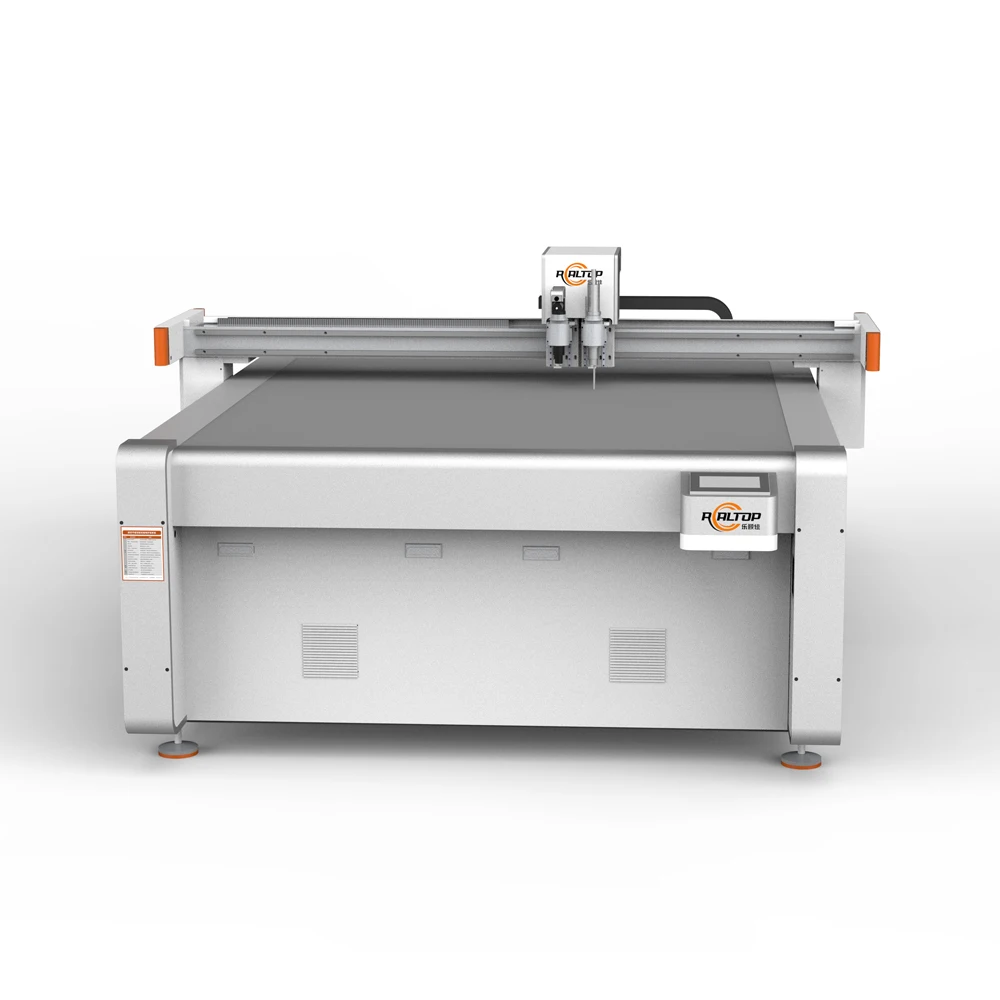
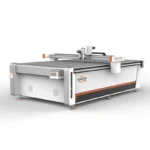
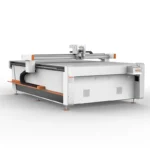
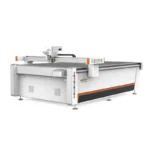
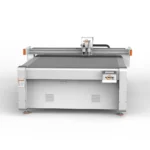

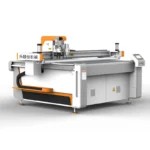
Acoustic Panel Cutter 2026 Vibrating Knife Machine for Composites
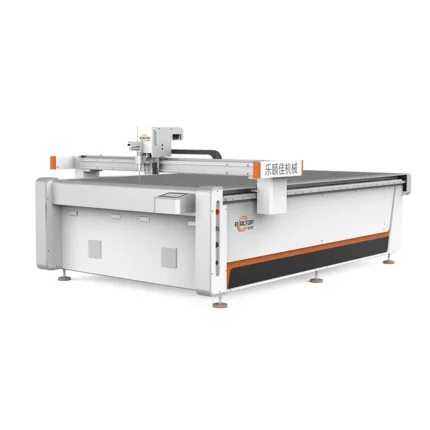
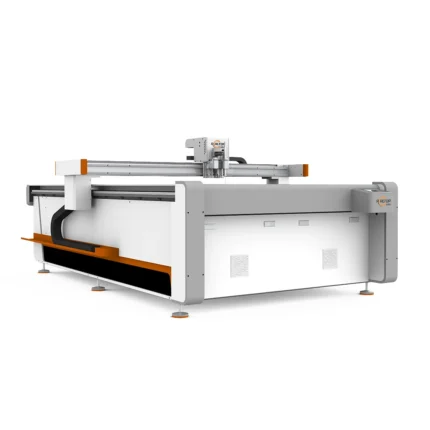
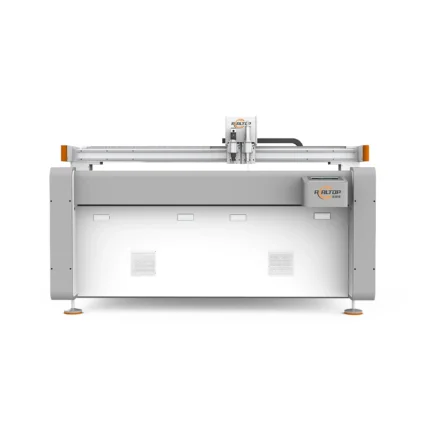
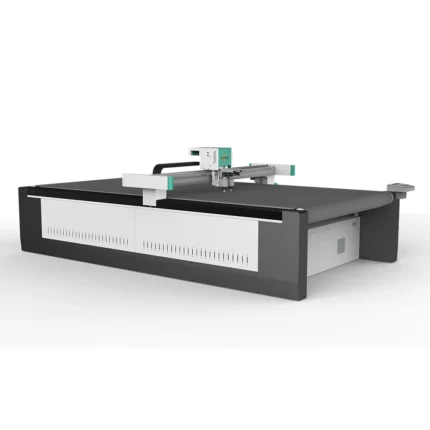
RT-D2516/RT-S2516 CNC Vibrating Knife Cutting Machine, 1600×2500mm Working Area, 9kW — configured for acoustic panel and composite material processing.
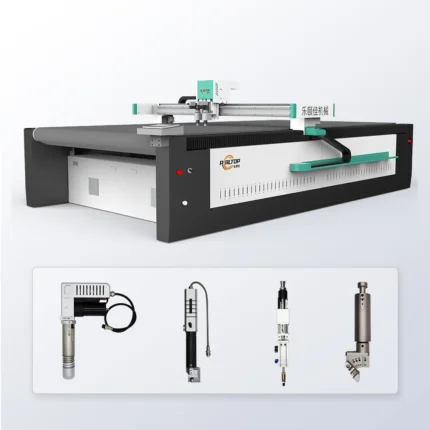
- Multiple tool head options including oscillating knife, pneumatic knife, and drag knife matched to material thickness and edge quality requirements
- Magnesium-aluminum alloy vacuum table with multi-zone suction prevents lift on small parts during cutting
- CCD camera positioning available for printed contour tracking at production speed
- ≤0.1mm repeatability with imported servo motors and linear guides
Sample cutting on buyer’s own material before commitment, with tool head and table configuration specified per application.
Tool Head and Table Configuration Specified Per Material — Every cutting method matched to the composite stock on the buyer’s own sample before the RT-D2516/RT-S2516 ships, avoiding the common mistake of forcing one blade type across varying densities.
Technical Specifications
| Parameter | Value |
|---|---|
| Product Type | CNC Vibrating Knife Cutting Machine |
| Model | RT-D2516/RT-S2516 |
| Working Area | 1600×2500 mm |
| Machine Size | 3450×2300×1250 mm |
| Rated Power | 9 kW |
| Voltage | 380V±10% |
| Translational Velocity | 800–2000 mm/s |
| Repeated Accuracy | ≤0.1 mm |
| Transmission System | Digital servo motor, linear guide, synchronous belt, ball screw (imported) |
| Servo Motor Brand | Delta or Panasonic (optional, IP67) |
| Control System | CNC (HP-GL compatible format) |
| Tool Head Options | Vibration full/half cutting, oscillating knife, pneumatic knife, high-power vibrating knife, circular knife, V-cutting knife, drag knife, creasing wheel, punching, brush |
| Vacuum Table | Magnesium-aluminum alloy, PVDF powder spraying, anodic/hard oxidation |
| Vacuum Pump | 7.5 kW, aviation aluminum shell, built-in silencer |
| Auto Feeding | Germany imported conveyor belt |
| Linear Guide | Taiwan Hiwin rail |
| Positioning Options | Small CCD mark point, panoramic camera, projection positioning |
| Safety Device | Infrared sensors (auto-pause on obstacle) |
Application Suitability
| Application | Material or Output |
|---|---|
| Acoustic panel fabrication | High-density fiberglass composite, mineral wool board, polyester fiber board |
| Gasket and seal production | Silicone sheet, industrial rubber, soft glass, PTFE composite |
| Automotive interior trimming | Sponge composite leather, PU foam, multilayer textile backing |
| Footwear and leather goods | Natural and synthetic leather, flexible PVC, textile uppers |
| Industrial packaging samples | Corrugated board, foam inserts, composite cushioning materials |
Why the Blade Selection Must Precede the Quote
Matching the knife oscillation frequency to the material density prevents edge delamination and tool wear that invalidate production estimates.
Buyers often specify a CNC vibrating knife cutting machine specifications based only on the working area, only to discover the default tool head cannot penetrate the density of their composite stock. A blade chosen for flexible PVC will struggle with fiberglass-reinforced acoustic board, producing frayed edges and requiring frequent replacement. I have seen panels scrapped in batches because the oscillation frequency was never tested against the actual material. [NEED_CITE: cutting tool selection standards for composite materials]
Specifying Tool Head Configurations for Composite Density
The RT-D2516/RT-S2516 supports a full range of cutting heads, from standard oscillating knives to high-power vibrating knives and pneumatic variants, allowing the operator to match the tool to the material. An oscillating knife cutter how to choose decision starts with the composite’s Shore hardness and fiber content. Denser fiberglass boards demand a high-amplitude vibrating head with a tungsten carbide blade, while soft sponge composites respond better to a drag knife or circular tool. Each head swaps onto the multifunctional carriage without recalibrating the entire gantry.
Vacuum Zoning Strategy for Nested Small Parts
Holding small gasket or footwear pattern pieces flat during high-speed cutting requires targeted suction rather than blanket vacuum across the full table. The magnesium-aluminum alloy table with PVDF coating provides a flat sealing surface, while the 7.5 kW pump delivers sufficient negative pressure to the specific zones under the cutting path. Without proper zoning, lightweight composite offcuts lift at translational speeds above 1200 mm/s, causing the blade to catch and tear the material edge. Multi-zone valve control addresses this without sacrificing throughput on the remaining bed area. [NEED_CITE: vacuum table zoning principles for CNC flatbed cutters]
How Core Parameters Shape Cutting Outcomes
The ≤0.1 mm repeated accuracy, driven by imported ball screws and Taiwan Hiwin linear guides, directly determines whether nested parts meet assembly tolerances on automotive interior panels. A servo motor rated IP67 from Delta or Panasonic ensures consistent feed rates even in workshops where composite dust accumulates on the drive components. The 380V±10% electrical specification means buyers in regions with unstable industrial grids must confirm whether voltage regulators are needed before commissioning. The 9 kW rated power covers simultaneous operation of the vacuum pump, servo drives, and oscillating head without tripping dedicated circuit breakers. For printed contour work, the optional CCD camera options—mark point, panoramic, or projection positioning—must be matched to the print registration method used on the composite sheets upstream.
The Cost of Skipping Material-Specific Validation
When a buyer commits to a configuration without cutting their own composite stock first, the consequences surface during the first production week. Ragged edges on acoustic panels force manual trimming that offsets any throughput gains. Crushed foam layers in sponge composites fail visual inspection and generate scrap. A CCD camera specified for mark point positioning may not track panoramic print features at full translational speed, requiring the operator to slow the machine and rework the nesting layout. These issues compound into missed delivery windows and eroded margins. [NEED_CITE: quality cost factors in CNC cutting production]
Direct Manufacturer Capabilities for Composite Fabricators
In-house design covers both knife and laser cutting technologies, so the cutting method matches the material rather than forcing one approach across all composites. Every RT-D2516/RT-S2516 tool head and table configuration is specified against the buyer’s actual material sample, not a generic catalog default. CCD camera positioning is validated on the buyer’s printed contour sheets before the order is finalized. Software compatibility with existing nesting workflows and HP-GL file formats is confirmed during the engineering review. Voltage, plug type, and control panel language are locked in before production begins, eliminating arrival-site electrical surprises. Sample cutting on the buyer’s own composite material is completed and documented before any commitment is required.
Documentation & Verification
- Machine specification sheet listing confirmed tool head and vacuum table configuration
- Electrical schematic with voltage and frequency validated for destination market
- Sample cutting report on buyer’s composite material with edge quality assessment
- Tool head selection guide matched to material type and thickness range
- Software licence and HP-GL file format compatibility confirmation note
- Factory test record documenting repeated accuracy and cutting speed validation
Installation, Commissioning & Support
- Requires dedicated 380V circuit with capacity for 9 kW peak draw plus vacuum pump load
- 3450×2300 mm footprint needs clear floor space with level concrete subfloor for gantry stability
- Arrives partially assembled; gantry, table, and conveyor belt require on-site mechanical alignment
- First commissioning includes vacuum zoning calibration and servo drive parameter tuning
- Operator training covers tool head changeover, CCD camera calibration, and nesting software workflow
- Spare parts list includes replacement blades, vacuum seals, and conveyor belt segments
Preparing Your Inquiry for Accurate Configuration
Composite fabricators should provide the specific material type, maximum thickness, and typical sheet dimensions to begin the configuration process. Daily cutting volume and nesting layout complexity determine whether auto-feeding and CCD positioning are necessary. Confirming the local industrial voltage, frequency, and preferred control language avoids delays after shipment.
Frequently Asked Questions
Q: How is maximum cutting thickness verified for different composite materials?
A: Each material type—fiberglass board, silicone, sponge composite—requires a separate sample cutting test. We run the RT-D2516/RT-S2516 at multiple oscillation frequencies and feed speeds on your actual stock, then document edge quality and achievable thickness per tool head type before finalizing the configuration.
Q: How should the vacuum table be zoned for small gasket or pattern parts?
A: The magnesium-aluminum table supports multi-zone valve control. During sample testing, we identify which zones must remain active to hold your smallest nested parts at full translational speed without lifting, then set the default configuration in the control system accordingly.
Q: Which CCD positioning option works best for printed contour cutting?
A: Mark point positioning suits sheets with discrete registration marks, while panoramic recognition handles full-sheet print layouts. We test your printed composite sheets at production speed to confirm the camera tracks contours without requiring the operator to reduce feed rate.
Q: What voltage and control language options are available before shipment?
A: The standard configuration is 380V±10% with CNC control. Voltage can be adapted to local industrial standards, and the control interface language is confirmed during the engineering review. All electrical specifications are locked before production begins.
Q: How do I run a sample cutting test before placing an order?
A: Send a representative sample of your composite material with the thickness and density you intend to cut. We configure multiple tool heads, run cutting tests, and deliver a documented report covering edge quality, achievable speed, and recommended configuration for your review.


Related products

2026 Oscillating Knife Foam Insert Digital Packaging Cutter
Product Introduction
Designed for foam insert cutting, this 2026 Digital Packaging Cutter features oscillating knife technology, ideal for precise digital packaging applications with efficient cutting performance.Product Parameters
| Parameter | Details |
|---|---|
| Type | Oscillating Knife Cutting Machine |
| Application | Foam Insert Cutting |
| Model Year | 2026 |
| Category | Digital Packaging Cutter |

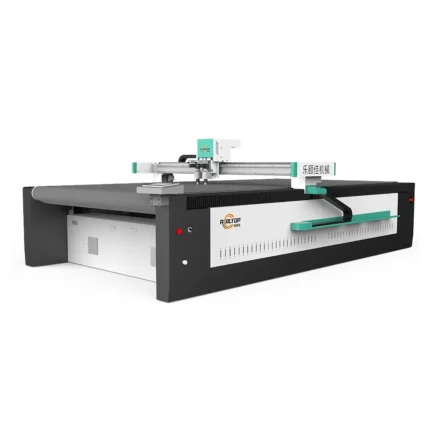
2516 CNC Vibrating Knife Cutting Machine 2026
Product Introduction
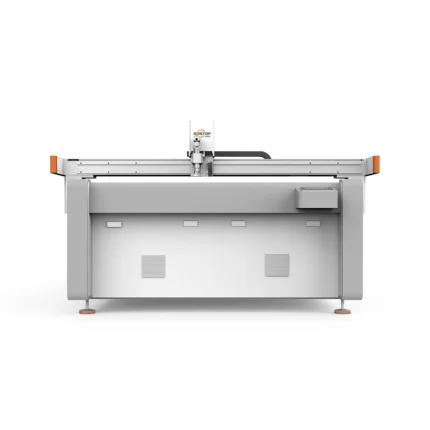
2516 CNC Vibrating Knife Cutting Machine 2026, a precision cutting solution from China's leading welding & cutting equipment manufacturer. Ideal for efficient, high-quality material processing with advanced CNC technology.
Key Specifications
| Model | 2516 |
| Type | CNC Vibrating Knife Cutting Machine |
| Year | 2026 |
| Origin | China |

Foam Sheet Cutter EVA Oscillating Blade Contour Cutter 2026
Product Introduction
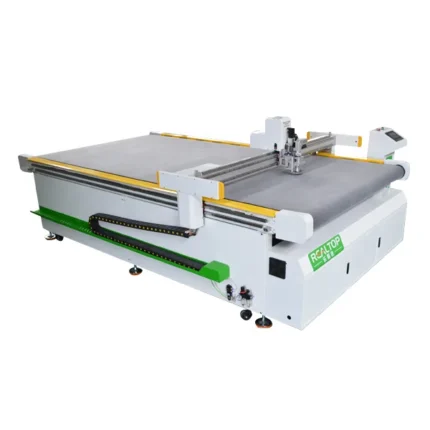
Designed for precise cutting of foam sheets and EVA materials, this 2026 oscillating blade contour cutter offers efficient and accurate contour cutting performance, ideal for industrial manufacturing and crafting applications.Key Specifications
| Product Type | Foam Sheet Cutter |
| Blade Type | Oscillating Blade |
| Function | Contour Cutting |
| Material Compatibility | EVA, Foam Sheets |
| Model Year | 2026 |

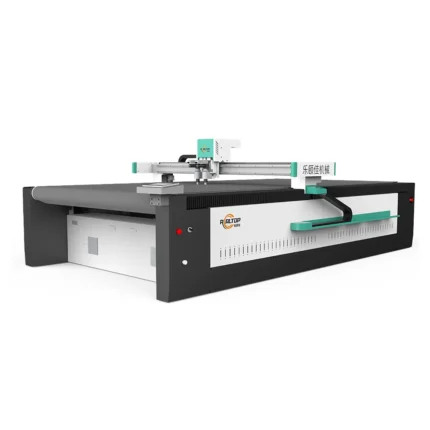
Realtop CNC Felt Plastic Cutting Machine 2026
Product Introduction
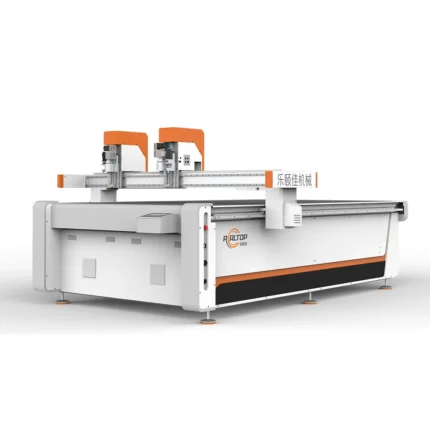
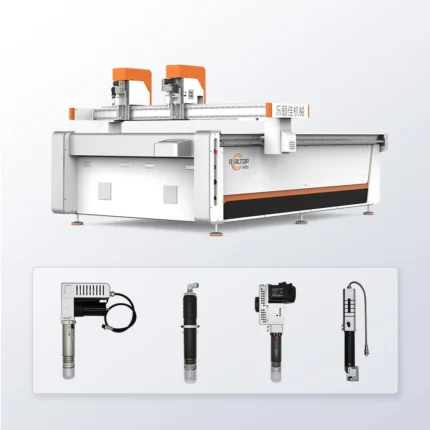
Realtop CNC Felt Plastic Cutting Machine 2026 is a precision cutting solution designed for felt and plastic materials, ideal for manufacturing applications. It combines advanced CNC technology to deliver accurate and efficient cutting performance, suitable for various industrial production needs.Key Specifications
| Model | Realtop CNC Felt Plastic Cutting Machine 2026 |
| Application | Felt & Plastic Cutting |
| Technology | Advanced CNC System |
| Performance | Precision & Efficient Cutting |
Realtop EPE Cutting Machine 2026 High-Speed Digital Auto Cut
Product Introduction
Realtop 2026 EPE Cutting Machine features high-speed digital auto-cut technology, designed for efficient and precise cutting operations. Ideal for EPE material processing with automated functionality to enhance productivity.Key Specifications
| Model | Realtop EPE Cutting Machine 2026 |
| Type | High-Speed Digital Auto Cut |
| Operation | Automated |
| Application | EPE Material Cutting |
商品评价
There are no reviews yet.