






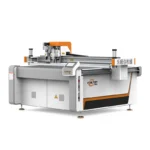
Carpet CNC Cutting Machine with Scanning System | OEM Available
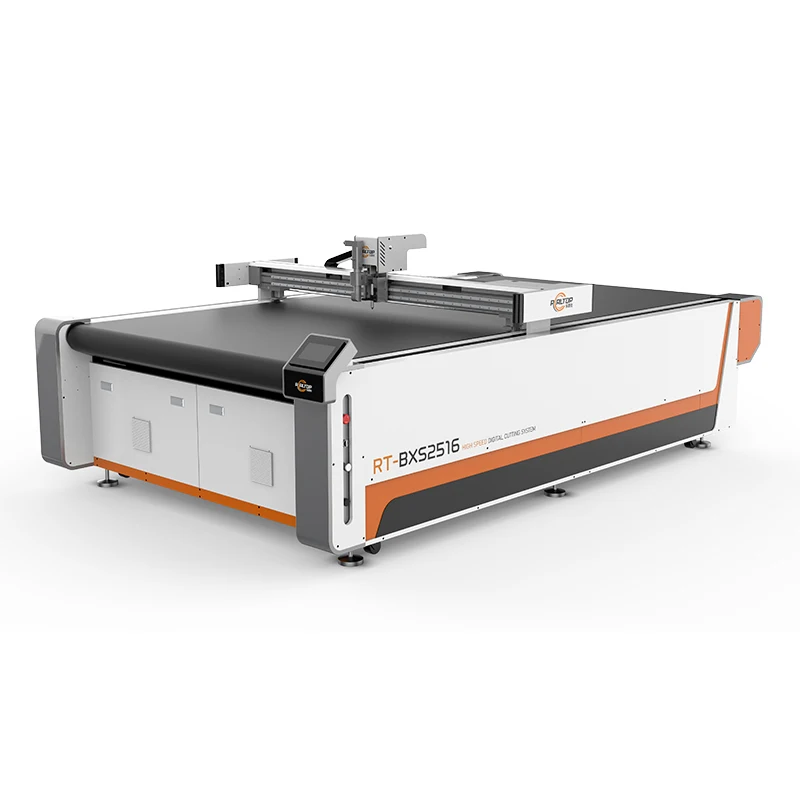
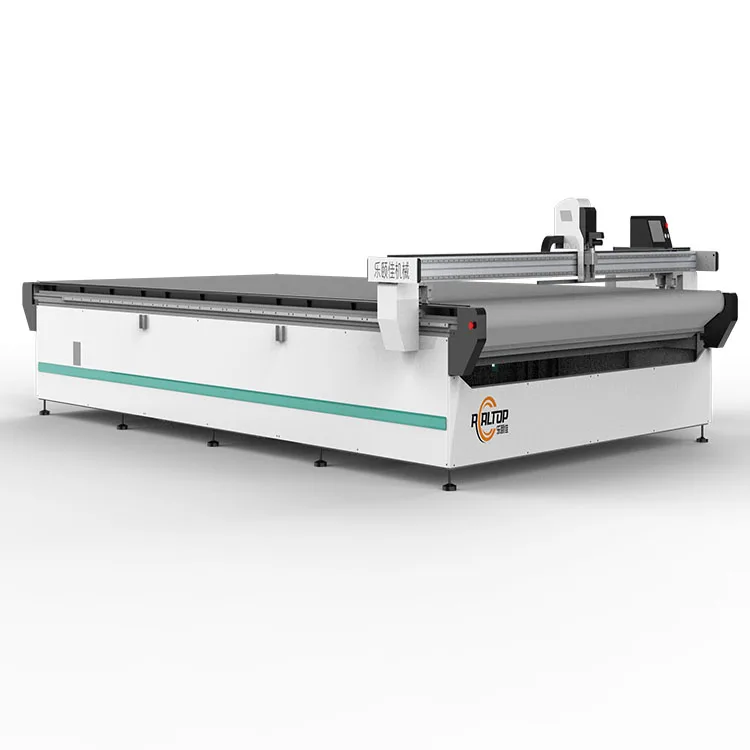
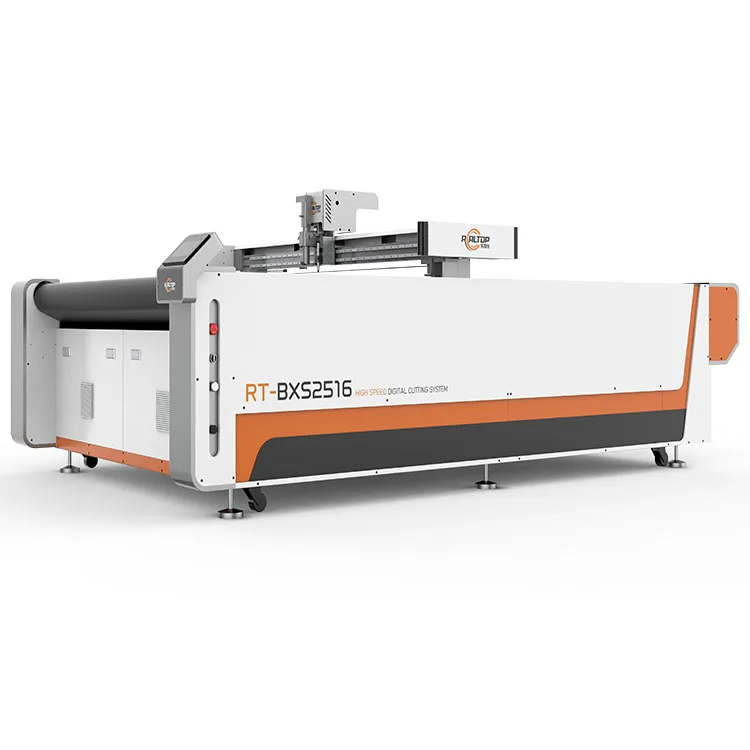
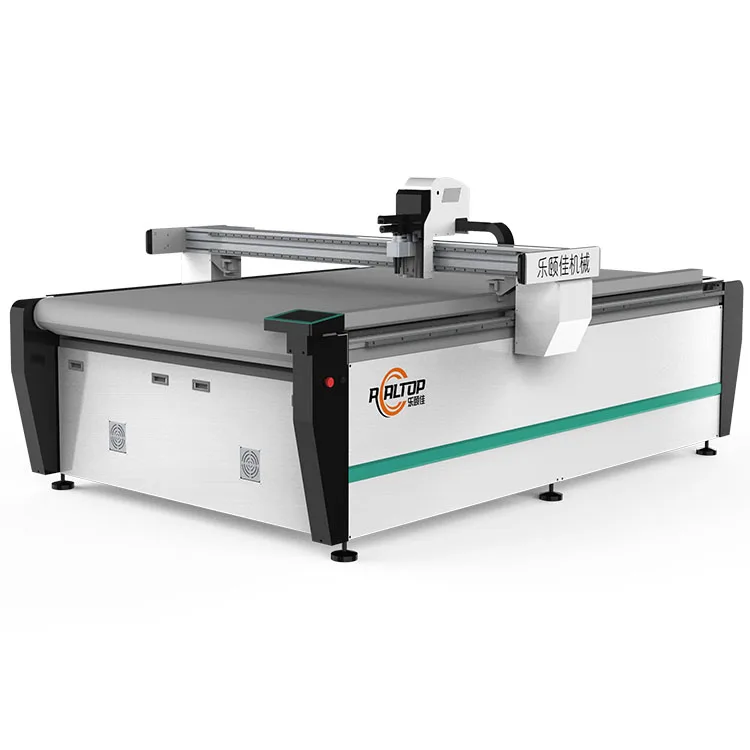
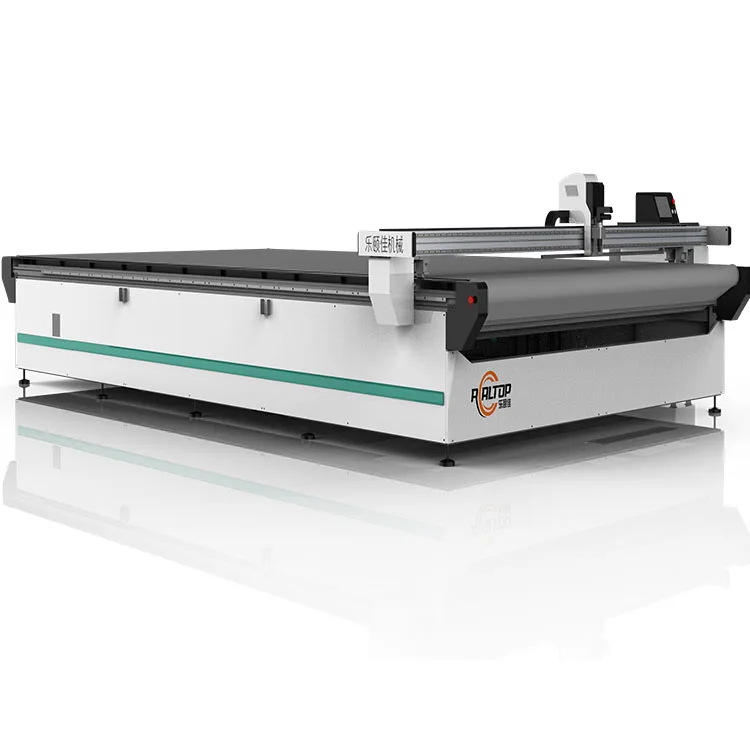
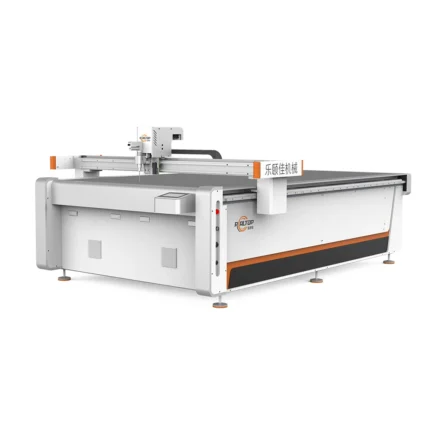
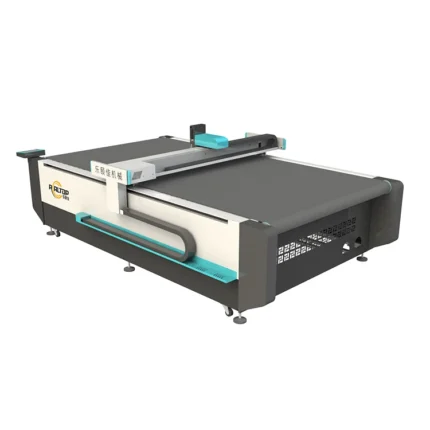
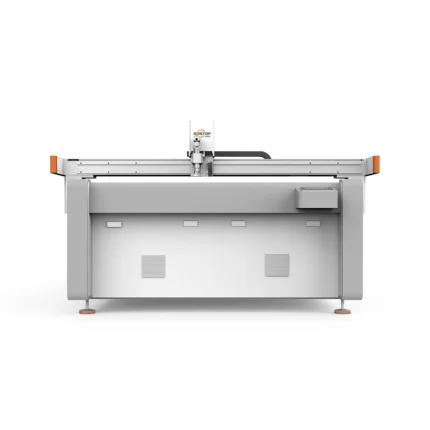
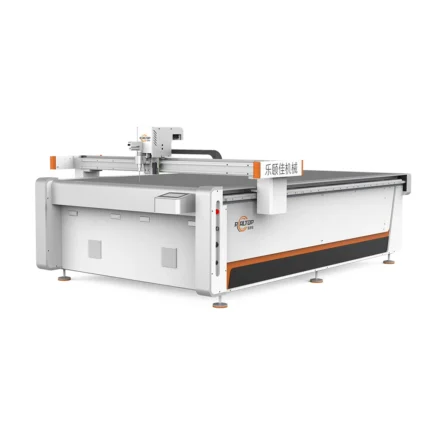
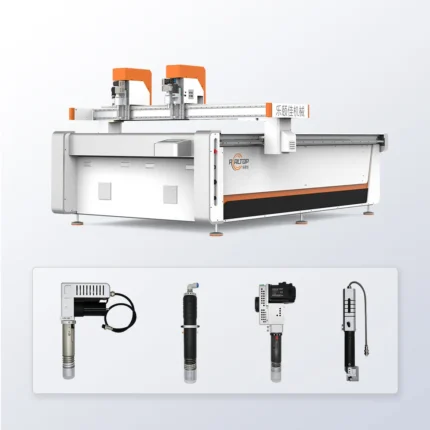
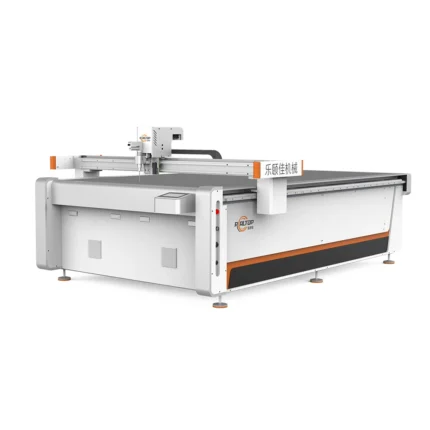
RT-D2516/RT-S2516 Carpet CNC Cutting Machine, 1600×2500mm Working Area, CCD Visual Positioning — oscillating knife head delivers burr-free edges on carpet and composites without thermal damage or fume generation typical of CO2 laser on thick flexible materials. Zoned magnesium-aluminum vacuum table maintains consistent hold across large panels.
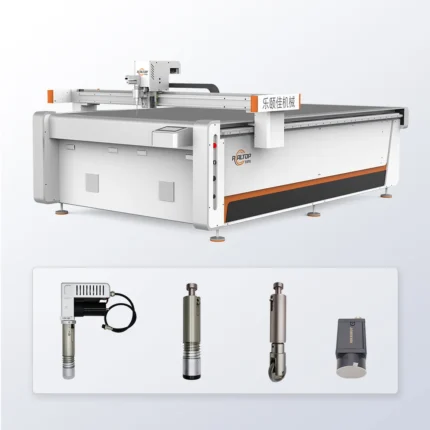
- Swiss knife supports full cut, half cut and cursor location
- Panoramic camera tracks printed contours at production speed
- Repeatability ≤0.1mm on welded steel frame
Sample cutting on your material confirms edge quality and configuration before order.
Process Selection Over Speculation — Matching the cutting method to your material rather than forcing one technology is how we prevent edge quality failures on composites and carpet before the machine ships.
Technical Specifications
| Parameter | Value |
|---|---|
| Product Type | CNC Oscillating Knife Cutting Machine |
| Model | RT-D2516/RT-S2516 |
| Working Area | 1600×2500 mm |
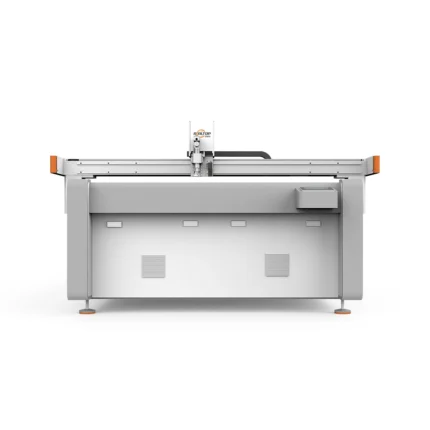
| Machine Dimensions | 3450×2300×1250 mm |
| Rated Power | 9 kW |
| Vacuum Pump | 7.5 kW |
| Table Type | Flat working table, magnesium-aluminum alloy with fluorocarbon PVDF powder spraying |
| Frame Construction | Welded thick-walled seamless steel, high-temperature tempering, CNC machining center finished |
| Translational Velocity | 800–2000 mm/s |
| Cutting Speed | 200–800 mm/s (varies with material) |
| Cutting Thickness | ≤100 mm (varies with material) |
| Repeated Accuracy | ≤0.1 mm |
| Transmission System | Digital servo motor, linear guide, synchronous belt, ball screw |
| Rail | Taiwan Hiwin |
| Conveyor Belt | Germany imported |
| Servo Motor | Delta (source value — verify against manufacturer catalog) |
| Tool Head Options | Oscillating knife, pneumatic knife, high-power vibrating knife, circular knife, V cutting knife, drag knife, creasing wheel, dotted line knife, punching, brush |
| Visual Positioning | Small CCD camera mark point positioning, panoramic camera recognition, projection positioning |
| Multifunctional Head | Swiss imported knife with vibration full cutting, half cutting, cursor location |
| Instruction System | HP-GL compatible format |
| Safety Device | Infrared sensors |
| Voltage | 380V±10% |
| Standards | CE |
Application Suitability
| Application | Material or Output |
|---|---|
| Carpet and floor-covering contour cutting | Printed carpet rolls, woven and tufted carpet tiles with CCD-tracked registration marks |
| Automotive interior component production | Sponge composite leather, rubber gasket sheets, layered foam laminates |
| Signage and soft-board fabrication | PVC foam board, silicone sheet, soft glass without thermal edge damage |
| Flexible material processing for shoes and bags | Leather, synthetic leather, textile composites |
| Packaging sample and carton prototyping | Corrugated board, folding carton stock with creasing and perforating |
Why Cutting Depth Claims Fail on Thick Carpet and Composites
A cutting thickness number without a material qualifier is the fastest way to buy the wrong machine. Buyers routinely receive a quoted maximum thickness based on soft foam, then discover the same machine stalls or produces ragged edges when fed dense carpet backing or fiberglass-reinforced composite board. The Laser Cutting and Engraving Machine manufacturer catalog may list impressive peak values, but real cutting capacity depends on the interplay of material density, knife oscillation frequency, and vacuum hold-down force [NEED_CITE: material-specific cutting thickness verification methods].
I once watched a machine specified for 100 mm of soft PVC foam fail at 30 mm of dense sponge composite leather. The blade deflected, the edge frayed, and the operator had to slow the feed rate so much that throughput collapsed. The machine was not defective — it was simply matched to the wrong material profile. That mismatch happens far more often than buyers expect, and it almost always surfaces after the machine is already on the factory floor.
Edge Quality Without Thermal Damage
Physical blade cutting produces straight, burr-free edges on carpet and composites without the burnt edges, discoloration, or fume generation associated with CO2 laser processing. For thick layered flexible materials — especially those containing PVC or chlorine-based compounds — a knife cutting table avoids the toxic gas risk entirely. This Laser Cutting and Engraving Machine manufacturer line uses Swiss imported oscillating knife heads capable of full cut, half cut, and cursor location in a single setup, so operators switch between contour cutting and kiss-cutting without tool changes.
Contour Registration at Production Speed
Carpet rolls printed with registration marks demand a vision system that tracks those marks reliably at full cutting speed, not just during slow test runs. The panoramic camera recognition option on this machine reads printed contours across the full working area, and the CCD mark-point system handles smaller, discrete reference dots. When cutting automotive interior composites with pre-printed grain patterns, the visual positioning system adjusts the cut path in real time to follow the material’s actual lay position [NEED_CITE: CCD visual positioning accuracy on flexible roll materials].
Specs That Translate to the Shop Floor
The welded thick-walled steel frame, finished through high-temperature tempering and CNC machining, resists the vibration forces generated by the oscillating knife head at high frequency. This matters because frame deflection accumulates as positional error over thousands of cutting cycles, and a repeatability of ≤0.1 mm only holds if the structure remains stable. The Taiwan Hiwin linear guides and Delta servo motors provide the motion resolution needed to keep the knife tip on path when cutting intricate carpet contours. The magnesium-aluminum vacuum table with fluorocarbon PVDF coating resists the adhesive residues and chemical exposure common in composite material processing, while the 7.5 kW vacuum pump delivers the hold-down force needed to prevent material lift on small, intricate parts [NEED_CITE: vacuum table zoning requirements for small composite parts]. The 9 kW rated power covers the combined load of servo drives, vacuum pump, and oscillating knife motor without requiring a separate circuit.
The Cost of Specifying on Working Area Alone
Choosing a machine based on table size without confirming the tool head, vacuum zoning, and knife oscillation frequency for your specific material leads to predictable failures. Small composite parts lift off an un-zoned vacuum surface mid-cut, producing scrap. A drag knife specified for thin vinyl cannot handle 20 mm sponge composite leather, leaving crushed edges and delaminated layers. CCD systems calibrated only for rigid board cannot track the registration marks on flexible carpet rolls that shift during unrolling. These problems are not warranty issues — they are specification gaps [NEED_CITE: common specification mismatches in CNC cutting equipment procurement].
Why Buyers Specify This Line
In-house design and production covering both knife and laser technologies means the cutting method is matched to the material, not forced into a single process. Tool head and table configurations are specified per material type and production volume, so a carpet converter and a gasket producer receive different setups on the same platform. CCD camera positioning for printed contour work is verified on the buyer’s actual roll stock before the machine ships. Software compatibility with HP-GL and nesting workflows is confirmed during the quotation stage, preventing file-format deadlocks at commissioning. Sample cutting on the buyer’s own material — whether dense carpet or layered composite — documents achievable edge quality and thickness before commitment.
Documentation & Verification
- Machine specification sheet listing confirmed tool head and vacuum table zoning per material
- Electrical schematic and voltage confirmation matching destination country standards
- Sample cutting report on buyer’s own carpet or composite material documenting edge quality
- Factory test record with positional accuracy measurements before dispatch
- Software licence and file format compatibility note verified against buyer’s CAD system
- Spare parts list covering knife blades, vacuum seals, and conveyor belt segments
Installation, Commissioning & Support
- Foundation requirements assessed against 3450×2300×1250 mm machine footprint and 9 kW total load
- Dedicated 380V±10% three-phase circuit with isolated ground confirmed before delivery
- Machine shipped partially assembled; frame, table, and gantry aligned on-site
- First-run commissioning includes oscillation frequency calibration to buyer’s material
- Operator training covers CCD mark registration setup for printed carpet contours
- Scheduled maintenance intervals for Hiwin rail lubrication and vacuum pump filter replacement
What to Share Before Quoting
Send a sample of the actual material you intend to cut — including carpet backing type, composite layer structure, or foam density — along with your target daily volume and maximum sheet dimensions. Confirm your facility voltage, frequency, and preferred control interface language. If you use a specific nesting software or CAD system, share a sample file so we can verify format compatibility and cutting path accuracy before building the machine.
Frequently Asked Questions
Q: Knife versus laser — which process suits thick carpet and layered composites?
A: Knife cutting avoids thermal damage entirely, making it the standard for PVC-containing composites and thick carpet where CO2 laser produces burnt edges and toxic fumes. Layered flexible materials with adhesive interlayers also cut cleaner with an oscillating knife, since the blade separates plies without melting them back together.
Q: How is cutting thickness verified per material?
A: The stated ≤100 mm maximum applies to specific low-density materials. For your actual material, we run a sample cutting test documenting achievable thickness, edge quality, and cutting speed. The sample report becomes part of the configuration specification before the order is finalized.
Q: Can the CCD system track printed marks at production speed on carpet rolls?
A: The panoramic camera option is designed for continuous contour tracking on flexible roll materials. We test the system with your printed carpet sample to confirm mark detection reliability at the cutting speed your production volume requires, not at a reduced demonstration speed.
Q: How do you handle voltage and control language for overseas installation?
A: The baseline 380V±10% configuration is confirmed against your facility power standards before production. Control interface language, plug type, and electrical documentation are matched to your destination country requirements and recorded on the electrical schematic shipped with the machine.
Q: What does the sample cutting report cover?
A: The report documents the specific tool head used, oscillation frequency, cutting speed, vacuum pressure setting, edge quality photographs, and dimensional accuracy measurements on your material. It serves as the baseline for the final machine configuration and is signed off before production begins.


Related products
2026 High-Speed Rubber Sheet Cutter 120m/min CNC
Product Introduction
2026 High-Speed Rubber Sheet Cutter is a CNC composite cutting machine designed for efficient cutting operations, ideal for rubber sheets and composite materials with high precision and speed.
Product Parameters
| Cutting Speed | 120m/min |
| Control System | CNC |
| Application | Rubber Sheets, Composite Materials |

2516 CNC Vibrating Knife Cutting Machine 2026
Product Introduction
2516 CNC Vibrating Knife Cutting Machine 2026, a precision cutting solution from China's leading welding & cutting equipment manufacturer. Ideal for efficient, high-quality material processing with advanced CNC technology.
Key Specifications
| Model | 2516 |
| Type | CNC Vibrating Knife Cutting Machine |
| Year | 2026 |
| Origin | China |
Acoustic Panels CNC Knife Cutting Machine 2026
Product Introduction
Designed for precision cutting of acoustic panels, this 2026 CNC knife cutting machine offers efficient and accurate processing, ideal for acoustic panel manufacturers seeking high-quality results.Product Parameters
| Model | Acoustic Panels CNC Knife Cutting Machine 2026 |
| Application | Acoustic Panels Cutting |
| Type | CNC Knife Cutting Machine |
| Year | 2026 |

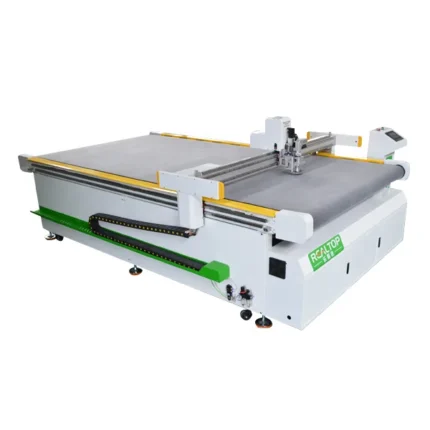
Foam Sheet Cutter EVA Oscillating Blade Contour Cutter 2026
Product Introduction
Designed for precise cutting of foam sheets and EVA materials, this 2026 oscillating blade contour cutter offers efficient and accurate contour cutting performance, ideal for industrial manufacturing and crafting applications.Key Specifications
| Product Type | Foam Sheet Cutter |
| Blade Type | Oscillating Blade |
| Function | Contour Cutting |
| Material Compatibility | EVA, Foam Sheets |
| Model Year | 2026 |
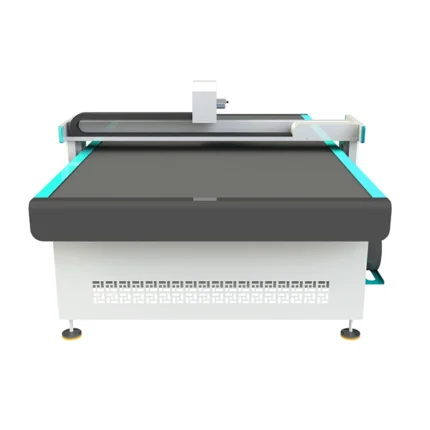
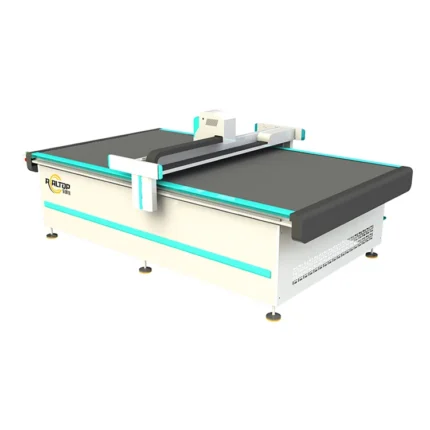
Oscillating Knife Cutter 2500x1600mm Composite Material Cutter
Product Introduction
Designed for composite materials processing, this oscillating knife cutter features a large 2500x1600mm working area, ensuring efficient handling of various composite material cutting tasks with precision and reliability.Product Parameters
| Working Area | 2500x1600mm |
| Cutting Type | Oscillating Knife |
| Application | Composite Materials |
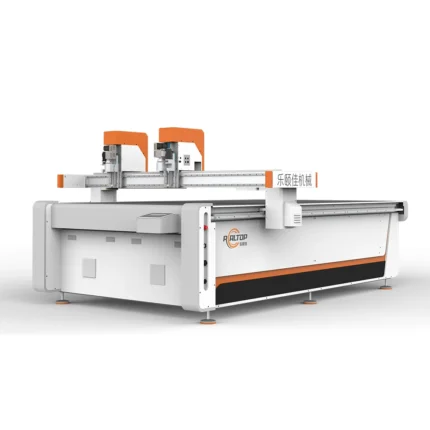
Realtop 2026 XPE Foam Cutter High-Precision Roller
Product Introduction
High-precision Realtop XPE Foam Cutting Machine 2026 with roller cutting system, ideal for efficient foam processing with accuracy. Perfect for manufacturing and industrial foam cutting applications.Key Specifications
| Model | Realtop XPE 2026 |
| Type | Roller Foam Cutter |
| Precision | High-Precision |
| Application | Foam Cutting |
商品评价
There are no reviews yet.