

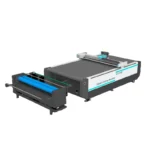
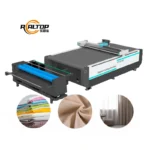
Auto Fabric CNC Cutting Machine High-Speed Precision Cutter
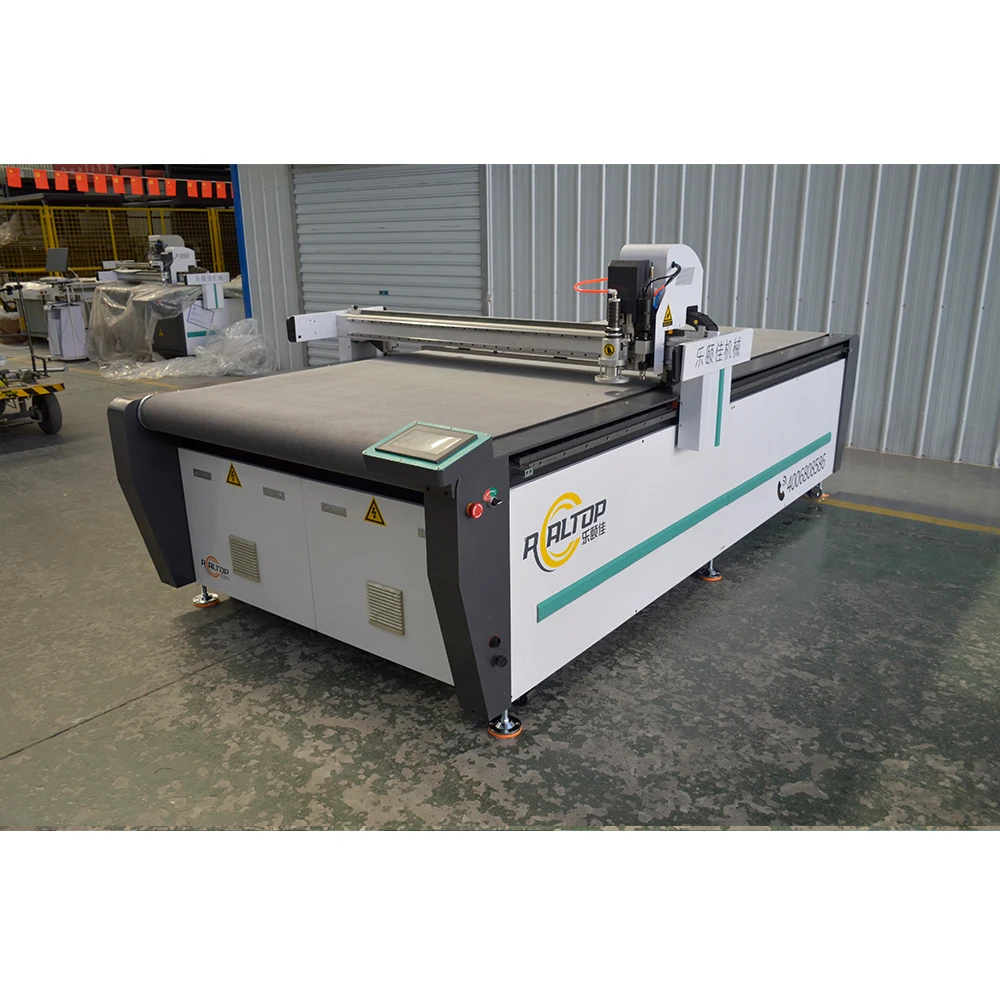
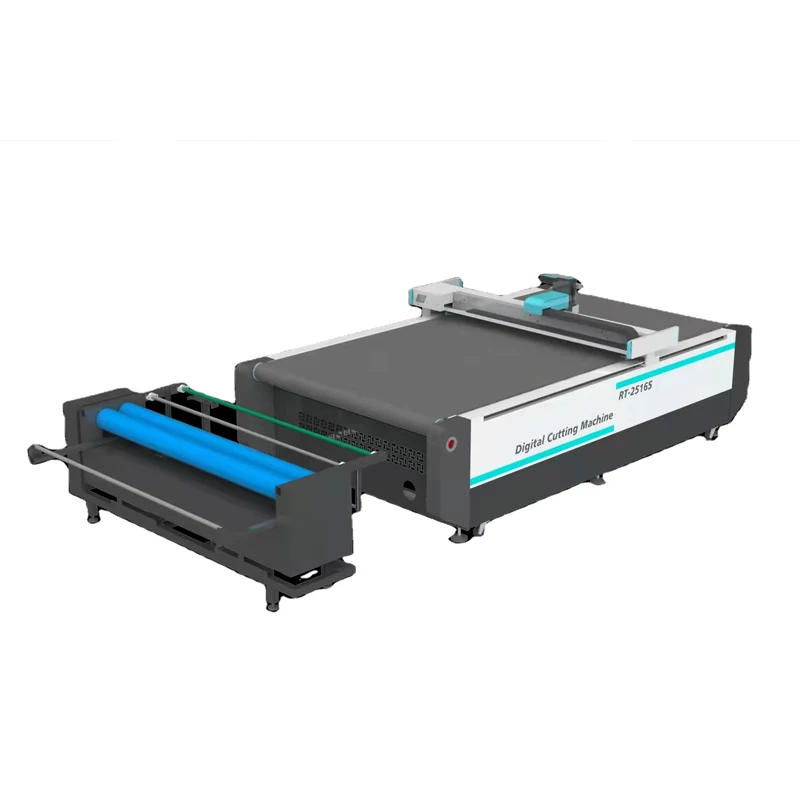
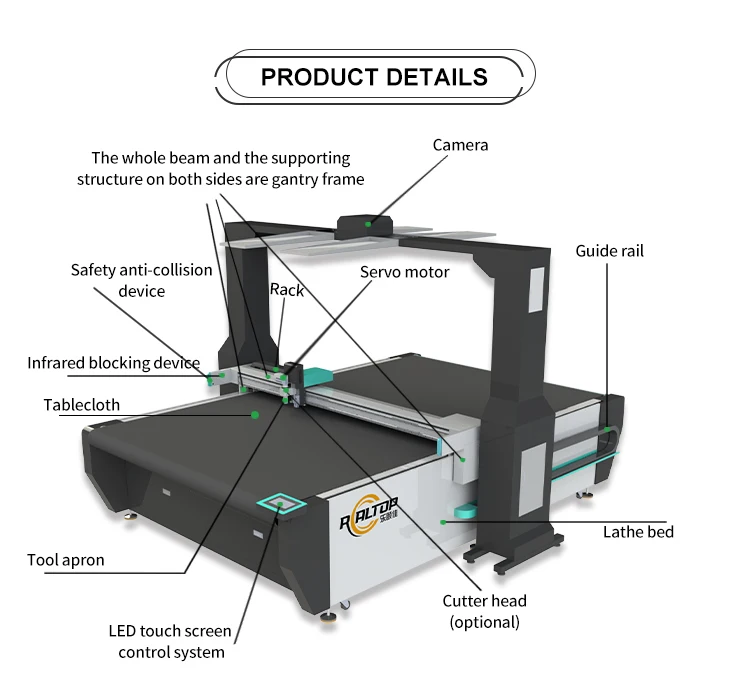
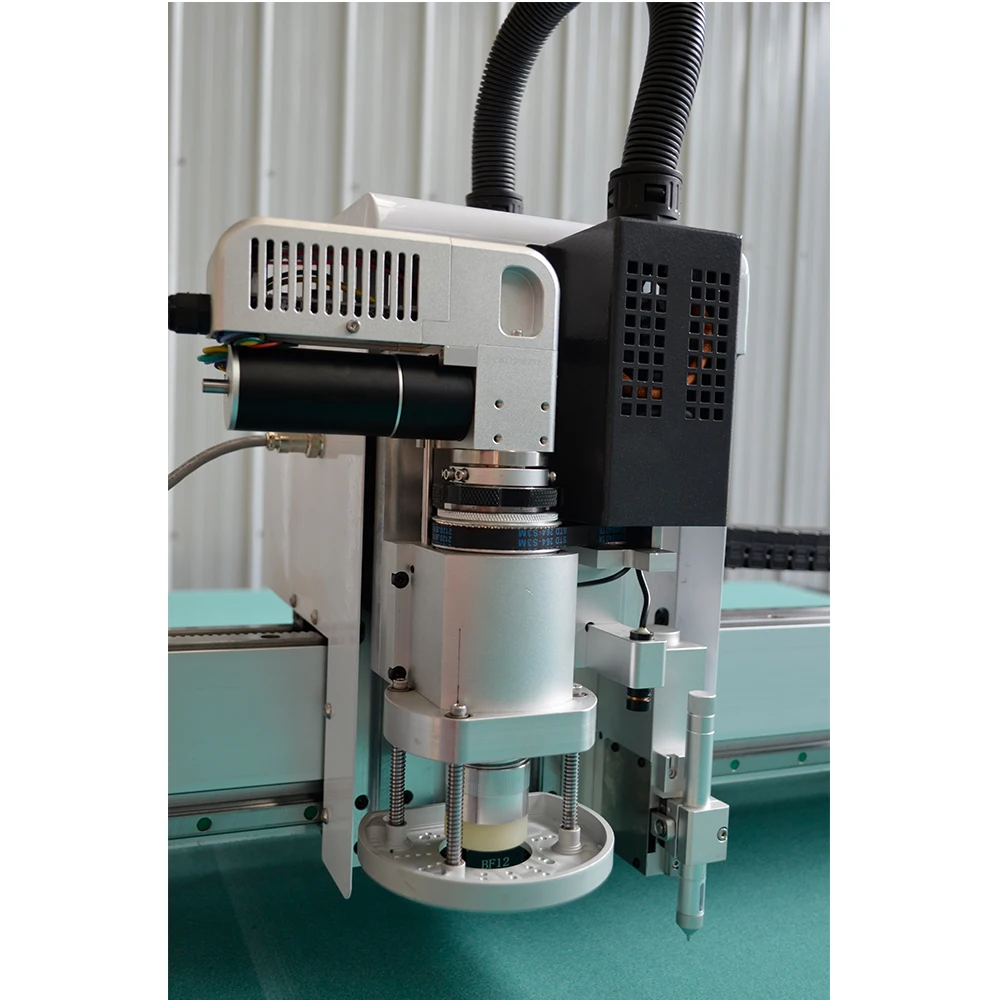
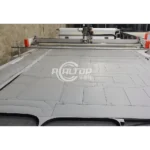
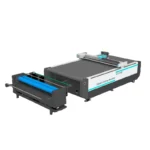
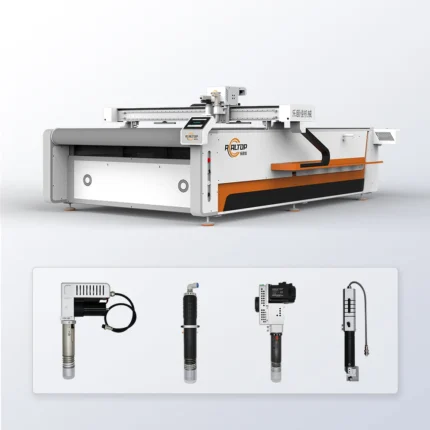
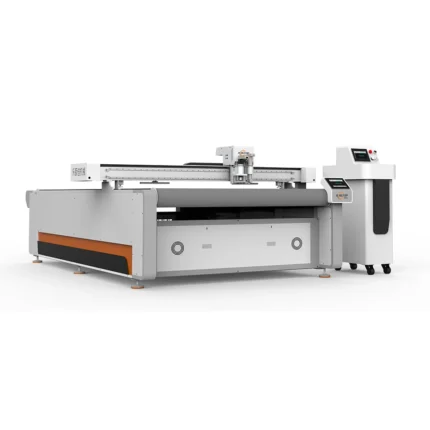
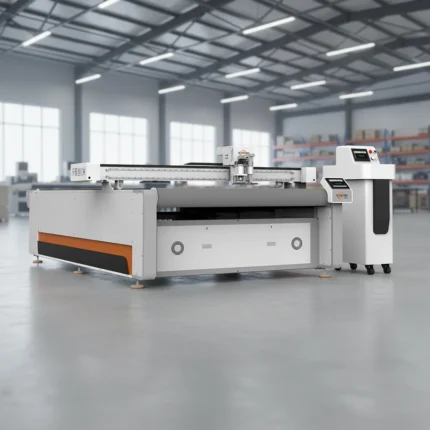
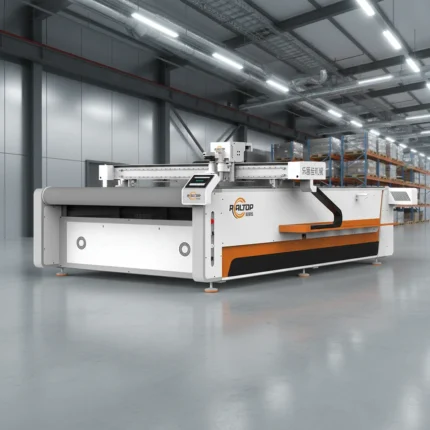
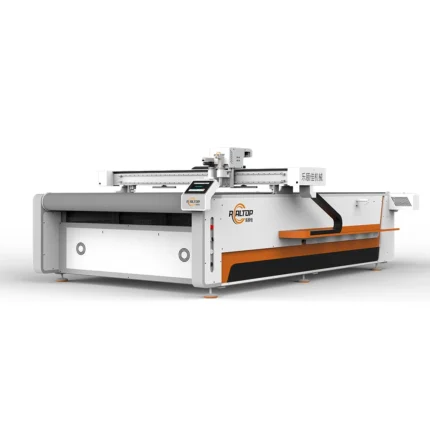
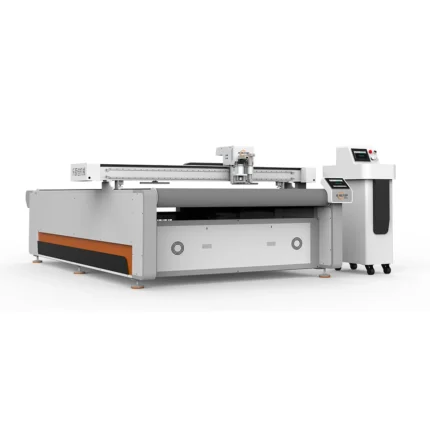
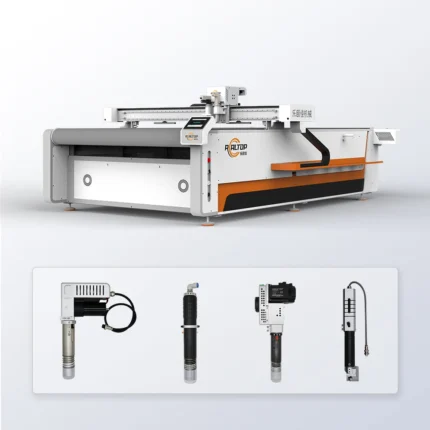
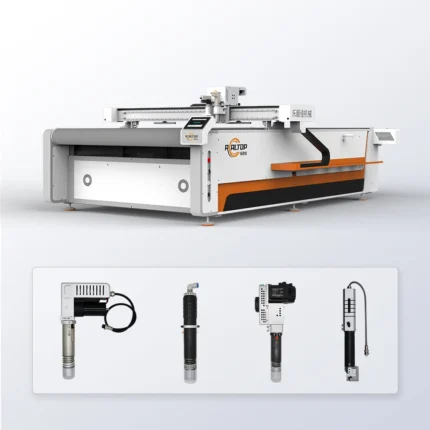
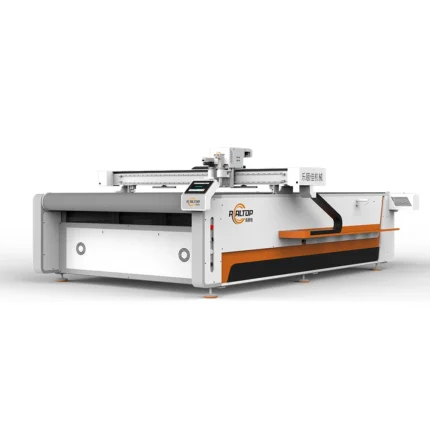
RT-D2516/RT-S2516 CNC Oscillating Knife Cutting Machine, 1600×2500 mm Working Area, 9 kW Rated Power — configured for fabric, leather, foam, and composite material cutting with Swiss imported vibration knife, CCD camera positioning, and magnesium-aluminum vacuum table.
- Multi-tool head supports full cut, half cut, drag knife, creasing wheel, and punching for flexible material workflows
- Delta/Panasonic servo motors with ≤0.1 mm repeated accuracy and 200–800 mm/s cutting speed
- Vacuum table with PVDF coating and zoned suction holds small parts flat during high-speed contour cutting
Sample cutting on your own material is provided before commitment, with tool head and voltage configuration confirmed to match your production requirements.
In-house laser process development — REALTOP tests every RT-D2516/RT-S2516 configuration against your actual fabric samples before the crate is sealed, ensuring the cutting method matches your material rather than forcing a compromise.
Technical Specifications
| Parameter | Value |
|---|---|
| Product Type | CNC Oscillating Knife Cutting Machine |
| Model | RT-D2516/RT-S2516 |
| Working Area | 1600 × 2500 mm |
| Machine Size | 3450 × 2300 × 1250 mm |
| Rated Power | 9 kW |
| Voltage | 380V ±10% |
| Cutting Speed | 200–800 mm/s (according to different cutting materials) (basis not stated in source) |
| Cutting Thickness | ≤100 mm (varies with material) |
| Repeated Accuracy | ≤0.1 mm |
| Translational Velocity | 800–1200 mm/s |
| Servo Motor | Delta or Panasonic, IP67 waterproof |
| Transmission System | Digital servo motor, linear guide, synchronous belt, imported ball screw |
| Vacuum Table | Magnesium-aluminum alloy, PVDF powder spraying, anodic oxidation, hard oxidation |
| Vacuum Pump | 7.5 kW with built-in silencer sponge |
| Visual Positioning Options | Small CCD mark point, panoramic camera recognition, projection positioning |
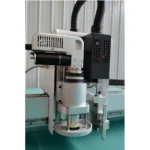
| Multifunctional Head | Swiss imported knife; options include pneumatic knife, high-power vibrating knife, circular knife, V-cutting knife, drag knife, creasing wheel, punching tool, brush |
| Instruction System | HP-GL compatible format |
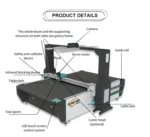
| Safety Device | Infrared induction blocking, anti-collision, emergency stop |
| Other Configuration | Germany imported conveyor belt, auto feeding, Taiwan Hiwin rail |
| Language Options | English, Russian, Italian, Chinese, special languages customizable |
Application Suitability
| Application | Material or Output |
|---|---|
| Automotive interiors | Seat fabrics, synthetic leather, headliner textiles, composite acoustic foam |
| Garment and footwear | Apparel cloth, shoe uppers, lining materials, non-woven fabric |
| Soft home furnishings | Upholstery textiles, curtain fabrics, carpet, floor mats |
| Outdoor and sports goods | PU, EVA, XPE foam sheets, PVC tarpaulin, composite membranes |
| Packaging and sample making | Cardboard, corrugated board, sticker films, gasket materials |
Why the Laser Power Question Doesn’t Apply to Fabric Cutting
Most textile producers discover too late that CO2 laser cutting seals edges on synthetics but burns natural fibers, while an oscillating knife cuts both without heat damage.
Fabric converters often ask about laser wattage when sourcing a cloth cutting system, assuming a higher power rating solves every material challenge. In my years running test cuts for overseas buyers, I have watched coated polyester melt onto a laser bed, ruining the batch and the table surface alike. The Auto Fabric CNC Cutting Machine High-Speed Precision Cutter avoids that thermal problem entirely by using a mechanical oscillating knife that severs fibers cleanly without scorching, melting, or releasing fumes that require expensive extraction ductwork [NEED_CITE: thermal versus mechanical cutting effects on synthetic textiles].
Oscillating Knife Mechanics and Edge Quality on Woven Textiles
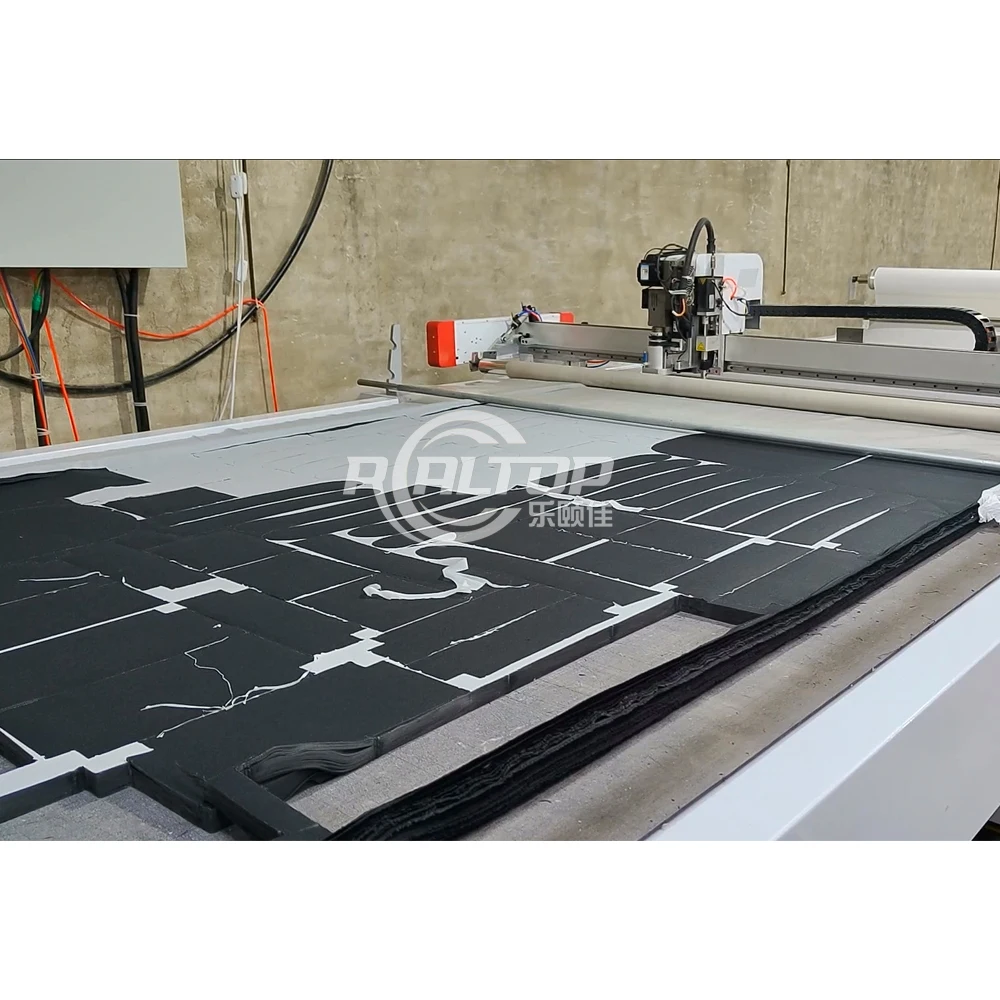
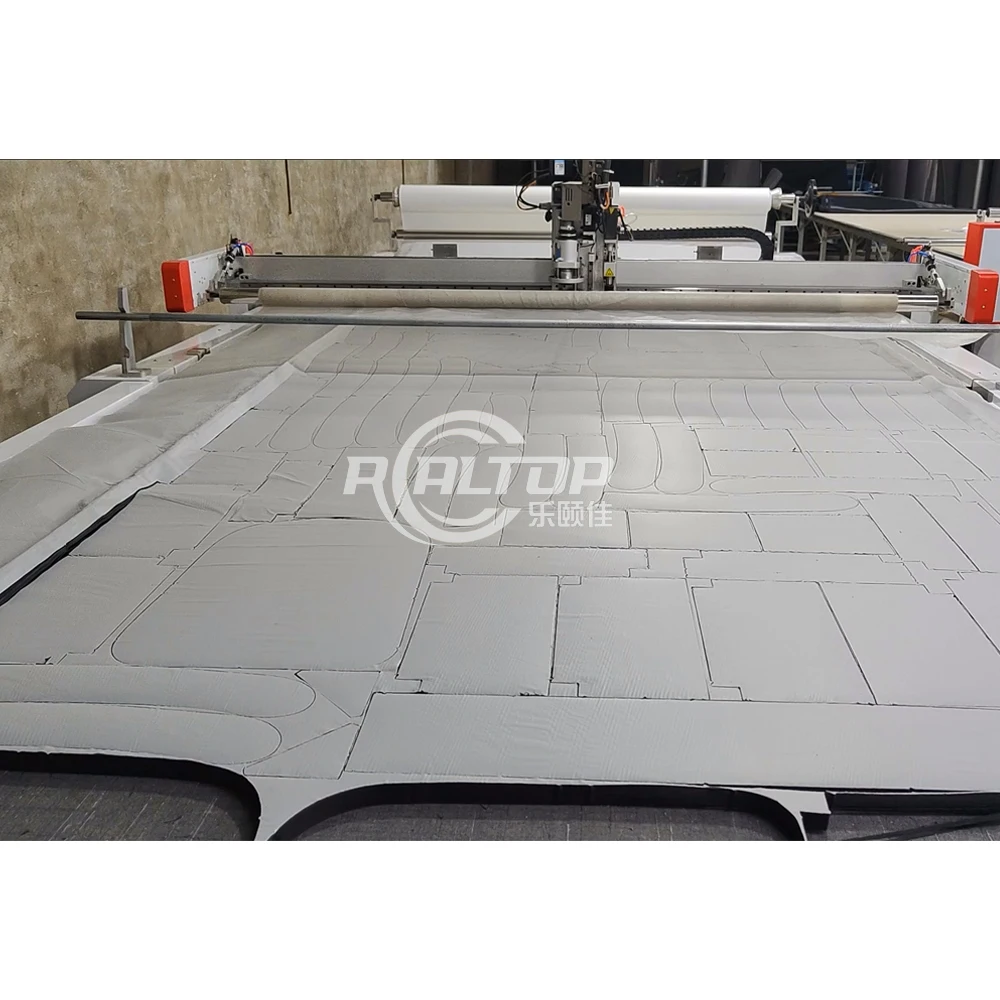
The Swiss-imported oscillating knife on the RT-D2516/RT-S2516 vibrates at high frequency to slice through fabric layers without dragging the weave. This mechanical action prevents the frayed edges that a drag knife produces on loosely woven cloth. For the Auto Fabric CNC Cutting Machine High-Speed Precision Cutter, the difference shows up most clearly on multi-ply layups where a drag knife would pull the bottom plies out of alignment. The multifunctional head accepts a pneumatic knife or high-power vibrating knife when thicker stacks are on the table.
Visual Positioning for Printed Contour Work
Printed fabric panels with sublimation graphics demand accurate contour tracing. The CCD camera mark point positioning and panoramic camera recognition options read registration marks even when fabric stretch distorts the print layout. I have seen production runs where the camera tracked marks at full translational velocity without losing position, while projection positioning serves as a quick visual check before the Auto Fabric CNC Cutting Machine High-Speed Precision Cutter begins the cut path [NEED_CITE: CCD contour recognition accuracy on stretched textile substrates].
Reading the Specification Sheet for Your Production Reality
The 1600 × 2500 mm working area accommodates standard fabric roll widths laid flat on the magnesium-aluminum alloy vacuum table. The PVDF powder spraying and hard oxidation treatment resist adhesive residue buildup from sticker-backed textiles and coated foams. A 7.5 kW vacuum pump with integrated silencer sponge holds small pattern pieces flat without requiring a separate blower room. The cutting speed range of 200–800 mm/s reflects the reality that a heavy canvas demands slower travel than a lightweight lining cloth — any single speed claim without a material qualifier is misleading. The Delta or Panasonic IP67 servo motors ensure that fabric dust and sizing residue do not degrade positioning accuracy over long shifts.
The Hidden Cost of Wrong Table and Tooling Choices
A vacuum table with insufficient zoning lets small garment pieces lift during the final cuts, producing miscut panels that waste the entire layup. I once helped a buyer troubleshoot a month of rejected automotive seat covers before we traced the problem to a single-zone table that lost suction at the edges. Coated fabrics compound the issue when the wrong knife profile drags through the coating layer, leaving visible scoring marks on the finished product [NEED_CITE: vacuum zoning requirements for small-part textile cutting].
Why Sourcing This Machine from Our Factory Floor Makes Sense
Our design team controls both the knife cutting and laser cutting product lines, so we recommend the method that fits your material rather than pushing whichever machine sits in stock. Every RT-D2516/RT-S2516 ships with a tool head and table configuration list matched to the samples you send us, not a generic catalog spec. Voltage, control language, and HP-GL software compatibility are confirmed in writing before production starts. The factory test record documents cutting performance on your specific fabric weight and weave, and the CE declaration accompanies the crate where your market requires it. We build the machine in Jinan and stand behind it from assembly through after-sales support.
Documentation & Verification
- Machine specification sheet listing RT-D2516/RT-S2516 working area, rated power, and voltage
- Electrical schematic confirming 380V ±10% wiring matches your facility supply
- Tool head and vacuum table configuration list matched to your fabric type
- Sample cutting report produced on your own material before shipment authorization
- Software licence and HP-GL file format compatibility note for your nesting workflow
- Packing photographs showing crated machine and spare parts kit
Installation, Commissioning & Support
- Floor space of at least 4000 × 3000 mm required for the 3450 × 2300 × 1250 mm machine and operator access
- Dedicated 380V circuit rated for 9 kW machine power plus 7.5 kW vacuum pump draw
- Machine arrives on flatbed; assembly of gantry and vacuum table on your prepared foundation
- First-run parameter tuning of oscillating knife frequency and feed speed on your fabric samples
- Operator training covering CCD camera calibration, nesting import, and tool change procedures
- Spare oscillating knives, drag knife blades, and vacuum table seals included in initial kit
What to Share When You Request a Quotation
Send us a sample of the fabric or composite you cut most often, including the coating or backing if applicable. Tell us the maximum layup thickness and the daily panel count your line requires. Specify your workshop voltage and frequency, the control panel language your operators read, and whether your existing nesting software exports HP-GL or another format. If your production involves printed contour work, provide a printed sample so we can verify CCD tracking accuracy before the order is finalized.
Frequently Asked Questions
Q: How do I select the right knife and table setup for my fabric type?
A: The selection depends on fiber composition, weave density, coating presence, and layup thickness. We cut your material sample on the RT-D2516/RT-S2516 with different tool heads — oscillating knife, drag knife, pneumatic knife — and document edge quality, cutting speed, and vacuum hold-down performance. The resulting configuration list ships with the machine so your operators know which tool fits which job from day one.
Q: Can the CCD system track printed marks reliably at full production speed?
A: The panoramic camera recognition and small CCD mark point options both read registration marks on stretched or skewed printed textiles. We test tracking accuracy on your printed sample at the translational velocity of 800–1200 mm/s. The sample cutting report records any deviation so you can decide whether to adjust print margins or camera settings before committing to the production run.
Q: How does vacuum table zoning prevent small pieces from lifting during cutting?
A: The magnesium-aluminum alloy table is divided into suction zones that can be activated independently. When cutting small garment panels, only the zones under the active cutting area are opened, concentrating pump suction on the pieces being cut. This prevents the 7.5 kW vacuum pump from wasting capacity on empty table area and keeps lightweight fabric plies flat through the final cuts.
Q: How are voltage and control language confirmed before the machine ships?
A: We confirm your facility voltage and frequency from the electrical schematic stage, matching the 380V ±10% input to your local supply or specifying a transformer if needed. The control interface language — English, Russian, Italian, Chinese, or a custom language — is locked in the software configuration before the factory test, so your operators see familiar menus when the machine powers on at your site.


Related products
2026 Auto CNC Cloth Cutting Machine High-Precision Fabric Leather Plotter
Product Introduction
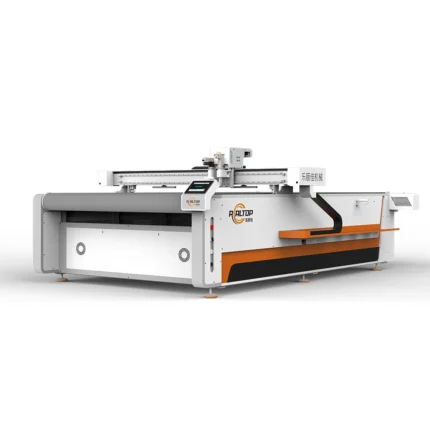
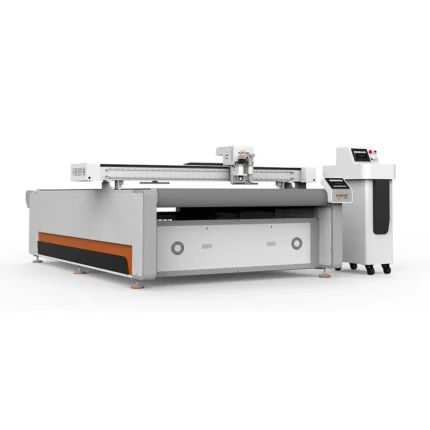
2026 Auto CNC Cloth Cutting Machine, a high-precision fabric & leather plotter designed for efficient cutting. Ideal for textile and leather industries with advanced CNC technology.
Key Specifications
| Model | Auto CNC Cloth Cutting Machine 2026 |
| Application | Fabric & Leather |
| Precision | High-Precision Cutting |
| Type | CNC Plotter |
2026 Inflatable Surf SUP Board Cutting Machine
Product Introduction
Ideal for inflatable surf SUP board production, this 2026 cutting machine ensures precise and efficient cutting, tailored for manufacturers seeking reliable performance in water sports equipment manufacturing.
Specifications
| Application | Inflatable Surf SUP Board |
| Type | Cutting Machine |
| Model Year | 2026 |
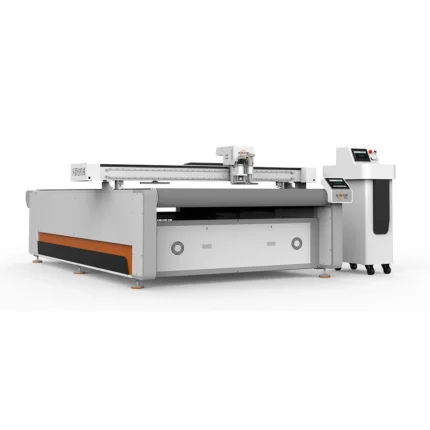
Custom CNC Shirt Fabric Cutting Machine 2026
Product Introduction
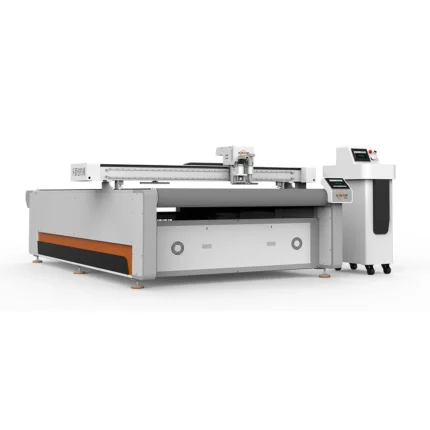
Custom CNC Shirt Fabric Cutting Machine 2026, ideal for precise fabric cutting in garment manufacturing, offering efficient and accurate cutting solutions.
Product Parameters
| Model | Custom CNC Shirt Fabric Cutting Machine 2026 |
| Type | CNC Fabric Cutting Machine |
| Application | Shirt Fabric Cutting |
| Year | 2026 |
High Speed Fabric Cutting Machine 2026 Round Oscillating Knife
Product Overview
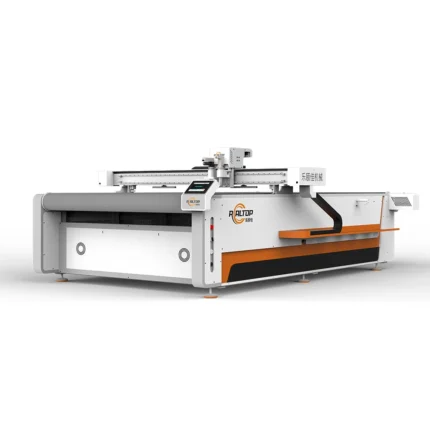
High Speed Fabric Cutting Machine 2026 with round and oscillating knife for efficient fabric cutting. Ideal for textile manufacturing and related industries.Key Specifications
| Cutting Type | Round & Oscillating Knife |
| Model Year | 2026 |
| Application | Fabric Cutting |
| Feature | High Speed Performance |
商品评价
There are no reviews yet.