

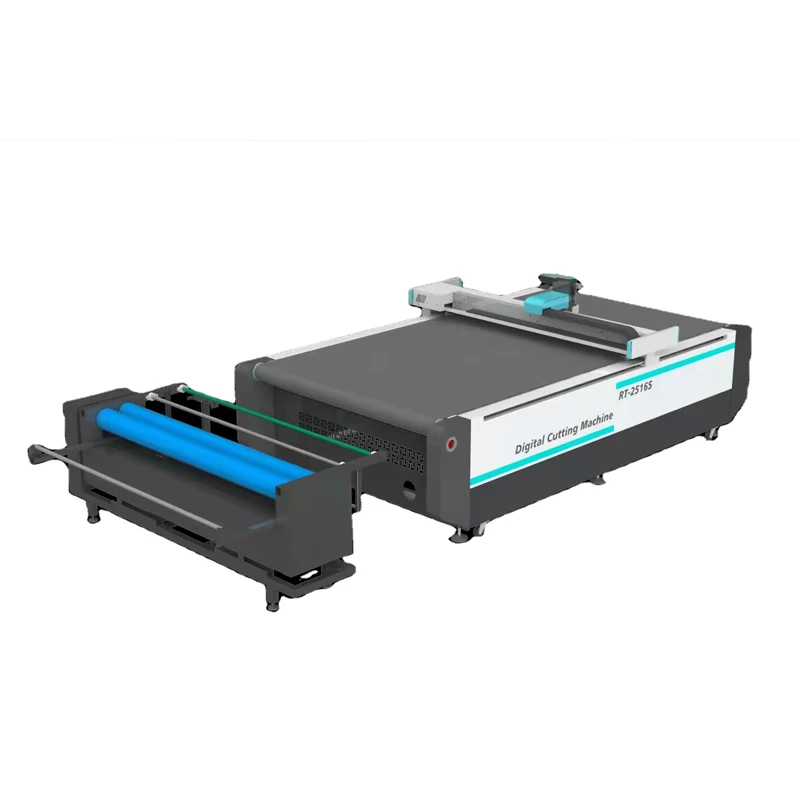
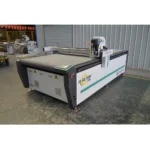
RT-D2516/RT-S2516 CNC Oscillating Knife Cutting Machine | OEM Available
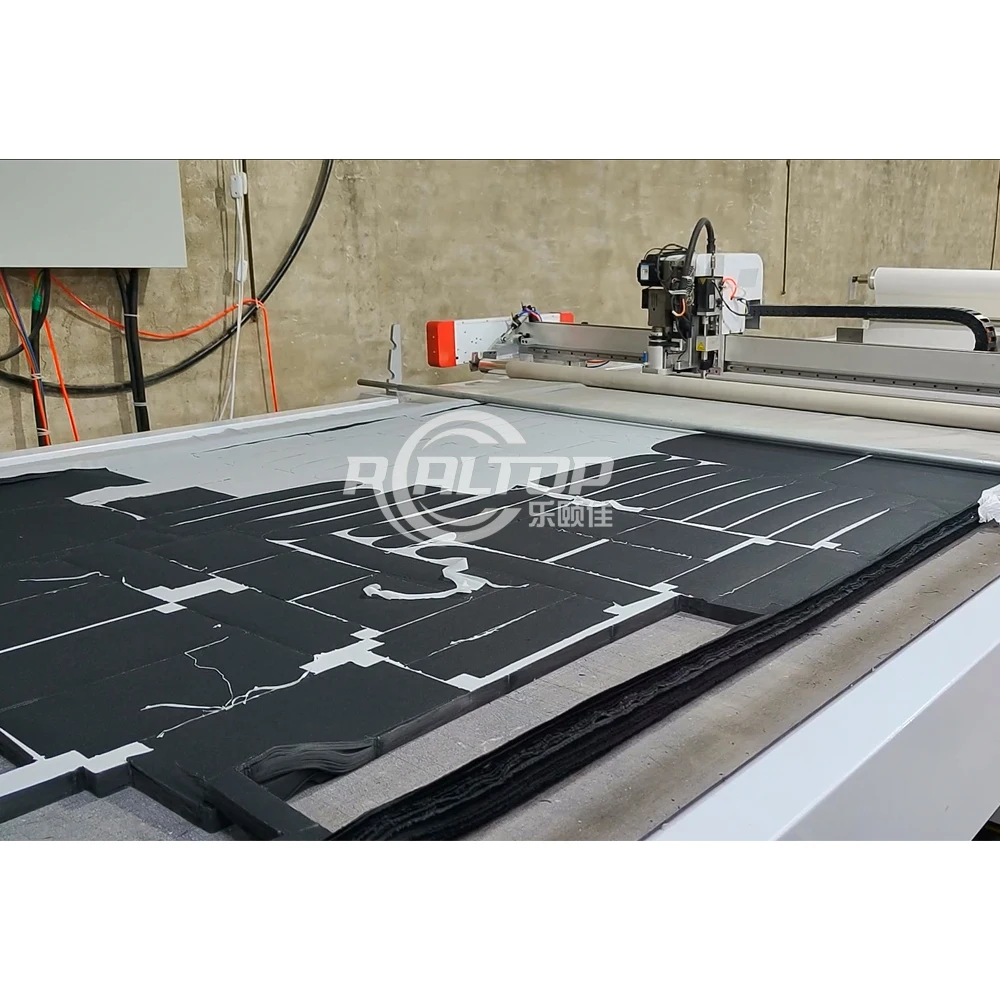
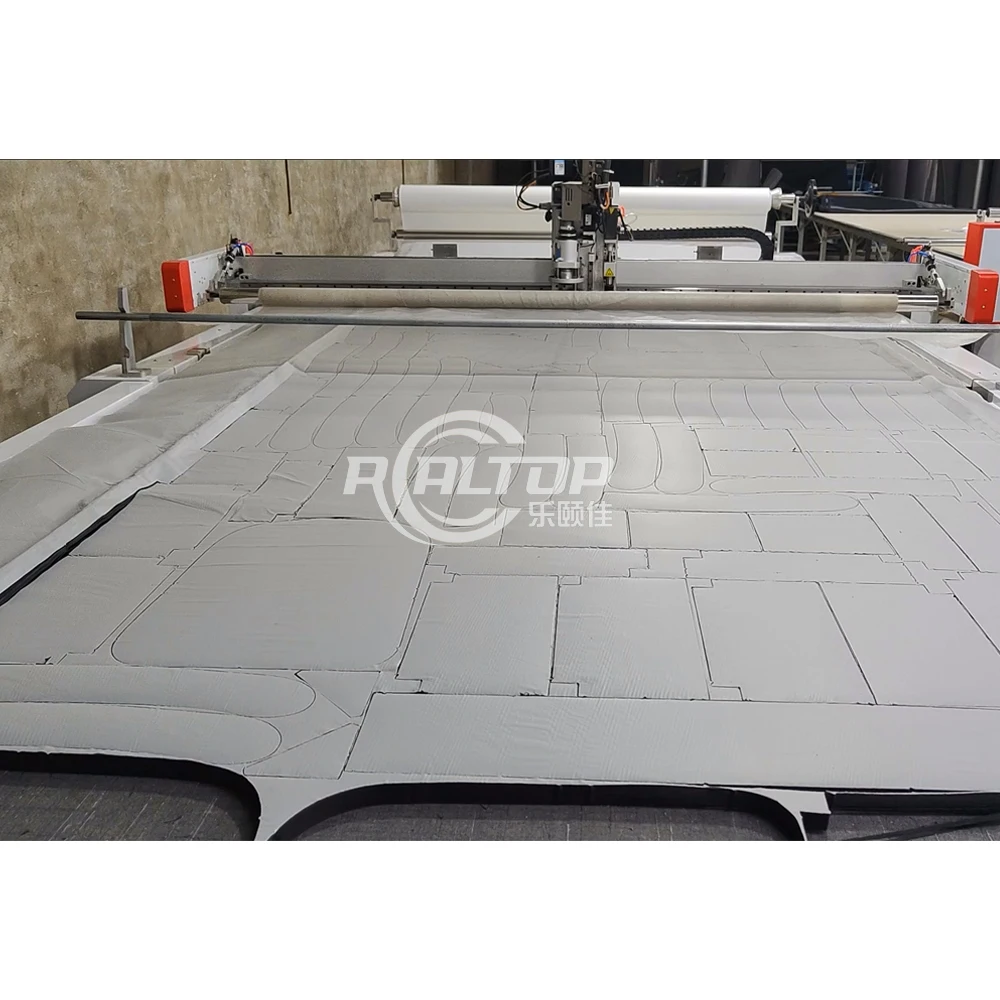
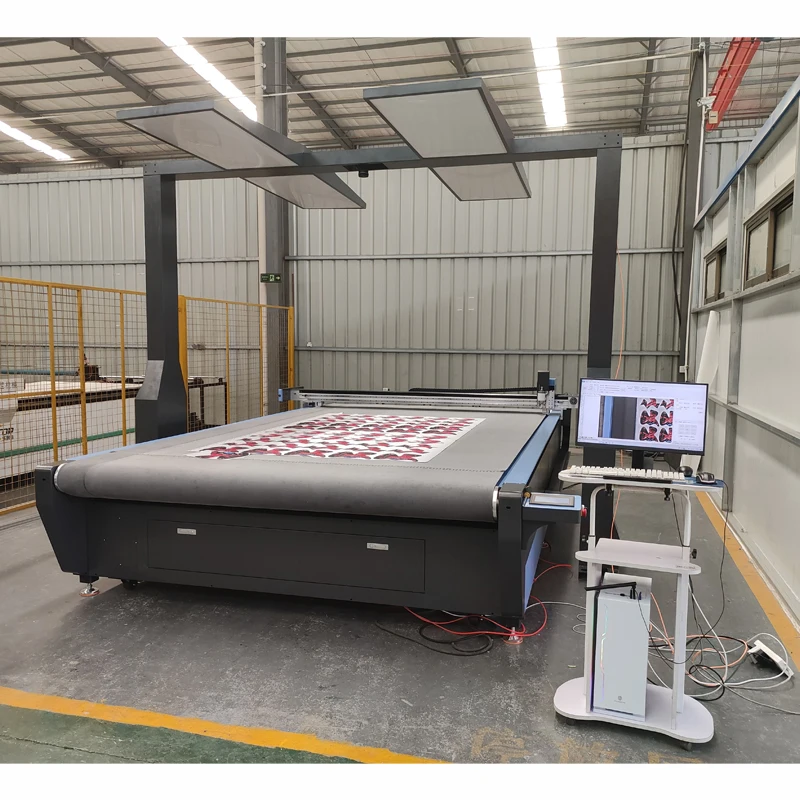
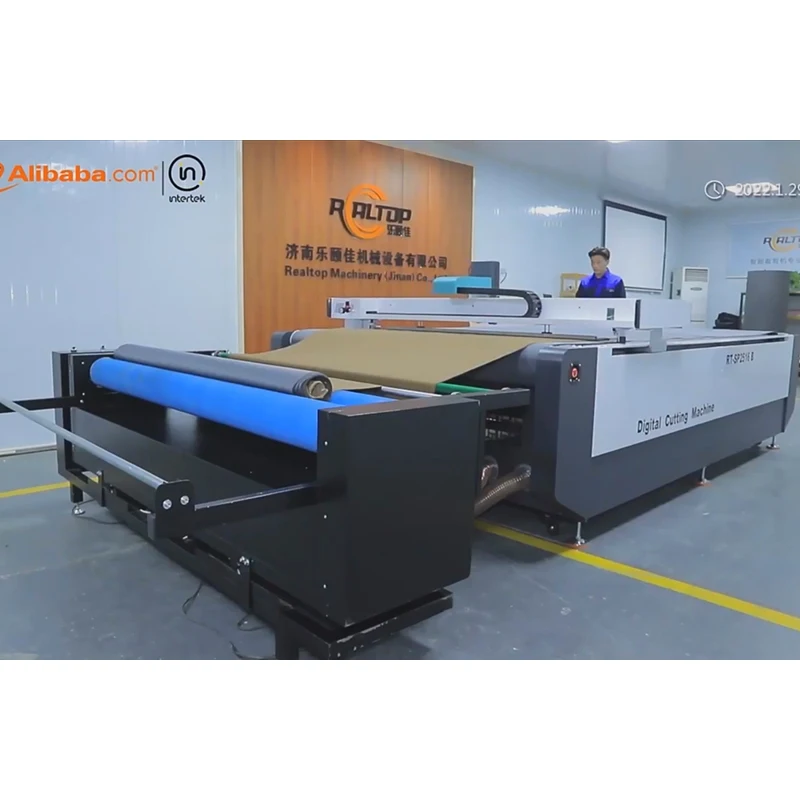
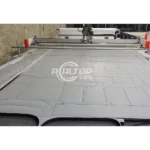
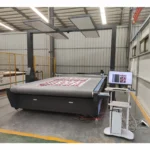
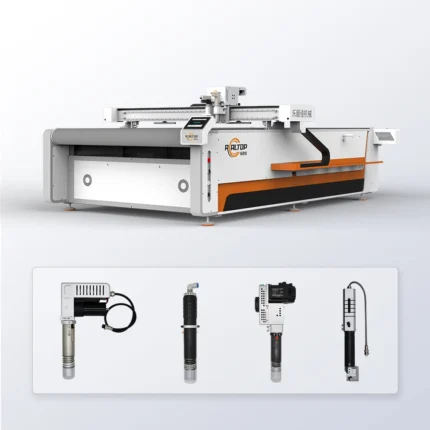
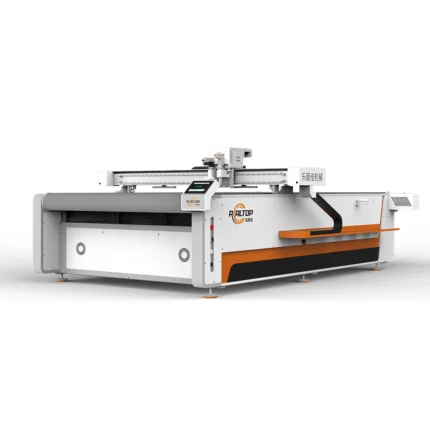
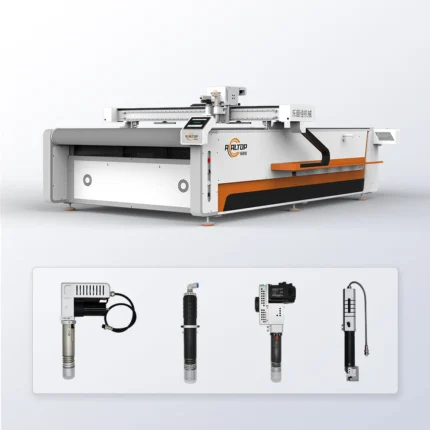
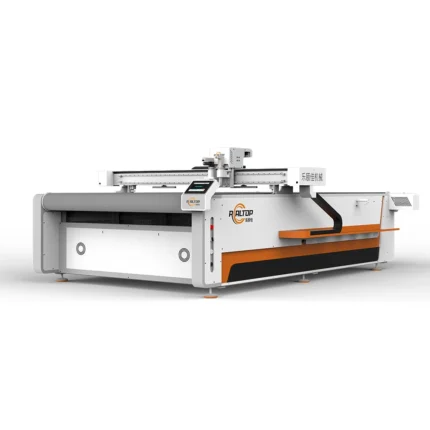
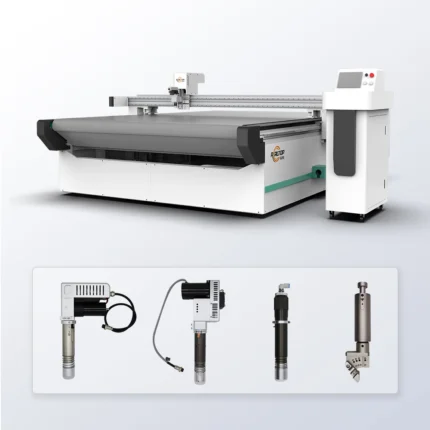
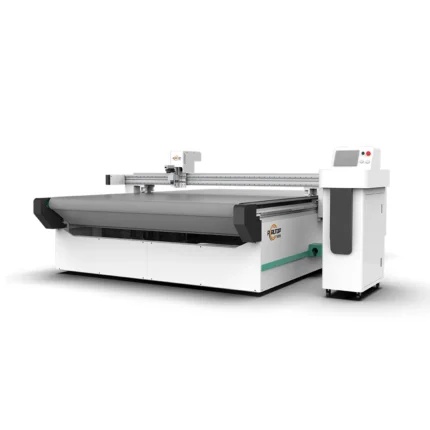
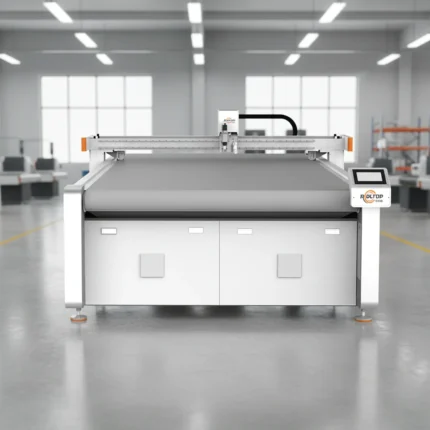
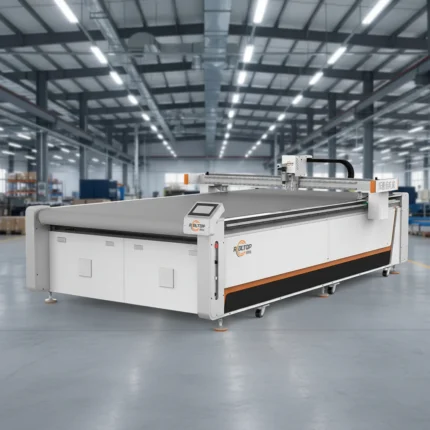
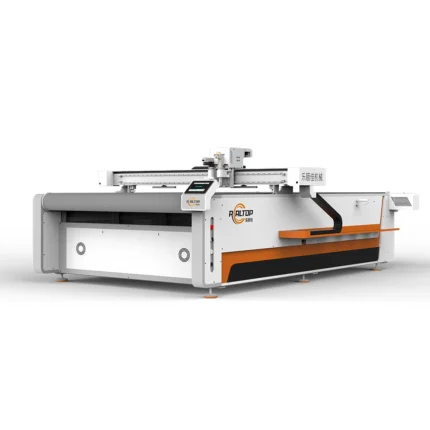
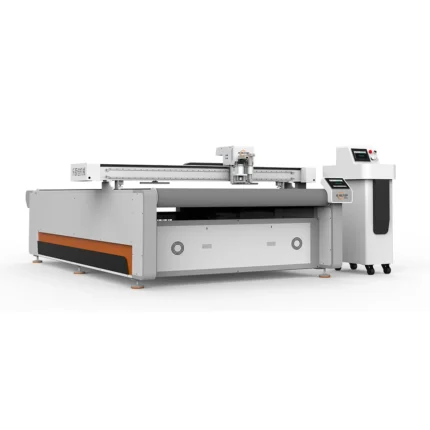
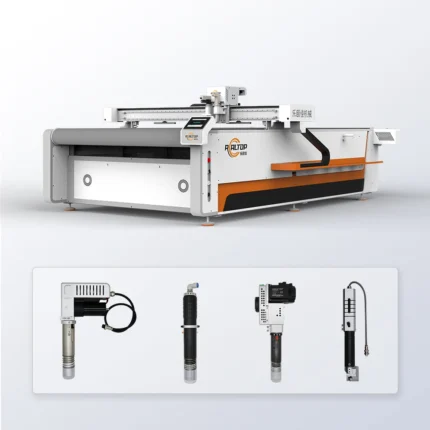
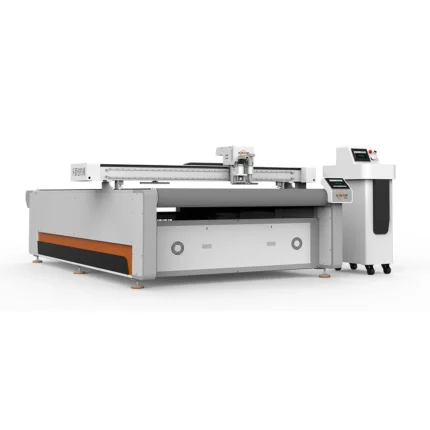
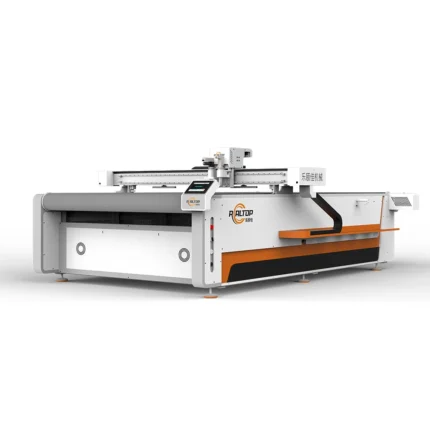
RT-D2516/RT-S2516 CNC Oscillating Knife Cutting Machine, 1600×2500mm Working Area, 9kW Rated Power, ≤0.1mm Repeatability — configured with a Swiss-imported modular tool head supporting full cut, half cut and cursor location, paired with Panasonic servo motors and pinion-and-rack transmission. Aviation-aluminum vacuum tabletop features internal wind-channel design for even suction, while HP-GL compatible instruction system handles garment, leather and composite materials.
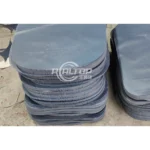
Sample cutting on your own material is provided before commitment, with voltage, plug and control language confirmed before shipment.
Swiss Tool Head Integration — The RT-D2516/RT-S2516 oscillating knife platform pairs a modular Swiss-imported cutting head with a 7.5 kW zoned vacuum table, letting garment and leather processors match tool stroke and suction to the exact material stack on the floor.
Technical Specifications
| Parameter | Value |
|---|---|
| Model | RT-D2516/RT-S2516 |
| Product Type | CNC Oscillating Knife Cutting Machine |
| Working Area | 1600 × 2500 mm |
| Machine Footprint | 3450 × 2300 × 1250 mm |
| Rated Power | 9 kW |
| Vacuum Pump | 7.5 kW |
| Translational Velocity | 800–1200 mm/s |
| Repeated Positioning Accuracy | ≤ 0.1 mm |
| Cutting Thickness Capacity | ≤ 50 mm (basis to be confirmed by material density) |
| Table Surface | High-density felt on aviation-aluminum countertop |
| Transmission | Pinion and rack with imported ball screw and synchronous belt |
| Guide Rail | Taiwan Hiwin linear guide |
| Servo Drive | Panasonic digital servo motor (Delta servo motor also listed) |
| Tool Head Functions | Vibration full cut, vibration half cut, cursor location |
| Compatible Tooling | Round knife, marking pen, auto feeder |
| Safety | Infrared sensors |
| Instruction Format | HP-GL compatible |
| Voltage | 380 V ± 10 % |
| Table Structure | Inner wind-channel design for even suction |
| Lathe Bed | Overall welded frame, machined on imported milling equipment |
| Electrical Cabling | High-flexibility drag-chain cables |
| Certification | CE (source value — verify against current certificate) |
Application Suitability
| Application | Material or Output |
|---|---|
| Garment and footwear fabric cutting | Single-ply and multi-layer woven, knit and technical textiles |
| Leather goods production | Natural and synthetic hides for bags, belts and upholstery |
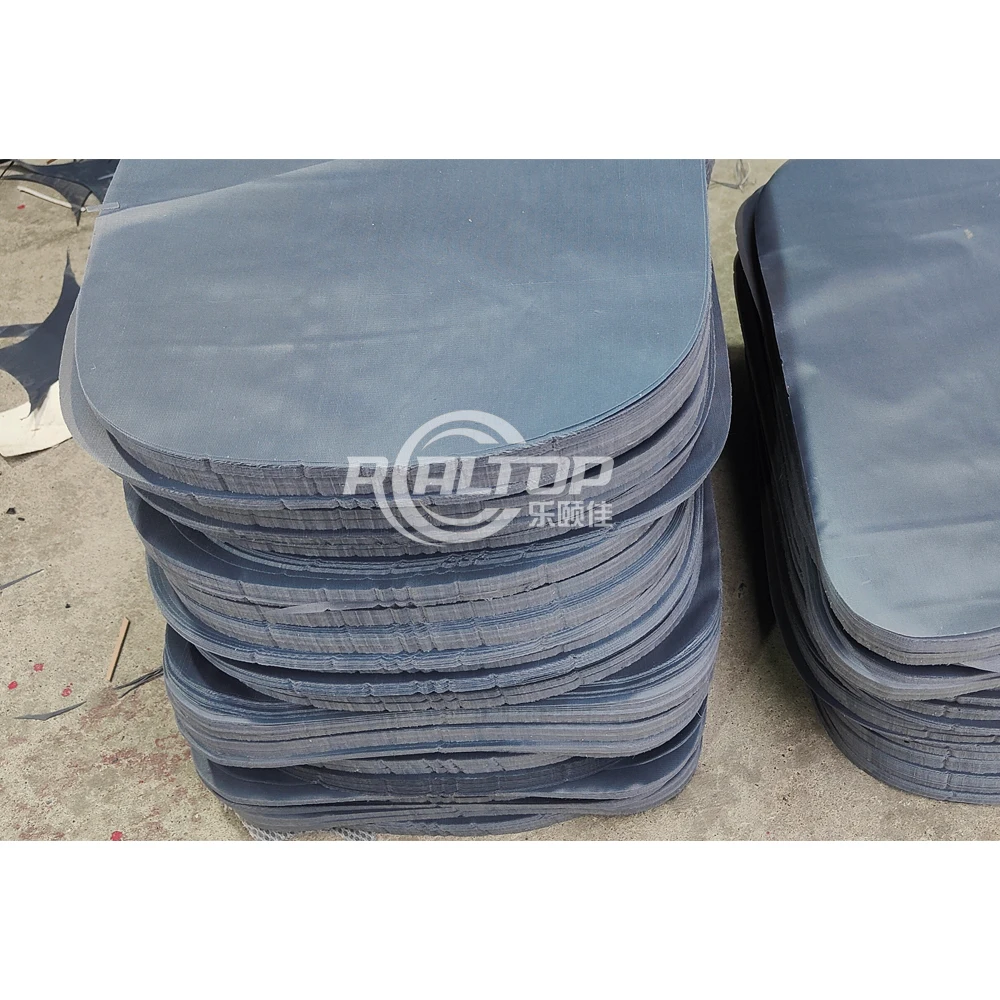
| Automotive interior components | Sponge composite leather, headliner fabric and door-panel material |
| Flexible packaging and gaskets | PVC sheets, soft glass, silicon and rubber up to rated thickness |
| Signage and display fabrication | Vinyl, flexible banner material and foam board |
When "Working Area" Is the Only Spec That Matters
A 1600 × 2500 mm bed is useless if the vacuum zoning cannot hold small pattern pieces flat at cutting speed.
Many buyers filter CNC oscillating knife cutting machine manufacturers by table size first, assuming a larger footprint automatically means higher throughput. The problem surfaces on the first production run: small garment panels or intricate gasket shapes lift at the edges, producing miscut parts and forcing operators to tape material down manually. The real variable is not the working area — it is how the vacuum zones are mapped, whether the felt is dense enough to seal around contours, and whether the pump capacity matches the leak rate of porous textiles [NEED_CITE: vacuum hold-down principles for flatbed digital cutters]. Without that match, the machine spends more time re-cutting than cutting.
Laser Process Versus Knife on Textile Edge Quality
Although this page centers on knife cutting, textile buyers frequently ask whether a CO2 laser would seal edges better than an oscillating blade. For synthetics that fray, a laser can fuse the cut line, but natural fibers and coated fabrics tend to scorch or discolor under thermal cutting. The RT-D2516/RT-S2516 keeps the process mechanical, so edge appearance depends on blade geometry and stroke frequency rather than heat input.
Oscillation Frequency and the Coated-Fabric Challenge
Materials with a PVC or polyurethane coating behave differently from plain weaves. The blade must shear through a brittle top layer and a ductile base without delaminating them. A Swiss-imported oscillating head running at a higher stroke rate shears cleanly through the coating before the base stretches [NEED_CITE: oscillating knife mechanics on coated textiles]. When the stroke is too slow, the coating cracks ahead of the blade and the edge chips.
Reading the Spec Sheet Beyond the Headline Numbers
A 9 kW rated power figure covers servo drives, vacuum pump and control electronics running simultaneously, not just the cutting head. The Panasonic servo motors paired with Taiwan Hiwin rails and pinion-and-rack transmission sustain the ≤ 0.1 mm repeatability across the full 2500 mm travel, which matters when nesting dozens of pattern pieces that must align with printed marks. The 7.5 kW vacuum pump feeds an aviation-aluminum tabletop with an internal wind-channel layout; this spreads suction evenly rather than concentrating it in the center where large panels are easiest to hold.
The Hidden Cost of Underspec’d Vacuum Zoning
If the table treats the entire 1600 × 2500 mm bed as a single zone, operators cutting small pieces in one corner lose suction everywhere else. Air leaks through the exposed felt, and the pump cannot compensate. The result is material shift mid-cut, ragged edges on thin films and excessive blade wear because the knife drags instead of shearing [NEED_CITE: vacuum zoning impact on cutting accuracy]. Retrofitting zones later means replacing the entire tabletop, which often costs more than the original price difference between a zoned and an unzoned machine.
Why Source This CNC Oscillating Knife Cutting Machine Manufacturer
The RT-D2516/RT-S2516 is designed and built in-house, so the tool head, table and software are matched during engineering rather than assembled from mismatched components. Buyers can request sample cuts on their own fabric or leather rolls before the order is locked, and the cutting report travels with the shipment. Voltage, plug type and control language are confirmed at the quotation stage, reducing the chance of a 380 V machine arriving at a 415 V facility.
Documentation & Verification
- Machine specification sheet listing every selected tool head and vacuum zone configuration
- Electrical schematic showing 380 V ± 10 % wiring and breaker sizing for the 9 kW load
- Sample cutting report produced on your fabric or leather with measured edge quality
- HP-GL file format compatibility note confirming your nesting software output works
- Spare parts list identifying blade types, felt panels and vacuum seals by part number
- CE declaration file matching the shipped machine serial number
Installation, Commissioning & Support
- Foundation must be level within 2 mm across the 3450 × 2300 mm footprint to keep the Hiwin rails true
- Dedicated 380 V three-phase circuit with breaker rated above the 9 kW continuous draw
- Machine ships partially assembled; table, gantry and electrical cabinet bolt together on site
- First-run calibration sets Panasonic servo parameters and verifies ≤ 0.1 mm repeatability
- Operator training covers tool changes between oscillating knife, round knife and marking pen
- Maintenance schedule lists felt replacement intervals based on cutting hours and material abrasiveness
Moving From Inquiry to Sample Cut
To size the vacuum zoning and select the correct blade profile, share your material composition, ply count, sheet width and the daily volume you plan to run. Confirm your facility voltage and frequency so the electrical cabinet is wound correctly. If your nesting workflow relies on specific HP-GL output settings, send a sample file so the controller can be validated before the RT-D2516/RT-S2516 leaves the factory.
Frequently Asked Questions
Q: How do I confirm the ≤ 50 mm cutting thickness applies to my material?
A: Send a sample of your densest material stack. We run it on the RT-D2516/RT-S2516 at production speed, measure edge quality and part tolerance, then issue a cutting report that states the maximum verified thickness for that specific density and composition.
Q: Which tool head should I choose for coated versus uncoated textiles?
A: Coated fabrics usually need the oscillating knife at a higher stroke rate to shear cleanly without delamination. Uncoated single-ply weaves often cut well with a round knife for speed. We test both on your material and document the recommendation.
Q: Will small pattern pieces stay flat during cutting?
A: The aviation-aluminum tabletop uses an internal wind-channel design with zoning capability. We map the zones to your typical nest layout so suction concentrates where small parts sit, preventing lift at the 800–1200 mm/s travel speed.
Q: Can the controller accept my existing nesting software output?
A: The instruction system accepts HP-GL compatible format. Send a sample file generated by your nesting software; we load it on the RT-D2516/RT-S2516 controller and confirm path accuracy before shipment.
Q: What voltage and language options are available?
A: The standard rating is 380 V ± 10 %, but we confirm your site supply and adjust transformer taps accordingly. Control interface language is set to your operator preference and documented on the specification sheet before production begins.


Related products
2026 Auto CNC Cloth Cutting Machine High-Precision Fabric Leather Plotter
Product Introduction
2026 Auto CNC Cloth Cutting Machine, a high-precision fabric & leather plotter designed for efficient cutting. Ideal for textile and leather industries with advanced CNC technology.
Key Specifications
| Model | Auto CNC Cloth Cutting Machine 2026 |
| Application | Fabric & Leather |
| Precision | High-Precision Cutting |
| Type | CNC Plotter |
2026 Flatbed Oscillating Knife Cutter 1600x3500mm Auto-Feeding Textile
Product Overview
Flatbed Oscillating Knife Cutting Machine 2026 is a high-precision textile fabric cutter with auto-feeding function, ideal for efficient and accurate cutting tasks in textile manufacturing. It combines advanced oscillating knife technology with a large working area to meet industrial production needs.Key Specifications
| Model | 2026 |
| Working Area | 1600x3500mm |
| Feeding System | Auto-Feeding |
| Cutting Type | Oscillating Knife |
| Application | Textile Fabric |
Automatic Multi-Layer Vibrating Knife Cutter 2026
Product Introduction
Automatic Multi-Layer Vibrating Knife Cutter 2026, ideal for precise cutting of various materials with multi-layer processing capability, enhancing production efficiency.
Key Specifications
| Type | Automatic Vibrating Knife Cutter |
| Layer Capacity | Multi-Layer |
| Model | 2026 |
| Function | Precision Cutting |
CNC Oscillating Knife Cutting Machine 2026 3000¡Á1600mm High-Speed
Product Parameters
| Model | CNC Oscillating Knife Cutting Machine 2026 |
| Working Area | 3000mm¡Á1600mm |
| Cutting Type | Oscillating Knife |
| Application | Fabric Cutting |
| Feature | High-Speed |
Introduction
High-performance CNC oscillating knife cutting machine with 3000mm¡Á1600mm working area, ideal for high-speed fabric cutting. Precision and efficiency for professional textile processing needs.
Custom CNC Shirt Fabric Cutting Machine 2026
Product Introduction
Custom CNC Shirt Fabric Cutting Machine 2026, ideal for precise fabric cutting in garment manufacturing, offering efficient and accurate cutting solutions.
Product Parameters
| Model | Custom CNC Shirt Fabric Cutting Machine 2026 |
| Type | CNC Fabric Cutting Machine |
| Application | Shirt Fabric Cutting |
| Year | 2026 |
商品评价
There are no reviews yet.