

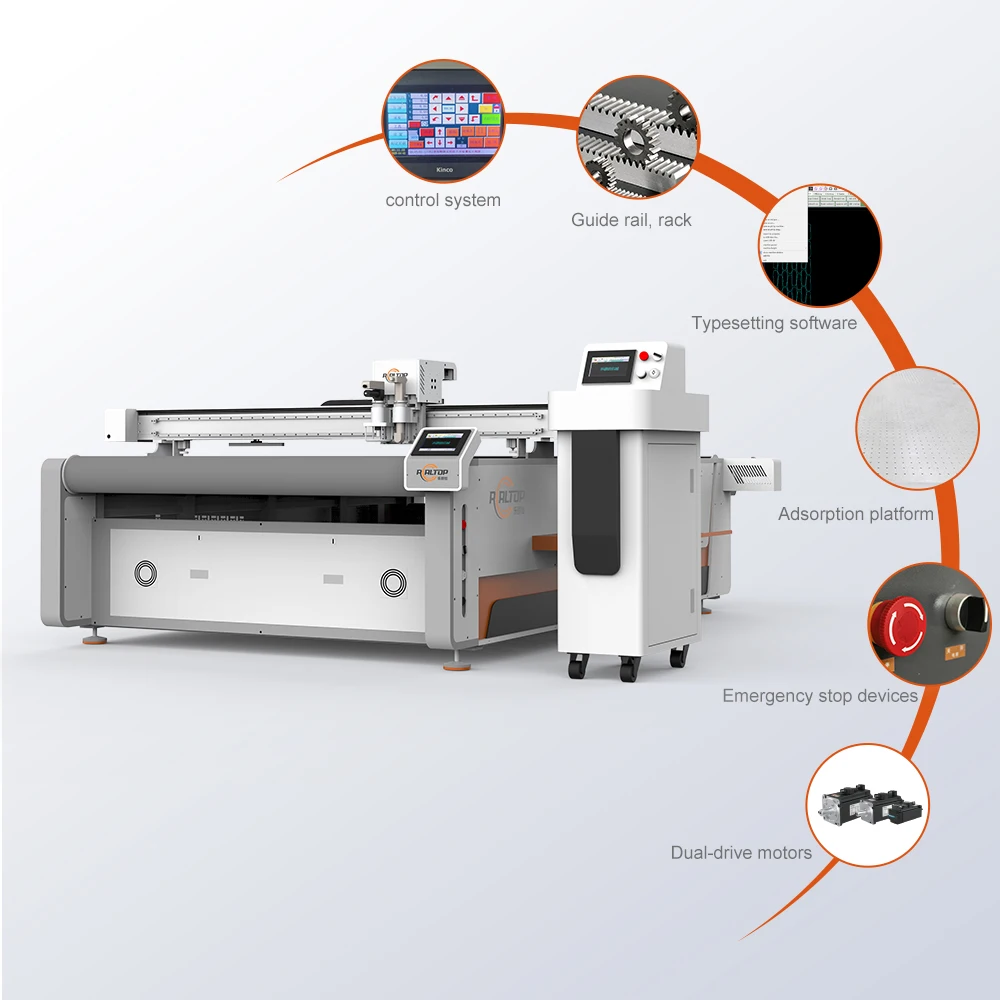
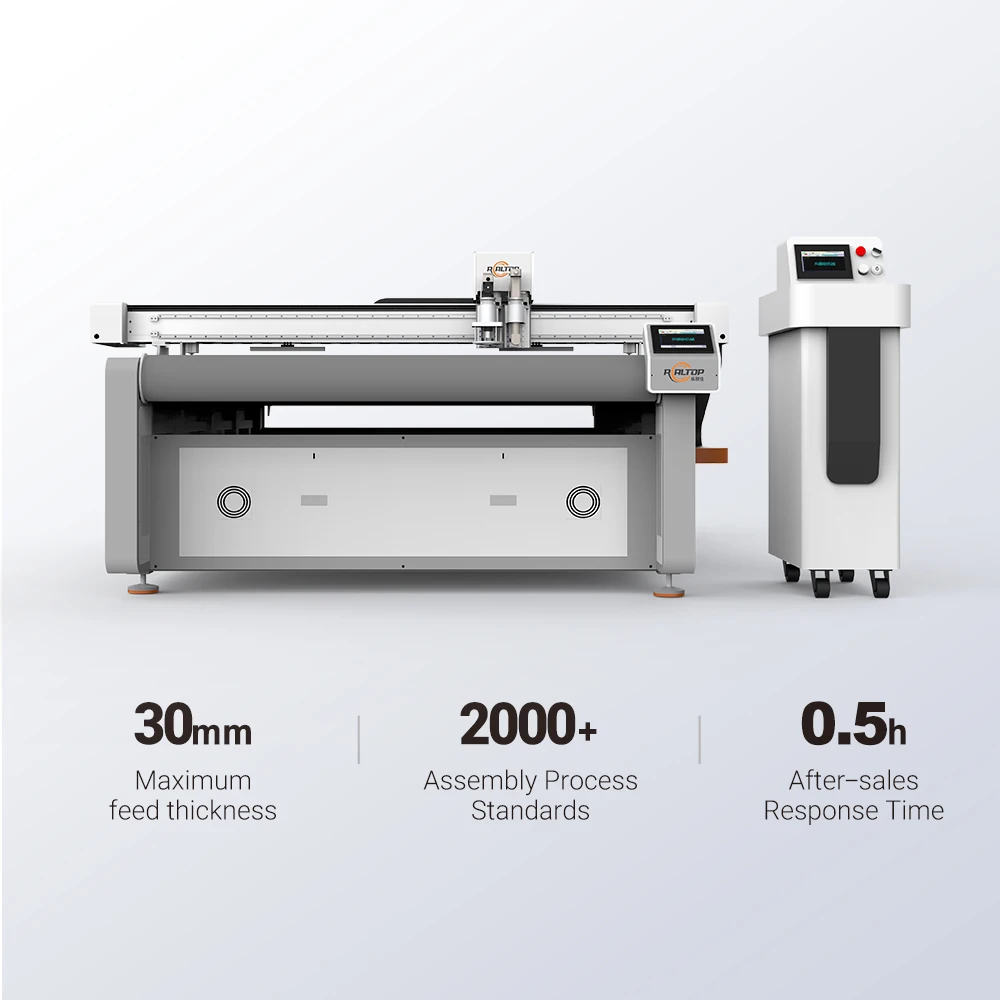
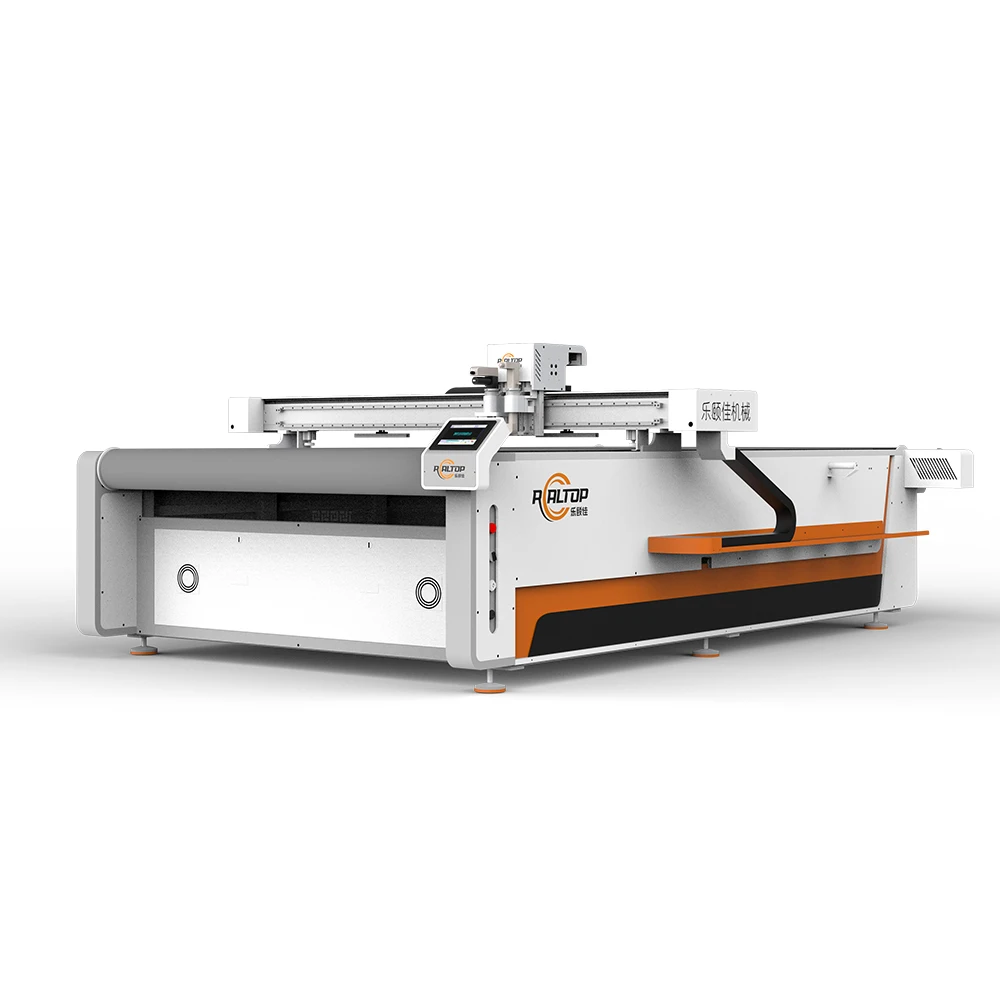
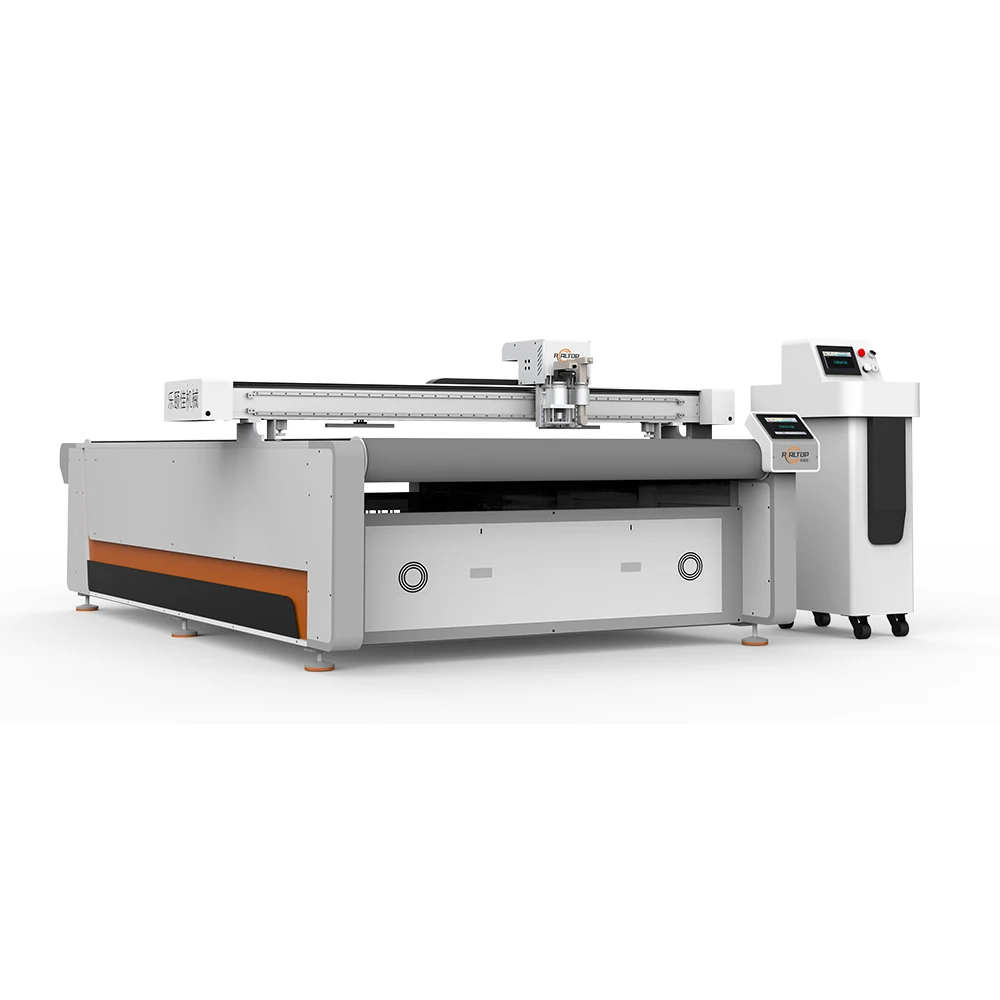
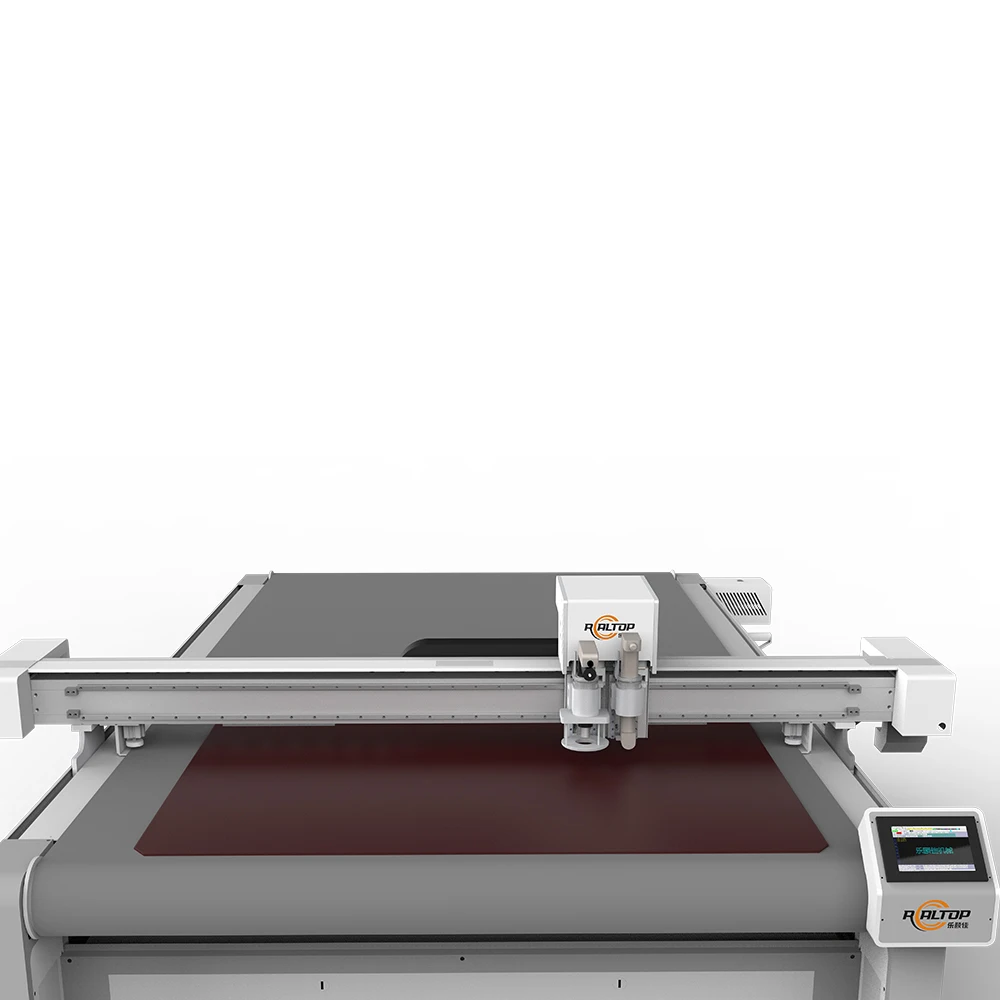
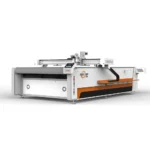
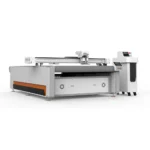
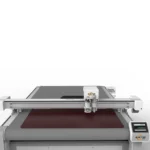
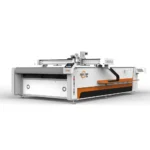
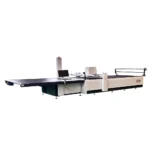
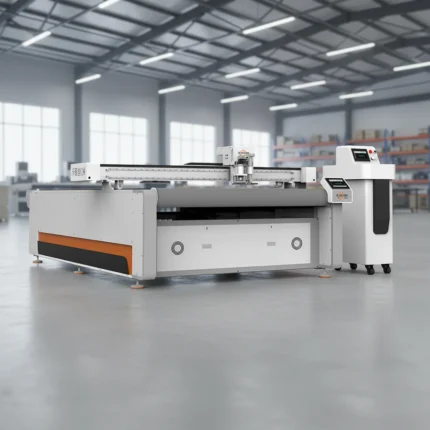
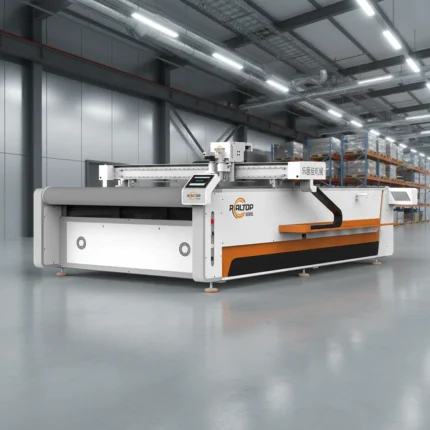
Automatic CNC Sofa Fabric Cutting Machine for Leather PVC – Industrial Application
SKIP: no identifier
Laser Process Matched to Material — Fabric and synthetic textiles require continuous power ratings verified on the actual composite or coated material, not just peak laser wattage on a datasheet.
Technical Specifications
| Parameter | Value |
|---|---|
| Product Type | Cloth CNC Cutting Machine |
| Laser Source | CO2 laser tube |
| Rated Laser Power | Available across standard wattage options (selection depends on fabric layers and coating type) |
| Working Area | Configurable from standard to large-format bed sizes |
| Cutting Bed | Honeycomb and slat options available |
| Positioning Accuracy | ±0.1 mm |
| Cooling System | Industrial water chiller (CW series matched to tube wattage) |
| Exhaust System | Centrifugal fan with ducting interface |
| Control System | DSP or RDWorks-compatible controller |
| Drive System | Stepper or servo motor options |
| Voltage | Configurable to buyer’s local grid specification |
| Software Compatibility | CorelDRAW, AutoCAD, PLT, DXF, BMP file import |
Application Suitability
| Application | Material or Output |
|---|---|
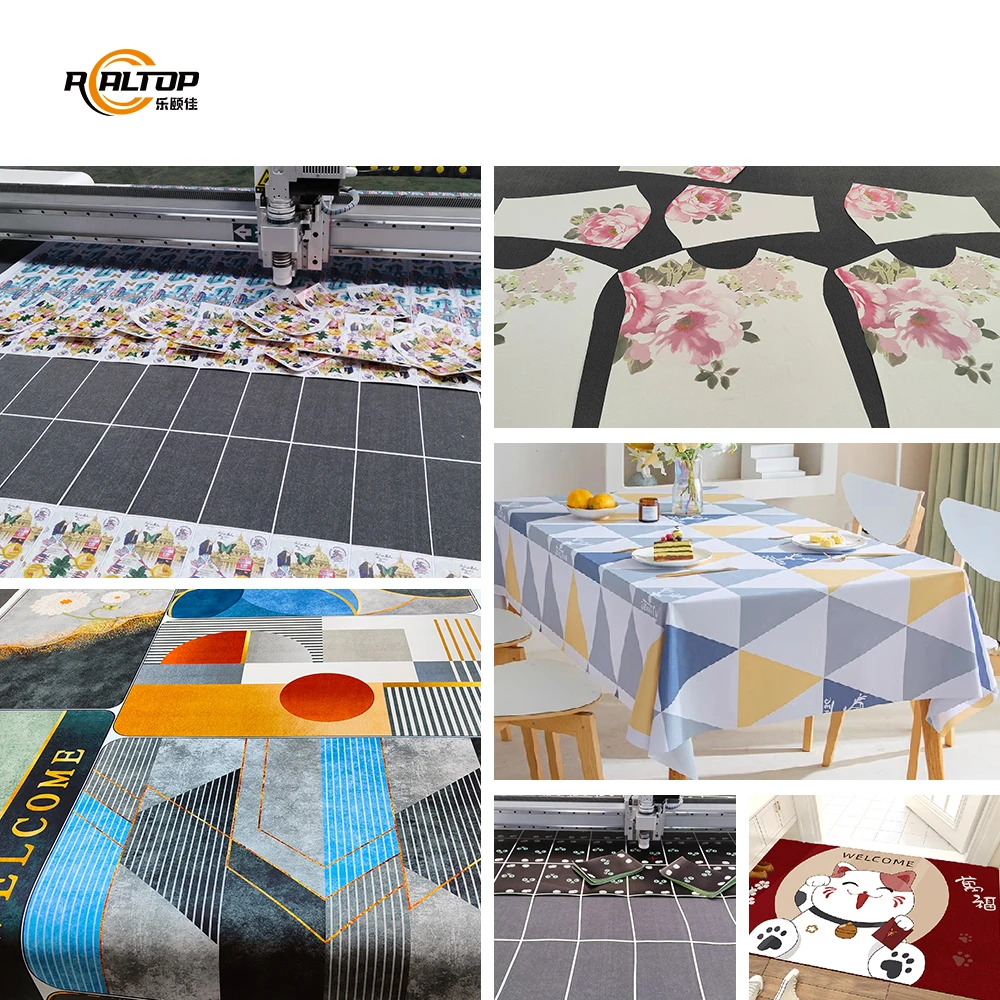
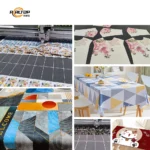
| Sofa and upholstery panel cutting | Polyester, velvet, linen, chenille, single to multi-layer |
| Automotive seat cover profiling | Synthetic leather, PVC, PU-coated textiles |
| Garment pattern cutting | Cotton, silk, blended woven and knit fabrics |
| Technical textile shaping | Aramid, canvas, coated nylon for industrial use |
| Home textile production | Curtain panels, bedding components, table linens |
Why Coated Fabric Changes the Laser Equation
The wattage that cuts standard polyester cleanly will scorch a flame-retardant coated textile.
When I first commissioned a CO2 laser for sofa fabric in Dubai, the trial cuts on standard polyester looked perfect. The problem appeared only after we powered up on the customer’s actual stock — a composite fabric with an intumescent backing. The edges charred immediately, smoke extraction couldn’t keep up, and the focal depth we had set was completely wrong for the layered density. We spent four days rebuilding the parameter library from scratch. That gap between a datasheet wattage and what the material actually demands is where most cloth CNC cutting machine installations fail [NEED_CITE: thermal behavior of coated and composite textiles under CO2 laser irradiation].
Power Rating Versus Real Cutting Depth
A CO2 laser tube is rated at a nominal wattage, but continuous output degrades as the tube ages and ambient temperature rises. For a cloth CNC cutting machine processing multi-layer upholstery fabric, what matters is the sustained power delivered to the material surface at the production speed you need. Buyers who specify only by peak wattage often discover that their machine cuts single-ply cotton adequately but cannot penetrate three layers of 400 gsm velvet without reducing speed to an unacceptable level.
Focal Position and the Thickness Variable
Fabric stacks compress under their own weight, meaning the effective thickness at the cutting point is rarely what the operator measured on the table. The focal distance must account for this compression, and the variation increases with material loft. On a cloth CNC cutting machine, a motorized Z-axis with auto-focus compensation handles this variation better than manual adjustment, particularly when a production run mixes material types across nested patterns [NEED_CITE: focal distance tolerance in textile laser cutting operations].
Exhaust Extraction Is Part of the Cut Quality
Laser cutting synthetic fabric produces vaporized polymer and particulate smoke. If the extraction system is undersized, that residue settles back onto the material surface, leaving yellowing or tacky deposits along the cut edge. The fan rating, duct diameter, and filter type must be specified together with the laser power and the daily cutting volume. A cloth CNC cutting machine running PVC-coated textile for automotive interiors demands a different extraction specification than one cutting natural-fiber garment panels.
Selecting the Right Bed and Hold-Down Method
Honeycomb beds support delicate fabrics without marking, while slat beds handle heavier materials and allow air flow beneath the cut line. For lightweight knits that shift under the laser head, a vacuum hold-down system keeps the material flat and dimensionally stable during cutting. The zoning of that vacuum matters — if the table is not divided into independently valved sections, small cut pieces lose suction and lift into the beam path, causing edge defects and potential lens contamination.
The Software Workflow Nobody Checks Until Delivery
File format compatibility seems straightforward until the machine arrives and the operator discovers that the nesting software output from their existing pattern system will not import directly into the machine controller. A cloth CNC cutting machine must be verified against the buyer’s actual workflow — whether that involves DXF exports from a CAD pattern system, PLT files from a signage package, or direct import from an apparel nesting application [NEED_CITE: CNC controller file format interoperability in textile manufacturing].
The Hidden Cost of an Underspecified Laser Tube
A buyer who selects a laser tube based on price rather than continuous cutting duty will see output decline noticeably within the first year of operation. The tube will still fire, but the power available at the material surface drops below the threshold needed for clean edge sealing on synthetics. The result is fraying on polyester blends and incomplete penetration on layered upholstery stock — problems that operators often try to solve by slowing the feed rate, which then creates a bottleneck downstream.
Why Source the Cloth CNC Cutting Machine Here
The manufacturer designs both knife and laser cutting platforms in-house, which means the cutting method is selected based on the material behavior rather than forcing every job through one technology. Laser power is specified by continuous output on the buyer’s actual fabric sample before the order is confirmed. Voltage, plug type, and controller language are locked in during the specification stage, not left to assumption. Software file compatibility is tested with the buyer’s own nesting output. A sample cutting report on the buyer’s material ships with the documentation package, providing a baseline parameter set for commissioning [NEED_CITE: industrial laser equipment pre-shipment testing standards].
Documentation & Verification
- Machine specification sheet listing confirmed laser tube wattage and working area dimensions
- Electrical schematic with voltage and frequency matched to buyer’s facility supply
- Sample cutting report on buyer’s own fabric showing edge quality and speed parameters
- Software license documentation and verified file format compatibility statement
- Operation manual covering lens cleaning, mirror alignment, and tube replacement intervals
- Spare parts list identifying consumable optics, belts, and chiller filters
Installation, Commissioning & Support
- Level floor required; machine footprint and clearance for bed access confirmed before dispatch
- Dedicated electrical circuit matching confirmed voltage and phase specification for laser and chiller loads
- Water chiller filled and circulated; flow rate verified against laser tube cooling requirement
- Exhaust ducting routed to external vent or filtration unit per local workshop air quality rules
- First-article cuts run on buyer’s fabric to establish baseline speed, power, and focus parameters
- Operator training covers lens and mirror maintenance schedule, tube aging indicators, and bed cleaning routine
Before You Request a Quote
Tell us the specific fabric types you cut — including any coatings, laminations, or backing layers — along with the maximum thickness and the number of layers you need to process in a single pass. Confirm your local voltage and frequency, the controller language your operators require, and the nesting software or file format currently in use. If your production mix includes both natural and synthetic textiles, note that separately, as the laser parameter sets and extraction requirements differ.
Frequently Asked Questions
Q: Can this cloth CNC cutting machine handle flame-retardant coated fabrics?
A: Coated and composite textiles respond differently to laser energy than standard fabrics. The cutting parameters — power, speed, focal position, and assist air — must be established on the actual material. We run sample cuts on your specific coated fabric before finalizing the machine configuration to confirm edge quality and throughput.
Q: What determines whether I need a CO2 laser or an oscillating knife for my fabric?
A: CO2 laser seals synthetic edges and works well on woven and knit textiles where fray prevention matters. Oscillating knife is preferred for very thick stacks, materials with abrasive coatings, or fabrics where thermal sealing is undesirable. The choice depends on your material mix, and both platforms are available from the same manufacturer.
Q: How often does the CO2 laser tube need replacement?
A: Tube life depends on daily operating hours, power setting relative to maximum rating, and cooling system maintenance. Under normal single-shift operation with proper chiller maintenance, a CO2 tube provides a functional service life measured in thousands of operating hours before output degrades below usable cutting thresholds.
Q: Will my existing nesting software output work with this machine?
A: Compatibility must be verified before shipment. We confirm which file formats — DXF, PLT, AI, BMP — your nesting or CAD system exports, then test import and cutting on the machine controller. Any required post-processing steps are documented so your workflow is uninterrupted at installation.


Related products
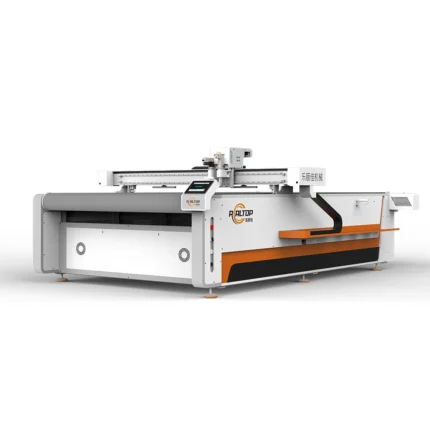
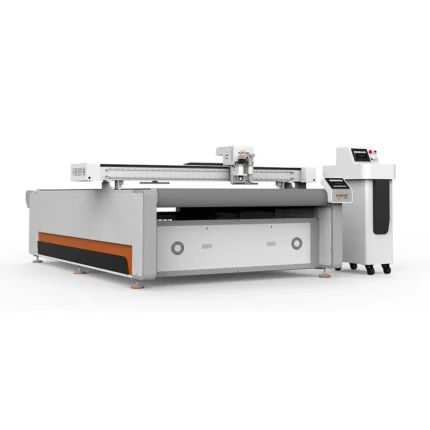
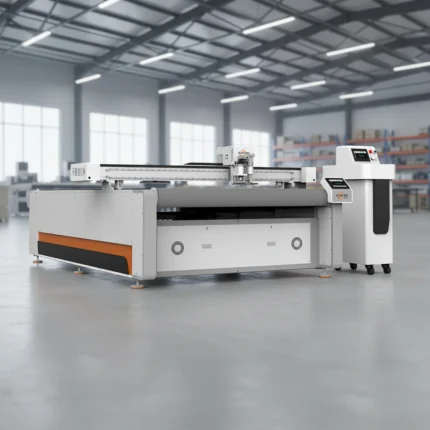
2026 Auto CNC Cloth Cutting Machine High-Precision Fabric Leather Plotter
Product Introduction
2026 Auto CNC Cloth Cutting Machine, a high-precision fabric & leather plotter designed for efficient cutting. Ideal for textile and leather industries with advanced CNC technology.
Key Specifications
| Model | Auto CNC Cloth Cutting Machine 2026 |
| Application | Fabric & Leather |
| Precision | High-Precision Cutting |
| Type | CNC Plotter |
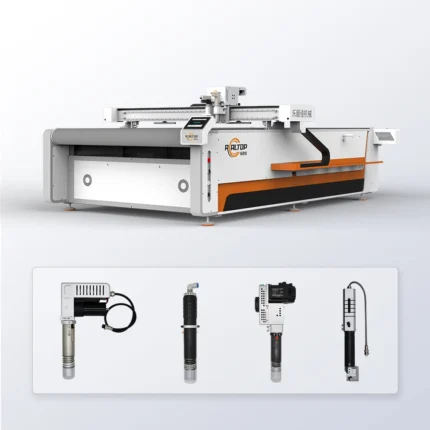
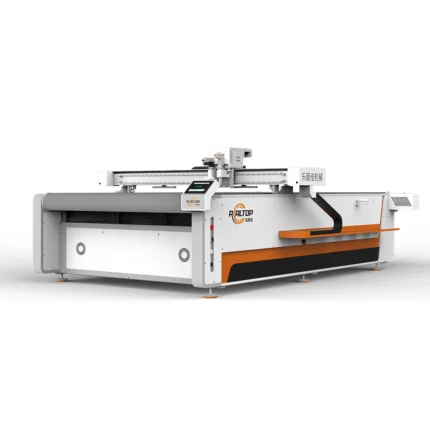
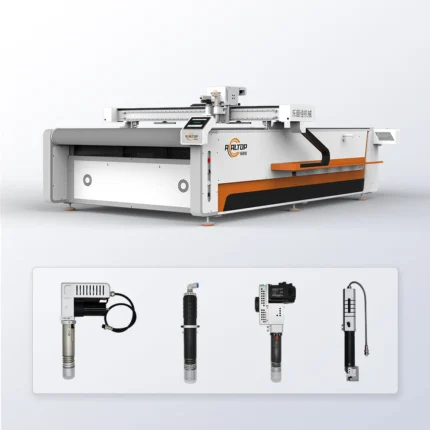
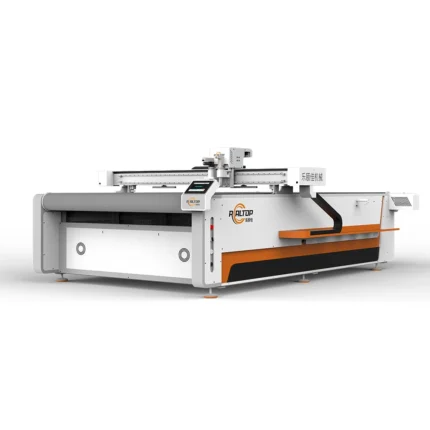
2026 CNC Knife Cutting Machine for Fabric Leather PVC Hot Sale
Product Introduction
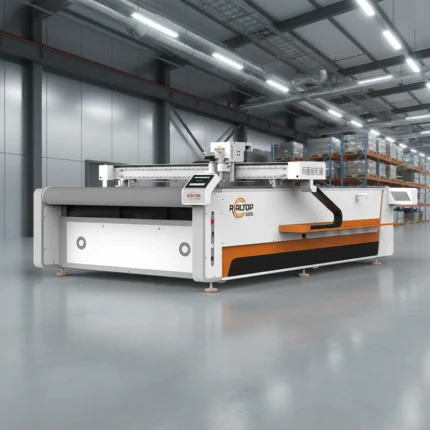
2026 Hot Sale CNC Knife Cutting Machine for Fabric, Leather, PVC. Ideal for precise cutting of various materials with advanced CNC technology, perfect for manufacturing needs.
Product Parameters
| Application | Fabric, Leather, PVC |
| Type | CNC Knife Cutting Machine |
| Feature | Precision Cutting |
| Year | 2026 Model |
2026 Flatbed Oscillating Knife Cutter 1600x3500mm Auto-Feeding Textile
Product Overview
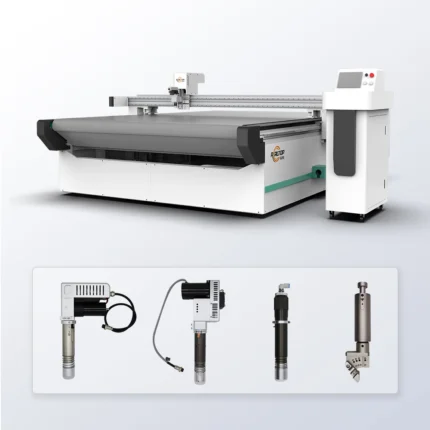
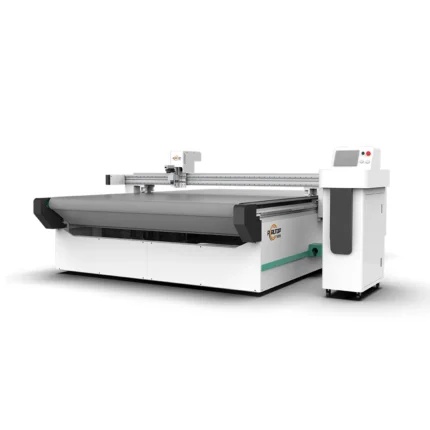
Flatbed Oscillating Knife Cutting Machine 2026 is a high-precision textile fabric cutter with auto-feeding function, ideal for efficient and accurate cutting tasks in textile manufacturing. It combines advanced oscillating knife technology with a large working area to meet industrial production needs.Key Specifications
| Model | 2026 |
| Working Area | 1600x3500mm |
| Feeding System | Auto-Feeding |
| Cutting Type | Oscillating Knife |
| Application | Textile Fabric |
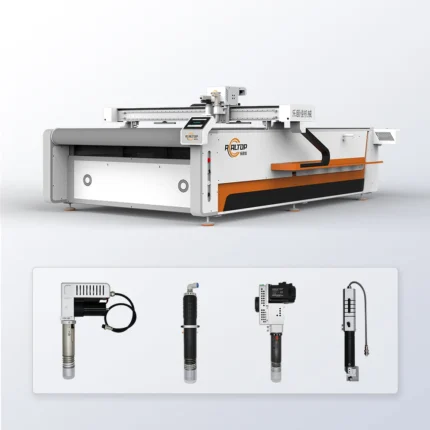
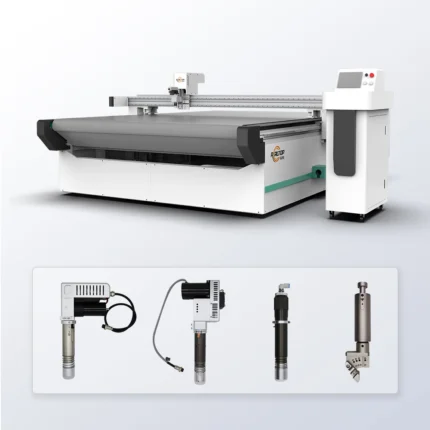
Automatic Fabric Cutting Machine 1200mm Delta Servo 2026
Product Parameters
| Cutting Width | 1200mm |
| Servo System | Delta Servo |
| Model Year | 2026 |
Introduction
High-performance Automatic Fabric Cutting Machine with 1200mm cutting width, equipped with Delta Servo for precision. Ideal for efficient fabric processing in textile industry, ensuring accurate and fast cutting operations.
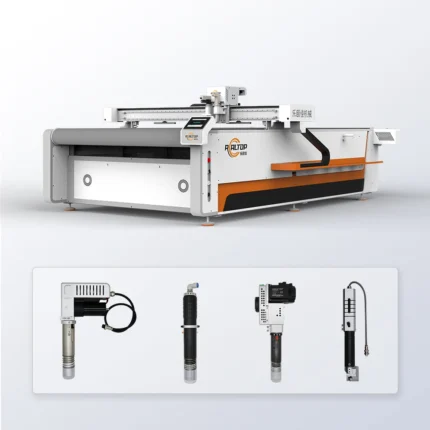
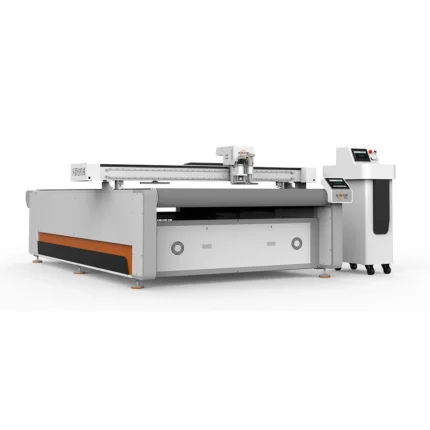
Custom CNC Shirt Fabric Cutting Machine 2026
Product Introduction
Custom CNC Shirt Fabric Cutting Machine 2026, ideal for precise fabric cutting in garment manufacturing, offering efficient and accurate cutting solutions.
Product Parameters
| Model | Custom CNC Shirt Fabric Cutting Machine 2026 |
| Type | CNC Fabric Cutting Machine |
| Application | Shirt Fabric Cutting |
| Year | 2026 |
商品评价
There are no reviews yet.