

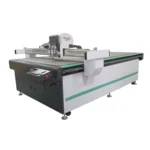
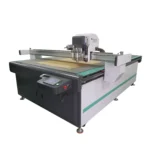
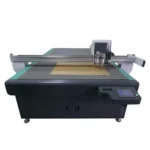
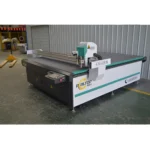
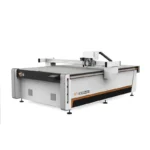

Digital Box Sample Cutter 2026 Oscillating Knife CNC Cutter – Manufacturer
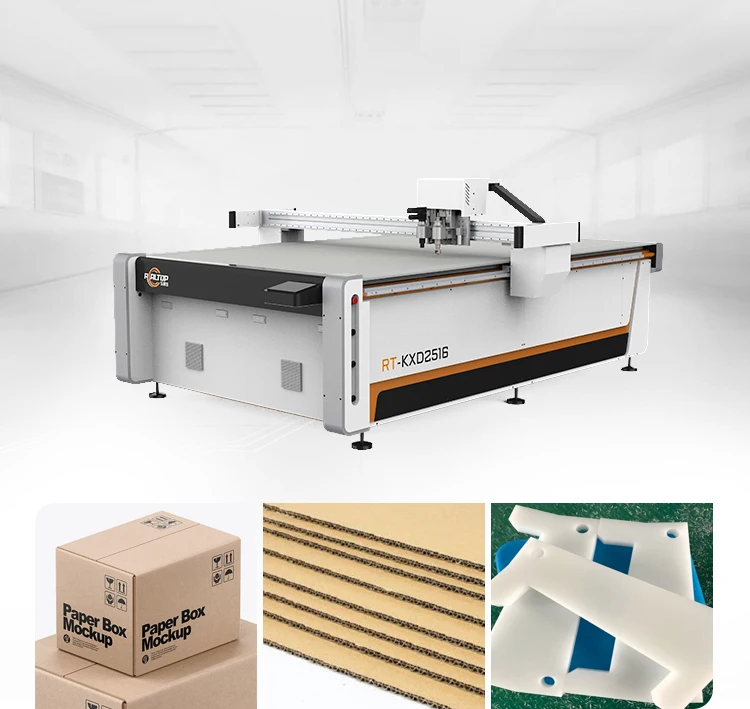
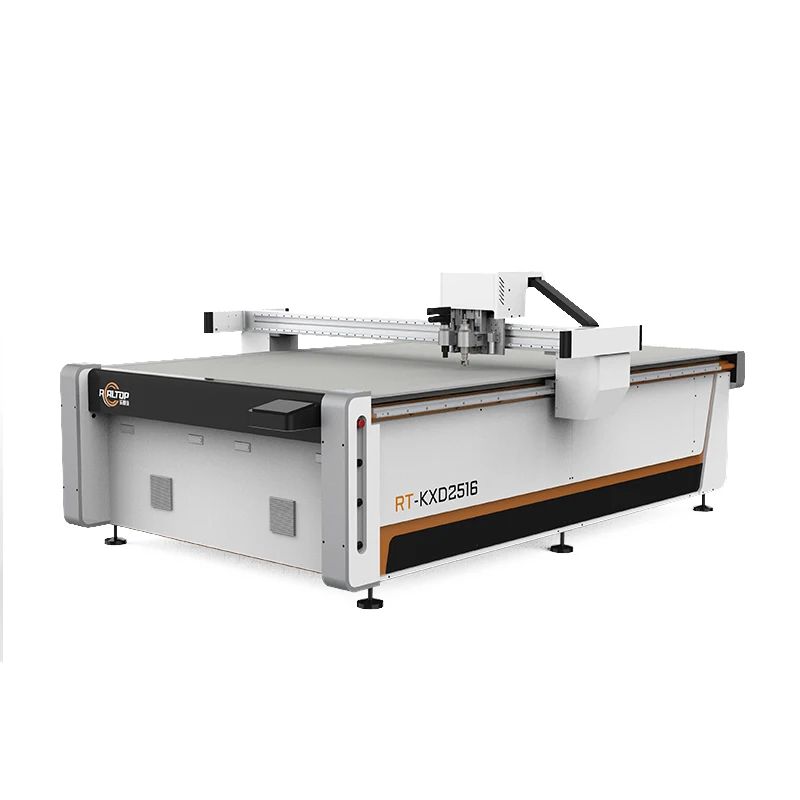
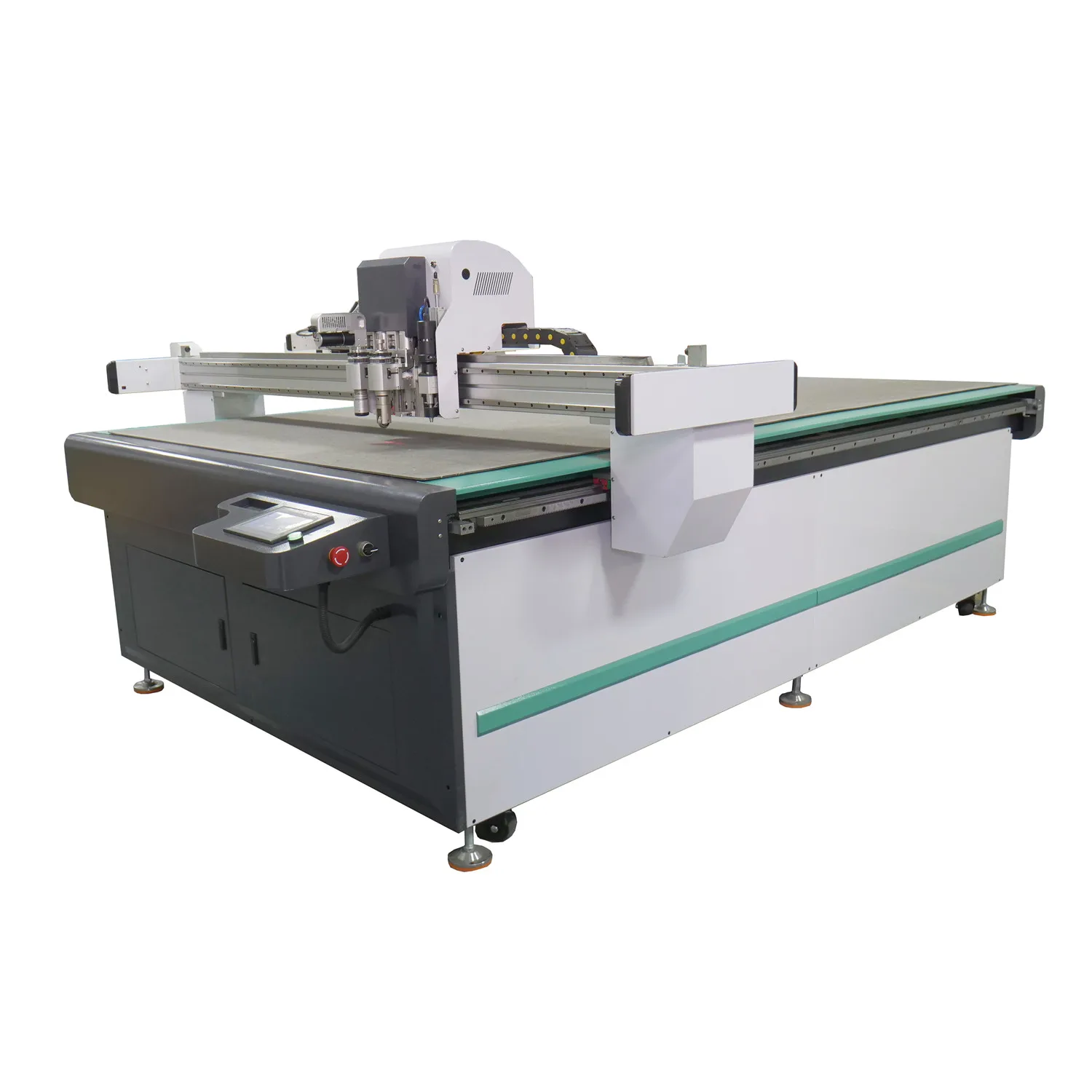
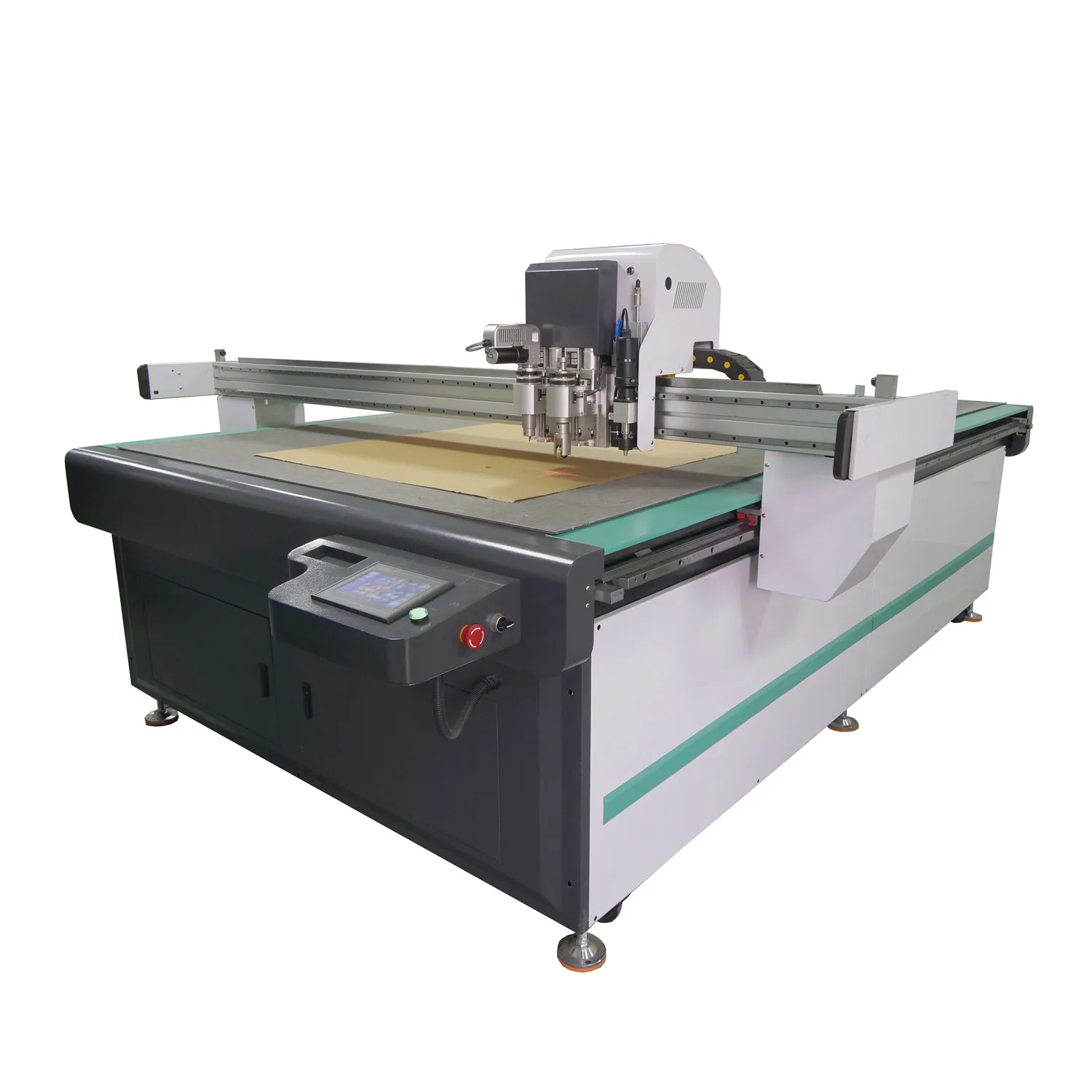
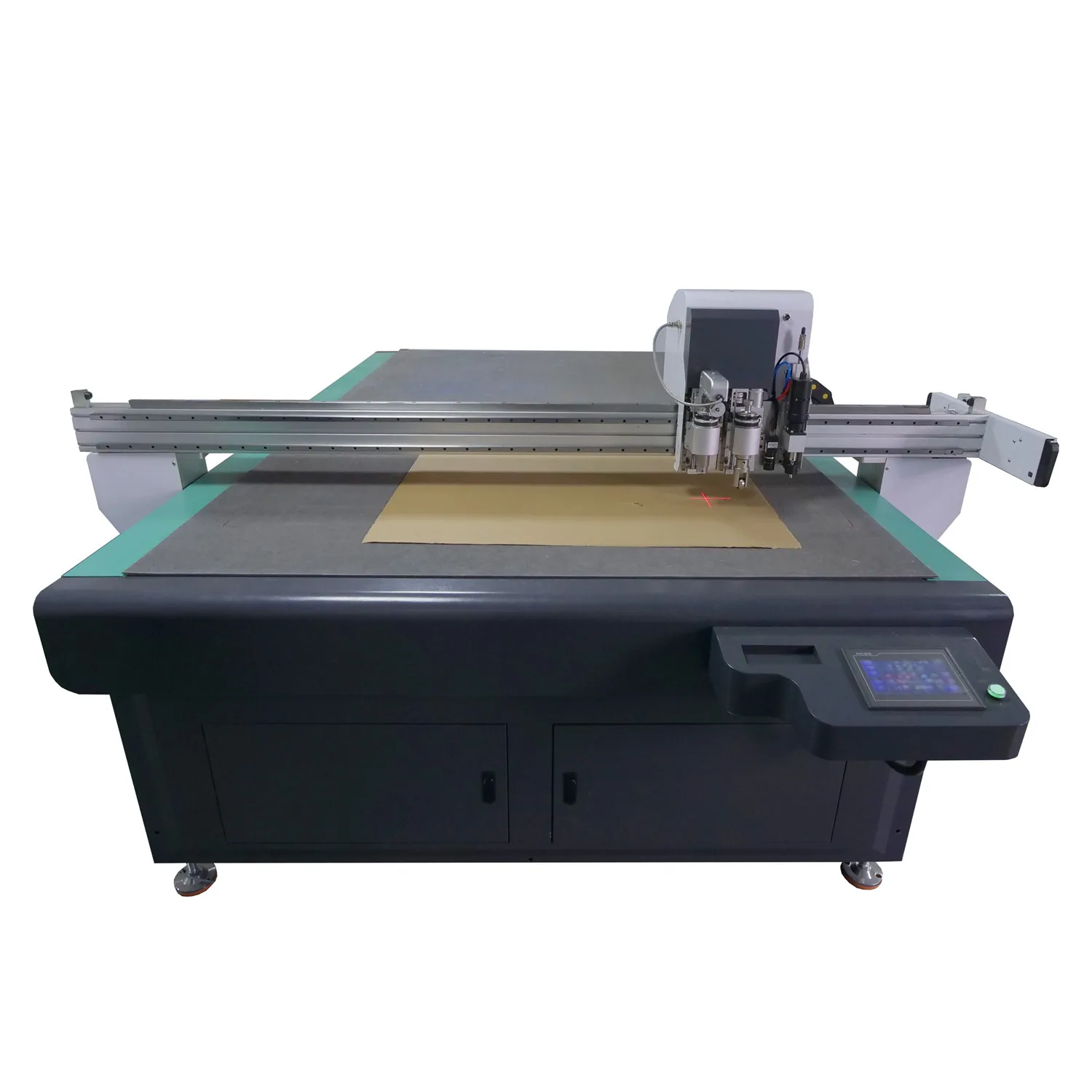
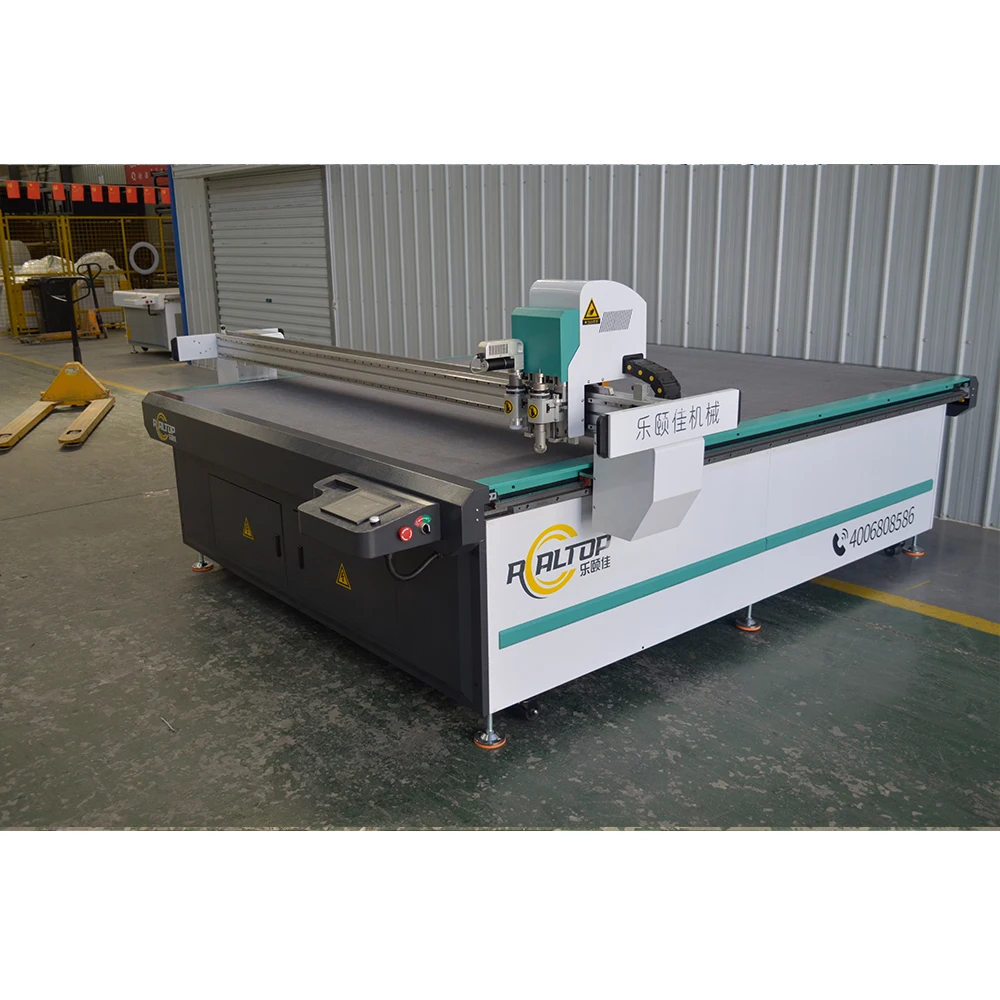
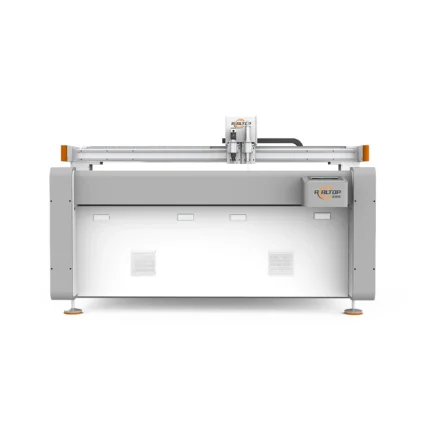
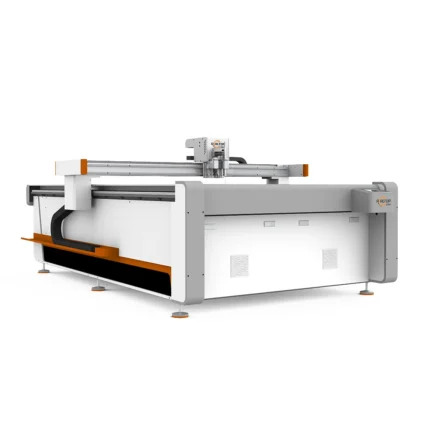
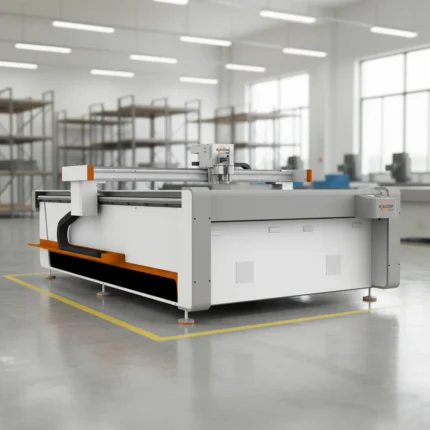
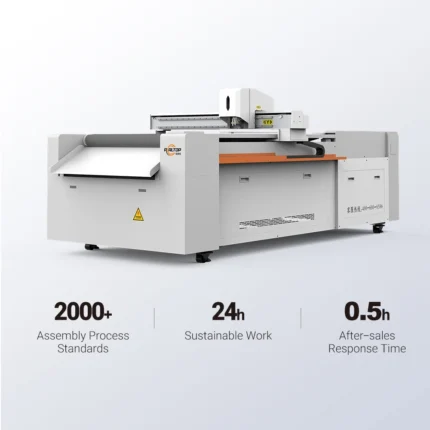
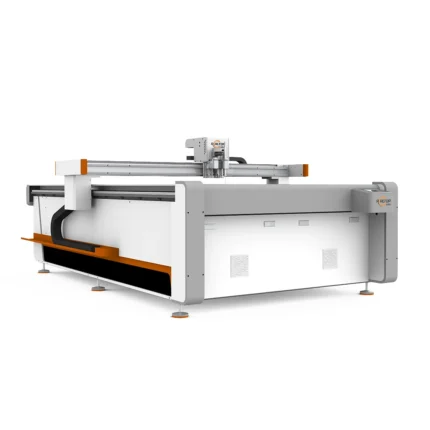
RT-D2516/RT-S2516 Digital Box Sample Cutter, 1600×2500mm Working Area, Oscillating Knife — configured for carton and corrugated board sample making with creasing wheel, V-cutting knife and drag knife on a single tool head carriage.
- Magnesium-aluminum alloy vacuum table with PVDF-coated surface and split-box zoning holds small carton samples flat during high-speed cutting
- Cutting speed 200–800 mm/s with ≤0.1mm repeated accuracy across cardboard, honeycomb board and flexible packaging materials
- Swiss oscillating knife delivers burr-free, burn-free edges without thermal damage to paper-based substrates
Sample cutting on your own material confirmed before order, with tool head configuration and voltage specification locked to your production requirements.
Material-matched tool head specification — Every oscillating knife, creasing wheel, and V-cutting tool is selected against your actual cardboard grade and flute profile, confirmed by sample cutting before the machine ships.
Technical Specifications
| Parameter | Value |
|---|---|
| Model | RT-D2516/RT-S2516 |
| Product Type | CNC Oscillating Knife Cutting Table |
| Working Area | 1600 × 2500 mm |
| Machine Size | 3450 × 2300 × 1250 mm |
| Rated Power | 9 kW |
| Vacuum Pump | 7.5 kW |
| Voltage | 380V ±10% |
| Translational Velocity | 800–2000 mm/s |
| Cutting Speed | 200–800 mm/s (basis not stated in source) |
| Cutting Thickness | Up to 100 mm (varies with material density and tool selection) |
| Repeated Accuracy | ≤0.1 mm |
| Transmission System | Digital servo motor, linear guide, synchronous belt, ball screw |
| Servo Motor Options | Delta (China) or Panasonic (Japan) |
| Linear Guide | Taiwan Hiwin rail |
| Tool Head Options | Swiss imported oscillating knife, creasing wheel, V-cutting knife, drag knife, circular knife, pneumatic knife, punching tool |
| Vacuum Table Surface | Magnesium-aluminum alloy with fluorocarbon PVDF powder spraying, anodic oxidation |
| Vacuum Table Configuration | Integrated or split box |
| Conveyor Belt | Germany imported |
| Control Panel | Touch screen, multi-language (English, Russian, Italian, Chinese; special languages customizable) |
| Instruction System | HP-GL compatible format |
| Software | Auto typesetting, supports PLT, DXF, AI file formats |
| Safety Device | Infrared sensors, anti-collision beam stops, emergency stop button |
| Standards | CE declaration where applicable |
Application Suitability
| Application | Material or Output |
|---|---|
| Packaging and carton sample making | Cardboard, honeycomb cardboard, corrugated cardboard slotting, creasing, and contour cutting |
| Corrugated and honeycomb board processing | Full-depth oscillating knife cuts with V-knife slotting for fold-flat packaging formats |
| Flexible packaging material converting | Sticker, film, foam board, and composite sheet cutting under vacuum hold-down |
| Advertising and signage production | Foam board, sticker, and film contour cutting with edge quality suitable for display use |
| Gasket and sealing pad fabrication | Rubber, PTFE, ETFE, and composite material cutting to precise dimensional tolerances |
Why Vacuum Zoning Matters More Than Working Area for Carton Sample Makers
A 1600×2500 mm table does not guarantee flat holding across every zone. When you cut small carton samples, the vacuum pull must concentrate under the actual part footprint, not bleed across empty table surface.
Many packaging buyers specify a machine by its working envelope and discover weeks later that small box samples lift and shift during high-speed oscillating knife passes, producing edge deviation on crease lines and slotting cuts. The vacuum table on the RT-D2516/RT-S2516 uses a magnesium-aluminum alloy base with an integrated or split-box configuration, which allows zone layout to match your typical sample geometry rather than forcing you to adapt part placement to fixed suction regions [NEED_CITE: vacuum zone design impact on small-part hold-down in CNC flatbed cutting]. When suction is uneven, the knife drags the material edge, and the crease wheel tracks off the intended fold line. I have seen carton sample makers receive machines where the full table pulls well, but a 150×200 mm sample sitting in one corner curls up the moment the oscillating knife hits 600 mm/s.
Process Separation: Why Paper-Based Substrates Need Knife, Not Laser
Thermal cutting on cardboard and corrugated board leaves carbonized edges that compromise print registration on finished packaging samples and create particulate contamination in clean sample rooms. The RT-D2516/RT-S2516 keeps the entire process mechanical, so cut edges on honeycomb cardboard and single-wall corrugated remain clean and burr-free. The Swiss imported oscillating knife handles full and half cuts through material up to 100 mm thick depending on density, while the creasing wheel presses fold lines without breaking the top liner. This separation between knife cutting and laser cutting is deliberate: packaging substrates respond poorly to thermal energy, and forcing a CO2 laser through corrugated flute structures produces inconsistent kerf widths across grain directions.
Multi-Tool Head Carriage and Single-Setup Production
The tool head carriage carries the oscillating knife, creasing wheel, and V-cutting knife simultaneously, so a single carton structure requiring contour cutting, fold-line creasing, and slotting completes in one registration cycle. No manual repositioning means the slotting cuts align with the crease lines within the machine’s ≤0.1 mm repeated accuracy. For packaging designers iterating box structures, this means moving from a DXF file to a physical sample with all structural features in correct relation. The V-cutting knife produces clean channels for fold-flat packaging formats, while the punching tool handles finger holes or ventilation cutouts in the same pass [NEED_CITE: multi-tool head CNC cutting workflow for packaging sample prototyping]. Switching between tools happens by job command in the HP-GL compatible instruction set, not by physical head change.
What the Specifications Mean for Your Cardboard Grade
The 7.5 kW vacuum pump paired with the PVDF-coated magnesium-aluminum table surface provides uniform suction that matters most when cutting thin, lightweight cardboard that tends to flutter. The fluorocarbon coating resists adhesive residue from sticker and film materials, keeping the surface flat over production runs. Translational velocity ranges from 800 to 2000 mm/s, but your actual cutting speed between 200 and 800 mm/s depends on the flute profile and board density of your corrugated stock — a double-wall board demands slower passes than single-face material. The Taiwan Hiwin linear guides and digital servo motors maintain positional accuracy through these speed variations, which is critical when crease lines must register with printed graphics on pre-printed board. The touch screen control supports multiple languages, and the software auto-typesetting function accepts PLT, DXF, and AI files directly from your existing CAD workflow.
The Cost of Ignoring Table Configuration at Order Stage
Buyers who confirm working area but skip vacuum zone specification often face material lift on small parts that ruins edge quality and wastes sheet stock. On corrugated board, insufficient hold-down causes the oscillating knife to push the top liner ahead of the blade, creating a visible ridge along cut paths. Creasing wheels on poorly held material produce uneven fold depth, and box samples fail structural evaluation because the crease geometry is wrong. I have had packaging sample rooms send machines back for rework because the table zoning was configured for full-sheet cutting but their daily workflow involves nesting small carton blanks across one corner of the bed [NEED_CITE: CNC vacuum table zoning misconfiguration consequences in packaging production]. The split-box vacuum configuration option exists specifically to address this, but only if discussed before the table is assembled.
Why Source from This Manufacturer
The in-house design team covers both knife and laser cutting technologies, meaning they recommend the cutting method that fits the material rather than pushing one process onto every substrate. Tool head and table configuration is specified per material and production volume, not sold as a fixed package. CCD camera positioning is available for printed contour work, though confirmation of mark tracking speed should happen during sample cutting. Software compatibility is verified before order, ensuring your PLT, DXF, or AI files import and nest correctly without middleware. Sample cutting on your own cardboard or corrugated board stock happens before commitment, with a cutting report documenting edge quality, creasing depth, and slotting accuracy. Voltage, plug type, and control language are confirmed to match the destination market, avoiding on-site electrical rework.
Documentation & Verification
- Machine specification sheet listing all tool heads and vacuum zone layout for your table configuration
- Electrical schematic with 380V ±10% confirmation and plug type matched to destination market
- Sample cutting report on your cardboard or corrugated material showing edge quality and crease depth
- Tool head and table configuration list specifying included tools and split-box or integrated table choice
- Software licence and file format compatibility note for PLT, DXF, and AI workflow confirmation
- Factory test record documenting repeated accuracy and cutting speed on your specified material grade
Installation, Commissioning & Support
- Foundation must support 3450×2300×1250 mm footprint with level tolerance for the 1600×2500 mm table flatness
- Dedicated 380V ±10% circuit with capacity for 9 kW machine load plus 7.5 kW vacuum pump draw
- Split-box vacuum table option simplifies container loading and on-site reassembly at your facility
- First-run parameter setting includes vacuum zone mapping and cutting speed calibration on your board grade
- Operator training covers tool head selection logic for cardboard, corrugated, and flexible packaging materials
- Spare parts list includes oscillating knife blades, creasing wheels, and conveyor belt segments
Request a Material-Specific Configuration Quote
Provide your typical cardboard grade, flute profile, and sheet dimensions so we can recommend tool head selection and vacuum zone layout. Confirm your local voltage standard, frequency, and preferred control panel language before the quotation stage. If your workflow involves pre-printed board requiring contour recognition, send printed samples for CCD tracking validation. Specify whether a flat working table or auto-feeding table suits your daily volume, and indicate your existing CAD software to confirm file format compatibility.
Frequently Asked Questions
Q: How do I verify cutting speed and thickness capacity for my specific corrugated board grade?
A: Send samples of your actual cardboard and corrugated material for test cutting. The sample report documents achievable cutting speed, edge quality, and creasing depth on your specific flute profile and board density, since published speed ranges assume ideal conditions that may not match your stock.
Q: Which tool heads do I need for carton structures — oscillating knife alone or combined tools?
A: Most carton sample work requires the oscillating knife for contour cutting, the creasing wheel for fold lines, and the V-cutting knife for slotting. The tool head carriage holds multiple tools simultaneously, so all structural features complete in one registration cycle without manual repositioning.
Q: How does vacuum table zoning handle small carton samples versus full-sheet cutting?
A: The integrated or split-box vacuum configuration allows zone layout to concentrate suction under your typical part footprint. Small samples in one corner need focused hold-down to prevent lift during high-speed oscillating knife passes, which should be confirmed during the sample cutting test before order.
Q: What do I send for sample cutting, and what does the test report cover?
A: Ship sheets of your production material in typical grades and thicknesses. The report documents cut edge quality, creasing depth consistency, slotting accuracy, and achievable cutting speed on each material, so you can evaluate machine performance on your actual stock before commitment.


Related products
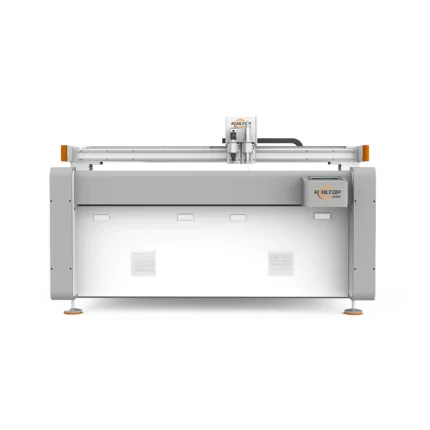
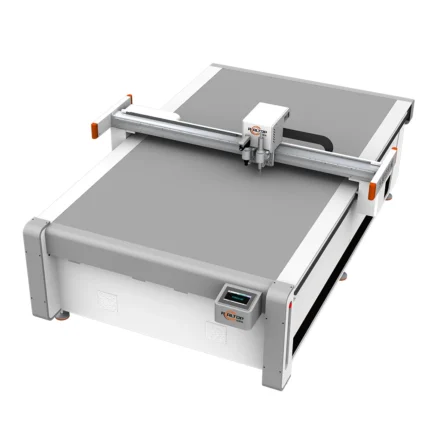
CNC Flatbed Cutter 2026 Digital Corrugated Box Making Machine
Product Introduction
High-precision CNC flatbed cutter designed for efficient cardboard box production. Ideal for 2026 digital corrugated box manufacturing, offering precise cutting and reliable performance for professional packaging solutions.
Key Specifications
| Type | CNC Flatbed Cutter |
| Application | Cardboard Box Production |
| Technology | 2026 Digital System |
| Material | Corrugated Board |
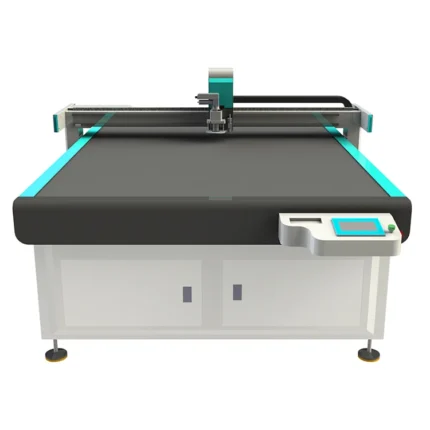
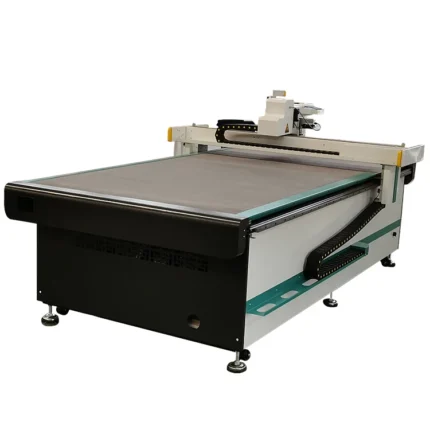
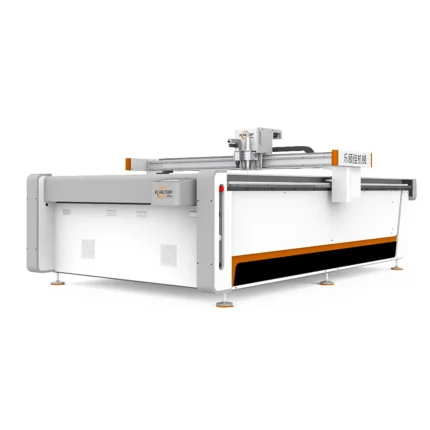
CNC Oscillating Knife Cutting Machine 2026 for Corrugated Cardboard & Honeycomb
Product Introduction
2026 CNC Oscillating Knife Cutting Machine, ideal for corrugated cardboard and honeycomb materials, offering precise and efficient cutting solutions for your production needs.Specifications
| Model | 2026 |
| Type | CNC Oscillating Knife Cutting Machine |
| Applicable Materials | Corrugated Cardboard, Honeycomb |
| Cutting Method | Oscillating Knife |
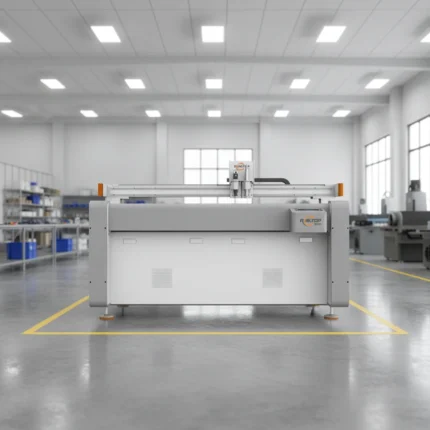
CNC Vibrating Knife Cutter 2026 Custom Cartons Packaging
Product Introduction
CNC Vibrating Knife Cutter 2026 is ideal for custom cartons & packaging, offering precise cutting solutions for various materials. Engineered by a leading Chinese welding & cutting equipment manufacturer, it ensures efficiency and accuracy for packaging production needs.Key Specifications
| Model | 2026 |
| Type | CNC Vibrating Knife Cutter |
| Application | Custom Cartons & Packaging |
| Manufacturer | Chinese Leading Factory |


Digital CNC Cardboard Cutting Machine 2026
Product Introduction
High-precision Digital CNC Cardboard Cutting Machine 2026, ideal for efficient cardboard processing with advanced CNC technology, ensuring precise and fast cutting performance for various packaging and craft applications.
Key Specifications
| Model | 2026 |
| Type | Digital CNC Cutting Machine |
| Material | Cardboard |
| Feature | High Precision, Efficient Cutting |
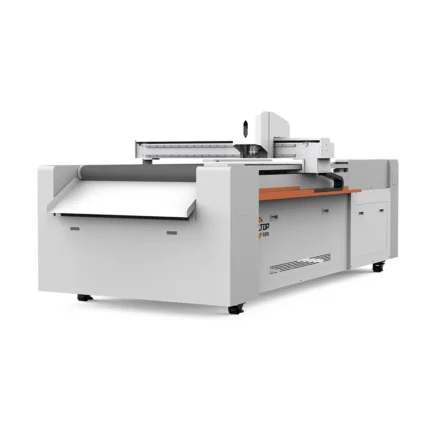

Realtop CNC Carton Box Cutter 2026 CCD Camera Honeycomb Cutting
Product Introduction
Realtop CNC Carton Box Cutter 2026 is a professional cutting solution featuring CCD Camera and Honeycomb Cutting technology, ideal for precise carton box processing with efficient performance.Product Parameters
| Model | Realtop CNC Carton Box Cutter 2026 |
| Vision System | CCD Camera |
| Cutting Technology | Honeycomb Cutting |
商品评价
There are no reviews yet.