

Blog
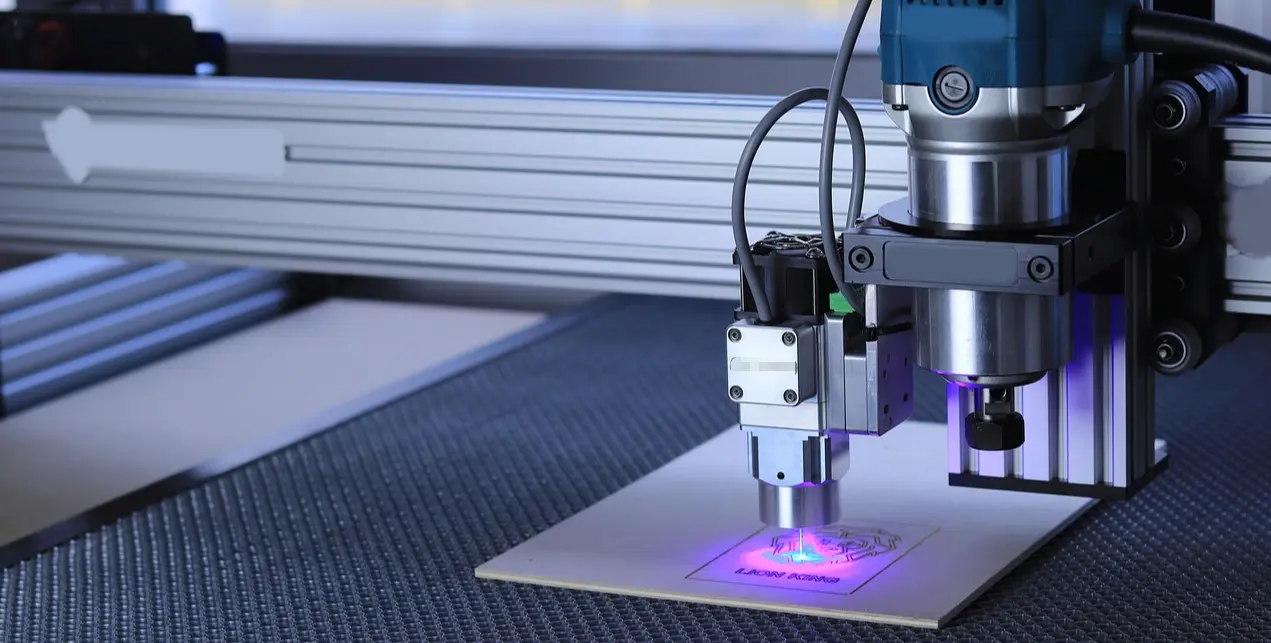
Realtop Oscillating Knife Cutter for Engraving Shops Wholesale

Realtop Oscillating Knife Cutter for Engraving Shops Wholesale
Higher wattage does not guarantee cleaner cuts on flexible materials.
For engraving shops expanding into soft material processing, the Sheet Metal Laser Cutter Buyer Checklist is fundamentally misaligned with operational needs. Instead of focusing on beam quality and chiller capacity for metal, buyers must prioritize oscillating knife precision, multi-layer cutting capability, and nesting software efficiency to avoid material waste and ensure clean, burn-free edges on substrates like cardboard, fabric, and vinyl.
When I first started assembling vibration knives in the Jinan factory, my mentor emphasized spindle alignment over raw power. Later, during an installation trip to Lagos for an advertising signage shop, I witnessed a common pitfall. The owner had purchased a second-hand cutting table from another supplier, expecting it to handle KT board and acrylic efficiently. However, the machine suffered from severe deviation during cutting, resulting in piles of wasted material. The operator struggled with the nesting software, unable to optimize layouts for irregular shapes. I spent three days at the site recalibrating the oscillating knife stroke and teaching proper material nesting. Only then did the waste drop noticeably. This experience reinforced a critical lesson: selecting equipment for an engraving shop requires understanding the specific material properties, voltage stability, and operator skill level, rather than just comparing generic specifications.
Many engraving businesses assume that a laser cutter is the universal solution for all marking and cutting tasks. While lasers excel at metal marking, they often fail when applied to flexible or heat-sensitive materials. The Sheet Metal Laser Cutter Buyer Checklist focuses on parameters like beam quality and cooling systems, which are irrelevant for non-metal applications. For shops dealing with packaging samples, apparel patterns, or signage materials, the thermal impact of a laser can cause burnt edges, toxic fumes, and material deformation. An oscillating knife cutter offers a cold-cutting alternative that preserves material integrity. Understanding this distinction is the first step in avoiding costly mismatches between equipment capabilities and business requirements.
Why Do Most Engraving Shops Fail at Soft Material Cutting?
Mismatched technology leads to poor edge quality and excessive material waste.
Engraving shops often expand their services to include packaging prototypes or textile cutting without adjusting their equipment strategy. They might refer to a Sheet Metal Laser Cutter Buyer Checklist out of habit, looking for high-power sources and advanced cooling units. However, these features do not address the core challenges of cutting flexible materials. The primary issue is not power stability but mechanical precision and tool path optimization.
A common scenario involves a shop attempting to cut multi-layer fabric or corrugated cardboard with a laser. The heat generated by the laser seals the edges of synthetic fabrics, making them stiff and unusable for garment assembly. In cardboard cutting, the laser burns the flutes, compromising the structural integrity of the box sample. [NEED_CITE: thermal impact of laser cutting on cellulose-based materials] In contrast, an oscillating knife cutter uses a high-frequency vibrating blade to slice through materials cleanly, leaving no burnt edges or chemical residue.
Consider the case of a European print shop that switched from laser to oscillating knife cutting for its packaging division. Initially, they struggled with blade wear and cutting speed. By upgrading to a machine with smart nesting software and auto-focus capabilities, they reduced material waste significantly. The key was not just the cutting head but the software’s ability to arrange complex shapes efficiently. This shift highlights why relying on a Sheet Metal Laser Cutter Buyer Checklist can lead to suboptimal decisions for non-metal applications.
The failure often stems from a lack of understanding of the material’s behavior under different cutting forces. Lasers rely on thermal energy, while oscillating knives rely on mechanical force. For engraving shops, this means rethinking their procurement criteria. Instead of checking laser source brands, they should evaluate knife holder types, vibration frequency, and tool change mechanisms. The transition requires a mindset shift from thermal processing to mechanical precision.
What Key Specs Define a Reliable Oscillating Knife Cutter?
Focus on oscillating frequency, tool versatility, and frame rigidity rather than laser power.
When evaluating a cutting machine for flexible materials, the specifications differ vastly from those in a Sheet Metal Laser Cutter Buyer Checklist. The core components that determine performance are the oscillating mechanism, the control system, and the software integration. A reliable machine must maintain consistent cutting depth and speed across various material thicknesses.
| Feature | Laser Cutter (Metal Focus) | Oscillating Knife Cutter (Flexible Focus) |
|---|---|---|
| Cutting Mechanism | Thermal melting/vaporization | Mechanical vibration/slicing |
| Edge Quality | Potential burning/charring | Clean, burn-free edges |
| Material Compatibility | Metals, hard plastics | Cardboard, fabric, leather, vinyl, foam |
| Precision Control | Beam quality (BPP) | Oscillating frequency and stroke length |
| Software Need | Path optimization for heat | Nesting algorithms for material saving |
| Maintenance Focus | Lens cleaning, chiller checks | Blade replacement, belt tension, vacuum system |
The oscillating frequency is crucial for achieving smooth cuts on thick materials. A higher frequency allows the knife to penetrate dense materials like rubber gaskets or multi-layer leather without dragging. [NEED_CITE: relationship between oscillating frequency and cutting force in digital die-less cutting] Additionally, the tool holder must support various tools, such as creasing wheels, drag knives, and routing bits, to handle diverse tasks within a single workflow.
Frame rigidity is another critical factor. Unlike laser cutters, which require stable optical paths, oscillating knife cutters need a robust mechanical structure to withstand the lateral forces generated during high-speed cutting. A lightweight frame may vibrate excessively, leading to inaccurate cuts and premature wear on components. Buyers should inspect the construction materials and the design of the gantry system.
Software compatibility is equally important. The cutting machine must integrate seamlessly with common CAD formats used in packaging and apparel design. Advanced nesting algorithms can save a significant amount of material by optimizing the layout of parts on the sheet. For an engraving shop, this efficiency translates directly to higher profit margins. Ignoring these specs in favor of laser-centric criteria from a Sheet Metal Laser Cutter Buyer Checklist will result in a machine that fails to meet production demands.
How to Verify Supplier Claims Before Payment?
Request live cutting videos, check component brands, and review warranty clauses.
Verifying the capabilities of a cutting machine supplier requires more than just reading brochures. Many suppliers claim high precision and speed, but real-world performance can vary. To avoid disappointment, buyers should ask for live cutting videos of their specific materials. This provides visual evidence of edge quality and cutting speed.
During my time in Africa, I encountered several clients who were misled by generic specification sheets. One buyer in Ethiopia purchased a machine that claimed to cut 10mm foam effortlessly. In reality, the motor lacked sufficient torque, causing the knife to stall frequently. By requesting a live demonstration with the actual material, such issues can be identified before purchase. [NEED_CITE: importance of material-specific testing in CNC cutter procurement]
Another verification step is to check the brands of key components. High-quality servo motors, guides, and control systems are indicators of a reliable machine. Cheap components may fail under continuous operation, leading to frequent downtime. Buyers should also review the warranty terms carefully. A comprehensive warranty should cover not just the main unit but also critical parts like the oscillating head and control board.
Transparency in support is also a key verification point. Suppliers who offer remote diagnostics and free sample cutting services demonstrate confidence in their products. For instance, Realtop provides remote diagnostic support, allowing technicians to troubleshoot issues without immediate on-site visits. This level of support reduces downtime and ensures continuous operation. When evaluating suppliers, look for these practical support measures rather than just relying on the standard checks found in a Sheet Metal Laser Cutter Buyer Checklist.
Which Maintenance Steps Prevent Costly Downtime?
Daily blade inspection, weekly vacuum filter cleaning, and quarterly mechanical calibration.
Maintenance for an oscillating knife cutter differs significantly from laser maintenance. There are no lenses to clean or chillers to refill. Instead, the focus is on mechanical wear and tear. Regular maintenance ensures consistent cutting quality and extends the machine’s lifespan.
Daily tasks include inspecting the knife blade for wear and replacing it if necessary. A dull blade can cause fraying on fabric or rough edges on cardboard. Operators should also check the vacuum table for debris, ensuring strong material hold-down during cutting. Weekly maintenance involves cleaning the vacuum filters and checking the belt tension. Loose belts can lead to positioning errors and uneven cuts.
Quarterly calibration is essential for maintaining precision. This includes checking the squareness of the gantry, aligning the tool holders, and verifying the oscillating frequency. [NEED_CITE: recommended maintenance schedule for digital cutting systems] Neglecting these steps can lead to gradual degradation in cut quality, which may go unnoticed until significant waste has accumulated.
Training operators on proper maintenance procedures is crucial. Many downtime issues stem from improper handling or neglect of basic care. Suppliers who provide comprehensive training, such as free operator training sessions, help buyers build internal expertise. This proactive approach minimizes reliance on external support and keeps production running smoothly. Unlike the complex maintenance routines outlined in a Sheet Metal Laser Cutter Buyer Checklist, oscillating knife maintenance is straightforward but requires consistency.
Conclusion
Choose the right tool for the material, not the most powerful one.
Engraving shops expanding into flexible material processing must move beyond the metrics of metal cutting. The Sheet Metal Laser Cutter Buyer Checklist is not applicable to operations involving cardboard, fabric, or vinyl. Success lies in selecting an oscillating knife cutter with precise mechanical controls, versatile tooling, and efficient nesting software. By focusing on these specific requirements and verifying supplier claims through live demonstrations and component checks, businesses can avoid costly mistakes and achieve high-quality, burn-free cuts. Proper maintenance and operator training further ensure long-term reliability and profitability.

