

Blog
UV Laser Marker for Sheet Metal Fab Philippines | Realtop OEM Supplier

UV Laser Marker for Sheet Metal Fab Philippines | Realtop OEM Supplier
Higher power does not mean better marking on metal.
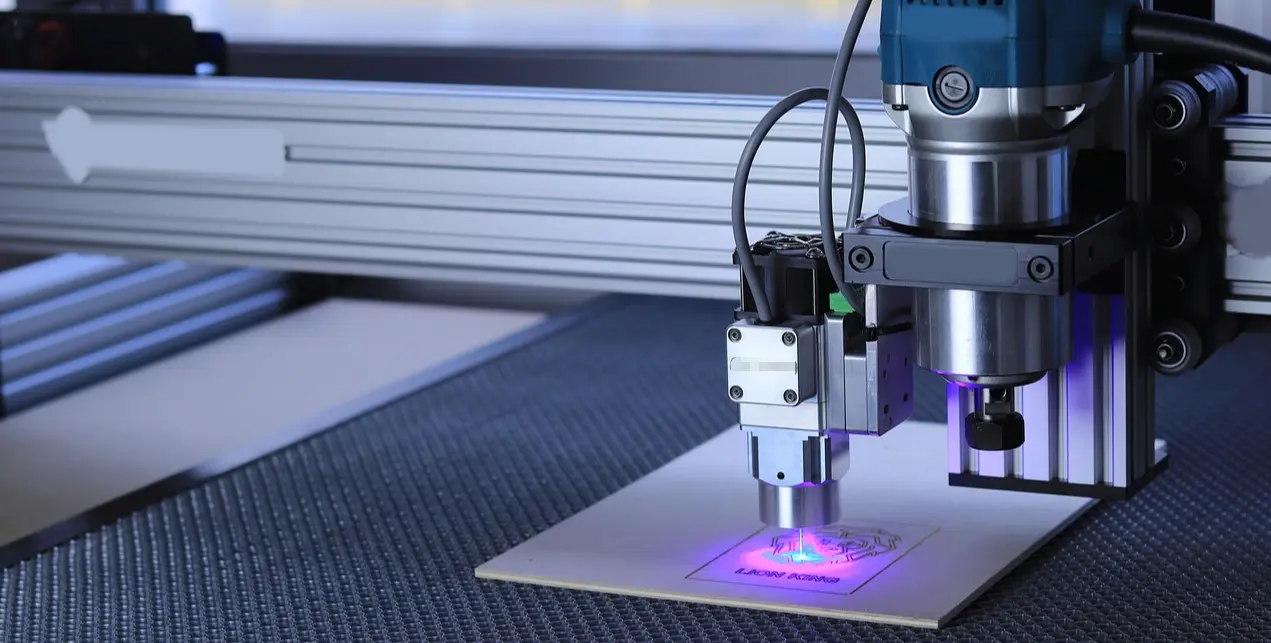
For stainless steel signage and precision parts in the Philippines, a UV laser marker eliminates heat-affected zones and blackened edges through cold photochemical ablation, removing the need for manual post-polishing and significantly reducing labor costs compared to traditional CO2 or fiber lasers.
Walking through the industrial parks outside Manila, the smell of ozone and burnt metal is common. I recall a conversation with a shop owner in Quezon City who was frustrated with his current setup. He was using a standard infrared laser to mark 1mm stainless steel sheets for architectural signage. The result was consistent but problematic: a distinct blackened ring around every letter and logo. This oxidation required hours of manual polishing to achieve a clean, premium finish. His team spent more time cleaning the marks than creating them. When he switched to a UV laser marker for sheet metal, the change was immediate. The marks appeared crisp and white without any thermal discoloration. The "cold" nature of the process meant the material integrity remained intact, and the parts went straight from the machine to packaging. [NEED_CITE: mechanism of photochemical ablation vs thermal melting in laser processing]
This shift is not just about aesthetics; it is about workflow efficiency. In markets where labor costs are rising and competition is fierce, eliminating a production step provides a tangible competitive advantage. Understanding the difference between thermal and cold processing helps fabricators choose the right tool for high-value applications.
Why Do CO2 Lasers Leave Black Edges on Stainless Steel?
Thermal energy causes oxidation and micro-cracking, requiring extensive manual cleanup.
Traditional CO2 and many fiber lasers operate on a thermal principle. They deliver high-energy infrared light that heats the metal surface rapidly. For stainless steel, this heat triggers a chemical reaction with oxygen in the air, resulting in oxidation. This manifests as the familiar black or dark brown discoloration around the marked area. While this contrast can be useful for some applications, it is often undesirable for high-end signage or medical devices where a clean, sterile appearance is required.
The heat input also creates a Heat Affected Zone (HAZ). Within this zone, the microstructure of the metal changes. In thin sheets, this can lead to slight warping or micro-cracks that compromise the structural integrity or corrosion resistance of the part. [NEED_CITE: effects of HAZ on stainless steel corrosion resistance]
| Feature | Thermal Laser (CO2/Fiber) | UV Laser |
|---|---|---|
| Processing Mechanism | Thermal Melting/Vaporization | Photochemical Ablation |
| Heat Input | High | Negligible |
| Edge Quality | Oxidized, Blackened | Clean, White/Contrast |
| Post-Processing | Often Required (Polishing) | Minimal to None |
| Material Integrity | Potential Micro-cracking | Preserved |
A fabricator in Cebu shared that his reject rate for decorative panels dropped noticeably after switching technologies. The previous method required skilled workers to polish each piece, introducing variability and potential surface scratches. With thermal lasers, the margin for error is small because the heat accumulation can distort thin materials. This is particularly relevant for the UV laser marker for sheet metal applications where precision and surface finish are paramount.
The key takeaway is that for stainless steel, especially in visible applications, the thermal byproduct is a defect, not a feature. Removing this defect at the source is more efficient than trying to fix it downstream.
How Does UV "Cold Marking" Change the Game?
Shorter wavelength breaks molecular bonds without significant heat transfer, preserving material integrity.
UV lasers operate at a wavelength of 355 nanometers, which is significantly shorter than the 1064nm of fiber lasers or the 10600nm of CO2 lasers. This short wavelength allows the laser energy to be absorbed directly by the molecular bonds of the material rather than being converted into heat. This process is known as photochemical ablation. Instead of melting the surface, the UV laser breaks the bonds, causing the material to vaporize in a controlled manner. [NEED_CITE: principles of UV laser photochemical ablation]
Because there is minimal heat transfer to the surrounding area, the HAZ is virtually eliminated. This is why it is called "cold marking." The result is a mark that is smooth to the touch and free from the rough, oxidized texture associated with thermal lasers. For reflective metals like stainless steel, copper, and aluminum, UV lasers provide high-contrast marks without the need for additional coatings or sprays.
A precision parts manufacturer in Laguna Province needed to mark serial numbers on reflective stainless steel components for automotive use. Standard lasers struggled with the reflectivity, often requiring higher power that damaged the surface. The UV laser marker for sheet metal handled the reflectivity effortlessly, producing readable, high-contrast codes that met industry standards for traceability. The non-contact nature of the process also meant no tool wear and consistent quality across large batches.
This technology is particularly effective for materials that are sensitive to heat. Plastics, glass, and certain composites also benefit from UV marking, but for metal fabricators, the ability to mark stainless steel without discoloration is the primary driver for adoption. It transforms the marking process from a potential bottleneck into a seamless part of the production line.
Real-World Impact: A Philippine Fabricator’s Workflow Shift
Case study showing transition from multi-step polishing to direct-to-packaging workflow.
Consider the workflow of a typical signage shop in Metro Manila. Before adopting UV technology, the process for a batch of stainless steel nameplates involved cutting, laser marking, manual polishing to remove burn marks, cleaning, and finally packaging. The polishing step was labor-intensive and inconsistent. Skilled workers were tied up with repetitive tasks, limiting the shop’s capacity to take on new orders.
After integrating a UV laser marker for sheet metal, the workflow changed dramatically. The marking step now produces a finished-quality mark directly. The polishing stage was eliminated entirely. This allowed the shop to reallocate labor to design and customer service, areas that drive growth. The turnaround time for orders decreased, enabling the business to offer faster delivery times to clients. [NEED_CITE: case studies on labor efficiency in digital fabrication]
One specific instance involved a large order for hotel signage. The previous method would have required weeks of polishing to meet the quality standards. With the UV laser, the batch was completed in a fraction of the time, with zero rejects due to surface damage. The client noted the superior finish and placed a repeat order. This demonstrates how equipment choice directly influences business capability and customer satisfaction.
The impact extends beyond labor savings. By reducing the handling of parts, the risk of accidental scratches or dents during polishing is removed. This leads to a higher overall yield and less material waste. For small-to-medium enterprises, these efficiencies are critical for maintaining profitability in a competitive market.
Is UV Laser Worth the Investment for Small Shops?
ROI calculation based on labor savings and premium pricing for superior finish quality.
The initial cost of a UV laser marker for sheet metal is higher than that of a standard fiber or CO2 laser. However, the return on investment comes from operational savings and the ability to command higher prices for superior quality. When evaluating the investment, fabricators should look beyond the purchase price and consider the total cost of ownership.
Labor is a significant expense. If a shop spends hours each day polishing marked parts, the cost of that labor adds up quickly. Eliminating this step frees up valuable human resources. Additionally, the reduced reject rate means less material waste and fewer reworks. Over time, these savings can offset the higher initial equipment cost. [NEED_CITE: total cost of ownership analysis for laser marking systems]
Furthermore, the quality of UV marking allows shops to target higher-end markets. Clients in architecture, healthcare, and luxury goods are willing to pay a premium for flawless finishes. By offering a service that competitors using thermal lasers cannot match, shops can differentiate themselves and increase their margins.
| Cost Factor | Traditional Laser Setup | UV Laser Setup |
|---|---|---|
| Equipment Cost | Lower | Higher |
| Labor (Post-Processing) | High | Minimal |
| Material Waste | Moderate | Low |
| Market Positioning | Standard | Premium |
| Maintenance | Standard | Specialized |
A small batch customizer in Davao found that the flexibility of the UV laser allowed him to take on diverse projects, from metal tags to plastic enclosures, without changing tools. This versatility increased his billable hours and reduced downtime. The ability to switch materials quickly without trial-and-error waste further contributed to cost savings.
While Realtop specializes in cutting solutions, understanding the broader landscape of digital fabrication helps customers choose the right mix of equipment for their production line. Whether it is cutting with an oscillating knife or marking with a UV laser, the goal is overall workshop efficiency. Choosing the right technology for the specific application ensures that every step in the process adds value rather than creating work for later correction.
Conclusion
Cold marking eliminates the hidden costs of thermal processing.
UV laser technology offers a clear advantage for stainless steel fabrication by removing heat-affected zones and the need for post-polishing. This leads to faster workflows, lower labor costs, and superior product quality. For fabricators in the Philippines and beyond, adopting a UV laser marker for sheet metal is a strategic move towards higher efficiency and market differentiation.

