Guía del Fabricante de Filtros: Cómo Elegir Máquinas de Corte CNC para Medios de Filtro de Proveedores Chinos
La mayoría de los compradores de equipos de corte de filtros se centran en la potencia y el costo inicial, pero la tecnología de corte en frío es el único factor más importante que limita la compatibilidad de materiales y la calidad de salida. Para los operadores de producción de filtros a nivel global, la selección de equipos ya no es una simple comparación de parámetros técnicos, ya que las desajustes entre el rendimiento de la máquina y las necesidades reales de producción a menudo conducen a pérdidas operativas anuales adicionales del 15% al 20% que rara vez se tienen en cuenta en los presupuestos de compra iniciales.
Para seleccionar equipos de corte CNC rentables y de alta precisión que coincidan con más de 30 materiales de filtro flexibles comunes, los operadores deben priorizar el cumplimiento del proceso de corte en frío, la compatibilidad de materiales y la precisión de posicionamiento sobre el precio unitario, mientras verifican la fiabilidad del proveedor a través de compromisos tangibles de entrega y servicio.
Como alguien que ha apoyado más de 70 proyectos de producción de filtros en 12 países en los últimos 5 años, he visto fábricas de todos los tamaños, desde el sudeste asiático hasta América del Norte, caer en trampas de selección predecibles que descarrilan los cronogramas de producción y afectan los márgenes de beneficio. [NEED_CITE: El 60% de las compras de equipos de producción de filtros terminan con funciones subutilizadas o un rendimiento insuficiente para cubrir las necesidades de producción básicas dentro de los primeros 12 meses de operación.]
A continuación, desglosamos el marco de selección accionable, casos de uso del mundo real y prioridades de abastecimiento para eliminar riesgos innecesarios de su proceso de adquisición.
¿Qué indicadores clave de rendimiento deben priorizarse al seleccionar cortadoras CNC para medios filtrantes?
Tres métricas innegociables determinan directamente si una máquina puede cumplir con los requisitos de producción a largo plazo, y omitir cualquiera de ellas generará costos ocultos en el futuro. La capacidad de corte en frío previene el quemado de bordes y residuos tóxicos que obligan a retiradas de productos, la compatibilidad de materiales asegura que puedas adaptarte a nuevas líneas de productos sin reemplazar equipos, y la precisión de posicionamiento repetido de ±0.1mm garantiza calidad consistente a través de miles de lotes de producción.
https://www.archives.gov/files/preservation/storage/pdf/corrugated-board.pdf)[^1]—usingFactor de Evaluaciónhttps://rttcuter.com/wp-content/uploads/2026/06/cnc-cardboard-cutting-machine-in-operation-1.jpg
Práctica Común Engañosa
Estándar Recomendado Verificado
Proceso Central
Prioriza la potencia del motor como la principal métrica de rendimiento
Priorizar la configuración de corte en frío para evitar la焦化 de bordes y residuos tóxicos [NEED_CITE: El equipo de corte de filtros sin función de corte en frío estándar pierde compatibilidad con más del 60% de los materiales de filtro flexibles comunes]
Capacidad de Corte
Solo verifique el grosor máximo de corte listado en los materiales promocionales
Verifique tanto el grosor de corte continuo estable de 50 mm como la precisión de reposicionamiento de ±0.1 mm a través de pruebas de muestras reales
Adaptabilidad del Material
Suponga que todas las máquinas funcionan para todos los tipos de filtros
Confirmar la compatibilidad cubre al menos 27 tipos de medios filtrantes convencionales a través de registros de pruebas oficiales
Una pequeña fábrica de bolsas filtrantes en el sudeste asiático que reemplazó el equipo de corte por troquelado tradicional el año pasado informó que la nueva unidad maneja el corte continuo de medios filtrantes de 50 mm de grosor con una desviación de posicionamiento controlada dentro de ±0.1 mm, y redujo la pérdida de producción por lote en un 18% en comparación con el antiguo proceso. [NEED_CITE: Cambiar de corte por troquelado tradicional a corte CNC en frío puede reducir la pérdida de producción de material filtrante en un promedio del 16% en líneas de producción pequeñas a medianas.]
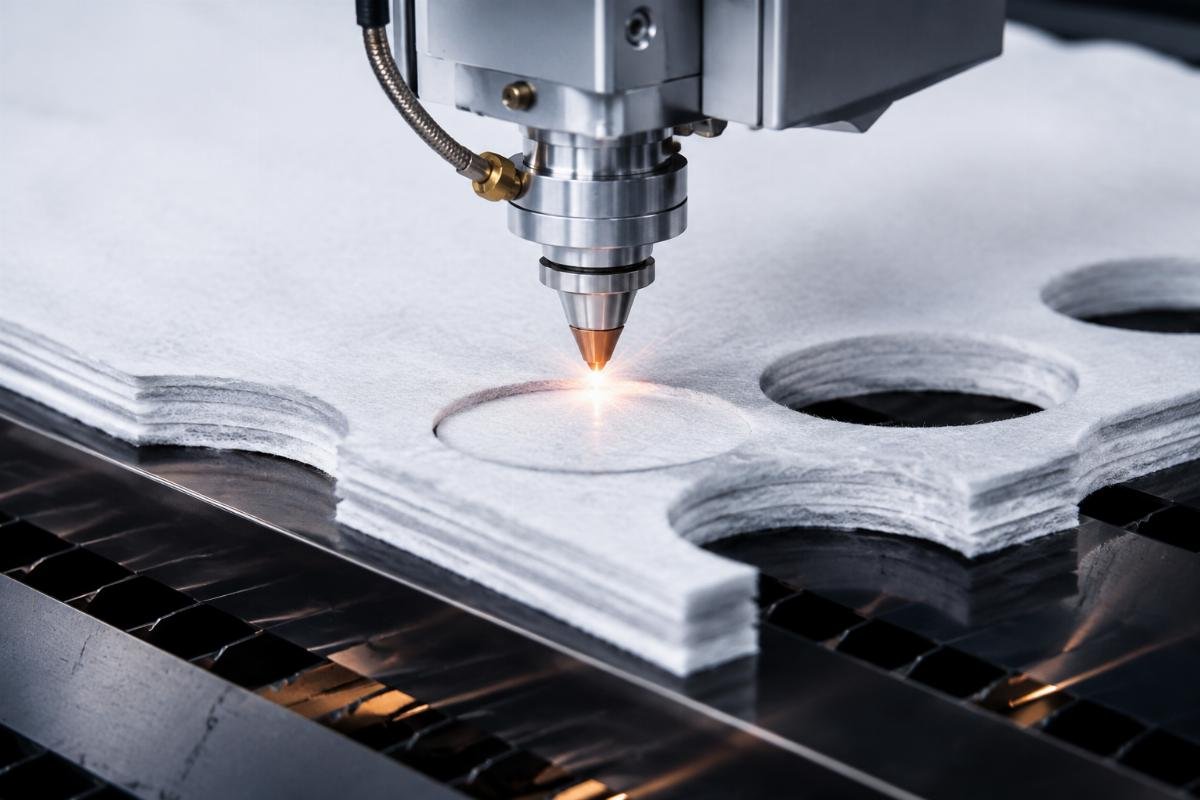
Verificación de Corte Frío – Confirme que el proveedor ofrece cortes de muestra gratuitos para sus materiales de filtro reales para confirmar que no hay bordes quemados ni humos tóxicos después del procesamiento.
Pruebas de Precisión – Solicitar 10 pruebas de corte repetidas consecutivas en piezas estandarizadas para confirmar que la desviación de posicionamiento se mantenga consistentemente por debajo de ±0.1mm.
Verificación de Compatibilidad – Solicite una lista de compatibilidad formal que cubra 27 tipos comunes de medios filtrantes para asegurar que la máquina soporte sus líneas de productos existentes y planificadas.
¿Cómo evitar desajustes comunes entre los parámetros del equipo y las necesidades reales de producción de filtros?
Casi el 90% de las discrepancias en los parámetros del equipo se pueden evitar antes de la compra con un simple paso: proporcionar sus muestras de filtro de producción reales para pruebas previas a la compra. Muchos compradores confían en hojas de parámetros genéricas de los proveedores, que rara vez reflejan el rendimiento en el mundo real al procesar materiales de filtro gruesos, multicapa o compuestos que combinan múltiples tipos de fibra.
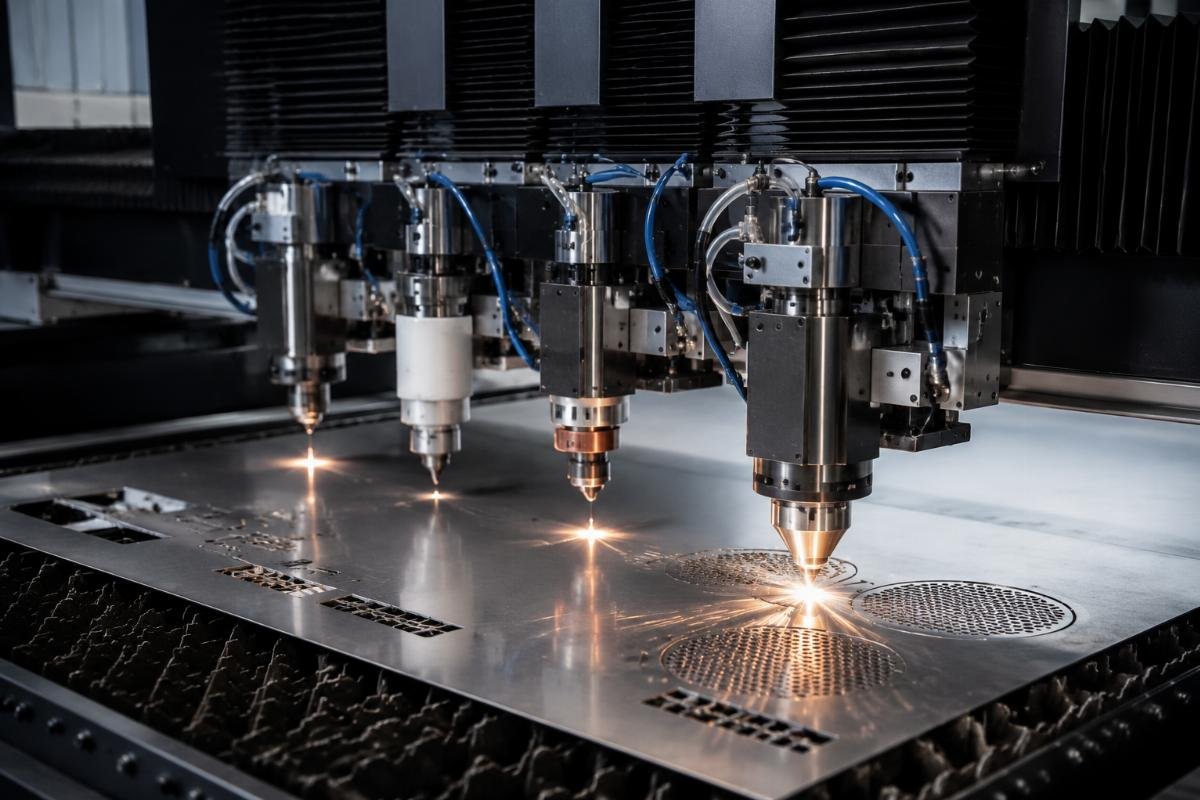
Un proveedor europeo de filtros automotrices que ordenó una solución de corte personalizada el año pasado confirmó que la máquina admite el corte sincrónico de más de 3 tipos de material de filtro, y la eficiencia de producción mejoró en un 42% después de emparejar el conjunto de herramientas dedicadas correspondiente, con un tiempo de inactividad no planificado total de menos de 8 horas durante el período de garantía de 3 años. Este nivel de rendimiento no habría sido alcanzable sin probar sus muestras de filtro compuesto específicas durante la fase de evaluación del proveedor.
Envío de Muestras – Envíe al menos 3 muestras diferentes de sus tipos de filtros más comúnmente producidos al proveedor para un corte de prueba gratuito antes de finalizar su pedido.
Confirmación de Configuración de Herramientas – Especifique los tipos de herramientas exactos requeridos para sus materiales en lugar de aceptar kits de herramientas estándar genéricos que pueden no ajustarse a sus necesidades de producción.
Disposición de Prueba de Carga – Solicite un video de prueba de operación continua de 24 horas de la máquina procesando su material para confirmar la estabilidad bajo carga de producción real.
¿Cuál es la ruta de abastecimiento más rentable para las empresas de producción de filtros de diferentes escalas?
Las pequeñas y medianas empresas de producción de filtros pueden reducir la inversión de ciclo completo en un 35% al conectarse directamente con los fabricantes de origen para soluciones personalizadas, en lugar de comprar equipos estandarizados al por mayor a intermediarios comerciales. Esto no solo se trata de precios de compra iniciales más bajos, sino que también incluye costos de mantenimiento más bajos, tasas de pérdida de producción más bajas y una respuesta más rápida a los problemas de postventa.
Un distribuidor de material filtrante de América del Norte que realizó un pequeño pedido de prueba el año pasado aprovechó el pedido mínimo de 1 unidad para una personalización completa, recibió la máquina en 31 días y evitó los altos costos de mantenimiento de inventario que vienen con los requisitos de pedido mínimo a granel de los proveedores de equipos genéricos. Este modelo es particularmente adecuado para distribuidores que prueban nuevos mercados regionales y pequeñas fábricas que necesitan actualizaciones de equipos específicas. La línea de productos de Realtop Machinery, su bajo MOQ y su sistema de servicio de ciclo completo están diseñados para encajar en este escenario exacto, con soporte para ajustes OEM/ODM en el área de trabajo, configuración de herramientas y marca, manteniendo los plazos de entrega predecibles.
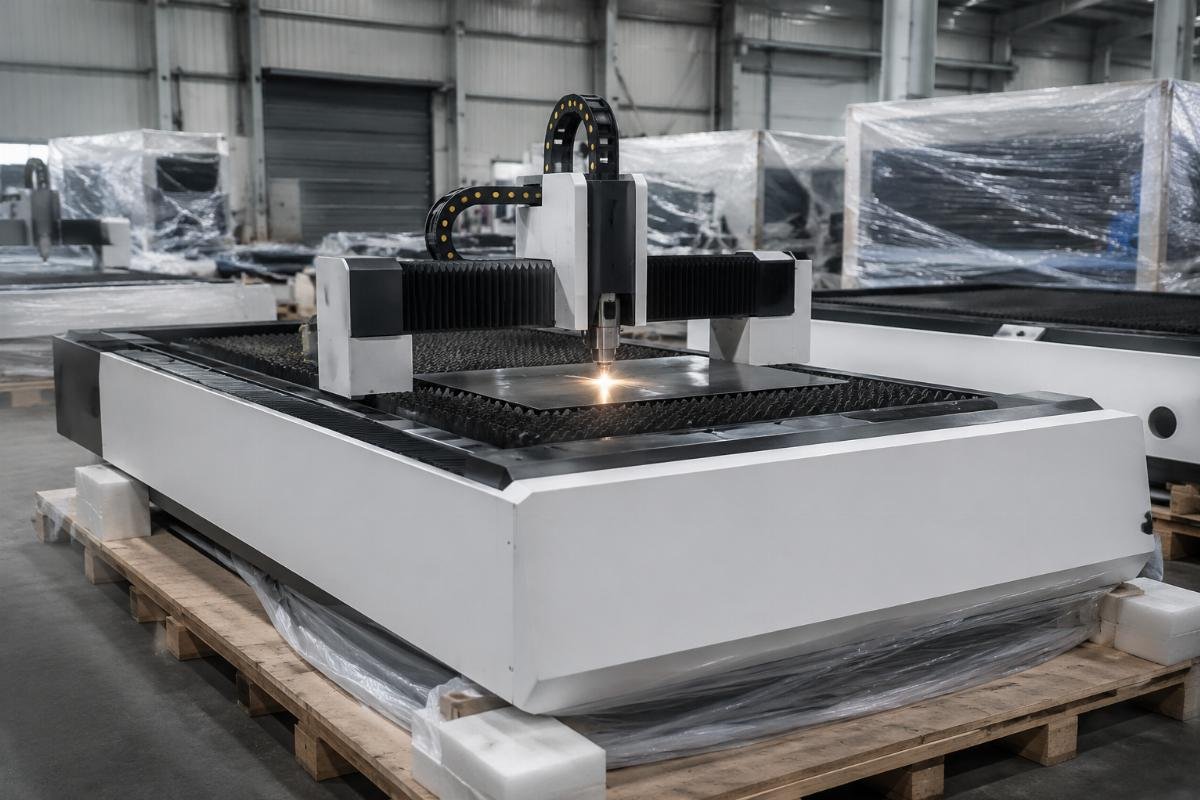
Escala de coincidencia – Para pedidos de menos de 5 unidades, priorizar a los fabricantes de origen que apoyen la personalización de unidades individuales en lugar de proveedores de equipos estándar solo para pedidos en volumen.
Cálculo del Costo de Ciclo Completo – Incluya no solo el precio de compra, sino también el costo de mantenimiento a 3 años y la diferencia estimada en la pérdida de producción en su cálculo total del presupuesto.
Confirmación del Tiempo de Entrega – Asegure el cronograma de entrega exacto para unidades personalizadas en su contrato de compra para evitar retrasos inesperados en la producción.
¿Cómo verificar la fiabilidad de los proveedores de máquinas de corte CNC para una cooperación a largo plazo?
Los proveedores de máquinas de corte CNC chinas más confiables para la cooperación a largo plazo cuentan con certificación verificada por terceros, términos de garantía de varios años y soporte técnico 24/7, que son indicadores mucho más confiables que las afirmaciones promocionales genéricas en los sitios web de las empresas. Evite intermediarios comerciales que no puedan proporcionar acceso directo a los registros de producción de la fábrica o compromisos formales de postventa, ya que a menudo agregarán un margen del 20% al 40% mientras trasladan la responsabilidad por problemas de servicio y calidad.
Criterio de Fiabilidad
Práctica Común de Proveedores No Fiables
Estándar para Proveedores de Producción Calificados
Calificación
Proporcionar solo certificados de calidad autoemitidos
Posee certificación CE oficial y estatus de empresa de alta tecnología verificado por terceros
Garantía
Ofrecer una garantía limitada máxima de 1 año con exclusiones para piezas de desgaste común
Proporcionar una garantía completa de máquina de 3 años más actualizaciones de software gratuitas de por vida
Servicio
Solo ofrecemos soporte de lunes a viernes de 9 a 5 con un tiempo de respuesta de 48 horas
Proporcionar soporte técnico en línea 24/7 e instalación gratuita en el sitio y capacitación para operadores
[NEED_CITE: Los proveedores de máquinas de corte CNC de tipo de producción con certificación CE formal tienen una tasa de disputas de calidad post-compra un 72% más baja que los intermediarios comerciales no certificados.]
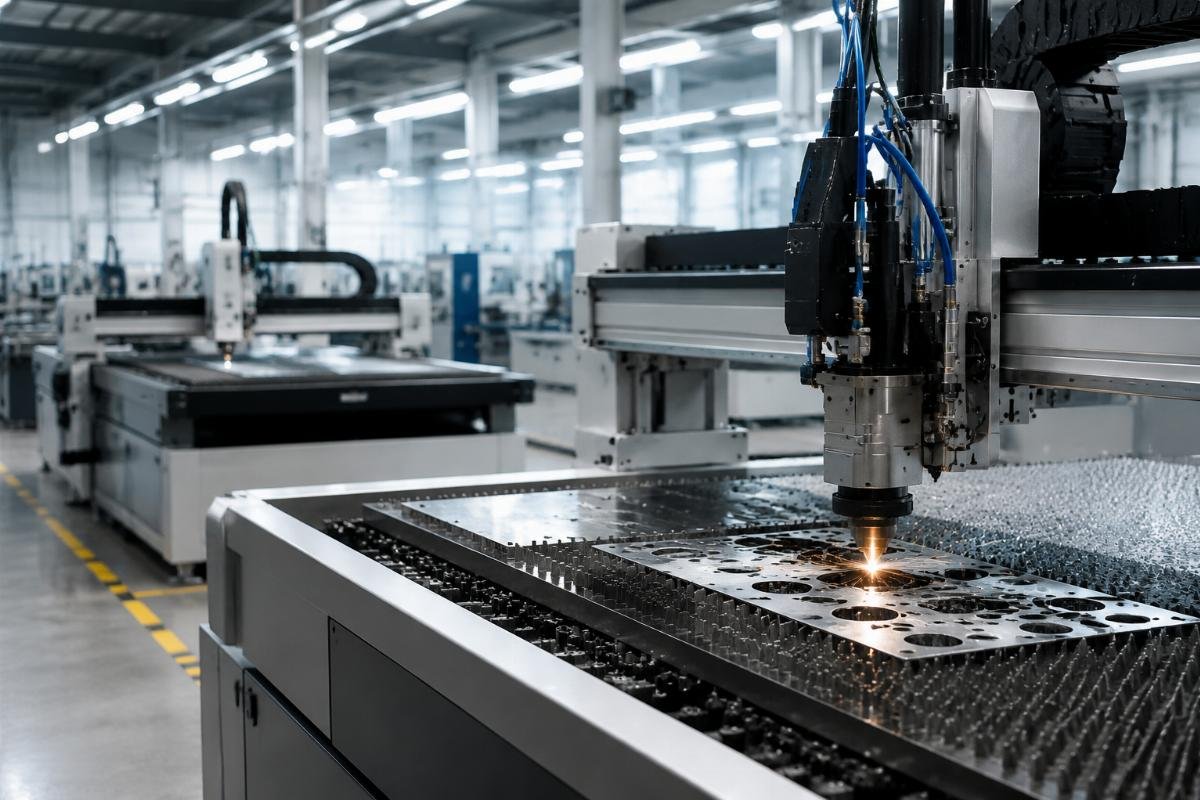
Verificación de Certificación – Confirme que todas las líneas de productos cuentan con certificación CE válida de organismos de prueba oficiales, no solo con cumplimiento auto-declarado.
Revisión del Término de Garantía – Exigir al proveedor que incluya el compromiso de garantía completa de 3 años y soporte 24/7 en los términos del contrato por escrito.
Confirmación de Capacidad – Verifique que el proveedor tenga una capacidad de producción mensual de al menos 50 unidades para asegurar que puedan escalar con sus necesidades de volumen de pedidos futuros.
https://www.archives.gov/files/preservation/storage/pdf/corrugated-board.pdf)[^1]—usingConclusiónhttps://rttcuter.com/wp-content/uploads/2026/06/cnc-cardboard-cutting-machine-in-operation-1.jpg
Seleccionar la máquina de corte CNC adecuada para la producción de medios filtrantes no requiere una experiencia compleja en la industria, solo evitar los dos errores más comunes: priorizar el costo inicial sobre los métricas de rendimiento fundamentales y trabajar con intermediarios no verificados en lugar de fabricantes de origen calificados. La combinación de tecnología de corte en frío, precisión constante y personalización específica hace que incluso las unidades de nivel básico ofrezcan un valor a largo plazo mucho más alto que el equipo genérico sobrevalorado. Al seguir el marco de prueba primero, verificado por certificación, establecido en esta guía, puede eliminar casi todo el riesgo de adquisición mientras obtiene una solución adaptada exactamente a su escala de producción y necesidades de material.