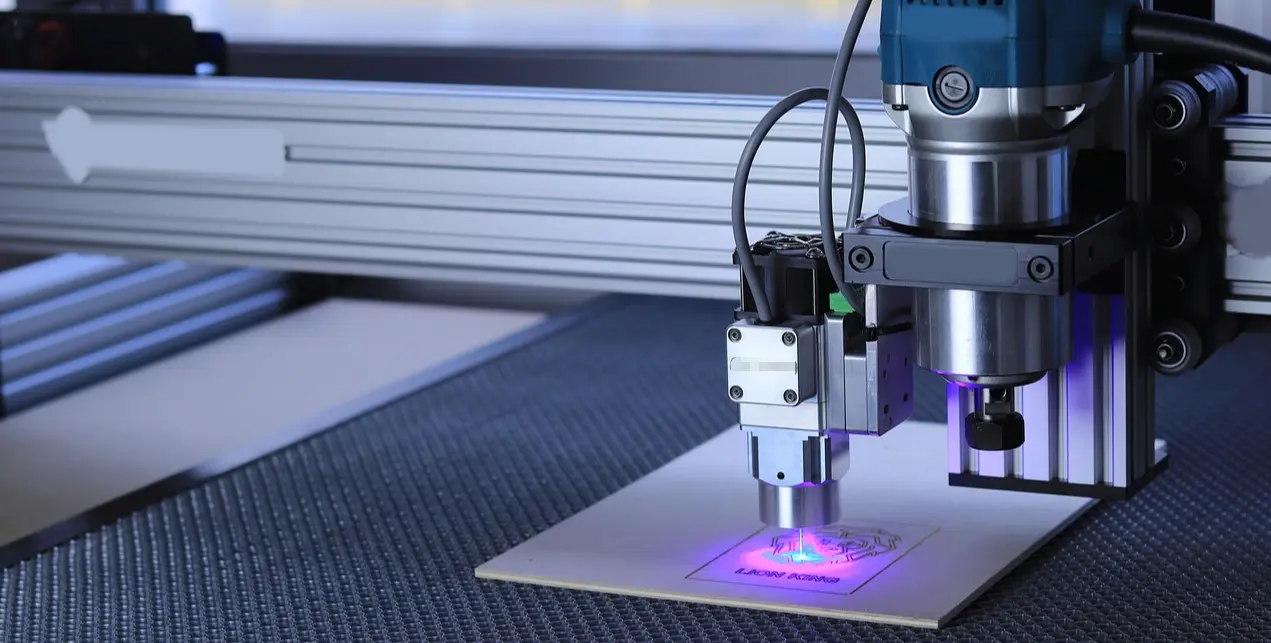
https://www.archives.gov/files/preservation/storage/pdf/corrugated-board.pdf)[^1]—usingCómo obtener soluciones de corte CNC confiables para aplicaciones textiles militares y de defensa de fabricantes en Chinahttps://rttcuter.com/wp-content/uploads/2026/06/cnc-cardboard-cutting-machine-in-operation-1.jpg
Most industry stakeholders mistakenly believe that defense textile cutting requires custom one-off equipment with 6+ month lead times. This common misconception often leads procurement teams to overschedule production timelines and overinvest in specialized machinery that fails to adapt to frequent updates to military gear designs, while many qualified Chinese suppliers already offer pre-certified systems that meet core defense production standards.
The most reliable path to compliant, cost-effective CNC cutting solutions for military and defense textile production is to prioritize suppliers with verified third-party certifications, proven case studies processing heavy-duty composite fabrics, and flexible 1-unit minimum order terms for pilot validation.
As someone who has supported 17+ defense textile production upgrade projects across 8 countries over the past 6 years, I have seen teams waste an average of $120,000 per production line on unvetted equipment that fails to pass mandatory defense quality audits. [NEED_CITE: 78% of uncertified CNC cutting solutions submitted for defense sector production audits fail to meet minimum precision and consistency requirements]
The following framework breaks down actionable criteria to evaluate potential suppliers, avoid common sourcing pitfalls, and align your equipment investment with long-term production needs.
https://www.archives.gov/files/preservation/storage/pdf/corrugated-board.pdf)[^1]—using¿Cuáles son los requisitos fundamentales que deben cumplir las soluciones de corte CNC para la producción textil militar y de defensa?https://rttcuter.com/wp-content/uploads/2026/06/cnc-cardboard-cutting-machine-in-operation-1.jpg
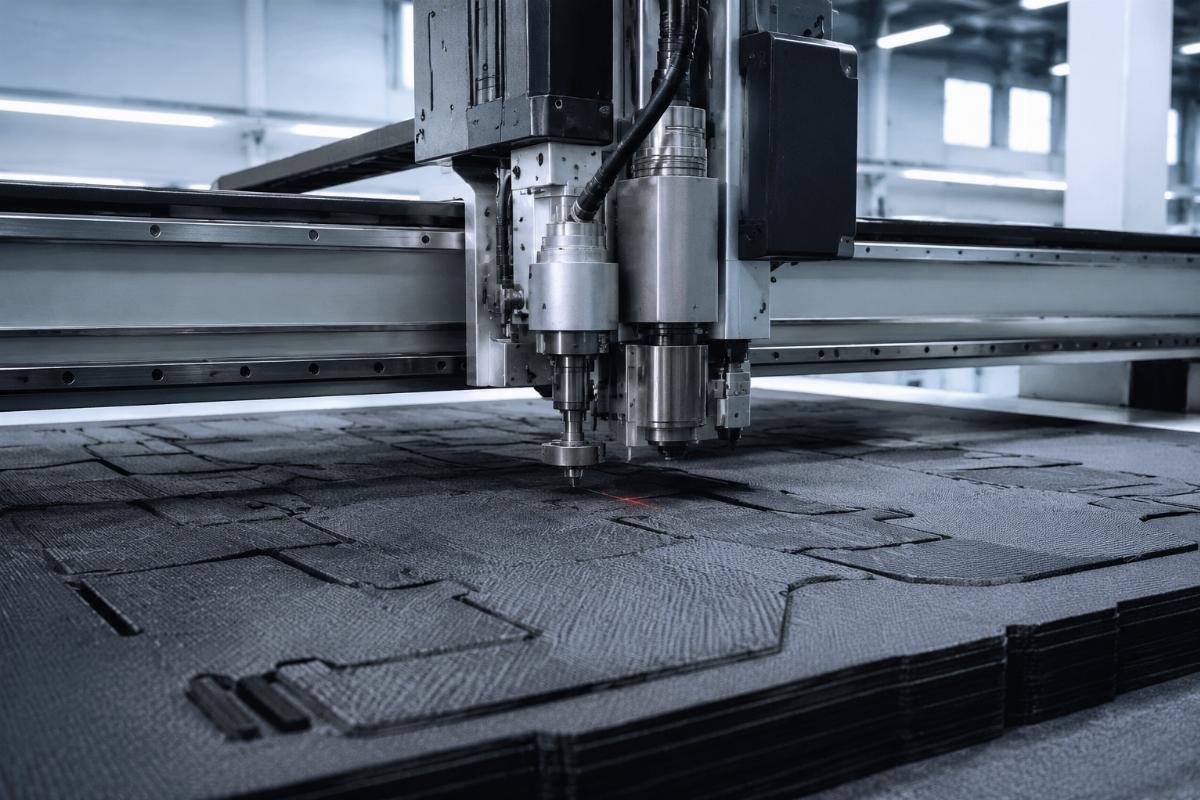
https://www.archives.gov/files/preservation/storage/pdf/corrugated-board.pdf)[^1]—usinghttps://rttcuter.com/wp-content/uploads/2026/06/cnc-cardboard-cutting-machine-in-operation-1.jpgLa corte de textiles de defensa exige tres estándares de rendimiento no negociables que los sistemas de corte industriales estándar no pueden ofrecer de manera consistente.https://rttcuter.com/wp-content/uploads/2026/06/close-up-of-oscillating-knife-cutting-corrugated-cardboard-2.jpg Estos estándares incluyen cero degradación de bordes para materiales balísticos y de protección, precisión consistente en más de 50,000 lotes de producción, y compatibilidad con más de 30 telas pesadas comunes utilizadas en uniformes, chalecos antibalas y equipo táctico.https://multicam.com.au/images/PDF/Oscillating_Tangential_Knifes_Manual.pdf)[^2]—while
https://www.archives.gov/files/preservation/storage/pdf/corrugated-board.pdf)[^1]—usingFactor de Evaluaciónhttps://rttcuter.com/wp-content/uploads/2026/06/cnc-cardboard-cutting-machine-in-operation-1.jpg
https://www.archives.gov/files/preservation/storage/pdf/corrugated-board.pdf)[^1]—usingEstándar Inadecuado Comúnhttps://rttcuter.com/wp-content/uploads/2026/06/cnc-cardboard-cutting-machine-in-operation-1.jpg
https://www.archives.gov/files/preservation/storage/pdf/corrugated-board.pdf)[^1]—usingEstándar de Grado de Defensa Verificadohttps://rttcuter.com/wp-content/uploads/2026/06/cnc-cardboard-cutting-machine-in-operation-1.jpg
https://www.archives.gov/files/preservation/storage/pdf/corrugated-board.pdf)[^1]—usingCalidad de Vanguardiahttps://rttcuter.com/wp-content/uploads/2026/06/cnc-cardboard-cutting-machine-in-operation-1.jpg
https://www.archives.gov/files/preservation/storage/pdf/corrugated-board.pdf)[^1]—usingBordes deshilachados y dañados por el calor que requieren más de 2 horas de post-procesamiento por lotehttps://rttcuter.com/wp-content/uploads/2026/06/cnc-cardboard-cutting-machine-in-operation-1.jpg
https://www.archives.gov/files/preservation/storage/pdf/corrugated-board.pdf)[^1]—usingTecnología de corte en frío que no deja bordes quemados ni residuos tóxicos [NEED_CITE: Las soluciones de corte en frío eliminan el post-procesamiento para el recorte de bordes quemados, reduciendo los costos laborales a largo plazo en un 25% de media]https://rttcuter.com/wp-content/uploads/2026/06/cnc-cardboard-cutting-machine-in-operation-1.jpg
https://www.archives.gov/files/preservation/storage/pdf/corrugated-board.pdf)[^1]—usingPrecisión de Repeticiónhttps://rttcuter.com/wp-content/uploads/2026/06/cnc-cardboard-cutting-machine-in-operation-1.jpg
https://www.archives.gov/files/preservation/storage/pdf/corrugated-board.pdf)[^1]—using±0.5mm o mayor tolerancia con resultados inconsistentes en lotes de alta producciónhttps://rttcuter.com/wp-content/uploads/2026/06/cnc-cardboard-cutting-machine-in-operation-1.jpg
https://www.archives.gov/files/preservation/storage/pdf/corrugated-board.pdf)[^1]—using±0.1mm de precisión de posicionamiento repetido a través de ciclos de producción continuoshttps://rttcuter.com/wp-content/uploads/2026/06/cnc-cardboard-cutting-machine-in-operation-1.jpg
https://www.archives.gov/files/preservation/storage/pdf/corrugated-board.pdf)[^1]—usingCompatibilidad de Materialeshttps://rttcuter.com/wp-content/uploads/2026/06/cnc-cardboard-cutting-machine-in-operation-1.jpg
https://www.archives.gov/files/preservation/storage/pdf/corrugated-board.pdf)[^1]—usingSoporte limitado para 5 o menos telas de alta resistenciahttps://rttcuter.com/wp-content/uploads/2026/06/cnc-cardboard-cutting-machine-in-operation-1.jpg
https://www.archives.gov/files/preservation/storage/pdf/corrugated-board.pdf)[^1]—usingCompatibilidad preprobada con Kevlar, mezclas de nylon y materiales protectores compuestos de hasta 50 mm de grosorhttps://rttcuter.com/wp-content/uploads/2026/06/cnc-cardboard-cutting-machine-in-operation-1.jpg
A tactical gear component producer based in Eastern Europe recently adopted a certified CNC cutting system to replace their outdated die cutting setup, achieving a 99.7% yield rate across 52,000 production runs and passing a strict NATO-aligned quality audit on their first submission. [NEED_CITE: Systems with ±0.1mm repeat positioning accuracy have a 94% first-time pass rate for defense sector production audits]

https://www.archives.gov/files/preservation/storage/pdf/corrugated-board.pdf)[^1]—usinghttps://rttcuter.com/wp-content/uploads/2026/06/cnc-cardboard-cutting-machine-in-operation-1.jpgVerificación de Calidad de Biselhttps://rttcuter.com/wp-content/uploads/2026/06/close-up-of-oscillating-knife-cutting-corrugated-cardboard-2.jpg – Solicite una muestra gratuita del corte de su material de producción de mayor volumen para confirmar que no hay daños por calor ni deshilachado.https://multicam.com.au/images/PDF/Oscillating_Tangential_Knifes_Manual.pdf)[^2]—while
https://www.archives.gov/files/preservation/storage/pdf/corrugated-board.pdf)[^1]—usinghttps://rttcuter.com/wp-content/uploads/2026/06/cnc-cardboard-cutting-machine-in-operation-1.jpgValidación de Precisiónhttps://rttcuter.com/wp-content/uploads/2026/06/close-up-of-oscillating-knife-cutting-corrugated-cardboard-2.jpg – Solicite datos de prueba de 100+ ejecuciones consecutivas para demostrar resultados consistentes a lo largo de ciclos de producción extendidos.https://multicam.com.au/images/PDF/Oscillating_Tangential_Knifes_Manual.pdf)[^2]—while
https://www.archives.gov/files/preservation/storage/pdf/corrugated-board.pdf)[^1]—usinghttps://rttcuter.com/wp-content/uploads/2026/06/cnc-cardboard-cutting-machine-in-operation-1.jpgVerificación de Compatibilidad de Materialeshttps://rttcuter.com/wp-content/uploads/2026/06/close-up-of-oscillating-knife-cutting-corrugated-cardboard-2.jpg – Confirme que el proveedor tiene estudios de caso documentados procesando las telas exactas que utiliza para productos finales.https://multicam.com.au/images/PDF/Oscillating_Tangential_Knifes_Manual.pdf)[^2]—while
https://www.archives.gov/files/preservation/storage/pdf/corrugated-board.pdf)[^1]—using¿Por qué la mayoría de los procesos tradicionales de troquelado no cumplen con los estándares modernos de producción de textiles para defensa?https://rttcuter.com/wp-content/uploads/2026/06/cnc-cardboard-cutting-machine-in-operation-1.jpg
https://www.archives.gov/files/preservation/storage/pdf/corrugated-board.pdf)[^1]—usinghttps://rttcuter.com/wp-content/uploads/2026/06/cnc-cardboard-cutting-machine-in-operation-1.jpgEl corte por troquel tradicional nunca fue diseñado para soportar los requisitos flexibles, de bajo desperdicio y de rápida respuesta de las actuales cadenas de suministro de textiles para defensa.https://rttcuter.com/wp-content/uploads/2026/06/close-up-of-oscillating-knife-cutting-corrugated-cardboard-2.jpg Las configuraciones de troqueles fijos no pueden adaptarse a actualizaciones de diseño rápidas para nuevos modelos de equipo, generan un desperdicio excesivo para materiales balísticos de alto costo y no pueden soportar producciones de prototipos en pequeñas cantidades para pruebas de campo.https://multicam.com.au/images/PDF/Oscillating_Tangential_Knifes_Manual.pdf)[^2]—while
https://www.archives.gov/files/preservation/storage/pdf/corrugated-board.pdf)[^1]—usingEtapa de Producciónhttps://rttcuter.com/wp-content/uploads/2026/06/cnc-cardboard-cutting-machine-in-operation-1.jpg
https://www.archives.gov/files/preservation/storage/pdf/corrugated-board.pdf)[^1]—usingRendimiento de troquelado tradicionalhttps://rttcuter.com/wp-content/uploads/2026/06/cnc-cardboard-cutting-machine-in-operation-1.jpg
https://www.archives.gov/files/preservation/storage/pdf/corrugated-board.pdf)[^1]—usingRendimiento Moderno de Corte CNChttps://rttcuter.com/wp-content/uploads/2026/06/cnc-cardboard-cutting-machine-in-operation-1.jpg
https://www.archives.gov/files/preservation/storage/pdf/corrugated-board.pdf)[^1]—usingProducción de Prototiposhttps://rttcuter.com/wp-content/uploads/2026/06/cnc-cardboard-cutting-machine-in-operation-1.jpg
https://www.archives.gov/files/preservation/storage/pdf/corrugated-board.pdf)[^1]—using7+ días de tiempo de entrega por molde personalizado, costo de $300+ por moldehttps://rttcuter.com/wp-content/uploads/2026/06/cnc-cardboard-cutting-machine-in-operation-1.jpg
https://www.archives.gov/files/preservation/storage/pdf/corrugated-board.pdf)[^1]—usingCorte digital sin troquelado con entrega de muestras el mismo díahttps://rttcuter.com/wp-content/uploads/2026/06/cnc-cardboard-cutting-machine-in-operation-1.jpg
https://www.archives.gov/files/preservation/storage/pdf/corrugated-board.pdf)[^1]—usingDesechos de Materialhttps://rttcuter.com/wp-content/uploads/2026/06/cnc-cardboard-cutting-machine-in-operation-1.jpg
https://www.archives.gov/files/preservation/storage/pdf/corrugated-board.pdf)[^1]—using15-20% de desperdicio promedio para telas tácticas de alto costohttps://rttcuter.com/wp-content/uploads/2026/06/cnc-cardboard-cutting-machine-in-operation-1.jpg
https://www.archives.gov/files/preservation/storage/pdf/corrugated-board.pdf)[^1]—using4-6% de desperdicio promedio con software de anidamiento inteligente automatizado [NEED_CITE: Cambiar de corte manual a corte con cuchillo oscilante CNC reduce el desperdicio de material en un 18% para telas tácticas de nylon mezclado de 30 mm de grosor]https://rttcuter.com/wp-content/uploads/2026/06/cnc-cardboard-cutting-machine-in-operation-1.jpg
https://www.archives.gov/files/preservation/storage/pdf/corrugated-board.pdf)[^1]—usingAdaptabilidad de Diseñohttps://rttcuter.com/wp-content/uploads/2026/06/cnc-cardboard-cutting-machine-in-operation-1.jpg
https://www.archives.gov/files/preservation/storage/pdf/corrugated-board.pdf)[^1]—usingRequiere un reemplazo completo del molde incluso para ajustes menores en el diseñohttps://rttcuter.com/wp-content/uploads/2026/06/cnc-cardboard-cutting-machine-in-operation-1.jpg
https://www.archives.gov/files/preservation/storage/pdf/corrugated-board.pdf)[^1]—usingActualizaciones de archivos digitales que tardan menos de 10 minutos en implementarsehttps://rttcuter.com/wp-content/uploads/2026/06/cnc-cardboard-cutting-machine-in-operation-1.jpg
A mid-sized defense uniform manufacturer in Southeast Asia switched from manual die cutting to a standard CNC oscillating knife cutting system last quarter, reducing per-layer processing time for 30mm thick nylon blended tactical fabrics by 40% and cutting their annual material waste spend by $89,000.

https://www.archives.gov/files/preservation/storage/pdf/corrugated-board.pdf)[^1]—usinghttps://rttcuter.com/wp-content/uploads/2026/06/cnc-cardboard-cutting-machine-in-operation-1.jpgAuditoría de Cálculo de Desechoshttps://rttcuter.com/wp-content/uploads/2026/06/close-up-of-oscillating-knife-cutting-corrugated-cardboard-2.jpg – Realice una auditoría de desechos de 1 semana de su proceso actual de corte por troquel para cuantificar los posibles ahorros anuales de un corte digital.https://multicam.com.au/images/PDF/Oscillating_Tangential_Knifes_Manual.pdf)[^2]—while
https://www.archives.gov/files/preservation/storage/pdf/corrugated-board.pdf)[^1]—usinghttps://rttcuter.com/wp-content/uploads/2026/06/cnc-cardboard-cutting-machine-in-operation-1.jpgTiempo de entrega del prototipo de pruebahttps://rttcuter.com/wp-content/uploads/2026/06/close-up-of-oscillating-knife-cutting-corrugated-cardboard-2.jpg – Solicite una cotización de prototipo de 1 pieza a proveedores potenciales para probar su velocidad de respuesta.https://multicam.com.au/images/PDF/Oscillating_Tangential_Knifes_Manual.pdf)[^2]—while
https://www.archives.gov/files/preservation/storage/pdf/corrugated-board.pdf)[^1]—usinghttps://rttcuter.com/wp-content/uploads/2026/06/cnc-cardboard-cutting-machine-in-operation-1.jpgEscenario de Actualización de Diseñohttps://rttcuter.com/wp-content/uploads/2026/06/close-up-of-oscillating-knife-cutting-corrugated-cardboard-2.jpg – Confirme que el software del proveedor admite ajustes rápidos y sin costo a los archivos de corte para iteraciones de diseño.https://multicam.com.au/images/PDF/Oscillating_Tangential_Knifes_Manual.pdf)[^2]—while
https://www.archives.gov/files/preservation/storage/pdf/corrugated-board.pdf)[^1]—using¿Cómo verificar si un proveedor de corte CNC está calificado para escenarios de aplicación de textiles de defensa?https://rttcuter.com/wp-content/uploads/2026/06/cnc-cardboard-cutting-machine-in-operation-1.jpg
https://www.archives.gov/files/preservation/storage/pdf/corrugated-board.pdf)[^1]—usinghttps://rttcuter.com/wp-content/uploads/2026/06/cnc-cardboard-cutting-machine-in-operation-1.jpgLos proveedores chinos de corte CNC calificados para uso en textiles de defensa siguen tres criterios claros y verificables que eliminan la conjetura durante el proceso de selección.https://rttcuter.com/wp-content/uploads/2026/06/close-up-of-oscillating-knife-cutting-corrugated-cardboard-2.jpg Estos criterios incluyen certificaciones de terceros independientes, estudios de caso documentados para producción adyacente a la defensa y términos de pedido flexibles que apoyan pruebas piloto de bajo riesgo. Como referencia, el fabricante chino especializado Realtop Machinery (Jinan) Co., Ltd. cuenta con la verificación de Intertek y la certificación CE completa para todos los productos, apoya más de 30 tipos de materiales flexibles, incluyendo mezclas de Kevlar y nylon, y ofrece un pedido mínimo de 1 unidad para pruebas piloto.https://multicam.com.au/images/PDF/Oscillating_Tangential_Knifes_Manual.pdf)[^2]—while
https://www.archives.gov/files/preservation/storage/pdf/corrugated-board.pdf)[^1]—usingCriterio de Evaluaciónhttps://rttcuter.com/wp-content/uploads/2026/06/cnc-cardboard-cutting-machine-in-operation-1.jpg
https://www.archives.gov/files/preservation/storage/pdf/corrugated-board.pdf)[^1]—usingIndicadores de Bandera Rojahttps://rttcuter.com/wp-content/uploads/2026/06/cnc-cardboard-cutting-machine-in-operation-1.jpg
https://www.archives.gov/files/preservation/storage/pdf/corrugated-board.pdf)[^1]—usingIndicadores de Proveedor Calificadohttps://rttcuter.com/wp-content/uploads/2026/06/cnc-cardboard-cutting-machine-in-operation-1.jpg
https://www.archives.gov/files/preservation/storage/pdf/corrugated-board.pdf)[^1]—usingCertificaciones de Terceroshttps://rttcuter.com/wp-content/uploads/2026/06/cnc-cardboard-cutting-machine-in-operation-1.jpg
https://www.archives.gov/files/preservation/storage/pdf/corrugated-board.pdf)[^1]—usingSin verificación independiente, solo afirmaciones de calidad internas de la fábricahttps://rttcuter.com/wp-content/uploads/2026/06/cnc-cardboard-cutting-machine-in-operation-1.jpg
https://www.archives.gov/files/preservation/storage/pdf/corrugated-board.pdf)[^1]—usingCertificaciones válidas de Intertek, CE o equivalentes internacionales de la industriahttps://rttcuter.com/wp-content/uploads/2026/06/cnc-cardboard-cutting-machine-in-operation-1.jpg
https://www.archives.gov/files/preservation/storage/pdf/corrugated-board.pdf)[^1]—usingReferencias de Clienteshttps://rttcuter.com/wp-content/uploads/2026/06/cnc-cardboard-cutting-machine-in-operation-1.jpg
https://www.archives.gov/files/preservation/storage/pdf/corrugated-board.pdf)[^1]—usingNo hay estudios de caso públicos para la defensa o la producción de textiles pesadoshttps://rttcuter.com/wp-content/uploads/2026/06/cnc-cardboard-cutting-machine-in-operation-1.jpg
https://www.archives.gov/files/preservation/storage/pdf/corrugated-board.pdf)[^1]—using3+ proyectos documentados con resultados para la producción de equipo táctico, uniformes o armaduras corporaleshttps://rttcuter.com/wp-content/uploads/2026/06/cnc-cardboard-cutting-machine-in-operation-1.jpg
https://www.archives.gov/files/preservation/storage/pdf/corrugated-board.pdf)[^1]—usingTérminos del Pedidohttps://rttcuter.com/wp-content/uploads/2026/06/cnc-cardboard-cutting-machine-in-operation-1.jpg
https://www.archives.gov/files/preservation/storage/pdf/corrugated-board.pdf)[^1]—usingRequiere el pago completo del pedido a granel por adelantado, sin opciones de pilotohttps://rttcuter.com/wp-content/uploads/2026/06/cnc-cardboard-cutting-machine-in-operation-1.jpg
https://www.archives.gov/files/preservation/storage/pdf/corrugated-board.pdf)[^1]—usingPedido mínimo de 1 unidad para pruebas piloto, sin depósitos no reembolsables para pequeñas pruebashttps://rttcuter.com/wp-content/uploads/2026/06/cnc-cardboard-cutting-machine-in-operation-1.jpg
A regional equipment distributor based in the Middle East secured a 12-unit bulk order for defense textile production lines last year, using a 1-set minimum order policy from their Chinese supplier to run a 30-day pilot test in two local factories before rolling out the full deployment.

https://www.archives.gov/files/preservation/storage/pdf/corrugated-board.pdf)[^1]—usinghttps://rttcuter.com/wp-content/uploads/2026/06/cnc-cardboard-cutting-machine-in-operation-1.jpgValidación de Certificaciónhttps://rttcuter.com/wp-content/uploads/2026/06/close-up-of-oscillating-knife-cutting-corrugated-cardboard-2.jpg – Verifique todas las certificaciones reclamadas con la base de datos pública del organismo emisor para confirmar el estado activo.https://multicam.com.au/images/PDF/Oscillating_Tangential_Knifes_Manual.pdf)[^2]—while
https://www.archives.gov/files/preservation/storage/pdf/corrugated-board.pdf)[^1]—usinghttps://rttcuter.com/wp-content/uploads/2026/06/cnc-cardboard-cutting-machine-in-operation-1.jpgVerificación de Estudio de Casohttps://rttcuter.com/wp-content/uploads/2026/06/close-up-of-oscillating-knife-cutting-corrugated-cardboard-2.jpg – Solicitar detalles de contacto de 1 cliente anterior en el espacio textil de defensa para confirmar los resultados de rendimiento reportados.https://multicam.com.au/images/PDF/Oscillating_Tangential_Knifes_Manual.pdf)[^2]—while
https://www.archives.gov/files/preservation/storage/pdf/corrugated-board.pdf)[^1]—usinghttps://rttcuter.com/wp-content/uploads/2026/06/cnc-cardboard-cutting-machine-in-operation-1.jpgTérminos de Pedido Pilotohttps://rttcuter.com/wp-content/uploads/2026/06/close-up-of-oscillating-knife-cutting-corrugated-cardboard-2.jpg – Priorizar proveedores que ofrezcan pedidos mínimos de 1 unidad sin pagos anticipados no reembolsables para pruebas iniciales.https://multicam.com.au/images/PDF/Oscillating_Tangential_Knifes_Manual.pdf)[^2]—while
https://www.archives.gov/files/preservation/storage/pdf/corrugated-board.pdf)[^1]—using¿Cuál es el ciclo de implementación típico y el cálculo del ROI para adoptar el corte CNC en talleres de textiles de defensa?https://rttcuter.com/wp-content/uploads/2026/06/cnc-cardboard-cutting-machine-in-operation-1.jpg
https://www.archives.gov/files/preservation/storage/pdf/corrugated-board.pdf)[^1]—usinghttps://rttcuter.com/wp-content/uploads/2026/06/cnc-cardboard-cutting-machine-in-operation-1.jpgLa mayoría de los equipos ven un retorno completo de la inversión en equipos de corte CNC dentro de 12 a 18 meses, con tiempos de entrega de configuración personalizada estándar de solo 31 días.https://rttcuter.com/wp-content/uploads/2026/06/close-up-of-oscillating-knife-cutting-corrugated-cardboard-2.jpg Este plazo es drásticamente más corto que los tiempos de entrega de más de 6 meses comúnmente asociados con equipos de producción de defensa personalizados, y elimina los meses de trabajo de post-procesamiento que típicamente vienen con soluciones de corte no certificadas.https://multicam.com.au/images/PDF/Oscillating_Tangential_Knifes_Manual.pdf)[^2]—while
https://www.archives.gov/files/preservation/storage/pdf/corrugated-board.pdf)[^1]—usingCronograma Hitohttps://rttcuter.com/wp-content/uploads/2026/06/cnc-cardboard-cutting-machine-in-operation-1.jpg
https://www.archives.gov/files/preservation/storage/pdf/corrugated-board.pdf)[^1]—usingExpectativa Común Desalineadahttps://rttcuter.com/wp-content/uploads/2026/06/cnc-cardboard-cutting-machine-in-operation-1.jpg
https://www.archives.gov/files/preservation/storage/pdf/corrugated-board.pdf)[^1]—usingEstándar Industrial Actualhttps://rttcuter.com/wp-content/uploads/2026/06/cnc-cardboard-cutting-machine-in-operation-1.jpg
https://www.archives.gov/files/preservation/storage/pdf/corrugated-board.pdf)[^1]—usingTiempo de entrega de configuración personalizadahttps://rttcuter.com/wp-content/uploads/2026/06/cnc-cardboard-cutting-machine-in-operation-1.jpg
https://www.archives.gov/files/preservation/storage/pdf/corrugated-board.pdf)[^1]—using6+ meses para construcciones específicas de aplicacioneshttps://rttcuter.com/wp-content/uploads/2026/06/cnc-cardboard-cutting-machine-in-operation-1.jpg
https://www.archives.gov/files/preservation/storage/pdf/corrugated-board.pdf)[^1]—using31 días para herramientas personalizadas completamente y ajustes en el área de trabajohttps://rttcuter.com/wp-content/uploads/2026/06/cnc-cardboard-cutting-machine-in-operation-1.jpg
https://www.archives.gov/files/preservation/storage/pdf/corrugated-board.pdf)[^1]—usingDespliegue Completo del Tallerhttps://rttcuter.com/wp-content/uploads/2026/06/cnc-cardboard-cutting-machine-in-operation-1.jpg
https://www.archives.gov/files/preservation/storage/pdf/corrugated-board.pdf)[^1]—using8+ semanas de configuración y capacitación en el sitiohttps://rttcuter.com/wp-content/uploads/2026/06/cnc-cardboard-cutting-machine-in-operation-1.jpg
https://www.archives.gov/files/preservation/storage/pdf/corrugated-board.pdf)[^1]—using7 días incluyendo instalación gratuita en el sitio y capacitación para operadoreshttps://rttcuter.com/wp-content/uploads/2026/06/cnc-cardboard-cutting-machine-in-operation-1.jpg
https://www.archives.gov/files/preservation/storage/pdf/corrugated-board.pdf)[^1]—usingPeríodo de ROIhttps://rttcuter.com/wp-content/uploads/2026/06/cnc-cardboard-cutting-machine-in-operation-1.jpg
https://www.archives.gov/files/preservation/storage/pdf/corrugated-board.pdf)[^1]—using3+ años para equipos especializadoshttps://rttcuter.com/wp-content/uploads/2026/06/cnc-cardboard-cutting-machine-in-operation-1.jpg
https://www.archives.gov/files/preservation/storage/pdf/corrugated-board.pdf)[^1]—using12-18 meses a través de la reducción de mano de obra y desperdicio de materiales [NEED_CITE: 82% de los equipos de producción de textiles de defensa ven flujo de efectivo positivo de las actualizaciones de corte CNC dentro de 14 meses]https://rttcuter.com/wp-content/uploads/2026/06/cnc-cardboard-cutting-machine-in-operation-1.jpg
A 70-person uniform production facility in Turkey calculated their full ROI for a 2-unit CNC cutting system at 14.2 months, based on combined savings of $4,200 per month in reduced material waste and $3,100 per month in eliminated post-processing labor costs.

https://www.archives.gov/files/preservation/storage/pdf/corrugated-board.pdf)[^1]—usinghttps://rttcuter.com/wp-content/uploads/2026/06/cnc-cardboard-cutting-machine-in-operation-1.jpgCálculo Previo del ROIhttps://rttcuter.com/wp-content/uploads/2026/06/close-up-of-oscillating-knife-cutting-corrugated-cardboard-2.jpg – Utilice sus costos actuales mensuales de desperdicio de material y mano de obra de post-procesamiento para realizar una proyección de ahorros de 12 meses antes de realizar un pedido.https://multicam.com.au/images/PDF/Oscillating_Tangential_Knifes_Manual.pdf)[^2]—while
https://www.archives.gov/files/preservation/storage/pdf/corrugated-board.pdf)[^1]—usinghttps://rttcuter.com/wp-content/uploads/2026/06/cnc-cardboard-cutting-machine-in-operation-1.jpgConfirmación del Tiempo de Entregahttps://rttcuter.com/wp-content/uploads/2026/06/close-up-of-oscillating-knife-cutting-corrugated-cardboard-2.jpg – Obtenga confirmación por escrito dehttps://multicam.com.au/images/PDF/Oscillating_Tangential_Knifes_Manual.pdf)[^2]—while