

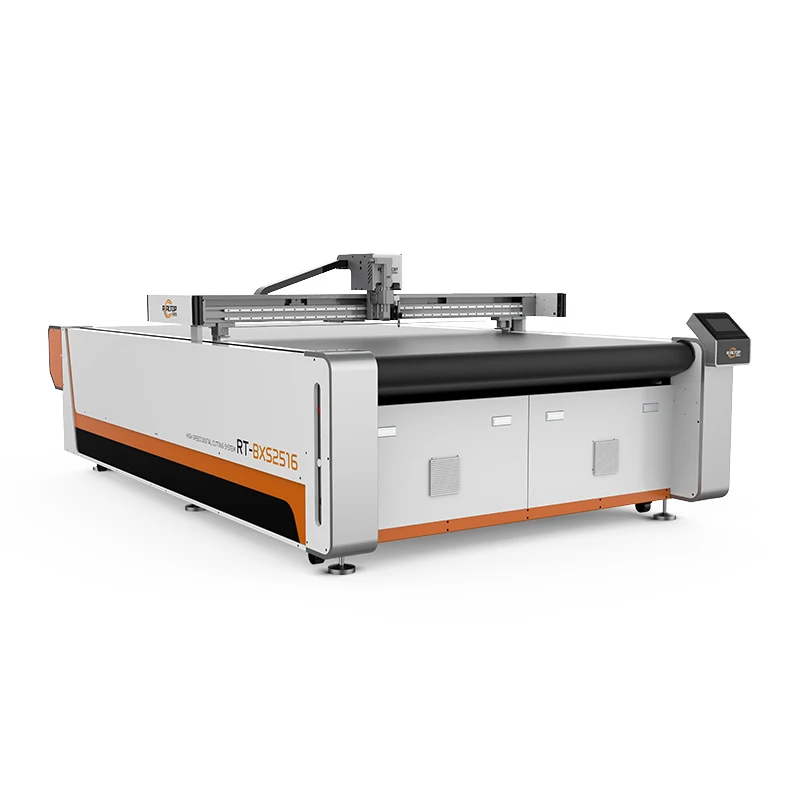
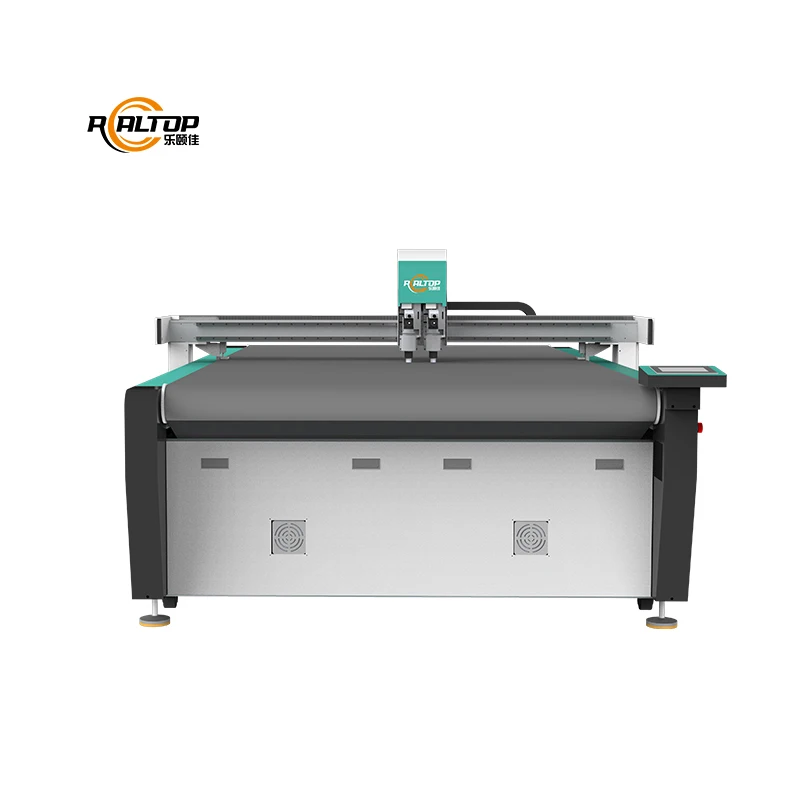
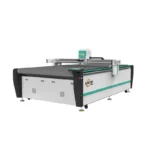
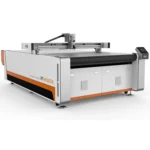
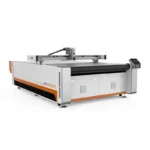
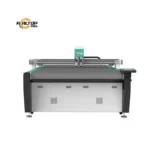

CNC Automatic Denim Cutting Machine | Industrial Application
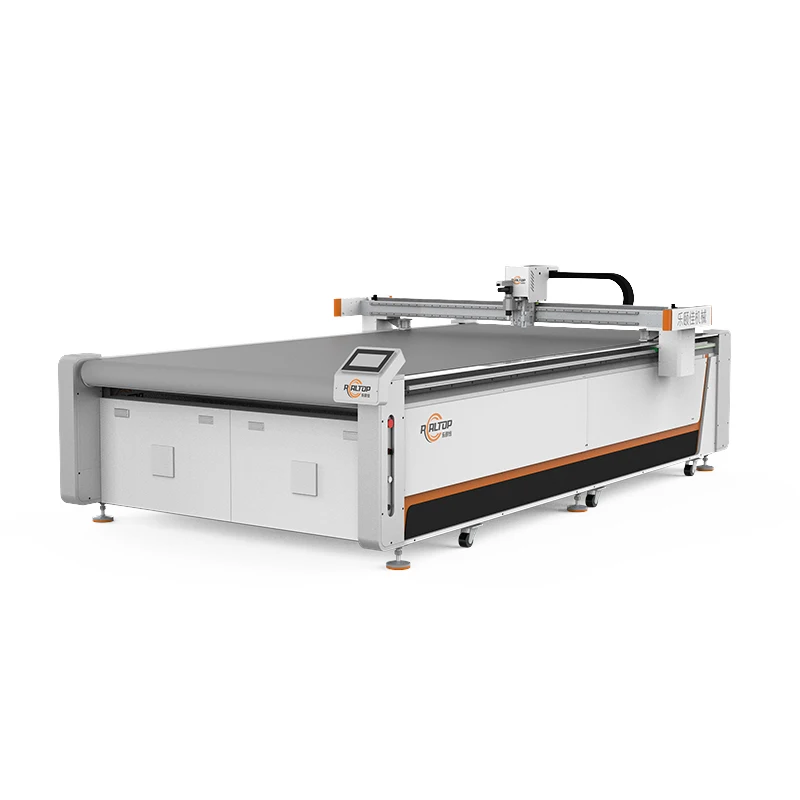
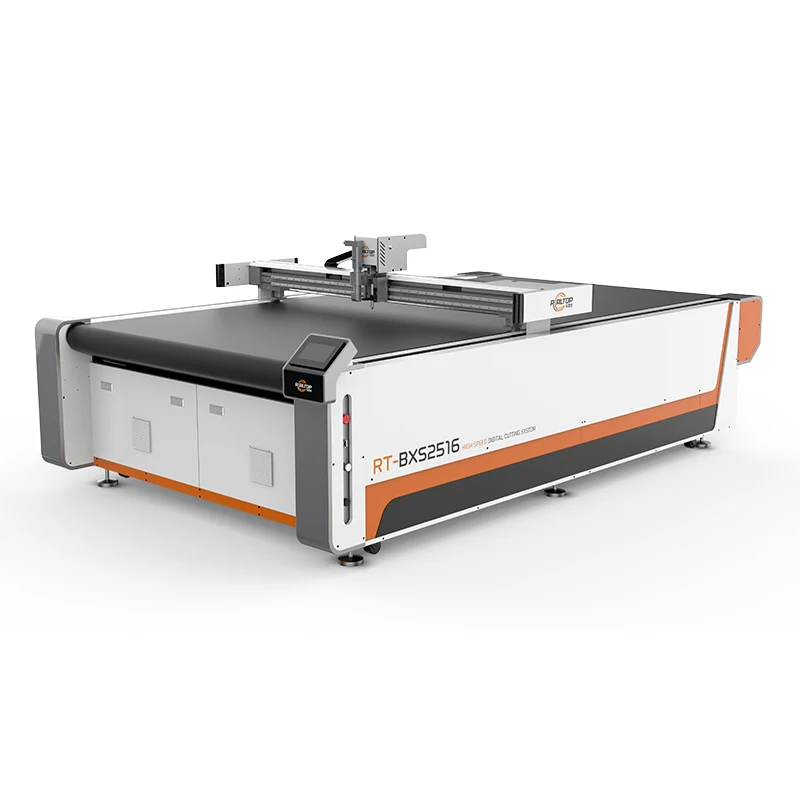
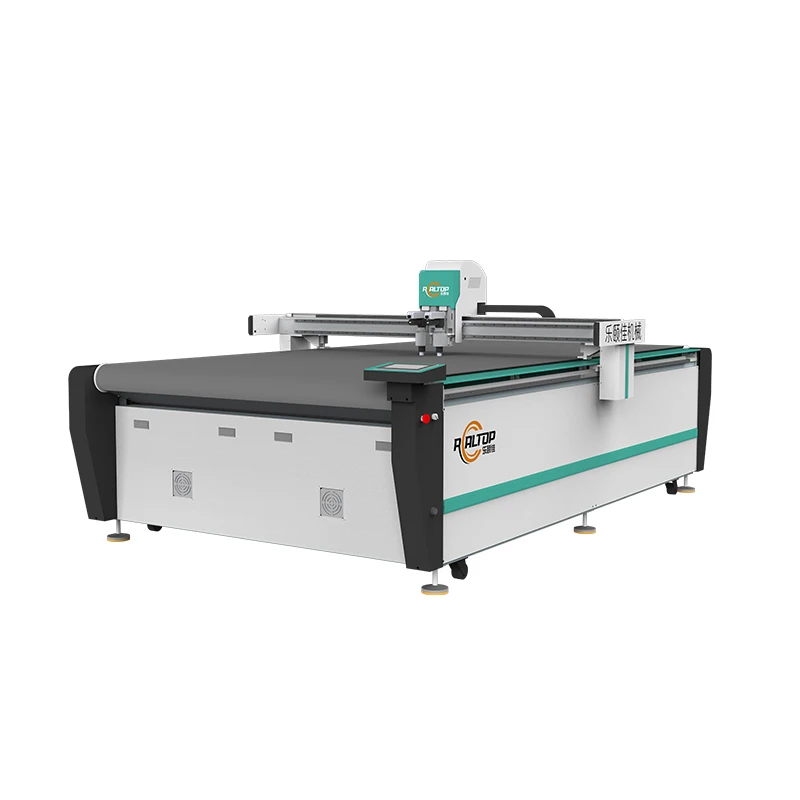
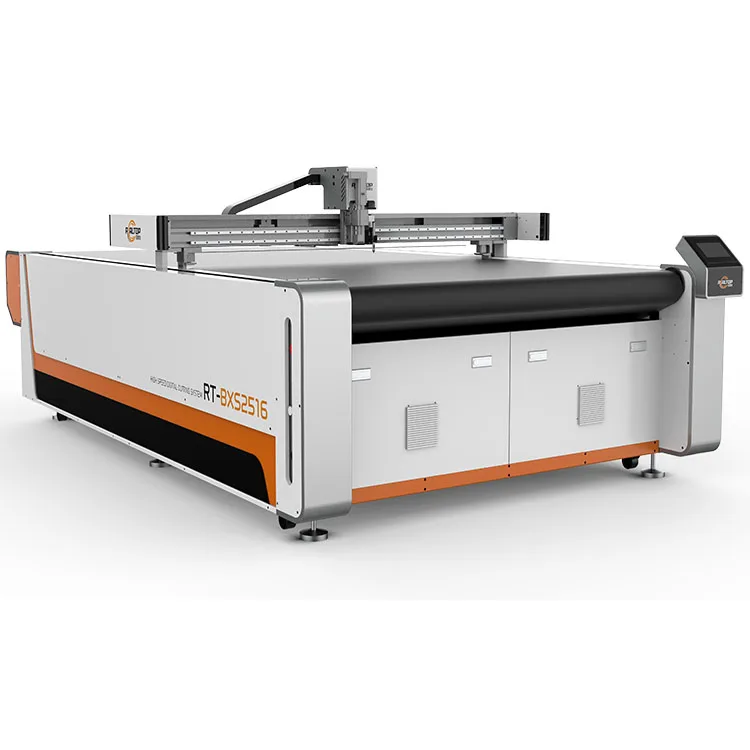
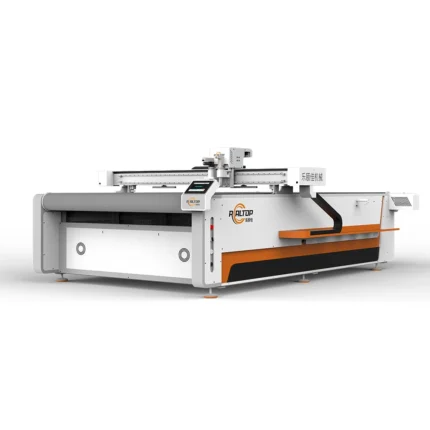
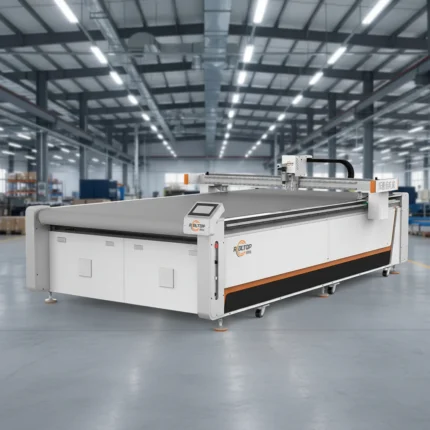
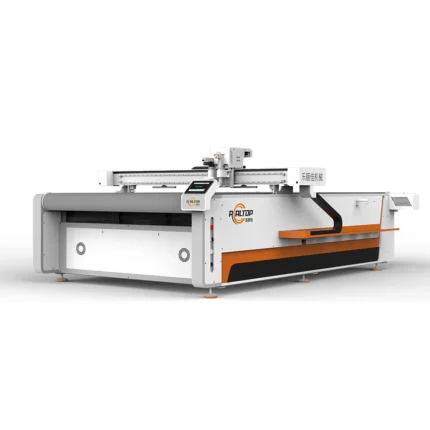
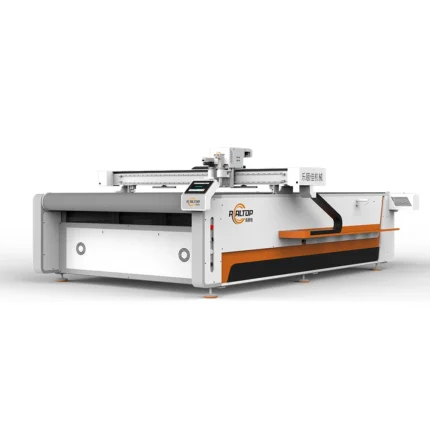
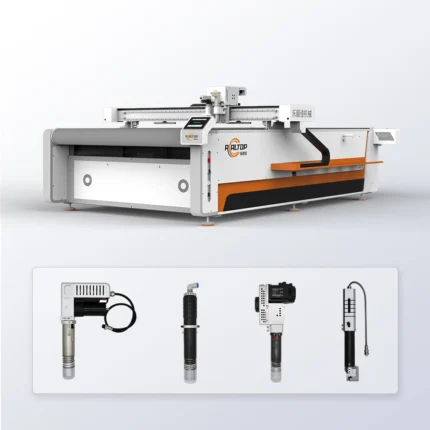
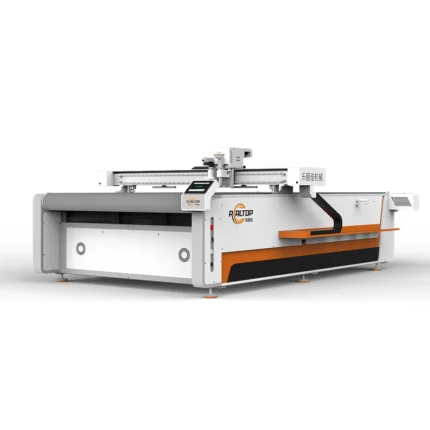
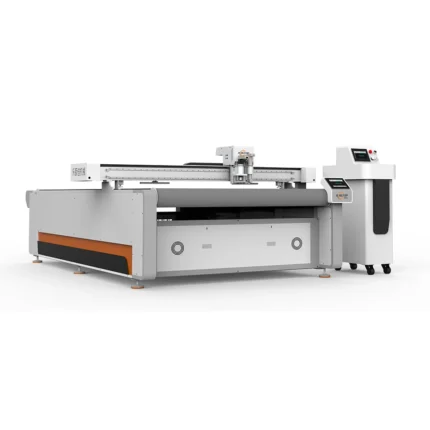
RT-D2516/RT-S2516 CNC Oscillating Knife Cutting Machine, 1600×2500mm Working Area, 9kw — engineered for denim, textile and fabric processors requiring precise contour cutting.
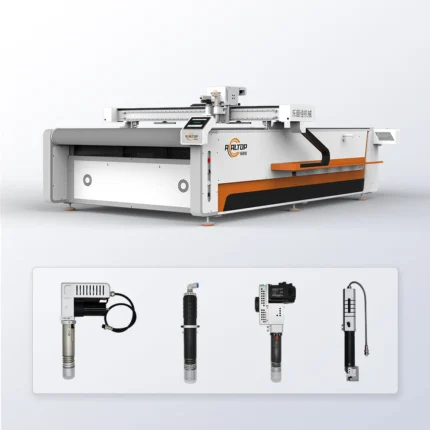
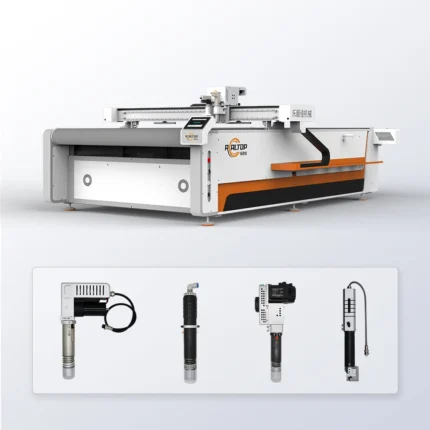
- Tool head options include oscillating knife, pneumatic knife and drag knife configured per material thickness
- CCD camera positioning (small mark point + panoramic) tracks printed patterns at production speed
- Auto typesetting software accepts PLT, DXF, AI formats for existing garment workflows
- Touch screen control supports English, Russian, Italian, Chinese and custom languages
Sample cutting on your own denim or textile material provided before commitment, with documented cutting depth per material thickness.
Continuous Laser Power Specified — every system quotes real continuous output against actual cutting depth on your denim, not peak ratings that fall short on the floor.
Technical Specifications
| Parameter | Value |
|---|---|
| Model | RT-D2516/RT-S2516 |
| Working Area | 1600×2500 mm |
| Machine Dimensions | 3450×2300×1250 mm |
| Rated Power | 9 kW |
| Translational Velocity | 800–2000 mm/s |
| Cutting Speed | 200–800 mm/s (varies with the material) |
| Cutting Thickness | ≤100 mm (varies with the material) |
| Repeated Accuracy | ≤0.1 mm |
| Table Options | Flat working table, auto feeding table |
| Transmission System | Digital servo motor, linear guide, synchronous belt, ball screw |
| Servo Motor | Delta (optional Panasonic / Japan made) |
| Vacuum Pump | 7.5 kW |
| Conveyor Belt | Germany imported |
| Linear Rail | Taiwan Hiwin |
| Voltage | 380V±10% |
| Control Panel | Touch screen, multiple language supported |
| Instruction Format | HP-GL compatible |
| Visual Positioning Options | Small CCD mark point, panoramic camera, projection positioning |
| Tool Head Options | Oscillating knife, pneumatic knife, vibrating knife, circular knife, drag knife, creasing wheel, others |
| Assembly State | Fully assembled |
Application Suitability
| Application | Material or Output |
|---|---|
| Denim and garment cutting | Multi-layer cotton denim, stretch denim with elastane blends |
| Automotive interior trimming | PU leather, composite textiles, synthetic upholstery fabrics |
| Printed textile contour work | Pre-printed fabric rolls with registration marks for CCD tracking |
| Footwear and bag component cutting | Shoe uppers, lining materials, luggage fabric panels |
| Soft furnishing production | Non-woven fabric, carpet, sponge, PU and EVA foam |
Why "Peak Laser Power" Numbers Mislead Denim Processors
Continuous output determines the actual cut quality, not the headline wattage on the brochure.
I once watched a denim buyer fly in for a trial run. The machine on the floor had been dialed in on standard cotton denim — clean edges, fast passes, no fraying. Then we loaded his actual production roll, which carried a stretch elastane weave. The same power setting scorched the synthetic fibers and left char marks along every curve. We spent two full days adjusting laser output and travel speed to match the real fabric [NEED_CITE: laser cutting parameters for elastane-blend textiles]. That is the gap between a peak-power quote and continuous output matched to your material. A CNC oscillating knife cutting machine for fabric and textile avoids this problem entirely by using mechanical blade contact, but for laser-based edge sealing on synthetics, the continuous rating is the only number that matters.
Tool Head Selection Against Material Behavior
Denim, stretch fabric, foam composites, and PU leather all behave differently under blade pressure. The RT-D2516/RT-S2516 supports multiple tool heads — oscillating knife, drag knife, circular knife, and pneumatic knife — so the cutting method follows the material rather than the reverse. An oscillating knife handles thick multi-layer denim stacks cleanly, while a drag knife suits single-ply pattern work on lighter textiles. The multifunctional head carries a Swiss-imported knife with vibration full-cutting and half-cutting capability, plus cursor location for manual alignment checks.
Contour Tracking on Printed Fabric at Line Speed
Printed denim and textile designs require precise contour alignment. The small CCD mark-point positioning option reads registration marks along the fabric edge, while the panoramic camera recognition system captures the full printed pattern for higher-accuracy nesting. On an auto-feeding table, the CNC oscillating knife cutting machine for fabric and textile advances the roll and repositions the camera between cuts, maintaining registration across continuous production runs without manual re-alignment [NEED_CITE: CCD contour recognition accuracy on textile printing marks].
Specs That Translate to Floor Performance
The 1600×2500 mm working area accommodates standard denim roll widths with room for multi-pattern nesting. The 7.5 kW vacuum pump paired with the magnesium-aluminum alloy table — finished with fluorocarbon PVDF powder spraying and hard oxidation — holds flat material firmly across the cutting zone. Taiwan Hiwin linear rails and Delta digital servo motors deliver the repeated accuracy of ≤0.1 mm that pattern-cutting work demands. The German-imported conveyor belt on the auto-feeding option handles continuous roll advance without slippage, while the HP-GL compatible instruction system accepts PLT, DXF, and AI files directly from garment CAD software.
The Cost of Picking the Wrong Table Zoning
A buyer cutting small leather patches for automotive interiors once specified a flat table based on working area alone. When the machine arrived, the vacuum zones could not hold pieces under a certain size — they lifted during cutting, producing shifted edges and wasted material [NEED_CITE: vacuum table zoning requirements for small-part textile cutting]. The RT-D2516/RT-S2516 flat table is available with zoning options, but this must be confirmed at inquiry stage, not discovered after delivery. The same applies to the auto-feeding conveyor: if your material is slippery or very thin, belt grip must be verified on your actual roll stock.
Why Buyers Stay After Seeing Real Tests
In-house design and production cover both knife and laser cutting, so a denim processor can test mechanical cutting against laser sealing on the same fabric before committing. Tool head and table configuration are specified per material type and daily volume, not from a fixed catalogue page. CCD camera positioning is validated on the buyer’s printed fabric before order. Software file format compatibility — PLT, DXF, AI — is confirmed against the buyer’s existing nesting workflow. Sample cutting runs on the buyer’s own denim or textile roll produce a documented report showing edge quality, cutting speed, and layer capacity. Voltage, control language, and plug type are locked in before production begins.
Documentation & Verification
- Machine specification sheet with tool head and table configuration confirmed against your material
- Electrical schematic and voltage confirmation matching your workshop supply
- Sample cutting report on your own denim or textile roll before shipment
- Software licence and file format compatibility note for PLT, DXF, AI workflows
- Factory test record documenting repeated accuracy and vacuum hold on your fabric
Installation, Commissioning & Support
- 380V±10% supply with dedicated circuit for the 9 kW rated power plus 7.5 kW vacuum pump
- Fully assembled delivery — no frame reconstruction required on the workshop floor
- First-run parameter tuning on your denim thickness and cutting speed range
- Touch screen language set to English, Russian, Italian, Chinese, or customized to your team
- Spare oscillating knife blades, drag knife tips, and conveyor belt sections stocked at dispatch
What We Need From Your Inquiry
Send the exact denim weight, weave composition, and any elastane percentage. Specify your daily cutting volume and whether you cut single-ply or multi-layer stacks. Confirm your workshop voltage and the control language your operators need.
Frequently Asked Questions
Q: CO2 or fiber laser — which fits denim and textile cutting?
A: CO2 laser sources seal edges on synthetic blends and denim without mechanical blade wear, preventing fraying on elastane-heavy fabrics. Fiber lasers suit sheet metal and are not used for textile work. The RT-D2516/RT-S2516 platform uses oscillating and drag knife heads for mechanical cutting, while REALTOP offers separate laser systems for edge-sealing applications.
Q: How do I confirm the real cutting depth on my fabric thickness?
A: We run a sample cutting test on your actual denim or textile roll, documenting cutting speed, layer count, and edge quality in a written report. This happens before you commit to an order, so the machine configuration matches your production reality rather than a generic material chart.
Q: Does the CCD camera track printed marks on denim at production speed?
A: Both small mark-point and panoramic camera options are available. We test contour recognition on your printed fabric roll during the sample phase, verifying that mark tracking holds at the cutting speeds your volume requires. Results are documented before the order is finalized.
Q: What extraction and fume requirements apply to knife cutting?
A: Oscillating knife cutting on denim and textile produces fiber dust rather than fumes, so dust extraction is the primary requirement. A vacuum table with 7.5 kW pump collects particles during cutting. For synthetic or coated fabrics that may generate finer dust, supplementary filtration above the cutting zone is recommended.
Q: Can voltage, plug type, and control language be customized before shipment?
A: The RT-D2516/RT-S2516 ships at 380V±10% as standard, with voltage adjustments available for your local supply. The touch screen supports English, Russian, Italian, and Chinese, with other languages configurable. Plug type and electrical schematic are confirmed at order stage to match your workshop.


Related products
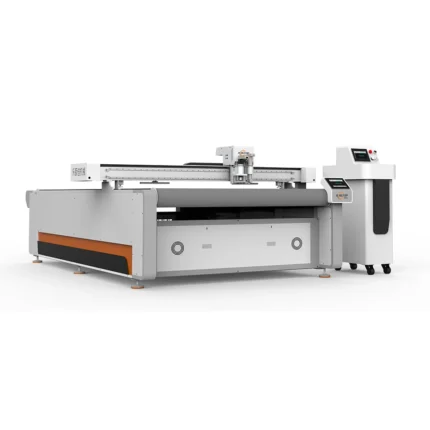
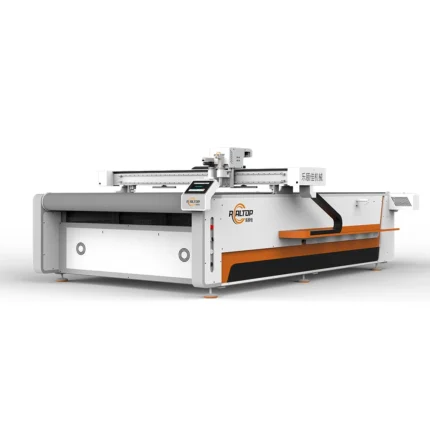
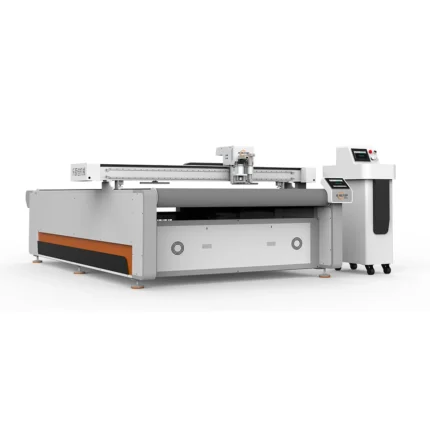
2026 Máquina de corte para tablas de surf SUP inflables
Product Introduction
Ideal for inflatable surf SUP board production, this 2026 cutting machine ensures precise and efficient cutting, tailored for manufacturers seeking reliable performance in water sports equipment manufacturing.
Specifications
| Application | Inflatable Surf SUP Board |
| Type | Cutting Machine |
| Model Year | 2026 |
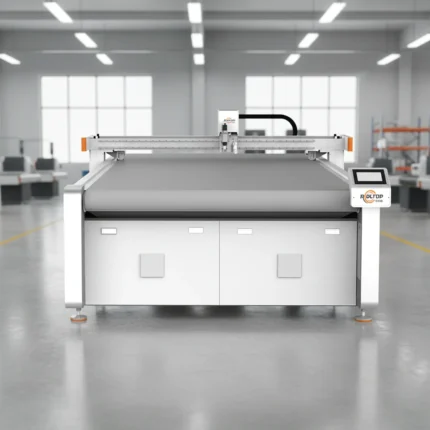
Cortadora automática multicapa de cuchillo vibratorio 2026
Product Introduction
Automatic Multi-Layer Vibrating Knife Cutter 2026, ideal for precise cutting of various materials with multi-layer processing capability, enhancing production efficiency.
Key Specifications
| Type | Automatic Vibrating Knife Cutter |
| Layer Capacity | Multi-Layer |
| Model | 2026 |
| Function | Precision Cutting |

Cortadora rotativa eléctrica de tela 2026 12V Auto-Cut Industrial
Product Introduction
Industrial-grade Electric Fabric Rotary Cutter designed for precise cutting of scan-printed cloth. Features 12V auto-cut functionality for efficient, automated operation, ideal for professional textile processing.Product Parameters
| Power Supply | 12V |
| Function | Auto-Cut |
| Application | Scan-Printed Cloth |
| Type | Industrial Electric Rotary Cutter |
Máquina de corte de tela de alta velocidad 2026 con cuchilla oscilante redonda
Product Overview
High Speed Fabric Cutting Machine 2026 with round and oscillating knife for efficient fabric cutting. Ideal for textile manufacturing and related industries.Key Specifications
| Cutting Type | Round & Oscillating Knife |
| Model Year | 2026 |
| Application | Fabric Cutting |
| Feature | High Speed Performance |

Jinan Realtop Máquina de Corte de PVC 2026 Certificado CE
Product Introduction
Jinan Realtop PVC Cutting Machine 2026 is a CE-certified cutting solution, ideal for precise PVC material processing. Designed for efficiency and reliability in industrial applications.Product Parameters
| Model | 2026 |
| Certification | CE Certified |
| Application | PVC Cutting |
| Manufacturer | Jinan Realtop |
商品评价
There are no reviews yet.