

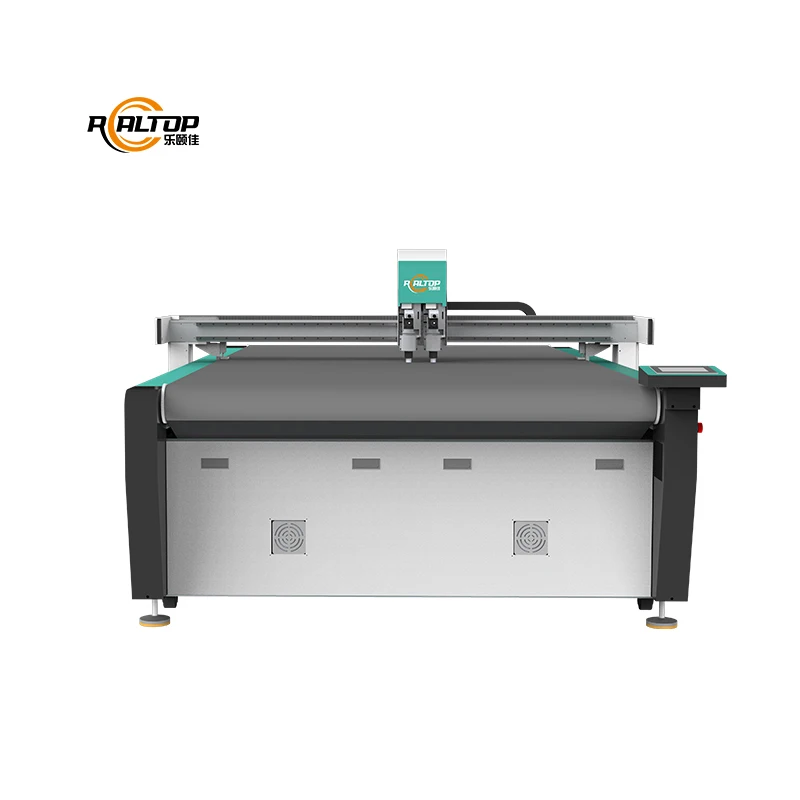
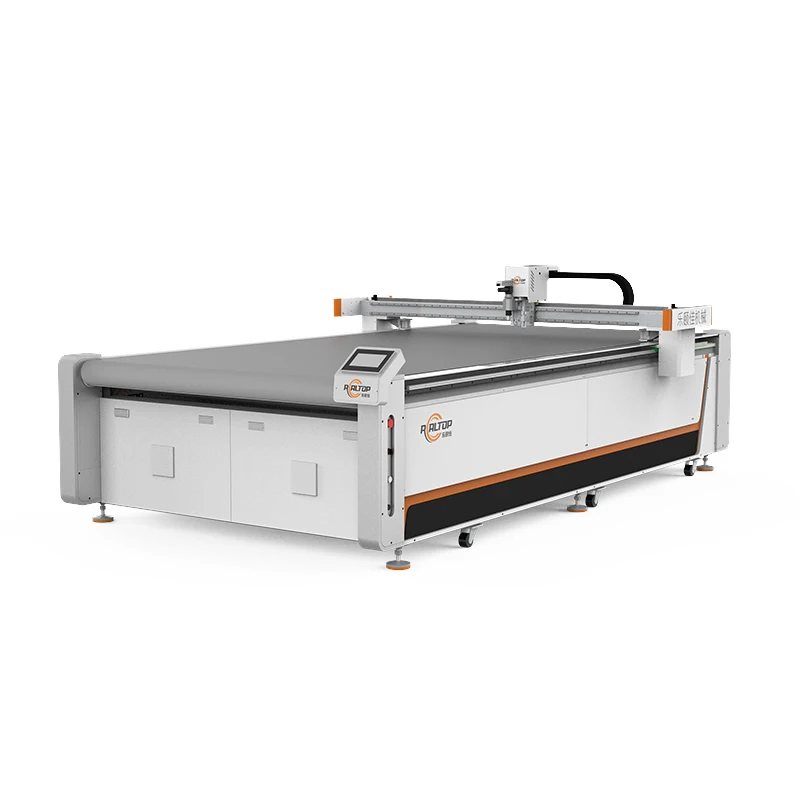
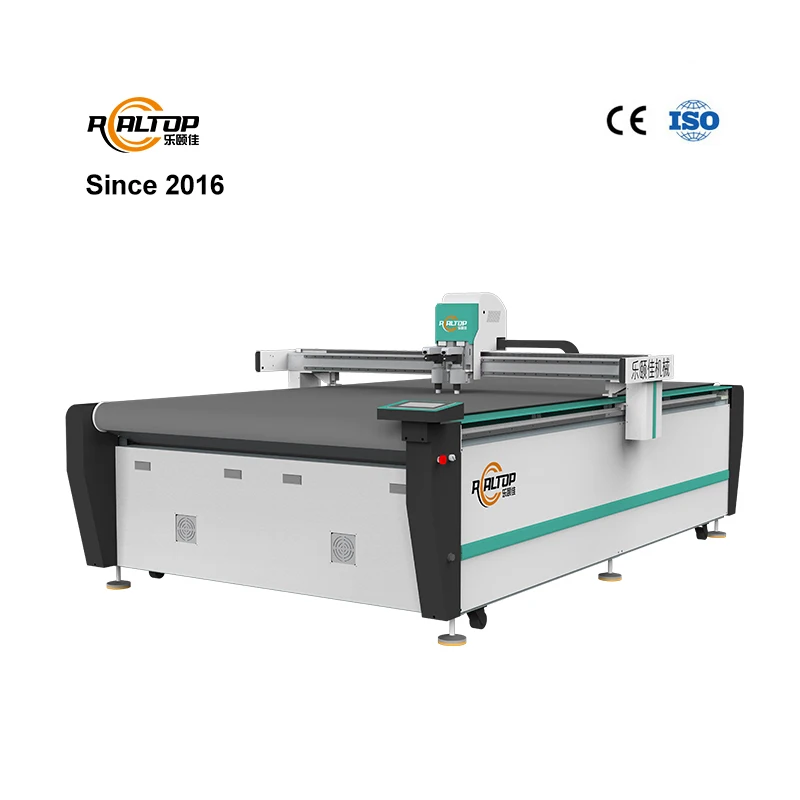
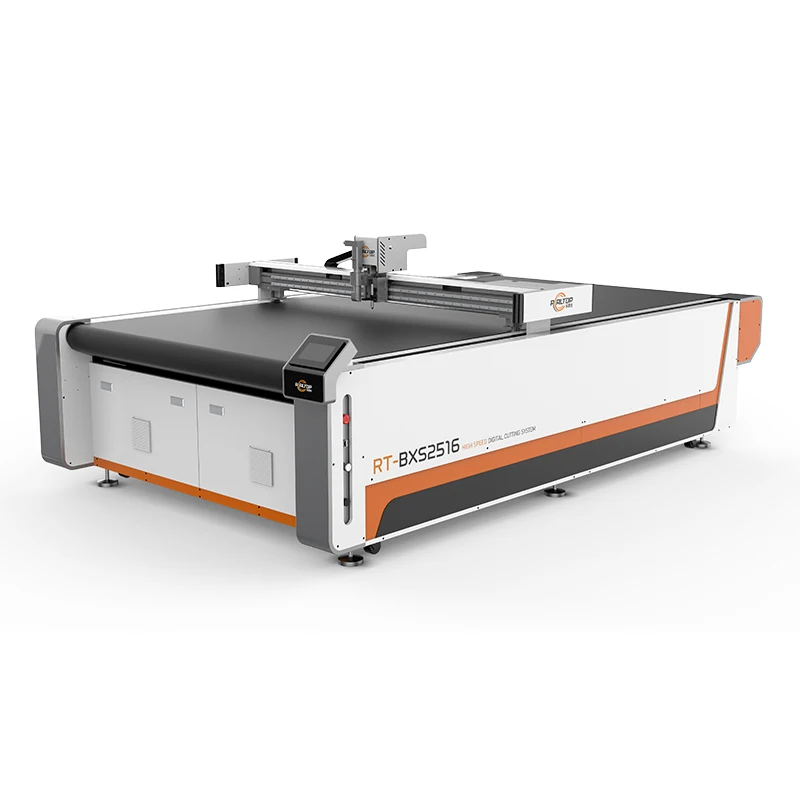
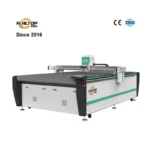
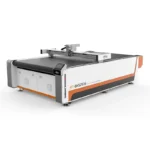
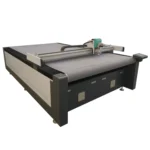
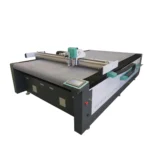
Fabric and Leather CNC Oscillating Knife Cutting Machine – OEM Available
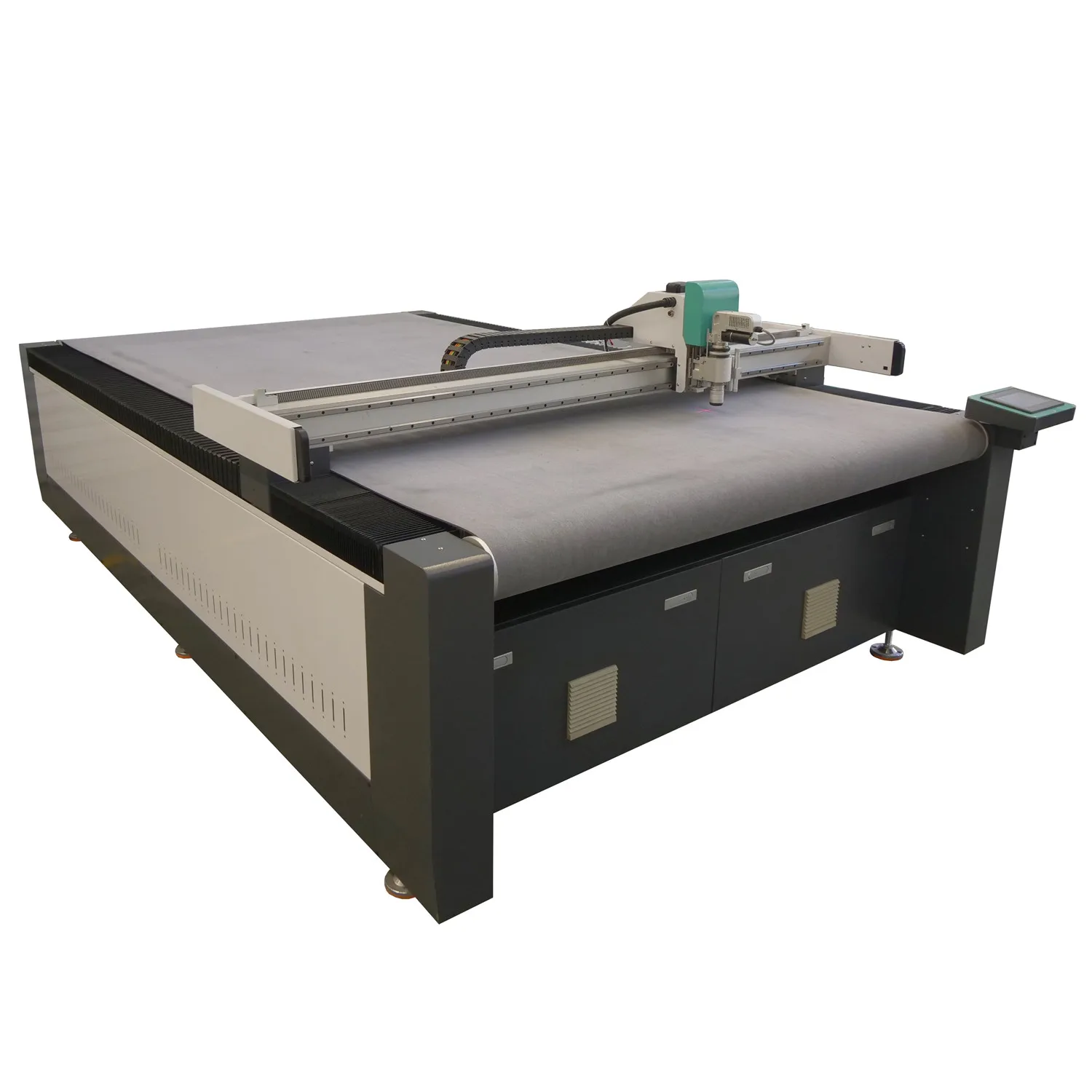
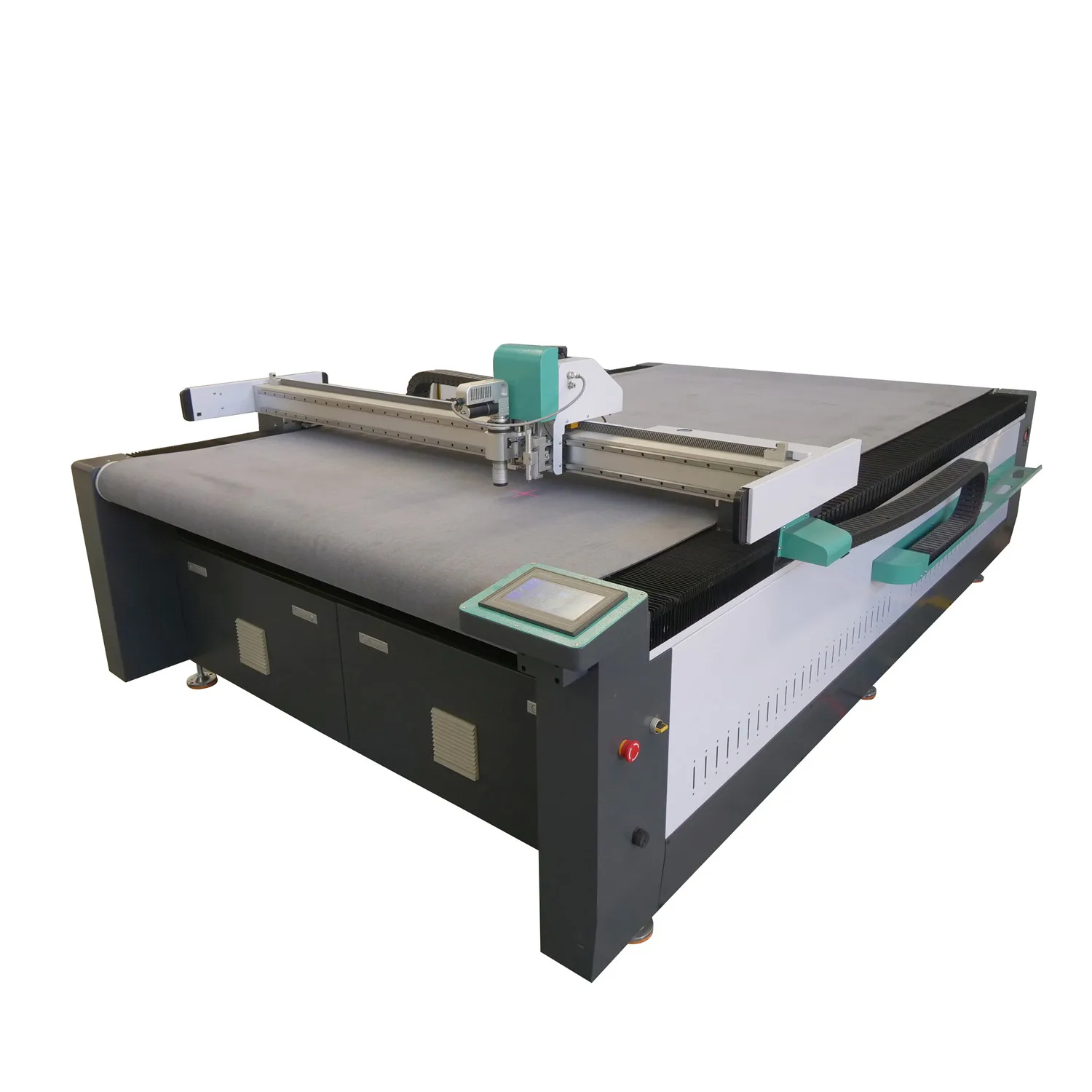
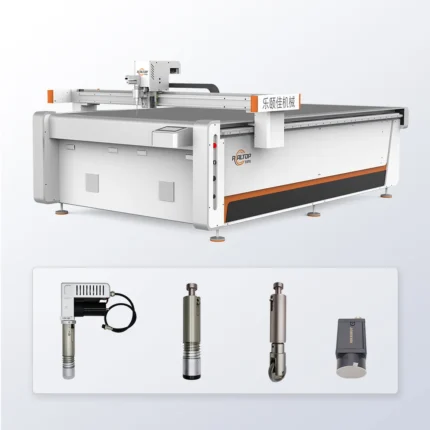
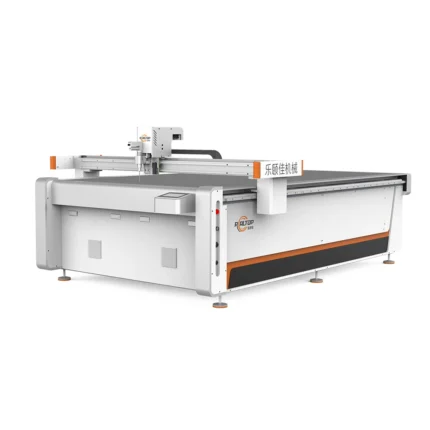
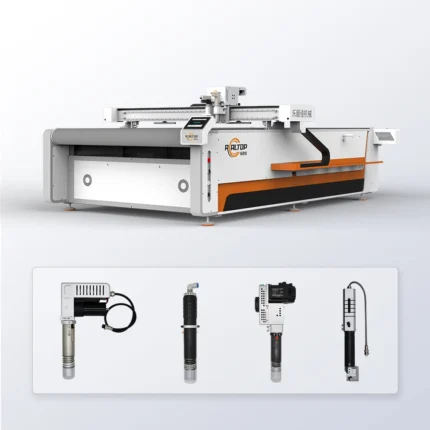
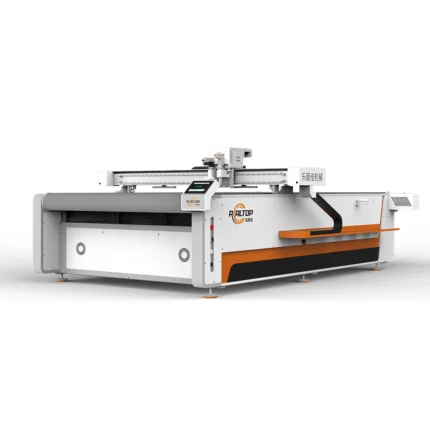
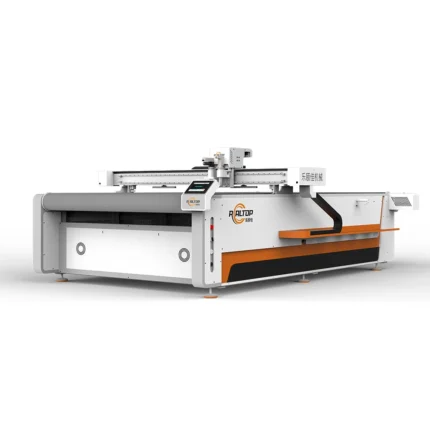
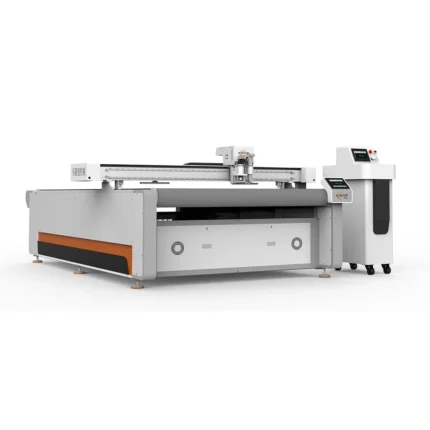
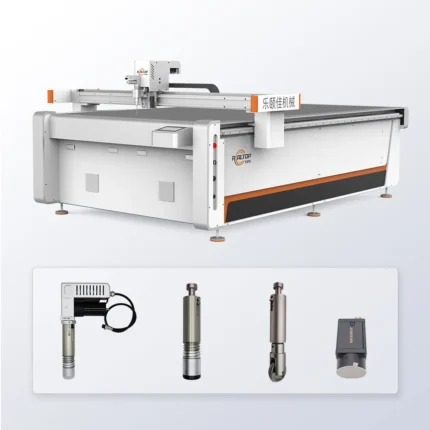
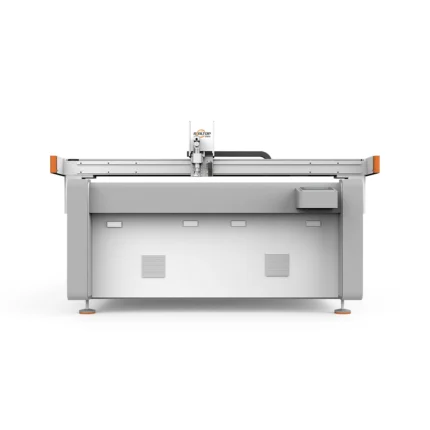
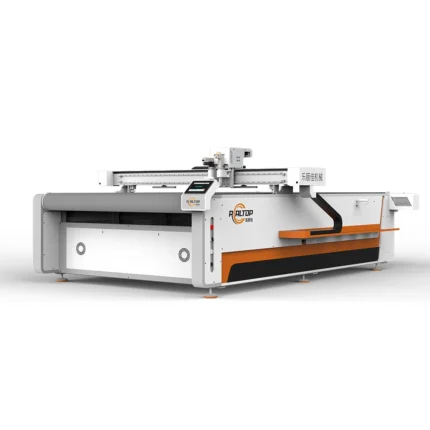
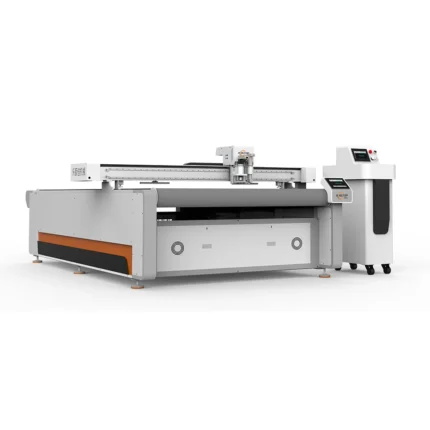
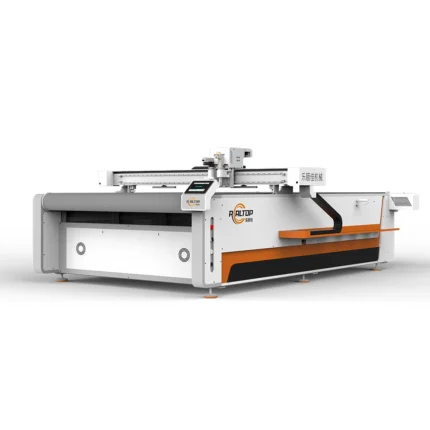
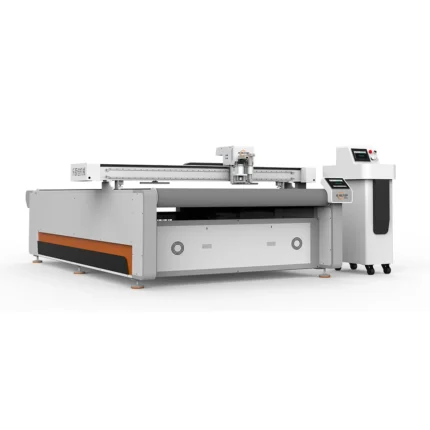
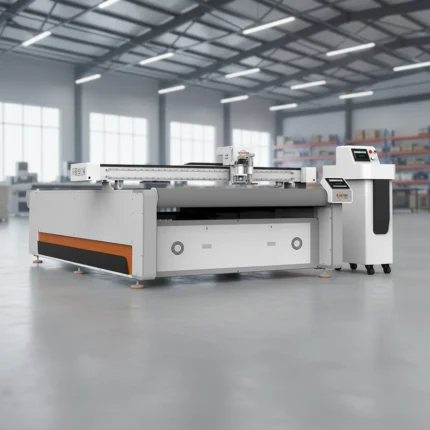
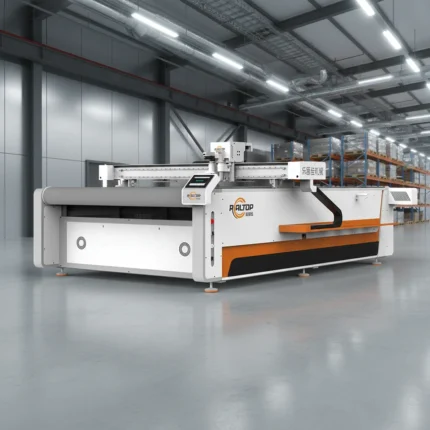
RT-D2516/RT-S2516 CNC Oscillating Knife Cutting Machine, 1600×2500mm Working Area, Multi-Tool Head — engineered for fabric, leather and flexible composite cutting with Swiss imported oscillating knife, drag knife, creasing wheel and punching options in a single work cycle. CCD panoramic camera positioning tracks printed contour marks at production speed, while the magnesium-aluminum vacuum table with 7.5kW pump holds materials securely across zoned sections. Infrared anti-collision and emergency stop devices protect operators throughout the cutting area.
Sample cutting on your own material confirms edge quality and depth before order commitment, with tool head configuration matched to your specific material type and daily volume.
Precision tooling configuration — every oscillating knife, drag knife and vacuum zone is matched to your actual fabric weight and coating type before the machine leaves the factory.
Technical Specifications
| Parameter | Value |
|---|---|
| Model | RT-D2516/RT-S2516 |
| Product Type | CNC Oscillating Knife Cutting Machine |
| Working Area | 1600 × 2500 mm |
| Machine Size (Overall) | 3450 × 2300 × 1250 mm |
| Rated Power | 9 kW |
| Voltage | 380V ± 10% |
| Translational Velocity | 800–2000 mm/s |
| Cutting Speed | 200–800 mm/s (varies by material) |
| Repeated Accuracy | ≤ 0.1 mm |
| Cutting Thickness | Up to 100 mm depending on material density |
| Multifunctional Tool Head | Swiss imported knife with vibration full cutting, half cutting and cursor location; options include oscillating knife, pneumatic knife, high-power vibrating knife, circular knife, V cutting knife, drag knife, creasing wheel, dotted line knife, punching, brush |
| Visual Positioning | Small CCD camera mark point positioning, panoramic camera recognition, projection positioning |
| Transmission System | Digital servo motor, linear guide, synchronous belt, ball screw (imported) |
| Servo Motor Options | Delta or Panasonic |
| Vacuum Table | Magnesium-aluminum alloy with fluorocarbon PVDF powder spraying, anodic and hard oxidation; integrated aviation aluminum shell pump with built-in silencer sponge |
| Vacuum Pump | 7.5 kW |
| Instruction System | HP-GL compatible format |
| Software & File Formats | Auto typesetting software, supports PLT, DXF, AI |
| Safety Device | Infrared sensors, anti-collision, emergency stop |
| Control Panel | Touch screen, multiple language supported |
| Table Type Options | Flat working table, auto feeding table |
| Conveyor Belt | Germany imported |
| Linear Rail | Taiwan Hiwin |
| Language Options | English, Russian, Italian, Chinese (special languages customizable) |
Application Suitability
| Application | Material or Output |
|---|---|
| Garment and footwear cutting | Single and multi-layer fabric, leather, shoe uppers, lining textiles |
| Automotive interior production | Composite panels, synthetic leather, carpet backing, sealing gaskets |
| Soft furnishing and carpet | Large-format carpet tiles, upholstery foam, curtain fabrics, non-woven covers |
| Luggage and bag manufacturing | PU, EVA, XPE sheets, nylon webbing, coated textiles |
| Advertising and signage | PVC film, sticker vinyl, corrugated cardboard, foam board |
| Packaging sample making | Cardboard, plastic box materials, fiberglass sheets |
Why Material Thickness Claims Fail When the Tool Head Is Wrong
A CNC oscillating knife cutting machine for fabric and leather can list a maximum cutting thickness on paper, yet still produce ragged edges or crushed foam on your shop floor if the wrong tool head was selected for your material stack.
I watched a Southeast Asian buyer receive a machine configured for light cotton — the test sample came back perfect. When they ran their actual production material, a multi-layer coated textile, the oscillation frequency was too low and the blade deflected through the bottom plies. They spent weeks re-tuning parameters that should have been locked in before the machine shipped. That gap between sample approval and production reality is where most frustration originates [NEED_CITE: common CNC cutting machine commissioning issues on coated multi-layer materials]. Matching the knife type — oscillating, pneumatic, high-power vibrating or drag — to the specific coating, weave density and stack height eliminates that gap entirely.
Tool Head Selection Drives Edge Quality More Than Speed
The RT-D2516/RT-S2516 carries a Swiss imported knife assembly with vibration full cutting, half cutting and cursor location as its baseline configuration, but the real decision sits in the tool head options surrounding it. A CNC oscillating knife cutting machine for fabric and leather behaves very differently when fitted with a circular knife for continuous woven rolls versus a high-power vibrating knife for dense foam gaskets. Each tool head changes the blade-to-material interaction — oscillation amplitude, downward pressure and feed rate all shift. Getting this wrong means either frayed edges on delicate textiles or incomplete cuts on rubber composites.
Vacuum Hold-Down Decides Whether Small Parts Stay Flat
The magnesium-aluminum alloy vacuum table on this system uses a 7.5 kW pump with zoned adsorption areas. For large garment panels, full-table suction holds the fabric taut without distortion. For small gasket pieces or shoe component nesting, the zoning matters far more — isolated sections maintain negative pressure on parts smaller than a palm while the rest of the table breathes. Without adequate zoned hold-down, lightweight film and thin non-woven layers lift during high-speed traversal, shifting the cut path by fractions of a millimeter that compound across a multi-piece nest [NEED_CITE: vacuum table zoning requirements for small part digital cutting].
Reading the Specs That Actually Matter on the Floor
The 1600 × 2500 mm working area accommodates standard fabric rolls and leather hides without excessive repositioning, but what determines usable throughput is the interplay between the 200–800 mm/s cutting speed range and the repeated accuracy of ≤ 0.1 mm. At the upper speed boundary, servo response from the Delta or Panasonic motors and the Taiwan Hiwin linear rails must keep the knife path within tolerance on every pass — particularly on contour cuts where direction changes are constant. The 380V ± 10% power supply requirement means buyers in regions with 220V or 415V grids must confirm transformer and phase compatibility before the machine enters production. The touch screen control panel supporting multiple languages and HP-GL compatible instruction sets determines how quickly your operators transition from existing CAD workflows, since the auto typesetting software must import PLT, DXF and AI files without geometry loss.
The Cost of Skipping the Sample Cut Before Order
Every buyer pain point in CNC cutting traces back to a specification confirmed in isolation. A working area chosen without considering material stack height. A vacuum pump sized for large sheets but starved on small nested parts. A CCD camera promised for contour recognition but never tested against the buyer’s actual print registration marks at production speed. The RT-D2516/RT-S2516 offers panoramic camera recognition, small CCD mark point positioning and projection positioning — yet none of these deliver on your floor until the camera is calibrated to your ink density, substrate reflectivity and mark spacing [NEED_CITE: CCD camera contour recognition limitations on reflective and coated substrates]. Skipping a sample cut on your own material means discovering these variables during commissioning rather than during quotation.
What This Build Approach Delivers
In-house design covers both knife and laser cutting technologies across the REALTOP range, so the RT-D2516/RT-S2516 is recommended specifically when your material demands cold cutting without thermal sealing — fabrics that scorch, foams that melt, composites that delaminate under CO2 heat. Tool head and table configurations are specified per material type and daily production volume rather than offered as a single package. CCD camera positioning is calibrated against your printed artwork before dispatch. Software file format compatibility with PLT, DXF and AI is confirmed against your existing nesting workflow. Voltage, plug type and control panel language are documented and verified before the machine enters the crate.
Documentation & Verification
- Factory test record on your specific fabric stack and thickness before dispatch
- Tool head and vacuum zone configuration list matched to your material profile
- Electrical schematic with confirmed voltage, plug type and phase arrangement
- Sample cutting report on your actual leather, coated textile or foam material
- Software licence and PLT/DXF/AI file format compatibility note for your workflow
- Spare parts list covering Swiss knife blades, vacuum pump filters and servo belts
Installation, Commissioning & Support
- 3450 × 2300 mm footprint requires level concrete floor with clearance for auto feeding table travel
- 380V ± 10% dedicated three-phase circuit with isolated breaker for the 9 kW rated load
- Machine ships with vacuum table and gantry separated; reassembly includes rail alignment verification
- First-run parameter tuning covers oscillation frequency, vacuum zoning and CCD mark calibration
- Operator training addresses touch screen navigation in your selected language and HP-GL workflow
- Consumable schedule covers Swiss knife blade replacement intervals and vacuum pump filter cycles
What to Share With Your Inquiry
Send a swatch or roll sample of your primary cutting material — including coating type, layer count and typical stack height — along with your daily output target and nesting layout. Specify your workshop voltage and frequency, the control panel language your operators need, and whether your existing CAD files are in PLT, DXF or AI format. If you run printed contour cutting, include a sample of the actual printed sheet so CCD recognition can be validated before quotation.
Frequently Asked Questions
Q: How is cutting thickness verified for my specific fabric or leather before I commit?
A: The up-to-100 mm figure varies significantly with material density and coating. We run a sample cut on your actual material — including your typical multi-layer stack — and document edge quality, cut completeness and blade wear in a written report before you place the order.
Q: Which tool head should I use for coated textile versus plain woven fabric?
A: Coated multi-layer materials typically need a high-power vibrating knife with adjusted oscillation amplitude, while single-layer woven fabric works with a standard oscillating knife at higher speed. We confirm the recommendation through sample cutting on your specific material stack.
Q: Can the panoramic CCD camera track printed marks at full cutting speed on my material?
A: Recognition depends on mark contrast, ink density and substrate reflectivity. We test the panoramic camera and small CCD positioning against your actual printed sheet at production speed before shipment to confirm reliable tracking.
Q: Will the vacuum table hold small nested parts flat during high-speed cutting?
A: The 7.5 kW pump feeds zoned adsorption areas on the magnesium-aluminum table. We configure zone mapping to match your nesting layout so small gasket or shoe components stay secured without material lift.


Related products
2026 Cortador de Tela Automático de Cuchilla Circular de Alta Eficiencia
Product Introduction
High Efficiency 2026 Auto Fabric Cutter with Round Knife is a professional cutting equipment designed for fabric processing. It features advanced automation and high cutting efficiency, suitable for various fabric materials in industrial production.Product Parameters
| Model | 2026 |
| Type | Auto Fabric Cutter |
| Blade Type | Round Knife |
| Feature | High Efficiency |
Máquina cortadora automática de lona de PVC 2026
Product Introduction
High-performance Automatic PVC Tarpaulin Cutter Machine 2026, ideal for precise and efficient cutting of PVC tarpaulin materials, designed for industrial manufacturing needs with reliable operation and user-friendly control.Product Parameters
| Model | 2026 |
| Type | Automatic PVC Tarpaulin Cutter |
| Application | PVC Tarpaulin Cutting |
| Feature | Precise & Efficient Cutting |
2026 Carbon Fiber Cloth Cutting Machine – China Manufacturer
Product Introduction
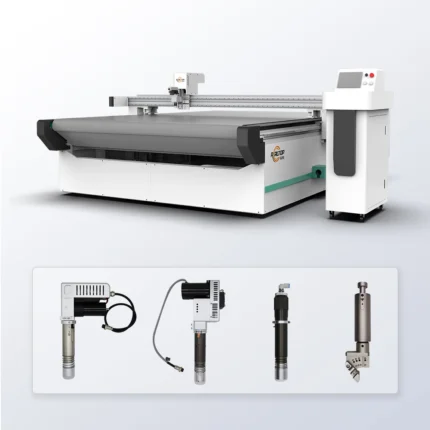
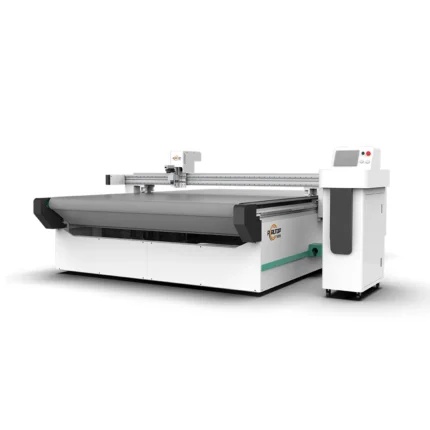
Fabric Sample Cutter Pillow Machine ¨C 2026 Carbon Fiber Cloth Cutting Machine, ideal for precise cutting of carbon fiber cloth and fabric samples, suitable for pillow production and related textile applications.Product Parameters
| Name | Fabric Sample Cutter Pillow Machine |
| Model | 2026 |
| Material | Carbon Fiber Cloth |
| Application | Pillow Fabric Cutting |
Cortadora de cuchilla oscilante de mesa plana 2026, 1600x3500 mm, textil con alimentación automática
Product Overview
Flatbed Oscillating Knife Cutting Machine 2026 is a high-precision textile fabric cutter with auto-feeding function, ideal for efficient and accurate cutting tasks in textile manufacturing. It combines advanced oscillating knife technology with a large working area to meet industrial production needs.Key Specifications
| Model | 2026 |
| Working Area | 1600x3500mm |
| Feeding System | Auto-Feeding |
| Cutting Type | Oscillating Knife |
| Application | Textile Fabric |
CNC Oscillating Knife Cutting Machine 2026 3000¡Á1600mm High-Speed
Product Parameters
| Model | CNC Oscillating Knife Cutting Machine 2026 |
| Working Area | 3000mm¡Á1600mm |
| Cutting Type | Oscillating Knife |
| Application | Fabric Cutting |
| Feature | High-Speed |
Introduction
High-performance CNC oscillating knife cutting machine with 3000mm¡Á1600mm working area, ideal for high-speed fabric cutting. Precision and efficiency for professional textile processing needs.
商品评价
There are no reviews yet.