



Corrugated Cardboard Cutting Machine – Manufacturer Custom Build
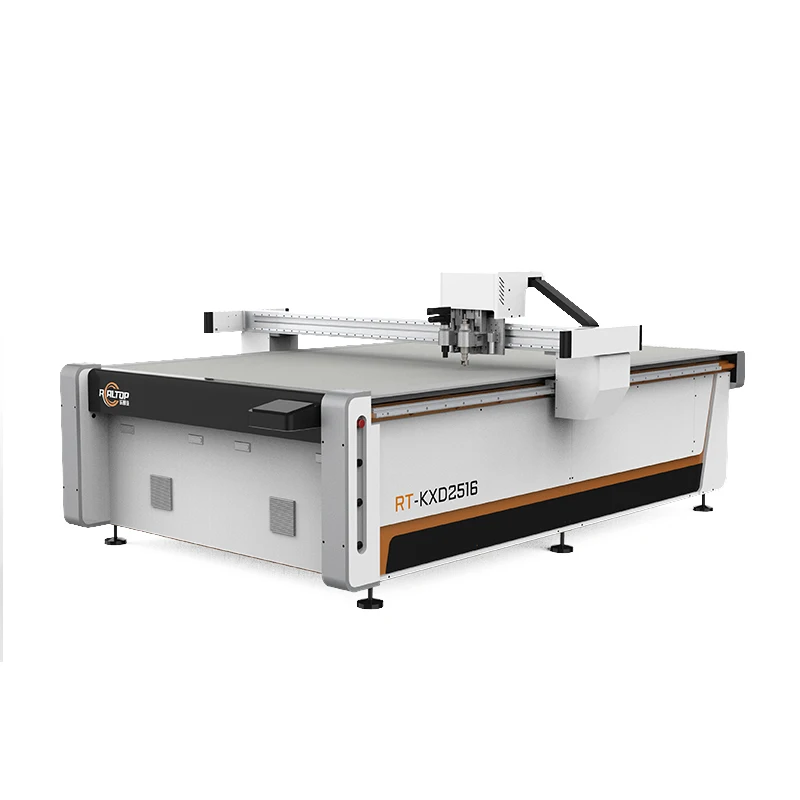
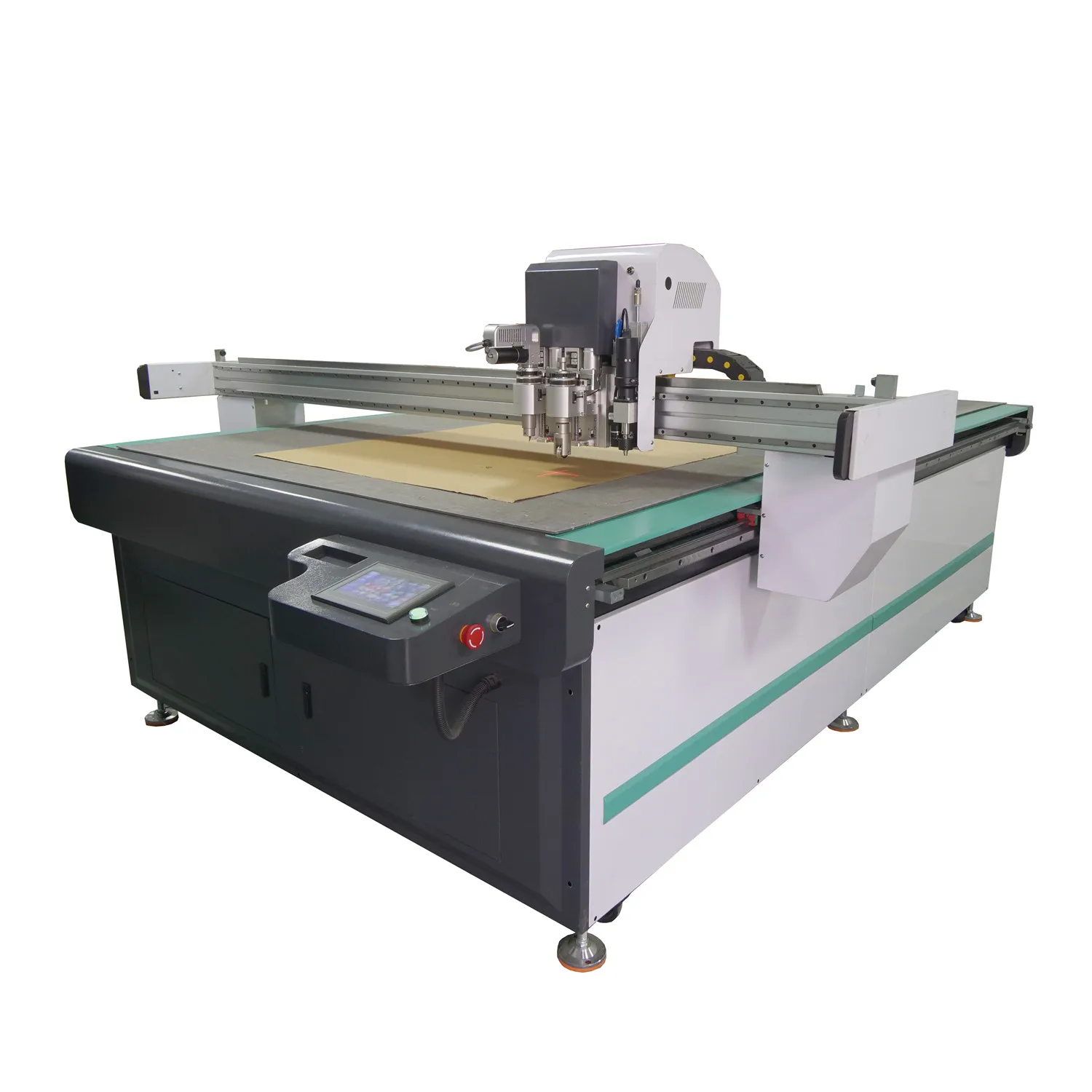
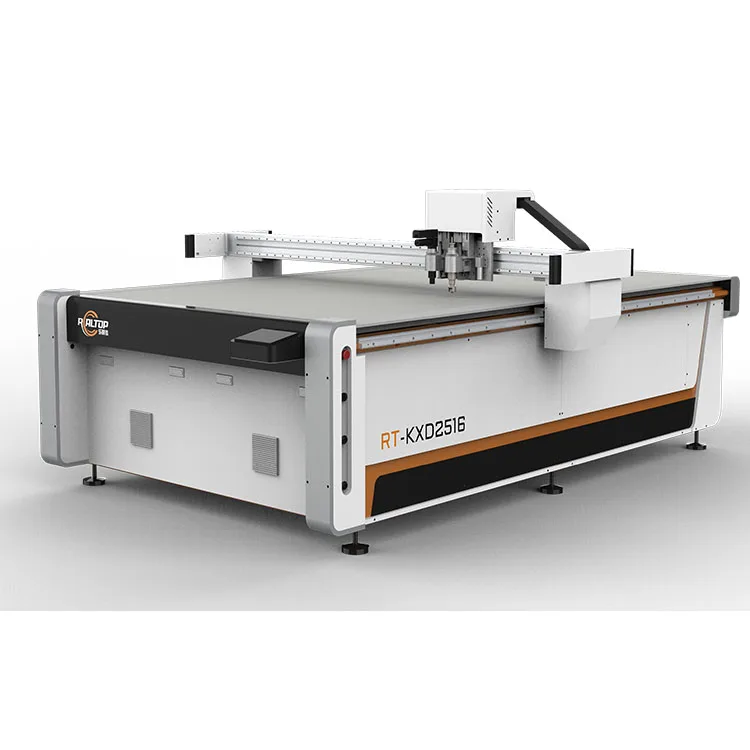
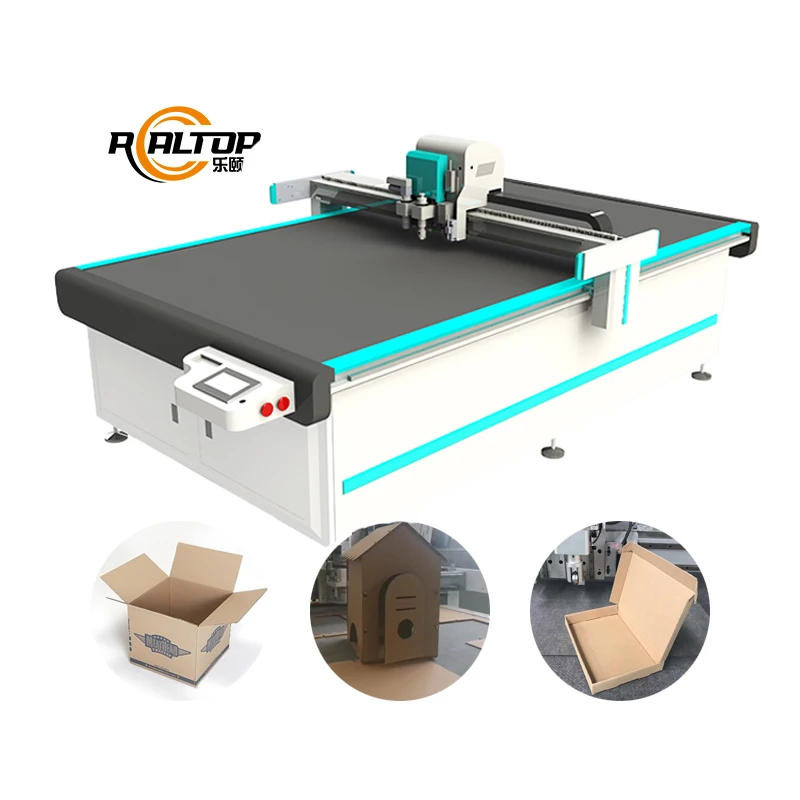
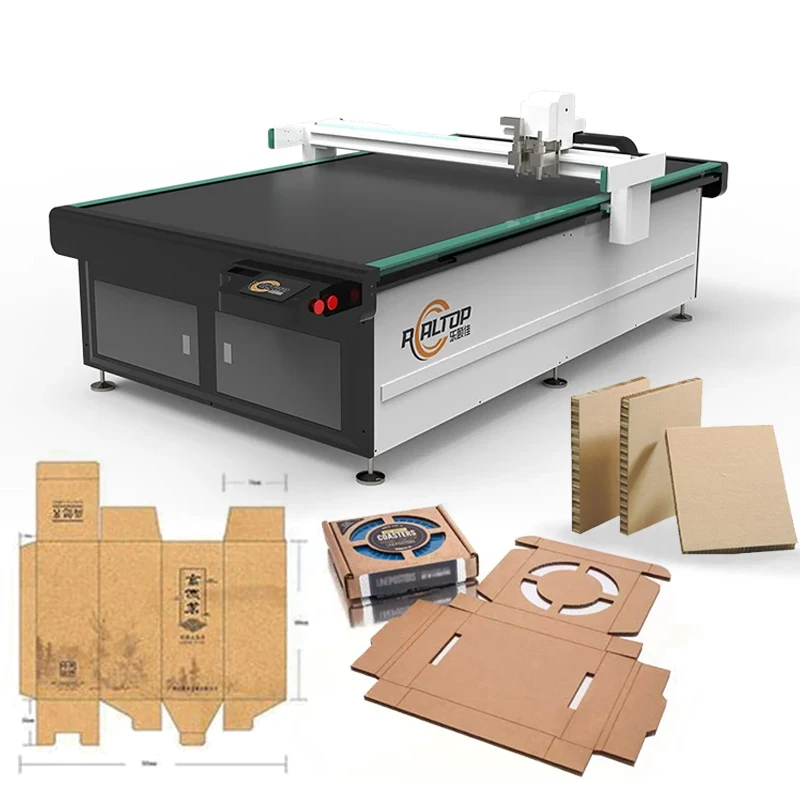
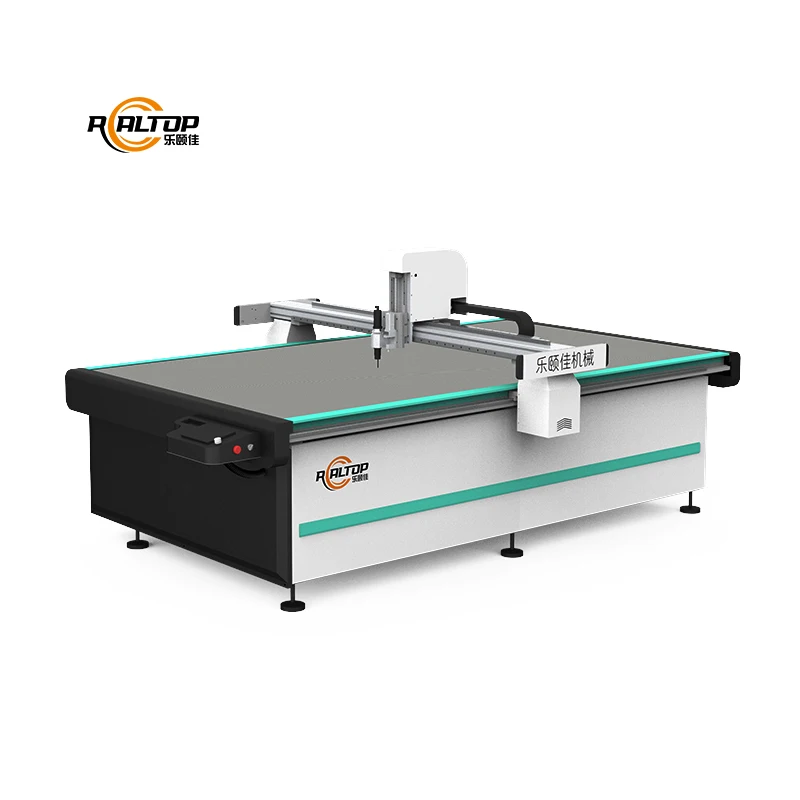
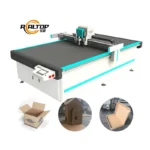
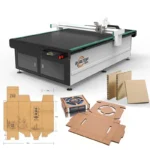
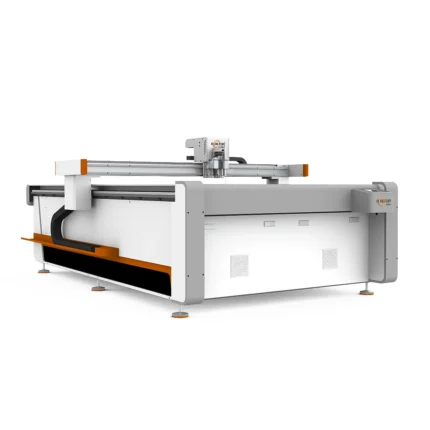
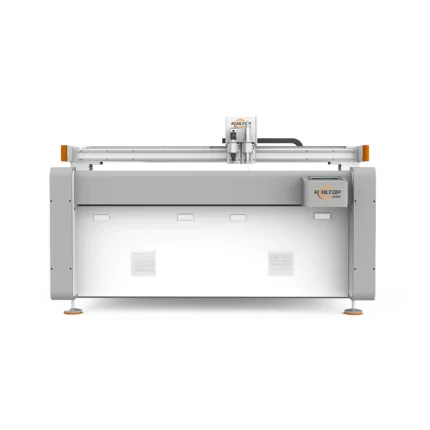
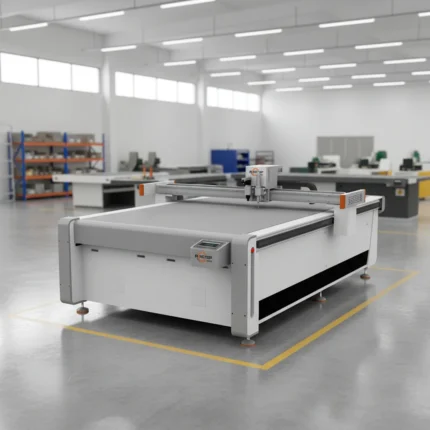
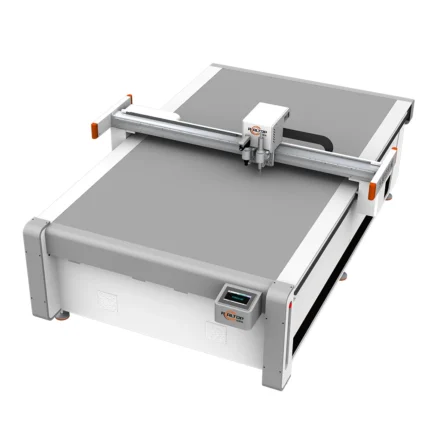
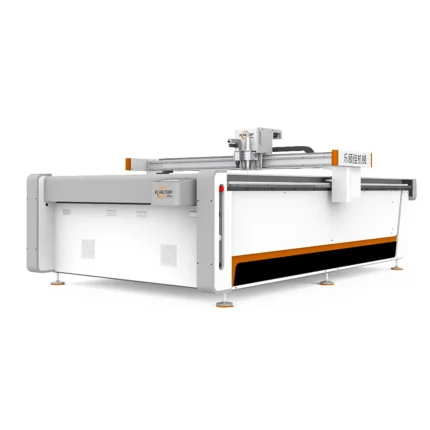
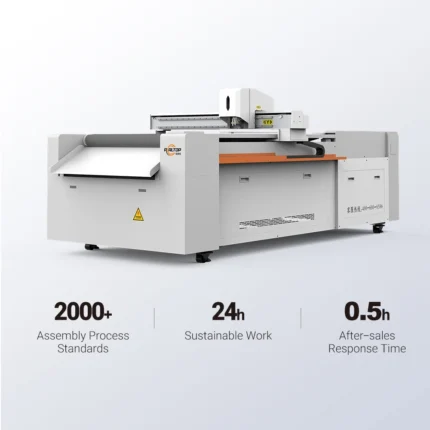
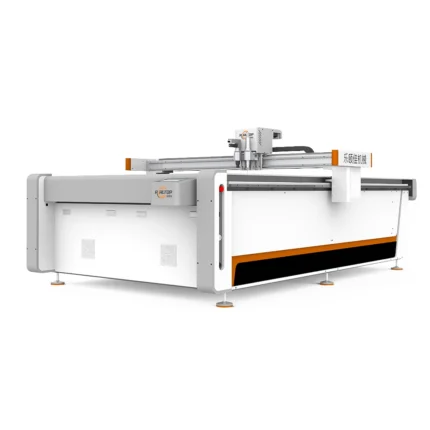
RT-D2516/RT-S2516 CNC Oscillating Knife Digital Cutting Table, 1600×2500mm Working Area, Delta Servo Drive, HP-GL Compatible — configured with Swiss imported oscillating knife, drag knife and creasing wheel tool heads on a single platform.
- Zoned aluminum honeycomb vacuum table holds small corrugated parts flat during high-speed contour cutting
- CCD camera positioning available for printed sticker and label work; professional carton nesting software imports DXF/PLT files with multi-language control interface
- Cutting speed 200-800mm/s with Taiwan Hiwin linear guides and ≤0.1mm repeated accuracy
Sample cutting on your own corrugated or flexible material is completed before commitment, confirming edge quality and achievable thickness matched to your production volume.
Custom tool head matching — each RT-D2516/RT-S2516 is configured with oscillating knife, drag knife or creasing wheel based on the buyer’s actual material sample, not a generic catalog pick.
Technical Specifications
| Parameter | Value |
|---|---|
| Model | RT-D2516/RT-S2516 |
| Working Area | 1600 × 2500 mm |
| Machine Size | 3450 × 2300 × 1250 mm |
| Rated Power | 9 kW |
| Vacuum Pump | 7.5 kW |
| Table Type | Flat working table with aluminum honeycomb vacuum adsorption |
| Tool Head | Swiss imported oscillating knife with full cut, half cut and cursor location |
| Translational Velocity | 800–2000 mm/s |
| Cutting Speed | 200–800 mm/s (basis not stated in source — confirm material / thickness) |
| Cutting Thickness | ≤100 mm (varies with material density and layer count) |
| Repeated Accuracy | ≤0.1 mm |
| Transmission System | Taiwan Delta digital servo motor, Hiwin linear guide, synchronous belt, ball screw |
| Instruction System | HP-GL compatible format |
| Conveyor Belt | Germany imported |
| Voltage | 380V ± 10% |
| Safety Device | Infrared sensors with emergency stop |
| Software | Professional carton nesting software, multi-format file import, language customization |
| Standards | CE declaration where applicable |
Application Suitability
| Application | Material or Output |
|---|---|
| Carton sample making and packaging prototyping | Corrugated cardboard, grey board, kraft paper, express paper box stock |
| Sticker and label contour cutting | Vinyl, self-adhesive film, printed label stock with CCD contour recognition |
| Billboard and business card production | PVC foam board, card stock, lightweight signage substrates |
| Flexible material processing | Leather, sponge composite leather, PVC, soft glass, silicon, rubber sheets |
| Gift box and premium packaging | Specialty paper, laminated board, magnetic closure box components |
Why the Wrong Tool Head Ruins the Edge Before the Blade Even Dulls
The cut quality problem is almost never the blade itself — it is the tool head type specified without checking the actual material cross-section.
When a packaging sample shop orders a cutter based on working area alone, the machine arrives and produces ragged corrugated edges or crushed foam layers. The oscillating frequency that slices clean through a 3 mm sticker sheet will compress and tear a 12 mm double-wall corrugated board. I once set up a CNC cutting equipment manufacturer build for a carton plant where the buyer assumed a standard vibrating knife would handle their triple-wall stock. The first test run left crushed flutes and delaminated liner — the material needed a different stroke amplitude and a creasing wheel on the same gantry [NEED_CITE: oscillating knife stroke frequency and material density matching].
This laser cutting and engraving machine platform from Realtop addresses that mismatch by offering Swiss imported oscillating knife heads alongside drag knife and creasing wheel options on the same flatbed. The buyer sends actual production material, and the tool head combination is locked in before the machine leaves the factory.
Servo Drive Stability at Production Translational Speeds
The Taiwan Delta servo motors paired with Hiwin linear guides keep the gantry tracking true across the full 1600 × 2500 mm working area, even when the tool head reverses direction at high speed. On corrugated board nesting layouts where cut paths change direction every few centimeters, any servo lag shows up as overcut at corners. This drive combination holds repeated accuracy within 0.1 mm across long production runs, which matters when a single sheet holds dozens of carton blank outlines that must fold cleanly on the crease lines.
Vacuum Zoning That Actually Holds Small Parts Down
A 7.5 kW vacuum pump feeding a single undivided table wastes energy and still lets small sticker parts lift at the trailing edge. The aluminum honeycomb platform on this laser cutting and engraving machine is zoned so that only the active cutting region draws suction, keeping flat stock anchored without pulling full vacuum across the entire bed. For mixed layouts where a large carton blank sits next to small label contours, the follow-cutting zoning holds every piece in place [NEED_CITE: vacuum adsorption zoning for CNC flatbed cutting tables].
What the Specs Mean on the Shop Floor
The 9 kW rated power covers the oscillating knife head, vacuum pump draw, and servo drives simultaneously — a shop running a dedicated 380V ± 10% circuit should confirm local frequency standards before energizing. The 200–800 mm/s cutting speed range depends entirely on material: a single-layer vinyl sticker cuts near the upper bound, while a dense 10 mm rubber gasket demands the lower end with multiple passes. The HP-GL compatible instruction system means most existing nesting and CAD workflows import directly, and the professional carton nesting software handles DXF, PLT, and AI files with language customization across English, Russian, Italian, Chinese, and others on request. The Germany imported conveyor belt feeds material smoothly for roll-to-sheet or continuous flexible stock processing, reducing manual repositioning between cuts.
The Cost of Skipping the Material Test
When a buyer confirms specs by email and ships without a sample cut, the problems surface on day one of production. Wrong vacuum zoning lets small sticker contours shift mid-cut, scrapping entire sheets. A creasing wheel specified too narrow for the flute profile leaves cracks instead of clean fold lines on corrugated board. Voltage mismatches — ordering a 380V machine for a 440V market without confirming transformer taps — can damage the servo drives before the first job finishes [NEED_CITE: industrial voltage mismatch consequences on servo-driven CNC equipment]. These are not warranty claims; they are preventable configuration errors that delay production by weeks.
Why Source This CNC Cutting Equipment Manufacturer Build Here
Realtop designs and produces both knife and laser cutting systems in-house, so the buyer matches the cutting method to the material rather than forcing one technology across every job. Every RT-D2516/RT-S2516 ships with a sample cutting report on the buyer’s own material, documenting edge quality and achievable thickness before the order is finalized. The tool head and table configuration list is locked to the buyer’s material type and daily volume, not pulled from a generic options sheet. Software license and file format compatibility are confirmed in writing, so the buyer’s existing nesting workflow imports without rework. Electrical schematics and voltage confirmation documents are matched to the target market before production begins.
Documentation & Verification
- Factory test record cut on your corrugated board grade and thickness before dispatch
- Tool head and vacuum table configuration list matched to your material and daily volume
- Electrical schematic with voltage and frequency confirmation for your local supply standard
- Software license and file format compatibility note confirming your existing nesting workflow
- Operation and maintenance manual with language customization for your operator team
- Spare parts list with Swiss knife blade and conveyor belt wear item part numbers
Installation, Commissioning & Support
- Confirm a dedicated 380V ± 10% circuit with adequate amperage for the 9 kW rated power plus 7.5 kW vacuum pump
- Level the 3450 × 2300 mm footprint on a flat concrete floor before the vacuum table is anchored
- First-run calibration sets oscillating knife stroke and creasing wheel pressure against your actual board stock
- Operator training covers nesting software import, tool head changeover, and vacuum zone activation
- Swiss imported knife blades and Germany imported conveyor belt segments stocked as routine wear items
Before You Send the Inquiry
To configure the right RT-D2516/RT-S2516, share the material types you cut most often, including thickness and whether stock arrives in sheets or rolls. Confirm your local voltage and frequency standard, the control language your operators need, and whether your current nesting files are DXF, PLT, or another format. If you have printed contour work, send a sample file so CCD recognition can be validated before the machine is built.
Frequently Asked Questions
Q: How do you decide between oscillating knife and laser cutting for my material?
A: The choice depends on material composition and edge requirement. Oscillating knife handles corrugated board, foam, and layered composites without burning or sealing edges, which matters for packaging that must fold cleanly. Laser suits acrylic, wood veneer, and textile where a sealed edge is preferred. We test your actual material on both platforms and recommend based on the sample result, not assumptions.
Q: Which tool head do I need for corrugated cardboard versus vinyl stickers?
A: Corrugated board typically requires an oscillating knife with sufficient stroke amplitude to shear through the flute structure, plus a creasing wheel for fold lines. Vinyl stickers use a drag knife or a lower-stroke oscillating head for clean contour cuts. The RT-D2516/RT-S2516 carries multiple tool heads on the same gantry, so a single machine handles both jobs without reconfiguration downtime.
Q: Can the software import my existing DXF and PLT nesting files?
A: The professional carton nesting software supports DXF, PLT, AI, and HP-GL compatible formats. Before order confirmation, we run your actual production files through the software to verify import accuracy, layer recognition, and cut path sequencing. If your workflow uses a specific nesting algorithm, we confirm compatibility in writing before the machine ships.
Q: What voltage and language options are confirmed before shipment?
A: The baseline is 380V ± 10%, but voltage and plug type are confirmed against your local standard before production. Control language options include English, Russian, Italian, Chinese, and others on request. We supply an electrical schematic and voltage confirmation document so your electrician can verify the supply circuit before the machine arrives.
Q: Can I see a sample cut on my own material before placing the order?
A: Yes. Send your actual production material — including the specific grade, thickness, and any lamination — and we run a sample cut on the RT-D2516/RT-S2516 configuration being quoted. The sample cutting report documents edge quality, achievable cutting speed, and recommended tool head, so you commit based on evidence rather than a spec sheet alone.


Related products
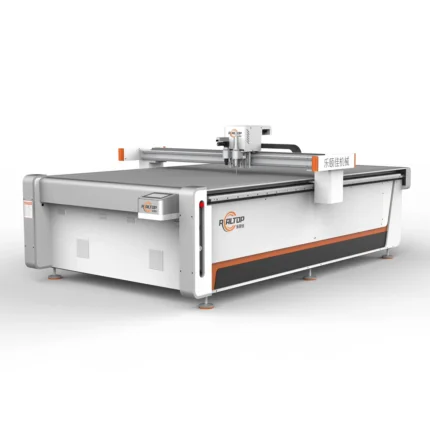
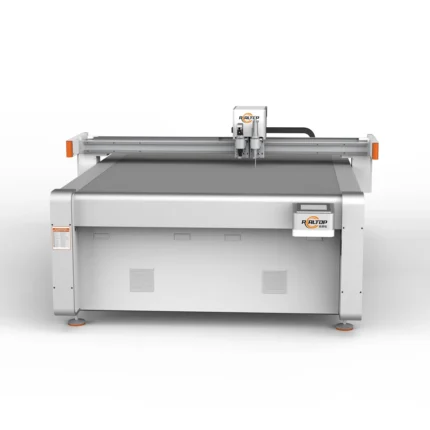
Automatic Digital Cardstock Cutter 2026 CNC Cutter
Product Introduction
Automatic Digital Cardstock Cutter 2026 is a CNC cutting machine ideal for white cardboard and kraft paper. It offers precise and efficient cutting performance, suitable for various paper processing needs in manufacturing and craft applications.Key Specifications
| Type | CNC Digital Cutting Machine |
| White Cardboard, Kraft Paper | |
| Operation | Automatic |
| Application | Paper Cutting & Processing |
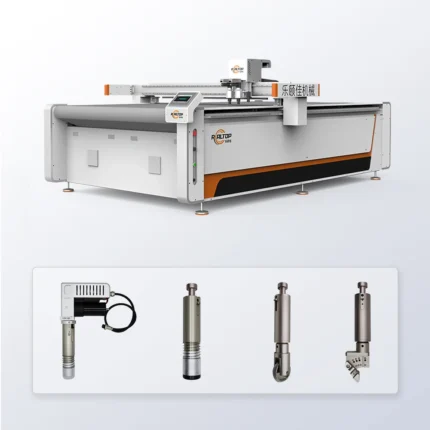
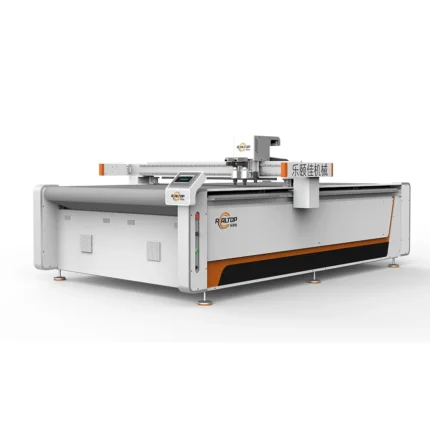
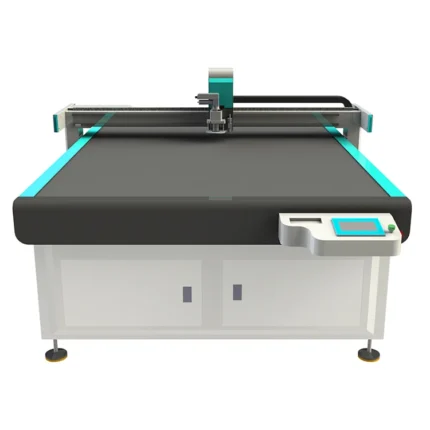
CNC Flatbed Cutter 2026 Digital Corrugated Box Making Machine
Product Introduction
High-precision CNC flatbed cutter designed for efficient cardboard box production. Ideal for 2026 digital corrugated box manufacturing, offering precise cutting and reliable performance for professional packaging solutions.
Key Specifications
| Type | CNC Flatbed Cutter |
| Application | Cardboard Box Production |
| Technology | 2026 Digital System |
| Material | Corrugated Board |
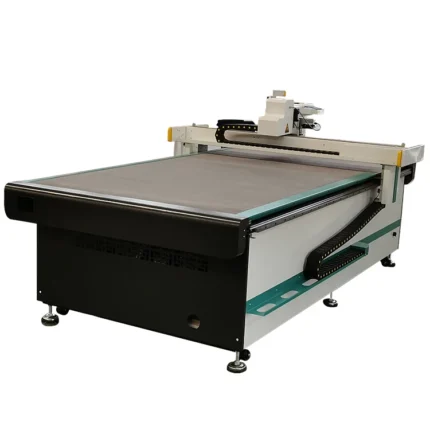
CNC Oscillating Knife Cutting Machine 2026 for Corrugated Cardboard & Honeycomb
Product Introduction
2026 CNC Oscillating Knife Cutting Machine, ideal for corrugated cardboard and honeycomb materials, offering precise and efficient cutting solutions for your production needs.Specifications
| Model | 2026 |
| Type | CNC Oscillating Knife Cutting Machine |
| Applicable Materials | Corrugated Cardboard, Honeycomb |
| Cutting Method | Oscillating Knife |

CNC Vibrating Knife Cutter 2026 Custom Cartons Packaging
Product Introduction
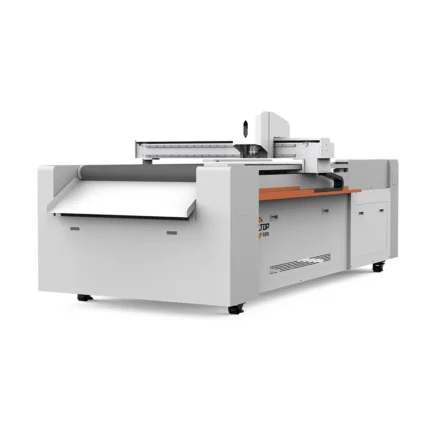
CNC Vibrating Knife Cutter 2026 is ideal for custom cartons & packaging, offering precise cutting solutions for various materials. Engineered by a leading Chinese welding & cutting equipment manufacturer, it ensures efficiency and accuracy for packaging production needs.Key Specifications
| Model | 2026 |
| Type | CNC Vibrating Knife Cutter |
| Application | Custom Cartons & Packaging |
| Manufacturer | Chinese Leading Factory |

商品评价
There are no reviews yet.