

Custom CNC Oscillating Knife Cutting Machine for Shirt Fabric – Factory Supply
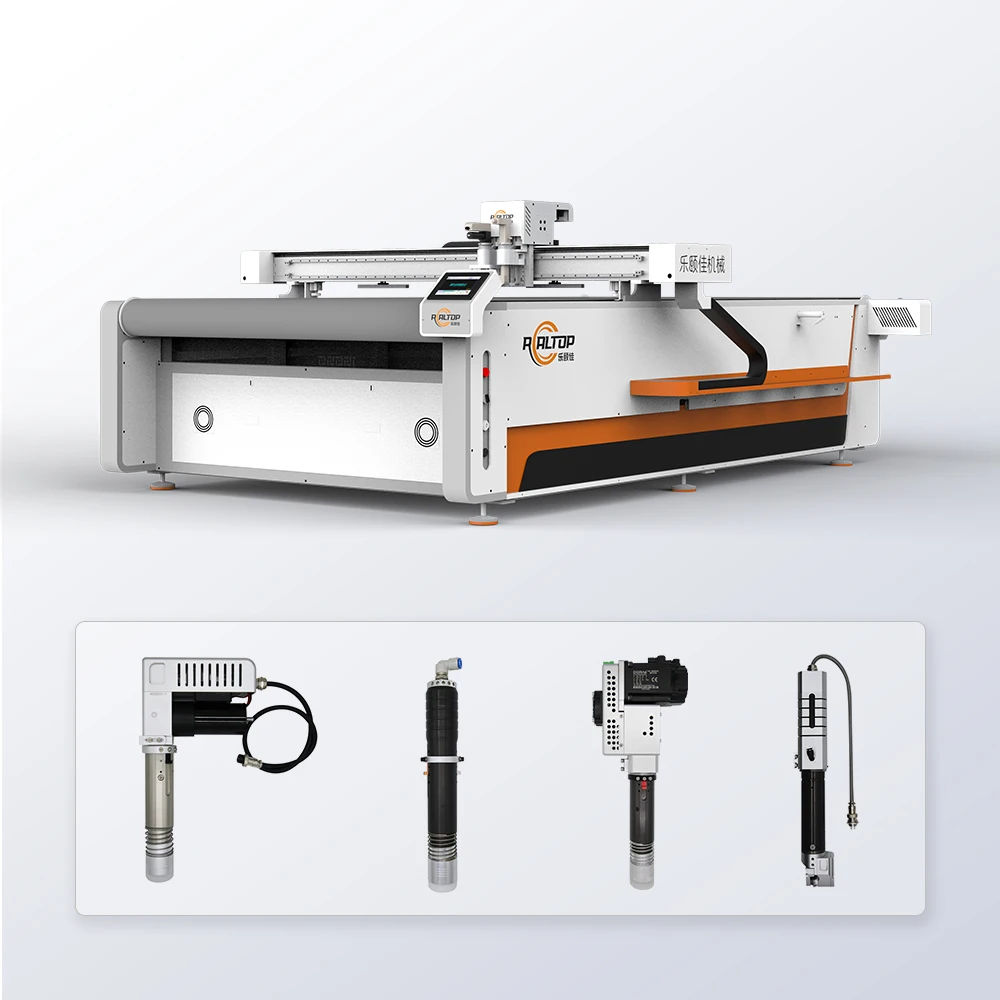
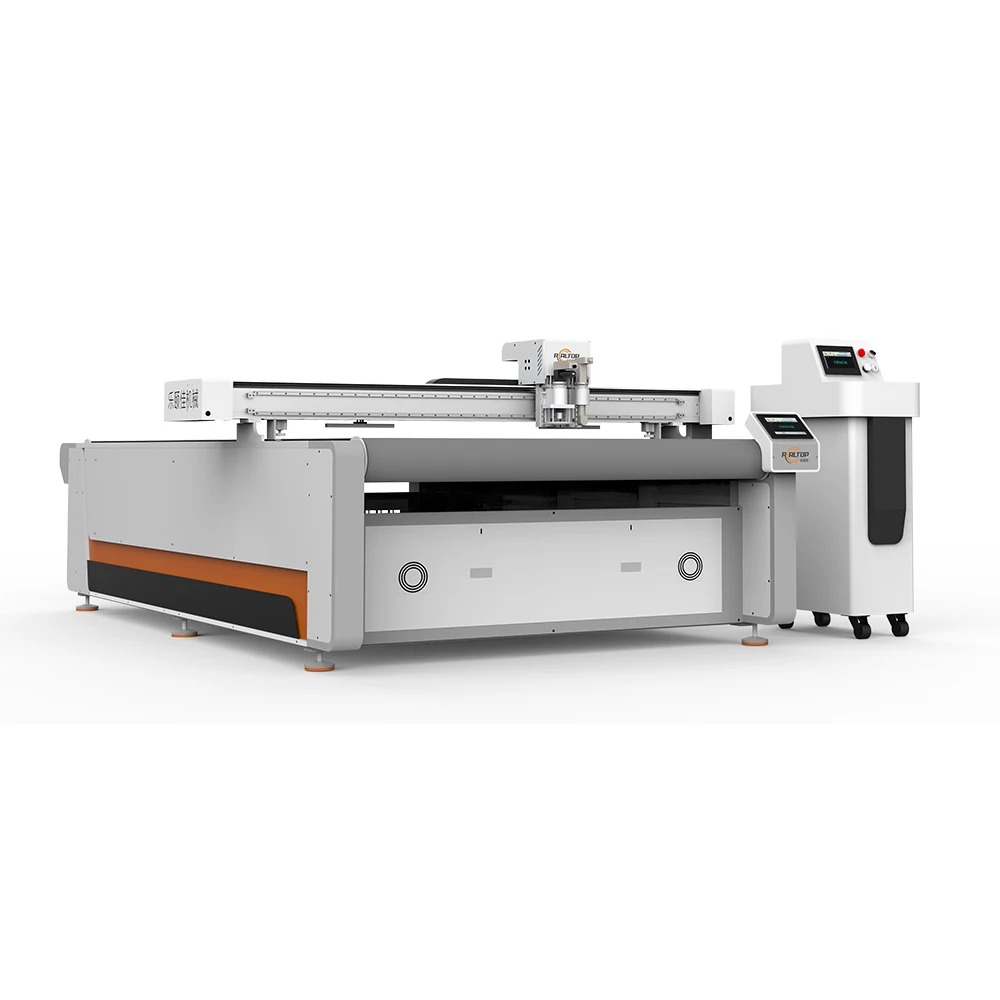
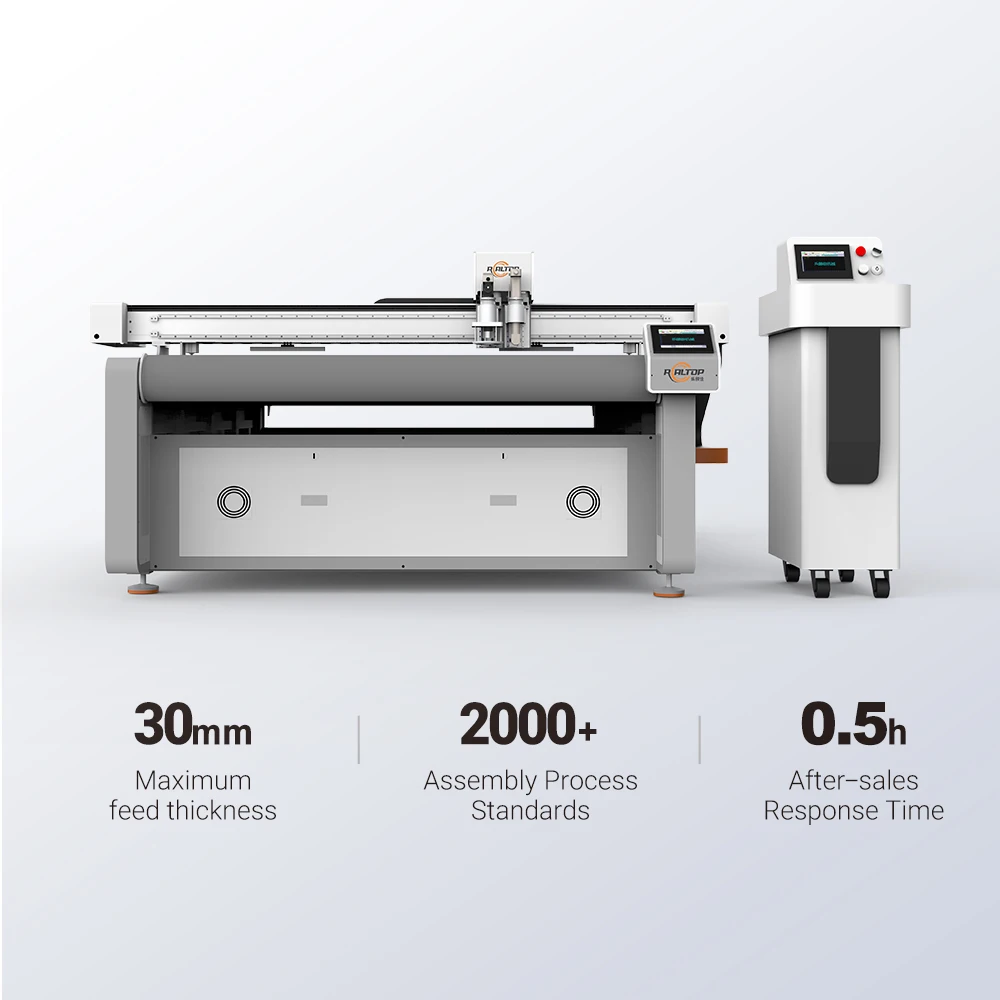
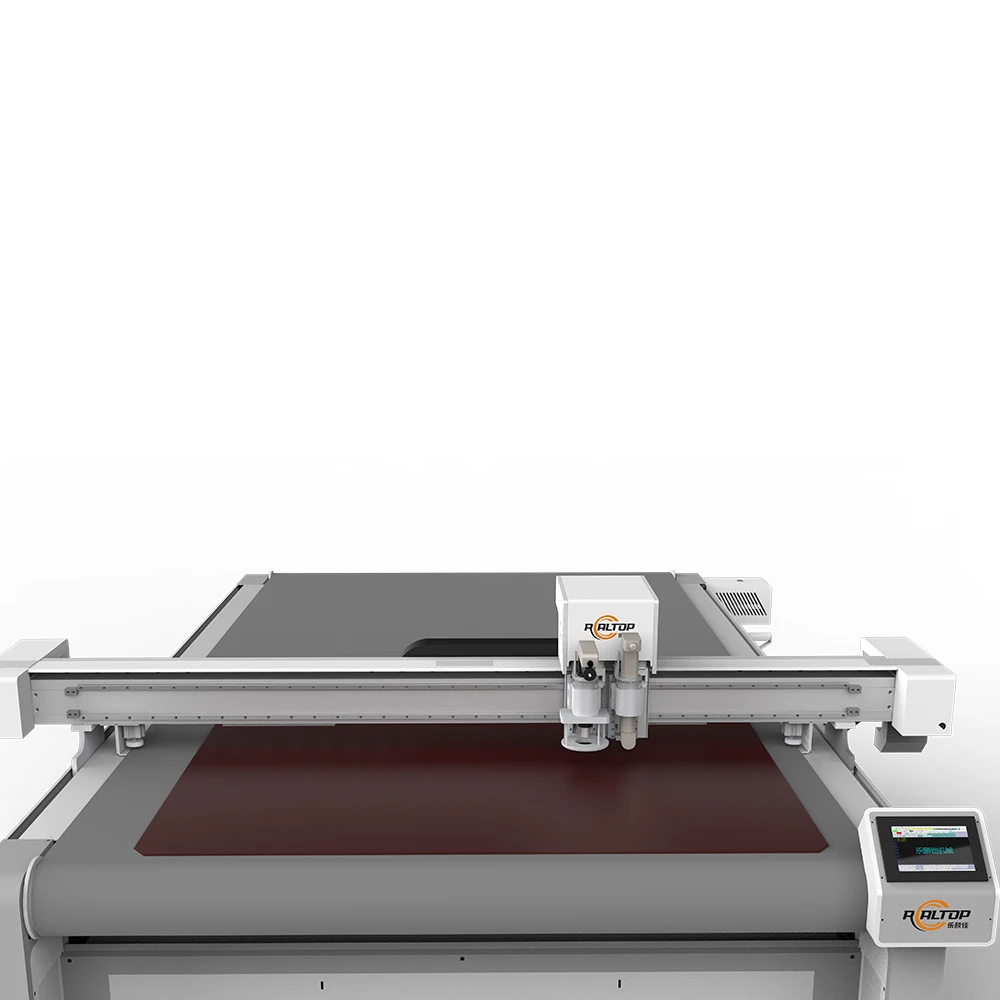
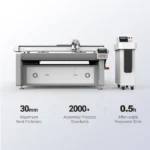
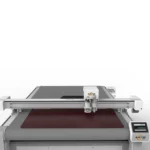
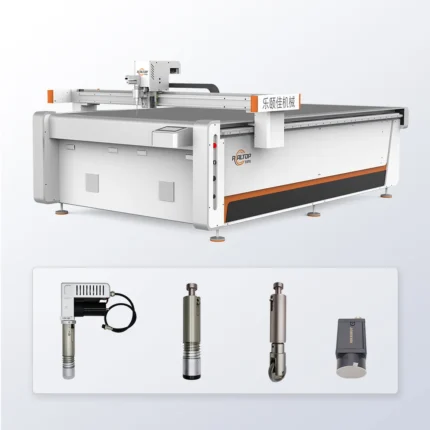
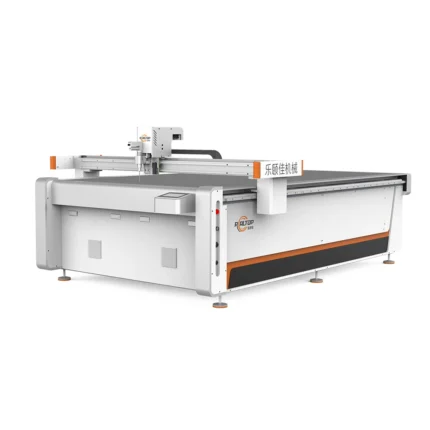
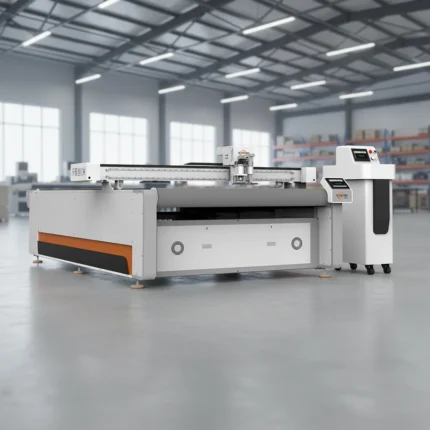
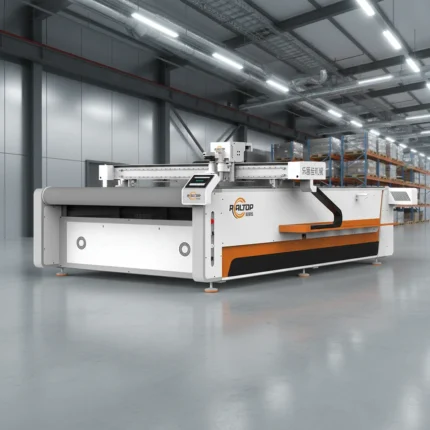
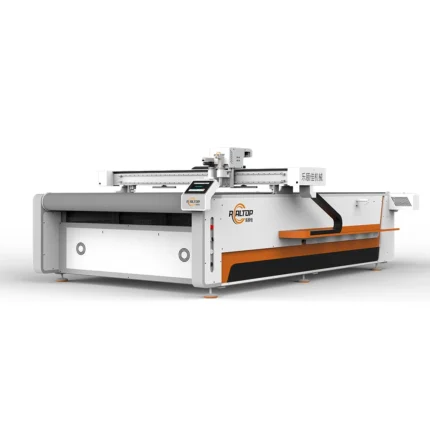
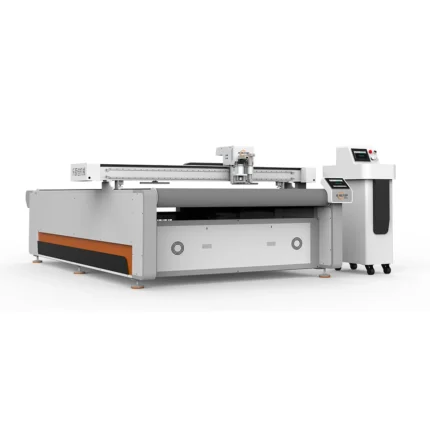
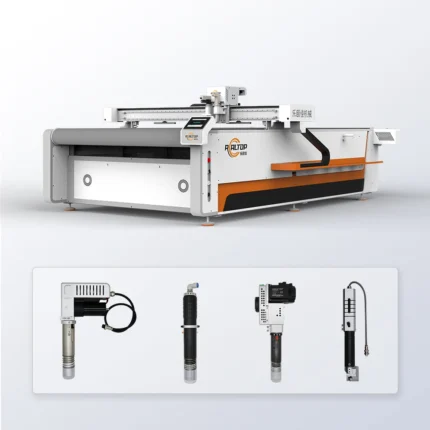
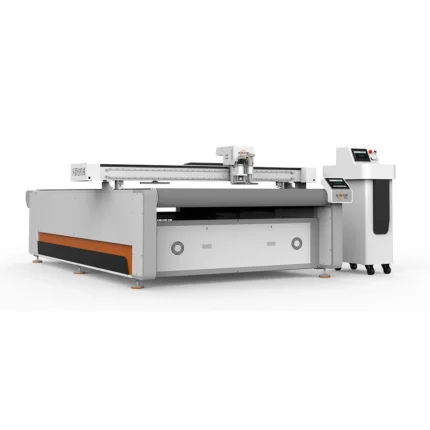
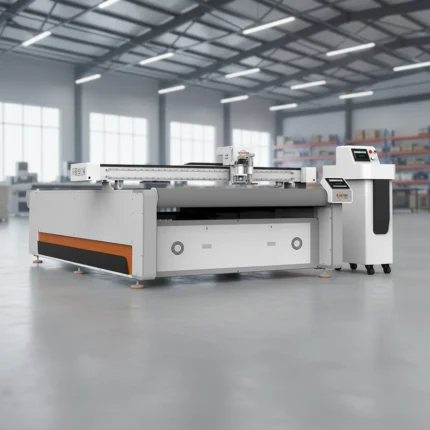
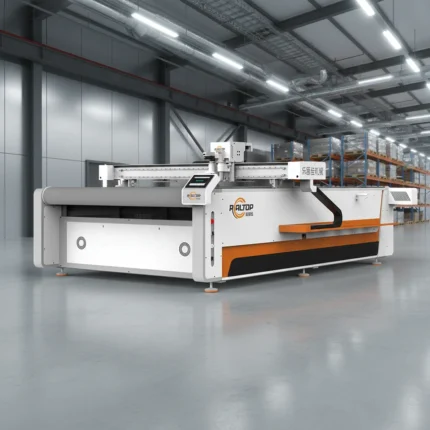
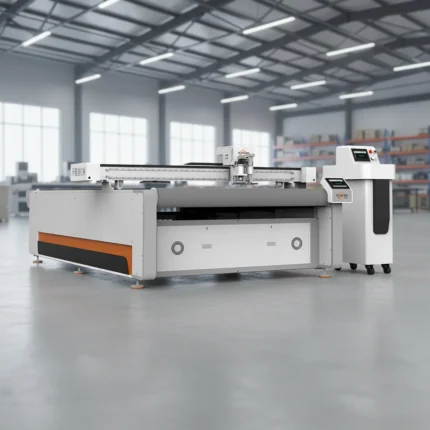
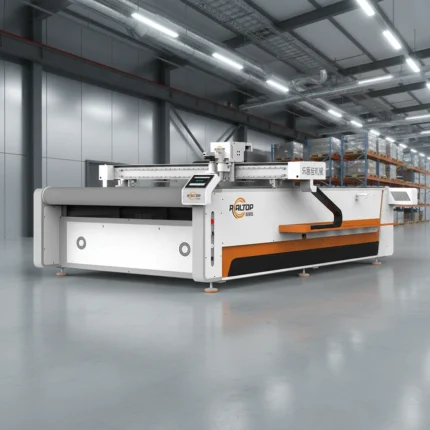
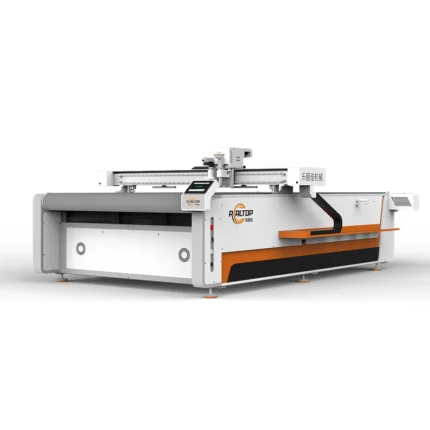
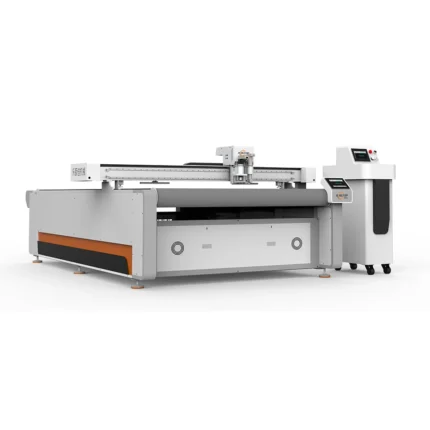
RT-D2516/RT-S2516 CNC Oscillating Knife Cutting Machine, 1600×2500mm, 9kW, Auto Feeding Table — configured for fabric, leather, sponge and composite cutting in garment and soft furnishing production.
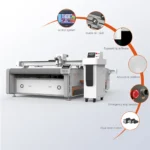
- Tool head selection covers oscillating, pneumatic, circular and drag knife matched to material thickness, with CCD camera positioning for printed contour accuracy and vacuum zoning to prevent small-part lift during cutting.
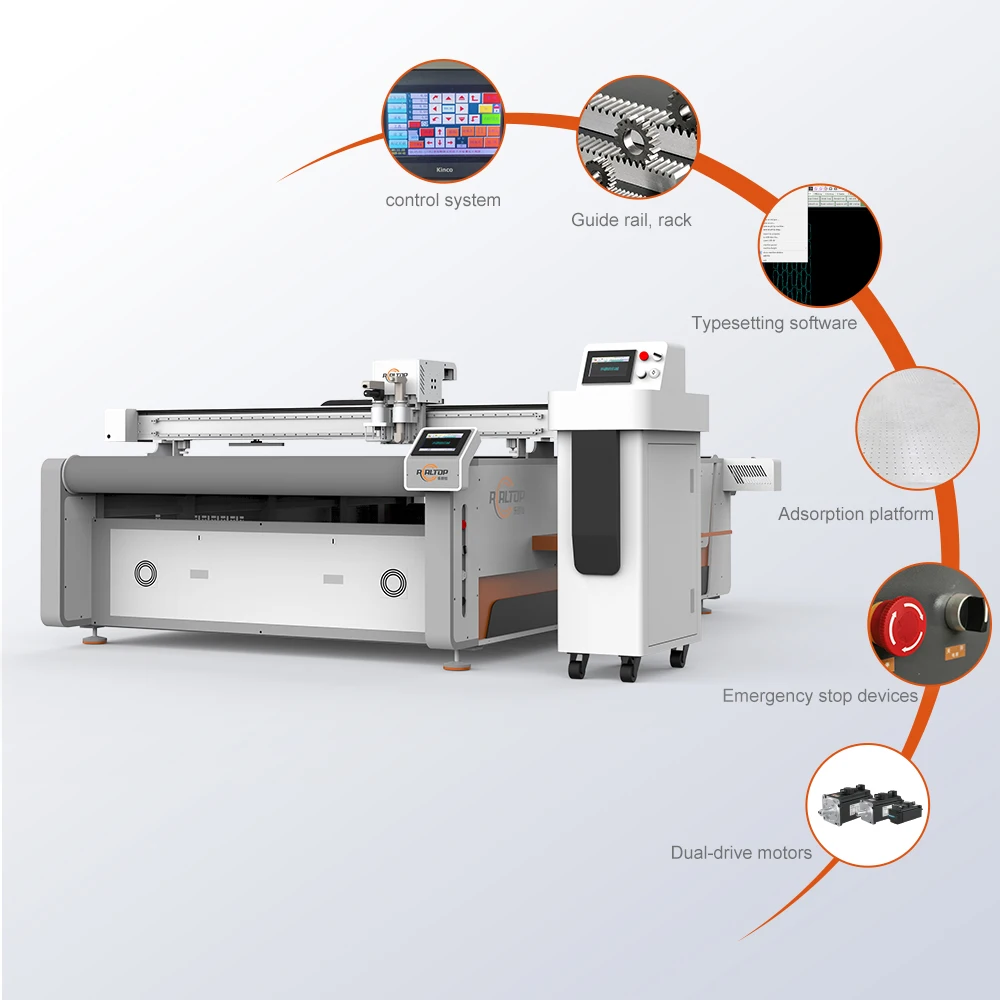
- Magnesium-aluminum alloy table with anodic oxidation, Taiwan Hiwin linear guides and imported conveyor belt ensure stable flatness across the full working area.
Sample cutting on your own material arranged before commitment, with a detailed report confirming edge quality, cutting depth and file format compatibility.
In-house cutting process design — we specify oscillating knife, pneumatic knife or laser based on the actual fabric behavior you send us, not a generic catalog recommendation.
Technical Specifications
| Parameter | Value |
|---|---|
| Product Type | CNC Oscillating Knife Cutting Machine |
| Working Area | 1600×2500 mm |
| Machine Size | 3450×2300×1250 mm |
| Rated Power | 9 kW |
| Table Options | Flat working table or auto-feeding conveyor table |
| Tool Head Options | Oscillating knife, pneumatic knife, high-power vibrating knife, circular knife, V-cutting knife, drag knife, creasing wheel, dotted-line knife, punching, brush |
| Cutting Speed | 200–800 mm/s depending on fabric density and ply count (basis to be confirmed) |
| Translational Velocity | 800–2000 mm/s |
| Repeated Accuracy | ≤0.1 mm |
| Transmission System | Digital servo motor, linear guide, synchronous belt, ball screw |
| Linear Guide | Taiwan Hiwin rail |
| Servo Motor Options | Delta or Panasonic, IP67 rated |
| Vacuum Table | Magnesium-aluminum alloy with fluorocarbon PVDF powder coating, anodic and hard oxidation |
| Vacuum Pump | 7.5 kW, aviation aluminum housing with built-in silencer |
| Conveyor Belt | Germany-sourced belt for auto-feeding option |
| CCD Options | Small CCD mark-point positioning, panoramic camera recognition, projection positioning |
| Control Panel | Touch screen with multi-language support |
| Software | Auto typesetting, accepts PLT, DXF, AI files |
| Voltage | 380V ±10% |
| Safety | Infrared sensors, anti-collision, emergency stop |
| Frame | Thick-walled seamless steel, high-temperature tempered, CNC machined |
| Instruction Format | HP-GL compatible |
Application Suitability
| Application | Material or Output |
|---|---|
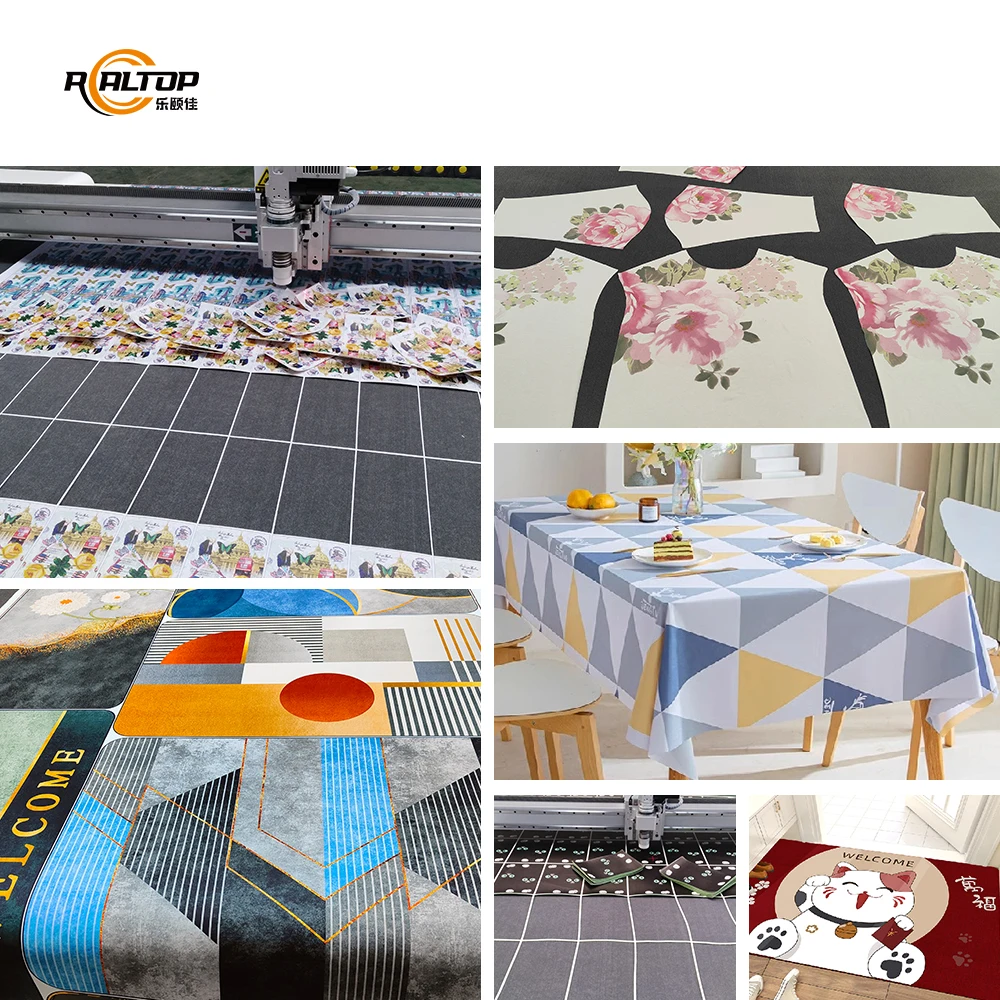
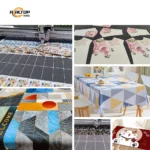
| Shirt and blouse panel cutting | Woven cotton, polyester-cotton blends, light poplin |
| Sportswear pattern nesting | Stretch knits, spandex blends, moisture-wicking polyester |
| Casual trouser and denim cutting | Denim, twill, canvas up to medium weight |
| Lingerie and swimwear shaping | Delicate lace, nylon-elasthanne, microfiber |
| Uniform and workwear batching | Ripstop, poly-cotton, reinforced blends |
| Sample-room prototyping | Single and multi-ply marker layouts from DXF or AI files |
Why "Cutting Speed 3–5× Faster Than Laser" Misses the Point
Faster travel means nothing when the fabric melts, frays, or shifts under the blade.
Many buyers compare oscillating knife and CO2 laser for shirt fabric without checking what happens to the edge. Laser cuts by burning — on polyester or poly-cotton blends that means sealed but potentially stiff edges, and on coated sportswear it can melt the coating entirely. Knife cutting leaves a clean mechanical edge, but if the oscillation frequency and blade geometry do not match the weave, you get dragged threads or pushed ply. A CO2 laser cutting and engraving machine manufacturer will often quote peak power, not continuous output, leaving real cutting depth uncertain until you test [NEED_CITE: continuous versus peak laser power rating conventions in industrial laser equipment].
Matching Tool Head to Fabric Construction
Woven shirt fabrics like poplin and oxford need a standard oscillating knife with a high-frequency stroke to slice cleanly through warp and weft without dragging. Knits used in sportswear require a slightly different blade angle and reduced oscillation to prevent the loops from laddering. For layered cutting where twenty or thirty plies stack under the blade, a high-power vibrating knife delivers the downforce to hold the bottom layers while the top layers separate. The tool head list above is not a menu to pick from randomly — each one matches a specific fabric behavior, and sample cutting on your own roll confirms which head your production actually needs.
Conveyor Feeding and Vacuum Hold-Down
An auto-feeding table with a Germany-sourced belt pulls fabric forward in a controlled feed, letting you nest markers across the full 1600×2500 mm area without manual repositioning. The vacuum underneath uses a 7.5 kW pump on a magnesium-aluminum table with zone control — this matters when you cut small collar pieces or cuff panels that can lift if suction is spread too thin. PVDF coating on the table surface prevents adhesive residue from fusible interlinings sticking between jobs [NEED_CITE: vacuum zoning requirements for small garment component cutting].
Reading the Specification Sheet Correctly
The 9 kW rated power covers the servo drives, vacuum pump, spindle and control cabinet combined — it is not a cutting-power figure to compare against a laser source. Repeated accuracy at ≤0.1 mm is achievable because the Hiwin linear rails and ball-screw drive eliminate belt-stretch drift over long marker lengths. The 380V ±10% supply requirement means factories in regions with 400V or 415V mains must confirm transformer compatibility before the machine ships. Servo motor choice between Delta and Panasonic is not cosmetic; Panasonic servos offer finer encoder resolution that helps on intricate pattern curves, while Delta provides reliable performance on straight-run nesting.
What Happens When the Wrong Configuration Ships
A buyer specified a flat table for denim cutting and found the fabric shifting during long markers because denim is heavy and needs strong vacuum suction across a wide zone — the flat table without conveyor could not feed continuously. Another buyer ordered a circular knife for stretch knit panels and got curled edges that required manual trimming, losing the accuracy advantage the machine was supposed to deliver. In both cases the machine itself was capable, but the configuration did not match the production reality [NEED_CITE: tool head selection errors in garment CNC cutting operations].
Building the Order Around Your Fabric, Not a Brochure
The design team in Jinan specifies both knife and laser cutting equipment, so when a fabric test shows that a laser-sealed edge is actually preferable for a particular synthetic, the recommendation switches honestly instead of forcing a knife sale. Tool head and table configuration are locked per material and production volume after sample cutting. CCD camera positioning options — mark-point, panoramic or projection — are confirmed against your printed registration marks before the order is finalized. Voltage, plug type and control language are verified to match your local standards, and software file compatibility with your existing PLT, DXF or AI workflow is tested on your own pattern files.
Documentation & Verification
- Machine specification sheet listing selected tool heads and table type for your fabric range
- Electrical schematic with 380V ±10% wiring diagram and servo brand confirmed per order
- Sample cutting report on your shirt fabric at production ply count
- Software license with PLT, DXF, AI format compatibility verified against your files
- Factory test record showing vacuum hold-down on your smallest pattern pieces
- Spare parts list matching the exact tool heads and blade types specified
Installation, Commissioning & Support
- Foundation must be level within 2 mm across the 3450×2300 mm footprint to prevent rail binding
- Dedicated 380V three-phase circuit rated for the full 9 kW load plus startup surge
- Machine ships with table and gantry separated; assembly requires overhead clearance above 1250 mm
- First-run parameter tuning on your fabric, including oscillation frequency and vacuum zone mapping
- Operator training on touch-screen control in the agreed language, covering nesting and file import
- Blade replacement schedule based on your fabric abrasiveness, with initial spares included
Starting the Conversation
Send us the actual fabric you plan to cut — composition, weight in GSM, width, and whether it has coating or lamination. Tell us your daily cutting volume in plies or layers and the maximum marker length you nest. Confirm your workshop voltage and frequency, the control language your operators need, and whether your current workflow uses PLT, DXF or AI files so we verify software compatibility before the quotation.
Frequently Asked Questions
Q: How do I know which tool head my shirt fabric actually needs?
A: We cut a sample marker on your actual fabric roll at your production ply count, testing oscillating knife, vibrating knife and drag knife options side by side. The report documents edge quality, ply shift and cutting speed for each head, so you choose based on evidence rather than guessing from a spec sheet.
Q: Can the auto-feeding conveyor handle stretch knit without distortion?
A: The Germany-sourced belt feeds fabric with even tension, and vacuum zone mapping on the magnesium-aluminum table holds the knit flat without stretching it. We confirm feed accuracy on your specific knit weight during the sample cutting stage before locking the conveyor specification.
Q: My workshop runs on 415V — is that compatible with the 380V ±10% rating?
A: The ±10% tolerance covers 342V to 418V, so 415V falls within range. We confirm exact supply frequency and plug type before shipment, and include a voltage verification note in the electrical schematic so your electrician can check the dedicated circuit.
Q: What file formats does the nesting software accept from my existing system?
A: The software imports PLT, DXF and AI files with auto typesetting. We test your actual pattern files on the machine during the sample stage to confirm that curves, notches and internal cutouts translate correctly before you commit to the order.


Related products
2026 Cortador de Tela Automático de Cuchilla Circular de Alta Eficiencia
Product Introduction
High Efficiency 2026 Auto Fabric Cutter with Round Knife is a professional cutting equipment designed for fabric processing. It features advanced automation and high cutting efficiency, suitable for various fabric materials in industrial production.Product Parameters
| Model | 2026 |
| Type | Auto Fabric Cutter |
| Blade Type | Round Knife |
| Feature | High Efficiency |
2026 Máquina de corte para tablas de surf SUP inflables
Product Introduction
Ideal for inflatable surf SUP board production, this 2026 cutting machine ensures precise and efficient cutting, tailored for manufacturers seeking reliable performance in water sports equipment manufacturing.
Specifications
| Application | Inflatable Surf SUP Board |
| Type | Cutting Machine |
| Model Year | 2026 |
Máquina CNC personalizada de corte de tela para camisetas 2026
Product Introduction
Custom CNC Shirt Fabric Cutting Machine 2026, ideal for precise fabric cutting in garment manufacturing, offering efficient and accurate cutting solutions.
Product Parameters
| Model | Custom CNC Shirt Fabric Cutting Machine 2026 |
| Type | CNC Fabric Cutting Machine |
| Application | Shirt Fabric Cutting |
| Year | 2026 |
Jinan Realtop CNC Fabric Slitting Cutter 2026: Cortador avanzado de materiales flexibles
Product Introduction
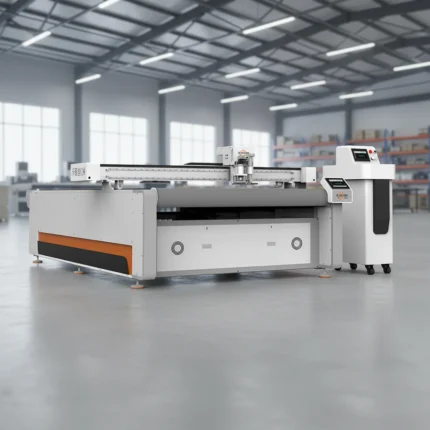
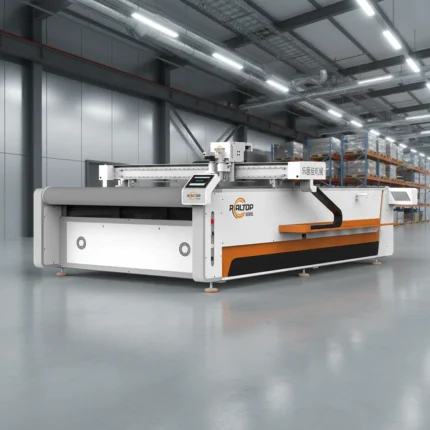
Jinan Realtop CNC Fabric Slitting Cutter 2026 is a high-performance cutting equipment designed for precise fabric processing, ideal for industrial manufacturing needs with reliable CNC technology.Specifications
| Model | 2026 |
| Type | CNC Fabric Slitting Cutter |
| Manufacturer | Jinan Realtop |
| Application | Fabric Processing |
| Control System | CNC |
商品评价
There are no reviews yet.