

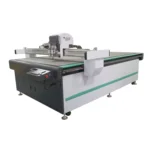
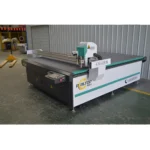
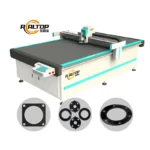
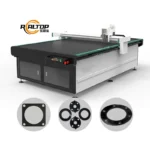


Die-Free Oscillating Knife Cutter for Gasket Materials OEM Available
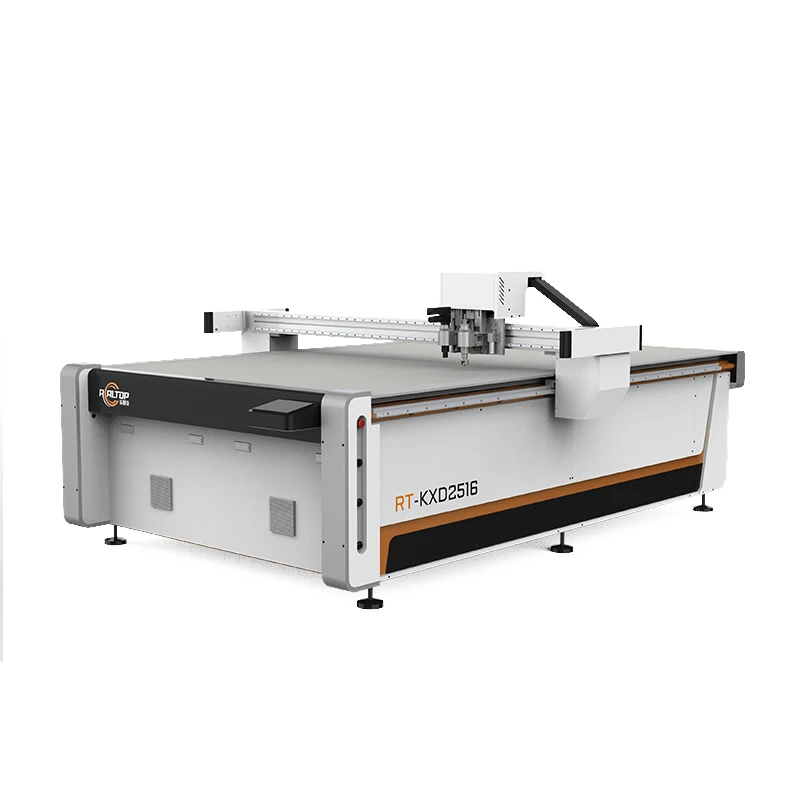
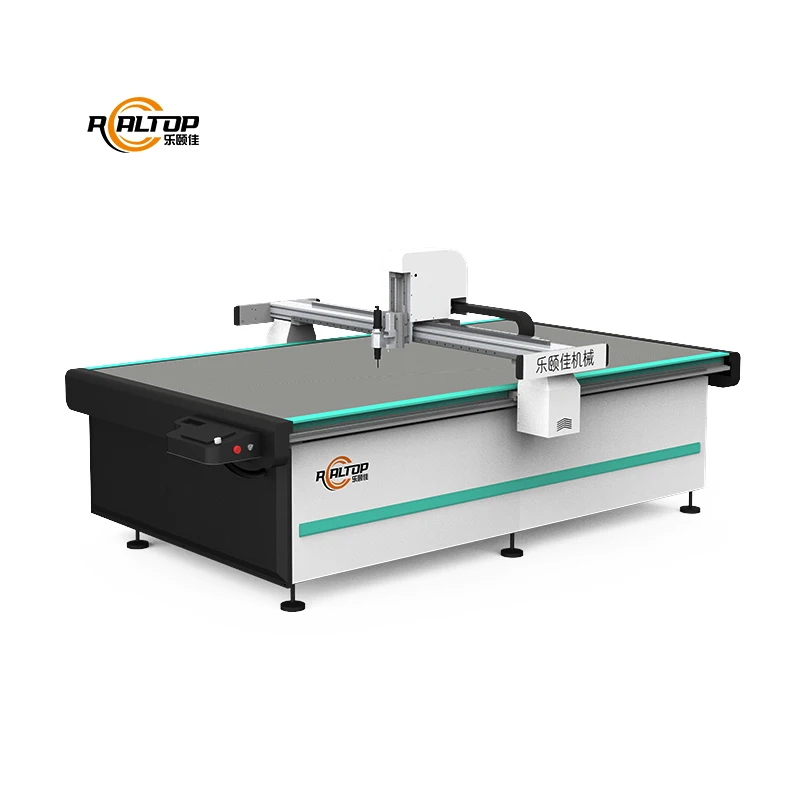
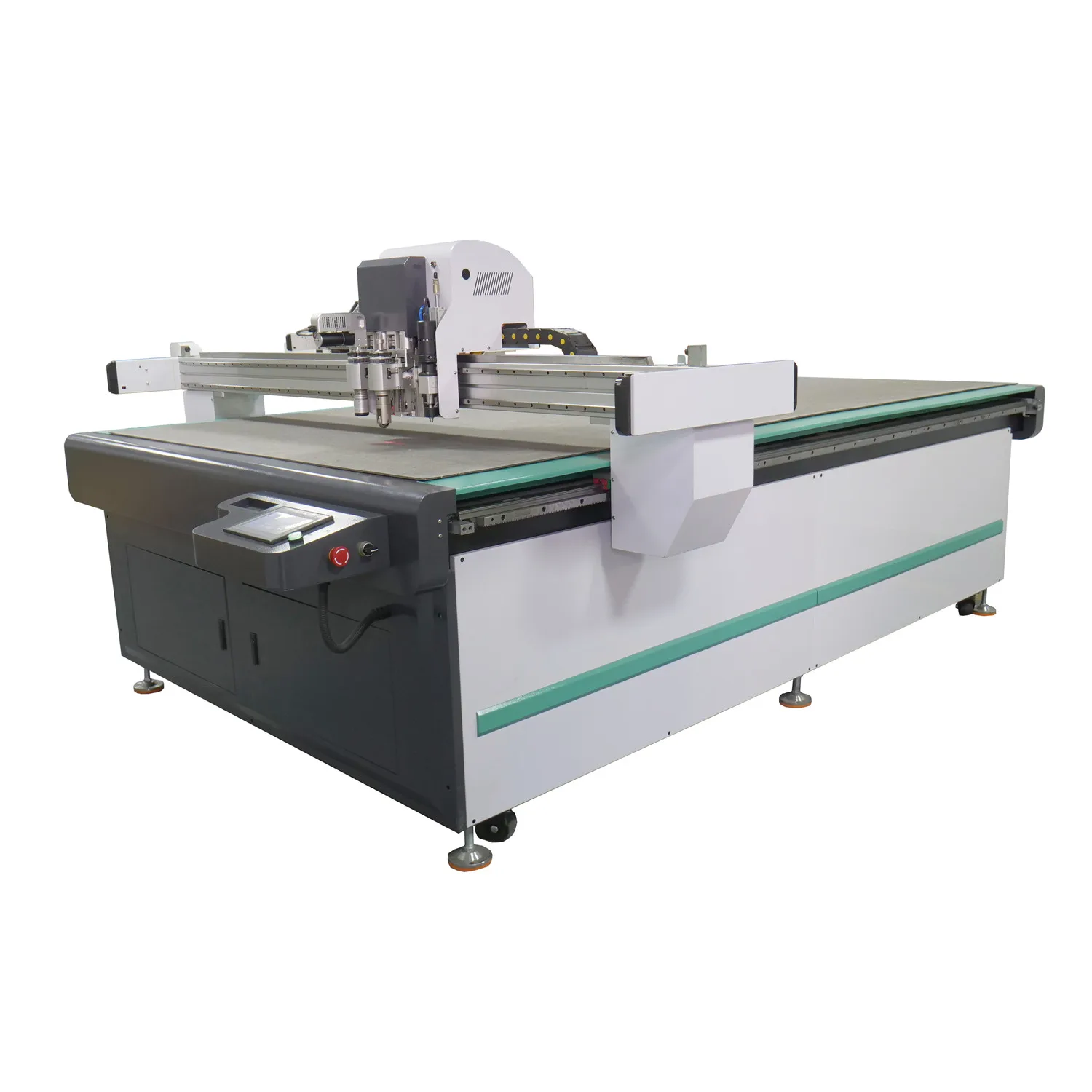
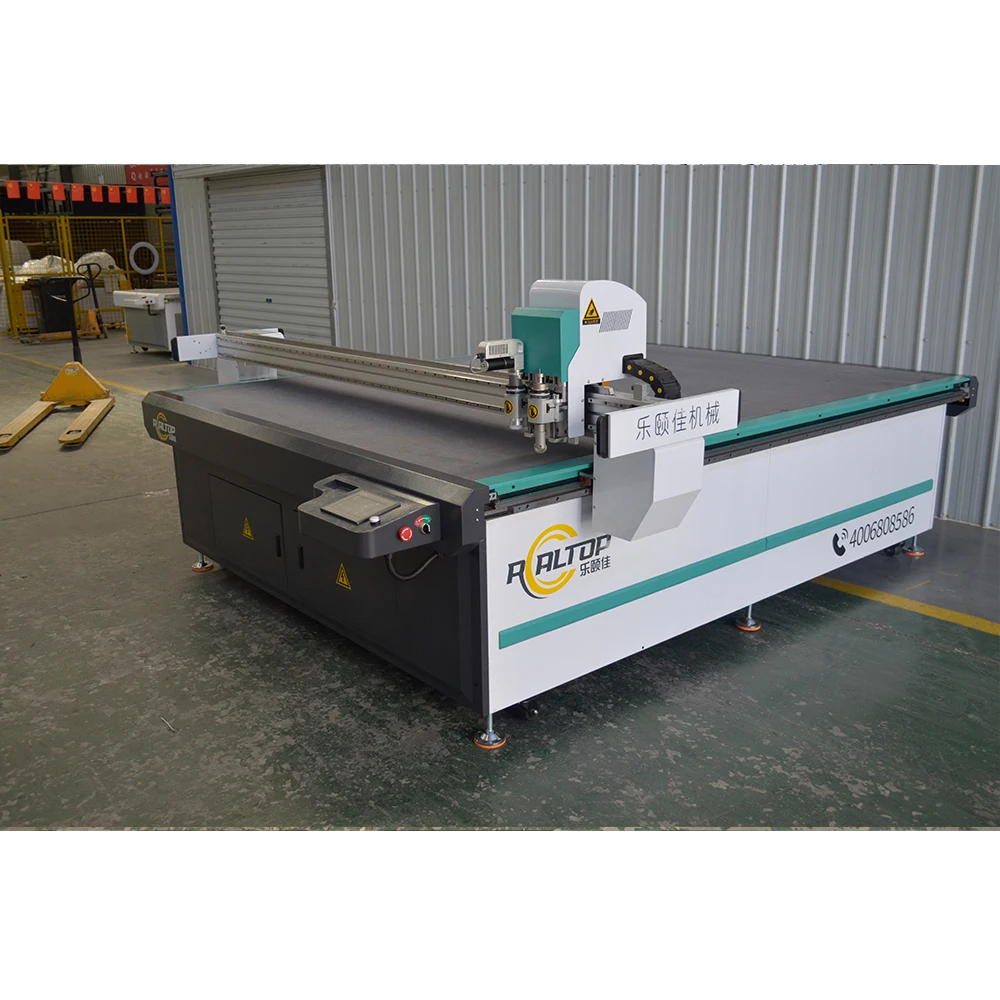
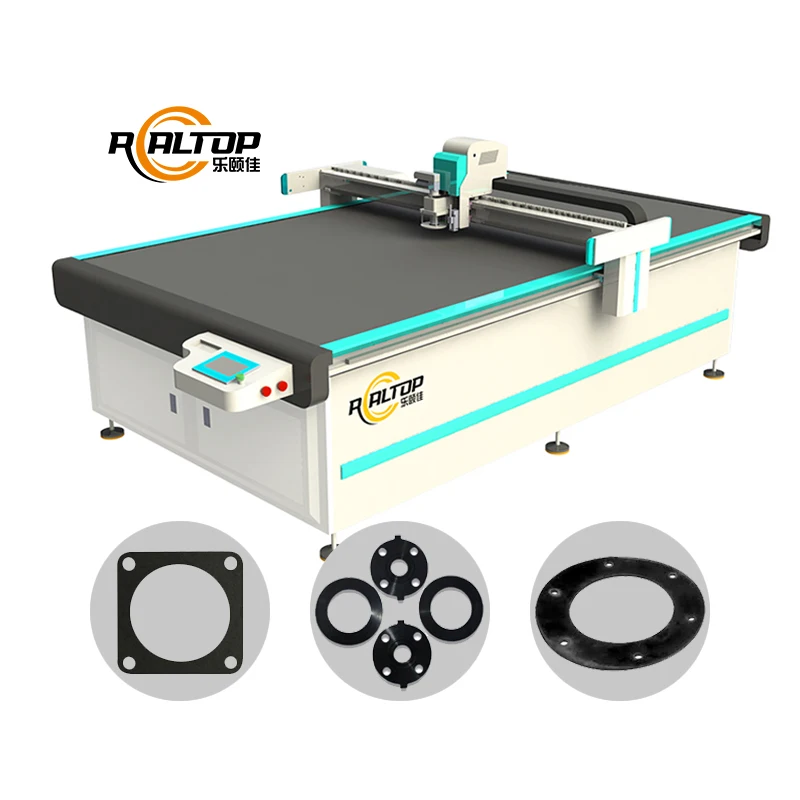
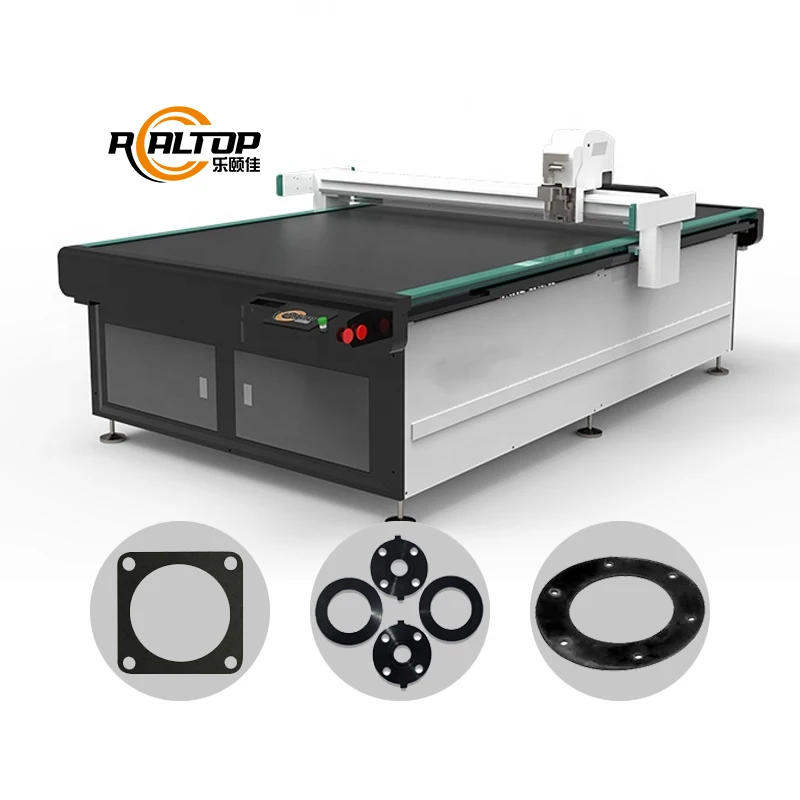
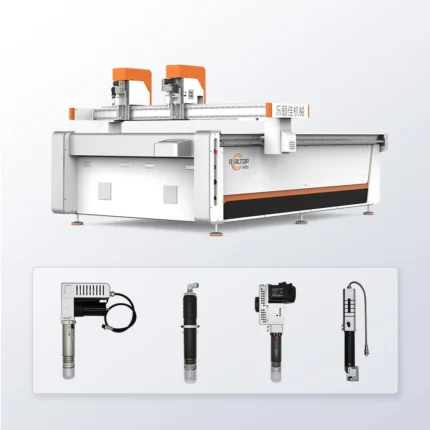
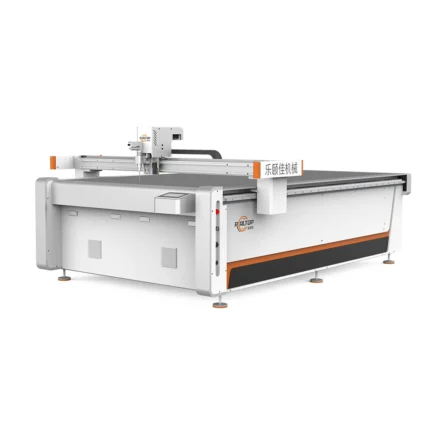
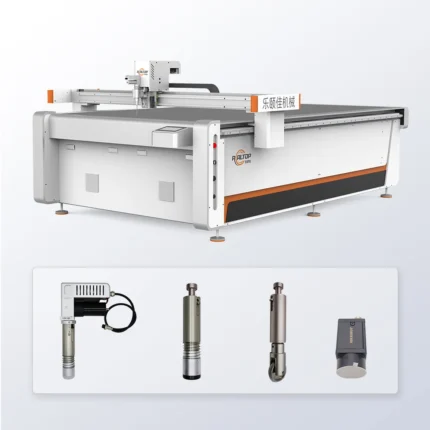
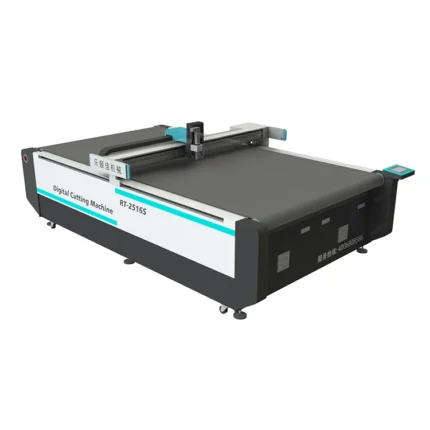
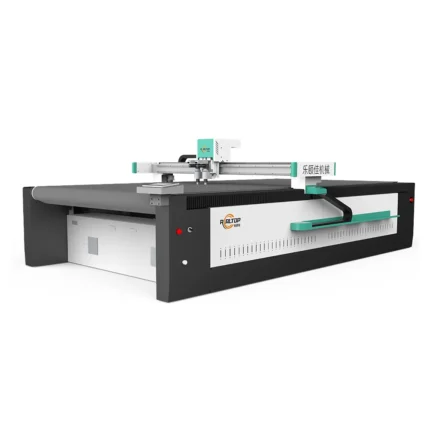
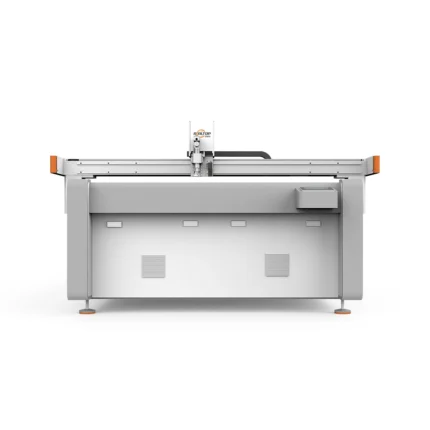
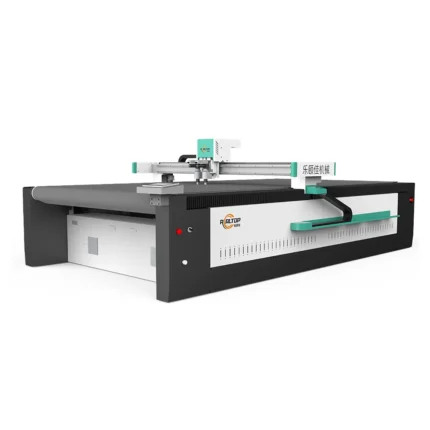
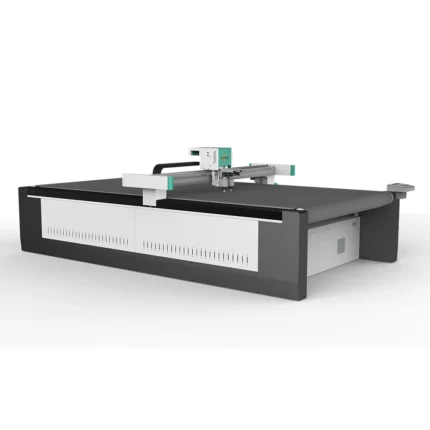
RT-D2516/RT-S2516 CNC Oscillating Knife Cutting Machine, 1600×2500mm Working Area, 9kW Rated Power — configured per material thickness and edge-quality requirement rather than sold on table size alone. From the laser process angle, blade cutting avoids burn marks and discoloration on heat-sensitive composites where CO2 or fiber would scorch or discolor the substrate. Swiss imported tool head, magnesium-aluminum vacuum table with PVDF coating and Delta IP67 servo motors deliver ≤0.1mm repeatability across gasket, rubber and flexible composite sheets. Sample cutting on your own material, with tool head and table configuration matched to daily volume before order confirmation.
Die-free production — every RT-D2516/RT-S2516 configuration is locked to your composite material and thickness only after we run sample cuts on your actual stock, not a generic demo panel.
Technical Specifications
| Parameter | Value |
|---|---|
| Model | RT-D2516 / RT-S2516 |
| Product Type | CNC Oscillating Knife Cutting Machine |
| Working Area | 1600 × 2500 mm |
| Overall Dimensions (L × W × H) | 3450 × 2300 × 1250 mm |
| Rated Power | 9 kW |
| Voltage | 380V ± 10% |
| Cutting Speed | 200–800 mm/s (basis to be confirmed by material and thickness) |
| Translational Velocity | 800–2000 mm/s |
| Repeated Accuracy | ≤ 0.1 mm |
| Maximum Cutting Thickness | up to 100 mm (varies with material) |
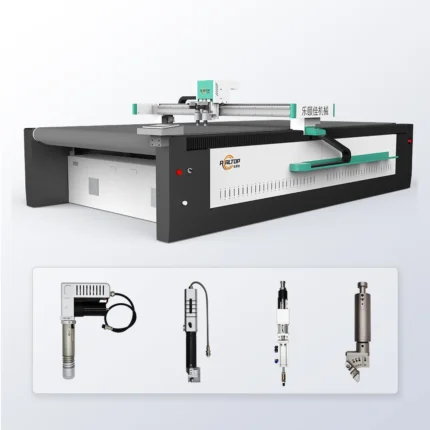
| Multifunctional Tool Head | Swiss imported knife (full cut, half cut, cursor location) |
| Tool Head Options | Oscillating knife, pneumatic knife, high-power vibrating knife, circular knife, V-cutting knife, drag knife, creasing wheel, dotted line knife, punching, brush |
| Visual Positioning | Small CCD camera mark-point, panoramic camera recognition, projection positioning |
| Vacuum Table | Magnesium-aluminum alloy, PVDF fluorocarbon coating, anodic and hard oxidation |
| Vacuum Pump | 7.5 kW, aviation aluminum shell, built-in silencer sponge |
| Servo Motor | Delta (optional Panasonic), IP67 waterproof |
| Linear Rail | Taiwan Hiwin |
| Conveyor Belt | Germany imported |
| Transmission System | Digital servo motor, linear guide, synchronous belt, ball screw |
| Instruction Format | HP-GL compatible |
| Safety Devices | Infrared sensors, anti-collision, emergency stop |
Application Suitability
| Application | Material or Output |
|---|---|
| Automotive gasket fabrication | Fiber-reinforced composite sheets, rubber, silicon, wire-embedded gasket stock |
| Foam and sponge composite cutting | Multi-layer sponge composite leather, EVA foam, PU foam laminates |
| Leather goods and footwear | Natural leather, synthetic leather, PU/PVC uppers, shoe insole board |
| Soft signage and flexible graphics | PVC banner, soft glass, flexible vinyl, silicon sheet |
| Packaging sample making | Corrugated board, carton stock, flexible packaging mock-ups |
Why Material Thickness Is the Spec Most Buyers Get Wrong
The cutting depth number on a brochure means nothing without knowing what is actually under the knife.
An oscillating knife cutting machine rated for 100 mm on standard foam may stall, leave ragged edges, or crush the core when it hits a wire-reinforced composite gasket at half that thickness. I have watched production lines dump entire batches because the machine was specified against a datasheet figure rather than the buyer’s real material stack. The density, fiber orientation, and embedded reinforcement in composites all change how the blade behaves mid-stroke. [NEED_CITE: material density and fiber reinforcement effects on knife cutting performance]
Blade Selection When Laser Burns the Edge
On heat-sensitive composites, rubber, and silicon, a laser beam leaves a discolored or melted kerf and releases fumes that require extraction infrastructure. The RT-D2516/RT-S2516 uses a cold-cutting oscillating knife process that keeps the cut face clean and dimensionally stable. The Swiss imported tool head handles full-depth through-cuts and half-depth kiss cuts without thermal damage, which matters when the gasket sits against a hot engine block or a painted automotive interior panel where burn marks are an automatic reject.
Vacuum Hold-Down on Small Gasket Parts
Small composite parts — O-rings, flange gaskets, thin sealing strips — tend to lift off the table mid-cut once the knife passes through and the vacuum grip weakens on the remaining narrow bridges. The magnesium-aluminum alloy table with PVDF fluorocarbon coating and multi-zone suction keeps these parts seated even at higher cutting speeds. The 7.5 kW vacuum pump with built-in silencer sponge reduces workshop noise while maintaining suction across the 1600 × 2500 mm surface, so operators do not have to slow the machine down just to keep parts from shifting. [NEED_CITE: vacuum zoning requirements for small-part CNC knife cutting]
What the Transmission and Positioning Specs Actually Mean on the Floor
The Delta (optional Panasonic) IP67 servo motors paired with Taiwan Hiwin linear rails deliver the ≤ 0.1 mm repeatability that gasket producers need when nesting dozens of slightly different part numbers on one sheet. Any backlash in the drive train shows up as mismatched bolt holes after the cut. The CCD camera mark-point and panoramic recognition system locates printed registration marks on pre-printed composite sheets, allowing contour cuts that follow the printed outline rather than a fixed coordinate file — essential when the printing itself has stretch or skew. The HP-GL compatible instruction format accepts nesting files from most mainstream cutting software, but confirming your specific file import and nesting workflow before the order avoids a machine that arrives unable to read your production files.
The Cost of Skipping a Material Test Before Purchase
Specifying an oscillating knife cutting machine on working area alone is the most common mistake in this category. A buyer orders a 1600 × 2500 mm table, assumes it will handle their 12 mm wire-reinforced rubber because the brochure says 100 mm, and then discovers on commissioning day that the standard oscillating head chatters through the wire mesh, leaving torn edges and a blade that needs replacing every few sheets. The real cost is not the blade — it is the downtime, the scrapped material, and the delayed shipment to their own customer while a heavier pneumatic knife or high-power vibrating head is sourced and retrofitted. [NEED_CITE: cost of unplanned tooling retrofits in composite cutting operations]
Why Buyers Source This Machine From Realtop
In-house design covers both knife and laser cutting, so the cutting method is matched to your material rather than forced into one technology. Tool head and table configurations are specified per your composite type, thickness, and daily volume, not picked from a fixed catalogue page. Sample cutting on your own material is completed before you commit, producing a written report on edge quality, achievable cutting speed, and blade life. Voltage, plug type, and control panel language are confirmed in writing before production starts, eliminating the arrival-day surprise of a three-phase machine in a single-phase workshop. Software compatibility — file format import, nesting workflow, and HP-GL output — is verified against your existing production software before the order is locked. [NEED_CITE: CE machinery directive requirements for industrial cutting equipment exported to Europe]
Documentation & Verification
- Machine specification sheet listing exact tool heads and vacuum table zones configured for your composite material
- Electrical schematic with confirmed voltage, plug type, and phase wiring for your facility
- Sample cutting report on your material showing edge quality, cutting speed, and blade wear data
- Factory test record documenting repeatability measurement and full travel dry run before crating
- Software licence and file format compatibility note confirming your nesting workflow imports correctly
- Spare parts list covering blades, vacuum pump filters, and drive belts with part numbers
Installation, Commissioning & Support
- 3450 × 2300 mm footprint requires a level concrete floor with clearance for material loading on the conveyor side
- 9 kW rated draw plus 7.5 kW vacuum pump needs a dedicated 380V three-phase circuit with correct breaker sizing
- Machine ships fully assembled; positioning, leveling, and vacuum pump connection are the main on-site tasks
- First-run parameter setting includes vacuum zone mapping and servo tuning for your specific composite density
- Operator training covers tool head changeover between oscillating, drag, and pneumatic knives
- Blade and vacuum filter consumption rates documented so you can set reorder points from day one
What to Include in Your First Inquiry
Tell us the exact composite material name, supplier datasheet if available, sheet thickness range, and whether the material contains wire mesh, fiber reinforcement, or embedded layers. Share your largest and smallest part dimensions so we can configure vacuum table zoning accordingly. Confirm your local voltage and frequency, the control panel language your operators need, and whether your existing nesting software outputs HP-GL or requires a different post-processor.
Frequently Asked Questions
Q: How do I verify cutting speed and thickness on my specific composite before committing?
A: We run sample cuts on your actual material — not a generic demo sheet — and provide a written report covering edge quality, achievable cutting speed range, and blade wear observations. This report becomes the basis for tool head and vacuum configuration in your quotation, so the machine you receive is set up for your production reality, not a brochure number.
Q: Which tool head should I use for wire-reinforced gasket material versus plain rubber?
A: Plain rubber and silicon sheets typically run well on the standard oscillating knife. Wire-reinforced or fiber-heavy composites usually need the pneumatic knife or high-power vibrating knife to push through the reinforcement without fraying. The correct head is determined during sample cutting, and multiple heads can be specified on one machine for mixed-material workshops.
Q: Will the CCD camera track printed marks at full production speed?
A: The small CCD and panoramic camera system locates printed registration marks on composite sheets before the cut path executes. Tracking reliability at higher cutting speeds depends on mark contrast, print quality, and sheet flatness. We test recognition on your printed material during the sample stage and confirm the speed at which mark detection remains consistent.
Q: How do I prevent small gasket parts from lifting off the table during cutting?
A: The magnesium-aluminum vacuum table is divided into zones so suction concentrates under the active cutting area. For very small parts, we configure the zone layout and recommend specific hold-down strategies during commissioning. The PVDF coating reduces friction so parts slide off cleanly after the vacuum releases, without sticking or surface marking.


Related products
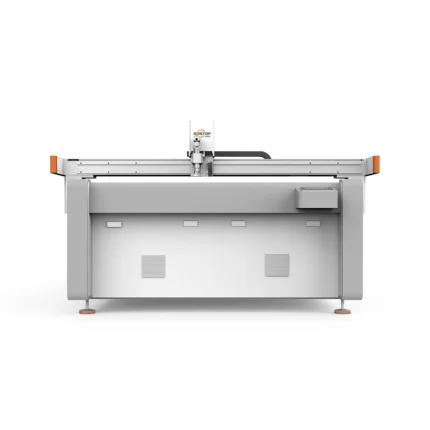

Máquina de corte por cuchillo vibrante CNC 2516 2026
Product Introduction
2516 CNC Vibrating Knife Cutting Machine 2026, a precision cutting solution from China's leading welding & cutting equipment manufacturer. Ideal for efficient, high-quality material processing with advanced CNC technology.
Key Specifications
| Model | 2516 |
| Type | CNC Vibrating Knife Cutting Machine |
| Year | 2026 |
| Origin | China |
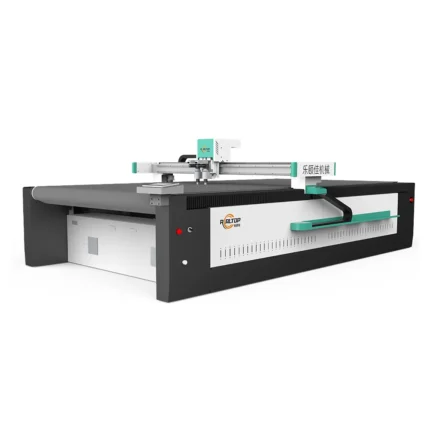
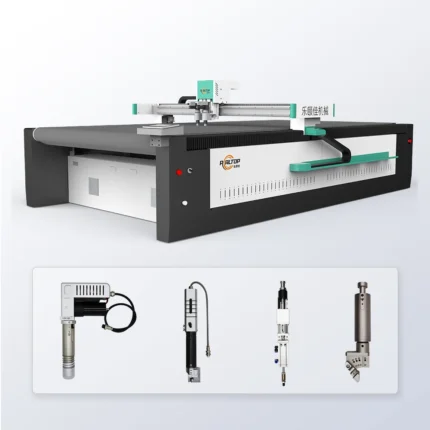
Máquina de corte con cuchilla oscilante CNC automática 2026
Product Introduction
Auto CNC Oscillating Knife Cutting Machine 2026 is a high-precision cutting solution from a leading Chinese welding & cutting equipment manufacturer, ideal for efficient and accurate material processing across various industrial applications.Key Specifications
| Type | Auto CNC Oscillating Knife Cutting Machine |
| Model | 2026 |
| Manufacturer | Chinese Leading Welding & Cutting Equipment Factory |
| Core Feature | High-precision CNC Control |
| Application | Industrial Material Cutting |
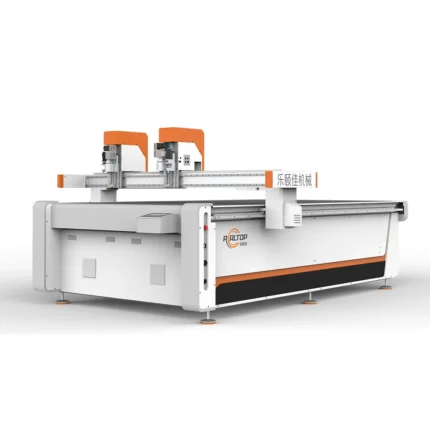
Máquina de Corte Realtop CNC 2026 Fibra de Carbono Fibra de Vidrio PVC
Product Introduction
Realtop CNC Cutting Machine 2026, ideal for cutting carbon fiber, glass fiber, and PVC with precision and efficiency, designed for professional manufacturing needs.
Key Specifications
| Carbon Fiber, Glass Fiber, PVC | |
| Type | CNC Cutting Machine |
| Model | 2026 |
Cortadora de Paneles de Fieltro CNC Realtop 2026 Cortadora de PET Digital Automática de Cama Plana
Product Introduction
Realtop CNC Felt Panel Cutter 2026 is an auto digital flatbed designed for precise cutting of PET acoustic sheets, ideal for efficient and accurate fabrication in acoustic panel production.Key Specifications
| Model | Realtop CNC Felt Panel Cutter 2026 |
| Type | Auto Digital Flatbed Cutter |
| Application | PET Acoustic Sheets |
| Function | Precision Cutting |
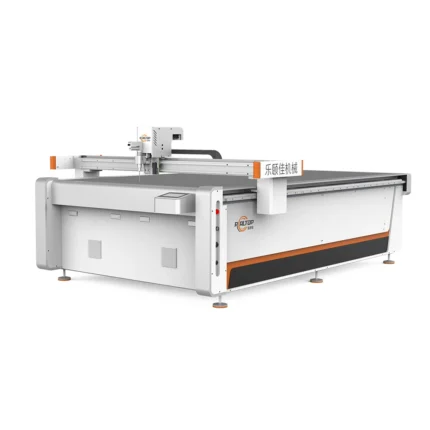
Máquina de Corte EPE Realtop 2026 Corte Automático Digital de Alta Velocidad
Product Introduction
Realtop 2026 EPE Cutting Machine features high-speed digital auto-cut technology, designed for efficient and precise cutting operations. Ideal for EPE material processing with automated functionality to enhance productivity.Key Specifications
| Model | Realtop EPE Cutting Machine 2026 |
| Type | High-Speed Digital Auto Cut |
| Operation | Automated |
| Application | EPE Material Cutting |
商品评价
There are no reviews yet.