


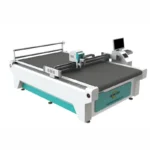


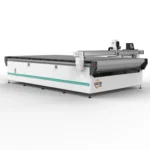
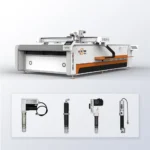
Fabric Knife Cutting Machine for Cloth – OEM Available
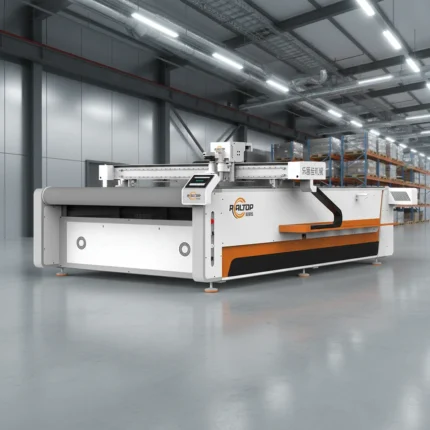
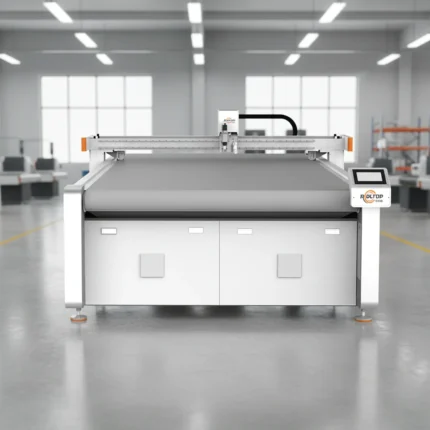
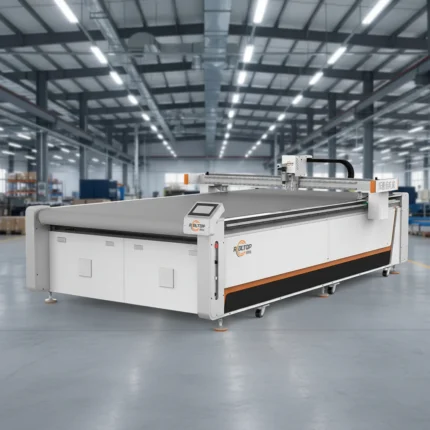
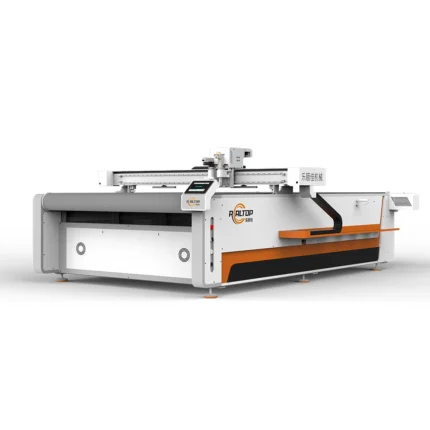
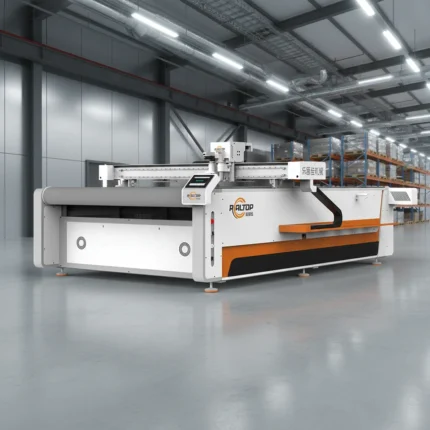
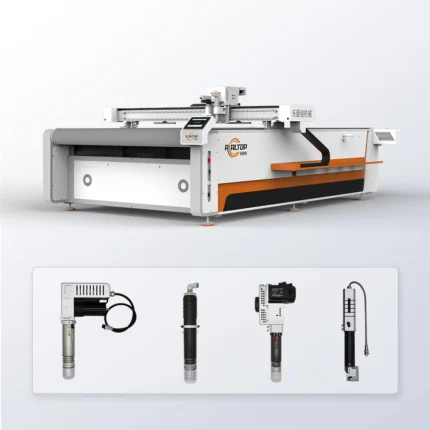
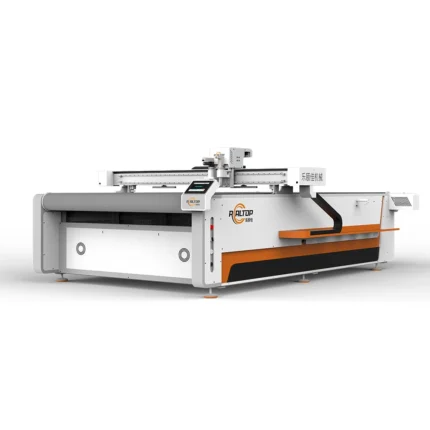
RT-D2516/RT-S2516 CNC Oscillating Knife Cutting Table, 1600×2500mm Working Area, Swiss Knife Head — engineered for high-throughput fabric, leather and composite cutting. Laser versus knife process selection matched to material type, avoiding forced single-method compromises. CCD vision and vacuum zoning configured per job for precise contour tracking and small-part stability.
- Delta/Panasonic IP67 servo with Hiwin linear rail for consistent repeatability ≤0.1mm
- Magnesium-aluminum vacuum table with PVDF coating ensures uniform adsorption across zones
- Sample cutting on buyer’s own material before order, with tool head and voltage confirmed pre-shipment
Configured Per Material, Not Just By Area — Every RT-D2516 / RT-S2516 cutting table is matched to the buyer’s actual fabric, leather or composite stock with tool head, vacuum zoning and vision system confirmed before production begins.
Technical Specifications
| Parameter | Value |
|---|---|
| Model | RT-D2516 / RT-S2516 |
| Working Area | 1600 × 2500 mm |
| Machine Size | 3450 × 2300 × 1250 mm |
| Rated Power | 9 kW |
| Voltage | 380V ±10% (frequency 50 Hz / 60 Hz to be confirmed) |
| Table Type | Flat vacuum table with auto conveyor feeding |
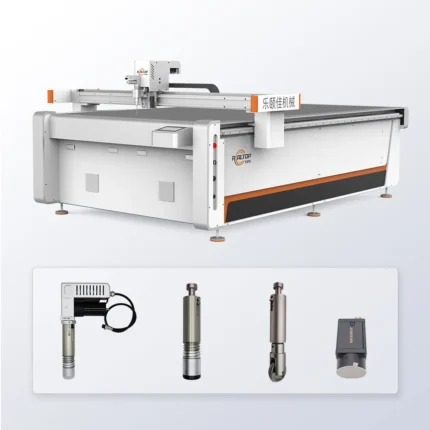
| Tool Head Options | Swiss oscillating knife, pneumatic knife, high-power vibrating knife, circular knife, V-cutting knife, drag knife, creasing wheel, dotted-line knife, punching, brush |
| Cutting Speed | 200–800 mm/s (basis to be confirmed) |
| Translational Velocity | 800–1200 mm/s |
| Cutting Thickness | Up to 100 mm (varies with material density and tool head selected) |
| Repeated Accuracy | ≤0.1 mm |
| Servo Motor | Delta or Panasonic IP67 digital servo |
| Motion Components | Taiwan Hiwin linear rail, synchronous belt, ball screw |
| Vacuum Pump | 7.5 kW |
| Vacuum Table | Magnesium-aluminum alloy, PVDF powder coating, anodic oxidation |
| Vision Positioning | Small CCD mark-point, panoramic camera, projection positioning |
| Safety Devices | Infrared induction blocking, anti-collision sensors, emergency stop with in-situ resume |
| Instruction Format | HP-GL compatible |
| Software Languages | English, Russian, Italian, Chinese (additional languages customizable) |
| Certification | CE (declaration scope to be confirmed) |
Application Suitability
| Application | Material or Output |
|---|---|
| Garment and footwear cutting rooms | Clothing cloth, lining fabric, shoe upper material, luggage textiles |
| Automotive interior trim production | Leather, synthetic leather, PU foam, EVA, composite sheets |
| Sealing gasket fabrication | PTFE, ETFE, rubber, fiberglass-reinforced composites |
| Soft furnishing and floor mat manufacturing | Carpet, sponge, XPE, PVC foam layers |
| Packaging sample making | Corrugated board, carton stock, folding carton |
| Signage and printed contour cutting | Sticker, vinyl film, printed textile rolls |
Why the Material Sample Must Come Before the Quotation
A CNC oscillating knife cutting table for fabric and leather specified only by working area and quoted motor power often underperforms the moment real production stock hits the table. Matching the tool head and vacuum zoning to your exact material stack is the single most important step in the entire procurement process.
I spent years on the assembly floor in Jinan before moving into technical support. One automotive interior client ordered a vibrating knife table based on cutting 3 mm EVA samples, yet their daily production ran fiberglass-reinforced composites. Blade wear accelerated to three times the expected rate, edges came out frayed, and an entire batch of seat covers had to be scrapped. That failure had nothing to do with machine size or motor brand — it was a material mismatch that a sample test would have caught in one afternoon. [NEED_CITE: material-specific tooling selection for oscillating knife cutting]
Oscillating Knife Process on Fabric and Composite Stacks
The Swiss-imported oscillating knife head on the RT-D2516 / RT-S2516 handles full cut, half cut and cursor location within a single cycle, which is essential when a garment cutting room nests multiple pattern pieces across layered cloth. A CNC oscillating knife cutting table for fabric and leather must maintain consistent stroke frequency across the full working width, and the Taiwan Hiwin linear rails paired with an IP67-rated Delta or Panasonic servo keep positional drift inside the stated ≤0.1 mm tolerance even after hours of continuous operation.
Vacuum Holding Power and Small-Part Stability
The magnesium-aluminum vacuum table is finished with PVDF powder coating and hard anodic oxidation, giving a flat surface that resists scratching from abrasive composites while maintaining uniform suction. For signage shops cutting small vinyl characters or gasket producers punching dozens of small seals per sheet, the 7.5 kW vacuum pump must deliver enough hold-down force to prevent lift at high translational speeds. Inadequate zoning on comparable tables often causes thin parts to shift mid-cut, producing scrap that is only discovered after the nesting run completes. [NEED_CITE: vacuum adsorption zoning standards for flatbed digital cutters]
Reading the Specs That Actually Matter
The RT-D2516 / RT-S2516 lists a cutting thickness of up to 100 mm, but that figure only applies when the material density, blade type and stroke length are correctly paired — a dense rubber gasket and a loose-weave textile demand completely different tool heads at the same nominal thickness. The 9 kW rated power covers servo, vacuum and conveyor systems combined, so buyers need to verify that their local 380V supply can sustain this draw on a dedicated circuit. HP-GL instruction format compatibility means most existing nesting software can feed cut paths without conversion, yet file format and language must still be confirmed before the order is locked.
The Hidden Cost of a Wrong Configuration
Choosing a drag knife instead of an oscillating knife for layered foam results in compressed edges that fail dimensional checks during assembly. Specifying a single-zone vacuum table for small gasket work means operators waste time taping sheets to the surface before every run. Skipping CCD vision on printed textile jobs forces manual alignment, which slows throughput and introduces registration errors that grow worse as the shift wears on. Each of these mismatches surfaces only after the machine is installed and running — at which point a field retrofit costs significantly more than specifying correctly at the order stage. [NEED_CITE: field retrofit costs for misconfigured CNC cutting tables]
Why Source This Table Here
In-house design covers both knife and laser process technologies, so buyers can compare which cutting method genuinely fits their material rather than being pushed toward one platform. Tool head and table configuration are specified per material type and daily production volume, not taken from a standard catalog line. CCD camera positioning, panoramic vision or projection positioning are confirmed against the buyer’s print mark size and contrast before the machine is built. Software compatibility and HP-GL file format testing happen at the factory using the buyer’s own sample files. Voltage, plug type and control language are documented and signed off prior to shipment, eliminating on-site electrical surprises.
Documentation & Verification
- Machine specification sheet locked to your tool head and vacuum configuration
- Electrical schematic confirming voltage and frequency for your market
- Sample cutting report on your fabric or composite stock with edge-quality photos
- Software licence and file-format compatibility note verified before order
- Factory test record showing repeated accuracy across the full 1600 × 2500 mm bed
- Packing photographs taken before crate closure for shipment traceability
Installation, Commissioning & Support
- 3450 × 2300 mm footprint requires level concrete floor with anchor bolt provisions
- 380V ±10% dedicated circuit with correct frequency confirmation before wiring
- Machine ships fully assembled; rigging plan needed for 9 kW total load
- First-run parameter setting covers blade offset, vacuum zoning and feed speed
- Operator training includes tool head changeover and nesting software workflow
- Spare blade and belt kit provided for initial production period
Preparing Your Inquiry
Send a sample of your actual production material along with target sheet size, daily cut volume and the nesting software you currently use. Specify your workshop voltage and frequency, preferred control language and whether CCD vision or projection positioning is required for printed contour work. If your operation involves multiple material types, list each with thickness so that tool head options can be evaluated together rather than specified in isolation.
Frequently Asked Questions
Q: Oscillating knife versus CO2 laser — which suits my fabric or leather?
A: Oscillating knife cuts without burning, leaving clean edges on natural leather, layered textiles and composites that laser heat would seal or discolor. CO2 laser is preferred when edge sealing on synthetics is desired. We run sample cuts on your stock using both methods so you can compare edge quality and throughput before choosing.
Q: Can the CCD system track my printed marks at full production speed?
A: The panoramic and small CCD camera options are rated for mark-point positioning on printed fabric and vinyl. Tracking performance depends on mark contrast, size and lighting conditions. We test your actual printed sheet during the sample stage and document recognition reliability before confirming the vision package.
Q: Will small parts lift off the table during high-speed cutting?
A: The 7.5 kW vacuum pump paired with the magnesium-aluminum table provides strong hold-down across the working area. For very small gasket or sticker parts, multi-zone vacuum configuration concentrates suction where material remains, preventing lift. Zone layout is specified during the ordering process based on your nesting patterns.
Q: How are voltage, plug and control language confirmed before shipment?
A: We provide an electrical schematic showing voltage, frequency and plug type matched to your local standard. The control interface language is set during software configuration at the factory. Both documents require your written approval before production starts, ensuring no on-site modifications are needed after delivery.


Related products
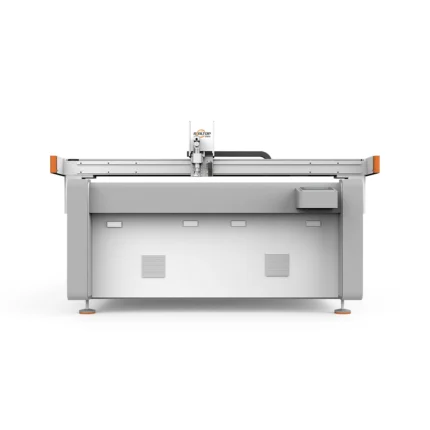
2026 Carbon Fiber Cloth Cutting Machine – China Manufacturer
Product Introduction
Fabric Sample Cutter Pillow Machine ¨C 2026 Carbon Fiber Cloth Cutting Machine, ideal for precise cutting of carbon fiber cloth and fabric samples, suitable for pillow production and related textile applications.Product Parameters
| Name | Fabric Sample Cutter Pillow Machine |
| Model | 2026 |
| Material | Carbon Fiber Cloth |
| Application | Pillow Fabric Cutting |
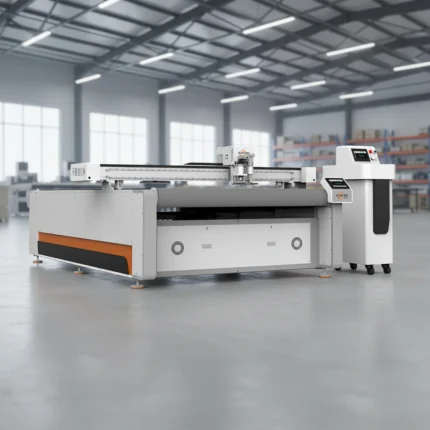
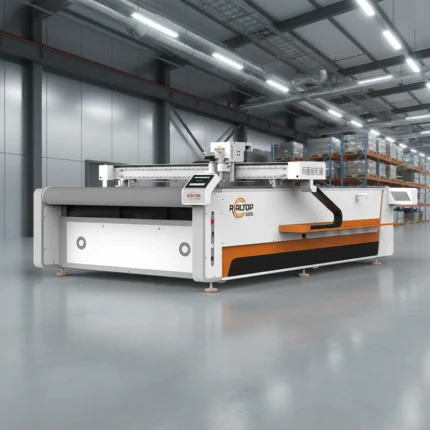
2026 Máquina de Corte con Cuchilla CNC para Tela Cuero PVC en Venta Caliente
Product Introduction
2026 Hot Sale CNC Knife Cutting Machine for Fabric, Leather, PVC. Ideal for precise cutting of various materials with advanced CNC technology, perfect for manufacturing needs.
Product Parameters
| Application | Fabric, Leather, PVC |
| Type | CNC Knife Cutting Machine |
| Feature | Precision Cutting |
| Year | 2026 Model |
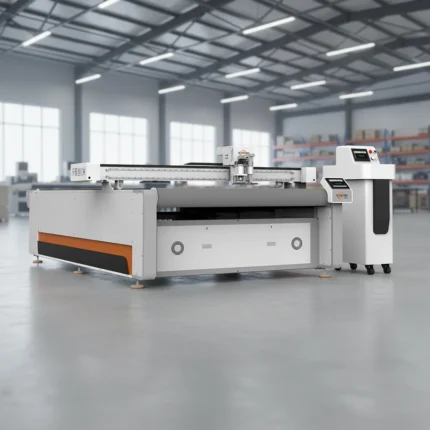
Cortadora automática multicapa de cuchillo vibratorio 2026
Product Introduction
Automatic Multi-Layer Vibrating Knife Cutter 2026, ideal for precise cutting of various materials with multi-layer processing capability, enhancing production efficiency.
Key Specifications
| Type | Automatic Vibrating Knife Cutter |
| Layer Capacity | Multi-Layer |
| Model | 2026 |
| Function | Precision Cutting |
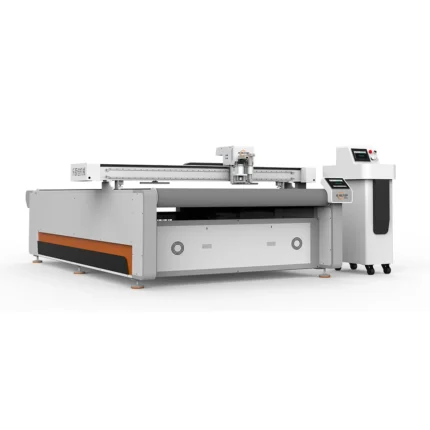
CNC Oscillating Knife Cutting Machine 2026 3000¡Á1600mm High-Speed
Product Parameters
| Model | CNC Oscillating Knife Cutting Machine 2026 |
| Working Area | 3000mm¡Á1600mm |
| Cutting Type | Oscillating Knife |
| Application | Fabric Cutting |
| Feature | High-Speed |
Introduction
High-performance CNC oscillating knife cutting machine with 3000mm¡Á1600mm working area, ideal for high-speed fabric cutting. Precision and efficiency for professional textile processing needs.
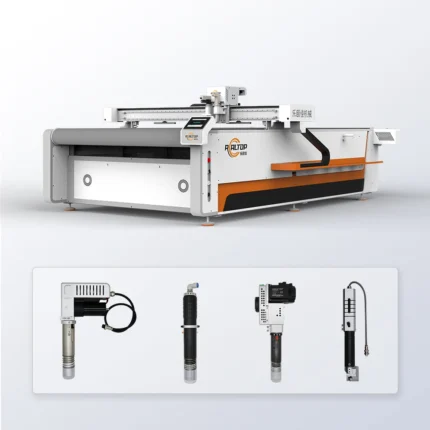
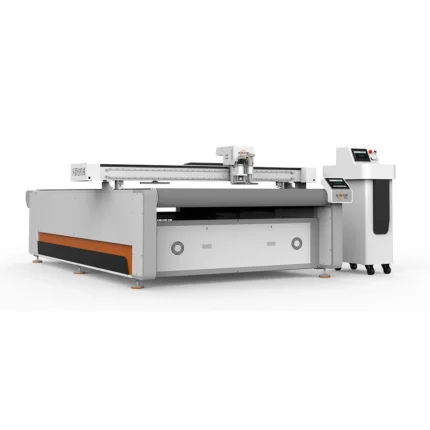
Máquina CNC personalizada de corte de tela para camisetas 2026
Product Introduction
Custom CNC Shirt Fabric Cutting Machine 2026, ideal for precise fabric cutting in garment manufacturing, offering efficient and accurate cutting solutions.
Product Parameters
| Model | Custom CNC Shirt Fabric Cutting Machine 2026 |
| Type | CNC Fabric Cutting Machine |
| Application | Shirt Fabric Cutting |
| Year | 2026 |
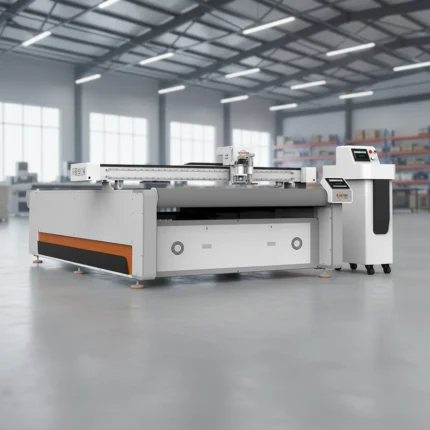
Máquina de Corte de Tela CNC Realtop 2026 Certificada CE
Product Introduction
Realtop CNC Fabric Cutting Machine 2026, CE Certified, ideal for precision fabric cutting with advanced CNC technology. Engineered for efficiency and reliability in textile manufacturing processes.Key Specifications
| Model | Realtop CNC Fabric Cutting Machine 2026 |
| Certification | CE Certified |
商品评价
There are no reviews yet.