

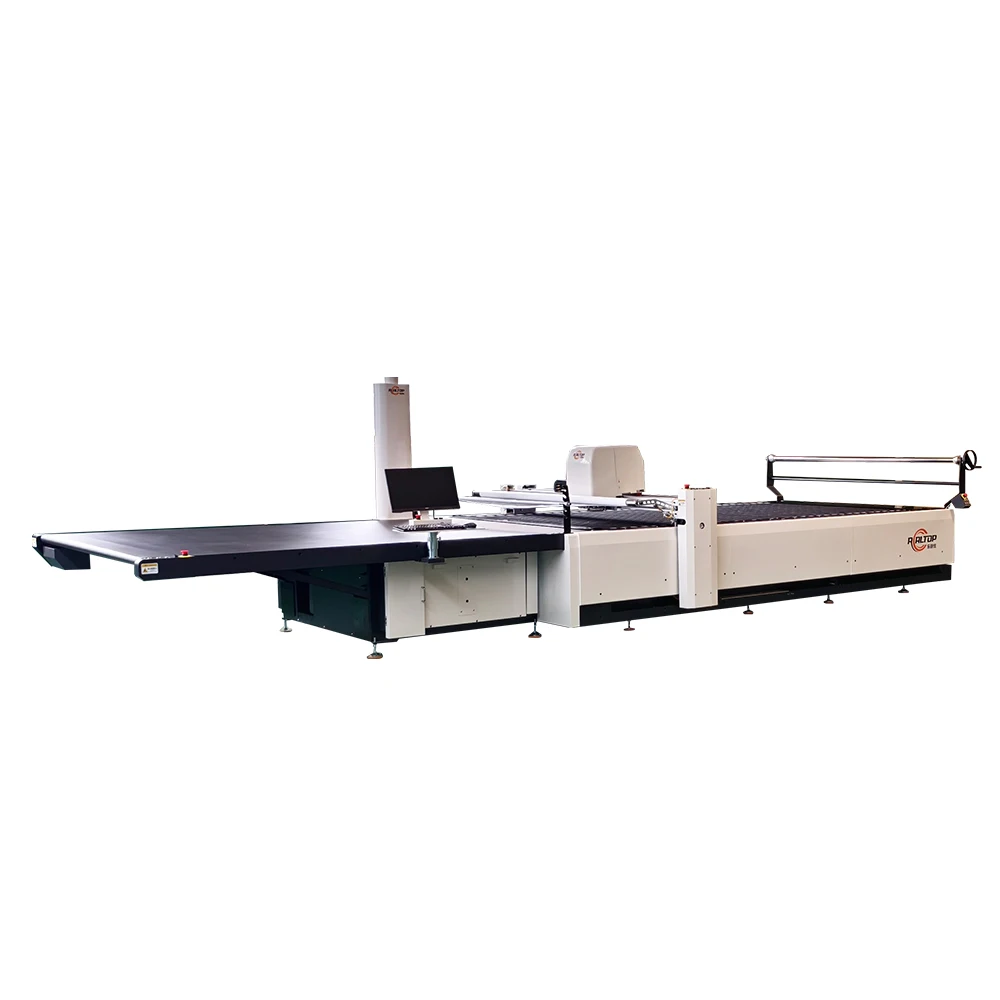

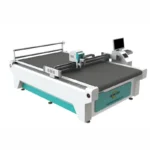
RT-D2516/RT-S2516 CNC Oscillating Knife Cutting Machine | Specifications
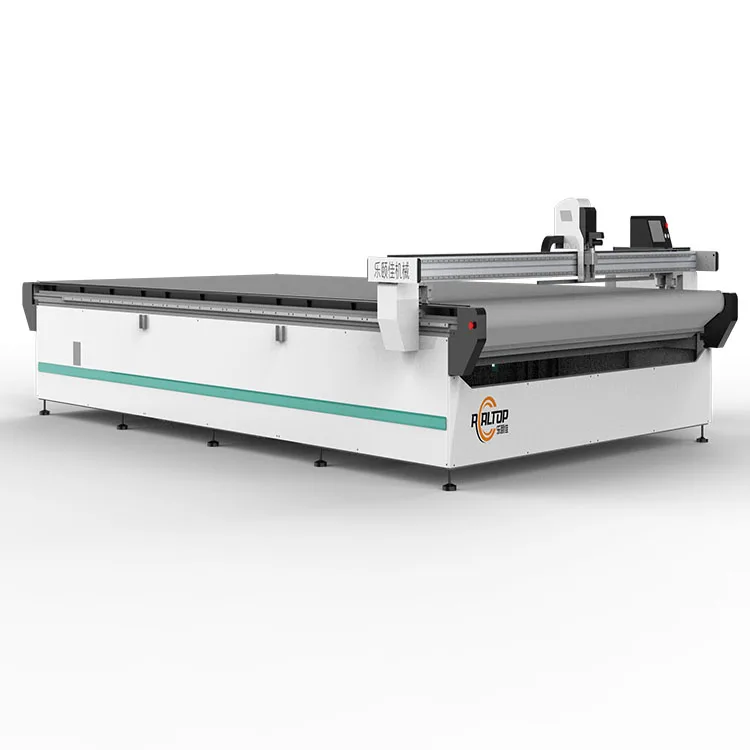
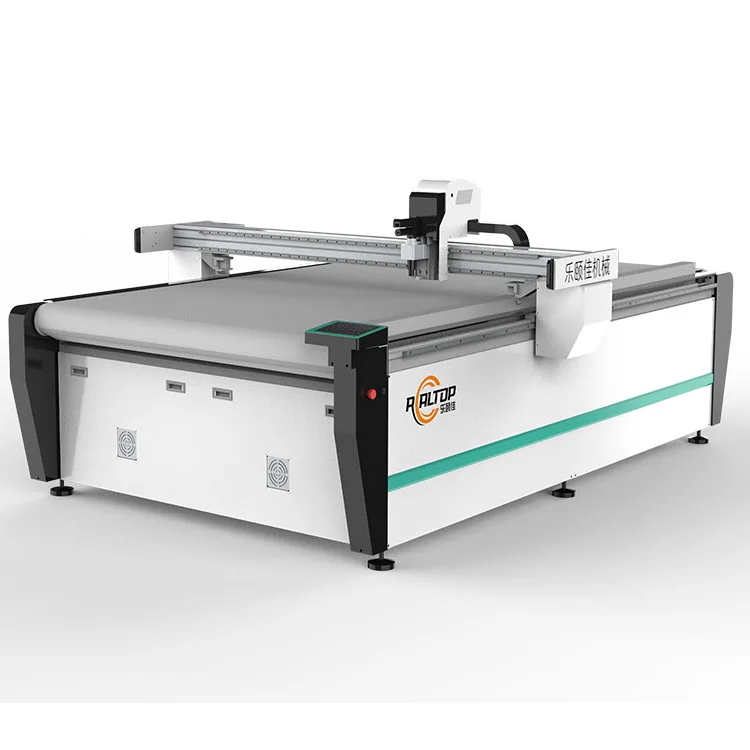
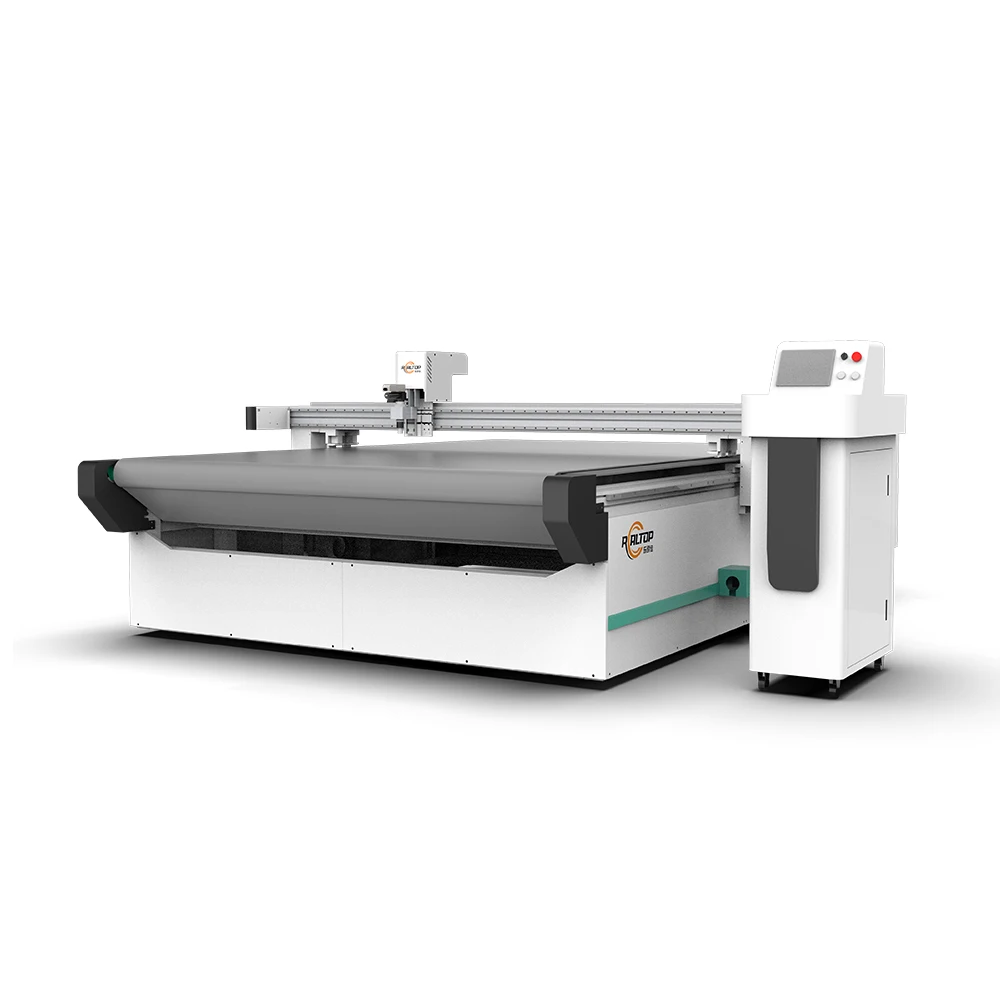
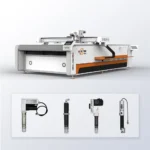
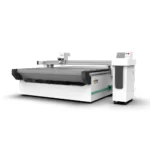
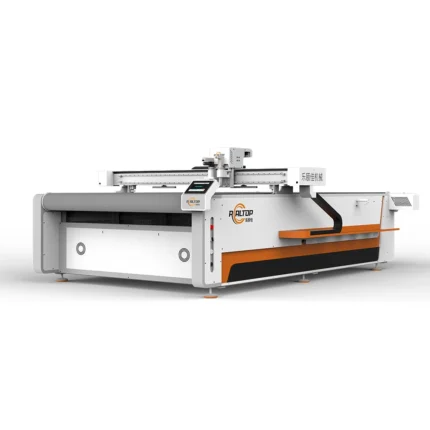
RT-D2516/RT-S2516 CNC Oscillating Knife Cutting Machine, 1600×2500mm working area, ≤0.1mm repeatability — configured with multiple tool heads and CCD positioning options for precise contour cutting across fabric, leather, foam and composite materials.
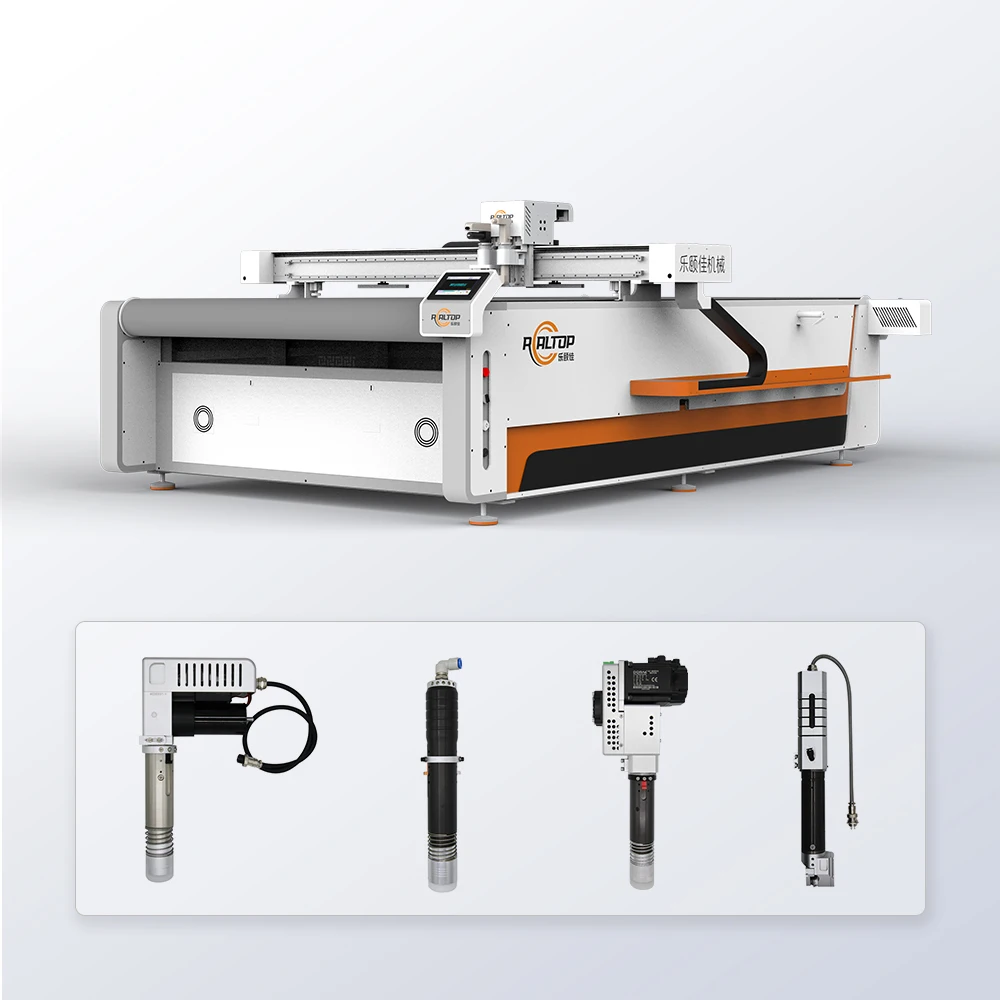
- Oscillating, pneumatic and drag knife heads selected by material density and edge requirement
- Magnesium-aluminum vacuum table with PVDF coating holds small parts flat during high-speed cutting
- Auto typesetting software supports PLT, DXF and AI formats with multi-language control panel
Sample cutting on your own material is completed before order confirmation to verify edge quality and throughput match your production needs.
In-House Design & Build — The RT-D2516/RT-S2516 platform is developed, manufactured, and tested under one roof, ensuring tool head configurations and vacuum table zoning match your material before the machine ships.
Technical Specifications
| Parameter | Value |
|---|---|
| Product Type | CNC Oscillating Knife Cutting Machine |
| Model | RT-D2516/RT-S2516 |
| Working Area | 1600×2500 mm |
| Machine Size (Overall Dimensions) | 3450×2300×1250 mm |
| Rated Power | 9 kW |
| Voltage | 380V±10% |
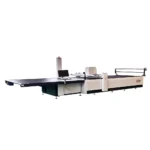
| Table Type | Flat working table or Auto-feeding table |
| Cutting Thickness | ≤100mm (basis to be confirmed by material density and tool head) |
| Translational Velocity | 800–2000 mm/s |
| Cutting Speed | 200–800 mm/s (varies by material) |
| Repeated Accuracy | ≤0.1 mm |
| Transmission System | Digital servo motor (Delta or Panasonic options), linear guide, synchronous belt, ball screw |
| Visual Positioning | Small CCD mark point positioning, panoramic camera recognition, projection positioning |
| Vacuum Pump | 7.5 kW |
| Vacuum Table | Magnesium-aluminum alloy with PVDF powder spraying, anodic oxidation |
| Conveyor Belt | Germany imported (on auto-feeding models) |
| Linear Rail | Taiwan Hiwin |
| Instruction System | HP-GL compatible format |
| Control Panel | Touch screen, multi-language support |
| Safety Device | Infrared sensors, anti-collision, emergency stop |
| Certification | CE |
Application Suitability
| Application | Material or Output |
|---|---|
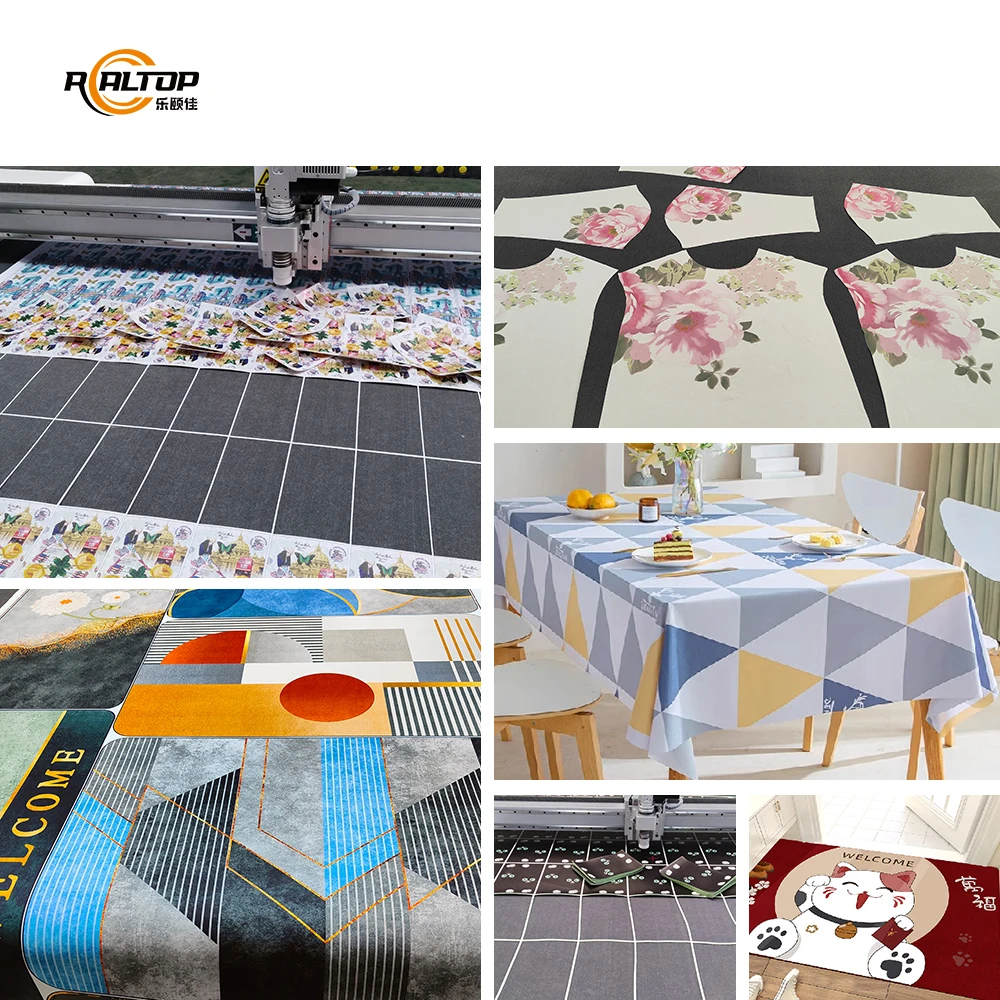
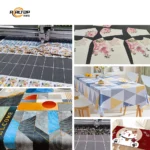
| Garment & Footwear Production | Multi-layer clothing cloth, shoe material, non-woven fabric, sponge |
| Automotive Interior Fabrication | PU leather, EVA foam, XPE, composite materials, carpet |
| Packaging & Sample Making | Corrugated cardboard, cardboard, plastic box, sticker, film |
| Gasket & Sealing Industry | Rubber, PTFE, ETFE, fiberglass, sealing pads |
| Advertising & Signage | PVC, PP, PE, foam board, sticker, film |
| Soft Furnishings | Leather, textile, carpet, PU, EVA |
Why "Cutting Speed" Means Nothing Without Your Material Sample
Real cutting speed is determined by the interaction between your specific material density and the selected tool head.
Buyers often see a maximum speed of 800 mm/s and assume that applies to their job. In reality, cutting through multi-layer coated waterproof fabric requires a completely different tool head and slower feed rate than single-layer polyester. I once saw a production line in Latin America stop dead because the machine was configured for standard textiles, but the actual job involved dense, abrasive composites that chewed through blades in hours. The edge quality was unacceptable, and the downtime cost more than the machine itself [NEED_CITE: impact of incorrect tooling on production downtime]. This is why CO2 Laser Cutting and Engraving Machine specifications often include material-specific notes, and knife cutting requires the same rigor.
Tool Head Selection for Edge Quality and Tool Life
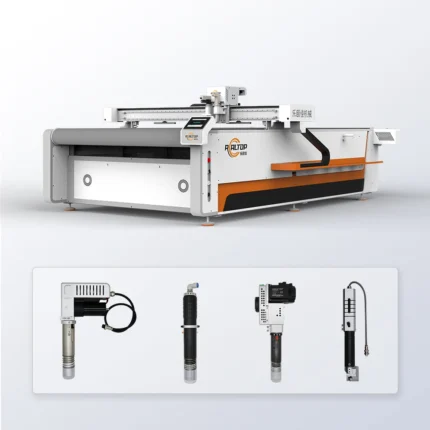
The multifunctional head on this CNC Oscillating Knife Cutting Machine supports Swiss imported knives for vibration full and half cutting, along with options for pneumatic knives, high-power vibrating knives, circular knives, V-cutting knives, drag knives, creasing wheels, and punching tools. Choosing the wrong tool for a material like dense rubber or multi-layer foam results in ragged edges or crushed layers. The right tool head preserves edge integrity and extends blade life.
Vacuum Table Zoning and Small Part Hold-Down
The magnesium-aluminum alloy vacuum table, treated with fluorocarbon PVDF powder spraying and hard oxidation, is driven by a 7.5 kW vacuum pump. For small parts like gaskets or intricate garment patterns, insufficient vacuum zoning allows the material to lift during cutting, causing misalignment and scrapped parts. The table configuration must match the typical nest layout of your production [NEED_CITE: vacuum hold-down requirements for nested small parts].
Matching the Motion System to Repeatability
The RT-D2516/RT-S2516 uses Taiwan Hiwin linear rails, imported digital servo motors (with Delta or Panasonic options), and ball screws to achieve a repeated accuracy of ≤0.1 mm. In high-volume fabric cutting, this precision ensures that pattern pieces align correctly during sewing and assembly. If the motion system drifts, the cumulative error across a multi-layer layup can render an entire batch unusable.
The Hidden Cost of Skipping Voltage and Software Checks
Confirming 380V±10% compatibility, plug type, and control panel language before shipment prevents costly on-site failures. A machine wired for the wrong frequency will overheat motors and burn out drives. Similarly, if the auto-typesetting software cannot import your existing PLT, DXF, or AI files, your nesting workflow stops until a new post-processor is sourced [NEED_CITE: electrical compatibility issues in exported machinery].
Why Source This Configuration Here
In-house design and production cover both knife and laser technologies, allowing you to match the cutting method to the material rather than force one method. The tool head and table configuration are specified per material and production volume. CCD camera positioning options are confirmed for printed contour work. Software compatibility is verified before the order is placed. You can request sample cutting on your own material before commitment.
Documentation & Verification
- Machine specification sheet detailing the selected tool head and vacuum table configuration.
- Electrical schematic and voltage confirmation matching your facility’s 380V±10% supply.
- Sample cutting report on your specific material, thickness, and sheet size.
- Software licence and file format compatibility note for PLT, DXF, and AI workflows.
- Factory test record demonstrating repeated accuracy and cutting speed on your material.
Installation, Commissioning & Support
- Floor space allocation for the 3450×2300×1250 mm footprint and material handling clearance.
- Dedicated electrical circuit for the 9 kW rated power and 7.5 kW vacuum pump.
- Assembly of the flat or auto-feeding table and calibration of the linear rails.
- Parameter setting for cutting speed, oscillation frequency, and vacuum zoning on your material.
- Training on the touch screen control panel in your selected language.
- Spare parts list covering Swiss imported knives and wear items for the first year.
Configuring Your Inquiry
To move forward, provide the specific material type, thickness, and daily volume. Let us know if your workflow requires the auto-feeding conveyor for roll processing or a flat table for sheet stock. Specify your local voltage, frequency, and preferred control panel language so the electrical and software setup is confirmed before production begins.
Frequently Asked Questions
Q: How is the cutting speed verified for my specific material?
A: The published speed of 200–800 mm/s is a range. We run a sample cutting test on your actual material, thickness, and sheet size to determine the achievable speed and edge quality. You receive a cutting report before the machine is built.
Q: Which tool head is right for my application?
A: Oscillating knives suit fabrics and foams, pneumatic knives handle denser composites, and drag knives or creasing wheels are used for cardboard and stickers. We recommend the tool head based on your sample test results to prevent ragged edges.
Q: Can the CCD camera track printed marks at production speed?
A: We offer small CCD mark point positioning and panoramic camera recognition. The choice depends on your print registration tolerance and production speed. We confirm the positioning accuracy against your requirements before finalizing the configuration.
Q: Is the vacuum table sufficient for small parts?
A: The 7.5 kW pump and magnesium-aluminum table provide strong hold-down, but zoning is critical for small nested parts. We configure the vacuum zones based on your typical nest layout to prevent material lift during cutting.
Q: What electrical and software details are confirmed before shipment?
A: We verify 380V±10% compatibility, plug type, control language, and file format support (PLT, DXF, AI) before production. You receive an electrical schematic and software compatibility note to ensure the machine integrates into your facility.


Related products
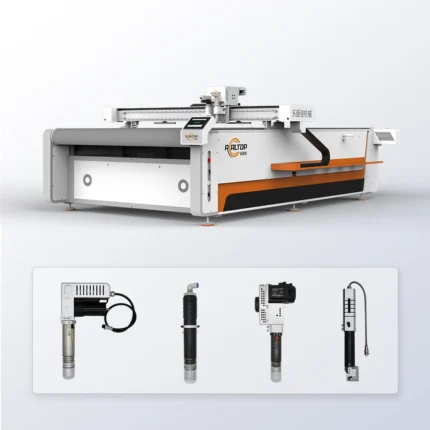
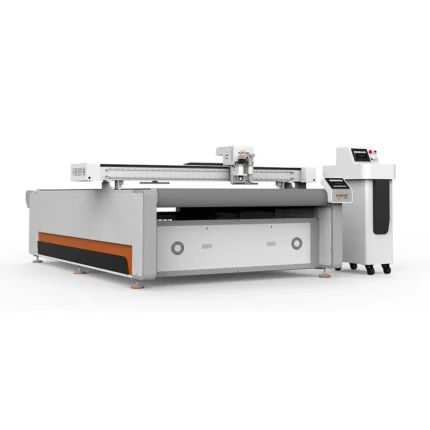
2026 Máquina de corte de tela CNC automática Plotter de tela y cuero de alta precisión
Product Introduction
2026 Auto CNC Cloth Cutting Machine, a high-precision fabric & leather plotter designed for efficient cutting. Ideal for textile and leather industries with advanced CNC technology.
Key Specifications
| Model | Auto CNC Cloth Cutting Machine 2026 |
| Application | Fabric & Leather |
| Precision | High-Precision Cutting |
| Type | CNC Plotter |
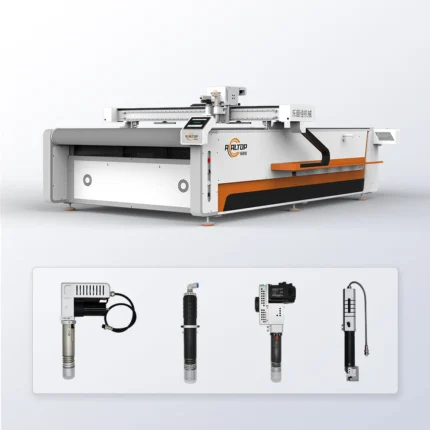
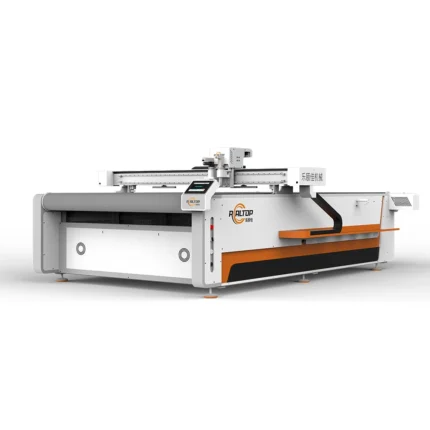
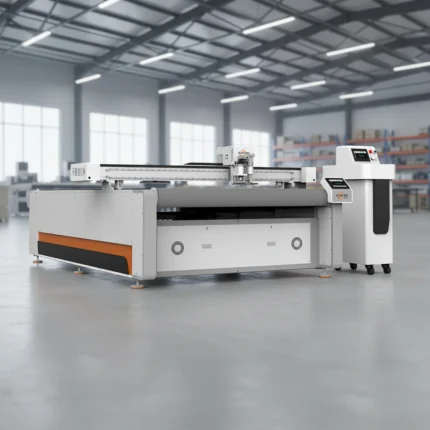
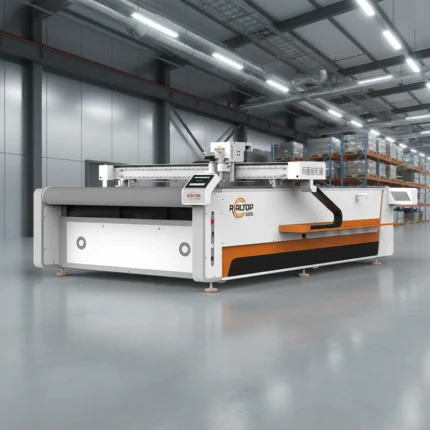
2026 Máquina de Corte con Cuchilla CNC para Tela Cuero PVC en Venta Caliente
Product Introduction
2026 Hot Sale CNC Knife Cutting Machine for Fabric, Leather, PVC. Ideal for precise cutting of various materials with advanced CNC technology, perfect for manufacturing needs.
Product Parameters
| Application | Fabric, Leather, PVC |
| Type | CNC Knife Cutting Machine |
| Feature | Precision Cutting |
| Year | 2026 Model |
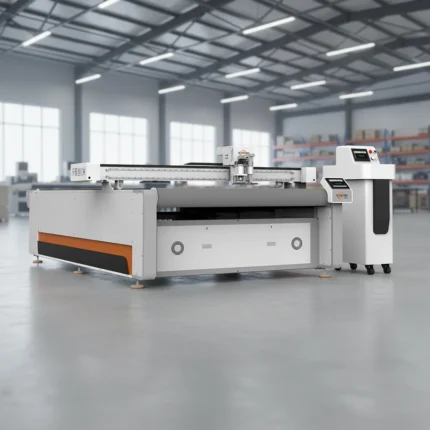
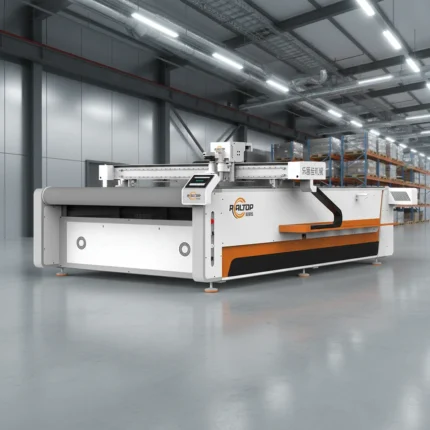
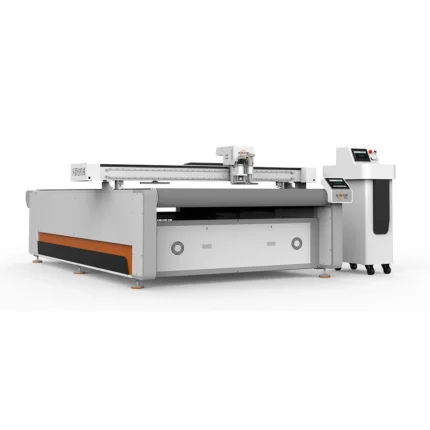
Máquina CNC personalizada de corte de tela para camisetas 2026
Product Introduction
Custom CNC Shirt Fabric Cutting Machine 2026, ideal for precise fabric cutting in garment manufacturing, offering efficient and accurate cutting solutions.
Product Parameters
| Model | Custom CNC Shirt Fabric Cutting Machine 2026 |
| Type | CNC Fabric Cutting Machine |
| Application | Shirt Fabric Cutting |
| Year | 2026 |
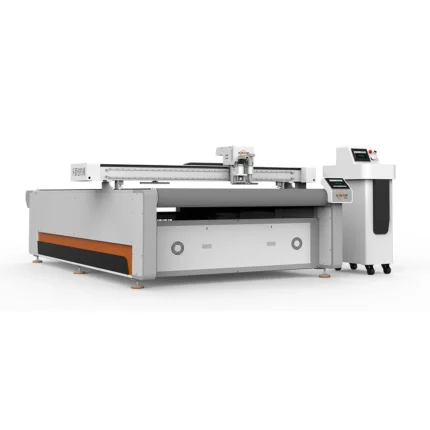
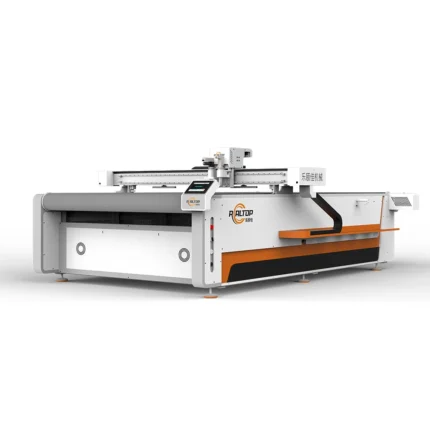
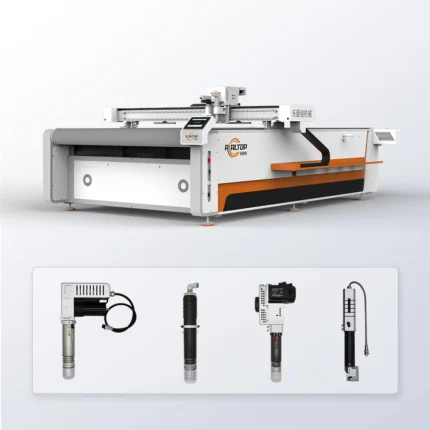
Máquina de Corte de Tela CNC Realtop 2026 Certificada CE
Product Introduction
Realtop CNC Fabric Cutting Machine 2026, CE Certified, ideal for precision fabric cutting with advanced CNC technology. Engineered for efficiency and reliability in textile manufacturing processes.Key Specifications
| Model | Realtop CNC Fabric Cutting Machine 2026 |
| Certification | CE Certified |
商品评价
There are no reviews yet.