

Multi Layers CNC Fabrics Cutting Machine – Factory Supply
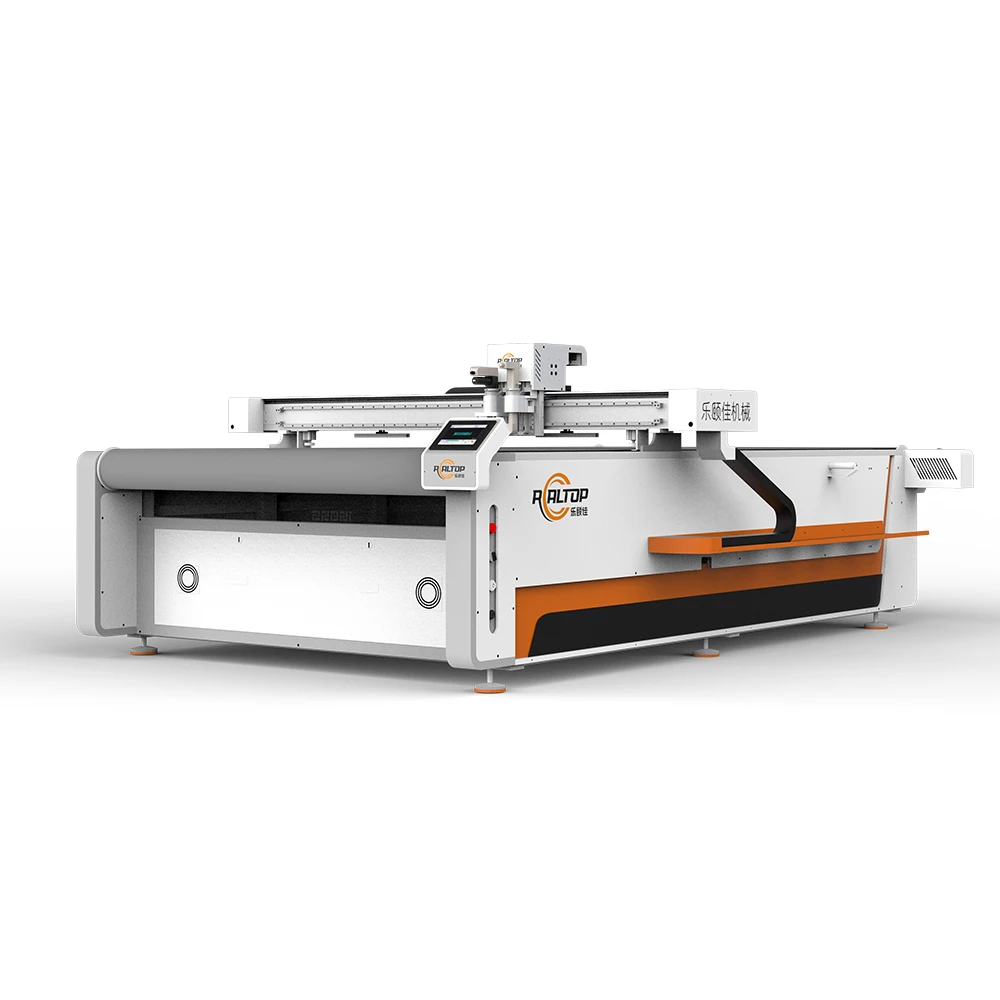
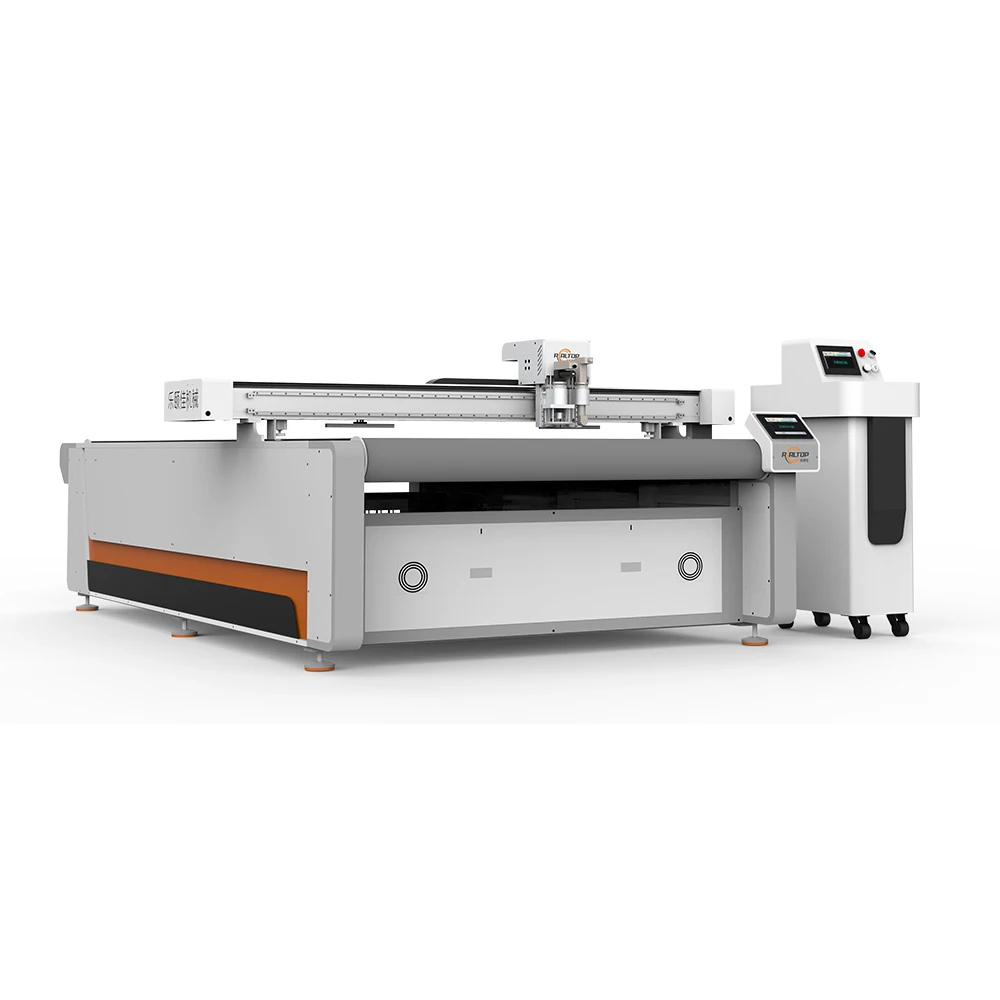
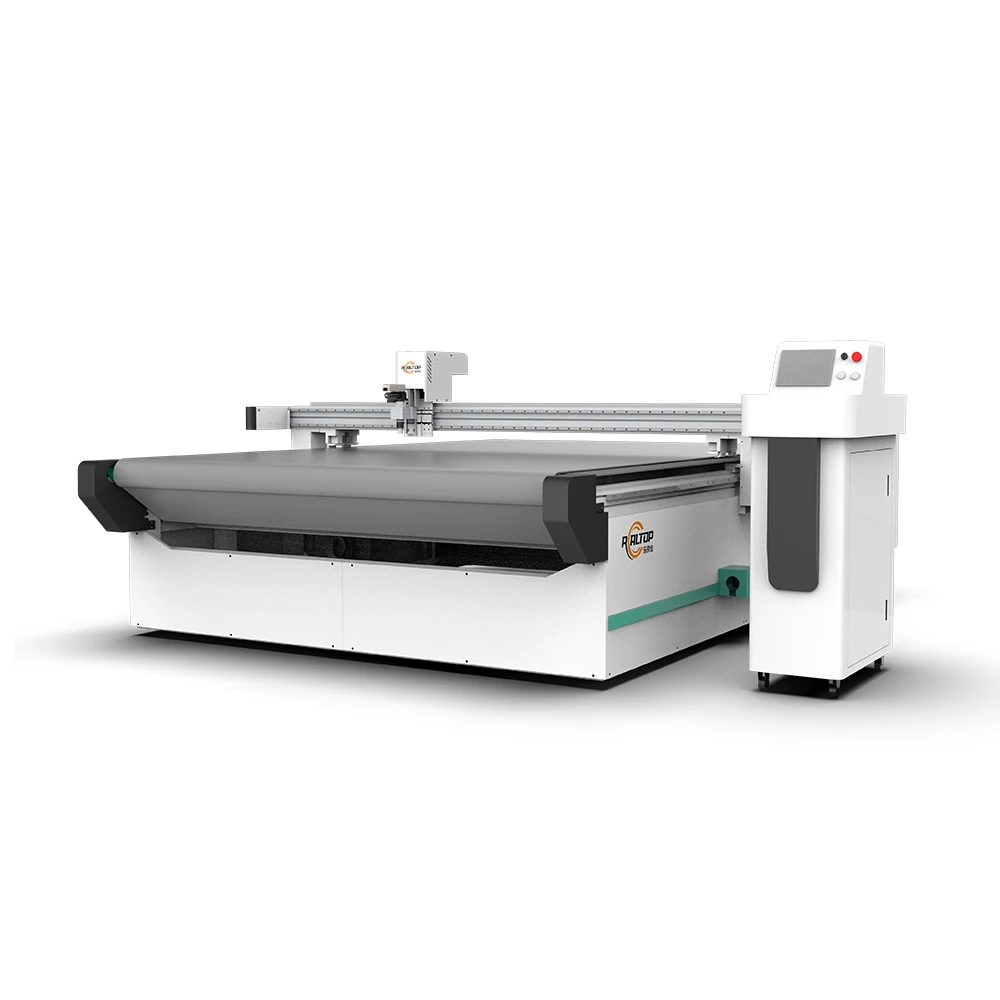
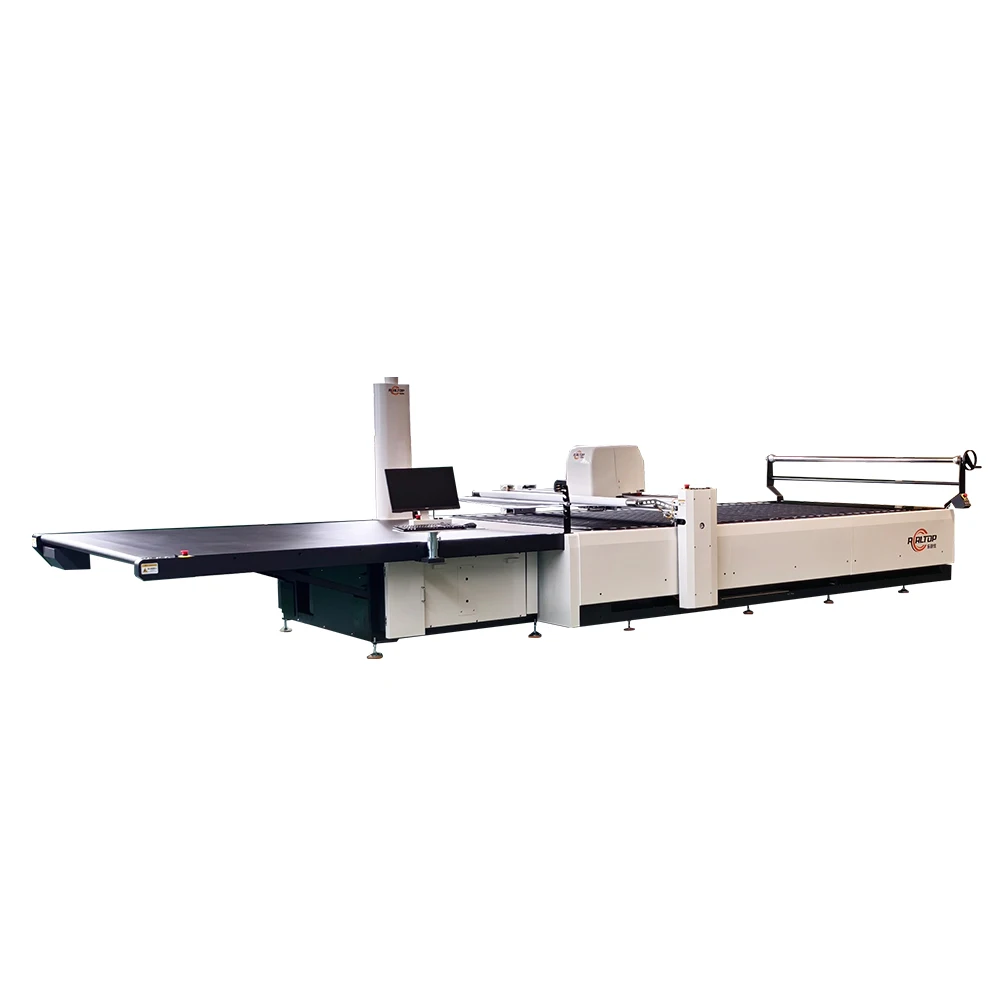
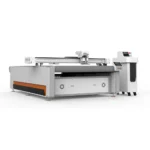
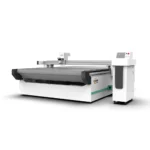
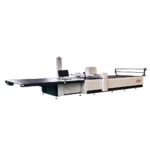
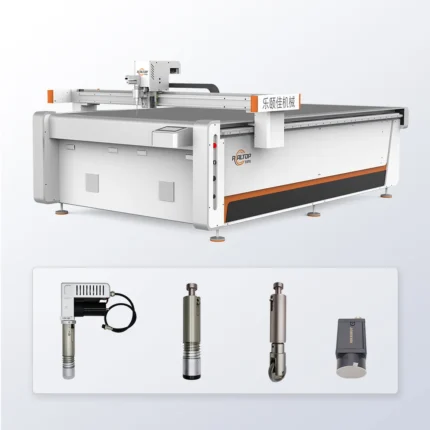
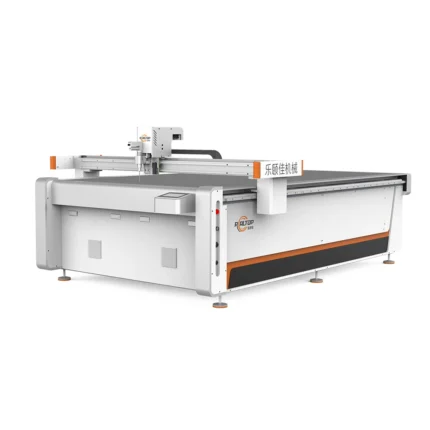
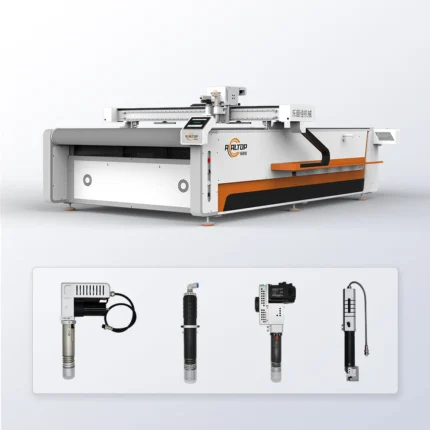
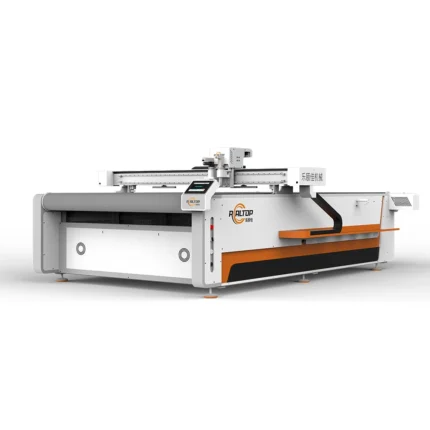
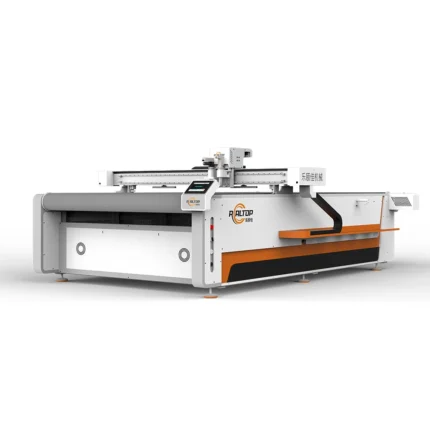
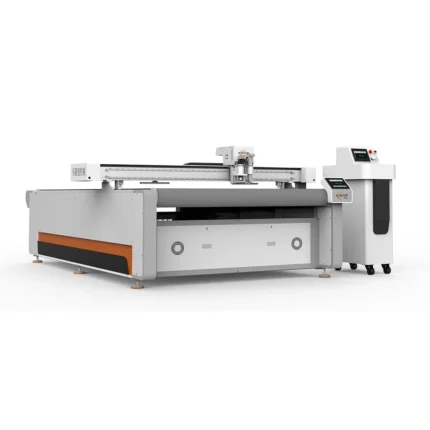
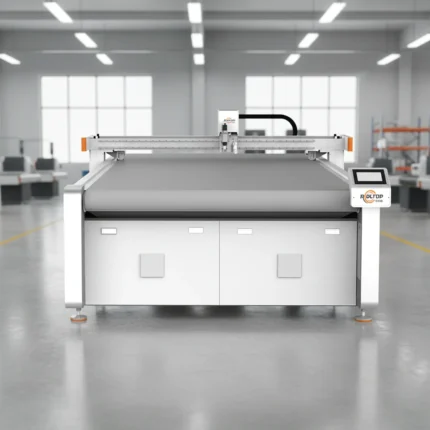
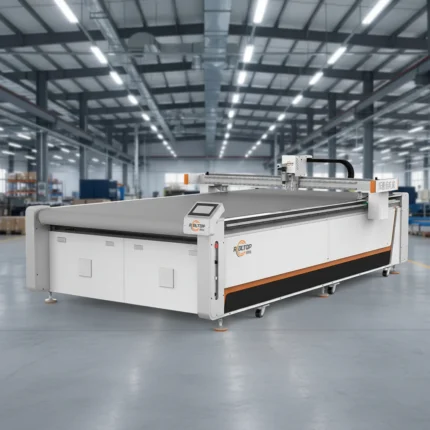
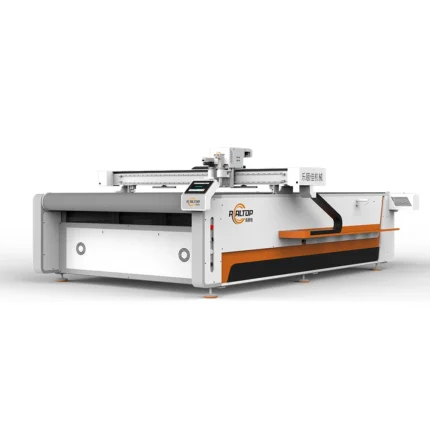
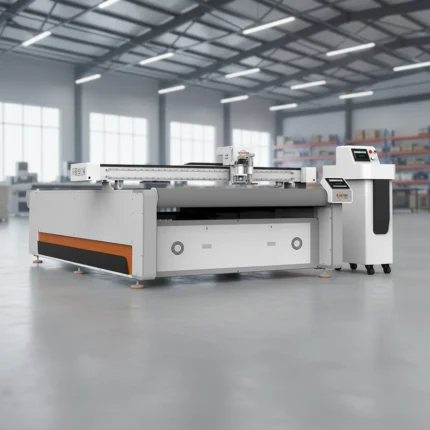
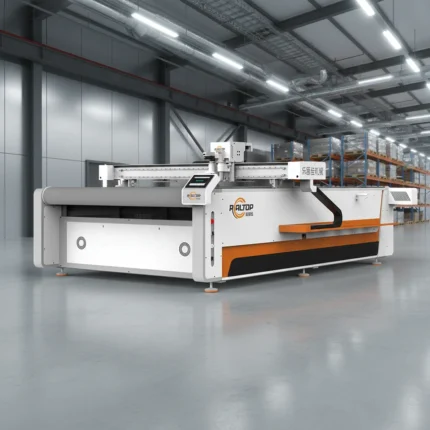
RT-D2516/RT-S2516 CNC Oscillating Knife Cutting Machine, 1600×2500mm, 9kW — configured with Swiss oscillating knife, CCD vision positioning and 7.5kW vacuum table for multi-layer fabric cutting at 200–800mm/s. CO2 versus fiber, power rating and real cutting capacity drive configuration; edge sealing on synthetics and extraction requirements shape the final setup for acrylic, textile or sheet metal work. Sample cutting on your own material, tool head matched to fabric type and layer count, with voltage and language confirmed before shipment.
Laser Process Configuration — CO2 power ratings, assist gas selection, and extraction requirements specified to match your exact non-metal material, thickness, and edge finish requirement before order confirmation.
Technical Specifications
| Parameter | Value |
|---|---|
| Product Type | CNC Oscillating Knife Cutting Machine |
| Model | RT-D2516/RT-S2516 |
| Working Area | 1600×2500 mm |
| Machine Overall Dimensions | 3450×2300×1250 mm |
| Rated Power | 9 kW |
| Voltage | 380V ±10% |
| Control System | CNC with touch screen control panel |
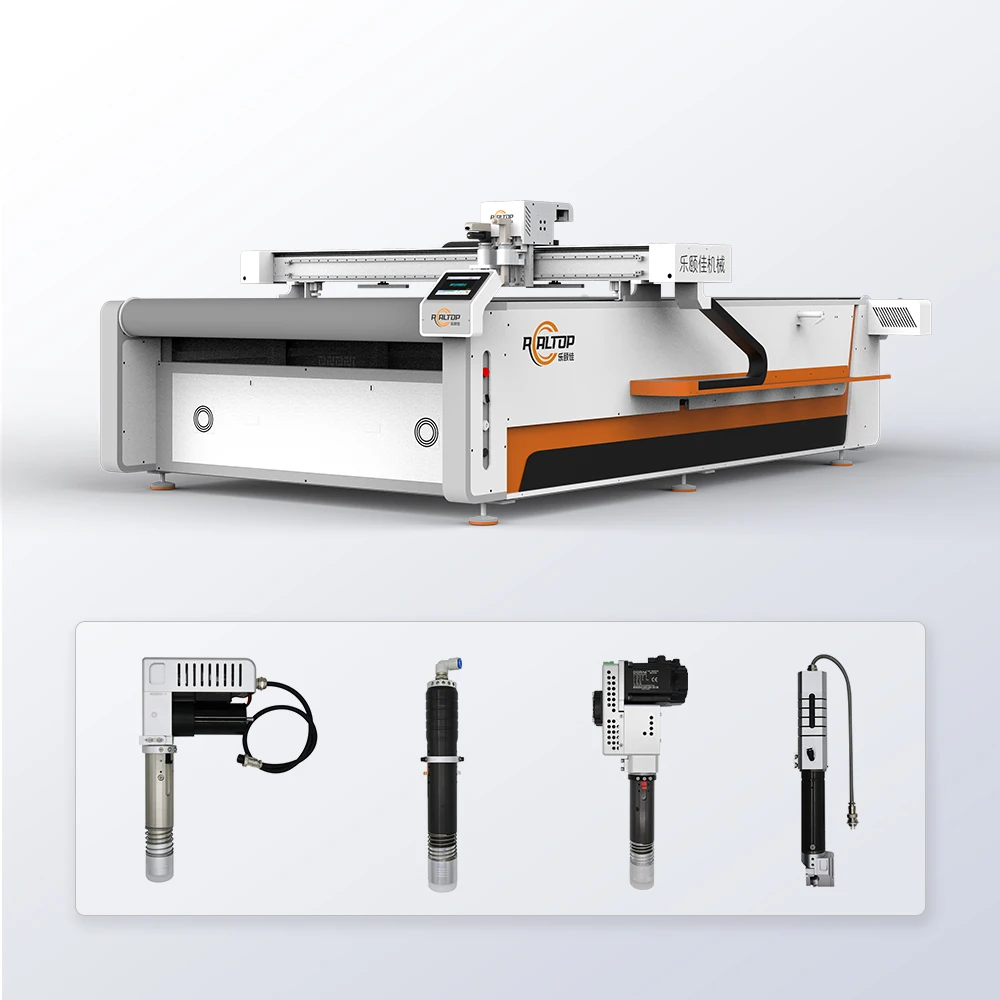
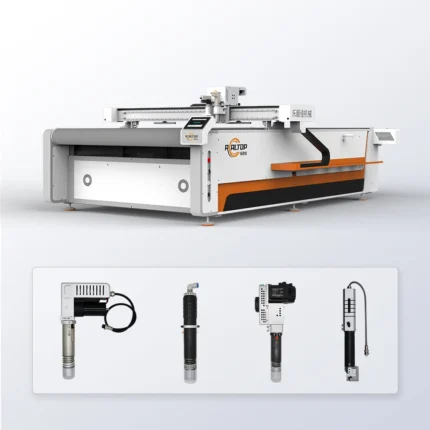
| Tool Head Options | Swiss imported oscillating knife, pneumatic knife, high-power vibrating knife, circular knife, V-cutting knife, drag knife, creasing wheel, dotted line knife, punch, brush |
| Visual Positioning | Small CCD camera mark point positioning, panoramic camera recognition, projection positioning |
| Cutting Speed | 200–800 mm/s (basis not stated in source — confirm material / thickness / layer count) |
| Translational Velocity | 800–2000 mm/s |
| Cutting Thickness | ≤100 mm (varies with material, source value — verify against manufacturer catalog) |
| Repeated Accuracy | ≤0.1 mm |
| Transmission System | Digital servo motor (Delta or Panasonic, IP67), linear guide, synchronous belt, ball screw (Taiwan Hiwin rail) |
| Table Type | Magnesium-aluminum alloy vacuum adsorption table with fluorocarbon PVDF powder spraying, anodic oxidation, hard oxidation treatment; optional auto feeding (conveyor) table |
| Vacuum Pump | 7.5 kW, integrated aviation aluminum shell with built-in silencer sponge |
| Safety Devices | Infrared induction blocking, anti-collision beam sensors, emergency stop button |
| Instruction System | HP-GL compatible format |
| Software & File Formats | PLT, DXF, AI supported; auto typesetting/nesting software |
| Language Options | English, Russian, Italian, Chinese (special languages customizable) |
| Assembly State | Fully assembled |
| Warranty | 1 year (free parts replacement; engineer dispatch available at buyer’s travel cost) |
| Certification | CE (source value — verify against manufacturer catalog) |
Application Suitability
| Application | Material or Output |
|---|---|
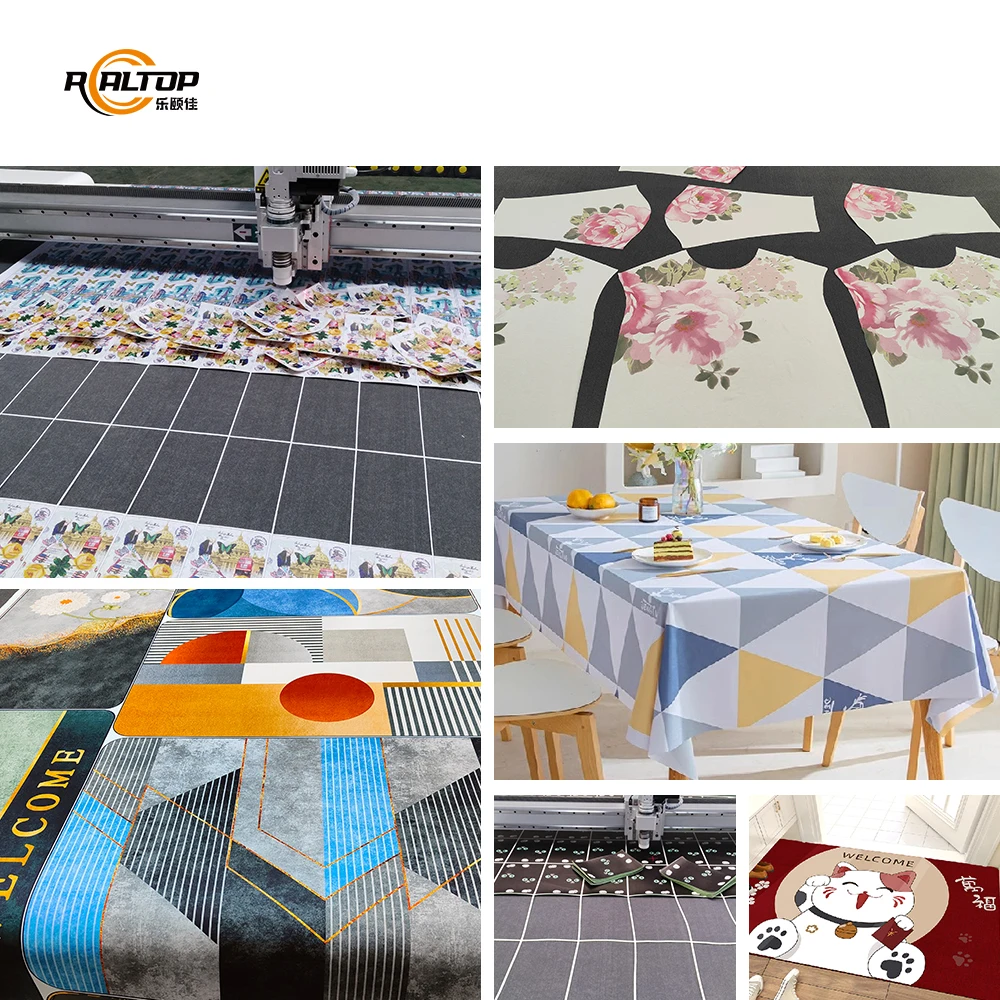
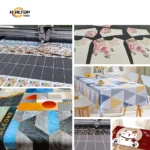
| Garment and footwear production | Multi-layer fabric stacks, shoe material, luggage material, clothing cloth |
| Automotive interior and soft furnishing | Leather, PU, EVA, composite upholstery materials, carpet, floor mats |
| Technical textile and industrial fabric | Non-woven fabric, sponge, XPE, PVC, PP, PE, PTFE, ETFE, silicone, rubber |
| Packaging and graphic advertising | Corrugated cardboard, sticker, film, foam board |
| Sealing and gasket manufacturing | Carbon fiber, fiberglass, gasket material, composite materials |
Why Material Thickness Dictates More Than Just Knife Selection
A cutting depth rating means nothing without knowing your exact layer count and fabric density. Buyers often specify a CNC Oscillating Knife Cutting Machine for Fabric based on working area alone, assuming any 100 mm thickness rating covers their production needs. The reality is that compressed multi-layer stacks of technical textiles behave differently than loose single-layer fleece.
When a buyer brings a roll of coated waterproof fabric to test, standard polyester parameters can scorch the coating or delaminate the layers. This happens because the oscillating frequency and downward pressure must match both the material composition and the stack height [NEED_CITE: material-specific cutting parameters for coated technical textiles]. Without a sample cut on the actual production material, the quoted specifications remain theoretical.
Matching Tool Head Geometry to Fabric Behavior
The oscillating knife handles woven and non-woven fabrics by vibrating at high frequency to slice through fibers without crushing them. For single-layer contour work on printed textiles, the drag knife or circular knife may deliver cleaner edges at higher translational velocity. Punch tools handle perforation patterns for tear-away sections in packaging or gasket layouts. Selecting the right CNC Oscillating Knife Cutting Machine for Fabric requires matching the tool head to the specific fiber structure and layer configuration, not defaulting to a single oscillating head for all jobs.
Vacuum Zoning and Small Part Hold-Down
Fabric pieces smaller than the vacuum zone tend to lift during high-speed cutting, producing ragged edges or misaligned contours. The magnesium-aluminum alloy table on this platform divides the suction area into controllable zones, allowing operators to concentrate the 7.5 kW pump’s holding force on the active cutting region. For automotive upholstery producers cutting dozens of small leather panels per hide, zoned vacuum prevents the material from shifting between cuts [NEED_CITE: vacuum table zoning requirements for small part cutting in leather and fabric]. The optional conveyor feeding table adds continuous material advance for high-volume garment runs where manual repositioning would interrupt the nesting sequence.
Reading the Specs Against Your Production Reality
The 9 kW rated power covers the servo drives, vacuum pump, and control system operating simultaneously under load. The Delta or Panasonic IP67 servo motors paired with Taiwan Hiwin linear rails maintain ≤0.1 mm repeated accuracy across the full 1600×2500 mm working area, which matters when cutting interlocking pattern pieces where edge tolerance affects downstream sewing or welding operations. The cutting speed range of 200–800 mm/s varies with material density and layer count — a single layer of silk cuts faster than a 50-layer stack of denim. The CCD camera and panoramic vision positioning systems track printed registration marks for contour cutting, but the mark contrast and print quality must be confirmed before the camera can reliably follow the pattern at production speed [NEED_CITE: CCD camera mark recognition accuracy under varying print contrast conditions].
What Happens When Configuration Is Skipped
Selecting a machine on bed size and price alone leads to predictable failures. A vacuum table without adequate zoning lets small gasket pieces drift during the final passes, scrapping entire nests. A tool head specified for woven fabric tears through non-woven felts, leaving frayed edges that fail quality inspection. Buyers who skip the sample cutting test discover these problems only after the machine arrives and production deadlines press [NEED_CITE: common configuration mismatches in CNC fabric cutting installations]. The cost of a wrong tool head or inadequate vacuum layout shows up in material waste and rework, not in the initial purchase order.
Why Procurement Starts With Your Material Sample
The in-house design team configures the tool head, vacuum zoning, and feeding system based on the buyer’s actual fabric roll, not a generic material list. Sample cutting runs confirm edge quality, layer separation, and contour accuracy at the required stack height before any order is placed. Software file format compatibility with the buyer’s existing nesting workflow is verified during the quotation stage. Voltage, plug standard, and control panel language are confirmed for the target market. The factory test record documents cutting performance on the buyer’s material, and the shipment includes the operation manual, spare parts list, and CE documentation where applicable.
Documentation & Verification
- Sample cutting report on your fabric roll at required layer count and cutting speed
- Tool head and vacuum zoning configuration list matched to your material specification
- Electrical schematic with voltage and frequency confirmed for your facility
- Software licence and file format compatibility note for your nesting workflow
- Factory test record documenting cutting accuracy on your material before dispatch
- CE declaration and packing photographs included with shipment
Installation, Commissioning & Support
- 3450×2300×1250 mm footprint requires level floor with clearance for conveyor feed if equipped
- 380V ±10% three-phase supply with dedicated circuit for 9 kW total rated power
- Machine ships fully assembled; positioning and leveling on-site before vacuum pump connection
- First-run parameter setting for your specific fabric type, layer count, and cutting speed
- Operator training on tool head changeover, CCD camera calibration, and nesting software
- Spare parts list with consumable blades, vacuum seals, and servo motor specifications
What to Share Before Quotation
Provide your fabric type, typical layer count, and maximum sheet or roll width so the working area and tool head can be matched to your production. Specify your daily cutting volume and whether your workflow uses DXF, PLT, or AI files from an existing design system. Confirm your facility voltage, frequency, and preferred control panel language to avoid reconfiguration after delivery.
Frequently Asked Questions
Q: How do I know which tool head — oscillating, circular, or drag knife — fits my fabric and layer count?
A: The right tool head depends on fiber structure, coating type, and stack height. Oscillating knives slice woven and non-woven layers without crushing, while circular knives suit single-layer contour work. We run a sample cut on your actual material at your production layer count to confirm edge quality and select the appropriate head before quoting.
Q: What cutting speed and thickness can I realistically expect on my specific fabric?
A: Published speed ranges assume ideal conditions that rarely match production floors. Your coated technical textile or dense multi-layer denim stack will cut differently than the reference material. We provide a sample cutting report on your fabric roll, documenting achievable speed and clean-edge thickness before you commit to an order.
Q: Will the nesting software accept my existing DXF, PLT, or AI design files?
A: File format compatibility must be verified against your specific design software version and export settings. The auto typesetting software on this platform supports PLT, DXF, and AI formats. We test your actual production files during the quotation stage to confirm import, nesting efficiency, and output without data loss or geometry distortion.
Q: How is the vacuum table zoned, and will it hold my small fabric pieces during high-speed cutting?
A: The magnesium-aluminum alloy table divides into controllable suction zones, concentrating the 7.5 kW pump’s holding force on the active cutting area. For small pattern pieces that tend to lift, we configure the zone layout to match your typical nest geometry. This configuration is confirmed during the sample cutting test on your material.
Q: What voltage, control language, and documentation will I receive for my market?
A: Voltage and frequency must match your facility supply to prevent servo and pump damage. We confirm 380V ±10% or your local standard, the plug type, and your preferred control panel language before production. The shipment includes the electrical schematic, operation manual, spare parts list, and CE declaration where applicable for your market’s import requirements.


Related products
2026 Cortador de Tela Automático de Cuchilla Circular de Alta Eficiencia
Product Introduction
High Efficiency 2026 Auto Fabric Cutter with Round Knife is a professional cutting equipment designed for fabric processing. It features advanced automation and high cutting efficiency, suitable for various fabric materials in industrial production.Product Parameters
| Model | 2026 |
| Type | Auto Fabric Cutter |
| Blade Type | Round Knife |
| Feature | High Efficiency |
Máquina cortadora automática de lona de PVC 2026
Product Introduction
High-performance Automatic PVC Tarpaulin Cutter Machine 2026, ideal for precise and efficient cutting of PVC tarpaulin materials, designed for industrial manufacturing needs with reliable operation and user-friendly control.Product Parameters
| Model | 2026 |
| Type | Automatic PVC Tarpaulin Cutter |
| Application | PVC Tarpaulin Cutting |
| Feature | Precise & Efficient Cutting |
2026 Máquina de Corte con Cuchilla CNC para Tela Cuero PVC en Venta Caliente
Product Introduction
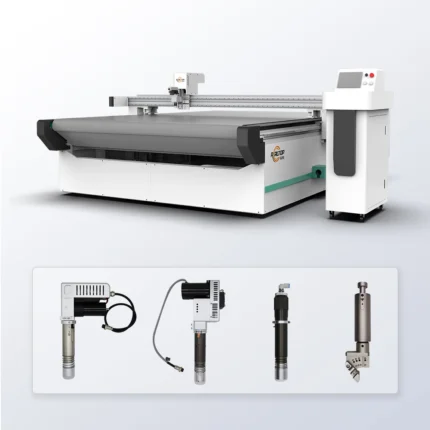
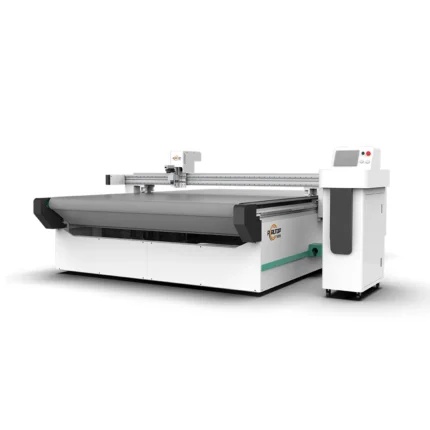
2026 Hot Sale CNC Knife Cutting Machine for Fabric, Leather, PVC. Ideal for precise cutting of various materials with advanced CNC technology, perfect for manufacturing needs.
Product Parameters
| Application | Fabric, Leather, PVC |
| Type | CNC Knife Cutting Machine |
| Feature | Precision Cutting |
| Year | 2026 Model |
Cortadora de cuchilla oscilante de mesa plana 2026, 1600x3500 mm, textil con alimentación automática
Product Overview
Flatbed Oscillating Knife Cutting Machine 2026 is a high-precision textile fabric cutter with auto-feeding function, ideal for efficient and accurate cutting tasks in textile manufacturing. It combines advanced oscillating knife technology with a large working area to meet industrial production needs.Key Specifications
| Model | 2026 |
| Working Area | 1600x3500mm |
| Feeding System | Auto-Feeding |
| Cutting Type | Oscillating Knife |
| Application | Textile Fabric |
Cortadora automática multicapa de cuchillo vibratorio 2026
Product Introduction
Automatic Multi-Layer Vibrating Knife Cutter 2026, ideal for precise cutting of various materials with multi-layer processing capability, enhancing production efficiency.
Key Specifications
| Type | Automatic Vibrating Knife Cutter |
| Layer Capacity | Multi-Layer |
| Model | 2026 |
| Function | Precision Cutting |
Máquina de corte de tela de alta velocidad 2026 con cuchilla oscilante redonda
Product Overview
High Speed Fabric Cutting Machine 2026 with round and oscillating knife for efficient fabric cutting. Ideal for textile manufacturing and related industries.Key Specifications
| Cutting Type | Round & Oscillating Knife |
| Model Year | 2026 |
| Application | Fabric Cutting |
| Feature | High Speed Performance |
商品评价
There are no reviews yet.