


Vibrating Knife Fabric Cutting Table – Technical Guide
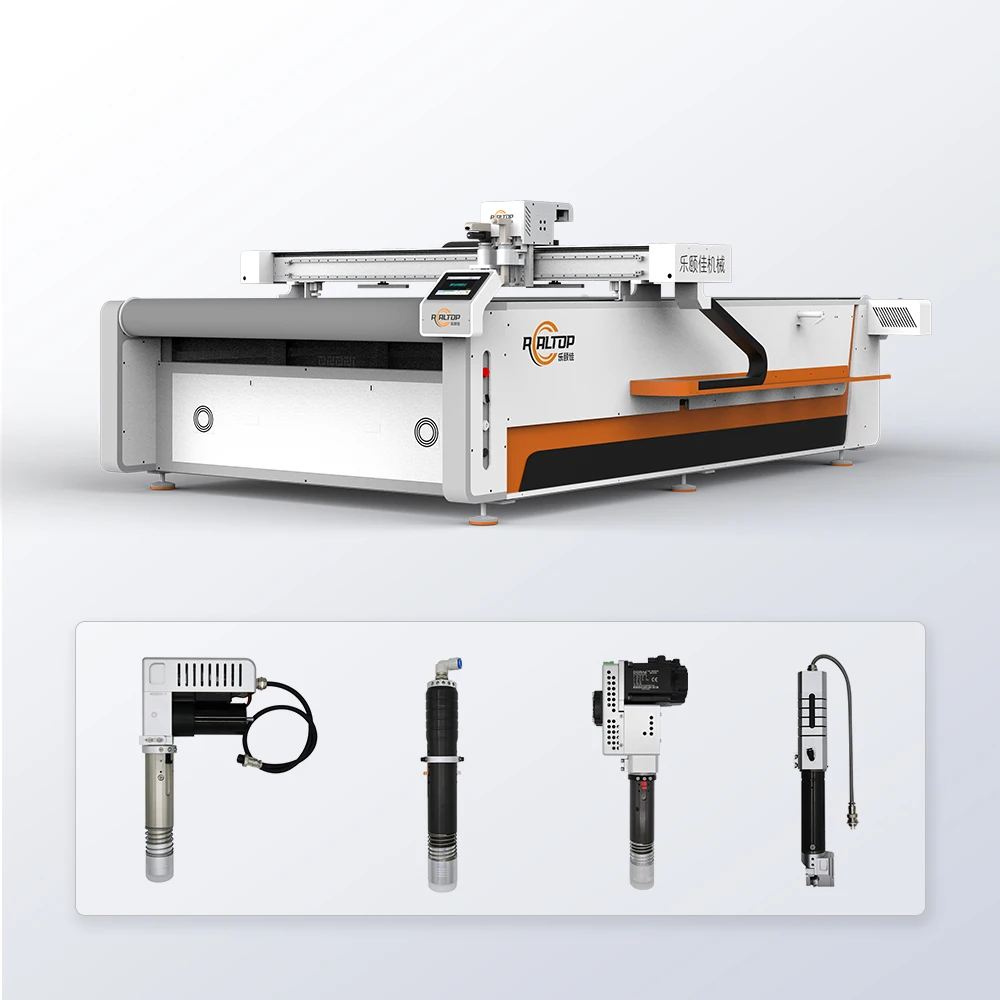
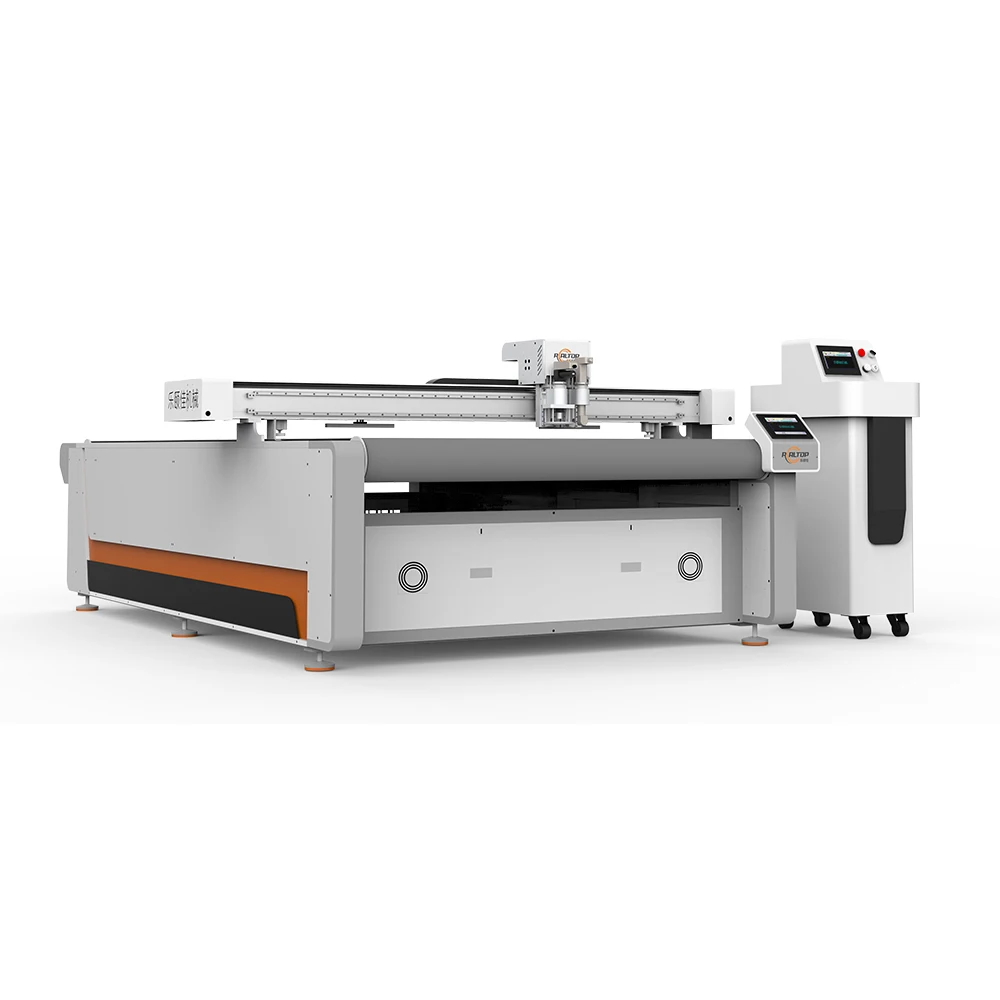
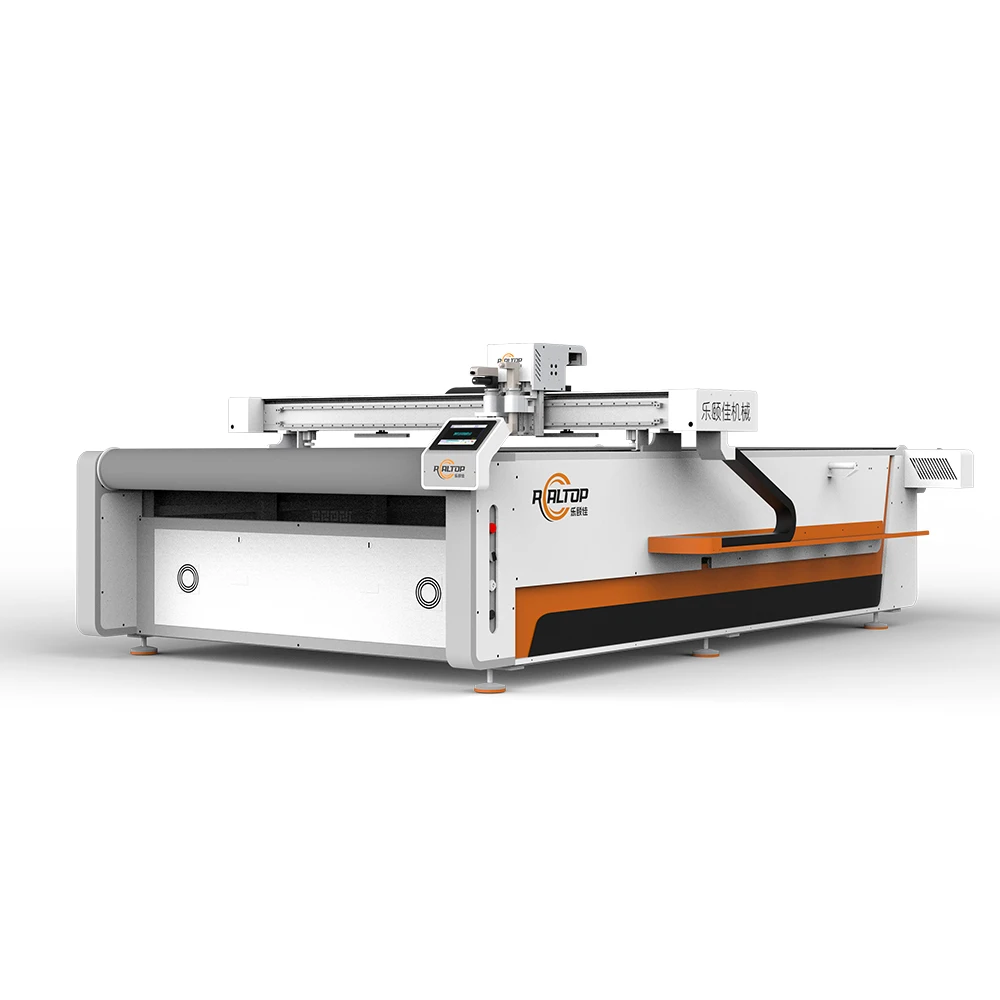
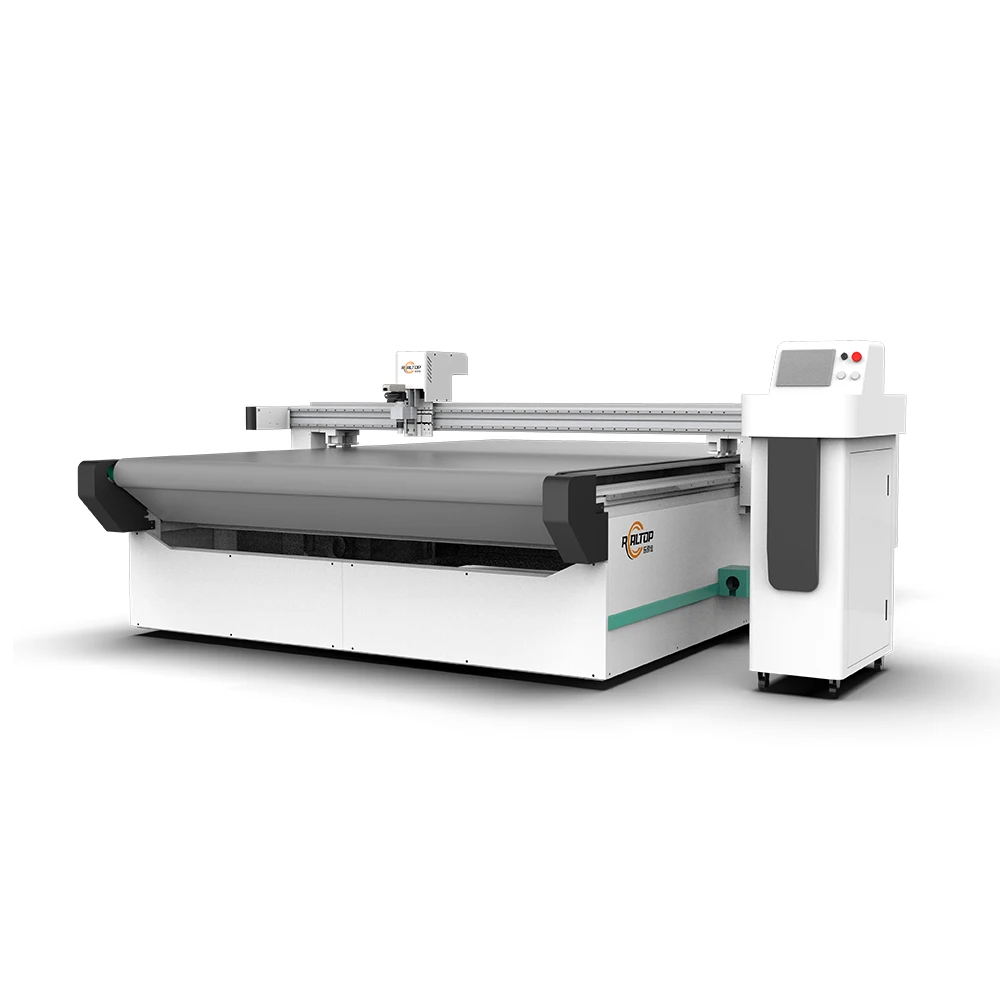
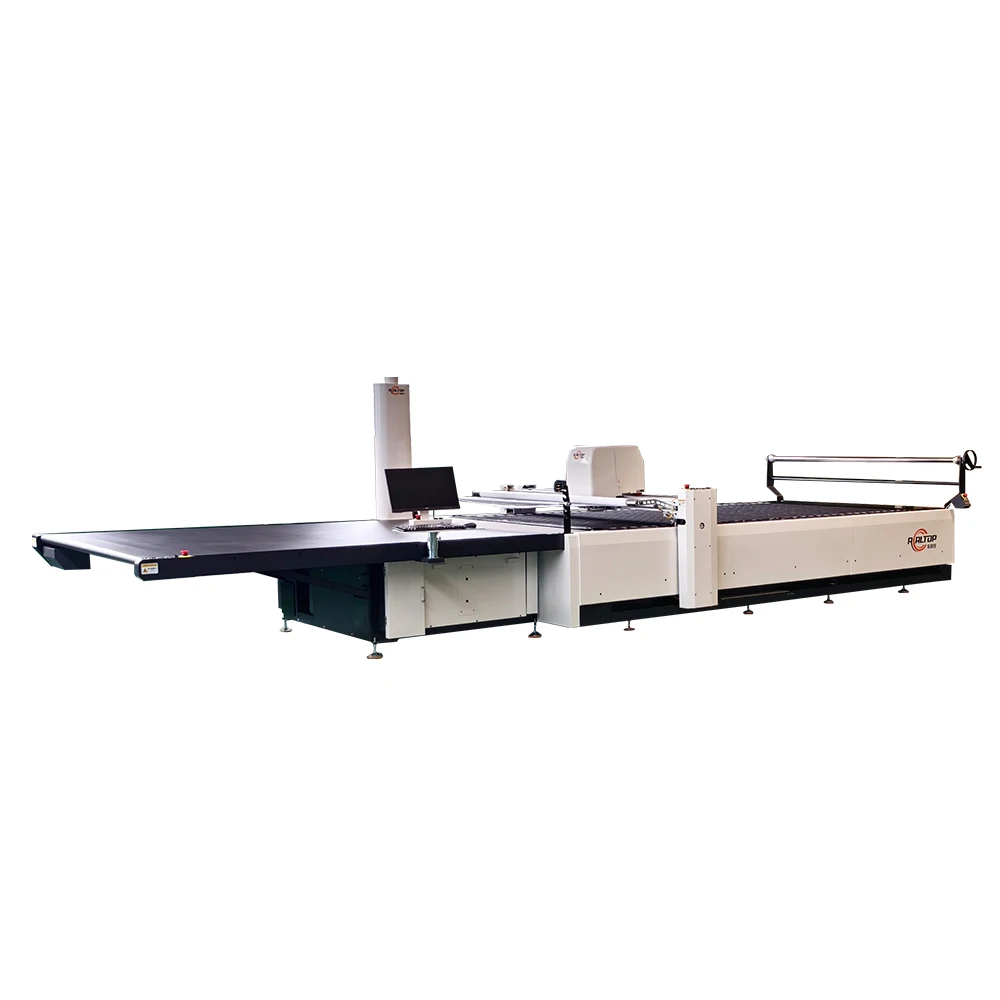
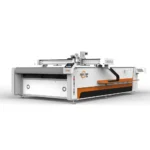
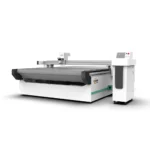
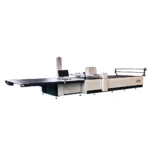
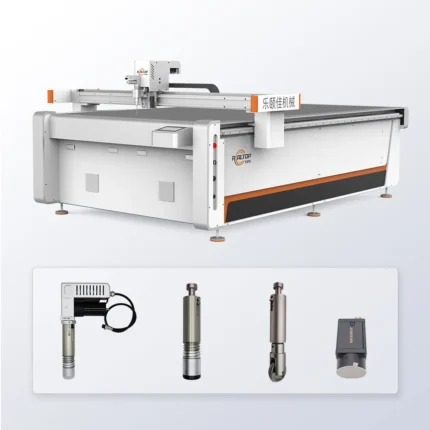
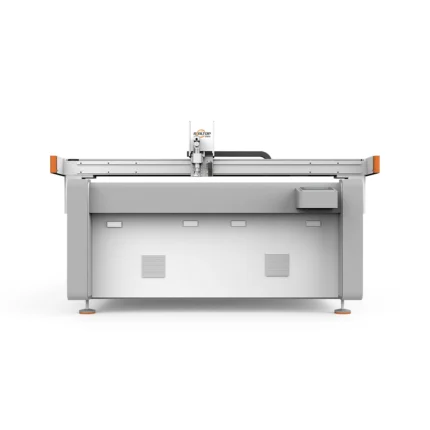
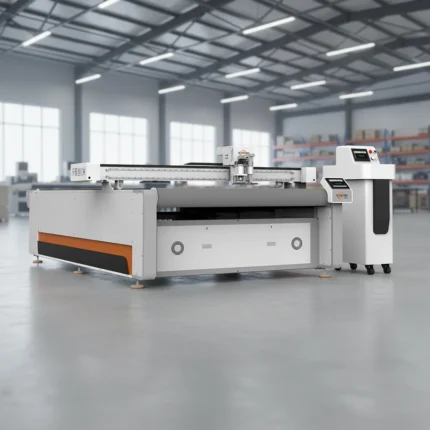
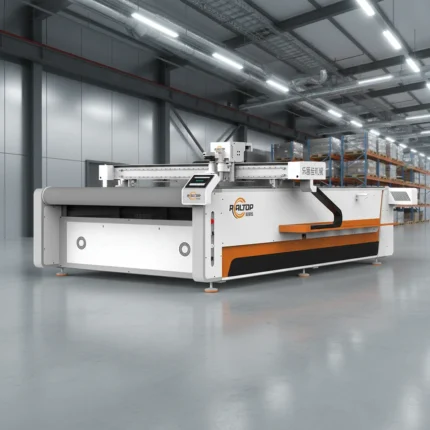
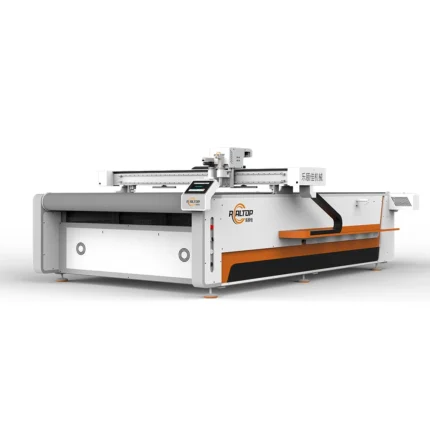
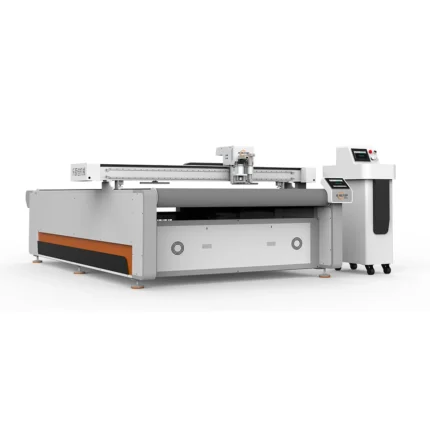
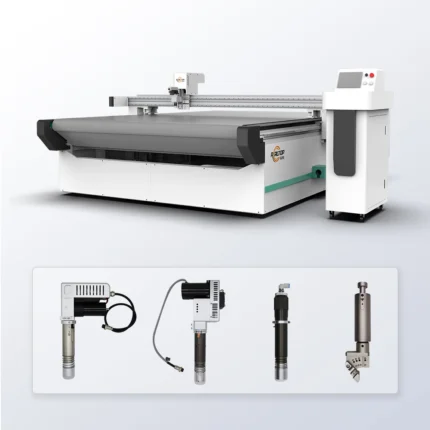
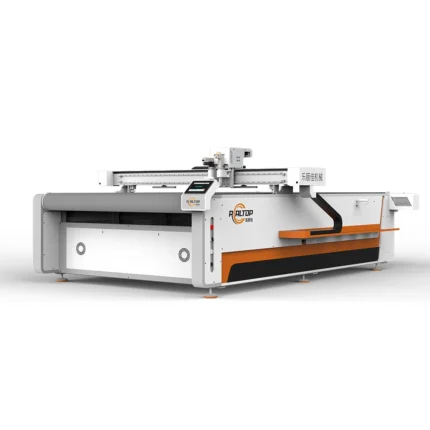
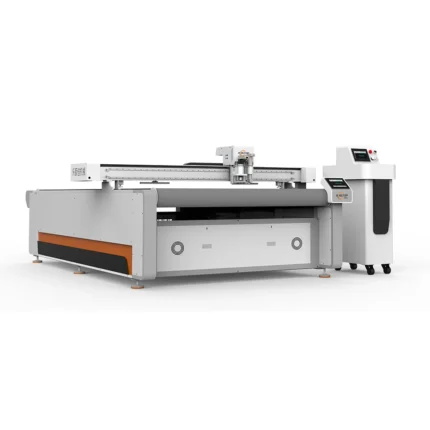
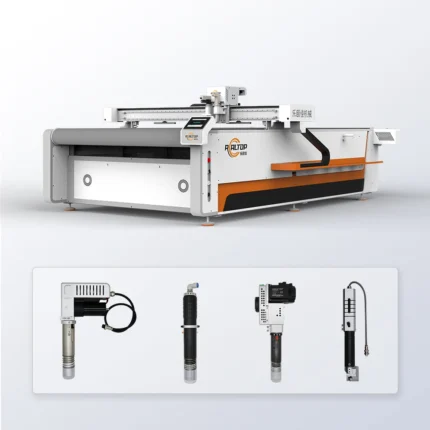
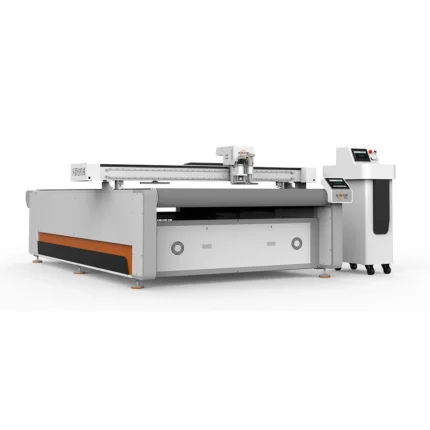
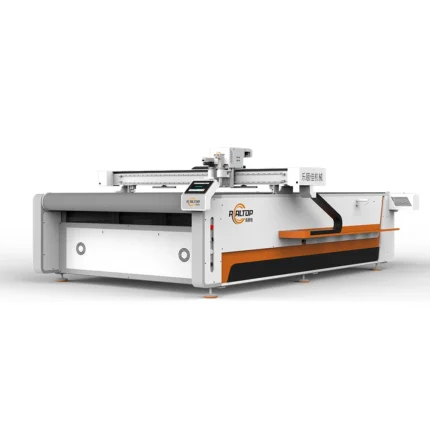
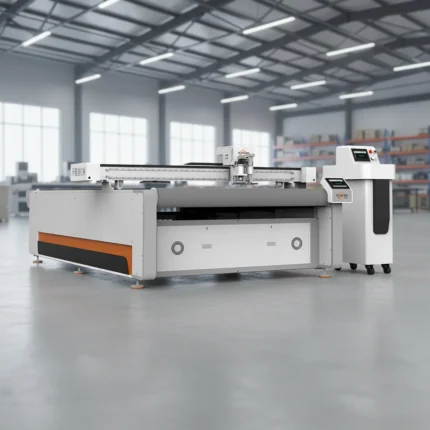
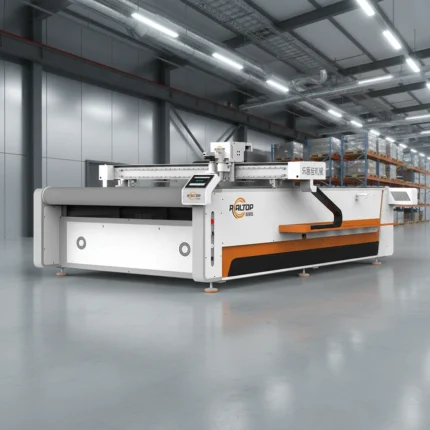
RT-D2516/RT-S2516 CNC Oscillating Knife Cutting Machine, 1600×2500mm Working Area, 9kW, CCD Positioning — engineered for fabric, leather and composite material processing.
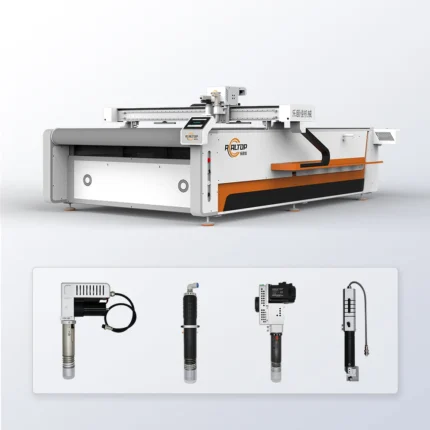
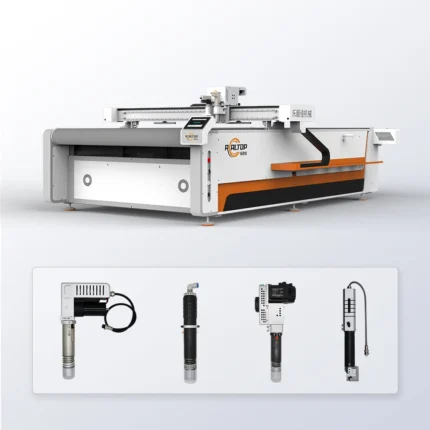
- Multi-tool head configuration including oscillating, drag and circular knife, matched to material type and cutting depth
- Magnesium-aluminum vacuum table with 7.5kW pump ensures consistent hold-down for small and large nested parts
- IP67-rated Delta or Panasonic servo motors deliver ≤0.1mm repeated accuracy across extended production runs
Sample cutting on your own material confirms edge quality and throughput before commitment, with voltage, language and software format verified to your production workflow.
Material-matched tooling configuration — Every RT-D2516/RT-S2516 leaves the factory with the cutting head, vacuum zoning, and blade set specified against the buyer’s own sample material rather than a generic catalog page.
Technical Specifications
| Parameter | Value |
|---|---|
| Product Type | CNC Oscillating Knife Cutting Machine |
| Model | RT-D2516 / RT-S2516 |
| Working Area | 1600 × 2500 mm |
| Machine Dimensions (L×W×H) | 3450 × 2300 × 1250 mm |
| Rated Power | 9 kW |
| Operating Voltage | 380V ± 10% |
| Tool Head Configuration | Swiss-imported vibrating knife (full / half cut); options: oscillating, pneumatic, high-power vibrating, circular, V-cut, drag knife, creasing wheel, dotted line, punching, brush |
| Visual Positioning | Small CCD mark-point, panoramic camera recognition, projection positioning |
| Cutting Thickness | Up to 100 mm (varies with material density and layer count — confirm per application) |
| Cutting Speed | 200 – 800 mm/s (basis not stated in source — depends on material, thickness, layer count) |
| Translational Velocity | 800 – 2000 mm/s |
| Repeated Positioning Accuracy | ≤ 0.1 mm |
| Drive System | Digital servo motor, linear guide, synchronous belt, ball screw |
| Servo Motor Options | Delta (Taiwan) or Panasonic (Japan), IP67 waterproof |
| Vacuum Table Construction | Magnesium-aluminum alloy, fluorocarbon PVDF powder spray, anodic and hard oxidation; integrated or split box design |
| Vacuum Pump | 7.5 kW |
| Working Table Options | Flat table or auto-feeding conveyor table |
| Conveyor Belt Origin | Germany |
| Linear Rail | Taiwan Hiwin |
| Safety Devices | Infrared induction blocking, dual-side beam anti-collision sensors, emergency stop |
| Control Interface | Touch screen, multi-language |
| Instruction System | HP-GL compatible |
| Software File Formats | PLT, DXF, AI and others |
| Language Options | English, Russian, Italian, Chinese; custom languages available |
Application Suitability
| Application | Material or Output |
|---|---|
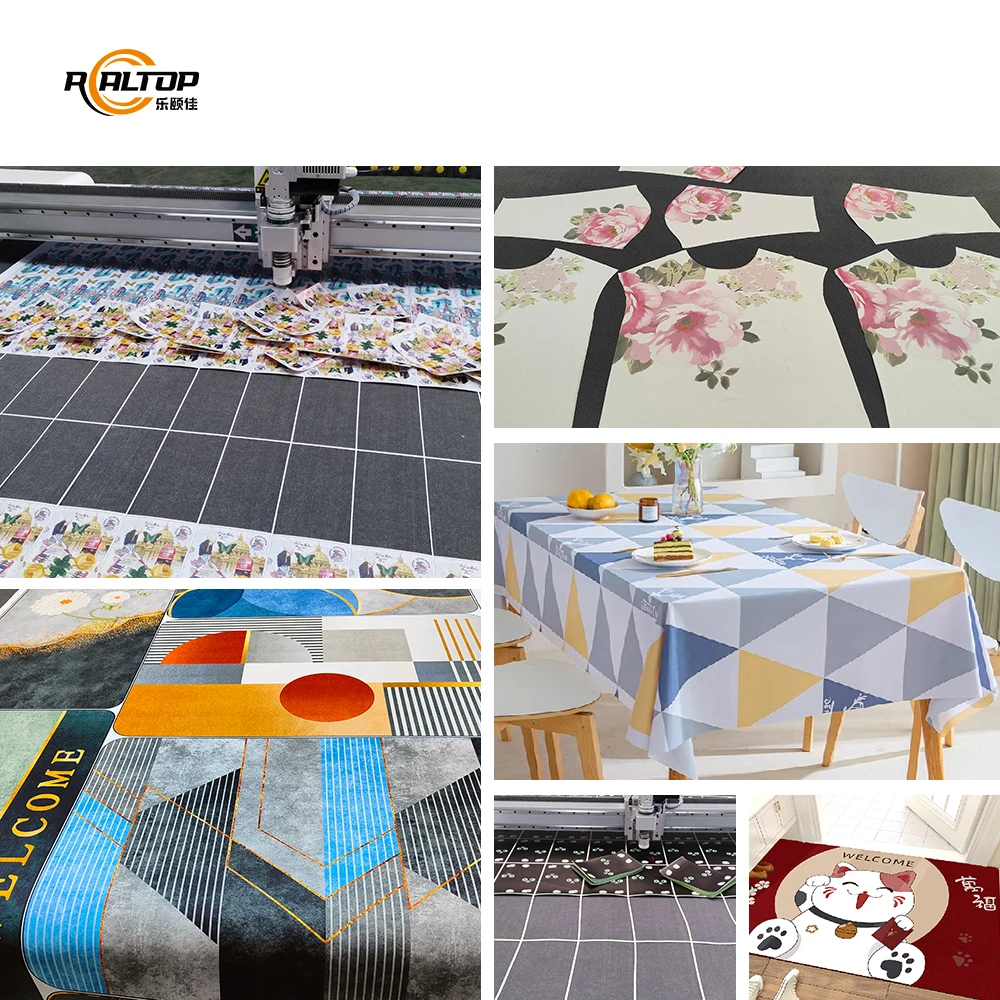
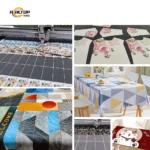
| Garment and footwear production | Multi-layer woven fabric, non-woven textile, leather, shoe upper and lining materials |
| Automotive interior trimming | Composite panels, PU and EVA foam, PVC sheets, sponge gasket stock |
| Soft home furnishing | Large-format upholstery fabric, carpet, floor mat textiles, curtain and drapery cloth |
| Technical textile and outdoor gear | Fiberglass cloth, PTFE and ETFE films, XPE foam, aramid-reinforced composites |
| Packaging and graphic sampling | Corrugated cardboard, sticker film, PP and PE sheets, foam board |
Why the Wrong Blade Stops a Fabric Line Cold
Specifying a CNC oscillating knife fabric cutting machine by working area alone is the most common mistake I see on fabric cutting installations — the table fits the room but the tool head cannot handle what you feed it.
The blade must match the fiber structure, not just the thickness.
I worked with a buyer in Peru who ordered a multi-layer fabric cutting setup rated for standard textiles. Their production fabric contained a woven aramid layer that destroyed conventional steel blades within two shifts. The line sat idle for nearly two weeks while the correct tungsten carbide blade set cleared customs. Since that shutdown, I insist every order ships with material-matched spares already in the crate — not on a promise from the logistics desk. [NEED_CITE: tooling wear rates on technical versus conventional textiles]
Tool Head Selection Against Fiber Type
The RT-D2516/RT-S2516 platform supports a broad tool head range — oscillating knife, drag knife, circular knife, pneumatic knife, creasing wheel, and punching tools — because no single blade geometry cuts cleanly across woven aramid, non-woven fleece, and closed-cell foam. An oscillating knife handles dense multi-layer textile stacks with a clean vertical stroke, while a drag knife suits single-ply vinyl or sticker film where a dragging sweep prevents material lift. Choosing the correct head before the machine ships avoids the ragged edge complaints that surface during the first production week.
Vacuum Zoning and Small-Part Hold-Down
The magnesium-aluminum alloy table on this CNC oscillating knife fabric cutting machine uses a split or integrated box design paired with a 7.5 kW vacuum pump, but vacuum power means nothing if the zoning does not match your part geometry. Small pattern pieces — shoe uppers, gasket profiles, collar cuts — lose suction on a single-zone table because air bleeds through the uncovered areas. Split-box zoning lets the operator activate only the section under the cutting head, maintaining consistent hold-down across irregular nest layouts and preventing the fabric lift that causes missed cuts and blade deflection. [NEED_CITE: vacuum hold-down requirements for nested small-part cutting]
Reading the Specs That Matter on the Shop Floor
Cutting speed is listed as 200 – 800 mm/s, but that range depends entirely on material density, layer count, and fiber composition — a single-ply polyester liner moves at the upper end while a 60 mm stack of compressed EVA foam requires the lower boundary. The IP67-rated servo motors from Delta or Panasonic suppress vibration through sustained shifts, keeping repeated positioning accuracy within 0.1 mm even when the machine runs abrasive composite materials that generate fine particulate. The CCD and panoramic camera positioning system tracks printed contour marks for dye-sublimated fabric panels, though actual tracking reliability at full translational speed should be confirmed with a sample run on your printed stock. Linear rails from Taiwan Hiwin carry the gantry across the 2500 mm stroke without the micro-deflection that shows up as drift on long continuous cuts.
The Cost of Skipping the Sample Cut
Buyers who approve a configuration from a spec sheet without a sample cutting report on their own material often discover edge quality issues during commissioning. Crushed foam layers, frayed weave edges on technical textiles, and incomplete cuts through adhesive-backed composites all trace back to a tool head or vacuum setting that was guessed rather than tested. [NEED_CITE: common fabric cutting defects from incorrect tooling configuration] These problems surface after the machine is bolted to the floor and the buyer’s production schedule is already committed, turning what should be a two-day commissioning into a multi-week troubleshooting cycle.
Why Procurement Flows Through Jinan for This Class of Machine
REALTOP designs and builds both knife and laser cutting platforms in-house, so the cutting method is matched to the material rather than forced into one technology. Each RT-D2516/RT-S2516 receives a tool head and table configuration list written against the buyer’s stated material and production volume. Software file format compatibility — PLT, DXF, AI — is confirmed before the order enters production, not after the control panel powers up. Voltage, plug type, and control language are locked in at the quotation stage so the 380V ± 10% electrical system arrives correct for the destination market. Sample cutting on the buyer’s actual fabric, leather, or composite runs before the order is committed, producing a report that documents edge quality, achieved speed, and blade wear.
Documentation & Verification
- Machine specification sheet listing confirmed tool head and vacuum table configuration per material
- Electrical schematic with voltage and frequency locked to destination country requirements
- Sample cutting report on buyer-supplied fabric or composite material before order confirmation
- Software licence documentation with file format compatibility note for PLT, DXF, and AI workflows
- Factory test record covering positioning accuracy and vacuum pressure verification before crating
Installation, Commissioning & Support
- The 9 kW rated power draw requires a dedicated 380V circuit with confirmed phase rotation at the panel
- Machine footprint of 3450 × 2300 mm needs level concrete flooring and clearance for conveyor feed from either side
- Gantry and beam arrive partially assembled; final rail alignment and belt tension are set during on-site commissioning
- First-run parameter setting covers vacuum zone mapping, blade depth calibration, and CCD mark registration on buyer material
- Spare blade set matched to the buyer’s fabric composition ships in the crate to avoid production gaps during the first reorder cycle
Preparing Your Material Data for Quotation
Send your material composition sheet, typical layer count, maximum sheet width, and daily volume target so the tool head and table configuration can be specified before quotation. Include your local voltage and frequency standard, preferred control language, and a sample of any printed fabric if you plan to use CCD contour positioning. If your nesting software exports in a specific format, share a test file so compatibility is verified before the machine enters production.
Frequently Asked Questions
Q: How is cutting thickness verified for my specific fabric stack?
A: Thickness ratings on the RT-D2516/RT-S2516 are material-dependent, not a blanket number. We run a sample cutting test on your actual fabric or composite at your target layer count, then document the achieved edge quality, blade wear rate, and speed in a report you review before committing to the order.
Q: Which tool head suits my material — oscillating or drag knife?
A: Dense multi-layer woven textiles and foam stacks typically require an oscillating knife for clean vertical cuts, while single-ply films and sticker materials work better with a drag knife. We specify the tool head after reviewing your material samples, so the configuration is fixed before shipment rather than guessed on the floor.
Q: Can the CCD camera reliably track printed marks at production speed?
A: The panoramic and small CCD positioning options track printed contour marks, but reliability depends on print contrast, mark size, and fabric surface texture. We test your printed sample at target speed during the sample cutting phase and report actual tracking performance before you approve the configuration.
Q: What electrical and language details are confirmed before the machine ships?
A: Voltage tolerance, plug type, and control panel language are locked at the quotation stage and recorded in the electrical schematic. The RT-D2516/RT-S2516 supports 380V ± 10% with English, Russian, Italian, and Chinese interfaces by default, and custom languages can be configured for your operator team.


Related products
2026 Carbon Fiber Cloth Cutting Machine – China Manufacturer
Product Introduction
Fabric Sample Cutter Pillow Machine ¨C 2026 Carbon Fiber Cloth Cutting Machine, ideal for precise cutting of carbon fiber cloth and fabric samples, suitable for pillow production and related textile applications.Product Parameters
| Name | Fabric Sample Cutter Pillow Machine |
| Model | 2026 |
| Material | Carbon Fiber Cloth |
| Application | Pillow Fabric Cutting |
2026 Máquina de corte para tablas de surf SUP inflables
Product Introduction
Ideal for inflatable surf SUP board production, this 2026 cutting machine ensures precise and efficient cutting, tailored for manufacturers seeking reliable performance in water sports equipment manufacturing.
Specifications
| Application | Inflatable Surf SUP Board |
| Type | Cutting Machine |
| Model Year | 2026 |
Máquina de corte automático de tela 1200mm Delta Servo 2026
Product Parameters
| Cutting Width | 1200mm |
| Servo System | Delta Servo |
| Model Year | 2026 |
Introduction
High-performance Automatic Fabric Cutting Machine with 1200mm cutting width, equipped with Delta Servo for precision. Ideal for efficient fabric processing in textile industry, ensuring accurate and fast cutting operations.
Máquina CNC personalizada de corte de tela para camisetas 2026
Product Introduction
Custom CNC Shirt Fabric Cutting Machine 2026, ideal for precise fabric cutting in garment manufacturing, offering efficient and accurate cutting solutions.
Product Parameters
| Model | Custom CNC Shirt Fabric Cutting Machine 2026 |
| Type | CNC Fabric Cutting Machine |
| Application | Shirt Fabric Cutting |
| Year | 2026 |
Máquina de corte de tela de alta velocidad 2026 con cuchilla oscilante redonda
Product Overview
High Speed Fabric Cutting Machine 2026 with round and oscillating knife for efficient fabric cutting. Ideal for textile manufacturing and related industries.Key Specifications
| Cutting Type | Round & Oscillating Knife |
| Model Year | 2026 |
| Application | Fabric Cutting |
| Feature | High Speed Performance |
Jinan Realtop CNC Fabric Slitting Cutter 2026: Cortador avanzado de materiales flexibles
Product Introduction
Jinan Realtop CNC Fabric Slitting Cutter 2026 is a high-performance cutting equipment designed for precise fabric processing, ideal for industrial manufacturing needs with reliable CNC technology.Specifications
| Model | 2026 |
| Type | CNC Fabric Slitting Cutter |
| Manufacturer | Jinan Realtop |
| Application | Fabric Processing |
| Control System | CNC |
商品评价
There are no reviews yet.